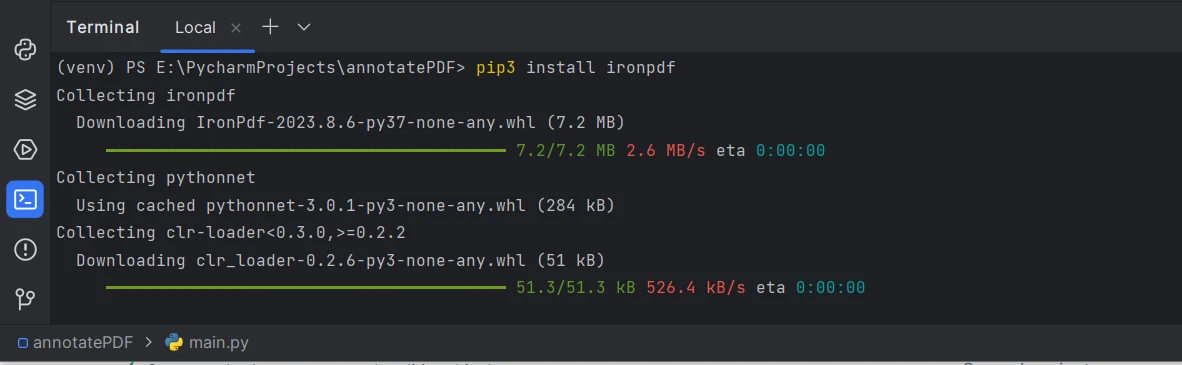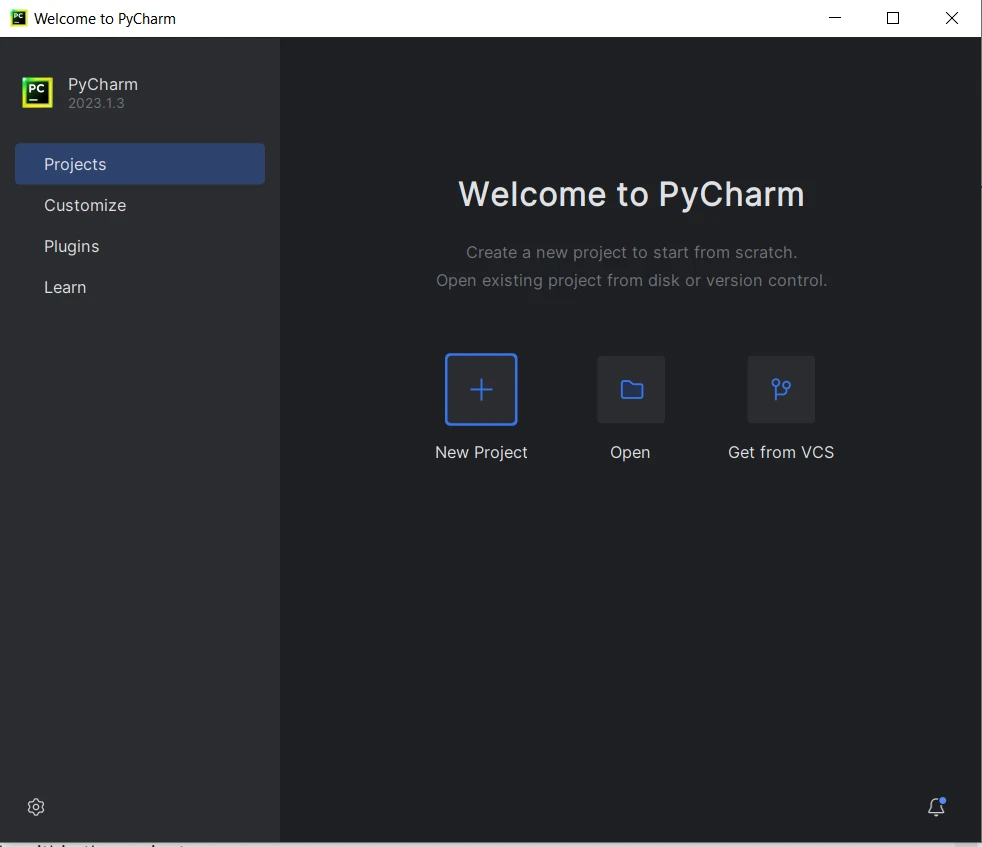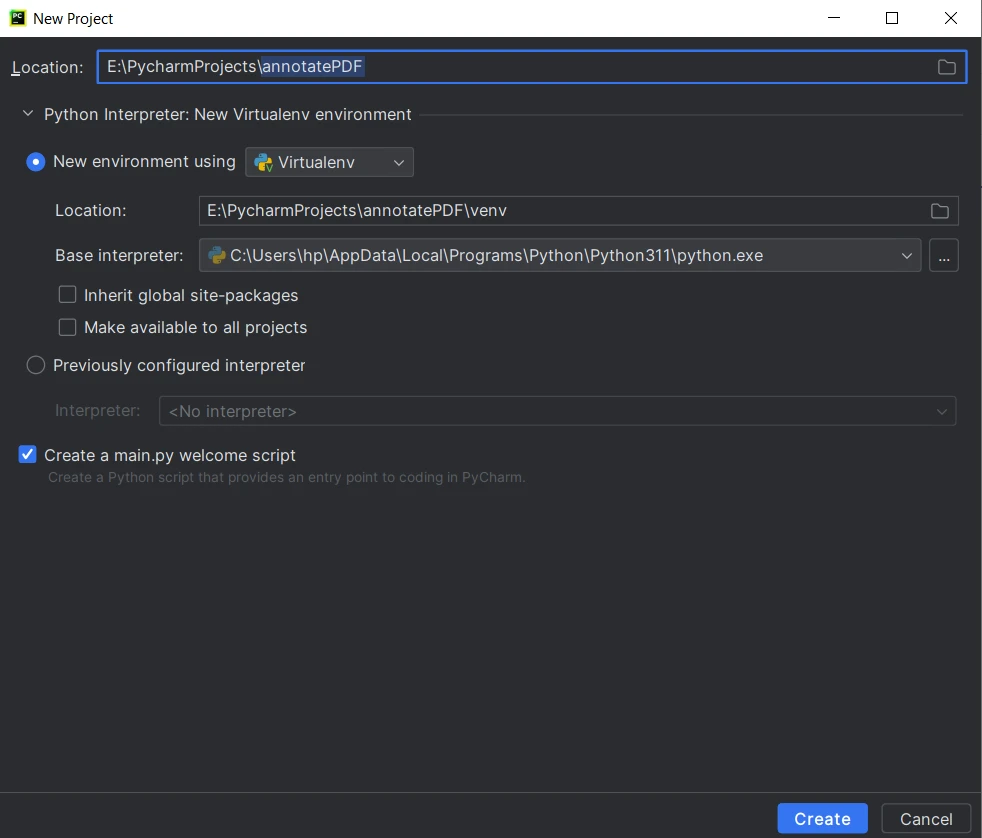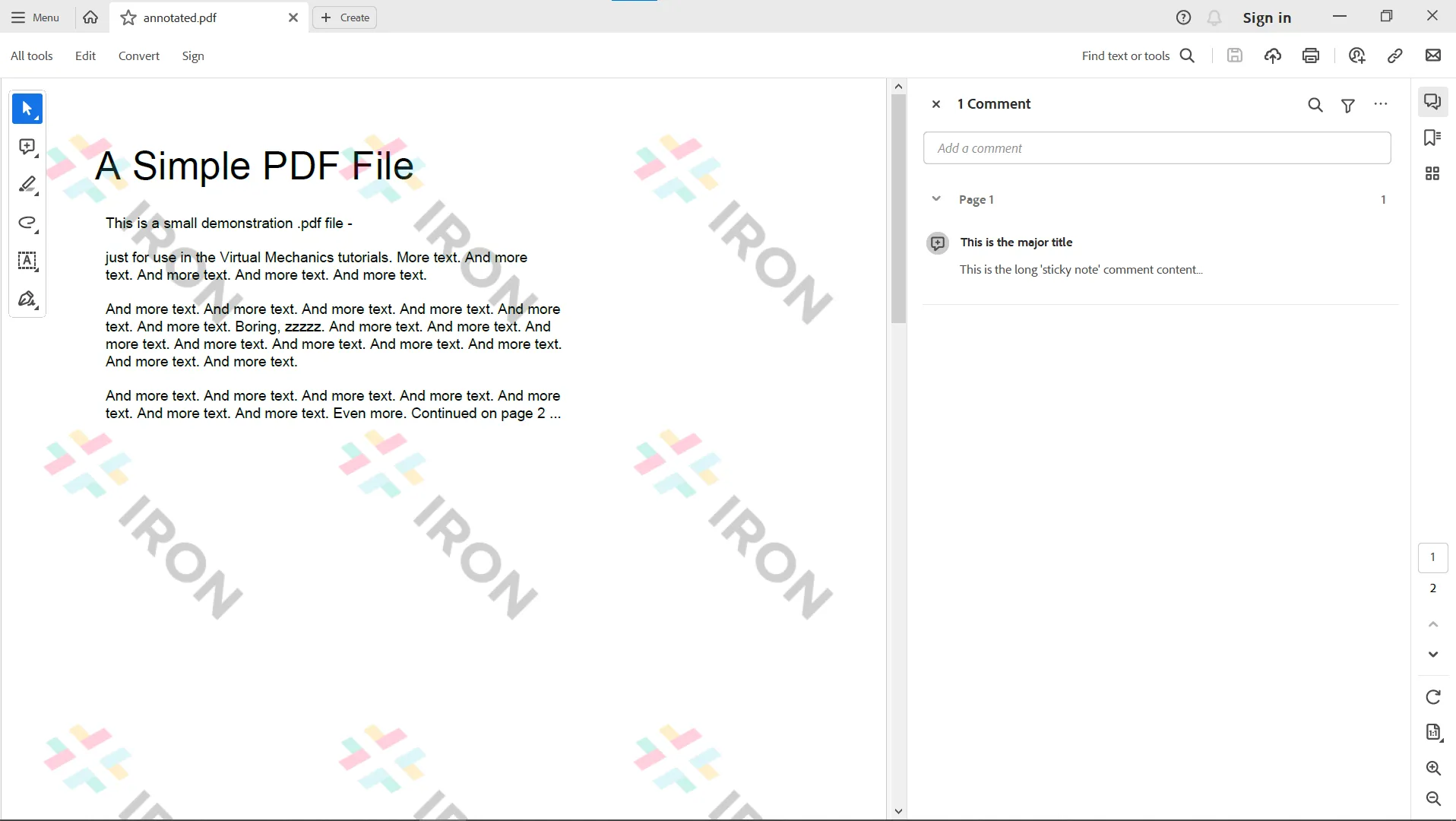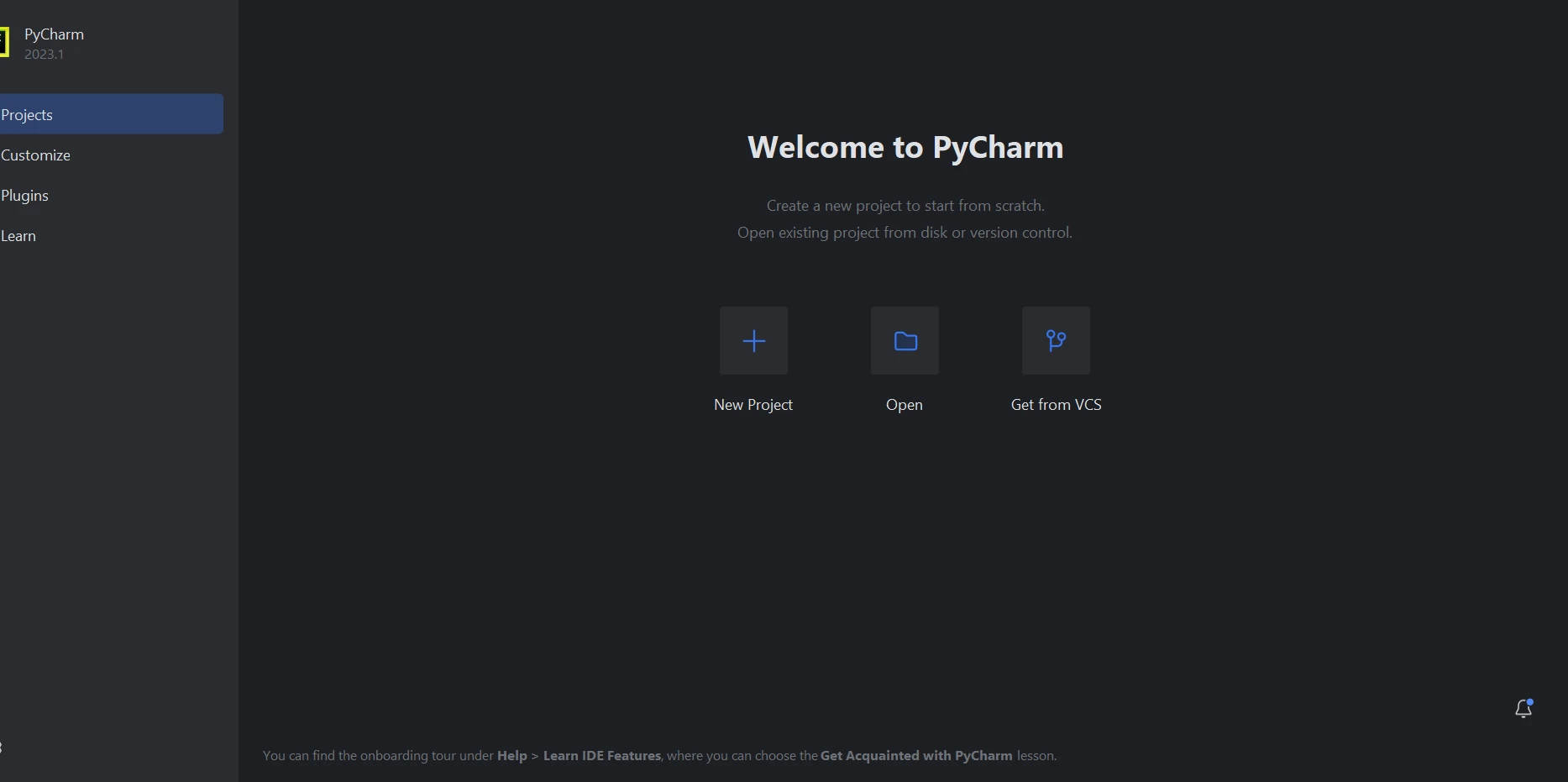
PYTHON用IRONPDFを使用する IronPDFを使用してPythonで簡単にPDFに注釈を入れる方法 Curtis Chau 更新日:7月 28, 2025 Download IronPDF pipダウンロード Start Free Trial Copy for LLMs Copy for LLMs Copy page as Markdown for LLMs Open in ChatGPT Ask ChatGPT about this page Open in Gemini Ask Gemini about this page Open in Grok Ask Grok about this page Open in Perplexity Ask Perplexity about this page Share Share on Facebook Share on X (Twitter) Share on LinkedIn Copy URL Email article If you're interested in learning how to add annotations to PDF files using the IronPDF for Python library, keep reading. This article will guide you through the process step by step. Understanding PDF Annotations PDF annotation is the process of adding additional information, notes, highlights, or other visual elements to a PDF document. Annotations serve as a way to provide context, collaborate on documents, and enhance the readability of the content. Common types of annotations include text comments, adding links via link annotation, adding file attachments, highlighting, underlining, strikethrough, shapes, and even adding images or stamps. IronPDF - A Python PDF Library IronPDF is a popular Python library that enables developers to work with PDF documents seamlessly. It offers a comprehensive set of features, including PDF creation, manipulation, and annotation. With IronPDF, you can easily integrate PDF generation and modification capabilities into your Python applications, allowing you to automate tasks and streamline document workflows. IronPDF supports various annotation types, allowing you to create a rich and interactive reading experience for your PDF documents. Whether you want to add textual explanations using text annotation, highlight important sections, attach other PDFs with the file attachment type, or even include stamps to mark documents as "Approved" or "Confidential" using stamp annotation, IronPDF has you covered. Prerequisites Before diving into annotating PDFs using IronPDF, ensure you have the following prerequisites in place: Python: Ensure that Python is installed on your computer. To download the latest version, visit the official Python website. Install an IDE: Before you can start working on your PDFs with IronPDF, you will need to install an IDE. PyCharm is recommended as a popular integrated development environment (IDE) for Python. Alternatively, you can use any IDE of your choice if you don't want to use PyCharm. IronPDF Library: Install the IronPDF library using the following command in the terminal: pip install IronPDF pip install IronPDF SHELL Install IronPDF package .NET 6.0 Runtime: IronPDF for Python relies on .NET 6.0 technology to work properly. This means you need to have .NET 6.0 runtime installed on your computer to use IronPDF for Python effectively. Most likely, it will automatically install with IronPDF dependencies at the time of project execution. Note: When installing IronPDF using pip (Python Package Manager), it is important to ensure that the IronPDF installation path is included in the system's PATH variable. This step is crucial to ensure that pip can locate the IronPDF package and its associated components during installation and usage. Creating a Project in PyCharm Let's start by creating a new project in PyCharm: Open PyCharm and click on "Create New Project". PyCharm IDE Choose a location for your project and select the appropriate interpreter (Python). Create a new Python project Click 'Create' and the project is created. The main.py file will also be created to write the code for execution. Now that the demo project is set up, let's proceed to annotate a PDF using IronPDF. Steps to Annotate PDF Documents in Python Step 1: Importing the IronPDF Library The first line imports the required modules from the IronPDF library, allowing access to the necessary classes and functions for PDF manipulation and annotation. from ironpdf import PdfDocument, TextAnnotation from ironpdf import PdfDocument, TextAnnotation PYTHON Step 2: Loading an Existing PDF Document In this step, an existing PDF file named "existing.pdf" is loaded using the PdfDocument class. This document will be used as the base to add annotations. Also, set the page index on which supported annotation types will be added. # Load the PDF document and set the target page index for annotation pdf = PdfDocument("existing.pdf") pageIndex = 0 # Load the PDF document and set the target page index for annotation pdf = PdfDocument("existing.pdf") pageIndex = 0 PYTHON Step 3: Setting Annotation Parameters The following lines of code define various properties for text annotation that will be added to the PDF. These properties provide information about the annotation's appearance and behavior: # Create a text annotation and configure its properties annotation = TextAnnotation(pageIndex) annotation.Title = "This is the major title" annotation.Subject = "This is a subtitle" annotation.Contents = "This is the long 'sticky note' comment content..." annotation.Icon = TextAnnotation.AnnotationIcon.Help annotation.X = 150 annotation.Y = 200 annotation.Width = 200 annotation.Height = 50 annotation.Opacity = 0.9 annotation.Printable = False annotation.Hidden = False annotation.OpenByDefault = True annotation.ReadOnly = False annotation.Rotatable = True # Create a text annotation and configure its properties annotation = TextAnnotation(pageIndex) annotation.Title = "This is the major title" annotation.Subject = "This is a subtitle" annotation.Contents = "This is the long 'sticky note' comment content..." annotation.Icon = TextAnnotation.AnnotationIcon.Help annotation.X = 150 annotation.Y = 200 annotation.Width = 200 annotation.Height = 50 annotation.Opacity = 0.9 annotation.Printable = False annotation.Hidden = False annotation.OpenByDefault = True annotation.ReadOnly = False annotation.Rotatable = True PYTHON Here's what each property represents: Annotation: Setting up the annotation variable and declaring the annotation type. Title: The major title of the new annotation. Subject: A subtitle or additional information about the annotation. Contents: The main content of the annotation, resembles a "sticky note" comment. Icon: The visual icon associated with the annotation (in this case, a help icon). X and Y: The coordinates of the annotation's top-left corner on the page. Width and Height: The dimensions of the annotation's bounding box. Opacity: The opacity level of the annotation (ranging from 0 to 1). Printable: Whether the annotation should be printed. Hidden: Whether the annotation is initially hidden. OpenByDefault: Whether the annotation should be open by default. ReadOnly: Whether the annotation is read-only. Rotatable: Whether the annotation can be rotated. For more annotation types and properties visit this code examples page. Step 4: Adding the Annotation to the PDF The following line of code adds the created text annotation to a specific page within the PDF document: # Add the text annotation to the specified page in the PDF document pdf.Annotations.Add(annotation) # Add the text annotation to the specified page in the PDF document pdf.Annotations.Add(annotation) PYTHON Step 5: Saving the Annotated PDF Finally, the updated PDF document with the added annotation is saved using the SaveAs method: # Save the PDF document with the new annotations pdf.SaveAs("annotated.pdf") # Save the PDF document with the new annotations pdf.SaveAs("annotated.pdf") PYTHON Step 6: Running the Script Now, let's put all the code together and run the script in the PyCharm project that was created earlier. To run the script within PyCharm, right-click anywhere within the script editor and select Run annotatePDF. PyCharm will execute the script, and you will see the output and any potential errors in the Run console at the bottom of the IDE. Once the script is completed, you can find the annotated PDF ("annotated.pdf") in the same directory as your project. Output: The output PDF file Conclusion By following the steps outlined in this article, you can harness the power of IronPDF to automate your PDF annotation workflows and improve your document management processes. IronPDF simplifies the process of adding link annotations and editing existing annotations in PDF documents that are either spread across different pages or on the same page, and offers a robust set of tools for creating, modifying, and annotating programmatically. Additionally, IronPDF offers you to build interactive PDF documents, fill out and send interactive forms, split and combine PDF files, extract text and images from PDF files, search for certain words within a PDF file, rasterize PDF pages to images, convert PDF to HTML, and print PDF files. Start experimenting with IronPDF today, and see how it can transform your document management processes. IronPDF offers a free trial so you can test out its complete functionality before purchasing a license. Licenses start from $799, with the option to add on helpful extras. Download IronPDF for Python from the official website and start elevating your PDF projects today. よくある質問 Pythonを使用してPDFに注釈を付ける方法は? IronPDFを使用して、PythonでPDFに注釈を付けることができます。ライブラリをインポートし、PDFをロードし、タイトルや内容など、注釈パラメータを設定し、注釈を追加し、更新されたPDFを保存します。 PythonでIronPDFを使用するためのシステム要件は何ですか? PythonでPDFに注釈を付けるためにIronPDFを使用するには、Pythonがインストールされていること、PyCharmなどのIDE、IronPDFライブラリ、.NET 6.0ランタイムが必要です。 PythonでPDF操作のためにIronPDFをインストールする方法は? PythonでIronPDFをインストールするには、ターミナルでpip install IronPDFコマンドを実行します。 PythonでIronPDFを使用して作成できるPDF注釈の種類は何ですか? IronPDFは、テキストコメント、ハイライト、リンク、ファイル添付、図形、画像、スタンプなどの注釈を、そのPythonライブラリを使用して作成することを可能にします。 PythonでPDF注釈タスクを自動化できますか? はい、IronPDFはPDF注釈タスクの自動化をサポートしており、Pythonアプリケーション内でのPDFのプログラムによる作成、修正、管理を可能にします。 IronPDF の試用版はありますか? はい、IronPDFは、ライセンスの購入を決定する前に、その機能と可能性を探索できる無料試用版を提供しています。 PythonでPDF管理のためにIronPDFが提供する追加機能は何ですか? IronPDFは、インタラクティブなPDFの作成、フォームの記入、ドキュメントの分割と統合、テキストや画像の抽出、PDFをHTMLに変換する機能などを提供します。 PyCharmでPDFに注釈を付けるためのPythonスクリプトを実行する方法は? PyCharmでは、スクリプトエディタ内で右クリックして「Run annotatePDF」を選択すると、結果とエラーがRunコンソールに表示されます。 Python用のIronPDFをどこでダウンロードできますか? 公式のIronPDFウェブサイトからIronPDFをダウンロードできます。そこで、開始に必要なファイルとドキュメントを見つけることができます。 IronPDFを使用してPythonでPDFにテキストコメントを追加するプロセスは何ですか? IronPDFを使用してPDFにテキストコメントを追加するには、PDFドキュメントをロードし、テキストコンテンツや位置などの注釈パラメータを設定し、注釈を適用し、更新されたドキュメントを保存します。 Curtis Chau 今すぐエンジニアリングチームとチャット テクニカルライター Curtis Chauは、カールトン大学でコンピュータサイエンスの学士号を取得し、Node.js、TypeScript、JavaScript、およびReactに精通したフロントエンド開発を専門としています。直感的で美しいユーザーインターフェースを作成することに情熱を持ち、Curtisは現代のフレームワークを用いた開発や、構造の良い視覚的に魅力的なマニュアルの作成を楽しんでいます。開発以外にも、CurtisはIoT(Internet of Things)への強い関心を持ち、ハードウェアとソフトウェアの統合方法を模索しています。余暇には、ゲームをしたりDiscordボットを作成したりして、技術に対する愛情と創造性を組み合わせています。 関連する記事 更新日 6月 22, 2025 Scrapy in Python(開発者向けのしくみ) ここにScrapy、PythonにおけるWebスクレイピングフレームワークとIronPDFが登場し、オンラインデータの抽出と動的PDFの作成を最適化するための2つの強力なライブラリが協力しています。 詳しく読む 更新日 7月 28, 2025 PythonでPDFファイルにテキストを追加する方法 これは、Python用IronPDFがプログラミングを使用してPDFドキュメントに動的にテキスト、注釈、および他のコンポーネントを追加するための強力なツールを提供する場所です。 詳しく読む 更新日 6月 22, 2025 PythonでPDFをPNGに変換する方法 この記事では、Python用IronPDFを使用して、PDFをPNG画像ファイルに分割します。 詳しく読む PythonでPDFからテキストを行ごとに抽出する方法Pythonを使用してPDFページ...
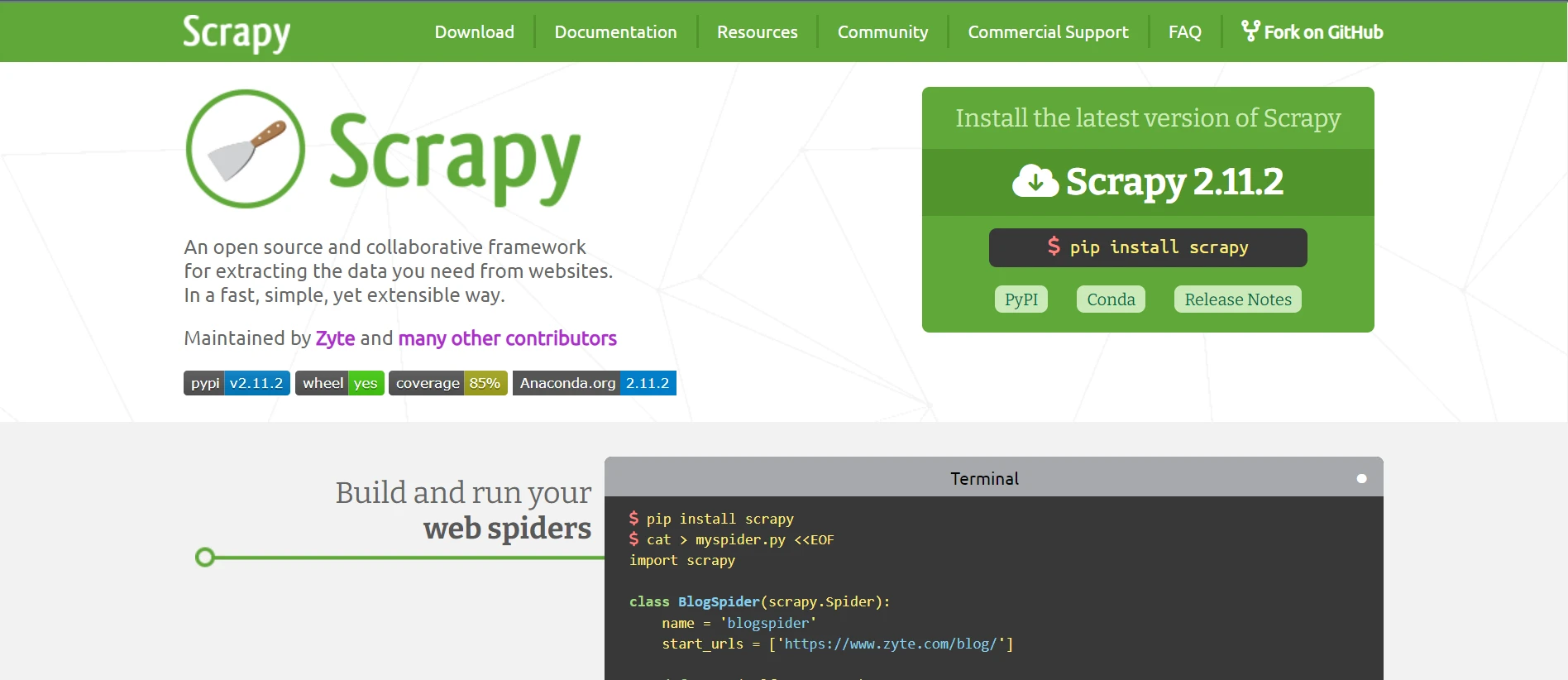
更新日 6月 22, 2025 Scrapy in Python(開発者向けのしくみ) ここにScrapy、PythonにおけるWebスクレイピングフレームワークとIronPDFが登場し、オンラインデータの抽出と動的PDFの作成を最適化するための2つの強力なライブラリが協力しています。 詳しく読む
更新日 7月 28, 2025 PythonでPDFファイルにテキストを追加する方法 これは、Python用IronPDFがプログラミングを使用してPDFドキュメントに動的にテキスト、注釈、および他のコンポーネントを追加するための強力なツールを提供する場所です。 詳しく読む