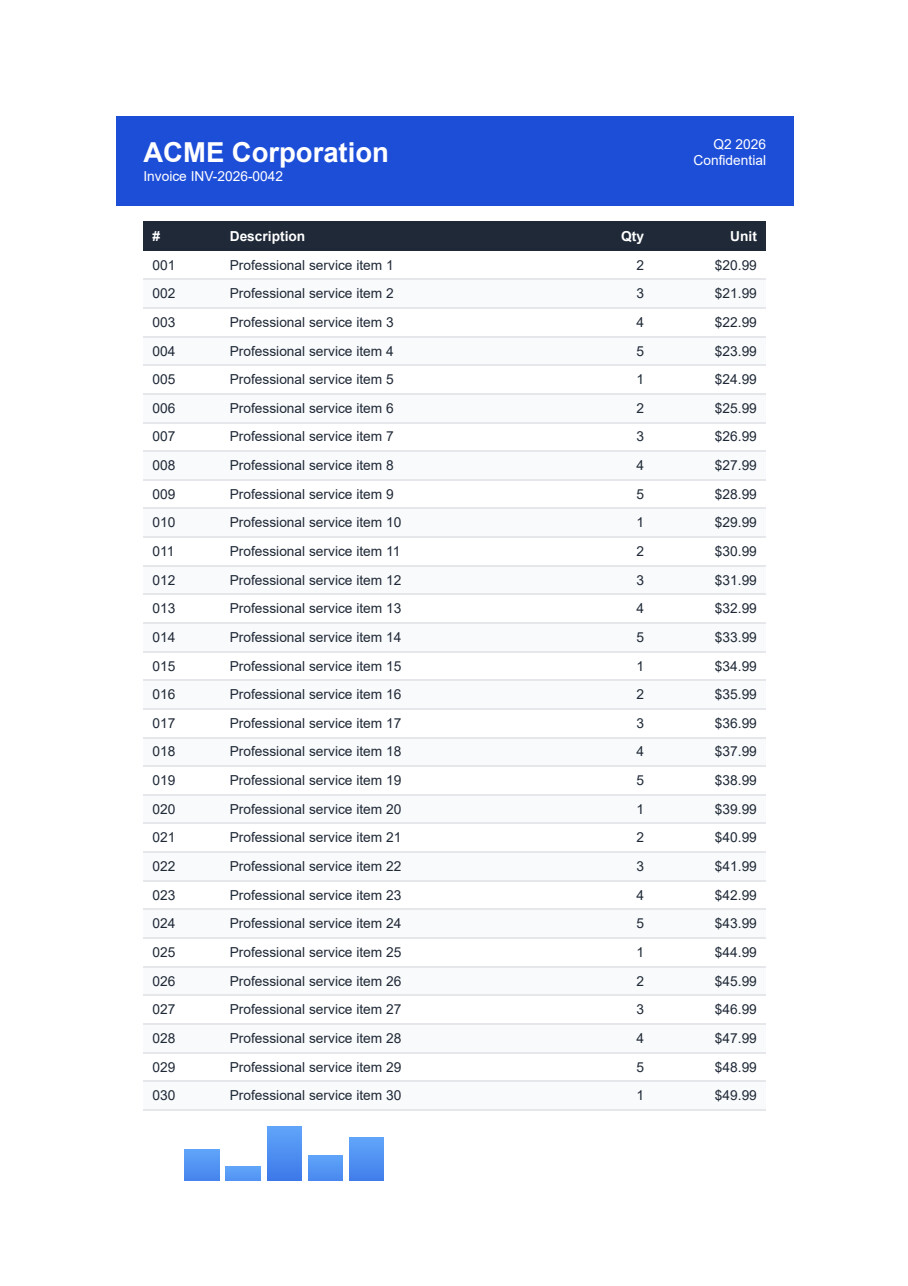
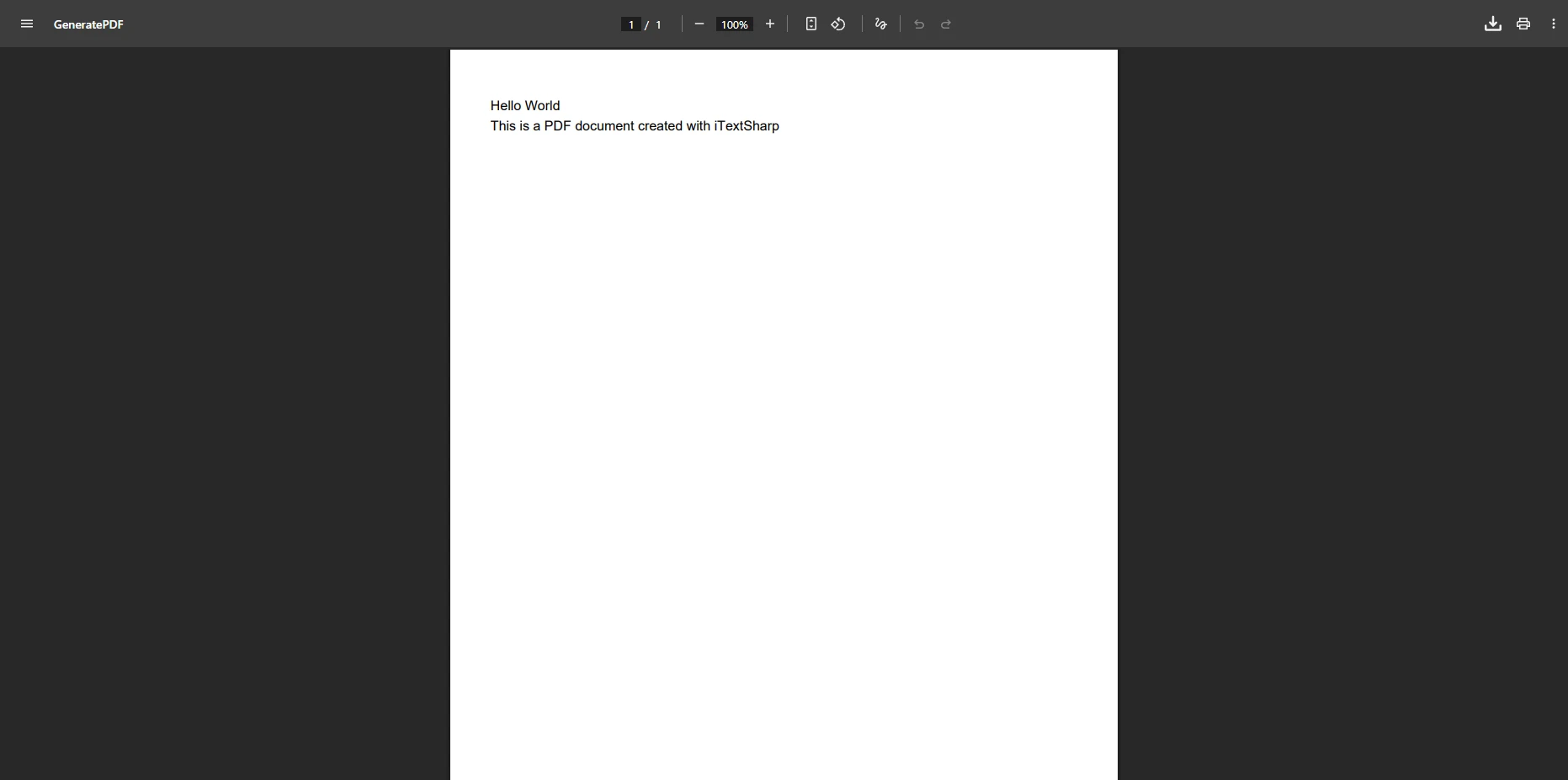
using IronPdf;

// Disable local disk access or cross-origin requests
Installation.EnableWebSecurity = true;

// Instantiate Renderer
var renderer = new ChromePdfRenderer();

// Create a PDF from a HTML string using C#
var pdf = renderer.RenderHtmlAsPdf("<h1>Hello World</h1>");

// Export to a file or Stream
pdf.SaveAs("output.pdf");

// Advanced Example with HTML Assets
// Load external html assets: Images, CSS and JavaScript.
// An optional BasePath 'C:\site\assets\' is set as the file location to load assets from
var myAdvancedPdf = renderer.RenderHtmlAsPdf("<img src='icons/iron.png'>", @"C:\site\assets\");
myAdvancedPdf.SaveAs("html-with-assets.pdf");
using IronPdf;// Disable local disk access or cross-origin requestsInstallation.EnableWebSecurity = true;// Instantiate Renderervar renderer = new ChromePdfRenderer();// Create a PDF from a HTML string using C#var pdf = renderer.RenderHtmlAsPdf("<h1>Hello World</h1>");// Export to a file or Streampdf.SaveAs("output.pdf");// Advanced Example with HTML Assets// Load external html assets: Images, CSS and JavaScript.// An optional BasePath 'C:\site\assets\' is set as the file location to load assets fromvar myAdvancedPdf = renderer.RenderHtmlAsPdf("<img src='icons/iron.png'>", @"C:\site\assets\");myAdvancedPdf.SaveAs("html-with-assets.pdf");
## 1. Wprowadzenie
Manipulowanie plikami PDF za pomocą języka programowania może stanowić spore wyzwanie dla programistów, zwłaszcza na platformie .NET. W tym artykułe omówimy, jak zarządzać plikami PDF w C#.NET przy użyciu kilku narzędzi, które pomogą Ci zaoszczędzić sporo czasu i energii. Podczas wyświetlania materiałów z plików PDF należy wziąć pod uwagę kilka elementów, a tym bardziej podczas przenoszenia treści z innych formatów do PDF. Narzędzia, które omówimy, to produkty najwyższej klasy, używane w branży przez programistów oraz firmy i organizacje z listy Fortune 500. Narzędzia .NET, które błyskawicznie zapewnią rozwiązania dla Twoich problemów z plikami PDF, to:
- PSPDFKit
- IronPDF
## 2. IronPDF
IronPDF to idealne rozwiązanie do konwersji stron HTML w środowisku programistycznym .NET i .NET Core. Oprócz konwersji HTML oferuje również wiele dodatkowych funkcji. IronPDF umożliwia programistom tworzenie, modyfikowanie i wyodrębnianie dokumentów PDF w ramach projektów .NET Core i frameworków. Korzystając z pakietu IronPDF, programiści mogą w łatwy sposób generować lub konwertować pliki PDF ze stron HTML.
IronPDF to biblioteka .NET, która pozwala szybko tworzyć, odczytywać i edytować pliki PDF za pomocą zaledwie kilku linii kodu. Możesz importować, przenosić i indeksować treści z istniejącego magazynu dokumentów PDF do swoich aplikacji do zarządzania treścią i wydajnością.
### 2.1. Funkcje IronPDF
#### 2.1.1. Przetwarzanie obrazów PDF
Użytkownicy mogą teraz tworzyć obrazy z plików PDF, a także pliki PDF ze zdjęć. Funkcja obejmuje wyodrębnianie obrazów, obsługę różnych rozszerzeń obrazów oraz drukowanie plików PDF.
#### 2.1.2. Pliki PDF IO
IronPDF umożliwia również szyfrowanie plików PDF przy użyciu 128-bitowego klucza, zabezpieczanie plików hasłem oraz podpisywanie ich cyfrowo.
#### 2.1.3. Konwersje plików PDF
Ta funkcja pozwala tworzyć pliki PDF z różnych źródeł, w tym HTML, formularzy internetowych, ciągów HTML, widoków MVC i adresów URL.
#### 2.1.4. Edycja PDF
To narzędzie IronPDF pozwala formatować pliki PDF na wiele sposobów, w tym dodawać znaki wodne, dodawać strony, usuwać strony, zmieniać tło i pierwszy plan oraz wykonywać wiele innych czynności. Krótko mówiąc, IronPDF umożliwia wykonanie wszystkich czynności, jakie można sobie wyobrazić w odniesieniu do plików PDF.
#### 2.1.5. Wyodrębnianie treści PDF
Tekst osadzony w plikach PDF często można łatwo wyodrębnić. Jeśli jednak to nie zadziała, może to wynikać z faktu, że tekst jest "uwięziony" w obrazie. Aby skanować dokumenty w poszukiwaniu tekstu wizualnego zamiast zwykłego tekstu, należy użyć biblioteki IronOCR.
#### 2.1.6. Nagłówki i stopki
Podczas tworzenia pliku PDF lub dodawania treści do istniejącego pliku PDF można dołączyć nagłówki i stopki. Możesz utworzyć nagłówek i stopkę dla każdej strony dokumentu, korzystając z właściwości Opcje drukowania. Te parametry są dostępne w obiekcie Chrome PDF Renderer. Ten przykład działa w aplikacji konsolowej .NET Core.
#### 2.1.7. Kompatybilność
IronPDF obsługuje prawie wszystkie systemy operacyjne i frameworki kompatybilne z C#, takie jak:
- Windows, Azure
- .NET Core 2.1, 3.0, 3.1, .NET 5
- .NET Standard 2.0 zgodność dla uniwersalnej kompatybilności
- Azure
- AWS
- Docker
- Linux
## 3. PSPDFKit
Biblioteka PSPDFKit dla .NET to zestaw narzędzi programistycznych (SDK) służący do edycji, wypełniania formularzy, redagowania i tworzenia plików PDF. Zapewnia solidny interfejs API do szybkiego dodawania funkcji obsługi plików PDF do dowolnej aplikacji .NET.
PSPDFKit to jedno z najpopularniejszych narzędzi wielopłatformowych służących do dodawania obsługi plików PDF do aplikacji lub stron internetowych. Do użytku produkcyjnego biblioteki SDK PSPDFKit wymagają licencji komercyjnej. Jedną z głównych zalet interfejsu API PSPDFKit jest to, że pozwala on na integrację różnych metod manipulacji dokumentami w procesie tworzenia plików PDF, takich jak:
- Edycja plików PDF
- OCR
- Znak wodny
- Konwersja dokumentów
### 3.1. Funkcje PSPDFKit
PSPDFKit obsługuje wszystkie najpopularniejsze narzędzia do adnotacji:
- Tekst
- Atrament
- Elipsa, polilinia, wielokąt, prostokąt, linia
- Uwaga
- Link
- Podkreślenie, podkreślenie, przekreślenie, falista linia, redakcja
#### 3.1.1. Pliki XFDF w .NET
Biblioteka PSPDFKit .NET obsługuje zarówno odczyt, jak i zapis plików XFDF. `ImportXfdf` i `ExportXfdf` metody klasy Document mogą być używane do wykonywania tych zadań.
#### 3.1.2. Renderowanie stron PDF
Biblioteka PSPDFKit .NET ułatwia konwersję plików PDF na obrazy. Aby zagwarantować kompatybilność i wydajność, PSPDFKit wykorzystuje natywne funkcje .NET Standard.
#### 3.1.3. Łączenie plików PDF
Edytor dokumentów może służyć do łączenia wielu dokumentów w jeden spójny dokument.
#### 3.1.4. Redagowanie plików PDF
Należy usunąć informacje wrażliwe, poufne lub zastrzeżone poprzez trwałe wyeliminowanie danych osobowych z dokumentów PDF, zgodnie z RODO i innymi przepisami dotyczącymi prywatności.
#### 3.1.5. Instant JSON
Adnotacje i zakładki są przechowywane w oddzielnym pliku JSON przy użyciu Instant JSON. Oznacza to, że plik PDF będzie musiał zostać przesłany tylko raz, a wszelkie modyfikacje zostaną nałożone na oryginalny plik PDF.
## 4. Tworzenie nowego projektu w Visual Studio
W tym artykułe użyjemy nowej aplikacji konsolowej do generowania dokumentów PDF.
Otwórz oprogramowanie Visual Studio i przejdź do menu Plik. Wybierz "nowy projekt", a następnie wybierz aplikację konsolową.
Wpisz nazwę projektu i wybierz ścieżkę w odpowiednim polu tekstowym. Następnie kliknij przycisk Utwórz. Wybierz wymagany framework .NET, jak na poniższym zrzucie ekranu:
<div class="content-img-align-center">
<div class="center-image-wrapper">
<img src="/static-assets/pdf/blog/pspdfkit-html-to-pdf-alternatives/pspdfkit-html-to-pdf-alternatives-1.webp" alt="A Comparison Between IronPDF and PSPDFKit, Figure 1" class="img-responsive add-shadow" />
<p></p>
</div>
</div>
Projekt Visual Studio wygeneruje teraz strukturę dla wybranej aplikacji.
<div class="content-img-align-center">
<div class="center-image-wrapper">
<img src="/static-assets/pdf/blog/pspdfkit-html-to-pdf-alternatives/pspdfkit-html-to-pdf-alternatives-2.webp" alt="A Comparison Between IronPDF and PSPDFKit, Figure 2" class="img-responsive add-shadow" />
<p></p>
</div>
</div>
W następnej sekcji dodamy do projektu biblioteki IronPDF i PSPDFKit.
## 5. Instalacja biblioteki IronPDF
Biblioteka IronPDF może być pobrana i zainstalowana na cztery różne sposoby. Są to:
- Korzystanie z menedżera pakietów NuGet w Visual Studio
- Korzystanie z wiersza poleceń programu Visual Studio
- Bezpośrednie pobranie z galerii NuGet
- Bezpośrednie pobranie z oficjalnej strony internetowej IronPDF
### 5.1 Korzystanie z Menedżera Pakietów NuGet w Visual Studio
Oprogramowanie Visual Studio udostępnia opcję NuGet Package Manager, która pozwala zainstalować pakiet bezpośrednio w rozwiązaniu. Poniższy zrzut ekranu pokazuje, jak otworzyć menedżera pakietów NuGet.
<div class="content-img-align-center">
<div class="center-image-wrapper">
<img src="/static-assets/pdf/blog/pspdfkit-html-to-pdf-alternatives/pspdfkit-html-to-pdf-alternatives-3.webp" alt="A Comparison Between IronPDF and PSPDFKit, Figure 3" class="img-responsive add-shadow" />
<p></p>
</div>
</div>
Po otwarciu interfejsu graficznego menedżera pakietów wyszukaj słowo kluczowe "IronPDF" w sekcji Przeglądaj, tak jak na poniższym zrzucie ekranu:
<div class="content-img-align-center">
<div class="center-image-wrapper">
<img src="/static-assets/pdf/blog/pspdfkit-html-to-pdf-alternatives/pspdfkit-html-to-pdf-alternatives-4.webp" alt="A Comparison Between IronPDF and PSPDFKit, Figure 4" class="img-responsive add-shadow" />
<p></p>
</div>
</div>
Musimy wybrać opcję IronPDF w wynikach wyszukiwania i zainstalować pakiet.
### 5.2 Korzystanie z wiersza poleceń Visual Studio
- W menu Visual Studio przejdź do **Narzędzia > Menedżer pakietów NuGet > Konsola menedżera pakietów**
- Wpisz następującą linię w zakładce konsoli menedżera pakietów:
```shell
:ProductInstall
```
Pakiet IronPDF zostanie teraz zainstalowany w bieżącym projekcie.
<div class="content-img-align-center">
<div class="center-image-wrapper">
<img src="/static-assets/pdf/blog/pspdfkit-html-to-pdf-alternatives/pspdfkit-html-to-pdf-alternatives-5.webp" alt="A Comparison Between IronPDF and PSPDFKit, Figure 5" class="img-responsive add-shadow" />
<p></p>
</div>
</div>
### 5.3 Bezpośrednie pobieranie z galerii NuGet
Trzeci sposób to pobranie pakietu NuGet bezpośrednio z [strony internetowej galerii IronPDF NuGet](https://www.nuget.org/packages/IronPdf/).
- Wybierz opcję pakietu do pobrania z menu po prawej stronie.
- Kliknij dwukrotnie pobrany pakiet; zostanie zainstalowany automatycznie.
- Następnie przeładuj rozwiązanie i zacznij z niego korzystać w projekcie.
### 5.4 Bezpośrednie pobieranie z oficjalnej strony IronPDF
Odwiedź [stronę pobierania IronPDF](https://ironpdf.com/packages/IronPdf.zip), aby bezpośrednio pobrać najnowszy pakiet ze strony internetowej. Po pobraniu, postępuj według poniższych kroków, aby dodać pakiet do projektu.
- Kliknij prawym przyciskiem myszy projekt w oknie rozwiązania.
- Następnie wybierz "Dodaj odwołanie" i przeglądaj lokalizację pobranego odwołania.
- Następnie kliknij OK, aby dodać odwołanie.
## 6. Instalowanie biblioteki PSPDFKit
Istnieją cztery sposoby uzyskania i zainstalowania biblioteki PSPDFKit. Są to:
- Korzystanie z menedżera pakietów NuGet w Visual Studio
- Korzystanie z wiersza poleceń Visual Studio
- Bezpośrednie pobranie z galerii NuGet
- Za pomocą rozszerzenia VSIX
### 6.1 Korzystanie z Menedżera Pakietów NuGet w Visual Studio
Deweloperzy mogą łatwo zintegrować PSPDFKit za pomocą menedżera pakietów NuGet. Poniżej znajduje się przykład jak to zrobić.
<div class="content-img-align-center">
<div class="center-image-wrapper">
<img src="/static-assets/pdf/blog/pspdfkit-html-to-pdf-alternatives/pspdfkit-html-to-pdf-alternatives-6.webp" alt="A Comparison Between IronPDF and PSPDFKit, Figure 6" class="img-responsive add-shadow" />
<p></p>
</div>
</div>
Po kliknięciu w narzędziach na Menedżera pakietów NuGet pojawi się nowe okno z paskiem wyszukiwania. Wyszukaj PSPDFKit. Pojawi się lista.
<div class="content-img-align-center">
<div class="center-image-wrapper">
<img src="/static-assets/pdf/blog/pspdfkit-html-to-pdf-alternatives/pspdfkit-html-to-pdf-alternatives-7.webp" alt="A Comparison Between IronPDF and PSPDFKit, Figure 7" class="img-responsive add-shadow" />
<p></p>
</div>
</div>
Na powyższym obrazie można zobaczyć listę powiązanych pakietów z wyszukiwania. Następnie wybierz pożądaną opcję PSPDFKit i zainstaluj pakiet.
### 6.2 Korzystanie z Linii Poleceń Visual Studio
- W menu Visual Studio przejdź do **Narzędzia > Menedżer pakietów NuGet > Konsola menedżera pakietów**
<div class="content-img-align-center">
<div class="center-image-wrapper">
<img src="/static-assets/pdf/blog/pspdfkit-html-to-pdf-alternatives/pspdfkit-html-to-pdf-alternatives-8.webp" alt="A Comparison Between IronPDF and PSPDFKit, Figure 8" class="img-responsive add-shadow" />
<p></p>
</div>
</div>
- Wpisz następującą linię w zakładce konsoli menedżera pakietów:
```shell
:InstallCmd Install-Package PSPDFKit.NET -Version 1.4.1
```
Pakiet zostanie teraz zainstalowany w bieżącym projekcie.
<div class="content-img-align-center">
<div class="center-image-wrapper">
<img src="/static-assets/pdf/blog/pspdfkit-html-to-pdf-alternatives/pspdfkit-html-to-pdf-alternatives-9.webp" alt="A Comparison Between IronPDF and PSPDFKit, Figure 9" class="img-responsive add-shadow" />
<p></p>
</div>
</div>
### 6.3 Bezpośrednie pobieranie z galerii NuGet
Trzeci sposób to pobranie pakietu NuGet bezpośrednio z [strony galerii PSPDFKit NuGet](https://www.nuget.org/packages/PSPDFKit.NET/).
- Wybierz opcję pobierania pakietu z menu po prawej stronie.
- Kliknij dwukrotnie pobrany pakiet, aby rozpocząć proces instalacji.
- Przeładuj rozwiązanie i użyj go w swoim projekcie.
### 6.4 Korzystanie z rozszerzenia VSIX
Zamiast pobierać pakiet lokalnie za pomocą [NuGet](http://nuget.org/), możesz użyć pliku konfiguracyjnego, aby odwołać się do pakietu w określonej lokalizacji. Jest to przydatne w przypadkach, w których maszyny udostępniają zasoby w sieci.
- Pobierz rozszerzenie VSIX z [strony pobierania PSPDFKit](https://customers.pspdfkit.com/download/windows/latest?_gl=1*1wblg85*_ga*MTI1NjUwNDQxNi4xNjUxMDkyMjMy*_ga_T3566QEJ3P*MTY1MTY5NDUyNC4xNC4wLjE2NTE2OTQ1MjQuMA.) i wyodrębnij zip.
- Następnie, utwórz plik `nuget.config` w tym samym katalogu co Twoja aplikacja .NET.
- Plik powinien zawierać ten kod XML.
```xml
<?xml version="1.0" encoding="utf-8"?>
<configuration>
    <packageSources>
        <add key="PSPDFKitSource" value="path\to\directoryContainingNupkg" />
    </packageSources>
</configuration>
```
- Następnie otwórz Visual Studio i skonfiguruj poniższy pakiet na karcie odwołań.
## 7. Scalanie plików PDF
Może być konieczne dołączenie niektórych niezbędnych dokumentów do pliku PDF. W tym temacie omówimy jak scalić dwa lub więcej plików PDF używając obu platform .NET.
### 7.1. Scalanie plików PDF za pomocą IronPDF
Klasa `IronPdf.PdfDocument.Merge` w IronPDF ułatwia łączenie dwóch lub więcej dokumentów PDF w C#.NET poprzez użycie prostego i zrozumiałego kodu.
```csharp
using IronPdf;

// Example HTML content for PDF_A
var html_a = @"<p> [PDF_A] </p>
    <p> [PDF_A] 1st Page </p>
    <div style='page-break-after: always;'></div>
    <p> [PDF_A] 2nd Page</p>";

// Example HTML content for PDF_B
var html_b = @"<p> [PDF_B] </p>
    <p> [PDF_B] 1st Page </p>
    <div style='page-break-after: always;'></div>
    <p> [PDF_B] 2nd Page</p>";

// Initialize renderer
var Renderer = new IronPdf.ChromePdfRenderer();

// Render HTML to PDFs
using var pdfdoc_a = Renderer.RenderHtmlAsPdf(html_a);
using var pdfdoc_b = Renderer.RenderHtmlAsPdf(html_b);

// Merge PDFs
using var merged = IronPdf.PdfDocument.Merge(pdfdoc_a, pdfdoc_b);

// Save merged PDF to file
merged.SaveAs("Merged.pdf");
```
### 7.2. Scalanie plików PDF za pomocą PSPDFKit GMBH
Dołączony kod demonstruje, jak używać edytora dokumentów PSPDFKit do łączenia dwóch lub więcej plików PDF.
```csharp
using PSPDFKit;
using PSPDFKit.Providers;
namespace PdfEditing
{
public sealed class Program
{
public static void Main(string[] args)
{
var documentEditor = new DocumentEditor();
// Import the first document to merge
documentEditor.ImportDocument(0, DocumentEditor.IndexPosition.BeforeIndex, new FileDataProvider("Assets/dog.pdf"));
// Import the second document to merge
documentEditor.ImportDocument(0, DocumentEditor.IndexPosition.BeforeIndex, new FileDataProvider("Assets/cat.pdf"));
// Save the merged document to a new file
documentEditor.SaveDocument(new FileDataProvider("dogCatPair.pdf"));
}
}
}
```
## 8. Adnotacje
Adnotacja to komentarz lub uwaga dodana do tekstu w celu wyjaśnienia lub krytyki konkretnego obszaru. W tym temacie omówimy, jak dodawać adnotacje do plików PDF używając .NET.
### 8.1. Adnotacje za pomocą IronPDF
Adnotacje PDF pozwalają na dodawanie komentarzy w stylu "przylepnych notatek" do dokumentów PDF. Metoda `IronPdf.PdfDocument.AddTextAnnotation` i klasa `PdfDocument.TextAnnotation` umożliwiają dodawanie adnotacji programowo. Kolorowanie, rozmiar, przejrzystość, ikony i edycja to jedne z zaawansowanych opcji adnotacji tekstowych.
```csharp
// Install-Package IronPdf
using IronPdf;
var pdf = PdfDocument.FromFile("existing.pdf");
var annotation = new IronPdf.Annotations.TextAnnotation()
{
Title = "This is the major title",
Subject = "This is a subtitle",
Contents = "This is the long 'sticky note' comment content...",
Icon = IronPdf.Annotations.TextAnnotation.AnnotationIcon.Help,
Opacity = 0.9,
Printable = false,
Hidden = false,
OpenByDefault = true,
ReadOnly = false,
Rotateable = true
};
// Add annotation to a specific page at given coordinates
pdf.AddTextAnnotation(annotation, pageIndex: 1, xPosition: 150, yPosition: 250);
// Save the updated PDF
pdf.SaveAs("updated_existing.pdf");
```
### 8.2. Adnotacje za pomocą PSPDFKit
Do opisu adnotacji PDF PSPDFKit dla .NET zapewnia API oparte na JSON. Daje to wiele swobody w radzeniu sobie z adnotacjami, ponieważ można mieć własnoręcznie wykonywane adnotacje w kodzie lub plik JSON, który importujesz w razie potrzeby.
```csharp
using Newtonsoft.Json.Linq;
using PSPDFKit;
using PSPDFKit.Providers;
namespace Annotations
{
public sealed class Program
{
public static void Main(string[] args)
{
var provider = new FileDataProvider("document.pdf");
var document = new Document(provider);
var annotationProvider = document.GetAnnotationProvider();
// JSON structure for a text annotation
var textAnJson = new JObject
{
{ "text", "Hello from PSPDFKit" },
{ "bbox", new JArray(10, 10, 400, 400) },
{ "creatorName", "Will" },
{ "type", "pspdfkit/text" },
{ "updatedAt", "2021-01-01T00:00:00Z" },
{ "v", 1 }
};
// Add the annotation to the document
annotationProvider.AddAnnotationJson(textAnJson);
// Save the updated document
document.Save(new DocumentSaveOptions());
}
}
}
```
## Wsparcie dla Bootstrap i Nowoczesnych Ram CSS
Podczas generowania plików PDF z aplikacji webowych korzystających z Bootstrap i nowoczesnych frameworków CSS, pełna obsługa frameworku jest niezbędna do utrzymania spójności projektu, bez tworzenia równoległych układów "bezpiecznych dla PDF".
### IronPDF: Kompleksowa obsługa frameworku Bootstrap
Silnik renderujący IronPDF oparty na Chromium zapewnia pełne wsparcie dla:
- **Bootstrap 5:** Kompletnych układów z flexbox, CSS Grid, klas narzędziowych i wszystkich komponentów
- **Bootstrap 4:** Pełne systemy kart, nawigacja, narzędzia flex, projektowanie responsywne
- **Tailwind CSS:** Wszystkie klasy użytkowe renderują się dokładnie
- **Foundation:** Kompletny system siatki i biblioteka komponentów
- **Nowoczesne CSS3:** Flexbox, CSS Grid, niestandardowe właściwości, animacje
Walidacja w praktyce: IronPDF odwzorowuje [stronę główną Bootstrap](https://getbootstrap.com/) i wszystkie [oficjalne przykłady](https://getbootstrap.com/docs/5.3/examples/) z doskonałą dokładnością pikselową.
### PSPDFKit: Brak konwersji HTML na PDF
PSPDFKit skupia się na wyświetlaniu, adnotacjach i manipulacji plikami PDF, a nie na konwersji HTML na PDF:
- **Brak silnika renderującego HTML:** PSPDFKit nie konwertuje HTML na PDF
- **Skupienie na przeglądarce:** Zaprojektowane do wyświetlania i interakcji z PDF, a nie generowania
- **Wymagana zewnętrzna konwersja:** Konwersję HTML na PDF należy obsłużyć za pomocą oddzielnych narzędzi
- **JavaScript SDK:** Przeglądarka PDF po stronie klienta, nie biblioteka do generowania po stronie serwera
**Wpływ na rozwój:** Zespoły potrzebujące konwersji HTML na PDF muszą zintegrować dodatkowe narzędzia obok PSPDFKit, co zwiększa złożoność i wymagania dotyczące konserwacji.
Dla kompleksowych wskazówek dotyczących frameworku Bootstrap i możliwości renderowania nowoczesnych CSS, zobacz [Przewodnik po Bootstrap & Flexbox CSS](/troubleshooting/bootstrap-flex-css/).
## 9. Licencjonowanie
IronPDF oferuje bezpłatną licencję deweloperską. IronPDF oferuje również unikalną strukturę cenową: podstawowy pakiet zaczyna się od określonej ceny bez dodatkowych kosztów. Również możliwe jest redystrybucja produktów SaaS i OEM. 30-dniowa gwarancja zwrotu pieniędzy, rok wsparcia i aktualizacji oprogramowania, ważność w środowiskach deweloperskich/testowych/produkcyjnych oraz licencja wieczysta są zawarte we wszystkich licencjach (jednorazowy zakup). [Dowiedz się więcej o licencjonowaniu IronPDF](/licensing/), aby odkryć dostępne licencje i struktury cenowe IronPDF.
PSPDFKit wymaga kontaktu z działem sprzedaży w celu uzyskania wyceny dotyczącej swoich produktów SDK. Ceny nie są publicznie upublikowane i różnią się w zależności od rodzaju wdrożenia, platformy i wymagań dotyczących użytkowania. Odwiedź [Stronę cennika PSPDFKit](https://pspdfkit.com/pricing/) aby poprosić o wycenę.
## 10. Wnioski
IronPDF nie konwertuje HTML na PDF z zdalnego serwera. Zamiast tego uruchamia instancję prawdziwej przeglądarki zgodnej ze standardami w tle (bez konieczności instalowania dodatkowego oprogramowania). HTML jest renderowany w formacie wektorowym nadającym się do drukowania komercyjnego na najwyższych standardach. W efekcie otrzymujesz wyraźny, wysokiej jakości plik PDF. [Strona internetowa IronPDF](/) zawiera informacje na temat licencji i cen.
PSPDFKit jest w pełni funkcjonalnym SDK PDF, który obsługuje wszystkie platformy, w tym PC, Mac, aplikacje na Androida i iOS. Pomaga w konwersji, adnotacjach, podpisywaniu, wypełnianiu, konwersji i edytowaniu plików PDF. PSPDFKit jest najczęściej używanym rozwiązaniem dla wielu platform w celu integracji obsługi PDF w twojej aplikacji lub stronie internetowej.
Zarówno IronPDF jak i PSPDFKit wymagają licencji komercyjnych do użytku produkcyjnego. IronPDF oferuje wieczystą licencję na całe życie. Licencje IronPDF są zorientowane na deweloperów, a ceny ułożone są na podstawie liczby deweloperów korzystających z produktu oraz ich lokalizacji pracy. Ceny PSPDFKit nie są publicznie upublikowane i wymagają kontaktu z działem sprzedaży w celu uzyskania wyceny. Z kolei IronPDF zapewnia przejrzyste liczby związane z licencjonowaniem wieczystym bez kosztów cyklicznych.
Zarówno IronPDF, jak i PSPDFKit są wiodącymi frameworkami opartymi na podobnych technologiach, oferującymi te same podstawowe funkcje przetwarzania PDF. Kod napisany przy użyciu IronPDF ma tendencję do bycia bardziej zwięzłym i zwartym. Kod napisany z PSPDFKit jest równie zrozumiały, ale nieco bardziej złożony w strukturze.
Iron Software oferuje pakiet pięciu narzędzi za cenę zaledwie dwóch. Oferowane narzędzia to:
- [IronBarcode](https://ironsoftware.com/csharp/barcode/)
- [IronXL](https://ironsoftware.com/csharp/excel/)
- [IronOCR](https://ironsoftware.com/csharp/ocr/)
- [IronPDF](/)
- [IronWebScraper](https://ironsoftware.com/csharp/webscraper/)
Aby dowiedzieć się więcej o scalonych narzędziach, odwiedź stronę [oficjalną stronę Iron Suite](https://ironsoftware.com/suite/).
[[i:(PSPDFKit jest zastrzeżonym znakiem towarowym swojego właściciela. Ta strona nie jest powiązana z, nie jest zatwierdzona ani sponsorowana przez PSPDFKit. Wszystkie nazwy produktów, logo i marki są własnością ich odpowiednich właścicieli. Porównania mają charakter wyłącznie informacyjny i odzwierciedlają informacje dostępne publicznie w momencie pisania.)]]
Manipulowanie plikami PDF za pomocą języka programowania może stanowić spore wyzwanie dla programistów, zwłaszcza na platformie .NET. W tym artykułe omówimy, jak zarządzać plikami PDF w C#.NET przy użyciu kilku narzędzi, które pomogą Ci zaoszczędzić sporo czasu i energii. Podczas wyświetlania materiałów z plików PDF należy wziąć pod uwagę kilka elementów, a tym bardziej podczas przenoszenia treści z innych formatów do PDF. Narzędzia, które omówimy, to produkty najwyższej klasy, używane w branży przez programistów oraz firmy i organizacje z listy Fortune 500. Narzędzia .NET, które błyskawicznie zapewnią rozwiązania dla Twoich problemów z plikami PDF, to:
PSPDFKit
IronPDF
2. IronPDF
IronPDF to idealne rozwiązanie do konwersji stron HTML w środowisku programistycznym .NET i .NET Core. Oprócz konwersji HTML oferuje również wiele dodatkowych funkcji. IronPDF umożliwia programistom tworzenie, modyfikowanie i wyodrębnianie dokumentów PDF w ramach projektów .NET Core i frameworków. Korzystając z pakietu IronPDF, programiści mogą w łatwy sposób generować lub konwertować pliki PDF ze stron HTML.
IronPDF to biblioteka .NET, która pozwala szybko tworzyć, odczytywać i edytować pliki PDF za pomocą zaledwie kilku linii kodu. Możesz importować, przenosić i indeksować treści z istniejącego magazynu dokumentów PDF do swoich aplikacji do zarządzania treścią i wydajnością.
2.1. Funkcje IronPDF
2.1.1. Przetwarzanie obrazów PDF
Użytkownicy mogą teraz tworzyć obrazy z plików PDF, a także pliki PDF ze zdjęć. Funkcja obejmuje wyodrębnianie obrazów, obsługę różnych rozszerzeń obrazów oraz drukowanie plików PDF.
2.1.2. Pliki PDF IO
IronPDF umożliwia również szyfrowanie plików PDF przy użyciu 128-bitowego klucza, zabezpieczanie plików hasłem oraz podpisywanie ich cyfrowo.
2.1.3. Konwersje plików PDF
Ta funkcja pozwala tworzyć pliki PDF z różnych źródeł, w tym HTML, formularzy internetowych, ciągów HTML, widoków MVC i adresów URL.
2.1.4. Edycja PDF
To narzędzie IronPDF pozwala formatować pliki PDF na wiele sposobów, w tym dodawać znaki wodne, dodawać strony, usuwać strony, zmieniać tło i pierwszy plan oraz wykonywać wiele innych czynności. Krótko mówiąc, IronPDF umożliwia wykonanie wszystkich czynności, jakie można sobie wyobrazić w odniesieniu do plików PDF.
2.1.5. Wyodrębnianie treści PDF
Tekst osadzony w plikach PDF często można łatwo wyodrębnić. Jeśli jednak to nie zadziała, może to wynikać z faktu, że tekst jest "uwięziony" w obrazie. Aby skanować dokumenty w poszukiwaniu tekstu wizualnego zamiast zwykłego tekstu, należy użyć biblioteki IronOCR.
2.1.6. Nagłówki i stopki
Podczas tworzenia pliku PDF lub dodawania treści do istniejącego pliku PDF można dołączyć nagłówki i stopki. Możesz utworzyć nagłówek i stopkę dla każdej strony dokumentu, korzystając z właściwości Opcje drukowania. Te parametry są dostępne w obiekcie Chrome PDF Renderer. Ten przykład działa w aplikacji konsolowej .NET Core.
2.1.7. Kompatybilność
IronPDF obsługuje prawie wszystkie systemy operacyjne i frameworki kompatybilne z C#, takie jak:
Windows, Azure
.NET Core 2.1, 3.0, 3.1, .NET 5
.NET Standard 2.0 zgodność dla uniwersalnej kompatybilności
Azure
AWS
Docker
Linux
3. PSPDFKit
Biblioteka PSPDFKit dla .NET to zestaw narzędzi programistycznych (SDK) służący do edycji, wypełniania formularzy, redagowania i tworzenia plików PDF. Zapewnia solidny interfejs API do szybkiego dodawania funkcji obsługi plików PDF do dowolnej aplikacji .NET.
PSPDFKit to jedno z najpopularniejszych narzędzi wielopłatformowych służących do dodawania obsługi plików PDF do aplikacji lub stron internetowych. Do użytku produkcyjnego biblioteki SDK PSPDFKit wymagają licencji komercyjnej. Jedną z głównych zalet interfejsu API PSPDFKit jest to, że pozwala on na integrację różnych metod manipulacji dokumentami w procesie tworzenia plików PDF, takich jak:
Edycja plików PDF
OCR
Znak wodny
Konwersja dokumentów
3.1. Funkcje PSPDFKit
PSPDFKit obsługuje wszystkie najpopularniejsze narzędzia do adnotacji:
Biblioteka PSPDFKit .NET obsługuje zarówno odczyt, jak i zapis plików XFDF. ImportXfdf i ExportXfdf metody klasy Document mogą być używane do wykonywania tych zadań.
3.1.2. Renderowanie stron PDF
Biblioteka PSPDFKit .NET ułatwia konwersję plików PDF na obrazy. Aby zagwarantować kompatybilność i wydajność, PSPDFKit wykorzystuje natywne funkcje .NET Standard.
3.1.3. Łączenie plików PDF
Edytor dokumentów może służyć do łączenia wielu dokumentów w jeden spójny dokument.
3.1.4. Redagowanie plików PDF
Należy usunąć informacje wrażliwe, poufne lub zastrzeżone poprzez trwałe wyeliminowanie danych osobowych z dokumentów PDF, zgodnie z RODO i innymi przepisami dotyczącymi prywatności.
3.1.5. Instant JSON
Adnotacje i zakładki są przechowywane w oddzielnym pliku JSON przy użyciu Instant JSON. Oznacza to, że plik PDF będzie musiał zostać przesłany tylko raz, a wszelkie modyfikacje zostaną nałożone na oryginalny plik PDF.
4. Tworzenie nowego projektu w Visual Studio
W tym artykułe użyjemy nowej aplikacji konsolowej do generowania dokumentów PDF.
Otwórz oprogramowanie Visual Studio i przejdź do menu Plik. Wybierz "nowy projekt", a następnie wybierz aplikację konsolową.
Wpisz nazwę projektu i wybierz ścieżkę w odpowiednim polu tekstowym. Następnie kliknij przycisk Utwórz. Wybierz wymagany framework .NET, jak na poniższym zrzucie ekranu:
Projekt Visual Studio wygeneruje teraz strukturę dla wybranej aplikacji.
W następnej sekcji dodamy do projektu biblioteki IronPDF i PSPDFKit.
5. Instalacja biblioteki IronPDF
Biblioteka IronPDF może być pobrana i zainstalowana na cztery różne sposoby. Są to:
Korzystanie z menedżera pakietów NuGet w Visual Studio
Korzystanie z wiersza poleceń programu Visual Studio
Bezpośrednie pobranie z galerii NuGet
Bezpośrednie pobranie z oficjalnej strony internetowej IronPDF
5.1 Korzystanie z Menedżera Pakietów NuGet w Visual Studio
Oprogramowanie Visual Studio udostępnia opcję NuGet Package Manager, która pozwala zainstalować pakiet bezpośrednio w rozwiązaniu. Poniższy zrzut ekranu pokazuje, jak otworzyć menedżera pakietów NuGet.
Po otwarciu interfejsu graficznego menedżera pakietów wyszukaj słowo kluczowe "IronPDF" w sekcji Przeglądaj, tak jak na poniższym zrzucie ekranu:
Musimy wybrać opcję IronPDF w wynikach wyszukiwania i zainstalować pakiet.
5.2 Korzystanie z wiersza poleceń Visual Studio
W menu Visual Studio przejdź do Narzędzia > Menedżer pakietów NuGet > Konsola menedżera pakietów
Wpisz następującą linię w zakładce konsoli menedżera pakietów:
PM > Install-Package IronPdf
Install-Package IronPdf
Pakiet IronPDF zostanie teraz zainstalowany w bieżącym projekcie.
Wybierz opcję pakietu do pobrania z menu po prawej stronie.
Kliknij dwukrotnie pobrany pakiet; zostanie zainstalowany automatycznie.
Następnie przeładuj rozwiązanie i zacznij z niego korzystać w projekcie.
5.4 Bezpośrednie pobieranie z oficjalnej strony IronPDF
Odwiedź stronę pobierania IronPDF, aby bezpośrednio pobrać najnowszy pakiet ze strony internetowej. Po pobraniu, postępuj według poniższych kroków, aby dodać pakiet do projektu.
Kliknij prawym przyciskiem myszy projekt w oknie rozwiązania.
Następnie wybierz "Dodaj odwołanie" i przeglądaj lokalizację pobranego odwołania.
Następnie kliknij OK, aby dodać odwołanie.
6. Instalowanie biblioteki PSPDFKit
Istnieją cztery sposoby uzyskania i zainstalowania biblioteki PSPDFKit. Są to:
Korzystanie z menedżera pakietów NuGet w Visual Studio
Korzystanie z wiersza poleceń Visual Studio
Bezpośrednie pobranie z galerii NuGet
Za pomocą rozszerzenia VSIX
6.1 Korzystanie z Menedżera Pakietów NuGet w Visual Studio
Deweloperzy mogą łatwo zintegrować PSPDFKit za pomocą menedżera pakietów NuGet. Poniżej znajduje się przykład jak to zrobić.
Po kliknięciu w narzędziach na Menedżera pakietów NuGet pojawi się nowe okno z paskiem wyszukiwania. Wyszukaj PSPDFKit. Pojawi się lista.
Na powyższym obrazie można zobaczyć listę powiązanych pakietów z wyszukiwania. Następnie wybierz pożądaną opcję PSPDFKit i zainstaluj pakiet.
6.2 Korzystanie z Linii Poleceń Visual Studio
W menu Visual Studio przejdź do Narzędzia > Menedżer pakietów NuGet > Konsola menedżera pakietów
Wpisz następującą linię w zakładce konsoli menedżera pakietów:
PM > Install-Package PSPDFKit.NET -Version 1.4.1
Install-Package PSPDFKit.NET -Version 1.4.1
Pakiet zostanie teraz zainstalowany w bieżącym projekcie.
Wybierz opcję pobierania pakietu z menu po prawej stronie.
Kliknij dwukrotnie pobrany pakiet, aby rozpocząć proces instalacji.
Przeładuj rozwiązanie i użyj go w swoim projekcie.
6.4 Korzystanie z rozszerzenia VSIX
Zamiast pobierać pakiet lokalnie za pomocą NuGet, możesz użyć pliku konfiguracyjnego, aby odwołać się do pakietu w określonej lokalizacji. Jest to przydatne w przypadkach, w których maszyny udostępniają zasoby w sieci.
Następnie otwórz Visual Studio i skonfiguruj poniższy pakiet na karcie odwołań.
7. Scalanie plików PDF
Może być konieczne dołączenie niektórych niezbędnych dokumentów do pliku PDF. W tym temacie omówimy jak scalić dwa lub więcej plików PDF używając obu platform .NET.
7.1. Scalanie plików PDF za pomocą IronPDF
Klasa IronPdf.PdfDocument.Merge w IronPDF ułatwia łączenie dwóch lub więcej dokumentów PDF w C#.NET poprzez użycie prostego i zrozumiałego kodu.
using IronPdf;// Example HTML content for PDF_Avar html_a = @"<p> [PDF_A] </p> <p> [PDF_A] 1st Page </p> <div style='page-break-after: always;'></div> <p> [PDF_A] 2nd Page</p>";// Example HTML content for PDF_Bvar html_b = @"<p> [PDF_B] </p> <p> [PDF_B] 1st Page </p> <div style='page-break-after: always;'></div> <p> [PDF_B] 2nd Page</p>";// Initialize renderervarRenderer = new IronPdf.ChromePdfRenderer();// Render HTML to PDFsusing var pdfdoc_a = Renderer.RenderHtmlAsPdf(html_a);using var pdfdoc_b = Renderer.RenderHtmlAsPdf(html_b);// Merge PDFsusing var merged = IronPdf.PdfDocument.Merge(pdfdoc_a, pdfdoc_b);// Save merged PDF to filemerged.SaveAs("Merged.pdf");
using IronPdf;

// Example HTML content for PDF_A
var html_a = @"<p> [PDF_A] </p>
    <p> [PDF_A] 1st Page </p>
    <div style='page-break-after: always;'></div>
    <p> [PDF_A] 2nd Page</p>";

// Example HTML content for PDF_B
var html_b = @"<p> [PDF_B] </p>
    <p> [PDF_B] 1st Page </p>
    <div style='page-break-after: always;'></div>
    <p> [PDF_B] 2nd Page</p>";

// Initialize renderer
var Renderer = new IronPdf.ChromePdfRenderer();

// Render HTML to PDFs
using var pdfdoc_a = Renderer.RenderHtmlAsPdf(html_a);
using var pdfdoc_b = Renderer.RenderHtmlAsPdf(html_b);

// Merge PDFs
using var merged = IronPdf.PdfDocument.Merge(pdfdoc_a, pdfdoc_b);

// Save merged PDF to file
merged.SaveAs("Merged.pdf");
ImportsIronPdf' Example HTML content for PDF_APrivate html_a = "<p> [PDF_A] </p> <p> [PDF_A] 1st Page </p> <div style='page-break-after: always;'></div> <p> [PDF_A] 2nd Page</p>"' Example HTML content for PDF_BPrivate html_b = "<p> [PDF_B] </p> <p> [PDF_B] 1st Page </p> <div style='page-break-after: always;'></div> <p> [PDF_B] 2nd Page</p>"' Initialize rendererPrivateRenderer = New IronPdf.ChromePdfRenderer()' Render HTML to PDFsPrivate pdfdoc_a = Renderer.RenderHtmlAsPdf(html_a)Private pdfdoc_b = Renderer.RenderHtmlAsPdf(html_b)' Merge PDFsPrivate merged = IronPdf.PdfDocument.Merge(pdfdoc_a, pdfdoc_b)' Save merged PDF to filemerged.SaveAs("Merged.pdf")
Imports IronPdf

' Example HTML content for PDF_A
Private html_a = "<p> [PDF_A] </p>
    <p> [PDF_A] 1st Page </p>
    <div style='page-break-after: always;'></div>
    <p> [PDF_A] 2nd Page</p>"

' Example HTML content for PDF_B
Private html_b = "<p> [PDF_B] </p>
    <p> [PDF_B] 1st Page </p>
    <div style='page-break-after: always;'></div>
    <p> [PDF_B] 2nd Page</p>"

' Initialize renderer
Private Renderer = New IronPdf.ChromePdfRenderer()

' Render HTML to PDFs
Private pdfdoc_a = Renderer.RenderHtmlAsPdf(html_a)
Private pdfdoc_b = Renderer.RenderHtmlAsPdf(html_b)

' Merge PDFs
Private merged = IronPdf.PdfDocument.Merge(pdfdoc_a, pdfdoc_b)

' Save merged PDF to file
merged.SaveAs("Merged.pdf")
7.2. Scalanie plików PDF za pomocą PSPDFKit GMBH
Dołączony kod demonstruje, jak używać edytora dokumentów PSPDFKit do łączenia dwóch lub więcej plików PDF.
using PSPDFKit;using PSPDFKit.Providers;namespace PdfEditing{ public sealed class Program { public static voidMain(string[] args) { var documentEditor = new DocumentEditor(); // Import the first document to merge documentEditor.ImportDocument(0, DocumentEditor.IndexPosition.BeforeIndex, new FileDataProvider("Assets/dog.pdf")); // Import the second document to merge documentEditor.ImportDocument(0, DocumentEditor.IndexPosition.BeforeIndex, new FileDataProvider("Assets/cat.pdf")); // Save the merged document to a new file documentEditor.SaveDocument(new FileDataProvider("dogCatPair.pdf")); } }}
using PSPDFKit;
using PSPDFKit.Providers;

namespace PdfEditing
{
    public sealed class Program
    {
        public static void Main(string[] args)
        {
            var documentEditor = new DocumentEditor();
            // Import the first document to merge
            documentEditor.ImportDocument(0, DocumentEditor.IndexPosition.BeforeIndex, new FileDataProvider("Assets/dog.pdf"));
            // Import the second document to merge
            documentEditor.ImportDocument(0, DocumentEditor.IndexPosition.BeforeIndex, new FileDataProvider("Assets/cat.pdf"));

            // Save the merged document to a new file
            documentEditor.SaveDocument(new FileDataProvider("dogCatPair.pdf"));
        }
    }
}
ImportsPSPDFKitImportsPSPDFKit.ProvidersNamespacePdfEditing PublicNotInheritable Class Program PublicShared Sub Main(ByVal args() AsString) Dim documentEditor As New DocumentEditor() ' Import the first document to merge documentEditor.ImportDocument(0, DocumentEditor.IndexPosition.BeforeIndex, New FileDataProvider("Assets/dog.pdf")) ' Import the second document to merge documentEditor.ImportDocument(0, DocumentEditor.IndexPosition.BeforeIndex, New FileDataProvider("Assets/cat.pdf")) ' Save the merged document to a new file documentEditor.SaveDocument(New FileDataProvider("dogCatPair.pdf")) End Sub End ClassEndNamespace
Imports PSPDFKit
Imports PSPDFKit.Providers

Namespace PdfEditing
	Public NotInheritable Class Program
		Public Shared Sub Main(ByVal args() As String)
			Dim documentEditor As New DocumentEditor()
			' Import the first document to merge
			documentEditor.ImportDocument(0, DocumentEditor.IndexPosition.BeforeIndex, New FileDataProvider("Assets/dog.pdf"))
			' Import the second document to merge
			documentEditor.ImportDocument(0, DocumentEditor.IndexPosition.BeforeIndex, New FileDataProvider("Assets/cat.pdf"))

			' Save the merged document to a new file
			documentEditor.SaveDocument(New FileDataProvider("dogCatPair.pdf"))
		End Sub
	End Class
End Namespace
8. Adnotacje
Adnotacja to komentarz lub uwaga dodana do tekstu w celu wyjaśnienia lub krytyki konkretnego obszaru. W tym temacie omówimy, jak dodawać adnotacje do plików PDF używając .NET.
8.1. Adnotacje za pomocą IronPDF
Adnotacje PDF pozwalają na dodawanie komentarzy w stylu "przylepnych notatek" do dokumentów PDF. Metoda IronPdf.PdfDocument.AddTextAnnotation i klasa PdfDocument.TextAnnotation umożliwiają dodawanie adnotacji programowo. Kolorowanie, rozmiar, przejrzystość, ikony i edycja to jedne z zaawansowanych opcji adnotacji tekstowych.
// Install-Package IronPdfusing IronPdf;var pdf = PdfDocument.FromFile("existing.pdf");var annotation = new IronPdf.Annotations.TextAnnotation(){Title = "This is the major title",Subject = "This is a subtitle",Contents = "This is the long 'sticky note' comment content...",Icon = IronPdf.Annotations.TextAnnotation.AnnotationIcon.Help,Opacity = 0.9,Printable = false,Hidden = false,OpenByDefault = true,ReadOnly = false,Rotateable = true};// Add annotation to a specific page at given coordinatespdf.AddTextAnnotation(annotation, pageIndex: 1, xPosition: 150, yPosition: 250);// Save the updated PDFpdf.SaveAs("updated_existing.pdf");
// Install-Package IronPdf

using IronPdf;

var pdf = PdfDocument.FromFile("existing.pdf");
var annotation = new IronPdf.Annotations.TextAnnotation()
{
    Title = "This is the major title",
    Subject = "This is a subtitle",
    Contents = "This is the long 'sticky note' comment content...",
    Icon = IronPdf.Annotations.TextAnnotation.AnnotationIcon.Help,
    Opacity = 0.9,
    Printable = false,
    Hidden = false,
    OpenByDefault = true,
    ReadOnly = false,
    Rotateable = true
};

// Add annotation to a specific page at given coordinates
pdf.AddTextAnnotation(annotation, pageIndex: 1, xPosition: 150, yPosition: 250);

// Save the updated PDF
pdf.SaveAs("updated_existing.pdf");
' Install-Package IronPdfImportsIronPdfPrivate pdf = PdfDocument.FromFile("existing.pdf")Private annotation = New IronPdf.Annotations.TextAnnotation() With { .Title = "This is the major title", .Subject = "This is a subtitle", .Contents = "This is the long 'sticky note' comment content...", .Icon = IronPdf.Annotations.TextAnnotation.AnnotationIcon.Help, .Opacity = 0.9, .Printable = False, .Hidden = False, .OpenByDefault = True, .ReadOnly = False, .Rotateable = True}' Add annotation to a specific page at given coordinatespdf.AddTextAnnotation(annotation, pageIndex:= 1, xPosition:= 150, yPosition:= 250)' Save the updated PDFpdf.SaveAs("updated_existing.pdf")
' Install-Package IronPdf

Imports IronPdf

Private pdf = PdfDocument.FromFile("existing.pdf")
Private annotation = New IronPdf.Annotations.TextAnnotation() With {
	.Title = "This is the major title",
	.Subject = "This is a subtitle",
	.Contents = "This is the long 'sticky note' comment content...",
	.Icon = IronPdf.Annotations.TextAnnotation.AnnotationIcon.Help,
	.Opacity = 0.9,
	.Printable = False,
	.Hidden = False,
	.OpenByDefault = True,
	.ReadOnly = False,
	.Rotateable = True
}

' Add annotation to a specific page at given coordinates
pdf.AddTextAnnotation(annotation, pageIndex:= 1, xPosition:= 150, yPosition:= 250)

' Save the updated PDF
pdf.SaveAs("updated_existing.pdf")
8.2. Adnotacje za pomocą PSPDFKit
Do opisu adnotacji PDF PSPDFKit dla .NET zapewnia API oparte na JSON. Daje to wiele swobody w radzeniu sobie z adnotacjami, ponieważ można mieć własnoręcznie wykonywane adnotacje w kodzie lub plik JSON, który importujesz w razie potrzeby.
using Newtonsoft.Json.Linq;using PSPDFKit;using PSPDFKit.Providers;namespace Annotations{ public sealed class Program { public static voidMain(string[] args) { var provider = new FileDataProvider("document.pdf"); var document = new Document(provider); var annotationProvider = document.GetAnnotationProvider(); // JSON structure for a text annotation var textAnJson = new JObject { { "text", "Hello from PSPDFKit" }, { "bbox", new JArray(10, 10, 400, 400) }, { "creatorName", "Will" }, { "type", "pspdfkit/text" }, { "updatedAt", "2021-01-01T00:00:00Z" }, { "v", 1 } }; // Add the annotation to the document annotationProvider.AddAnnotationJson(textAnJson); // Save the updated document document.Save(new DocumentSaveOptions()); } }}
using Newtonsoft.Json.Linq;
using PSPDFKit;
using PSPDFKit.Providers;

namespace Annotations
{
    public sealed class Program
    {
        public static void Main(string[] args)
        {
            var provider = new FileDataProvider("document.pdf");
            var document = new Document(provider);
            var annotationProvider = document.GetAnnotationProvider();

            // JSON structure for a text annotation
            var textAnJson = new JObject
            {
                { "text", "Hello from PSPDFKit" },
                { "bbox", new JArray(10, 10, 400, 400) },
                { "creatorName", "Will" },
                { "type", "pspdfkit/text" },
                { "updatedAt", "2021-01-01T00:00:00Z" },
                { "v", 1 }
            };

            // Add the annotation to the document
            annotationProvider.AddAnnotationJson(textAnJson);

            // Save the updated document
            document.Save(new DocumentSaveOptions());
        }
    }
}
ImportsNewtonsoft.Json.LinqImportsPSPDFKitImportsPSPDFKit.ProvidersNamespaceAnnotations PublicNotInheritable Class Program PublicShared Sub Main(ByVal args() AsString) Dim provider = New FileDataProvider("document.pdf") Dim document As New Document(provider) Dim annotationProvider = document.GetAnnotationProvider() ' JSON structure for a text annotation Dim textAnJson = New JObjectFrom { { "text", "Hello from PSPDFKit" }, { "bbox", New JArray(10, 10, 400, 400) }, { "creatorName", "Will" }, { "type", "pspdfkit/text" }, { "updatedAt", "2021-01-01T00:00:00Z" }, { "v", 1 } } ' Add the annotation to the document annotationProvider.AddAnnotationJson(textAnJson) ' Save the updated document document.Save(New DocumentSaveOptions()) End Sub End ClassEndNamespace
Imports Newtonsoft.Json.Linq
Imports PSPDFKit
Imports PSPDFKit.Providers

Namespace Annotations
	Public NotInheritable Class Program
		Public Shared Sub Main(ByVal args() As String)
			Dim provider = New FileDataProvider("document.pdf")
			Dim document As New Document(provider)
			Dim annotationProvider = document.GetAnnotationProvider()

			' JSON structure for a text annotation
			Dim textAnJson = New JObject From {
				{ "text", "Hello from PSPDFKit" },
				{ "bbox", New JArray(10, 10, 400, 400) },
				{ "creatorName", "Will" },
				{ "type", "pspdfkit/text" },
				{ "updatedAt", "2021-01-01T00:00:00Z" },
				{ "v", 1 }
			}

			' Add the annotation to the document
			annotationProvider.AddAnnotationJson(textAnJson)

			' Save the updated document
			document.Save(New DocumentSaveOptions())
		End Sub
	End Class
End Namespace
Wsparcie dla Bootstrap i Nowoczesnych Ram CSS
Podczas generowania plików PDF z aplikacji webowych korzystających z Bootstrap i nowoczesnych frameworków CSS, pełna obsługa frameworku jest niezbędna do utrzymania spójności projektu, bez tworzenia równoległych układów "bezpiecznych dla PDF".
IronPDF: Kompleksowa obsługa frameworku Bootstrap
Silnik renderujący IronPDF oparty na Chromium zapewnia pełne wsparcie dla:
Bootstrap 5: Kompletnych układów z flexbox, CSS Grid, klas narzędziowych i wszystkich komponentów
Bootstrap 4: Pełne systemy kart, nawigacja, narzędzia flex, projektowanie responsywne
Tailwind CSS: Wszystkie klasy użytkowe renderują się dokładnie
Foundation: Kompletny system siatki i biblioteka komponentów
PSPDFKit skupia się na wyświetlaniu, adnotacjach i manipulacji plikami PDF, a nie na konwersji HTML na PDF:
Brak silnika renderującego HTML: PSPDFKit nie konwertuje HTML na PDF
Skupienie na przeglądarce: Zaprojektowane do wyświetlania i interakcji z PDF, a nie generowania
Wymagana zewnętrzna konwersja: Konwersję HTML na PDF należy obsłużyć za pomocą oddzielnych narzędzi
JavaScript SDK: Przeglądarka PDF po stronie klienta, nie biblioteka do generowania po stronie serwera
Wpływ na rozwój: Zespoły potrzebujące konwersji HTML na PDF muszą zintegrować dodatkowe narzędzia obok PSPDFKit, co zwiększa złożoność i wymagania dotyczące konserwacji.
Dla kompleksowych wskazówek dotyczących frameworku Bootstrap i możliwości renderowania nowoczesnych CSS, zobacz Przewodnik po Bootstrap & Flexbox CSS.
9. Licencjonowanie
IronPDF oferuje bezpłatną licencję deweloperską. IronPDF oferuje również unikalną strukturę cenową: podstawowy pakiet zaczyna się od określonej ceny bez dodatkowych kosztów. Również możliwe jest redystrybucja produktów SaaS i OEM. 30-dniowa gwarancja zwrotu pieniędzy, rok wsparcia i aktualizacji oprogramowania, ważność w środowiskach deweloperskich/testowych/produkcyjnych oraz licencja wieczysta są zawarte we wszystkich licencjach (jednorazowy zakup). Dowiedz się więcej o licencjonowaniu IronPDF, aby odkryć dostępne licencje i struktury cenowe IronPDF.
PSPDFKit wymaga kontaktu z działem sprzedaży w celu uzyskania wyceny dotyczącej swoich produktów SDK. Ceny nie są publicznie upublikowane i różnią się w zależności od rodzaju wdrożenia, platformy i wymagań dotyczących użytkowania. Odwiedź Stronę cennika PSPDFKit aby poprosić o wycenę.
10. Wnioski
IronPDF nie konwertuje HTML na PDF z zdalnego serwera. Zamiast tego uruchamia instancję prawdziwej przeglądarki zgodnej ze standardami w tle (bez konieczności instalowania dodatkowego oprogramowania). HTML jest renderowany w formacie wektorowym nadającym się do drukowania komercyjnego na najwyższych standardach. W efekcie otrzymujesz wyraźny, wysokiej jakości plik PDF. Strona internetowa IronPDF zawiera informacje na temat licencji i cen.
PSPDFKit jest w pełni funkcjonalnym SDK PDF, który obsługuje wszystkie platformy, w tym PC, Mac, aplikacje na Androida i iOS. Pomaga w konwersji, adnotacjach, podpisywaniu, wypełnianiu, konwersji i edytowaniu plików PDF. PSPDFKit jest najczęściej używanym rozwiązaniem dla wielu platform w celu integracji obsługi PDF w twojej aplikacji lub stronie internetowej.
Zarówno IronPDF jak i PSPDFKit wymagają licencji komercyjnych do użytku produkcyjnego. IronPDF oferuje wieczystą licencję na całe życie. Licencje IronPDF są zorientowane na deweloperów, a ceny ułożone są na podstawie liczby deweloperów korzystających z produktu oraz ich lokalizacji pracy. Ceny PSPDFKit nie są publicznie upublikowane i wymagają kontaktu z działem sprzedaży w celu uzyskania wyceny. Z kolei IronPDF zapewnia przejrzyste liczby związane z licencjonowaniem wieczystym bez kosztów cyklicznych.
Zarówno IronPDF, jak i PSPDFKit są wiodącymi frameworkami opartymi na podobnych technologiach, oferującymi te same podstawowe funkcje przetwarzania PDF. Kod napisany przy użyciu IronPDF ma tendencję do bycia bardziej zwięzłym i zwartym. Kod napisany z PSPDFKit jest równie zrozumiały, ale nieco bardziej złożony w strukturze.
Iron Software oferuje pakiet pięciu narzędzi za cenę zaledwie dwóch. Oferowane narzędzia to:
Zwróć uwagę: PSPDFKit jest zastrzeżonym znakiem towarowym swojego właściciela. Ta strona nie jest powiązana z, nie jest zatwierdzona ani sponsorowana przez PSPDFKit. Wszystkie nazwy produktów, logo i marki są własnością ich odpowiednich właścicieli. Porównania mają charakter wyłącznie informacyjny i odzwierciedlają informacje dostępne publicznie w momencie pisania.
Curtis Chau posiada tytuł licencjata z informatyki (Uniwersytet Carleton) i specjalizuje się w front-endowym rozwoju, z ekspertką w Node.js, TypeScript, JavaScript i React. Pasjonuje się tworzeniem intuicyjnych i estetycznie przyjemnych interfejsów użytkownika, Curtis cieszy się pracą z nowoczesnymi frameworkami i tworzeniem dobrze zorganizowanych, atrakcyjnych wizualnie podręczników.