fastify npm (開発者向けのしくみ)

Fastifyプラグインは、スケーラブルで効果的なオンラインアプリケーションを作成するための、優れたパフォーマンスに重点を置いたNode.jsウェブフレームワークです。 Fastifyは、迅速な処理速度と低いオーバーヘッドでよく知られています。 強力なプラグインアーキテクチャとミニマリスティックなスタイルにより、Fastify のインストールは高負荷や複雑なアプリケーションの管理に最適です。
逆に、IronPDFは柔軟なNode.js PDF生成ライブラリで、プログラマがその場でPDFドキュメントを作成、変更、変換できるようにします。 HTMLからPDFへの変換、多くの文書フォーマットとの互換性、豊富なカスタマイズオプション(これらはすべて高性能な状況向けに調整されています)などが主な特徴です。
開発者は、FastifyをIronPDFと統合することで、ダイナミックなPDFドキュメントを簡単に作成しながら、Fastifyのスピードと多様性を活用することができます。 請求書、レポート、ユーザー固有のドキュメントを瞬時に作成するアプリケーションなど、リアルタイムでPDFを作成する必要があるアプリケーションは、この組み合わせに最適です。
HTTPリクエストに応答するようにFastifyサーバーを設定し、IronPDFを使ってFastifyルートからのHTMLテキストをPDFに変換します。 この構成は、ダイナミックPDFを作成できるスケーラブルで効果的なWebアプリケーションを作成するために、これら2つの効果的なツールを組み合わせることがいかに簡単であるかを示し、優れたパフォーマンスと柔軟性の両方を保証します。
Fastifynpmとは
速度と効率のために最適化されたNode.jsの低オーバーヘッドWebフレームワークは、Fastifyと呼ばれています。 スケーラブルなオンラインアプリやAPIの構築は、最小限のオーバーヘッドと素早い処理速度で有名なFastifyで簡単になります。 JSON Schemaを使用したスキーマベースの検証を提供し、非同期プログラミングを可能にするため、入力と出力は一貫性と信頼性が保証されます。 Fastifyのプラグインアーキテクチャにより、モジュール化された保守可能なコードベースが推奨され、開発者は簡単に新機能を追加することができます。 明確なエラーメッセージ、包括的なロギング、使いやすい API などの機能により、Fastify は開発者の体験を向上させます。
Node.jsは、利用可能なNode.jsフレームワークの中で最も高速なフレームワークであり、その速度ベンチマークにより、信頼性が高く効果的なWebアプリケーションを構築したい開発者にとって最良の選択肢です。 Npmはインストールを簡単にし、プロジェクトへの迅速な統合を促進します。 Fastifyのデザインの目標は、現代のウェブ開発のための包括的で効率的なツールキットを提供することです。
Fastifyは、Node.jsのための非常に効率的なWebフレームワークで、最小限のオーバーヘッドと最速のWebフレームワークの最適なパフォーマンスを提供することを目指しています。 以下は、そのユニークな特質の一部です。 内部的にFastifyはスキーマを高度に実行可能な関数にコンパイルします。
Fastifyの主な機能
高性能
Node.jsウェブフレームワークの中で、Fastifyは最高のパフォーマンスベンチマークを持ち、スピードが最適化されています。 問い合わせに迅速かつ効果的に対応するため、トラフィックの多いアプリケーションに適しています。
スキーマベースの検証
Fastify は、JSON スキーマを使用して、送信レスポンスと受信リクエストを検証します。 これにより、ランタイムエラーの可能性を減らし、データの整合性を保証します。
拡張性について
Fastify のプラグインのアーキテクチャは、機能の追加や変更を簡単にします。 プラグインは、Fastify プラグイン チームに、機能をカプセル化することによって構成し、再利用する能力を提供します。
非同期プログラミング
非同期プロセスを管理するための明確で理解しやすい方法を提供するasync/await構文を完全にサポートしています。
開発者フレンドリー
Fastifyプロジェクトの明確なエラーメッセージ、包括的なロギング、シンプルなAPIにより、開発とデバッグが容易になります。
内蔵セキュリティ
安全なアプリの開発者に、一般的な脆弱性に対する防御とともに、既製のツールとベストプラクティスを提供します。
ミドルウェアの互換性
Expressのようなミドルウェアフレームワークに適しており、現在のアプリケーションの移行がより簡単になります。
TypeScriptのサポート
TypeScriptの優れたサポート、組み込み型、シンプルな統合により、タイプセーフなアプリケーションに最適です。
効率的なルーティング
Fastify の非常に効果的なルーティング技術は、オーバーヘッドが少なく、反応時間が速いことを保証します。
コードの自動生成
ルート宣言から TypeScript インターフェイスと JSON スキーマを自動的に生成することで、定型文を減らし、保守性を向上させます。
エラーハンドリング
効率的なミスの検出と管理のための集中エラー処理システム。
静的ファイル サーヴィング
静的ファイルの直接提供をサポートし、フロントエンド・コンポーネントの提供を簡素化します。
Fastify Node.js JS の作成と設定
プロジェクトの設定
プロジェクト用に新しいディレクトリを作成し、次のコマンドを使用してnpmで新しいNode.jsプロジェクトを初期化します: npm init -y。 これは、アプリケーションの基本的な構造を設定します。
Fastifyのインストール
npm install fastifynpm install fastifyFastifyをインストールし、それをpackage.jsonファイルのFastifyプロジェクトパッケージに追加します。
Fastifyサーバーのセットアップ
// server.js -> Create Fastify instance
const fastify = require('fastify')({ logger: true });

// Define a route
fastify.get('/', async (request, reply) => {
  return { hello: 'world' };
});

// Run the server
const start = async () => {
  try {
    await fastify.listen(3000);
    fastify.log.info(`Server listening on ${fastify.server.address().port}`);
  } catch (err) {
    fastify.log.error(err);
    process.exit(1);
  }
};

start();
// server.js -> Create Fastify instance
const fastify = require('fastify')({ logger: true });
// Define a route
fastify.get('/', async (request, reply) => {
return { hello: 'world' };
});
// Run the server
const start = async () => {
try {
await fastify.listen(3000);
fastify.log.info(`Server listening on ${fastify.server.address().port}`);
} catch (err) {
fastify.log.error(err);
process.exit(1);
}
};
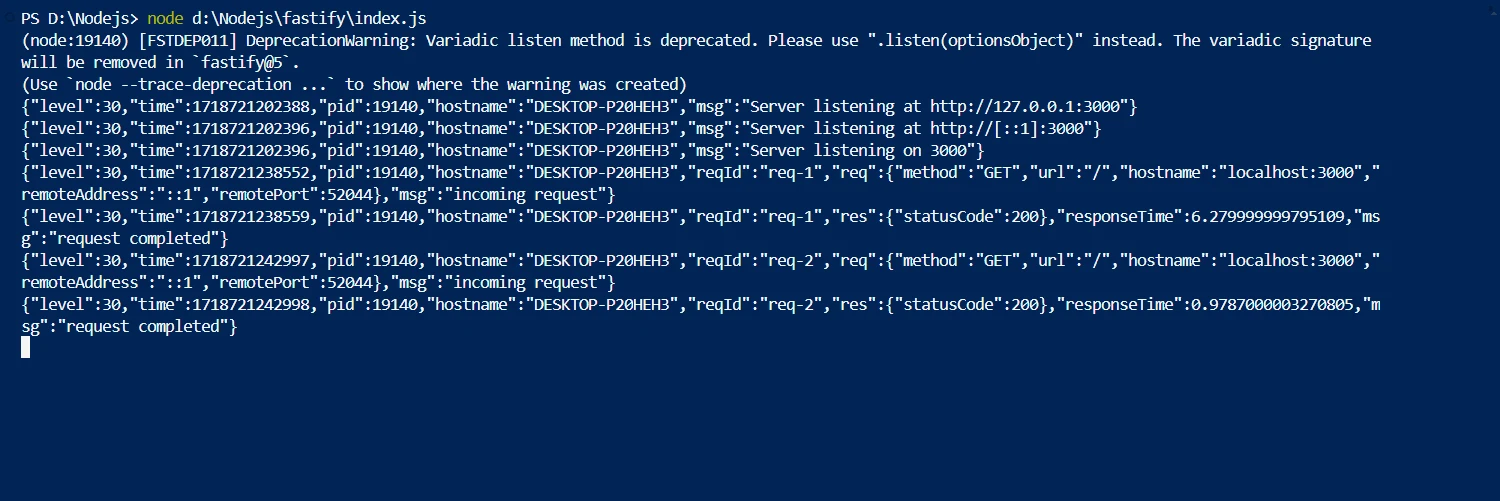
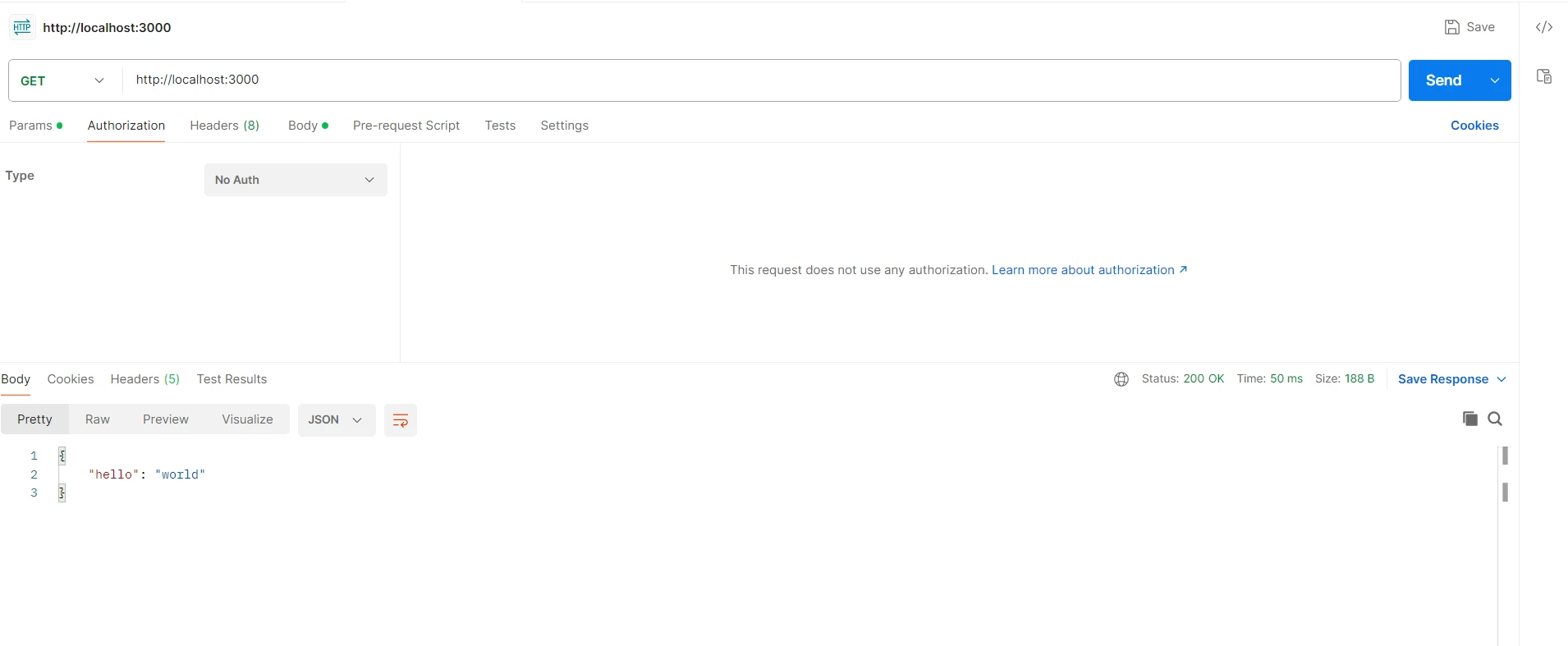
start();const fastify = require('fastify')({ logger: true });: Fastifyをインポートして、ログを有効にして初期化します。fastify.get('/', async (request, reply) => {... });), returning a JSON response{ hello: 'world' }。await fastify.listen(3000);: ポート3000でFastifyサーバーを起動します。fastify.log.info(...);: サーバーが稼働中であることを示すメッセージをログに記録します。
Postmanツールのコードによって生成された結果。
IronPDFとFastifyを使い始める
IronPDFとFastifyをNode.jsで使い始めるには、PDF生成にIronPDFを、ウェブフレームワークにFastifyを組み込む必要があります。 Node.jsアプリケーションにとって、IronPDFはPDFドキュメントを生成、変更、操作するための強力なライブラリです。 FastifyとIronPDFのセットアップと使用方法は以下の通りです:
IronPDF とは何ですか?
IronPDFは強力なNode.js PDFライブラリで、HTML情報から非常に高品質なPDFファイルを作成することを目的としています。 元のウェブコンテンツを損なうことなく、HTML、CSS、および他 for JavaScriptファイルを正しくフォーマットされたPDFに変換するプロセスを迅速化します。 レポート、請求書、証明書などの動的で印刷可能な文書を生成する必要がある Web アプリケーションにとって非常に有用なツールです。
カスタマイズ可能なページ設定、ヘッダー、フッター、フォントや画像の追加機能など、IronPDFの機能の一部です。 複雑なレイアウトやスタイルにも対応し、すべてのテストPDF出力が要件に準拠していることを保証します。 さらに、IronPDFはHTML内で for JavaScriptの実行を管理し、正確な動的およびインタラクティブなコンテンツのレンダリングを可能にします。
IronPDF の機能
HTMLからのPDF生成
JavaScript、HTML、CSSをPDFに変換します。 メディアクエリやレスポンシブデザインなどの現代Web標準に対応しています。 HTMLとCSSでPDFの請求書、レポート、ドキュメントを動的に装飾するのに便利です。
PDF編集
既存の PDF にテキスト、画像、およびその他のコンテンツを追加できます。 PDF ファイルからテキストや画像を抜き出します。 多数のPDFを1つのファイルに結合します。 PDFファイルを複数の個別の書類に分割します。 透かし、注釈、ヘッダー、フッターを含めます。
性能と信頼性
工業環境で高性能と信頼性が望まれる設計特性です。 大規模なドキュメントセットを容易に管理します。
IronPDFをインストールする
IronPDFパッケージをインストールして、Node.jsプロジェクトでPDFを扱うために必要なツールを入手してください。
npm install @ironsoftware/ironpdfnpm install @ironsoftware/ironpdfFastifyサーバーとIronPDFの統合をセットアップする
ここでは、Node.jsアプリケーションでPDFドキュメントを作成するためにIronPDFとFastifyを組み込む方法を徹底的に説明します:
// index.js

const fastify = require('fastify')({ logger: true });
const IronPdf = require("@ironsoftware/ironpdf");
const document = IronPdf.PdfDocument;
const config = IronPdf.IronPdfGlobalConfig;

// Set the license key for IronPDF (empty string if not using a paid license)
config.setConfig({ licenseKey: '' });

// Define a Fastify route to generate PDF
fastify.get('/generate-pdf', async (request, reply) => {
  try {
    // Generate a simple PDF document from HTML
    const pdfDocument = await document.fromHtml('<h1>Hello, IronPDF!</h1>');
    const pdfBuffer = await pdfDocument.saveAsBuffer();

    // Set response headers to serve the PDF
    reply
      .code(200)
      .header('Content-Type', 'application/pdf')
      .header('Content-Disposition', 'attachment; filename="generated.pdf"')
      .send(pdfBuffer);

    fastify.log.info('PDF generated successfully!');
  } catch (err) {
    fastify.log.error('Failed to generate PDF: ', err);
    reply.code(500).send({ error: 'Failed to generate PDF' });
  }
});

// Run the server
const start = async () => {
  try {
    await fastify.listen(3000);
    fastify.log.info(`Server listening on ${fastify.server.address().port}`);
  } catch (err) {
    fastify.log.error(err);
    process.exit(1);
  }
};

start();
// index.js
const fastify = require('fastify')({ logger: true });
const IronPdf = require("@ironsoftware/ironpdf");
const document = IronPdf.PdfDocument;
const config = IronPdf.IronPdfGlobalConfig;
// Set the license key for IronPDF (empty string if not using a paid license)
config.setConfig({ licenseKey: '' });
// Define a Fastify route to generate PDF
fastify.get('/generate-pdf', async (request, reply) => {
try {
// Generate a simple PDF document from HTML
const pdfDocument = await document.fromHtml('<h1>Hello, IronPDF!</h1>');
const pdfBuffer = await pdfDocument.saveAsBuffer();
// Set response headers to serve the PDF
reply
.code(200)
.header('Content-Type', 'application/pdf')
.header('Content-Disposition', 'attachment; filename="generated.pdf"')
.send(pdfBuffer);
fastify.log.info('PDF generated successfully!');
} catch (err) {
fastify.log.error('Failed to generate PDF: ', err);
reply.code(500).send({ error: 'Failed to generate PDF' });
}
});
// Run the server
const start = async () => {
try {
await fastify.listen(3000);
fastify.log.info(`Server listening on ${fastify.server.address().port}`);
} catch (err) {
fastify.log.error(err);
process.exit(1);
}
};
start();Fastifyサーバーの確立: IronPDF (const IronPdf = require('@ironsoftware/ironpdf');)とFastify (index.jsにインポートします。 これは、HTTPリクエストとPDFの作成を含むタスクを管理するために、Fastifyと内部的にシステムを準備するものです。
PDF生成のためのパスの作成: PDF生成リクエストを処理するために、Fastifyで/generate-pdfというルートを作成します。 Specify the HTML content to be converted into a PDF ('<h1>Hello, IronPDF!</h1>') and instantiate IronPDF inside the route handler. PDFはsaveAsBuffer()メソッドを使って生成されたPDFドキュメントをバイトに変換し、サーバーレスポンスを通じて送信することでダウンロード可能な状態になります。
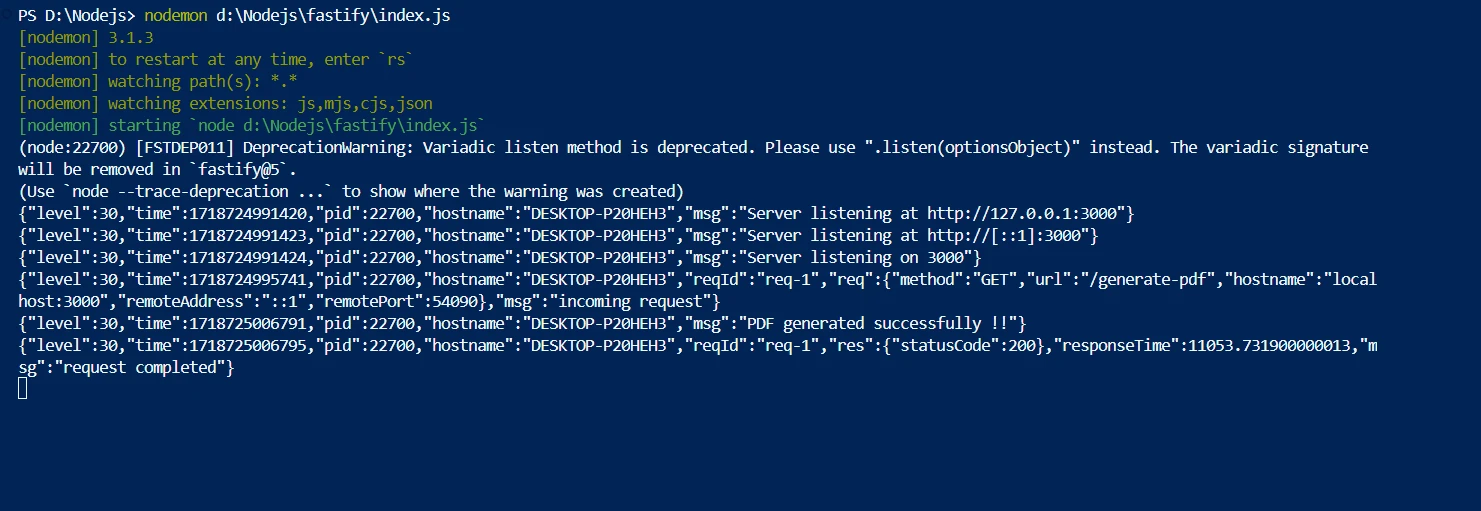
Fastifyサーバーの起動: セットアップ中に発生し得るエラーを処理するためのstart()関数を使用します。指定されたポート(例: 3000)でFastifyサーバー (fastify.listen(3000);) を実行します。これにより、サーバーが起動して受信リクエストの処理が準備完了であることが保証されます。
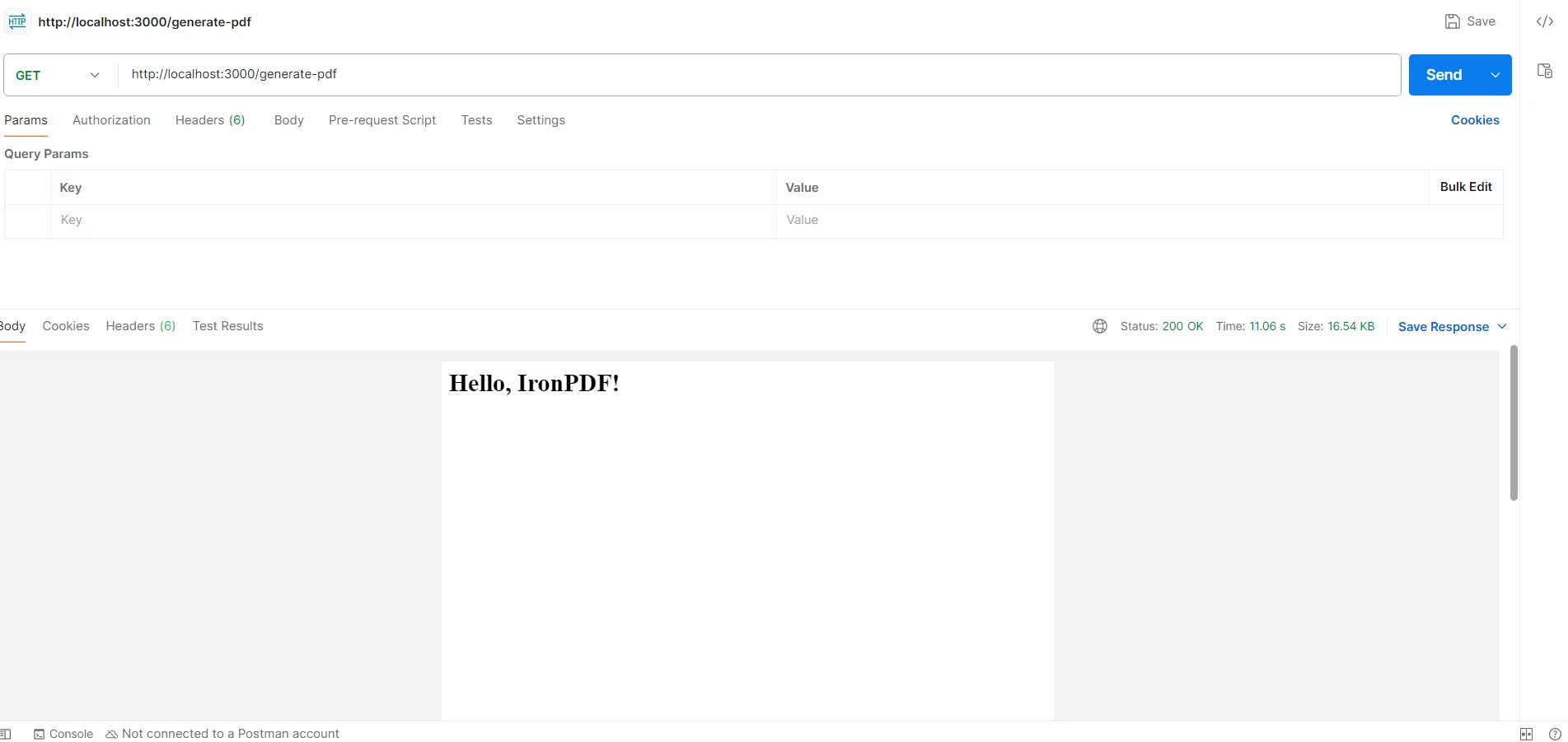
結論
最後に、Fastify と IronPDF をNode.jsで組み合わせることで、PDFドキュメントを動的に作成して提供するための強力なソリューションが見つかるかもしれません。 開発者はFastifyプラグインの軽量設計と効率的なルーティング機能によって、IronPDFの豊富な機能を補完し、動的コンテンツやユーザー入力に基づいて簡単にPDFを作成、操作することができます。 この接続により、Webアプリケーションのスケーラビリティと信頼性が保証され、PDF作成操作の速度とパフォーマンスが大幅に向上します。
開発者は、Fastifyの簡単なセットアップとシンプルなルートハンドリング、そしてIronPDFのHTML情報を高品質なPDFに変換する機能によって、複雑なPDF作成機能を簡単に追加することができます。 この組み合わせは、請求書、レポート、データエクスポートの作成など、さまざまなアプリケーション要件を満たす柔軟性とカスタマイズの選択肢を提供します。
OCR、バーコードスキャン、PDF作成、Excel連携、その他多数の機能を、IronPDF ライセンスとその永続的なLiteライセンス(わずか$799)を用いてNode開発ツールボックスに追加できます。
プロジェクト固有のライセンスの選択肢が明確に定義されていれば、開発者は簡単に最適なモデルを選択できます。 ライセンスの詳細については、ライセンスページをご覧ください。 IronPDFはまた、徹底したドキュメントと様々なコード例を提供し、開発者が使い始められるように支援します。 これらの機能の助けを借りて、開発者はさまざまな問題を成功裏に迅速に解決することができます。






 無料で始めましょう
 無料で始めましょう
 無料ライブデモを予約



 クレジットカードやアカウントの作成は不要です。