using IronPdf;

// Disable local disk access or cross-origin requests
Installation.EnableWebSecurity = true;

// Instantiate Renderer
var renderer = new ChromePdfRenderer();

// Create a PDF from a HTML string using C#
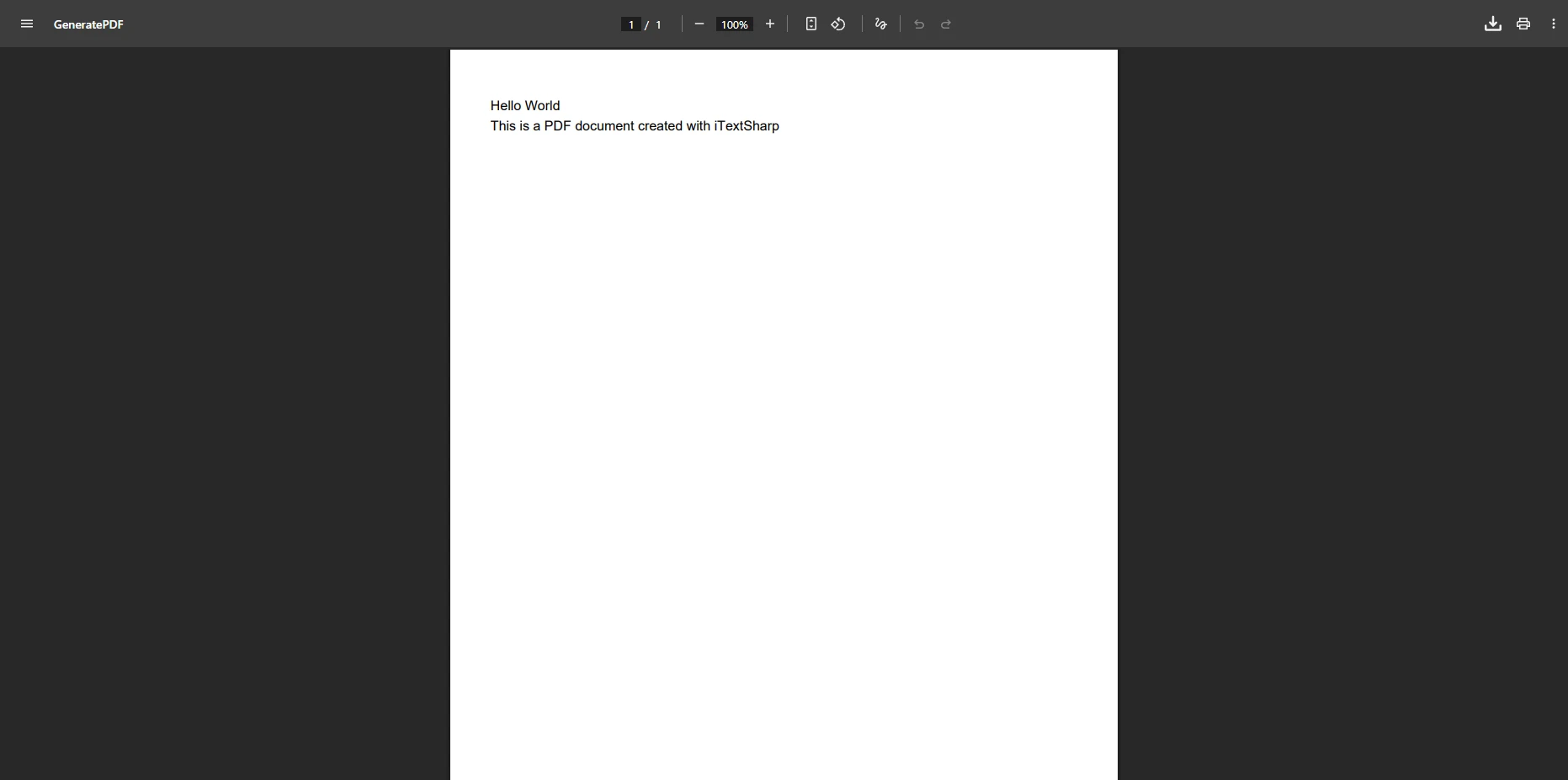
var pdf = renderer.RenderHtmlAsPdf("<h1>Hello World</h1>");

// Export to a file or Stream
pdf.SaveAs("output.pdf");

// Advanced Example with HTML Assets
// Load external html assets: Images, CSS and JavaScript.
// An optional BasePath 'C:\site\assets\' is set as the file location to load assets from
var myAdvancedPdf = renderer.RenderHtmlAsPdf("<img src='icons/iron.png'>", @"C:\site\assets\");
myAdvancedPdf.SaveAs("html-with-assets.pdf");
using IronPdf;// Disable local disk access or cross-origin requestsInstallation.EnableWebSecurity = true;// Instantiate Renderervar renderer = new ChromePdfRenderer();// Create a PDF from a HTML string using C#var pdf = renderer.RenderHtmlAsPdf("<h1>Hello World</h1>");// Export to a file or Streampdf.SaveAs("output.pdf");// Advanced Example with HTML Assets// Load external html assets: Images, CSS and JavaScript.// An optional BasePath 'C:\site\assets\' is set as the file location to load assets fromvar myAdvancedPdf = renderer.RenderHtmlAsPdf("<img src='icons/iron.png'>", @"C:\site\assets\");myAdvancedPdf.SaveAs("html-with-assets.pdf");
## 1. 서론
PDF는 Adobe에서 개발한 **Portable Document Format**의 약자로, 형식이 지정된 텍스트 및 이미지를 포함하는 문서를 표시하는 데 사용됩니다. PDF 형식 파일을 열기 위해서는 별도의 애플리케이션이 필요합니다. PDF는 현대 세계에서 중요한 역할을 합니다; PDF 파일은 대부분의 산업 분야에서 송장 및 문서 생성에 사용됩니다. 개발자들은 문서 생성을 위한 고객 요구 사항을 충족하기 위해 PDF를 사용하고 있습니다. 요즘에는 시장에 나와 있는 라이브러리 덕분에 PDF 생성이 훨씬 쉬워졌습니다. 프로젝트에서 이러한 종류의 라이브러리를 사용할 때는 생성, 읽기 및 변환 방법과 같은 요소를 고려해야 합니다; 이것은 어떤 라이브러리가 우리에게 가장 적합한지를 결정하는 데 도움이 됩니다.
이 기사에서는 .NET 컴포넌트를 위한 가장 인기 있는 두 PDF 라이브러리를 비교할 것입니다. 이 두 라이브러리는:
- IronPDF
- DynamicPDF
IronPDF 및 DynamicPDF 라이브러리는 모두 Microsoft .NET 애플리케이션, ASP.NET 웹 애플리케이션 및 전통적인 Windows 애플리케이션에서 PDF 파일을 생성, 읽기 또는 수정하는 데 사용됩니다. 이제 이 두 라이브러리를 비교할 수 있습니다. 우리 애플리케이션에서 어떤 것을 사용하는 것이 가장 좋은지 결정하기 위해, 먼저 두 라이브러리의 기능을 비교한 후, PDF 파일을 변환하고 조작할 때의 성능 수준을 분석할 것입니다. 두 라이브러리 모두 Microsoft .NET Core 프레임워크의 지원을 받습니다.
### 1.1 IronPDF 기능
IronPDF는 웹 브라우저가 제공할 수 있는 거의 모든 것을 처리할 수 있는 강력한 HTML 변환기입니다. .NET 라이브러리는 개발자가 PDF 파일을 작성, 읽기 또는 수정하는 데 쉽게 사용할 수 있습니다. IronPDF는 Chromium 엔진을 사용하여 HTML을 PDF로 렌더링하며, HTML, ASPX, Razor HTML 및 MVC View와 같은 다양한 웹 구성 요소를 지원합니다. IronPDF는 Microsoft .NET 애플리케이션(ASP.NET 웹 애플리케이션과 전통적인 Windows 애플리케이션 모두)에서 파일을 지원합니다.
IronPDF는 HTML5, JavaScript, CSS 및 이미지를 파일로 생성할 수 있습니다. 또한 파일에 머리글과 바닥글을 추가할 수 있으며, 일반적으로 PDF 파일 읽기가 매우 간단해집니다. 또한, IronPDF는 모든 PDF 파일을 처리할 수 있는 강력한 HTML to PDF 변환기를 포함하고 있습니다.
PDF 파일은 HTML, HTML5, ASPX, Razor/MVC 보기 등 다양한 종류의 파일로부터 생성될 수 있습니다. 우리는 이미지 파일을 PDF로 변환할 수도 있습니다.
URL 링크로부터 문서를 생성합니다. 또한, HTML 로그인 양식 뒤에서 로그인할 수 있도록 사용자 지정 네트워크 로그인 자격 증명, 사용자 에이전트, 프록시, 쿠키, HTTP 헤더, 폼 변수를 사용할 수 있도록 합니다.
- IronPDF는 기존 PDF 문서에서 양식을 읽고 채울 수 있게 합니다.
- 문서에서 이미지를 추출할 수 있습니다.
- 문서에 헤더, 푸터, 텍스트, 이미지, 책갈피, 워터마크 등을 추가할 수 있게 합니다.
- 새로운 또는 기존 문서 페이지를 병합하고 분할할 수 있게 합니다.
- Acrobat Reader 없이 문서를 PDF 객체로 변환할 수 있습니다.
- CSS 파일 및 미디어 유형 파일을 문서로 변환할 수 있습니다.
### 1.2 DynamicPDF 기능
DynamicPDF for .NET은 사용자가 .NET 플랫폼에서 PDF를 생성, 편집, 병합, 분할, 보고서 작성, 쓰기 등을 할 수 있게 도와주는 PDF 조작 도구입니다. DynamicPDF는 사용자들이 PDF 관련 작업을 할 수 있도록 돕는 일곱 가지 다양한 기능 또는 제품을 제공합니다. DynamicPDF에서 제공하는 제품을 보십시오.
#### DynamicPDF HTML 변환기 .NET용
DynamicPDF HTML 변환기는 HTML을 PDF 및 PDF 바이트 배열로 변환합니다.
#### DynamicPDF Core Suite for .NET
DynamicPDF Core Suite는 PDF 생성, PDF 보고서 생성, PDF 패키징, PDF/A 호환 PDF, PDF/X 호환 PDF, PDF 스탬프, 태그가 붙은 PDF, 템플릿 등 모든 PDF 조작을 처리하는 주요 제품입니다.
#### DynamicPDF PrintManager for .NET
이 기능은 PDF 인쇄, PDF 팩스 전송, 바이트 배열로부터 PDF 인쇄, 여러 PDF 인쇄를 제공합니다.
#### DynamicPDF Converter for .NET
이 제품은 HTML, Excel, PowerPoint, Tiff, Word 등을 PDF로 변환할 수 있도록 하는 .NET 플랫폼을 제공합니다.
#### DynamicPDF Rasterizer for .NET
이 제품은 사용자가 PDF를 JPG, TIFF, BMP, PNG, GIF와 같은 다양한 이미지 형식으로 변환할 수 있게 합니다.
#### DynamicPDF Viewer for .NET
DynamicPDF Viewer는 PDF를 열고 보는 방법을 제공합니다.
* 암호화된 PDF 열기
* 바이트 배열로부터 PDF 열기
* 경로 파일로부터 PDF 열기
#### DynamicBarcode Creator for .NET
이 기능은 개발자가 다양한 유형의 바코드를 생성할 수 있게 합니다.
* 2D 바코드
* 선형 바코드
* 우편 바코드
## 2. Visual Studio에서 새 프로젝트 생성하기
Visual Studio 소프트웨어를 열고 파일 메뉴로 가서 새 프로젝트를 선택하십시오. 그 다음 콘솔 응용 프로그램을 선택하십시오. 이 글에서는 콘솔 애플리케이션을 사용하여 PDF 문서를 생성할 것입니다.
프로젝트 이름을 입력하고 적절한 텍스트 상자에서 파일 경로를 선택합니다. 그런 다음 만들기 버튼을 클릭합니다. 필요한 .NET Framework도 선택하십시오.
선택된 응용 프로그램의 구조를 생성하기 위해 Visual Studio 프로젝트가 이제 생성되며, 콘솔, Windows, 웹 응용 프로그램을 선택하면 프로그램.cs 파일이 열려서 코드 입력 및 응용 프로그램 빌드/실행이 가능합니다.
다음으로, 코드를 테스트하기 위해 라이브러리를 추가할 수 있습니다.
## 3. IronPDF 라이브러리 설치
IronPDF 라이브러리는 네 가지 다른 방법으로 다운로드 및 설치할 수 있습니다.
다음과 같습니다:
- Visual Studio를 사용하여.
- Visual Studio 명령줄 사용.
- NuGet 웹사이트에서 직접 다운로드.
- IronPDF 웹사이트에서 직접 다운로드.
### 3.1 Visual Studio 사용
Visual Studio 소프트웨어는 NuGet 패키지 관리자 옵션을 제공하여 솔루션에 직접 패키지를 설치할 수 있습니다.
NuGet 웹사이트에서 패키지 목록을 보여주는 검색 상자를 제공합니다. 패키지 관리자에서 'IronPDF'라는 키워드로 검색해야 합니다.
### 3.2 Visual Studio 명령 줄 사용
- Microsoft Visual Studio에서 도구 -> NuGet 패키지 관리자 -> 패키지 관리자 콘솔로 이동
- 패키지 관리자 콘솔 탭에 다음 줄을 입력하세요:
```shell
:ProductInstall
```
이제 패키지가 현재 프로젝트에 다운로드/설치되고 사용 준비가 됩니다.
### 3.3 NuGet 웹사이트에서 직접 다운로드
세 번째 방법은 웹사이트에서 NuGet 패키지를 직접 다운로드하는 것입니다.
- [IronPDF NuGet 패키지](https://www.nuget.org/packages/IronPdf/)로 이동하세요.
- 오른쪽 메뉴에서 다운로드 패키지 옵션을 선택합니다.
- 다운로드된 패키지를 더블 클릭합니다. 자동으로 설치됩니다.
- 이제 솔루션을 다시 로드하고 프로젝트에서 사용을 시작하십시오.
### 3.4 IronPDF 웹사이트에서 직접 다운로드
[IronPDF 공식 웹사이트](/)를 방문하여 최신 패키지를 웹사이트에서 직접 다운로드하십시오. 다운로드 후 아래 단계를 따라 패키지를 프로젝트에 추가하십시오.
- 솔루션 창에서 프로젝트를 마우스 오른쪽 버튼으로 클릭합니다.
- 그런 다음 참조 옵션을 선택하고 다운로드한 참조의 위치를 찾아봅니다.
- 확인을 클릭하여 레퍼런스를 추가합니다.
## 4. DynamicPDF 라이브러리 설치
#### NuGet 패키지
DynamicPDF Core Suite는 NuGet에서 사용 가능하며 `ceTe.DynamicPDF.CoreSuite.NET` 패키지의 일부입니다. 패키지를 설치하는 가장 쉬운 방법은 Visual Studio 패키지 관리자를 사용하는 것입니다. 패키지는 NuGet에서 직접 다운로드할 수도 있습니다.
`NuGet Package ID: ceTe.DynamicPDF.CoreSuite.NET`
#### DynamicPDF 코어 Suite 정보
추가 정보는 [DynamicPDF 코어 Suite 문서](https://www.dynamicpdf.com/docs/dotnet/dynamic-pdf-core-suite-welcome)에서 찾을 수 있습니다.
다른 플랫폼에서도 사용할 수 있습니다. DynamicPDF 코어 Suite는 Java 및 COM/ActiveX 플랫폼에서도 사용할 수 있습니다. 자세한 내용은 해당 제품 페이지를 참조하세요.
- [Java - DynamicPDF 제너레이터 Java용](https://www.dynamicpdf.com/Generate-PDF-Java.aspx)
- [COM/ActiveX - DynamicPDF 제너레이터 for COM/ActiveX](https://www.dynamicpdf.com/Generate-PDF-COM.aspx)
### 4.1 문서
문서는 온라인과 호스트의 기기에 로컬로 설치된 .chm 파일 모두에서 이용할 수 있습니다.
### 4.2 샘플
샘플 애플리케이션은 DynamicPDF가 제공하는 기능을 보여줍니다. 이 샘플들은 또한 호스트의 기기에 로컬로 설치됩니다.
샘플 애플리케이션은 [DynamicPDF GitHub 리포지토리](https://github.com/DynamicPDF)를 방문하세요.
### 4.3 유틸리티
제품을 사용하기 위해 추가 유틸리티가 필요할 수 있습니다. 예를 들어, PDF에 HTML을 추가하기 위한 유틸리티입니다.
### 4.3.1 DynamicPDF 참조 NuGet 패키지 추가
DynamicPDF HTML Converter, DynamicPDF 코어 Suite, 그리고 DynamicPDF Converter는 모두 NuGet을 통해 제공됩니다. 패키지를 설치하는 가장 쉬운 방법은 Visual Studio 패키지 관리자를 통하는 것입니다.
DynamicPDF HTML Converter는 NuGet에서 `ceTe.DynamicPDF.HtmlConverter.NET` 패키지로 사용 가능합니다.
DynamicPDF Core Suite는 NuGet에서 사용할 수 있으며 `ceTe.DynamicPDF.CoreSuite.NET` 패키지에 포함되어 있습니다.
DynamicPDF Converter는 NuGet에서 사용할 수 있으며 `ceTe.DynamicPDF.Converter.NET` 패키지에 포함되어 있습니다.
#### GitHub 예제 프로젝트
GitHub에서 예제 프로젝트를 클론하거나 보기: [DynamicPDF 예제 프로젝트](https://www.github.com/DynamicPDF/example-html-to-pdf-dotnet).
#### DynamicPDF Converter 및 Generator 정보
세 가지 제품에 대한 추가 정보는 다음을 통해 얻을 수 있습니다:
- [DynamicPDF HTML Converter for .NET](https://www.dynamicpdf.com/convert-html-to-pdf-.net-core)
- [DynamicPDF 코어 Suite .NET용](https://www.dynamicpdf.com/PDF-Suite-.NET.aspx)
- [DynamicPDF Converter for .NET](https://www.dynamicpdf.com/PDF-Conversion-.NET.aspx)
## 5. URL에서 Portable Document Format 생성하기
두 개의 PDF 라이브러리는 강력한 HTML to PDF 변환을 처리할 수 있는 변환기를 갖추고 있습니다. 아래에서 PDF 파일을 생성하는 방법을 알아보겠습니다.
### 5.1 IronPDF 사용하기
IronPDF는 PDF를 쉽게 생성할 수 있게 해줍니다. URL에서 HTML 파일을 렌더링하여 PDF 문서로 변환합니다.
다음 방법은 PDF 문서를 쉽게 생성할 수 있도록 도와줍니다:
```csharp
// Initialize a new instance of the ChromePdfRenderer class.
IronPdf.ChromePdfRenderer Renderer = new IronPdf.ChromePdfRenderer();

// Render a PDF from a given URL and save it as "result.pdf".
var Pdf = Renderer.RenderUrlAsPdf("https://www.google.co.in/");
Pdf.SaveAs("result.pdf");

// Alternatively, chain the method calls
new IronPdf.ChromePdfRenderer().RenderUrlAsPdf("https://www.google.co.in/").SaveAs("result.pdf");
```
위 예제에서 우리는 링크를 문서로 변환하기 위해 두 가지 방법을 사용합니다. 한 방법은 IronPDF 객체를 생성하는 것이며, 다른 방법은 RenderUrlAsPdf 호출을 직접 체인화하는 것입니다.
### 5.2 DynamicPDF 사용하기
강력한 HTML to PDF 변환기는 DynamicPDF가 제공하는 기능입니다. 모든 HTML 또는 마크업 파일을 PDF로 변환합니다. 아래는 DynamicPDF를 사용하여 PDF를 쉽게 생성하기 위한 샘플입니다.
```csharp
// Convert a specified URL to a PDF file.
Converter.Convert("http://www.google.com", pdfFilePath);
```
이 예제는 특정 URL의 HTML에서 PDF로의 간단한 파일 변환을 보여줍니다.
## 6. HTML에서 Portable Document Format 생성하기
IronPDF와 DynamicPDF 모두 HTML 문자열을 PDF로 변환하는 간단한 방법을 제공합니다.
### 6.1 IronPDF 사용하기
IronPDF의 도움으로 HTML 문자열을 PDF 문서로 변환할 수 있습니다. 아래는 HTML 문자열을 문서로 변환하는 샘플입니다. HTML 태그를 PDF 문서로 변환할 수 있는 기능도 제공합니다.
```csharp
// Convert an HTML string to a PDF and save it as "result.pdf".
var Renderer = new IronPdf.ChromePdfRenderer().RenderHtmlAsPdf("<h1>Hello world!!</h1>").SaveAs("result.pdf");
```
위의 예제는 RenderHtmlAsPdf를 사용하여 HTML 문자열을 변환할 수 있음을 보여줍니다.
### 6.2 DynamicPDF 사용하기
DynamicPDF는 HTML 문자열을 문서로 변환하는 데에도 도움을 줍니다. 아래는 HTML 문자열을 변환하는 샘플입니다.
```csharp
// Define a simple HTML string with a table.
string sampleHtml = "<html><body><p>This is a very simple HTML string including a Table below.</p>" +
"<h4>Two rows and three columns:</h4><table border=\"1\"><tr><td>100</td><td>200</td>" +
"<td>300</td></tr><tr><td>400</td><td>500</td><td>600</td></tr></table></body></html>";
// Convert the HTML string to a PDF file.
Converter.ConvertHtmlString(sampleHtml, pdfFilePath);
```
다음 예제는 특정 HTML 문자열을 PDF로 변환하는 과정을 보여줍니다.
## 7. 이동식 문서 형식 문서 읽기
IronPDF와 DynamicPDF를 모두 사용하여 PDF 문서를 읽을 수 있습니다.
### 7.1 IronPDF 사용하기
IronPDF는 기존의 PDF 파일을 읽는 데 도움을 줍니다. 아래는 IronPDF를 사용하여 기존 PDF를 읽는 샘플입니다.
```csharp
// Read an existing PDF file and convert it into a PDF document object.
var pdfDocument = IronPdf.PdfDocument.FromFile("result.pdf");
```
위의 코드는 기존 파일에서 PDF를 읽어 PDF 문서 객체로 변환하는 데 사용되는 FromFile 메서드를 호출합니다.
### 7.2 DynamicPDF 사용하기
DynamicPDF는 Microsoft .NET 응용 프로그램, ASP.NET 웹 응용 프로그램, 전통적인 Windows 응용 프로그램에서 기존 PDF를 읽는 데 도움을 줍니다. 아래는 PDF 문서에서 데이터를 읽는 샘플입니다.
다음 단계 및 샘플 코드는 Rasterizer 제품을 사용하여 파일 경로에서 PDF를 여는 방법을 보여줍니다.
#### 파일 경로에서 PDF 여는 단계
1. 파일 경로를 제공하여 PDF 뷰어를 사용해 PDF 문서를 엽니다.
**샘플 코드 - C#**
```csharp
// Open the PDF from a specified file path.
pdfViewer.Open(@"C:\DocumentA.pdf");
```
## 부트스트랩 PDF 기능 비교
현대적인 PDF 생성은 최신 웹 기술에 대한 강력한 지원을 요구합니다. 이 인터렉티브한 비교는 IronPDF가 Bootstrap 5를 활용하여 고급 레이아웃 및 스타일링으로 전문적인 PDF 문서를 생성하는 방법을 보여줍니다.
```csharp
using IronPdf;
var renderer = new ChromePdfRenderer();
string pdfFeaturesTable = @"
<!DOCTYPE html>
<html>
<head>
<meta charset='utf-8'>
<link href='https://cdn.jsdelivr.net/npm/bootstrap@5.3.0/dist/css/bootstrap.min.css' rel='stylesheet'>
<style>
.feature-badge { font-size: 0.75rem; padding: 0.25rem 0.5rem; }
.metric-card { border-left: 4px solid #0d6efd; }
@media print { .table { page-break-inside: avoid; } }
</style>
</head>
<body class='bg-light'>
<div class='container py-4'>
<div class='row g-3 mb-4'>
<div class='col-md-4'>
<div class='card metric-card h-100'>
<div class='card-body'>
<h6 class='text-muted text-uppercase'>HTML Rendering</h6>
<h3 class='mb-0'>Chrome V8</h3>
<span class='badge bg-success feature-badge mt-2'>Chromium Engine</span>
</div>
</div>
</div>
<div class='col-md-4'>
<div class='card metric-card h-100'>
<div class='card-body'>
<h6 class='text-muted text-uppercase'>Rendering Speed</h6>
<h3 class='mb-0'><1.5s</h3>
<span class='badge bg-info feature-badge mt-2'>Complex HTML</span>
</div>
</div>
</div>
<div class='col-md-4'>
<div class='card metric-card h-100'>
<div class='card-body'>
<h6 class='text-muted text-uppercase'>CSS Support</h6>
<h3 class='mb-0'>CSS3 Full</h3>
<span class='badge bg-primary feature-badge mt-2'>Flexbox + Grid</span>
</div>
</div>
</div>
</div>
<div class='card shadow-sm'>
<div class='card-header bg-primary text-white'>
<h5 class='mb-0'>PDF Generation Capabilities Comparison</h5>
</div>
<div class='card-body p-0'>
<div class='table-responsive'>
<table class='table table-hover mb-0'>
<thead class='table-light'>
<tr>
<th>Feature</th>
<th>IronPDF</th>
<th>DynamicPDF</th>
<th>Advantage</th>
</tr>
</thead>
<tbody>
<tr>
<td><strong>HTML to PDF</strong></td>
<td><span class='badge bg-success'>Full Support</span></td>
<td><span class='badge bg-success'>Supported</span></td>
<td>Both</td>
</tr>
<tr>
<td><strong>JavaScript Execution</strong></td>
<td><span class='badge bg-success'>Native</span></td>
<td><span class='badge bg-warning text-dark'>Limited</span></td>
<td>IronPDF</td>
</tr>
<tr>
<td><strong>CSS3 Layouts</strong></td>
<td><span class='badge bg-success'>Flexbox/Grid</span></td>
<td><span class='badge bg-warning text-dark'>Basic</span></td>
<td>IronPDF</td>
</tr>
<tr>
<td><strong>Web Fonts</strong></td>
<td><span class='badge bg-success'>Google Fonts</span></td>
<td><span class='badge bg-warning text-dark'>Limited</span></td>
<td>IronPDF</td>
</tr>
<tr>
<td><strong>Image Formats</strong></td>
<td><span class='badge bg-success'>All Modern</span></td>
<td><span class='badge bg-success'>Standard</span></td>
<td>Both</td>
</tr>
<tr>
<td><strong>Form Fields</strong></td>
<td><span class='badge bg-success'>Interactive</span></td>
<td><span class='badge bg-success'>Supported</span></td>
<td>Both</td>
</tr>
</tbody>
</table>
</div>
</div>
<div class='card-footer text-muted'>
<small><strong>Note:</strong> DynamicPDF focuses on programmatic PDF creation while IronPDF excels at HTML-to-PDF conversion with modern web standards.</small>
</div>
</div>
</div>
</body>
</html>";
var pdf = renderer.RenderHtmlAsPdf(pdfFeaturesTable);
pdf.SaveAs("pdf-features-comparison.pdf");
```
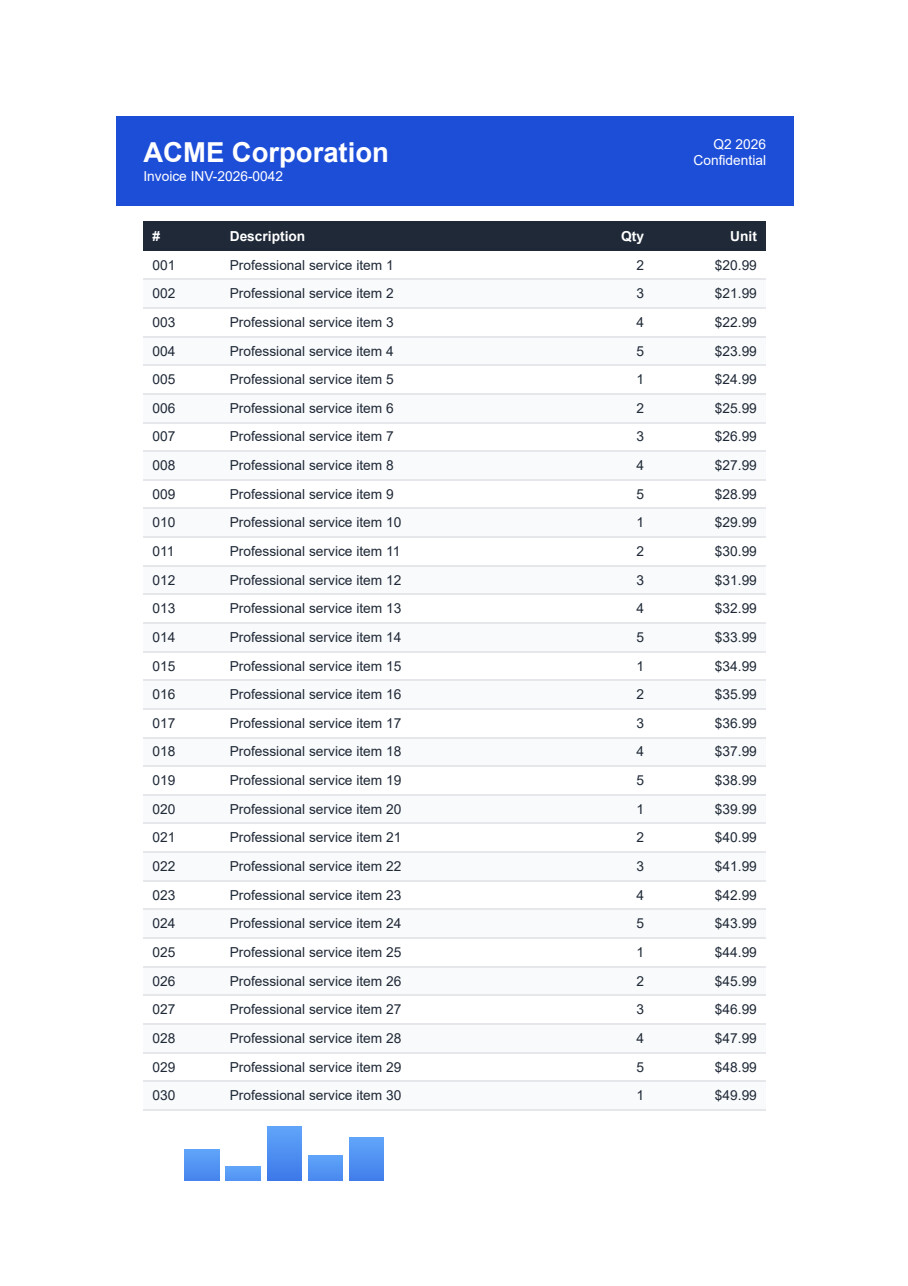
**출력:** Bootstrap 5 카드, 반응형 테이블 및 기능 비교를 보여주는 색상 표시 배지가 있는 전문적인 PDF 문서입니다. IronPDF는 flexbox 레이아웃, 유틸리티 클래스, 최신 카드 시스템을 포함한 모든 Bootstrap 구성 요소를 픽셀 단위로 정확하게 렌더링합니다.
Bootstrap 호환성에 대한 자세한 정보는 [Bootstrap & Flexbox CSS 가이드](/troubleshooting/bootstrap-flex-css/)를 참조하십시오.
## 8. 이동식 문서 형식 문서 병합
IronPDF와 DynamicPDF는 모두 Microsoft .NET 응용 프로그램에서 여러 문서를 단일 문서로 병합하는 데 도움을 줍니다. 이 자료를 통해 문서를 쉽게 병합할 수 있습니다.
### 8.1 IronPDF 사용하기
IronPDF는 여러 문서를 단일 문서로 병합하는 데 도움을 줍니다.
```csharp
// Create a list of PDF documents to merge.
var pdfDocuments = new List<IronPdf.PdfDocument>();
pdfDocuments.Add(IronPdf.PdfDocument.FromFile("result.pdf"));
pdfDocuments.Add(IronPdf.PdfDocument.FromFile("result.pdf"));
// Merge the list of documents and save the merged document.
var mergedPdfDocument = IronPdf.PdfDocument.Merge(pdfDocuments);
mergedPdfDocument.SaveAs("Ironpdfmerged.pdf");
```
### 8.2 DynamicPDF 사용하기
DynamicPDF도 여러 문서를 단일 문서로 병합하는 데 도움을 줍니다. 아래는 문서를 병합하는 방법을 보여주는 예제입니다.
```csharp
// Create a MergeDocument object to begin merging.
MergeDocument document = new MergeDocument("DocumentA.pdf");
// Append additional documents.
document.Append("DocumentB.pdf");
document.Append("DocumentC.pdf");
// Draw the merged document to an output file.
document.Draw("output.pdf");
```
## 9. 이동식 문서 형식 문서 분할
IronPDF와 DynamicPDF 라이브러리는 사용자가 페이지를 별도의 문서로 분할할 수 있도록 합니다. 둘 다 이 과정을 완료하기 위한 간단한 방법을 제공합니다.
### 9.1 IronPDF 사용하기
IronPDF는 단일 및 여러 페이지를 별도의 문서로 변환할 수 있도록 합니다. 아래는 분할 페이지를 별도의 문서로 만드는 예제입니다.
```csharp
// Load the PDF document to be split.
var Splitdocument = IronPdf.PdfDocument.FromFile("Ironpdfmerged.pdf");
// Copy specific page(s) from the document and save it to a new file.
Splitdocument.CopyPages(0, 0).SaveAs("Ironpdfsplit.pdf");
```
### 9.2 DynamicPDF 사용하기
DynamicPDF도 단일 문서 페이지를 여러 문서로 분할할 수 있게 합니다. 아래는 특정 문서 페이지를 다른 문서로 분할하는 예제입니다.
```csharp
// Create a PdfDocument object for the original document.
PdfDocument pdf = new PdfDocument("DocumentA.pdf");
// Split the document into parts and save each part as a separate PDF.
MergeDocument part1 = new MergeDocument(pdf, 1, 4);
part1.Draw("output-part1.pdf");
MergeDocument part2 = new MergeDocument(pdf, 5, 8);
part2.Draw("output-part2.pdf");
```
## 10. 라이선스
DynamicPDF는 HTML 문자열과 HTML 링크 같은 다양한 소스에서 PDF 문서를 생성하고 문서를 분할 및 병합할 수 있게 해주는 라이브러리입니다. DynamicPDF는 서로 다른 가격 구조를 가지고 있으며, 가장 낮은 가격은 `$dynamicpdf.single`부터 시작합니다. 개발자 라이선스는 무료이므로 테스트할 수 있습니다. DynamicPDF의 가격 구조는 [DynamicPDF 가격 페이지](https://www.dynamicpdf.com/convert-html-to-pdf-.net-core)에서 확인하십시오.
IronPDF도 라이브러리이며 무료 개발자 라이선스가 제공됩니다. IronPDF도 다양한 가격 구조를 가지고 있습니다. Lite 패키지는 `$liteLicense`부터 시작하며 지속적인 비용이 없으며 SaaS 및 OEM 재배포를 포함합니다. 모든 라이선스에는 30일 환불 보장, 1년의 제품 지원 및 업데이트, 개발/스테이징/프로덕션에 대한 유효성이 포함됩니다. 영구 라이선스(일시 구매)도 있습니다. IronPDF [가격 페이지](/licensing/)를 방문하여 IronPDF의 전체 가격 구조와 라이선스를 확인하세요.
## 11. 결론
이 기사에서는 IronPDF와 DynamicPDF를 비교했습니다. 두 라이브러리에서 사용할 수 있는 일반적인 기능을 탐색했습니다. IronPDF는 HTML을 렌더링할 때 사용자의 Chrome 설정을 고려하지만, DynamicPDF는 별도의 엔진에서 실행되어 현재 사용자 설정을 무시하고 HTML을 렌더링합니다. IronPDF는 DynamicPDF에 비해 HTML을 빠르게 렌더링할 수 있습니다.
성능 면에서, IronPDF는 최신 HTML5, CSS3, JavaScript를 네이티브로 처리하는 Chromium 렌더링 엔진을 사용하며, DynamicPDF는 더 제한된 웹 표준 지원을 가진 별도의 엔진에서 작동합니다. 라이선스 사용료 없는 재배포 커버리지는 IronPDF에서 추가 비용으로 제공되지만, DynamicPDF에서는 제공되지 않습니다. IronPDF는 또한 DynamicPDF보다 많은 기능을 제공합니다.
결론적으로 우리는 IronPDF의 높은 성능 수준과 PDF 작업을 하는 개발자에게 제공되는 다양한 기능 덕분에 IronPDF를 선호합니다. IronPDF는 또한 모든 기능을 활용하는 데 도움이 되는 좋은 지원과 충분한 문서를 제공합니다.
[[i:(DynamicPDF는 해당 소유자의 등록 상표입니다. 이 사이트는 DynamicPDF와 관련이 없으며, 동의하거나 후원받지 않았습니다. 모든 제품명, 로고 및 브랜드는 해당 소유자의 자산입니다. 비교는 정보 제공 목적으로만 사용되며, 작성 시점에 공개적으로 이용 가능한 정보를 반영합니다.)]]
PDF는 Adobe에서 개발한 Portable Document Format의 약자로, 형식이 지정된 텍스트 및 이미지를 포함하는 문서를 표시하는 데 사용됩니다. PDF 형식 파일을 열기 위해서는 별도의 애플리케이션이 필요합니다. PDF는 현대 세계에서 중요한 역할을 합니다; PDF 파일은 대부분의 산업 분야에서 송장 및 문서 생성에 사용됩니다. 개발자들은 문서 생성을 위한 고객 요구 사항을 충족하기 위해 PDF를 사용하고 있습니다. 요즘에는 시장에 나와 있는 라이브러리 덕분에 PDF 생성이 훨씬 쉬워졌습니다. 프로젝트에서 이러한 종류의 라이브러리를 사용할 때는 생성, 읽기 및 변환 방법과 같은 요소를 고려해야 합니다; 이것은 어떤 라이브러리가 우리에게 가장 적합한지를 결정하는 데 도움이 됩니다.
이 기사에서는 .NET 컴포넌트를 위한 가장 인기 있는 두 PDF 라이브러리를 비교할 것입니다. 이 두 라이브러리는:
IronPDF
DynamicPDF
IronPDF 및 DynamicPDF 라이브러리는 모두 Microsoft .NET 애플리케이션, ASP.NET 웹 애플리케이션 및 전통적인 Windows 애플리케이션에서 PDF 파일을 생성, 읽기 또는 수정하는 데 사용됩니다. 이제 이 두 라이브러리를 비교할 수 있습니다. 우리 애플리케이션에서 어떤 것을 사용하는 것이 가장 좋은지 결정하기 위해, 먼저 두 라이브러리의 기능을 비교한 후, PDF 파일을 변환하고 조작할 때의 성능 수준을 분석할 것입니다. 두 라이브러리 모두 Microsoft .NET Core 프레임워크의 지원을 받습니다.
1.1 IronPDF 기능
IronPDF는 웹 브라우저가 제공할 수 있는 거의 모든 것을 처리할 수 있는 강력한 HTML 변환기입니다. .NET 라이브러리는 개발자가 PDF 파일을 작성, 읽기 또는 수정하는 데 쉽게 사용할 수 있습니다. IronPDF는 Chromium 엔진을 사용하여 HTML을 PDF로 렌더링하며, HTML, ASPX, Razor HTML 및 MVC View와 같은 다양한 웹 구성 요소를 지원합니다. IronPDF는 Microsoft .NET 애플리케이션(ASP.NET 웹 애플리케이션과 전통적인 Windows 애플리케이션 모두)에서 파일을 지원합니다.
IronPDF는 HTML5, JavaScript, CSS 및 이미지를 파일로 생성할 수 있습니다. 또한 파일에 머리글과 바닥글을 추가할 수 있으며, 일반적으로 PDF 파일 읽기가 매우 간단해집니다. 또한, IronPDF는 모든 PDF 파일을 처리할 수 있는 강력한 HTML to PDF 변환기를 포함하고 있습니다.
PDF 파일은 HTML, HTML5, ASPX, Razor/MVC 보기 등 다양한 종류의 파일로부터 생성될 수 있습니다. 우리는 이미지 파일을 PDF로 변환할 수도 있습니다.
URL 링크로부터 문서를 생성합니다. 또한, HTML 로그인 양식 뒤에서 로그인할 수 있도록 사용자 지정 네트워크 로그인 자격 증명, 사용자 에이전트, 프록시, 쿠키, HTTP 헤더, 폼 변수를 사용할 수 있도록 합니다.
IronPDF는 기존 PDF 문서에서 양식을 읽고 채울 수 있게 합니다.
문서에서 이미지를 추출할 수 있습니다.
문서에 헤더, 푸터, 텍스트, 이미지, 책갈피, 워터마크 등을 추가할 수 있게 합니다.
새로운 또는 기존 문서 페이지를 병합하고 분할할 수 있게 합니다.
Acrobat Reader 없이 문서를 PDF 객체로 변환할 수 있습니다.
CSS 파일 및 미디어 유형 파일을 문서로 변환할 수 있습니다.
1.2 DynamicPDF 기능
DynamicPDF for .NET은 사용자가 .NET 플랫폼에서 PDF를 생성, 편집, 병합, 분할, 보고서 작성, 쓰기 등을 할 수 있게 도와주는 PDF 조작 도구입니다. DynamicPDF는 사용자들이 PDF 관련 작업을 할 수 있도록 돕는 일곱 가지 다양한 기능 또는 제품을 제공합니다. DynamicPDF에서 제공하는 제품을 보십시오.
DynamicPDF HTML 변환기 .NET용
DynamicPDF HTML 변환기는 HTML을 PDF 및 PDF 바이트 배열로 변환합니다.
DynamicPDF Core Suite for .NET
DynamicPDF Core Suite는 PDF 생성, PDF 보고서 생성, PDF 패키징, PDF/A 호환 PDF, PDF/X 호환 PDF, PDF 스탬프, 태그가 붙은 PDF, 템플릿 등 모든 PDF 조작을 처리하는 주요 제품입니다.
DynamicPDF PrintManager for .NET
이 기능은 PDF 인쇄, PDF 팩스 전송, 바이트 배열로부터 PDF 인쇄, 여러 PDF 인쇄를 제공합니다.
DynamicPDF Converter for .NET
이 제품은 HTML, Excel, PowerPoint, Tiff, Word 등을 PDF로 변환할 수 있도록 하는 .NET 플랫폼을 제공합니다.
DynamicPDF Rasterizer for .NET
이 제품은 사용자가 PDF를 JPG, TIFF, BMP, PNG, GIF와 같은 다양한 이미지 형식으로 변환할 수 있게 합니다.
DynamicPDF Viewer for .NET
DynamicPDF Viewer는 PDF를 열고 보는 방법을 제공합니다.
암호화된 PDF 열기
바이트 배열로부터 PDF 열기
경로 파일로부터 PDF 열기
DynamicBarcode Creator for .NET
이 기능은 개발자가 다양한 유형의 바코드를 생성할 수 있게 합니다.
2D 바코드
선형 바코드
우편 바코드
2. Visual Studio에서 새 프로젝트 생성하기
Visual Studio 소프트웨어를 열고 파일 메뉴로 가서 새 프로젝트를 선택하십시오. 그 다음 콘솔 응용 프로그램을 선택하십시오. 이 글에서는 콘솔 애플리케이션을 사용하여 PDF 문서를 생성할 것입니다.
프로젝트 이름을 입력하고 적절한 텍스트 상자에서 파일 경로를 선택합니다. 그런 다음 만들기 버튼을 클릭합니다. 필요한 .NET Framework도 선택하십시오.
선택된 응용 프로그램의 구조를 생성하기 위해 Visual Studio 프로젝트가 이제 생성되며, 콘솔, Windows, 웹 응용 프로그램을 선택하면 프로그램.cs 파일이 열려서 코드 입력 및 응용 프로그램 빌드/실행이 가능합니다.
다음으로, 코드를 테스트하기 위해 라이브러리를 추가할 수 있습니다.
3. IronPDF 라이브러리 설치
IronPDF 라이브러리는 네 가지 다른 방법으로 다운로드 및 설치할 수 있습니다.
다음과 같습니다:
Visual Studio를 사용하여.
Visual Studio 명령줄 사용.
NuGet 웹사이트에서 직접 다운로드.
IronPDF 웹사이트에서 직접 다운로드.
3.1 Visual Studio 사용
Visual Studio 소프트웨어는 NuGet 패키지 관리자 옵션을 제공하여 솔루션에 직접 패키지를 설치할 수 있습니다.
NuGet 웹사이트에서 패키지 목록을 보여주는 검색 상자를 제공합니다. 패키지 관리자에서 'IronPDF'라는 키워드로 검색해야 합니다.
3.2 Visual Studio 명령 줄 사용
Microsoft Visual Studio에서 도구 -> NuGet 패키지 관리자 -> 패키지 관리자 콘솔로 이동
IronPDF 공식 웹사이트를 방문하여 최신 패키지를 웹사이트에서 직접 다운로드하십시오. 다운로드 후 아래 단계를 따라 패키지를 프로젝트에 추가하십시오.
솔루션 창에서 프로젝트를 마우스 오른쪽 버튼으로 클릭합니다.
그런 다음 참조 옵션을 선택하고 다운로드한 참조의 위치를 찾아봅니다.
확인을 클릭하여 레퍼런스를 추가합니다.
4. DynamicPDF 라이브러리 설치
NuGet 패키지
DynamicPDF Core Suite는 NuGet에서 사용 가능하며 ceTe.DynamicPDF.CoreSuite.NET 패키지의 일부입니다. 패키지를 설치하는 가장 쉬운 방법은 Visual Studio 패키지 관리자를 사용하는 것입니다. 패키지는 NuGet에서 직접 다운로드할 수도 있습니다.
두 개의 PDF 라이브러리는 강력한 HTML to PDF 변환을 처리할 수 있는 변환기를 갖추고 있습니다. 아래에서 PDF 파일을 생성하는 방법을 알아보겠습니다.
5.1 IronPDF 사용하기
IronPDF는 PDF를 쉽게 생성할 수 있게 해줍니다. URL에서 HTML 파일을 렌더링하여 PDF 문서로 변환합니다.
다음 방법은 PDF 문서를 쉽게 생성할 수 있도록 도와줍니다:
// Initialize a new instance of the ChromePdfRenderer class.IronPdf.ChromePdfRendererRenderer = new IronPdf.ChromePdfRenderer();// Render a PDF from a given URL and save it as "result.pdf".varPdf = Renderer.RenderUrlAsPdf("https://www.google.co.in/");Pdf.SaveAs("result.pdf");// Alternatively, chain the method callsnewIronPdf.ChromePdfRenderer().RenderUrlAsPdf("https://www.google.co.in/").SaveAs("result.pdf");
// Initialize a new instance of the ChromePdfRenderer class.
IronPdf.ChromePdfRenderer Renderer = new IronPdf.ChromePdfRenderer();

// Render a PDF from a given URL and save it as "result.pdf".
var Pdf = Renderer.RenderUrlAsPdf("https://www.google.co.in/");
Pdf.SaveAs("result.pdf");

// Alternatively, chain the method calls
new IronPdf.ChromePdfRenderer().RenderUrlAsPdf("https://www.google.co.in/").SaveAs("result.pdf");
' Initialize a new instance of the ChromePdfRenderer class.DimRendererAs New IronPdf.ChromePdfRenderer()' Render a PDF from a given URL and save it as "result.pdf".DimPdf = Renderer.RenderUrlAsPdf("https://www.google.co.in/")Pdf.SaveAs("result.pdf")' Alternatively, chain the method callsCall (New IronPdf.ChromePdfRenderer()).RenderUrlAsPdf("https://www.google.co.in/").SaveAs("result.pdf")
' Initialize a new instance of the ChromePdfRenderer class.
Dim Renderer As New IronPdf.ChromePdfRenderer()

' Render a PDF from a given URL and save it as "result.pdf".
Dim Pdf = Renderer.RenderUrlAsPdf("https://www.google.co.in/")
Pdf.SaveAs("result.pdf")

' Alternatively, chain the method calls
Call (New IronPdf.ChromePdfRenderer()).RenderUrlAsPdf("https://www.google.co.in/").SaveAs("result.pdf")
위 예제에서 우리는 링크를 문서로 변환하기 위해 두 가지 방법을 사용합니다. 한 방법은 IronPDF 객체를 생성하는 것이며, 다른 방법은 RenderUrlAsPdf 호출을 직접 체인화하는 것입니다.
5.2 DynamicPDF 사용하기
강력한 HTML to PDF 변환기는 DynamicPDF가 제공하는 기능입니다. 모든 HTML 또는 마크업 파일을 PDF로 변환합니다. 아래는 DynamicPDF를 사용하여 PDF를 쉽게 생성하기 위한 샘플입니다.
// Convert a specified URL to a PDF file.Converter.Convert("http://www.google.com", pdfFilePath);
// Convert a specified URL to a PDF file.
Converter.Convert("http://www.google.com", pdfFilePath);
' Convert a specified URL to a PDF file.Converter.Convert("http://www.google.com", pdfFilePath)
' Convert a specified URL to a PDF file.
Converter.Convert("http://www.google.com", pdfFilePath)
이 예제는 특정 URL의 HTML에서 PDF로의 간단한 파일 변환을 보여줍니다.
6. HTML에서 Portable Document Format 생성하기
IronPDF와 DynamicPDF 모두 HTML 문자열을 PDF로 변환하는 간단한 방법을 제공합니다.
6.1 IronPDF 사용하기
IronPDF의 도움으로 HTML 문자열을 PDF 문서로 변환할 수 있습니다. 아래는 HTML 문자열을 문서로 변환하는 샘플입니다. HTML 태그를 PDF 문서로 변환할 수 있는 기능도 제공합니다.
// Convert an HTML string to a PDF and save it as "result.pdf".varRenderer = new IronPdf.ChromePdfRenderer().RenderHtmlAsPdf("<h1>Hello world!!</h1>").SaveAs("result.pdf");
// Convert an HTML string to a PDF and save it as "result.pdf".
var Renderer = new IronPdf.ChromePdfRenderer().RenderHtmlAsPdf("<h1>Hello world!!</h1>").SaveAs("result.pdf");
' Convert an HTML string to a PDF and save it as "result.pdf".DimRenderer = (New IronPdf.ChromePdfRenderer()).RenderHtmlAsPdf("<h1>Hello world!!</h1>").SaveAs("result.pdf")
' Convert an HTML string to a PDF and save it as "result.pdf".
Dim Renderer = (New IronPdf.ChromePdfRenderer()).RenderHtmlAsPdf("<h1>Hello world!!</h1>").SaveAs("result.pdf")
위의 예제는 RenderHtmlAsPdf를 사용하여 HTML 문자열을 변환할 수 있음을 보여줍니다.
6.2 DynamicPDF 사용하기
DynamicPDF는 HTML 문자열을 문서로 변환하는 데에도 도움을 줍니다. 아래는 HTML 문자열을 변환하는 샘플입니다.
// Define a simple HTML string with a table.string sampleHtml = "<html><body><p>This is a very simple HTML string including a Table below.</p>" + "<h4>Two rows and three columns:</h4><table border=\"1\"><tr><td>100</td><td>200</td>" + "<td>300</td></tr><tr><td>400</td><td>500</td><td>600</td></tr></table></body></html>";// Convert the HTML string to a PDF file.Converter.ConvertHtmlString(sampleHtml, pdfFilePath);
// Define a simple HTML string with a table.
string sampleHtml = "<html><body><p>This is a very simple HTML string including a Table below.</p>" +
                    "<h4>Two rows and three columns:</h4><table border=\"1\"><tr><td>100</td><td>200</td>" +
                    "<td>300</td></tr><tr><td>400</td><td>500</td><td>600</td></tr></table></body></html>";

// Convert the HTML string to a PDF file.
Converter.ConvertHtmlString(sampleHtml, pdfFilePath);
' Define a simple HTML string with a table.Dim sampleHtml AsString = "<html><body><p>This is a very simple HTML string including a Table below.</p>" & "<h4>Two rows and three columns:</h4><table border=""1""><tr><td>100</td><td>200</td>" & "<td>300</td></tr><tr><td>400</td><td>500</td><td>600</td></tr></table></body></html>"' Convert the HTML string to a PDF file.Converter.ConvertHtmlString(sampleHtml, pdfFilePath)
' Define a simple HTML string with a table.
Dim sampleHtml As String = "<html><body><p>This is a very simple HTML string including a Table below.</p>" & "<h4>Two rows and three columns:</h4><table border=""1""><tr><td>100</td><td>200</td>" & "<td>300</td></tr><tr><td>400</td><td>500</td><td>600</td></tr></table></body></html>"

' Convert the HTML string to a PDF file.
Converter.ConvertHtmlString(sampleHtml, pdfFilePath)
다음 예제는 특정 HTML 문자열을 PDF로 변환하는 과정을 보여줍니다.
7. 이동식 문서 형식 문서 읽기
IronPDF와 DynamicPDF를 모두 사용하여 PDF 문서를 읽을 수 있습니다.
7.1 IronPDF 사용하기
IronPDF는 기존의 PDF 파일을 읽는 데 도움을 줍니다. 아래는 IronPDF를 사용하여 기존 PDF를 읽는 샘플입니다.
// Read an existing PDF file and convert it into a PDF document object.var pdfDocument = IronPdf.PdfDocument.FromFile("result.pdf");
// Read an existing PDF file and convert it into a PDF document object.
var pdfDocument = IronPdf.PdfDocument.FromFile("result.pdf");
' Read an existing PDF file and convert it into a PDF document object.Dim pdfDocument = IronPdf.PdfDocument.FromFile("result.pdf")
' Read an existing PDF file and convert it into a PDF document object.
Dim pdfDocument = IronPdf.PdfDocument.FromFile("result.pdf")
위의 코드는 기존 파일에서 PDF를 읽어 PDF 문서 객체로 변환하는 데 사용되는 FromFile 메서드를 호출합니다.
7.2 DynamicPDF 사용하기
DynamicPDF는 Microsoft .NET 응용 프로그램, ASP.NET 웹 응용 프로그램, 전통적인 Windows 응용 프로그램에서 기존 PDF를 읽는 데 도움을 줍니다. 아래는 PDF 문서에서 데이터를 읽는 샘플입니다.
다음 단계 및 샘플 코드는 Rasterizer 제품을 사용하여 파일 경로에서 PDF를 여는 방법을 보여줍니다.
파일 경로에서 PDF 여는 단계
파일 경로를 제공하여 PDF 뷰어를 사용해 PDF 문서를 엽니다.
샘플 코드 - C#
// Open the PDF from a specified file path.pdfViewer.Open(@"C:\DocumentA.pdf");
// Open the PDF from a specified file path.
pdfViewer.Open(@"C:\DocumentA.pdf");
' Open the PDF from a specified file path.pdfViewer.Open("C:\DocumentA.pdf")
' Open the PDF from a specified file path.
pdfViewer.Open("C:\DocumentA.pdf")
부트스트랩 PDF 기능 비교
현대적인 PDF 생성은 최신 웹 기술에 대한 강력한 지원을 요구합니다. 이 인터렉티브한 비교는 IronPDF가 Bootstrap 5를 활용하여 고급 레이아웃 및 스타일링으로 전문적인 PDF 문서를 생성하는 방법을 보여줍니다.
출력: Bootstrap 5 카드, 반응형 테이블 및 기능 비교를 보여주는 색상 표시 배지가 있는 전문적인 PDF 문서입니다. IronPDF는 flexbox 레이아웃, 유틸리티 클래스, 최신 카드 시스템을 포함한 모든 Bootstrap 구성 요소를 픽셀 단위로 정확하게 렌더링합니다.
IronPDF와 DynamicPDF는 모두 Microsoft .NET 응용 프로그램에서 여러 문서를 단일 문서로 병합하는 데 도움을 줍니다. 이 자료를 통해 문서를 쉽게 병합할 수 있습니다.
8.1 IronPDF 사용하기
IronPDF는 여러 문서를 단일 문서로 병합하는 데 도움을 줍니다.
// Create a list of PDF documents to merge.var pdfDocuments = new List<IronPdf.PdfDocument>();pdfDocuments.Add(IronPdf.PdfDocument.FromFile("result.pdf"));pdfDocuments.Add(IronPdf.PdfDocument.FromFile("result.pdf"));// Merge the list of documents and save the merged document.var mergedPdfDocument = IronPdf.PdfDocument.Merge(pdfDocuments);mergedPdfDocument.SaveAs("Ironpdfmerged.pdf");
// Create a list of PDF documents to merge.
var pdfDocuments = new List<IronPdf.PdfDocument>();
pdfDocuments.Add(IronPdf.PdfDocument.FromFile("result.pdf"));
pdfDocuments.Add(IronPdf.PdfDocument.FromFile("result.pdf"));

// Merge the list of documents and save the merged document.
var mergedPdfDocument = IronPdf.PdfDocument.Merge(pdfDocuments);
mergedPdfDocument.SaveAs("Ironpdfmerged.pdf");
' Create a list of PDF documents to merge.Dim pdfDocuments = New List(OfIronPdf.PdfDocument)()pdfDocuments.Add(IronPdf.PdfDocument.FromFile("result.pdf"))pdfDocuments.Add(IronPdf.PdfDocument.FromFile("result.pdf"))' Merge the list of documents and save the merged document.Dim mergedPdfDocument = IronPdf.PdfDocument.Merge(pdfDocuments)mergedPdfDocument.SaveAs("Ironpdfmerged.pdf")
' Create a list of PDF documents to merge.
Dim pdfDocuments = New List(Of IronPdf.PdfDocument)()
pdfDocuments.Add(IronPdf.PdfDocument.FromFile("result.pdf"))
pdfDocuments.Add(IronPdf.PdfDocument.FromFile("result.pdf"))

' Merge the list of documents and save the merged document.
Dim mergedPdfDocument = IronPdf.PdfDocument.Merge(pdfDocuments)
mergedPdfDocument.SaveAs("Ironpdfmerged.pdf")
8.2 DynamicPDF 사용하기
DynamicPDF도 여러 문서를 단일 문서로 병합하는 데 도움을 줍니다. 아래는 문서를 병합하는 방법을 보여주는 예제입니다.
// Create a MergeDocument object to begin merging.MergeDocument document = new MergeDocument("DocumentA.pdf");// Append additional documents.document.Append("DocumentB.pdf");document.Append("DocumentC.pdf");// Draw the merged document to an output file.document.Draw("output.pdf");
// Create a MergeDocument object to begin merging.
MergeDocument document = new MergeDocument("DocumentA.pdf");

// Append additional documents.
document.Append("DocumentB.pdf");
document.Append("DocumentC.pdf");

// Draw the merged document to an output file.
document.Draw("output.pdf");
' Create a MergeDocument object to begin merging.Dim document As New MergeDocument("DocumentA.pdf")' Append additional documents.document.Append("DocumentB.pdf")document.Append("DocumentC.pdf")' Draw the merged document to an output file.document.Draw("output.pdf")
' Create a MergeDocument object to begin merging.
Dim document As New MergeDocument("DocumentA.pdf")

' Append additional documents.
document.Append("DocumentB.pdf")
document.Append("DocumentC.pdf")

' Draw the merged document to an output file.
document.Draw("output.pdf")
9. 이동식 문서 형식 문서 분할
IronPDF와 DynamicPDF 라이브러리는 사용자가 페이지를 별도의 문서로 분할할 수 있도록 합니다. 둘 다 이 과정을 완료하기 위한 간단한 방법을 제공합니다.
9.1 IronPDF 사용하기
IronPDF는 단일 및 여러 페이지를 별도의 문서로 변환할 수 있도록 합니다. 아래는 분할 페이지를 별도의 문서로 만드는 예제입니다.
// Load the PDF document to be split.varSplitdocument = IronPdf.PdfDocument.FromFile("Ironpdfmerged.pdf");// Copy specific page(s) from the document and save it to a new file.Splitdocument.CopyPages(0, 0).SaveAs("Ironpdfsplit.pdf");
// Load the PDF document to be split.
var Splitdocument = IronPdf.PdfDocument.FromFile("Ironpdfmerged.pdf");

// Copy specific page(s) from the document and save it to a new file.
Splitdocument.CopyPages(0, 0).SaveAs("Ironpdfsplit.pdf");
' Load the PDF document to be split.DimSplitdocument = IronPdf.PdfDocument.FromFile("Ironpdfmerged.pdf")' Copy specific page(s) from the document and save it to a new file.Splitdocument.CopyPages(0, 0).SaveAs("Ironpdfsplit.pdf")
' Load the PDF document to be split.
Dim Splitdocument = IronPdf.PdfDocument.FromFile("Ironpdfmerged.pdf")

' Copy specific page(s) from the document and save it to a new file.
Splitdocument.CopyPages(0, 0).SaveAs("Ironpdfsplit.pdf")
9.2 DynamicPDF 사용하기
DynamicPDF도 단일 문서 페이지를 여러 문서로 분할할 수 있게 합니다. 아래는 특정 문서 페이지를 다른 문서로 분할하는 예제입니다.
// Create a PdfDocument object for the original document.PdfDocument pdf = new PdfDocument("DocumentA.pdf");// Split the document into parts and save each part as a separate PDF.MergeDocument part1 = new MergeDocument(pdf, 1, 4);part1.Draw("output-part1.pdf");MergeDocument part2 = new MergeDocument(pdf, 5, 8);part2.Draw("output-part2.pdf");
// Create a PdfDocument object for the original document.
PdfDocument pdf = new PdfDocument("DocumentA.pdf");

// Split the document into parts and save each part as a separate PDF.
MergeDocument part1 = new MergeDocument(pdf, 1, 4);
part1.Draw("output-part1.pdf");
MergeDocument part2 = new MergeDocument(pdf, 5, 8);
part2.Draw("output-part2.pdf");
' Create a PdfDocument object for the original document.Dim pdf As New PdfDocument("DocumentA.pdf")' Split the document into parts and save each part as a separate PDF.Dim part1 As New MergeDocument(pdf, 1, 4)part1.Draw("output-part1.pdf")Dim part2 As New MergeDocument(pdf, 5, 8)part2.Draw("output-part2.pdf")
' Create a PdfDocument object for the original document.
Dim pdf As New PdfDocument("DocumentA.pdf")

' Split the document into parts and save each part as a separate PDF.
Dim part1 As New MergeDocument(pdf, 1, 4)
part1.Draw("output-part1.pdf")
Dim part2 As New MergeDocument(pdf, 5, 8)
part2.Draw("output-part2.pdf")
10. 라이선스
DynamicPDF는 HTML 문자열과 HTML 링크 같은 다양한 소스에서 PDF 문서를 생성하고 문서를 분할 및 병합할 수 있게 해주는 라이브러리입니다. DynamicPDF는 서로 다른 가격 구조를 가지고 있으며, 가장 낮은 가격은 $919부터 시작합니다. 개발자 라이선스는 무료이므로 테스트할 수 있습니다. DynamicPDF의 가격 구조는 DynamicPDF 가격 페이지에서 확인하십시오.
IronPDF도 라이브러리이며 무료 개발자 라이선스가 제공됩니다. IronPDF도 다양한 가격 구조를 가지고 있습니다. Lite 패키지는 $999부터 시작하며 지속적인 비용이 없으며 SaaS 및 OEM 재배포를 포함합니다. 모든 라이선스에는 30일 환불 보장, 1년의 제품 지원 및 업데이트, 개발/스테이징/프로덕션에 대한 유효성이 포함됩니다. 영구 라이선스(일시 구매)도 있습니다. IronPDF 가격 페이지를 방문하여 IronPDF의 전체 가격 구조와 라이선스를 확인하세요.
11. 결론
이 기사에서는 IronPDF와 DynamicPDF를 비교했습니다. 두 라이브러리에서 사용할 수 있는 일반적인 기능을 탐색했습니다. IronPDF는 HTML을 렌더링할 때 사용자의 Chrome 설정을 고려하지만, DynamicPDF는 별도의 엔진에서 실행되어 현재 사용자 설정을 무시하고 HTML을 렌더링합니다. IronPDF는 DynamicPDF에 비해 HTML을 빠르게 렌더링할 수 있습니다.
성능 면에서, IronPDF는 최신 HTML5, CSS3, JavaScript를 네이티브로 처리하는 Chromium 렌더링 엔진을 사용하며, DynamicPDF는 더 제한된 웹 표준 지원을 가진 별도의 엔진에서 작동합니다. 라이선스 사용료 없는 재배포 커버리지는 IronPDF에서 추가 비용으로 제공되지만, DynamicPDF에서는 제공되지 않습니다. IronPDF는 또한 DynamicPDF보다 많은 기능을 제공합니다.
결론적으로 우리는 IronPDF의 높은 성능 수준과 PDF 작업을 하는 개발자에게 제공되는 다양한 기능 덕분에 IronPDF를 선호합니다. IronPDF는 또한 모든 기능을 활용하는 데 도움이 되는 좋은 지원과 충분한 문서를 제공합니다.
참고해 주세요: DynamicPDF는 해당 소유자의 등록 상표입니다. 이 사이트는 DynamicPDF와 관련이 없으며, 동의하거나 후원받지 않았습니다. 모든 제품명, 로고 및 브랜드는 해당 소유자의 자산입니다. 비교는 정보 제공 목적으로만 사용되며, 작성 시점에 공개적으로 이용 가능한 정보를 반영합니다.
커티스 차우는 칼턴 대학교에서 컴퓨터 과학 학사 학위를 취득했으며, Node.js, TypeScript, JavaScript, React를 전문으로 하는 프론트엔드 개발자입니다. 직관적이고 미적으로 뛰어난 사용자 인터페이스를 만드는 데 열정을 가진 그는 최신 프레임워크를 활용하고, 잘 구성되고 시각적으로 매력적인 매뉴얼을 제작하는 것을 즐깁니다.