from ironpdf import *

# Instantiate Renderer
renderer = ChromePdfRenderer()

# Create a PDF from a HTML string using Python
pdf = renderer.RenderHtmlAsPdf("<h1>Hello World</h1>")

# Export to a file or Stream
pdf.SaveAs("output.pdf")

# Advanced Example with HTML Assets
# Load external html assets: Images, CSS and JavaScript.
# An optional BasePath 'C:\site\assets\' is set as the file location to load assets from
myAdvancedPdf = renderer.RenderHtmlAsPdf("<img src='icons/iron.png'>", r"C:\site\assets")
myAdvancedPdf.SaveAs("html-with-assets.pdf")
from ironpdf import *# Instantiate Rendererrenderer = ChromePdfRenderer()# Create a PDF from a HTML string using Pythonpdf = renderer.RenderHtmlAsPdf("<h1>Hello World</h1>")# Export to a file or Streampdf.SaveAs("output.pdf")# Advanced Example with HTML Assets# Load external html assets: Images, CSS and JavaScript.# An optional BasePath 'C:\site\assets\' is set as the file location to load assets frommyAdvancedPdf = renderer.RenderHtmlAsPdf("<img src='icons/iron.png'>", r"C:\site\assets")myAdvancedPdf.SaveAs("html-with-assets.pdf")
VERWENDUNG VON IRONPDF FOR PYTHON
Wie man mit Python Text zu einer PDF-Datei hinzufügt
Da PDFs die Formatierung auf verschiedenen Plattformen und Geräten beibehalten, zählen sie zu den beliebtesten und anpassungsfähigsten Formaten für digitale Dokumente. Dennoch gibt es Situationen, in denen eine stärkere Anpassung oder Kommentierung erforderlich ist, obwohl PDFs hervorragend geeignet sind, die Integrität von Dokumenten zu bewahren. Hier kommt [**IronPDF for Python**](/python/) ins Spiel und bietet leistungsstarke Werkzeuge, um PDF-Dokumenten dynamisch mithilfe von Programmierung Text, Anmerkungen und andere Komponenten hinzuzufügen. In diesem Artikel verwenden wir [IronPDF for Python,](/python/) um Text in eine PDF-Datei einzufügen.
## Wie man mit Python Text zu einer PDF-Datei hinzufügt
1. Installieren Sie die [**IronPDF**](/python/) -Bibliothek, um mit Python PDFs zu erstellen und zu bearbeiten.
2. Überprüfen Sie, ob IronPDF in der Python-Umgebung eingerichtet ist.
3. Fügen Sie die IronPDF-Klassen hinzu, die Ihr Python-Skript benötigt.
4. Öffnen Sie die PDF-Datei mit IronPDF.
5. Fügen Sie den Text in die PDF-Datei ein.
6. Speichern Sie die neue PDF-Datei unter einem Pfad.
## Was ist IronPDF for Python?
[**IronPDF**](/python/) ist eine funktionsreiche PDF-Bibliothek, die für .NET entwickelt wurde, aber auch in Python mithilfe der Python .NET-Bibliothek verwendet werden kann. Durch diese Integration stehen die leistungsstarken Funktionen von IronPDF zum Erstellen, Bearbeiten und Konvertieren von PDF-Dokumenten nun auch Python-Entwicklern zur Verfügung. Benutzer können PDFs in Bildformate wie JPEG und PNG konvertieren, Text und Fotos extrahieren, PDFs teilen und zusammenführen, Wasserzeichen hinzufügen und PDFs aus HTML erstellen. IronPDF ist ein Werkzeug für viele verschiedene PDF-Manipulationen.
Aufgrund ihrer umfangreichen Funktionalität und hohen Effizienz ist die Bibliothek ein wichtiges Werkzeug für Entwickler, die komplexe PDF-Manipulationsfunktionen in ihre Python-Projekte integrieren müssen. Mit **IronPDF** und Python können Entwickler anspruchsvolle PDF-Verarbeitungsaufgaben optimieren und automatisieren, wodurch die Workflow-Effizienz und die Effektivität des Dokumentenmanagements gesteigert werden.
### Funktionen von IronPDF
#### Konvertieren Sie HTML in PDF
Mit IronPDF lassen sich PDF-Dateien aus [HTML-Zeichenketten oder HTML-Code](/python/tutorials/html-to-pdf/) erstellen.
#### Zusammenführen von PDF-Dateien
[Mehrere PDF-Dateien zu einer einzigen zusammenführen](/python/examples/merge-pdfs/) oder eine PDF-Datei in mehrere Teile aufteilen.
#### PDF-Seiten hinzufügen oder entfernen
Mit IronPDF können Sie Seiten in einer PDF-Datei hinzufügen, [entfernen](/python/examples/remove-page-from-pdf/) oder neu anordnen.
#### PDF in Bilder konvertieren
Mit IronPDF können Sie PDF-Seiten als PNG- oder JPEG-Dateien exportieren und so gestochen scharfe PNG- oder JPEG-Bilder erstellen. Die Verwendung dieser Funktion zum Erstellen von Miniaturansichten oder Vorschauen wird dringend empfohlen.
#### Text aus einem PDF-Dokument extrahieren
Sie können Text aus PDF-Dateien extrahieren, um ihn später zu verwenden oder zu analysieren.
#### Bilder aus PDF extrahieren
Mit IronPDF können Sie eingebettete Fotos aus PDF-Dokumenten extrahieren.
#### PDF-Dateien bearbeiten
Modifizieren von PDF-Dateien, Ausfüllen und Abrufen von Daten aus PDF-Formularen mithilfe der IronPDF-Bibliothek. Dies kann die Verwaltung von Formularübermittlungen vereinfachen.
#### Sicherheit
Mit IronPDF können wir PDFs mit einem Passwort schützen oder [den Passwortschutz](/python/examples/security-and-metadata/) entfernen, um die Sicherheit der Dokumente zu gewährleisten. Kontrollberechtigungen, um zu verhindern, dass die PDF-Datei gedruckt, kopiert oder bearbeitet wird.
#### Benutzerdefinierte Kopf- und Fußzeilen hinzufügen
Mit IronPDF können Sie Ihren PDF-Dokumenten eigene Kopf- und Fußzeilen hinzufügen. Beispielsweise können Kopf- und Fußzeilen von PDFs Datumsangaben und Seitenzahlen enthalten.
#### CSS-Stil hinzufügen
Verwenden Sie CSS, um die Daten beim Konvertieren von HTML in das PDF-Format mit IronPDF zu formatieren.
#### Effizientes PDF-Management
IronPDF hilft bei der Organisation und effizienten Verwaltung von Stapelverarbeitungsprozessen für große Mengen von PDF-Dateien.
#### Hochwertige Ausgabe
IronPDF for Python stellt sicher, dass die Bild- und PDF-Ausgaben eine für den Einsatz in einem formellen Kontext geeignete Qualität aufweisen und die Integrität des ursprünglichen Inhalts – ob Text, Bilder oder komplexe Layouts – erhalten bleibt.
## Umgebung einrichten
### Voraussetzungen
Bevor Sie mit der Anleitung beginnen, stellen Sie sicher, dass Folgendes auf Ihrem Computer eingerichtet ist:
Da [IronPDF](https://pypi.org/project/IronPdf/) mit dem .NET 6.0 SDK entwickelt wurde, stellen Sie sicher, dass die [.NET 6.0-Laufzeitumgebung](https://dotnet.microsoft.com/en-us/download/dotnet/6.0) auf Ihrem Rechner installiert ist.
* Python 3.0+: Um den Beispielen in dieser Lektion folgen zu können, benötigen Sie Python 3.0 oder eine spätere Version.
* pip: Da IronPDF vom Python-Paketmanager [pip](https://pypi.org/project/pip/) abhängt, muss dieser zuerst installiert werden.
### Neues Projekt in PyCharm
In diesem Artikel wird [PyCharm](https://www.jetbrains.com/pycharm/) , eine IDE für die Python-Programmierung, verwendet.
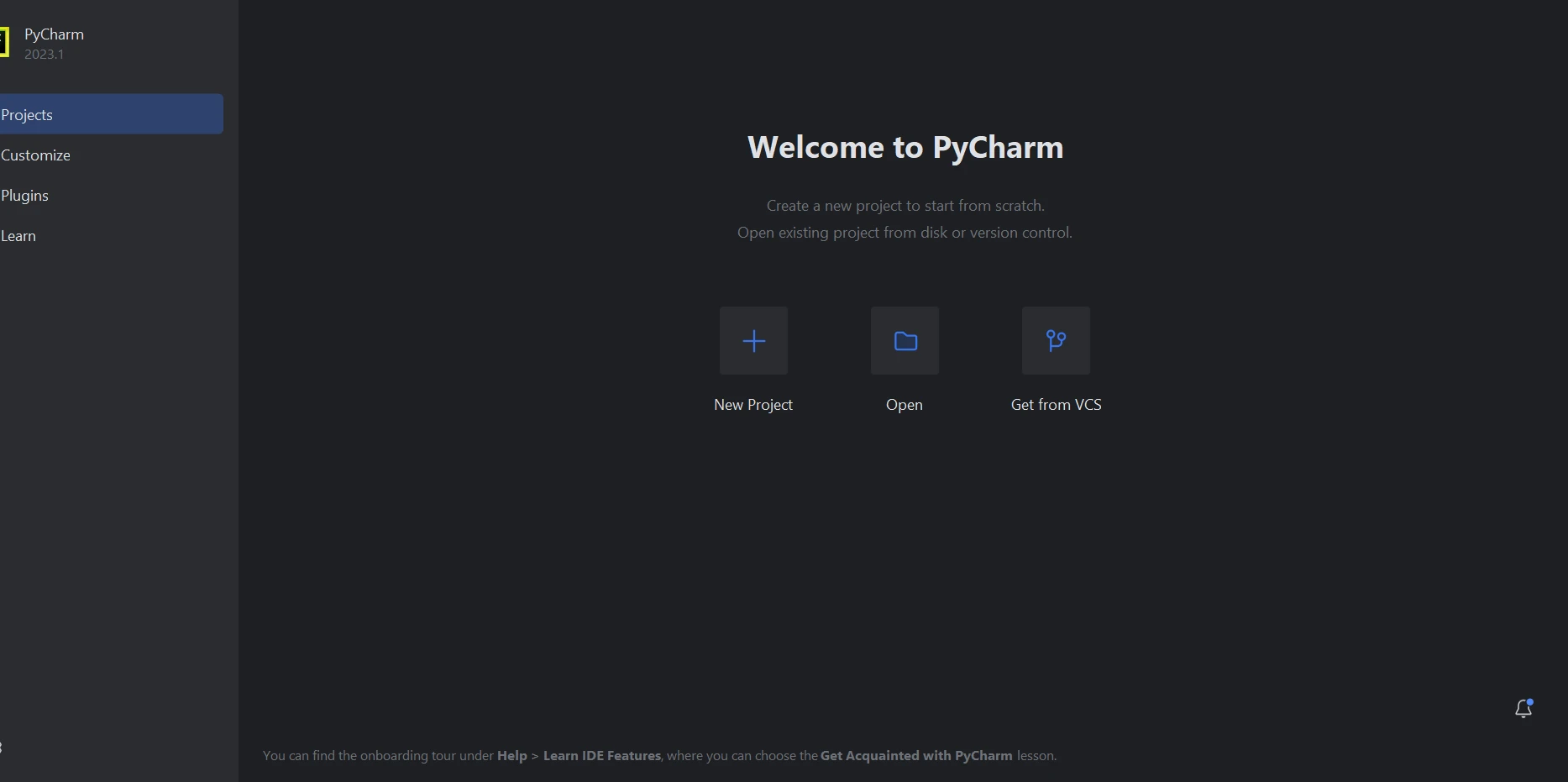
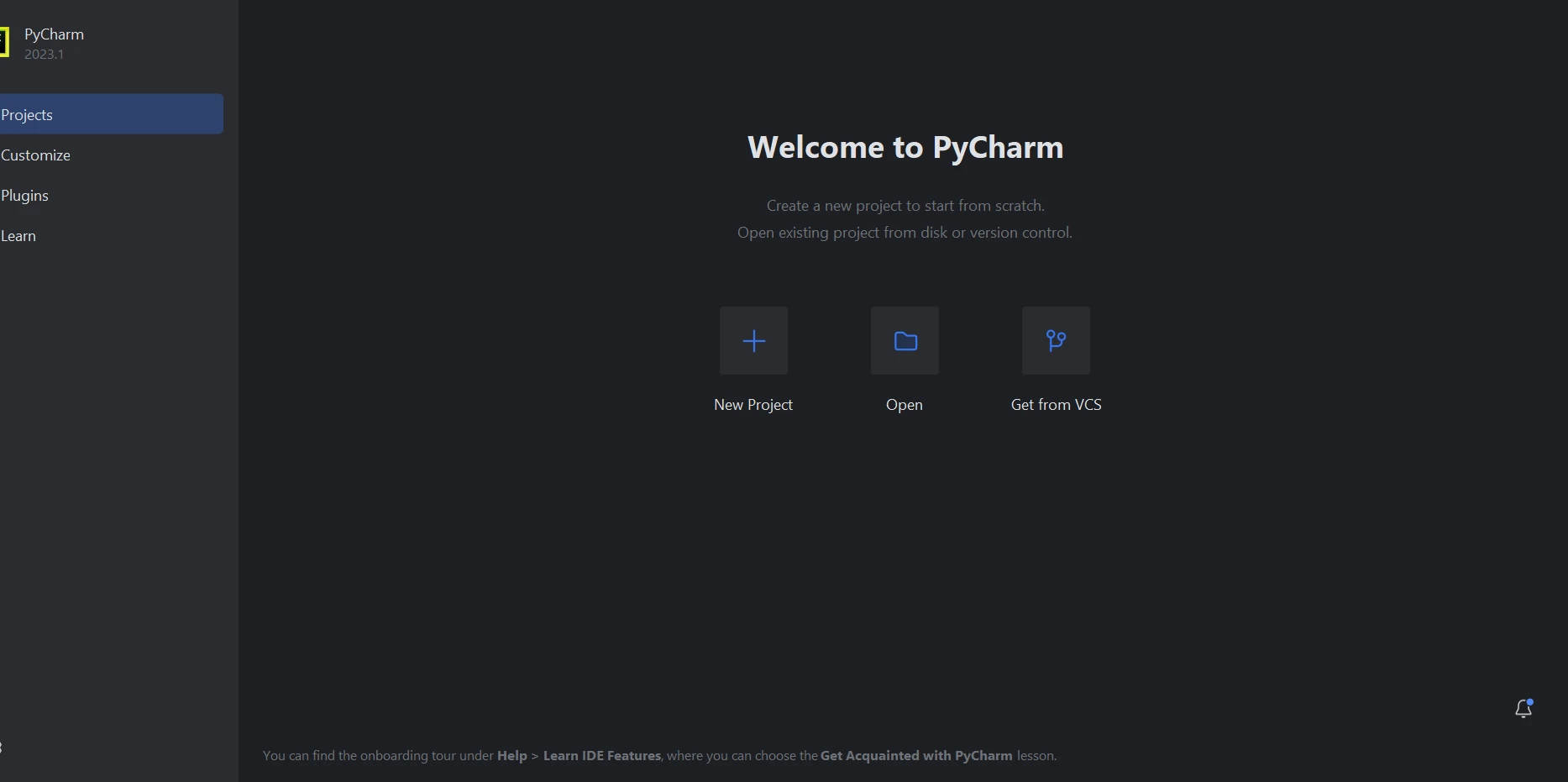
Wählen Sie "Neues Projekt", wenn die PyCharm-IDE gestartet ist.
Durch Klicken auf "Neues Projekt" öffnet sich ein neues Fenster, in dem Sie den Standort und die Umgebung des Projekts ändern können. Der untenstehende Screenshot zeigt, dass dieses neue Fenster geöffnet und funktionsfähig ist.
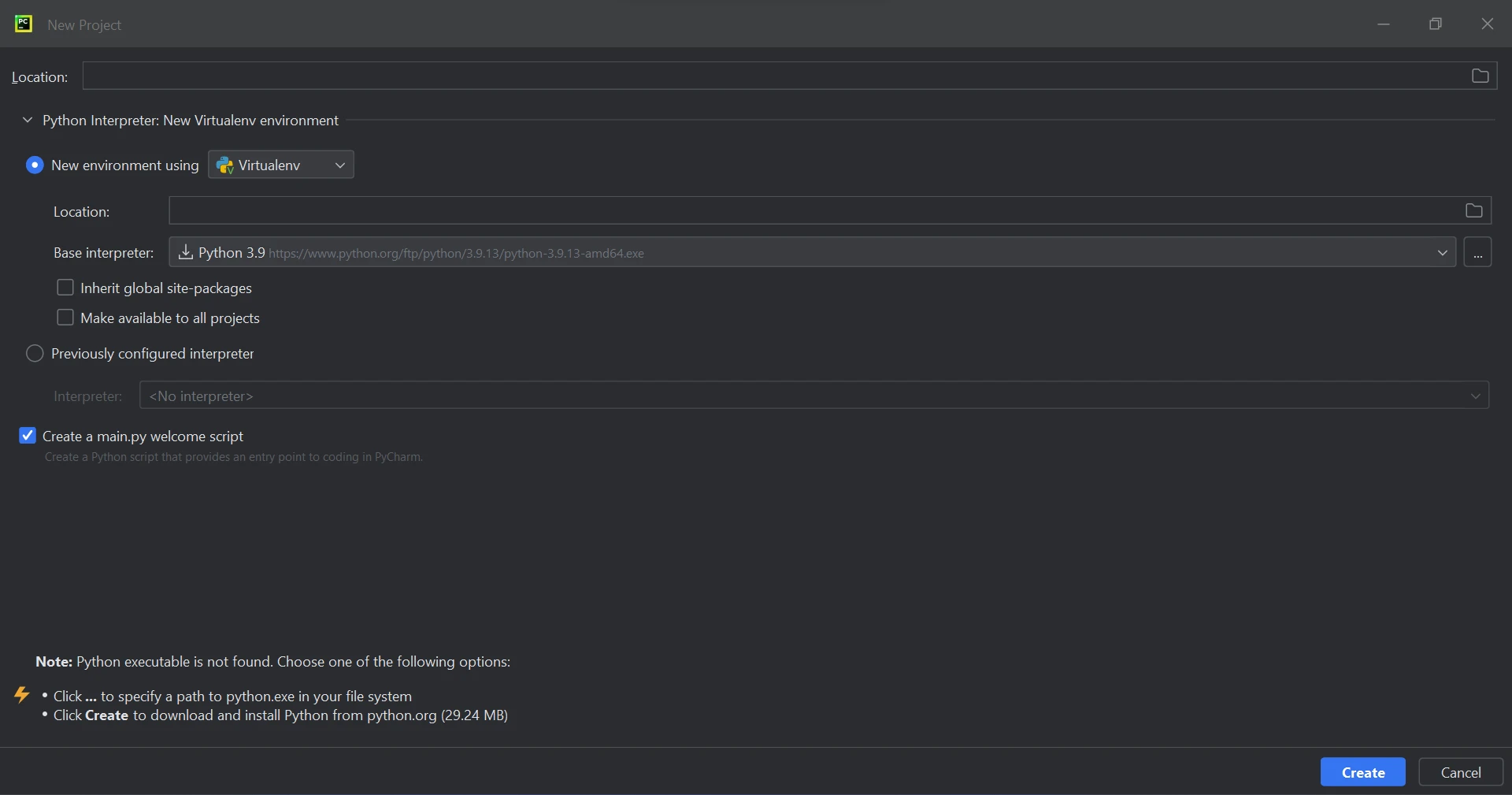
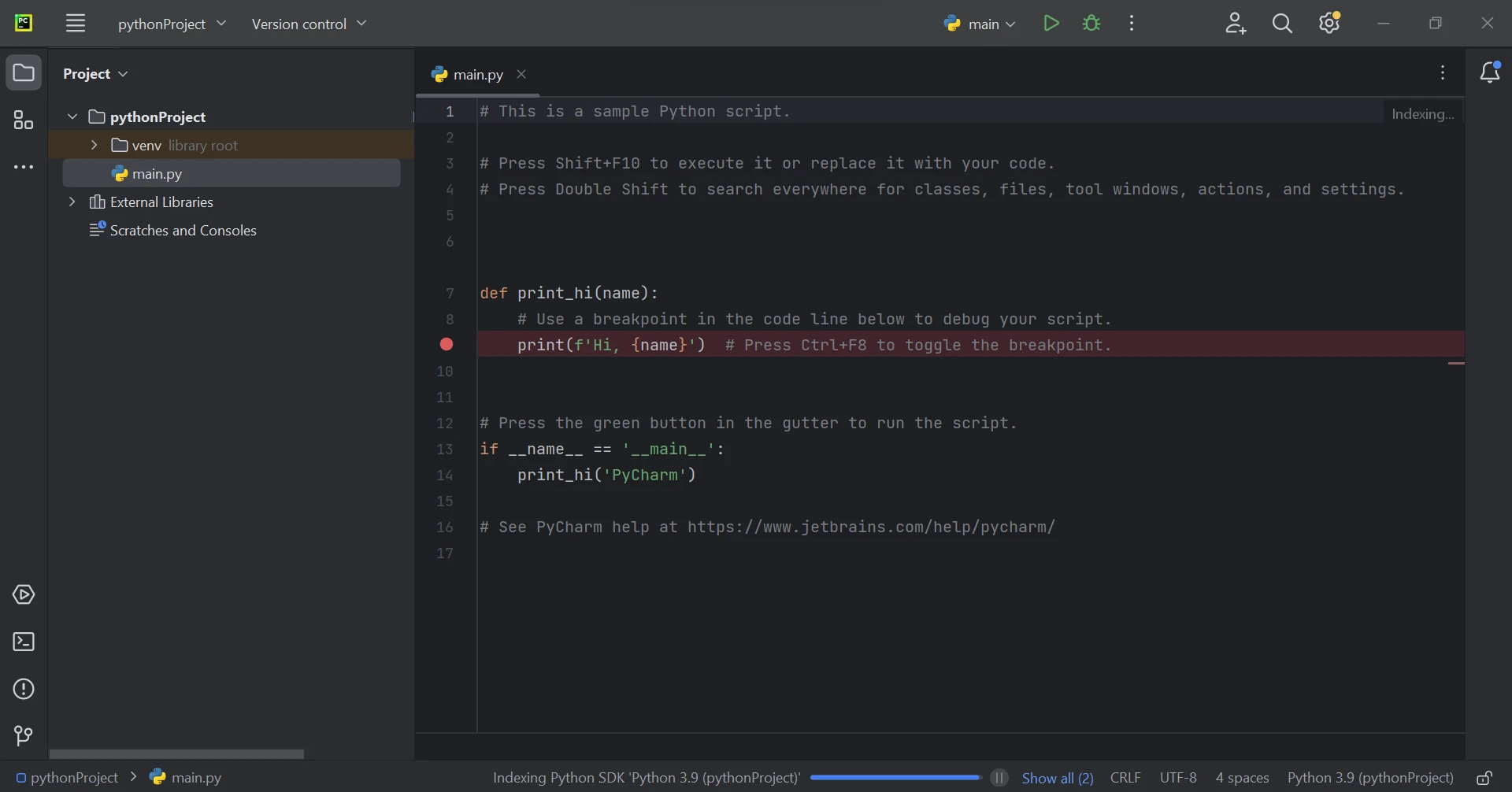
Nachdem Sie den Projektstandort und die Umgebungsroute ausgewählt haben, klicken Sie auf "Erstellen", um ein neues Projekt zu starten. Als Folge davon wird ein neuer Tab mit dem Fenster zur Anwendungserstellung geöffnet. In diesem Kurs wird Python 3.9 verwendet.
### IronPDF-Bibliotheksanforderung
IronPDF ist im Wesentlichen eine Python-Bibliothek mit Unterstützung für .NET 6.0. Das bedeutet, dass Sie die [.NET 6.0-Laufzeitumgebung](https://dotnet.microsoft.com/en-us/download/dotnet/6.0) auf Ihrem Rechner installieren müssen, um IronPDF in Python-Projekten verwenden zu können. Benutzer von Linux und macOS X müssen möglicherweise die .NET-Laufzeitumgebung manuell installieren, bevor sie dieses Python-Modul verwenden können. Bevor Sie IronPDF in Ihren Entwicklungsprozess integrieren, stellen Sie sicher, dass Sie die notwendige Laufzeitumgebung gemäß den Installationsanweisungen auf der .NET-Website konfiguriert haben.
### IronPDF-Bibliothek einrichten
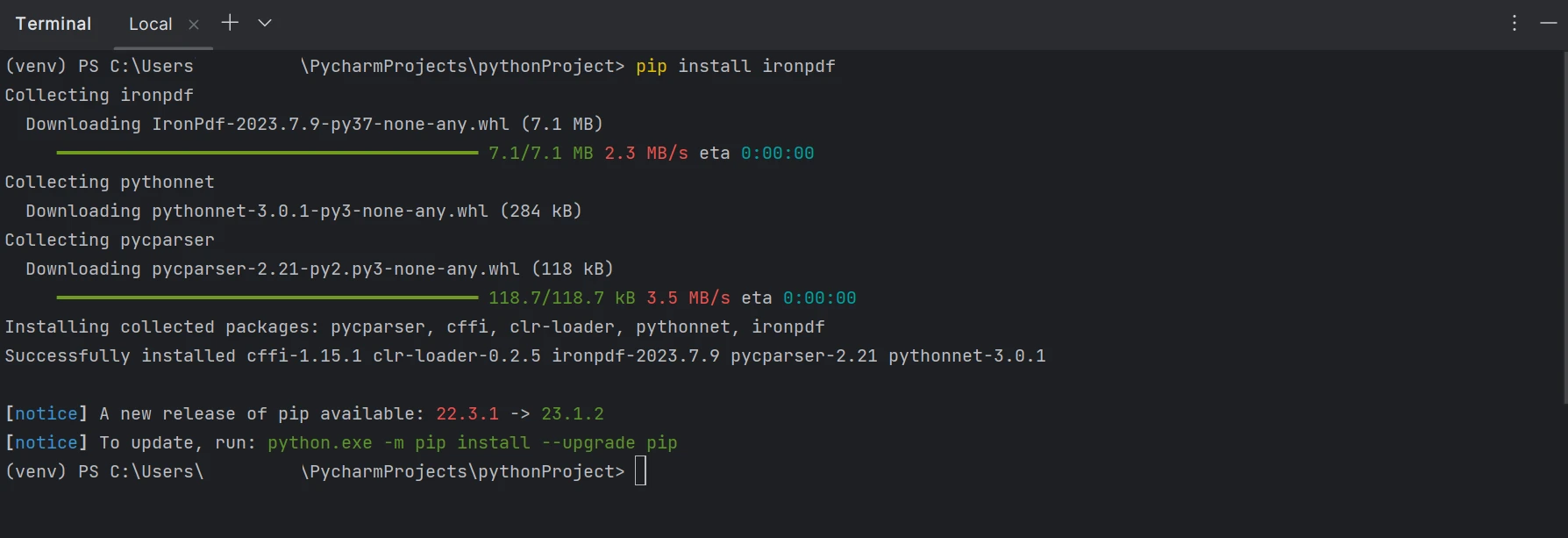
Zum Erstellen, Bearbeiten und Öffnen von Dateien mit der Dateiendung '.pdf' ist die Installation des [Pakets 'IronPDF'](https://pypi.org/project/IronPdf/) erforderlich. Öffnen Sie das PyCharm-Terminalfenster und geben Sie folgenden Befehl ein, um dieses Paket zu installieren:
```shell
:ProductInstall
```
Der folgende Screenshot zeigt die Konfiguration des 'IronPDF'-Pakets.
## Fügen Sie mit IronPDF Text zu PDFs hinzu.
Der bereitgestellte Python-Codeausschnitt demonstriert, wie man mit IronPDF effizient formatierten Text zu einem bereits vorhandenen PDF-Dokument hinzufügen kann.
```python
# Import IronPDF library
from ironpdf import *

# Set your license key for IronPDF
License.LicenseKey = "YOUR KEY HERE"

# Text you want to add to the PDF
text_to_add = "This is the text I'm adding to the PDF."

# Optional: Set text formatting using HTML tags (e.g., <b>bold</b> or <i>italic</i>)
formatted_text = f"<b>{text_to_add}</b>"

# Initialize the renderer to convert HTML to PDF
renderer = ChromePdfRenderer()

# Load the existing PDF file
pdf_document = PdfDocument.FromFile("Example.pdf")

# Create a new PDF with the added text using HTML
new_pdf = renderer.RenderHtmlAsPdf(f"<p>{formatted_text}</p>")

# Append the newly created PDF with text to the existing PDF
pdf_document.AppendPdf(new_pdf)

# Save the modified PDF with a new name (optional)
# Replace 'outpdf.pdf' with your desired output path
pdf_document.SaveAs('outpdf.pdf')
```
Im obigen Programm wird zunächst der für den Betrieb von IronPDF erforderliche Lizenzschlüssel eingerichtet. Die Variable **text_to_add** definiert in diesem Codebeispiel den Inhalt, der in die PDF-Datei eingefügt werden soll. Die Variable **formatted_text** ermöglicht die optionale Formatierung des Textes mithilfe von HTML-Tags und demonstriert so die Vielseitigkeit der Anwendung von Stilen wie Fettdruck.
Um einen Renderer zu starten und dem Skript zu ermöglichen, HTML-Material in ein PDF-Dokument umzuwandeln, wird **ChromePdfRenderer** verwendet. Anschließend lädt **`PdfDocument.FromFile()`** die Eingabe-PDF-Datei "Example.pdf" und bereitet sie für die Bearbeitung vor. Nach der Formatierung wird der Text (der zur Erhaltung der Reihenfolge in HTML-Tags enthalten ist) mithilfe der Methode **RenderHtmlAsPdf** in ein neues PdfDocument-Objekt ( **new_pdf** ) umgewandelt. Das neu erstellte PdfDocument ( **new_pdf** ) wird dann mit der Methode **pdf_document.AppendPdf(new_pdf** ) an das ursprüngliche PdfDocument ( **pdf_document** ) angehängt, wodurch das neue Material nahtlos integriert wird.
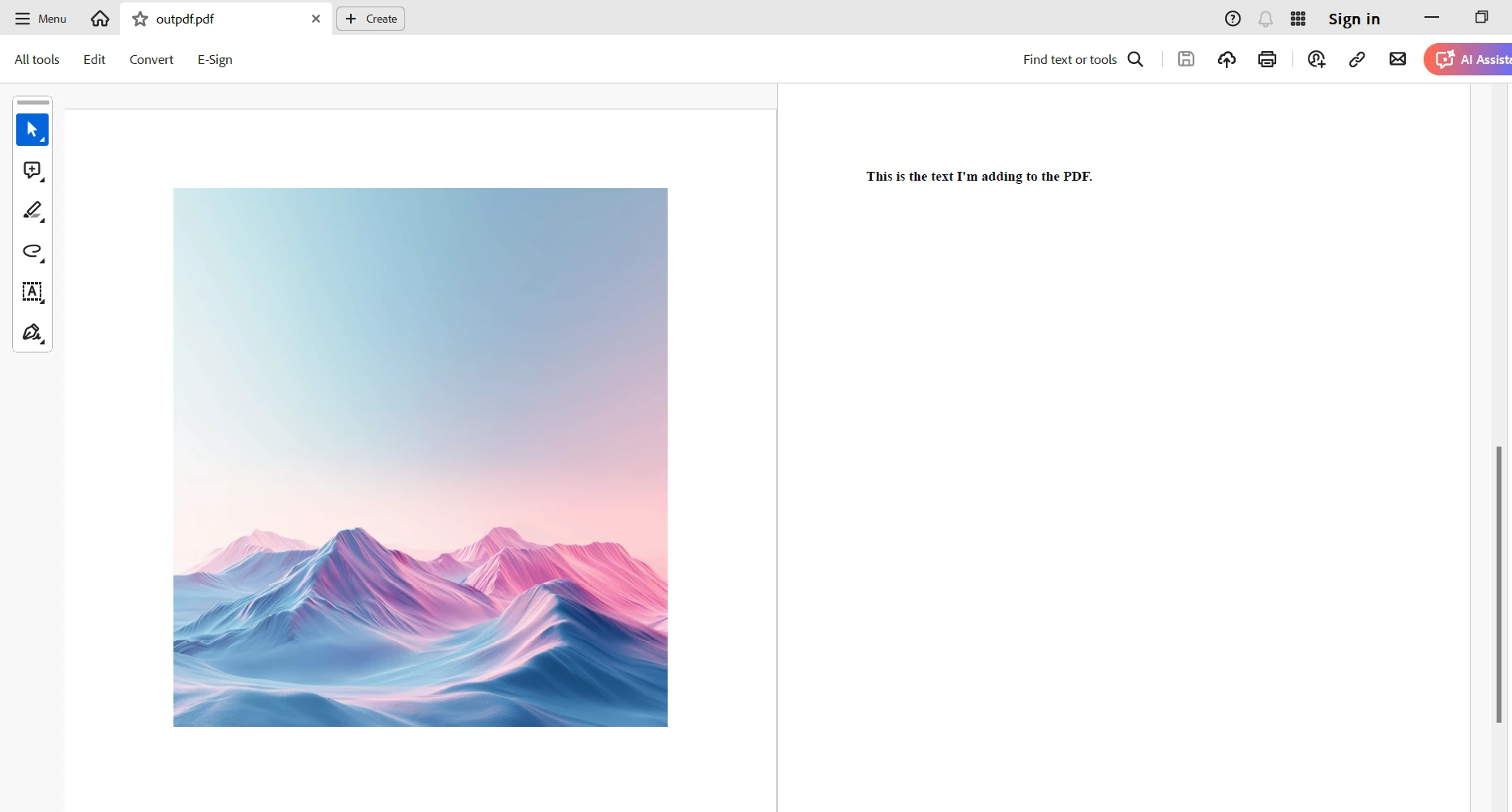
Abschließend wird mithilfe der Methode **"SaveAs** " die Ausgabedatei als "outpdf.pdf" gespeichert, wobei der neu hinzugefügte formatierte Text in eine neue PDF-Seite eingefügt wird. Diese Methode demonstriert, wie IronPDF zur programmatischen Verbesserung von PDF-Dokumenten eingesetzt werden kann. Es gibt Entwicklern die Möglichkeit, formatierten Text dynamisch hinzuzufügen und ihn nahtlos in bereits vorhandene PDF-Dateien einzufügen, wodurch es sich für eine Vielzahl von Anwendungen eignet, von der Berichtserstellung bis zur Dokumentanpassung.
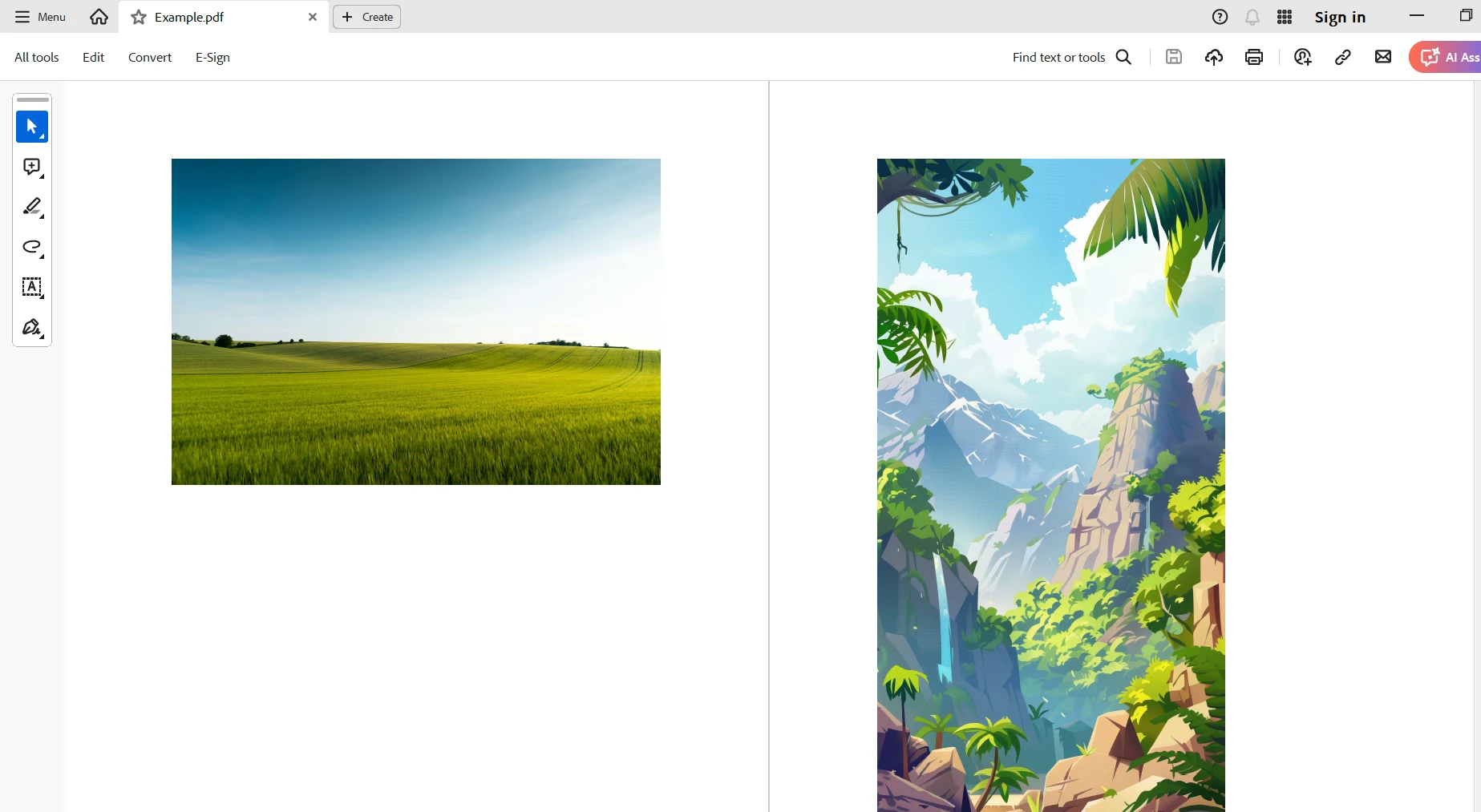
#### Vorhandene PDF-Datei
Das von uns verwendete PDF-Beispiel ist unten abgebildet.
#### AUSGABE-PDF
Das Ergebnis des Hinzufügens von Text zur neuen Seite ist unten zu sehen.
## Abschluss
Schließlich erweist sich [**IronPDF**](/python/) for Python als effektives Werkzeug zum dynamischen Hinzufügen von Text zu PDF-Dokumenten. Mithilfe bekannter HTML-Tags können Entwickler diese Funktion nutzen, um Text dynamisch in bereits vorhandene PDF-Dateien einzufügen und zu formatieren. Dadurch stehen ihnen vielfältige Stiloptionen wie Fettdruck und Kursivschrift zur Verfügung. Mit IronPDFs ChromePdfRenderer können Entwickler auf einfache Weise dynamische Textelemente in Dokumente einfügen und diese so für eine Vielzahl von Anwendungen besser nutzbar machen. Dies kann durch die Umwandlung von HTML-formatiertem Text in PDF-Material erreicht werden.
Alles in allem erleichtert [**IronPDF**](/python/) die Handhabung und Anpassung von Dokumenten in Python-Programmen und ermöglicht es Entwicklern, ein breites Spektrum an Anforderungen an die PDF-Bearbeitung präzise und einfach zu erfüllen. **IronPDF** bietet die erforderlichen Funktionen, um komplexe Dokumentanpassungen vorzunehmen und gleichzeitig die Integrität und Portabilität von PDF-Dateien zu erhalten, egal ob es darum geht, Lehrmaterialien zu verbessern, die Erstellung von Dokumenten zu automatisieren oder markenspezifische Inhalte in Berichte einzubinden.
**IronPDF** bietet eine [kostenlose Testversion](trial-license) zur Verwendung in Entwicklungs-, Staging- und Produktionsumgebungen an. IronPDF bietet kostenlose Lizenzierung mit zeitlichen und Vertriebsbeschränkungen. Weitere Informationen zur Testversion und den Lizenzkosten finden Sie auf der IronPDF [-Lizenzseite](licensing) .
Weitere Informationen zum Einstieg in IronPDF finden Sie auf der [Dokumentationsseite](/python/docs/) und [in den Codebeispielen](/python/examples/using-html-to-create-a-pdf/) . Um mehr über die anderen Angebote von Iron Software zu erfahren, klicken Sie bitte auf diesen [Link](/) .
Da PDFs die Formatierung auf verschiedenen Plattformen und Geräten beibehalten, zählen sie zu den beliebtesten und anpassungsfähigsten Formaten für digitale Dokumente. Dennoch gibt es Situationen, in denen eine stärkere Anpassung oder Kommentierung erforderlich ist, obwohl PDFs hervorragend geeignet sind, die Integrität von Dokumenten zu bewahren. Hier kommt IronPDF for Python ins Spiel und bietet leistungsstarke Werkzeuge, um PDF-Dokumenten dynamisch mithilfe von Programmierung Text, Anmerkungen und andere Komponenten hinzuzufügen. In diesem Artikel verwenden wir IronPDF for Python, um Text in eine PDF-Datei einzufügen.
Wie man mit Python Text zu einer PDF-Datei hinzufügt
Installieren Sie die IronPDF -Bibliothek, um mit Python PDFs zu erstellen und zu bearbeiten.
Überprüfen Sie, ob IronPDF in der Python-Umgebung eingerichtet ist.
Fügen Sie die IronPDF-Klassen hinzu, die Ihr Python-Skript benötigt.
Öffnen Sie die PDF-Datei mit IronPDF.
Fügen Sie den Text in die PDF-Datei ein.
Speichern Sie die neue PDF-Datei unter einem Pfad.
Was ist IronPDF for Python?
IronPDF ist eine funktionsreiche PDF-Bibliothek, die für .NET entwickelt wurde, aber auch in Python mithilfe der Python .NET-Bibliothek verwendet werden kann. Durch diese Integration stehen die leistungsstarken Funktionen von IronPDF zum Erstellen, Bearbeiten und Konvertieren von PDF-Dokumenten nun auch Python-Entwicklern zur Verfügung. Benutzer können PDFs in Bildformate wie JPEG und PNG konvertieren, Text und Fotos extrahieren, PDFs teilen und zusammenführen, Wasserzeichen hinzufügen und PDFs aus HTML erstellen. IronPDF ist ein Werkzeug für viele verschiedene PDF-Manipulationen.
Aufgrund ihrer umfangreichen Funktionalität und hohen Effizienz ist die Bibliothek ein wichtiges Werkzeug für Entwickler, die komplexe PDF-Manipulationsfunktionen in ihre Python-Projekte integrieren müssen. Mit IronPDF und Python können Entwickler anspruchsvolle PDF-Verarbeitungsaufgaben optimieren und automatisieren, wodurch die Workflow-Effizienz und die Effektivität des Dokumentenmanagements gesteigert werden.
Mit IronPDF können Sie Seiten in einer PDF-Datei hinzufügen, entfernen oder neu anordnen.
PDF in Bilder konvertieren
Mit IronPDF können Sie PDF-Seiten als PNG- oder JPEG-Dateien exportieren und so gestochen scharfe PNG- oder JPEG-Bilder erstellen. Die Verwendung dieser Funktion zum Erstellen von Miniaturansichten oder Vorschauen wird dringend empfohlen.
Text aus einem PDF-Dokument extrahieren
Sie können Text aus PDF-Dateien extrahieren, um ihn später zu verwenden oder zu analysieren.
Bilder aus PDF extrahieren
Mit IronPDF können Sie eingebettete Fotos aus PDF-Dokumenten extrahieren.
PDF-Dateien bearbeiten
Modifizieren von PDF-Dateien, Ausfüllen und Abrufen von Daten aus PDF-Formularen mithilfe der IronPDF-Bibliothek. Dies kann die Verwaltung von Formularübermittlungen vereinfachen.
Sicherheit
Mit IronPDF können wir PDFs mit einem Passwort schützen oder den Passwortschutz entfernen, um die Sicherheit der Dokumente zu gewährleisten. Kontrollberechtigungen, um zu verhindern, dass die PDF-Datei gedruckt, kopiert oder bearbeitet wird.
Benutzerdefinierte Kopf- und Fußzeilen hinzufügen
Mit IronPDF können Sie Ihren PDF-Dokumenten eigene Kopf- und Fußzeilen hinzufügen. Beispielsweise können Kopf- und Fußzeilen von PDFs Datumsangaben und Seitenzahlen enthalten.
CSS-Stil hinzufügen
Verwenden Sie CSS, um die Daten beim Konvertieren von HTML in das PDF-Format mit IronPDF zu formatieren.
Effizientes PDF-Management
IronPDF hilft bei der Organisation und effizienten Verwaltung von Stapelverarbeitungsprozessen für große Mengen von PDF-Dateien.
Hochwertige Ausgabe
IronPDF for Python stellt sicher, dass die Bild- und PDF-Ausgaben eine für den Einsatz in einem formellen Kontext geeignete Qualität aufweisen und die Integrität des ursprünglichen Inhalts – ob Text, Bilder oder komplexe Layouts – erhalten bleibt.
Umgebung einrichten
Voraussetzungen
Bevor Sie mit der Anleitung beginnen, stellen Sie sicher, dass Folgendes auf Ihrem Computer eingerichtet ist:
Da IronPDF mit dem .NET 6.0 SDK entwickelt wurde, stellen Sie sicher, dass die .NET 6.0-Laufzeitumgebung auf Ihrem Rechner installiert ist.
Python 3.0+: Um den Beispielen in dieser Lektion folgen zu können, benötigen Sie Python 3.0 oder eine spätere Version.
pip: Da IronPDF vom Python-Paketmanager pip abhängt, muss dieser zuerst installiert werden.
Neues Projekt in PyCharm
In diesem Artikel wird PyCharm , eine IDE für die Python-Programmierung, verwendet.
Wählen Sie "Neues Projekt", wenn die PyCharm-IDE gestartet ist.
Durch Klicken auf "Neues Projekt" öffnet sich ein neues Fenster, in dem Sie den Standort und die Umgebung des Projekts ändern können. Der untenstehende Screenshot zeigt, dass dieses neue Fenster geöffnet und funktionsfähig ist.
Nachdem Sie den Projektstandort und die Umgebungsroute ausgewählt haben, klicken Sie auf "Erstellen", um ein neues Projekt zu starten. Als Folge davon wird ein neuer Tab mit dem Fenster zur Anwendungserstellung geöffnet. In diesem Kurs wird Python 3.9 verwendet.
IronPDF-Bibliotheksanforderung
IronPDF ist im Wesentlichen eine Python-Bibliothek mit Unterstützung für .NET 6.0. Das bedeutet, dass Sie die .NET 6.0-Laufzeitumgebung auf Ihrem Rechner installieren müssen, um IronPDF in Python-Projekten verwenden zu können. Benutzer von Linux und macOS X müssen möglicherweise die .NET-Laufzeitumgebung manuell installieren, bevor sie dieses Python-Modul verwenden können. Bevor Sie IronPDF in Ihren Entwicklungsprozess integrieren, stellen Sie sicher, dass Sie die notwendige Laufzeitumgebung gemäß den Installationsanweisungen auf der .NET-Website konfiguriert haben.
IronPDF-Bibliothek einrichten
Zum Erstellen, Bearbeiten und Öffnen von Dateien mit der Dateiendung '.pdf' ist die Installation des Pakets 'IronPDF' erforderlich. Öffnen Sie das PyCharm-Terminalfenster und geben Sie folgenden Befehl ein, um dieses Paket zu installieren:
> pip install ironpdf
pip install ironpdf
Der folgende Screenshot zeigt die Konfiguration des 'IronPDF'-Pakets.
Fügen Sie mit IronPDF Text zu PDFs hinzu.
Der bereitgestellte Python-Codeausschnitt demonstriert, wie man mit IronPDF effizient formatierten Text zu einem bereits vorhandenen PDF-Dokument hinzufügen kann.
# Import IronPDF libraryfrom ironpdf import * # Set your license key for IronPDFLicense.LicenseKey = "YOUR KEY HERE"# Text you want to add to the PDFtext_to_add = "This is the text I'm adding to the PDF."# Optional: Set text formatting using HTML tags (e.g., <b>bold</b> or <i>italic</i>)formatted_text = f"<b>{text_to_add}</b>"# Initialize the renderer to convert HTML to PDFrenderer = ChromePdfRenderer()# Load the existing PDF filepdf_document = PdfDocument.FromFile("Example.pdf")# Create a new PDF with the added text using HTMLnew_pdf = renderer.RenderHtmlAsPdf(f"<p>{formatted_text}</p>")# Append the newly created PDF with text to the existing PDFpdf_document.AppendPdf(new_pdf)# Save the modified PDF with a new name (optional)# Replace 'outpdf.pdf' with your desired output pathpdf_document.SaveAs('outpdf.pdf')
# Import IronPDF library
from ironpdf import *

# Set your license key for IronPDF
License.LicenseKey = "YOUR KEY HERE"

# Text you want to add to the PDF
text_to_add = "This is the text I'm adding to the PDF."

# Optional: Set text formatting using HTML tags (e.g., <b>bold</b> or <i>italic</i>)
formatted_text = f"<b>{text_to_add}</b>"

# Initialize the renderer to convert HTML to PDF
renderer = ChromePdfRenderer()

# Load the existing PDF file
pdf_document = PdfDocument.FromFile("Example.pdf")

# Create a new PDF with the added text using HTML
new_pdf = renderer.RenderHtmlAsPdf(f"<p>{formatted_text}</p>")

# Append the newly created PDF with text to the existing PDF
pdf_document.AppendPdf(new_pdf)

# Save the modified PDF with a new name (optional)
# Replace 'outpdf.pdf' with your desired output path
pdf_document.SaveAs('outpdf.pdf')
Python
Im obigen Programm wird zunächst der für den Betrieb von IronPDF erforderliche Lizenzschlüssel eingerichtet. Die Variable text_to_add definiert in diesem Codebeispiel den Inhalt, der in die PDF-Datei eingefügt werden soll. Die Variable formatted_text ermöglicht die optionale Formatierung des Textes mithilfe von HTML-Tags und demonstriert so die Vielseitigkeit der Anwendung von Stilen wie Fettdruck.
Um einen Renderer zu starten und dem Skript zu ermöglichen, HTML-Material in ein PDF-Dokument umzuwandeln, wird ChromePdfRenderer verwendet. Anschließend lädt PdfDocument.FromFile() die Eingabe-PDF-Datei "Example.pdf" und bereitet sie für die Bearbeitung vor. Nach der Formatierung wird der Text (der zur Erhaltung der Reihenfolge in HTML-Tags enthalten ist) mithilfe der Methode RenderHtmlAsPdf in ein neues PdfDocument-Objekt ( new_pdf ) umgewandelt. Das neu erstellte PdfDocument ( new_pdf ) wird dann mit der Methode pdf_document.AppendPdf(new_pdf ) an das ursprüngliche PdfDocument ( pdf_document ) angehängt, wodurch das neue Material nahtlos integriert wird.
Abschließend wird mithilfe der Methode "SaveAs " die Ausgabedatei als "outpdf.pdf" gespeichert, wobei der neu hinzugefügte formatierte Text in eine neue PDF-Seite eingefügt wird. Diese Methode demonstriert, wie IronPDF zur programmatischen Verbesserung von PDF-Dokumenten eingesetzt werden kann. Es gibt Entwicklern die Möglichkeit, formatierten Text dynamisch hinzuzufügen und ihn nahtlos in bereits vorhandene PDF-Dateien einzufügen, wodurch es sich für eine Vielzahl von Anwendungen eignet, von der Berichtserstellung bis zur Dokumentanpassung.
Vorhandene PDF-Datei
Das von uns verwendete PDF-Beispiel ist unten abgebildet.
AUSGABE-PDF
Das Ergebnis des Hinzufügens von Text zur neuen Seite ist unten zu sehen.
Abschluss
Schließlich erweist sich IronPDF for Python als effektives Werkzeug zum dynamischen Hinzufügen von Text zu PDF-Dokumenten. Mithilfe bekannter HTML-Tags können Entwickler diese Funktion nutzen, um Text dynamisch in bereits vorhandene PDF-Dateien einzufügen und zu formatieren. Dadurch stehen ihnen vielfältige Stiloptionen wie Fettdruck und Kursivschrift zur Verfügung. Mit IronPDFs ChromePdfRenderer können Entwickler auf einfache Weise dynamische Textelemente in Dokumente einfügen und diese so für eine Vielzahl von Anwendungen besser nutzbar machen. Dies kann durch die Umwandlung von HTML-formatiertem Text in PDF-Material erreicht werden.
Alles in allem erleichtert IronPDF die Handhabung und Anpassung von Dokumenten in Python-Programmen und ermöglicht es Entwicklern, ein breites Spektrum an Anforderungen an die PDF-Bearbeitung präzise und einfach zu erfüllen. IronPDF bietet die erforderlichen Funktionen, um komplexe Dokumentanpassungen vorzunehmen und gleichzeitig die Integrität und Portabilität von PDF-Dateien zu erhalten, egal ob es darum geht, Lehrmaterialien zu verbessern, die Erstellung von Dokumenten zu automatisieren oder markenspezifische Inhalte in Berichte einzubinden.
IronPDF bietet eine kostenlose Testversion zur Verwendung in Entwicklungs-, Staging- und Produktionsumgebungen an. IronPDF bietet kostenlose Lizenzierung mit zeitlichen und Vertriebsbeschränkungen. Weitere Informationen zur Testversion und den Lizenzkosten finden Sie auf der IronPDF -Lizenzseite .
Weitere Informationen zum Einstieg in IronPDF finden Sie auf der Dokumentationsseite und in den Codebeispielen . Um mehr über die anderen Angebote von Iron Software zu erfahren, klicken Sie bitte auf diesen Link .
Curtis Chau hat einen Bachelor-Abschluss in Informatik von der Carleton University und ist spezialisiert auf Frontend-Entwicklung mit Expertise in Node.js, TypeScript, JavaScript und React. Leidenschaftlich widmet er sich der Erstellung intuitiver und ästhetisch ansprechender Benutzerschnittstellen und arbeitet gerne mit modernen Frameworks sowie der Erstellung gut strukturierter, optisch ansprechender Handbücher.