using IronPdf;

// Disable local disk access or cross-origin requests
Installation.EnableWebSecurity = true;

// Instantiate Renderer
var renderer = new ChromePdfRenderer();

// Create a PDF from a HTML string using C#
var pdf = renderer.RenderHtmlAsPdf("<h1>Hello World</h1>");

// Export to a file or Stream
pdf.SaveAs("output.pdf");

// Advanced Example with HTML Assets
// Load external html assets: Images, CSS and JavaScript.
// An optional BasePath 'C:\site\assets\' is set as the file location to load assets from
var myAdvancedPdf = renderer.RenderHtmlAsPdf("<img src='icons/iron.png'>", @"C:\site\assets\");
myAdvancedPdf.SaveAs("html-with-assets.pdf");
using IronPdf;// Disable local disk access or cross-origin requestsInstallation.EnableWebSecurity = true;// Instantiate Renderervar renderer = new ChromePdfRenderer();// Create a PDF from a HTML string using C#var pdf = renderer.RenderHtmlAsPdf("<h1>Hello World</h1>");// Export to a file or Streampdf.SaveAs("output.pdf");// Advanced Example with HTML Assets// Load external html assets: Images, CSS and JavaScript.// An optional BasePath 'C:\site\assets\' is set as the file location to load assets fromvar myAdvancedPdf = renderer.RenderHtmlAsPdf("<img src='icons/iron.png'>", @"C:\site\assets\");myAdvancedPdf.SaveAs("html-with-assets.pdf");
En cualquier lenguaje de programación, comprender los tipos de datos es crucial, y C# no es diferente. Ya sea del tipo `int` o del tipo de punto flotante, cada tipo contiene un tipo particular de información, también conocido como datos reales.
## The Basics of C#
C# es un lenguaje fuertemente tipado. Pero, ¿qué significa un lenguaje fuertemente tipado, preguntas? Significa que cada variable y objeto debe tener un tipo de dato declarado. Y es el tipo de dato el que determina qué tipo de datos puedes almacenar en esa variable.
C# tiene [dos tipos de datos principales](https://learn.microsoft.com/en-us/dotnet/csharp/language-reference/language-specification/types): tipos de valor y tipos de referencia. Estos son también los tipos definidos por el usuario de los que podrías haber oído hablar.
### Value Types in C#
En C#, los tipos de valor son simples. Cuando declaras una variable de tipo valor, los datos reales almacenados son el valor que asignas a la variable. Si cambias el valor de una variable, no afecta a ninguna otra variable.
Los tipos de valor más comunes en C# incluyen:
* Enteros (representados por el tipo `int`)
* Números de punto flotante (representados por los tipos `float` y `double`)
* Booleano, que es verdadero o falso
Hablemos primero del tipo `int`. Un tipo `int` en C# es un tipo de dato de 32 bits que puede almacenar números enteros del -2,147,483,648 al 2,147,483,647. Aquí hay un ejemplo:
```csharp
int myInteger = 15;
```
Ahora, en cuanto al tipo de punto flotante. En C#, hay dos tipos de punto flotante: `float` y `double`.
El tipo `float` es un número de punto flotante de 32 bits con precisión de hasta 7 dígitos. Es ideal para cálculos científicos. Una variable de tipo `float` se puede declarar así:
```csharp
float myFloat = 12.34F;
```
El tipo `double` es un tipo de punto flotante de 64 bits con precisión de hasta 15-16 dígitos. Es más preciso que el tipo `float` y se usa a menudo para cálculos financieros y monetarios. Aquí hay un ejemplo de una variable de tipo `double`:
```csharp
double myDouble = 12.3456789;
```
### Predefined Data Types in C#
Bien, seguimos adelante. C# proporciona varios "tipos de datos predefinidos" que puedes usar en tus aplicaciones. Estos son los bloques fundamentales sobre los que puedes basar tus propios "tipos definidos por el usuario".
Aquí hay algunos ejemplos:
* **`byte`:** Este es un entero sin signo de 8 bits que varía de 0 a 255.
* **`char`:** Es un carácter Unicode de 16 bits.
* **`decimal`:** Ideal para cálculos financieros y monetarios debido a su alta precisión.
* **`bool`:** Almacena ya sea `true` o `false`, perfecto para operaciones lógicas.
Cada uno de estos "tipos de datos predefinidos" tiene su propio propósito y su propio "valor por defecto," por lo que es importante elegir el adecuado para tus necesidades.
### Default Values in C#
En C#, cada tipo de dato tiene un valor por defecto. Para variables de tipo valor, si no las inicializas, automáticamente toman su valor por defecto.
Por ejemplo, el valor predeterminado de un tipo `int` es 0, y el valor predeterminado de un tipo de valor de punto flotante (ya sea `float` o `double`) es 0.0.
El valor predeterminado para los tipos de referencia es `null`, lo que indica que no está referenciando ningún objeto.
## Type Conversion in C#
A veces, puede que necesites convertir un tipo de dato a otro. Esto se conoce como conversión de tipos, y C# admite dos tipos: conversión implícita y conversión explícita.
La conversión implícita ocurre automáticamente cuando asignas un valor de un tipo a una variable de un tipo compatible que puede contener valores más grandes. Por ejemplo, puede asignar un tipo `int` a un tipo `double` sin perder información.
```csharp
int myInt = 10;
double myDouble = myInt; // Implicit conversion
```
La conversión explícita, también conocida como casting, es necesaria cuando intentas convertir entre tipos incompatibles, o de tipos más grandes a tipos más pequeños. Se realiza colocando el tipo objetivo entre paréntesis delante del valor a convertir.
```csharp
double myDouble = 10.5;
int myInt = (int)myDouble; // Explicit conversion, decimal part is lost
```
## Reference Types in C#
Los tipos de referencia en C# funcionan un poco diferente a los tipos de valor. En lugar de almacenar los datos reales, una variable de tipo referencia almacena la dirección donde se están almacenando los datos. En otras palabras, 'refiere' a otra ubicación en la memoria.
Entonces, si cambias el objeto de tipo referencia, también afecta a la otra variable. Esto es porque la variable de tipo referencia refleja automáticamente los cambios realizados a los datos reales almacenados en la dirección de memoria a la que apunta.
Ahora, eso puede sonar un poco complicado, pero vamos a descomponerlo con un ejemplo. Digamos que tenemos una clase llamada `Person`:
```csharp
class Person
{
public string Name { get; set; }
}
```
Y luego creamos dos variables de "tipo referencia" de esta clase:
```csharp
Person person1 = new Person { Name = "Alice" };
Person person2 = person1;
```
Aquí, tanto `person1` como `person2` están apuntando a la misma ubicación de memoria. Si cambiamos `person1`, `person2` reflejará ese cambio:
```csharp
person1.Name = "Bob";
Console.WriteLine(person2.Name); // Outputs "Bob"
```
### Arrays in C#
Un arreglo es un tipo de referencia que contiene múltiples valores del mismo tipo de dato. Es como un contenedor donde puedes almacenar una colección de valores, todos los cuales son del mismo tipo.
Para declarar un arreglo, primero especificas el tipo de dato de sus elementos, seguido de corchetes. Luego usa la palabra clave `new` para crear el arreglo y especificar su longitud.
```csharp
int[] myIntArray = new int[5]; // Array of int type, can hold 5 values
```
Para acceder a los elementos del arreglo, usas un índice, comenzando en 0 para el primer elemento.
```csharp
myIntArray[0] = 10; // Sets the first element of the array to 10
```
Recuerda, los arreglos en C# son "tipos de referencia", por lo que los cambios realizados en una variable afectarán a cualquier "otra variable" que refiera el mismo arreglo.
## Generating PDFs with IronPDF in C#
[IronPDF](/) es una poderosa librería para C# que permite a los desarrolladores crear, editar y extraer contenido de PDFs. Esto puede ser un salvavidas para tareas como generar informes o crear facturas dinámicas.
### Introducción a IronPDF
Primero, necesitarás instalar IronPDF. Puedes hacer esto a través de NuGet, un gestor de paquetes popular para .NET. Ejecuta el siguiente comando en tu consola de gestor de paquetes:
```shell
:ProductInstall
```
### Crear un PDF a partir de HTML
IronPDF es capaz de [crear PDFs desde HTML](/tutorials/html-to-pdf/). Es bastante sencillo:
```csharp
using IronPdf;
var Renderer = new ChromePdfRenderer();
Renderer.RenderHtmlAsPdf("<h1>Hello, World!</h1>").SaveAs("HelloWorld.pdf");
```
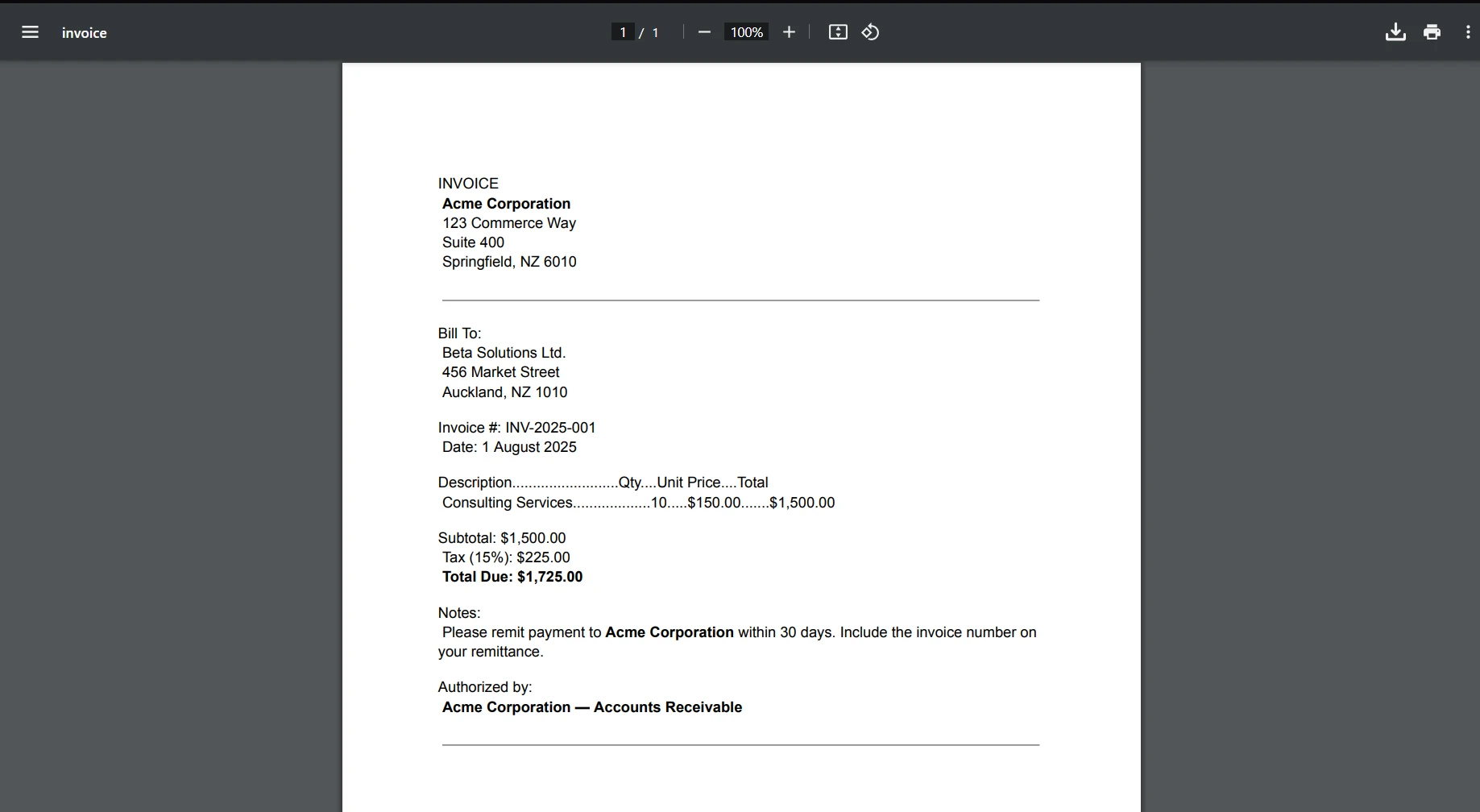
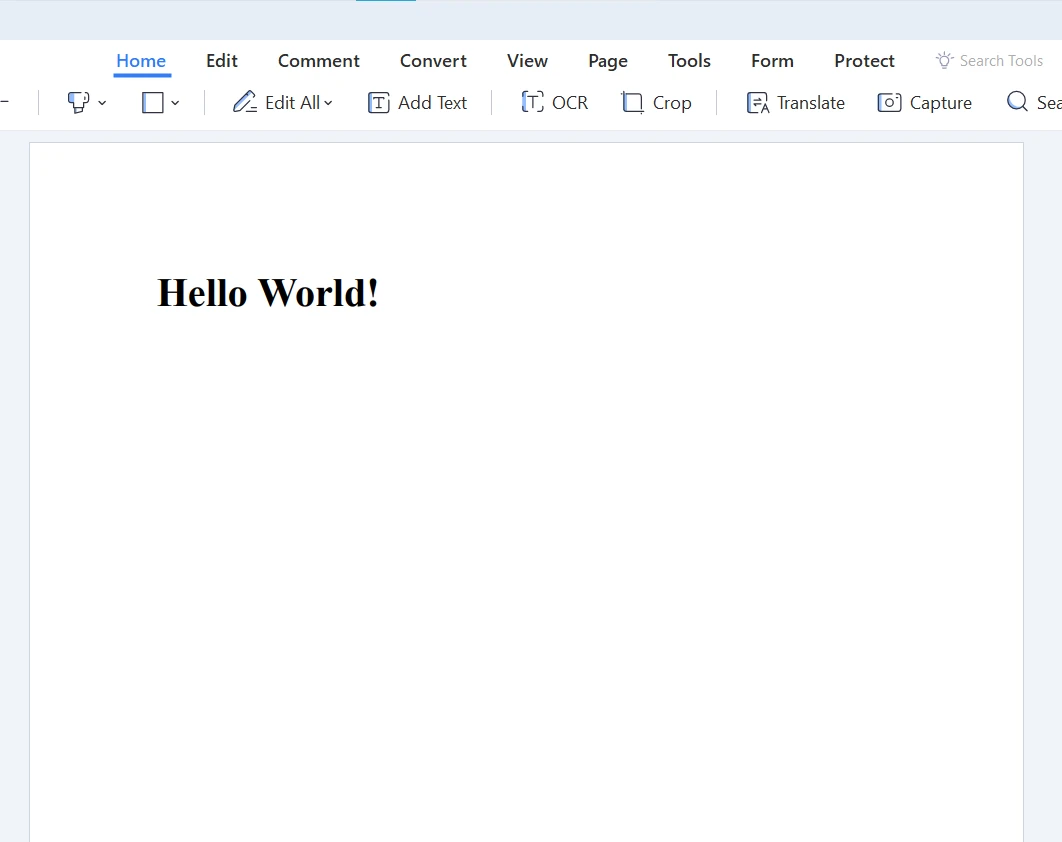
El código anterior generará un PDF con el encabezado "¡Hola, Mundo!". Observa que el código HTML es simplemente una cadena. En C#, una cadena es un tipo de referencia, y es uno de los tipos más usados en C#.
## Conclusión
¡Felicitaciones! Te has sumergido profundamente en el mundo de los tipos de C#, comprendiendo los tipos de valor, los tipos de referencia, los tipos de datos predefinidos y cómo dan forma a la forma en que escribes código. También has visto el poder de usar librerías como IronPDF.
IronPDF ofrece una [prueba gratuita](trial-license) y las licencias para IronPDF comienzan desde `$liteLicensing`.
En cualquier lenguaje de programación, comprender los tipos de datos es crucial, y C# no es diferente. Ya sea del tipo int o del tipo de punto flotante, cada tipo contiene un tipo particular de información, también conocido como datos reales.
The Basics of C#
C# es un lenguaje fuertemente tipado. Pero, ¿qué significa un lenguaje fuertemente tipado, preguntas? Significa que cada variable y objeto debe tener un tipo de dato declarado. Y es el tipo de dato el que determina qué tipo de datos puedes almacenar en esa variable.
C# tiene dos tipos de datos principales: tipos de valor y tipos de referencia. Estos son también los tipos definidos por el usuario de los que podrías haber oído hablar.
Value Types in C#
En C#, los tipos de valor son simples. Cuando declaras una variable de tipo valor, los datos reales almacenados son el valor que asignas a la variable. Si cambias el valor de una variable, no afecta a ninguna otra variable.
Los tipos de valor más comunes en C# incluyen:
Enteros (representados por el tipo int)
Números de punto flotante (representados por los tipos float y double)
Booleano, que es verdadero o falso
Hablemos primero del tipo int. Un tipo int en C# es un tipo de dato de 32 bits que puede almacenar números enteros del -2,147,483,648 al 2,147,483,647. Aquí hay un ejemplo:
int myInteger = 15;
int myInteger = 15;
Dim myInteger AsInteger = 15
Dim myInteger As Integer = 15
Ahora, en cuanto al tipo de punto flotante. En C#, hay dos tipos de punto flotante: float y double.
El tipo float es un número de punto flotante de 32 bits con precisión de hasta 7 dígitos. Es ideal para cálculos científicos. Una variable de tipo float se puede declarar así:
float myFloat = 12.34F;
float myFloat = 12.34F;
Dim myFloat AsSingle = 12.34F
Dim myFloat As Single = 12.34F
El tipo double es un tipo de punto flotante de 64 bits con precisión de hasta 15-16 dígitos. Es más preciso que el tipo float y se usa a menudo para cálculos financieros y monetarios. Aquí hay un ejemplo de una variable de tipo double:
double myDouble = 12.3456789;
double myDouble = 12.3456789;
Dim myDouble AsDouble = 12.3456789
Dim myDouble As Double = 12.3456789
Predefined Data Types in C#
Bien, seguimos adelante. C# proporciona varios "tipos de datos predefinidos" que puedes usar en tus aplicaciones. Estos son los bloques fundamentales sobre los que puedes basar tus propios "tipos definidos por el usuario".
Aquí hay algunos ejemplos:
byte: Este es un entero sin signo de 8 bits que varía de 0 a 255.
char: Es un carácter Unicode de 16 bits.
decimal: Ideal para cálculos financieros y monetarios debido a su alta precisión.
bool: Almacena ya sea true o false, perfecto para operaciones lógicas.
Cada uno de estos "tipos de datos predefinidos" tiene su propio propósito y su propio "valor por defecto," por lo que es importante elegir el adecuado para tus necesidades.
Default Values in C#
En C#, cada tipo de dato tiene un valor por defecto. Para variables de tipo valor, si no las inicializas, automáticamente toman su valor por defecto.
Por ejemplo, el valor predeterminado de un tipo int es 0, y el valor predeterminado de un tipo de valor de punto flotante (ya sea float o double) es 0.0.
El valor predeterminado para los tipos de referencia es null, lo que indica que no está referenciando ningún objeto.
Type Conversion in C#
A veces, puede que necesites convertir un tipo de dato a otro. Esto se conoce como conversión de tipos, y C# admite dos tipos: conversión implícita y conversión explícita.
La conversión implícita ocurre automáticamente cuando asignas un valor de un tipo a una variable de un tipo compatible que puede contener valores más grandes. Por ejemplo, puede asignar un tipo int a un tipo double sin perder información.
int myInt = 10;double myDouble = myInt; // Implicit conversion
Dim myInt As Integer = 10
Dim myDouble As Double = myInt ' Implicit conversion
La conversión explícita, también conocida como casting, es necesaria cuando intentas convertir entre tipos incompatibles, o de tipos más grandes a tipos más pequeños. Se realiza colocando el tipo objetivo entre paréntesis delante del valor a convertir.
double myDouble = 10.5;
int myInt = (int)myDouble; // Explicit conversion, decimal part is lost
double myDouble = 10.5;
int myInt = (int)myDouble; // Explicit conversion, decimal part is lost
ImportsSystemDim myDouble AsDouble = 10.5Dim myInt AsInteger = CInt(Math.Truncate(myDouble)) ' Explicit conversion, decimal part is lost
Imports System

Dim myDouble As Double = 10.5
Dim myInt As Integer = CInt(Math.Truncate(myDouble)) ' Explicit conversion, decimal part is lost
Reference Types in C#
Los tipos de referencia en C# funcionan un poco diferente a los tipos de valor. En lugar de almacenar los datos reales, una variable de tipo referencia almacena la dirección donde se están almacenando los datos. En otras palabras, 'refiere' a otra ubicación en la memoria.
Entonces, si cambias el objeto de tipo referencia, también afecta a la otra variable. Esto es porque la variable de tipo referencia refleja automáticamente los cambios realizados a los datos reales almacenados en la dirección de memoria a la que apunta.
Ahora, eso puede sonar un poco complicado, pero vamos a descomponerlo con un ejemplo. Digamos que tenemos una clase llamada Person:
class Person{ public stringName { get; set; }}
class Person
{
    public string Name { get; set; }
}
Friend Class Person Public Property Name() AsStringEnd Class
Friend Class Person
	Public Property Name() As String
End Class
Y luego creamos dos variables de "tipo referencia" de esta clase:
Person person1 = new Person { Name = "Alice" };Person person2 = person1;
Person person1 = new Person { Name = "Alice" };
Person person2 = person1;
Dim person1 As New PersonWith {.Name = "Alice"}Dim person2 AsPerson = person1
Dim person1 As New Person With {.Name = "Alice"}
Dim person2 As Person = person1
Aquí, tanto person1 como person2 están apuntando a la misma ubicación de memoria. Si cambiamos person1, person2 reflejará ese cambio:
Un arreglo es un tipo de referencia que contiene múltiples valores del mismo tipo de dato. Es como un contenedor donde puedes almacenar una colección de valores, todos los cuales son del mismo tipo.
Para declarar un arreglo, primero especificas el tipo de dato de sus elementos, seguido de corchetes. Luego usa la palabra clave new para crear el arreglo y especificar su longitud.
int[] myIntArray = new int[5]; // Array of int type, can hold 5 values
int[] myIntArray = new int[5]; // Array of int type, can hold 5 values
Dim myIntArray(4) AsInteger ' Array of int type, can hold 5 values
Dim myIntArray(4) As Integer ' Array of int type, can hold 5 values
Para acceder a los elementos del arreglo, usas un índice, comenzando en 0 para el primer elemento.
myIntArray[0] = 10; // Sets the first element of the array to 10
myIntArray[0] = 10; // Sets the first element of the array to 10
myIntArray(0) = 10 ' Sets the first element of the array to 10
myIntArray(0) = 10 ' Sets the first element of the array to 10
Recuerda, los arreglos en C# son "tipos de referencia", por lo que los cambios realizados en una variable afectarán a cualquier "otra variable" que refiera el mismo arreglo.
Generating PDFs with IronPDF in C#
IronPDF es una poderosa librería para C# que permite a los desarrolladores crear, editar y extraer contenido de PDFs. Esto puede ser un salvavidas para tareas como generar informes o crear facturas dinámicas.
Introducción a IronPDF
Primero, necesitarás instalar IronPDF. Puedes hacer esto a través de NuGet, un gestor de paquetes popular para .NET. Ejecuta el siguiente comando en tu consola de gestor de paquetes:
using IronPdf;varRenderer = new ChromePdfRenderer();Renderer.RenderHtmlAsPdf("<h1>Hello, World!</h1>").SaveAs("HelloWorld.pdf");
using IronPdf;

var Renderer = new ChromePdfRenderer();
Renderer.RenderHtmlAsPdf("<h1>Hello, World!</h1>").SaveAs("HelloWorld.pdf");
ImportsIronPdfPrivateRenderer = New ChromePdfRenderer()Renderer.RenderHtmlAsPdf("<h1>Hello, World!</h1>").SaveAs("HelloWorld.pdf")
Imports IronPdf

Private Renderer = New ChromePdfRenderer()
Renderer.RenderHtmlAsPdf("<h1>Hello, World!</h1>").SaveAs("HelloWorld.pdf")
El código anterior generará un PDF con el encabezado "¡Hola, Mundo!". Observa que el código HTML es simplemente una cadena. En C#, una cadena es un tipo de referencia, y es uno de los tipos más usados en C#.
Conclusión
¡Felicitaciones! Te has sumergido profundamente en el mundo de los tipos de C#, comprendiendo los tipos de valor, los tipos de referencia, los tipos de datos predefinidos y cómo dan forma a la forma en que escribes código. También has visto el poder de usar librerías como IronPDF.
IronPDF ofrece una prueba gratuita y las licencias para IronPDF comienzan desde $liteLicensing.
Jacob Mellor es Director de Tecnología de Iron Software y un ingeniero visionario pionero en la tecnología C# PDF. Como desarrollador original de la base de código principal de Iron Software, ha dado forma a la arquitectura de productos de la empresa desde su creación, transformándola, junto con el director ejecutivo Cameron Rimington, en una empresa de más de 50 personas que presta servicios a la NASA, Tesla y organismos gubernamentales de todo el mundo.