using IronPdf;

// Disable local disk access or cross-origin requests
Installation.EnableWebSecurity = true;

// Instantiate Renderer
var renderer = new ChromePdfRenderer();

// Create a PDF from a HTML string using C#
var pdf = renderer.RenderHtmlAsPdf("<h1>Hello World</h1>");

// Export to a file or Stream
pdf.SaveAs("output.pdf");

// Advanced Example with HTML Assets
// Load external html assets: Images, CSS and JavaScript.
// An optional BasePath 'C:\site\assets\' is set as the file location to load assets from
var myAdvancedPdf = renderer.RenderHtmlAsPdf("<img src='icons/iron.png'>", @"C:\site\assets\");
myAdvancedPdf.SaveAs("html-with-assets.pdf");
using IronPdf;// Disable local disk access or cross-origin requestsInstallation.EnableWebSecurity = true;// Instantiate Renderervar renderer = new ChromePdfRenderer();// Create a PDF from a HTML string using C#var pdf = renderer.RenderHtmlAsPdf("<h1>Hello World</h1>");// Export to a file or Streampdf.SaveAs("output.pdf");// Advanced Example with HTML Assets// Load external html assets: Images, CSS and JavaScript.// An optional BasePath 'C:\site\assets\' is set as the file location to load assets fromvar myAdvancedPdf = renderer.RenderHtmlAsPdf("<img src='icons/iron.png'>", @"C:\site\assets\");myAdvancedPdf.SaveAs("html-with-assets.pdf");
[NuGet](https://www.nuget.org/) steht im Zentrum der modernen .NET Core-Entwicklung und fungiert als unverzichtbares Werkzeug für Entwickler, die nützlichen Code über ihre Projekte hinweg erstellen, bauen, teilen und nutzen möchten. Dieser Leitfaden geht auf die Grundlagen von NuGet innerhalb des .NET-Ökosystems ein, insbesondere darauf, wie Entwickler die [.NET CLI](https://learn.microsoft.com/en-us/nuget/reference/dotnet-commands) nutzen können, um Pakete effektiv zu verwalten und zu verwenden. Durch die Verwendung einfacher Begriffe und praktischer Beispiele zielt dieser Artikel darauf ab, angehenden Entwicklern ein umfassendes Verständnis von NuGet und dessen Einsatz in .NET-Anwendungen zu vermitteln. Wir werden auch die [IronPDF-Bibliothek](https://ironpdf.com) als ein Werkzeug zur PDF-Manipulation for .NET-Anwendungen erkunden.
## Was ist .NET NuGet?
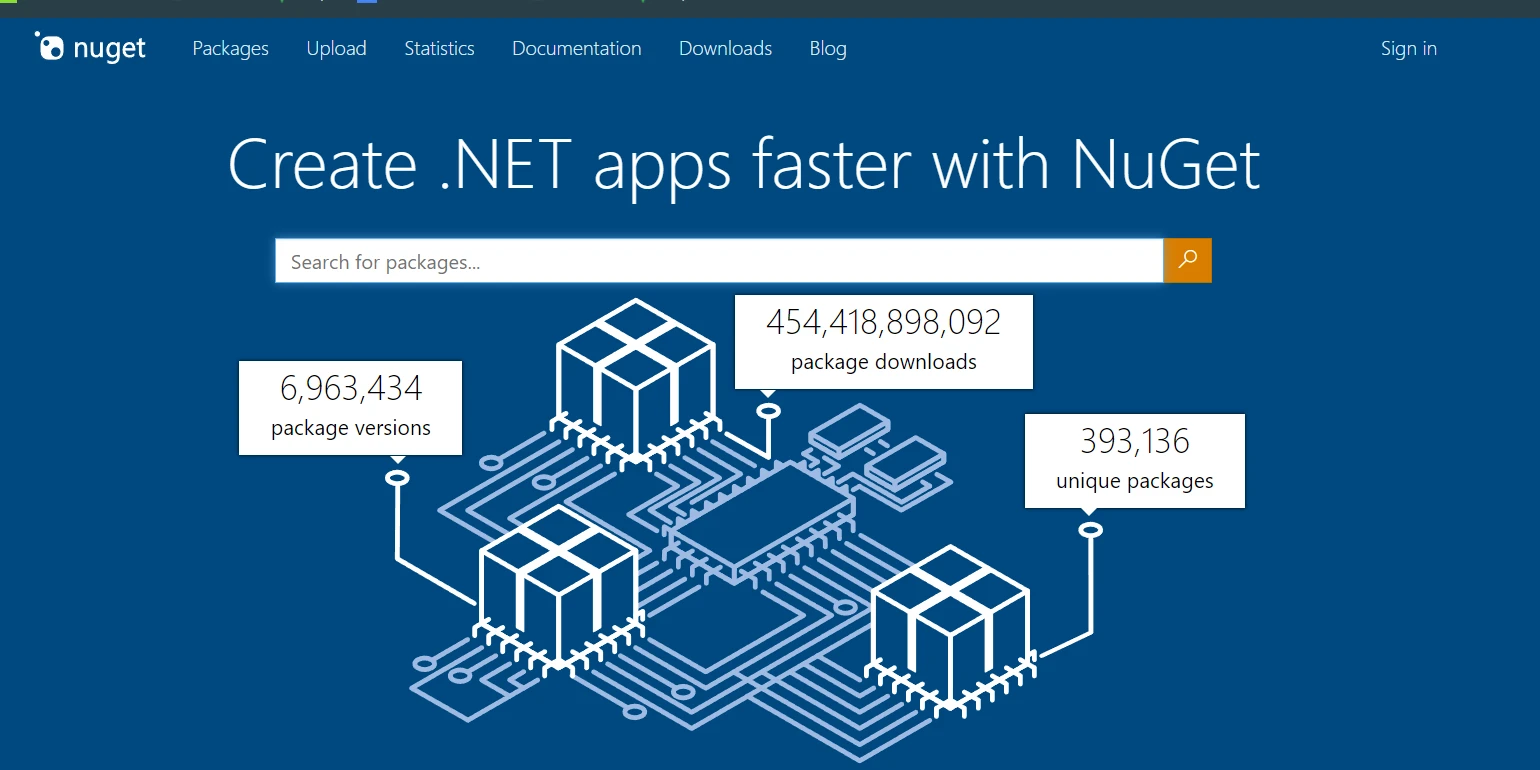
NuGet ist der Paketmanager for .NET und ermöglicht es Entwicklern, Pakete zu erstellen, zu teilen und Code modular zu nutzen. Es vereinfacht den Prozess der Einbindung von Drittanbieter-Bibliotheken in .NET-Projekte, indem es alles vom Herunterladen und Installieren der Pakete bis zur Verwaltung der Abhängigkeiten übernimmt. Der .NET NuGet-Befehl, neben anderen vielseitigen .NET CLI-Befehlen, ist Teil der .NET CLI (Command Line Interface), einem leistungsstarken Werkzeug, das es Entwicklern ermöglicht, direkt von der Befehlszeile aus mit NuGet-Paketen zu interagieren.
### Erstellen Ihres ersten NuGet-Pakets
Das Erstellen eines Pakets umfasst das Verpacken Ihres Codes in eine `.nupkg` Datei, die dann durch Paketkonsumationsbefehle geteilt und von anderen Projekten einfach genutzt werden kann. Um zu beginnen, stellen Sie sicher, dass Ihr Projekt organisiert ist und Ihre **Projektdatei** (`.csproj` für C#) auf dem neuesten Stand ist. Hier ist ein einfacher Schritt-für-Schritt-Prozess mit der CLI:
1. Öffnen Sie Ihr Befehlszeilen-Interface.
2. Navigieren Sie zu Ihrem Projektverzeichnis.
3. Führen Sie den Befehl `dotnet pack` aus. Dieser Befehl kompiliert Ihr Projekt und verpackt es in eine `.nupkg` Datei.
Ihr erstes NuGet-Paket ist jetzt bereit! Das Paket enthält Ihren kompilierten Code und eine **nuspec**-Datei, die Metadaten über Ihr Paket wie Version, Autor, Abhängigkeiten und mehr enthält.
### Verbrauch von NuGet-Paketen in Ihren Projekten
Um ein Paket in Ihrem Projekt zu verwenden, müssen Sie es installieren. Die CLI macht diesen Prozess einfach. Um beispielsweise ein Paket namens **ExamplePackage** herunterzuladen, würden Sie den folgenden Befehl verwenden:
```shell
:InstallCmd dotnet add package ExamplePackage
```
Dieser Befehl aktualisiert Ihre Projektdatei, um **ExamplePackage** als Abhängigkeit einzuschließen, und die .NET CLI kümmert sich darum, das Paket in Ihr Projekt herunterzuladen und zu installieren.
### Verwalten von Abhängigkeiten und Projekten mit der .NET Command Line Interface (.NET CLI)
Die CLI ist nicht nur zum Erstellen und Konsumieren von Paketen da; es ist ein vielseitiges Werkzeug zum Verwalten Ihrer .NET-Projekte. Damit können Sie Pakete in Ihren Projekten hinzufügen, entfernen und aktualisieren, die vor Monaten hinzugefügt wurden, ohne dass Sie manuell Projektdateien bearbeiten oder Visual Studio verwenden müssen. Zum Beispiel, um ein Paket zu entfernen, verwenden Sie:
```shell
:InstallCmd dotnet remove package ExamplePackage
```
Und um ein Paket auf die neueste Version zu aktualisieren:
```shell
:InstallCmd dotnet add package ExamplePackage --version latest
```
Diese Befehle verbessern Ihren Workflow, machen die Verwaltung von Abhängigkeiten einfacher und weniger fehleranfällig.
### Visual Studio für die NuGet-Paketverwaltung nutzen
Während die Befehlszeile leistungsstarke Fähigkeiten bietet, bietet Visual Studio eine intuitivere Oberfläche zur Verwaltung von NuGet-Paketen. Innerhalb von VS können Sie Pakete durchsuchen, installieren und aktualisieren, indem Sie den NuGet-Paket-Manager verwenden. Diese grafische Benutzeroberfläche ist besonders vorteilhaft für Entwickler, die visuelle Werkzeuge im Gegensatz zu Befehlsoperationen bevorzugen.
## IronPDF: Ein Tor zur erweiterten PDF-Bearbeitung
[PDF-Lösungen for .NET mit IronPDF](https://ironpdf.com) ist eine robuste Bibliothek, die auf .NET-Entwickler zugeschnitten ist, die umfassende PDF-Funktionalitäten benötigen. Egal, ob Sie Berichte generieren, HTML in PDF umwandeln oder bestehende PDF-Dokumente manipulieren, IronPDF steht bereit, um die Fähigkeiten Ihres Projekts zu transformieren. Der Reiz von IronPDF liegt in seiner Einfachheit und Stärke, die komplexe PDF-Operationen in einfache .NET-Codezeilen verpackt.
### Erste Schritte mit IronPDF
Die Integration von IronPDF in Ihr .NET-Projekt ist ein Kinderspiel, dank NuGet. So fügen Sie IronPDF zu Ihrem Projekt mit der Konsole hinzu und verbinden unsere Diskussion mit praktischer Anwendung:
1. Öffnen Sie die NuGet-Paket-Manager-Konsole.
2. Führen Sie den folgenden Befehl aus, um das IronPDF-Paket zu installieren:
```shell
:ProductInstall
```
Dieser Befehl holt IronPDF aus dem NuGet-Repository und integriert es in Ihr Projekt, bereit zur Nutzung.
### Erstellung Ihrer ersten PDF-Datei mit IronPDF
Sobald IronPDF Teil Ihres Projekts ist, können Sie in die Welt der PDF-Generierung eintauchen. Hier ist ein einfaches Beispiel, das [das Erstellen eines PDFs aus HTML-Inhalten mit IronPDF](/examples/using-html-to-create-a-pdf/) demonstriert:
```csharp
using IronPdf;
class Program
{
    static void Main()
    {
        // Set the IronPDF license key here for licensed users
        IronPdf.License.LicenseKey = "License-Key";

        // Create a ChromePdfRenderer instance to render PDF
        var Renderer = new ChromePdfRenderer();

        // Render a PDF document from HTML content
        var PDF = Renderer.RenderHtmlAsPdf("<h1>Hello, IronPDF!</h1><p>Welcome to the easy PDF generation.</p>");

        // Save the PDF document to a file
        PDF.SaveAs(@"f:\Hello IronPDF.pdf");
    }
}
```
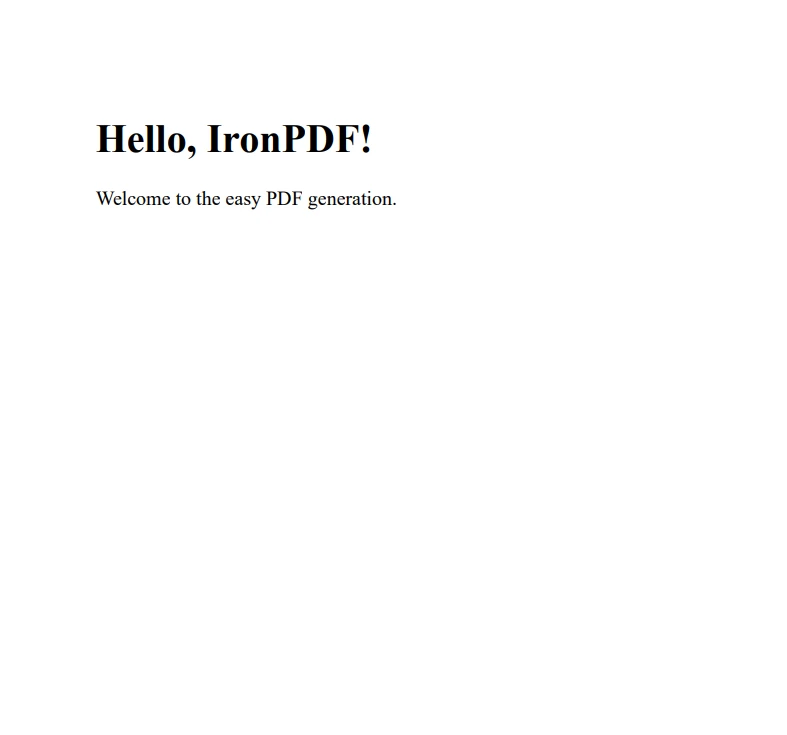
Dieses Snippet erstellt ein PDF-Dokument, das eine Überschrift und einen Absatz enthält und die Einfachheit zeigt, mit der IronPDF arbeitet. Die Methode **RenderHtmlAsPdf** konvertiert HTML-Code direkt in eine PDF-Datei und illustriert nur einen Aspekt der Fähigkeiten von IronPDF.
### Warum IronPDF?
IronPDF glänzt dort, wo es am wichtigsten ist: Leistung, Flexibilität und Benutzerfreundlichkeit. Für .NET-Entwickler eröffnet es eine Welt von Möglichkeiten für die Erstellung und Manipulation von PDFs, während es die Kohärenz des Projekts und das Abhängigkeitsmanagement durch NuGet beibehält. IronPDF und NuGet gemeinsam zeigen die Synergie zwischen leistungsstarken Bibliotheken und effizientem Paketmanagement, die die .NET-Entwicklungserfahrung verbessern.
## Abschluss
NuGet vereinfacht den Prozess der Einbindung externer Bibliotheken in .NET-Projekte erheblich und fördert die Wiederverwendung und Modularität von Code. Indem Entwickler die Erstellung und Verwaltung von NuGet-Paketen durch die CLI und Visual Studio meistern, können sie ihre Entwicklungsprozesse rationalisieren und sicherstellen, dass ihre Projekte mit den neuesten Bibliotheken und Abhängigkeiten auf dem neuesten Stand bleiben. [Probieren Sie den kostenlosen Test von IronPDF](trial-license) für Entwickler aus, um seine umfassenden Funktionen zu erkunden, bevor Sie sich festlegen. Für die weitere Nutzung beginnen die Lizenzierungsoptionen bei `$liteLicense`.
NuGet steht im Zentrum der modernen .NET Core-Entwicklung und fungiert als unverzichtbares Werkzeug für Entwickler, die nützlichen Code über ihre Projekte hinweg erstellen, bauen, teilen und nutzen möchten. Dieser Leitfaden geht auf die Grundlagen von NuGet innerhalb des .NET-Ökosystems ein, insbesondere darauf, wie Entwickler die .NET CLI nutzen können, um Pakete effektiv zu verwalten und zu verwenden. Durch die Verwendung einfacher Begriffe und praktischer Beispiele zielt dieser Artikel darauf ab, angehenden Entwicklern ein umfassendes Verständnis von NuGet und dessen Einsatz in .NET-Anwendungen zu vermitteln. Wir werden auch die IronPDF-Bibliothek als ein Werkzeug zur PDF-Manipulation for .NET-Anwendungen erkunden.
Was ist .NET NuGet?
NuGet ist der Paketmanager for .NET und ermöglicht es Entwicklern, Pakete zu erstellen, zu teilen und Code modular zu nutzen. Es vereinfacht den Prozess der Einbindung von Drittanbieter-Bibliotheken in .NET-Projekte, indem es alles vom Herunterladen und Installieren der Pakete bis zur Verwaltung der Abhängigkeiten übernimmt. Der .NET NuGet-Befehl, neben anderen vielseitigen .NET CLI-Befehlen, ist Teil der .NET CLI (Command Line Interface), einem leistungsstarken Werkzeug, das es Entwicklern ermöglicht, direkt von der Befehlszeile aus mit NuGet-Paketen zu interagieren.
Erstellen Ihres ersten NuGet-Pakets
Das Erstellen eines Pakets umfasst das Verpacken Ihres Codes in eine .nupkg Datei, die dann durch Paketkonsumationsbefehle geteilt und von anderen Projekten einfach genutzt werden kann. Um zu beginnen, stellen Sie sicher, dass Ihr Projekt organisiert ist und Ihre Projektdatei (.csproj für C#) auf dem neuesten Stand ist. Hier ist ein einfacher Schritt-für-Schritt-Prozess mit der CLI:
Öffnen Sie Ihr Befehlszeilen-Interface.
Navigieren Sie zu Ihrem Projektverzeichnis.
Führen Sie den Befehl dotnet pack aus. Dieser Befehl kompiliert Ihr Projekt und verpackt es in eine .nupkg Datei.
Ihr erstes NuGet-Paket ist jetzt bereit! Das Paket enthält Ihren kompilierten Code und eine nuspec-Datei, die Metadaten über Ihr Paket wie Version, Autor, Abhängigkeiten und mehr enthält.
Verbrauch von NuGet-Paketen in Ihren Projekten
Um ein Paket in Ihrem Projekt zu verwenden, müssen Sie es installieren. Die CLI macht diesen Prozess einfach. Um beispielsweise ein Paket namens ExamplePackage herunterzuladen, würden Sie den folgenden Befehl verwenden:
> dotnet add package ExamplePackage
dotnet add package ExamplePackage
Dieser Befehl aktualisiert Ihre Projektdatei, um ExamplePackage als Abhängigkeit einzuschließen, und die .NET CLI kümmert sich darum, das Paket in Ihr Projekt herunterzuladen und zu installieren.
Verwalten von Abhängigkeiten und Projekten mit der .NET Command Line Interface (.NET CLI)
Die CLI ist nicht nur zum Erstellen und Konsumieren von Paketen da; es ist ein vielseitiges Werkzeug zum Verwalten Ihrer .NET-Projekte. Damit können Sie Pakete in Ihren Projekten hinzufügen, entfernen und aktualisieren, die vor Monaten hinzugefügt wurden, ohne dass Sie manuell Projektdateien bearbeiten oder Visual Studio verwenden müssen. Zum Beispiel, um ein Paket zu entfernen, verwenden Sie:
> dotnet remove package ExamplePackage
dotnet remove package ExamplePackage
Und um ein Paket auf die neueste Version zu aktualisieren:
Diese Befehle verbessern Ihren Workflow, machen die Verwaltung von Abhängigkeiten einfacher und weniger fehleranfällig.
Visual Studio für die NuGet-Paketverwaltung nutzen
Während die Befehlszeile leistungsstarke Fähigkeiten bietet, bietet Visual Studio eine intuitivere Oberfläche zur Verwaltung von NuGet-Paketen. Innerhalb von VS können Sie Pakete durchsuchen, installieren und aktualisieren, indem Sie den NuGet-Paket-Manager verwenden. Diese grafische Benutzeroberfläche ist besonders vorteilhaft für Entwickler, die visuelle Werkzeuge im Gegensatz zu Befehlsoperationen bevorzugen.
IronPDF: Ein Tor zur erweiterten PDF-Bearbeitung
PDF-Lösungen for .NET mit IronPDF ist eine robuste Bibliothek, die auf .NET-Entwickler zugeschnitten ist, die umfassende PDF-Funktionalitäten benötigen. Egal, ob Sie Berichte generieren, HTML in PDF umwandeln oder bestehende PDF-Dokumente manipulieren, IronPDF steht bereit, um die Fähigkeiten Ihres Projekts zu transformieren. Der Reiz von IronPDF liegt in seiner Einfachheit und Stärke, die komplexe PDF-Operationen in einfache .NET-Codezeilen verpackt.
Erste Schritte mit IronPDF
Die Integration von IronPDF in Ihr .NET-Projekt ist ein Kinderspiel, dank NuGet. So fügen Sie IronPDF zu Ihrem Projekt mit der Konsole hinzu und verbinden unsere Diskussion mit praktischer Anwendung:
Öffnen Sie die NuGet-Paket-Manager-Konsole.
Führen Sie den folgenden Befehl aus, um das IronPDF-Paket zu installieren:
PM > Install-Package IronPdf
Install-Package IronPdf
Dieser Befehl holt IronPDF aus dem NuGet-Repository und integriert es in Ihr Projekt, bereit zur Nutzung.
using IronPdf;class Program{ static voidMain() { // Set the IronPDF license key here for licensed usersIronPdf.License.LicenseKey = "License-Key"; // Create a ChromePdfRenderer instance to render PDF varRenderer = new ChromePdfRenderer(); // Render a PDF document from HTML content varPDF = Renderer.RenderHtmlAsPdf("<h1>Hello, IronPDF!</h1><p>Welcome to the easy PDF generation.</p>"); // Save the PDF document to a filePDF.SaveAs(@"f:\Hello IronPDF.pdf"); }}
using IronPdf;
class Program
{
    static void Main()
    {
        // Set the IronPDF license key here for licensed users
        IronPdf.License.LicenseKey = "License-Key";

        // Create a ChromePdfRenderer instance to render PDF
        var Renderer = new ChromePdfRenderer();

        // Render a PDF document from HTML content
        var PDF = Renderer.RenderHtmlAsPdf("<h1>Hello, IronPDF!</h1><p>Welcome to the easy PDF generation.</p>");

        // Save the PDF document to a file
        PDF.SaveAs(@"f:\Hello IronPDF.pdf");
    }
}
C#
Dieses Snippet erstellt ein PDF-Dokument, das eine Überschrift und einen Absatz enthält und die Einfachheit zeigt, mit der IronPDF arbeitet. Die Methode RenderHtmlAsPdf konvertiert HTML-Code direkt in eine PDF-Datei und illustriert nur einen Aspekt der Fähigkeiten von IronPDF.
Warum IronPDF?
IronPDF glänzt dort, wo es am wichtigsten ist: Leistung, Flexibilität und Benutzerfreundlichkeit. Für .NET-Entwickler eröffnet es eine Welt von Möglichkeiten für die Erstellung und Manipulation von PDFs, während es die Kohärenz des Projekts und das Abhängigkeitsmanagement durch NuGet beibehält. IronPDF und NuGet gemeinsam zeigen die Synergie zwischen leistungsstarken Bibliotheken und effizientem Paketmanagement, die die .NET-Entwicklungserfahrung verbessern.
Abschluss
NuGet vereinfacht den Prozess der Einbindung externer Bibliotheken in .NET-Projekte erheblich und fördert die Wiederverwendung und Modularität von Code. Indem Entwickler die Erstellung und Verwaltung von NuGet-Paketen durch die CLI und Visual Studio meistern, können sie ihre Entwicklungsprozesse rationalisieren und sicherstellen, dass ihre Projekte mit den neuesten Bibliotheken und Abhängigkeiten auf dem neuesten Stand bleiben. Probieren Sie den kostenlosen Test von IronPDF für Entwickler aus, um seine umfassenden Funktionen zu erkunden, bevor Sie sich festlegen. Für die weitere Nutzung beginnen die Lizenzierungsoptionen bei $999.
Jacob Mellor ist Chief Technology Officer bei Iron Software und ein visionärer Ingenieur, der Pionierarbeit in der C# PDF-Technologie leistet. Als der ursprüngliche Entwickler hinter der Kern-Codebasis von Iron Software hat er die Produktarchitektur des Unternehmens seit seiner Gründung geprägt und es zusammen mit CEO Cameron Rimington in ein Unternehmen mit mehr als 50 Mitarbeitern verwandelt, das die NASA, Tesla und globale Regierungsbehörden beliefert.