Einführung in LINQ (Language Integrated Query)
Language Integrated Query (LINQ) ist eine bahnbrechende Funktion im .NET-Framework, die direkte Abfragefunktionen in die C#-Sprache einführt. Diese Funktion ermöglicht es Entwicklern, LINQ-Abfragen direkt in C# zu schreiben und bietet ein nahtloses Erlebnis im Umgang mit verschiedenen Datenquellen.
LINQ ist nicht nur eine Abfragesprache; es ist ein fester Bestandteil der C#-Programmiersprache, der das Abfragen und Transformieren von Daten aus Quellen wie relationalen Datenbanken, XML-Dokumenten und In-Memory-Sammlungen optimiert.
Schlüsselkonzepte von LINQ
LINQ-Abfragesyntax
LINQ-Abfragesyntax ist eine expressive und lesbare Art, Abfragen zu schreiben. Sie ist so gestaltet, dass sie für diejenigen vertraut ist, die einen Hintergrund in SQL und SQL-Datenbanken haben, was den Übergang zu LINQ-Abfragen reibungslos macht. Diese Syntax umfasst die Verwendung von LINQ-Abfrageausdrücken, die SQL-Abfragen stark ähneln.
Zum Beispiel würden Sie Schlüsselwörter wie from, select und where verwenden, um eine lesbare und prägnante LINQ-Abfragesyntax zu erstellen, um Daten aus einer Sammlung abzurufen.
Methodensyntax in LINQ
LINQ bietet eine Methodensyntax, eine flexiblere und leistungsfähigere Alternative zusammen mit der traditionellen Abfragesyntax, die Erweiterungsmethoden und Lambda-Ausdrücke verwendet.
Diese Syntax ist besonders nützlich für das Schreiben komplexer LINQ-Abfragen und das Ausführen fortgeschrittener Abfrageoperationen. Die Methodensyntax kann in spezifischen Szenarien prägnanter sein und bietet die volle Leistungsfähigkeit von LINQs Abfragefähigkeiten.
Schreiben von LINQ-Abfragen
Die Grundlagen von LINQ-Abfragen
Um effektiv LINQ-Abfragen zu schreiben, ist es wichtig, das Konzept einer Abfragevariable zu verstehen. Diese Variable ist der Ort, an dem die Ergebnisse eines LINQ-Abfrageausdrucks gespeichert werden. LINQ kann mit jeder Datenquelle arbeiten, die das IEnumerable<t>-Interface implementiert, was es sehr vielseitig macht.
Zum Beispiel können Sie bei der Arbeit mit Datensammlungen leicht LINQ-Abfragen anwenden, um verschiedene Operationen wie Filtern und Sortieren durchzuführen.
using System;
using System.Collections.Generic;
using System.Linq;

public class Example
{
    public static void Main()
    {
        List<int> numbers = new List<int> { 1, 2, 3, 4, 5, 6 };

        // LINQ query using query syntax to filter even numbers
        var evenNumbersQuery = from num in numbers
                               where num % 2 == 0
                               select num;

        Console.WriteLine("Even numbers using query syntax:");
        foreach (var num in evenNumbersQuery)
        {
            Console.WriteLine(num);
        }

        // LINQ query using method syntax to filter even numbers
        var evenNumbersMethod = numbers.Where(num => num % 2 == 0);

        Console.WriteLine("Even numbers using method syntax:");
        foreach (var num in evenNumbersMethod)
        {
            Console.WriteLine(num);
        }
    }
}
using System;
using System.Collections.Generic;
using System.Linq;

public class Example
{
    public static void Main()
    {
        List<int> numbers = new List<int> { 1, 2, 3, 4, 5, 6 };

        // LINQ query using query syntax to filter even numbers
        var evenNumbersQuery = from num in numbers
                               where num % 2 == 0
                               select num;

        Console.WriteLine("Even numbers using query syntax:");
        foreach (var num in evenNumbersQuery)
        {
            Console.WriteLine(num);
        }

        // LINQ query using method syntax to filter even numbers
        var evenNumbersMethod = numbers.Where(num => num % 2 == 0);

        Console.WriteLine("Even numbers using method syntax:");
        foreach (var num in evenNumbersMethod)
        {
            Console.WriteLine(num);
        }
    }
}
Imports System
Imports System.Collections.Generic
Imports System.Linq
Public Class Example
Public Shared Sub Main()
Dim numbers As New List(Of Integer) From {1, 2, 3, 4, 5, 6}
' LINQ query using query syntax to filter even numbers
Dim evenNumbersQuery = From num In numbers
Where num Mod 2 = 0
Select num
Console.WriteLine("Even numbers using query syntax:")
For Each num In evenNumbersQuery
Console.WriteLine(num)
Next num
' LINQ query using method syntax to filter even numbers
Dim evenNumbersMethod = numbers.Where(Function(num) num Mod 2 = 0)
Console.WriteLine("Even numbers using method syntax:")
For Each num In evenNumbersMethod
Console.WriteLine(num)
Next num
End Sub
End Class
Imports System
Imports System.Collections.Generic
Imports System.Linq

Public Class Example
	Public Shared Sub Main()
		Dim numbers As New List(Of Integer) From {1, 2, 3, 4, 5, 6}

		' LINQ query using query syntax to filter even numbers
		Dim evenNumbersQuery = From num In numbers
			Where num Mod 2 = 0
			Select num

		Console.WriteLine("Even numbers using query syntax:")
		For Each num In evenNumbersQuery
			Console.WriteLine(num)
		Next num

		' LINQ query using method syntax to filter even numbers
		Dim evenNumbersMethod = numbers.Where(Function(num) num Mod 2 = 0)

		Console.WriteLine("Even numbers using method syntax:")
		For Each num In evenNumbersMethod
			Console.WriteLine(num)
		Next num
	End Sub
End Class
Datenumwandlung mit LINQ
LINQ ist für seine Datenumwandlung bekannt. Mit verschiedenen Abfrageoperationen können Sie Daten auf vielfältige Weise manipulieren. Ob Konvertierung von Datentypen, Filtern von Sammlungen nach bestimmten Kriterien oder Aggregation von Daten für Zusammenfassungen, LINQ bietet eine umfassende Palette von Tools zur Transformation von Daten nach Bedarf.
LINQ zu verschiedenen Datenquellen
LINQ zu SQL und relationalen Datenbanken
Eine der beliebtesten Anwendungen von LINQ ist mit SQL und relationalen Datenbanken. LINQ zu SQL vereinfacht die Interaktion mit Datenbanken, indem es Ihnen ermöglicht, SQL-ähnliche Abfragen direkt auf die Datenbanktabellen auszuführen, als wären es In-Memory-Datenstrukturen.
Dies reduziert die Menge des Boilerplate-Codes und macht Datenbankoperationen intuitiver und weniger fehleranfällig.
Abfrage von XML-Dokumenten und mehr
LINQ ist nicht auf relationale Datenbanken beschränkt. Es ist ebenso in der Lage, XML-Dokumente zu handhaben und bietet eine unkomplizierte Möglichkeit, XML-Daten abzufragen und zu manipulieren.
Mit LINQ zu XML wird das Parsen und Abfragen von XML-Dateien einfacher und intuitiver, da Sie die vertraute LINQ-Abfragesyntax verwenden können, um mit XML-Elementen und -Attributen zu interagieren.
Integrating Iron Software Suite with LINQ in C#
Die Iron Software Suite ist eine Sammlung von C#-Bibliotheken, die dazu entwickelt wurden, die Fähigkeiten der .NET-Entwicklung zu erweitern, einschließlich Operationen, die oft in Verbindung mit LINQ verwendet werden. Im Folgenden finden Sie eine Aufschlüsselung, wie einige dieser Bibliotheken LINQ in verschiedenen Anwendungsszenarien ergänzen können.
IronPDF
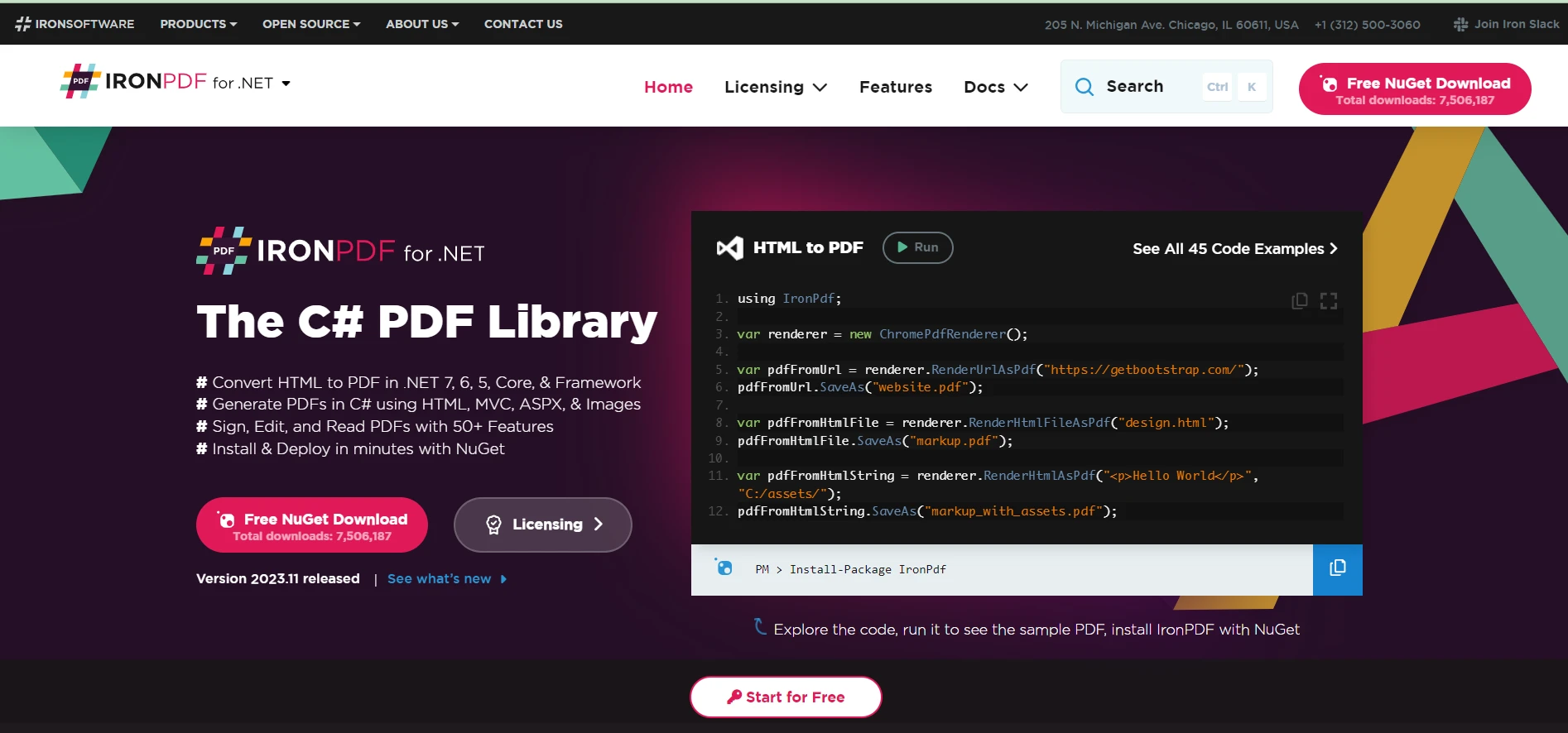
IronPDF Library für PDF-Manipulation ist eine Bibliothek in der Iron Software Suite, die es C#-Entwicklern ermöglicht, PDF-Dateien zu erstellen, zu lesen und zu bearbeiten. Entwickler können effizient Daten manipulieren und diese im PDF-Format rendern, wenn sie mit LINQ kombiniert werden.
Zum Beispiel könnten Sie LINQ-Abfragen verwenden, um Daten aus einer Datenbank oder einem XML-Dokument abzurufen und dann IronPDF verwenden, um aus den abgefragten Daten einen gut formatierten PDF-Bericht zu erstellen.
IronOCR
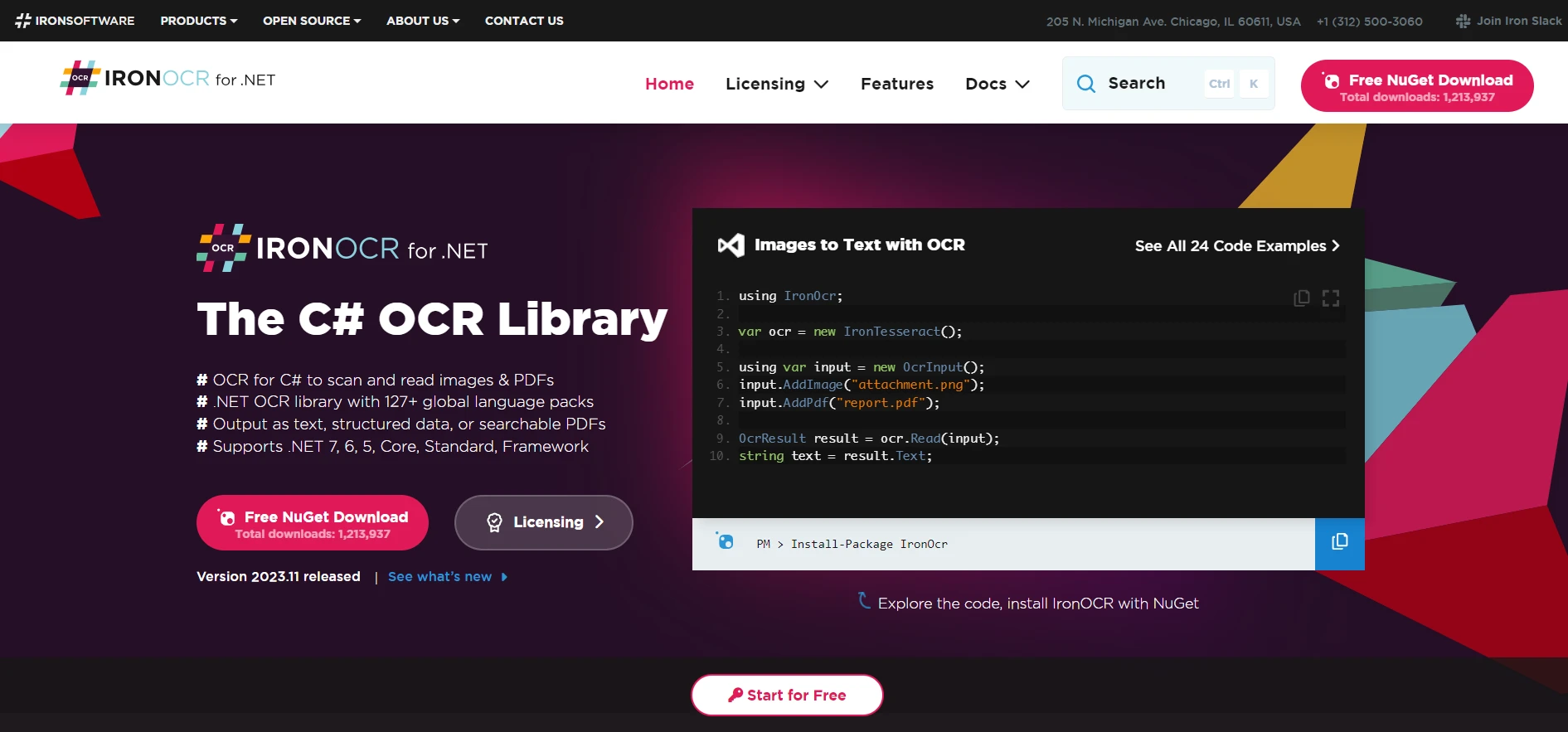
IronOCR-Tool für optische Zeichenerkennung ist ein weiteres wertvolles Tool in der Suite, das Möglichkeiten zur optischen Zeichenerkennung (OCR) bietet. Es kann verwendet werden, um Bilder in Text in über 125 Sprachen umzuwandeln.
In einem typischen Anwendungsfall könnten Entwickler LINQ verwenden, um eine Sammlung von Bildpfaden zu verarbeiten und zu filtern und dann IronOCR anwenden, um Text aus diesen Bildern zu extrahieren, wodurch Datenabfrage und Textextraktion in einem optimierten Prozess kombiniert werden.
IronXL
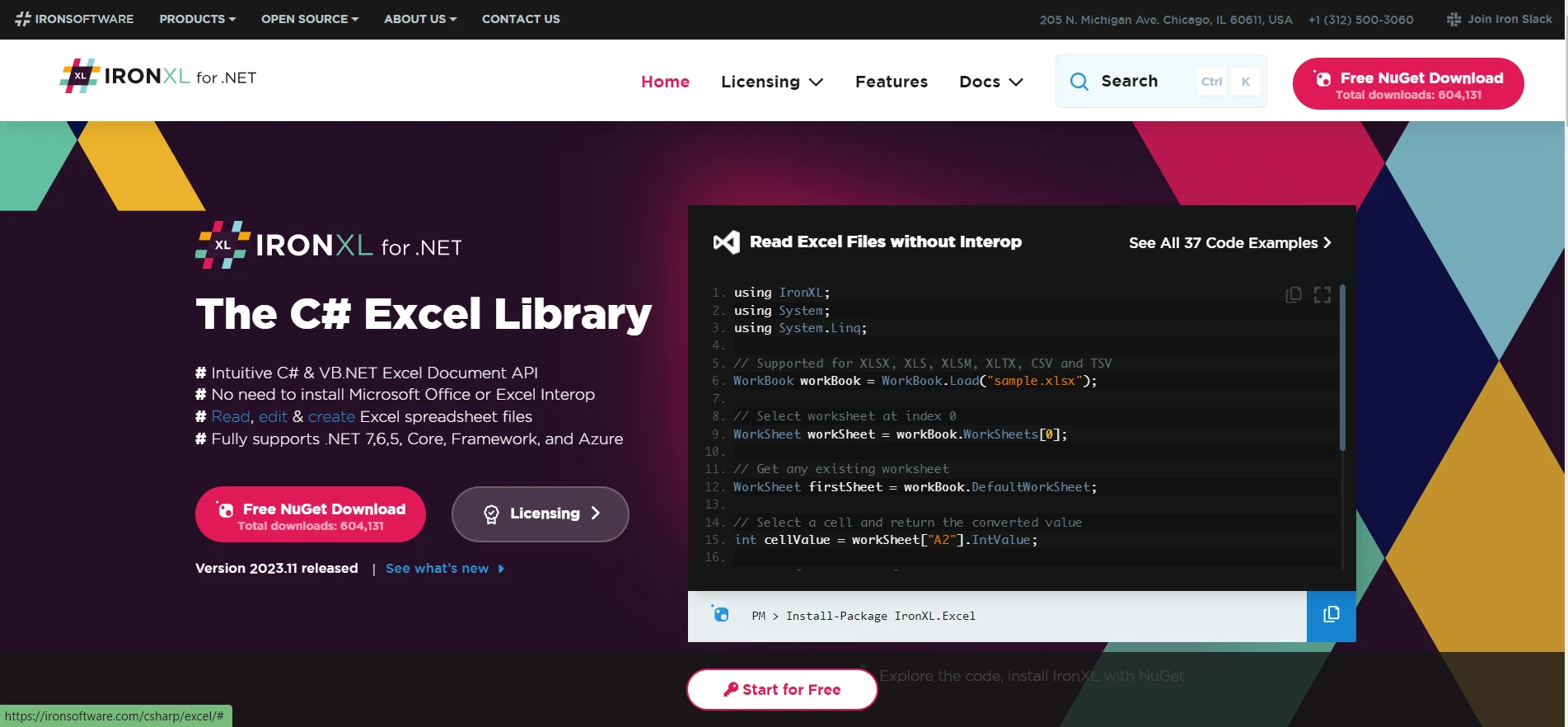
IronXL Excel-Verarbeitungsbibliothek konzentriert sich darauf, mit Excel-Dateien zu arbeiten, ohne dass Office Interop erforderlich ist. Es ist besonders nützlich bei der Arbeit mit Daten im Excel-Format.
Mit LINQ können Entwickler Daten aus verschiedenen Quellen abfragen und transformieren und dann IronXL verwenden, um diese Daten in Excel-Tabellen für Berichterstattung, weitere Analysen oder Verteilung zu exportieren.
IronBarcode
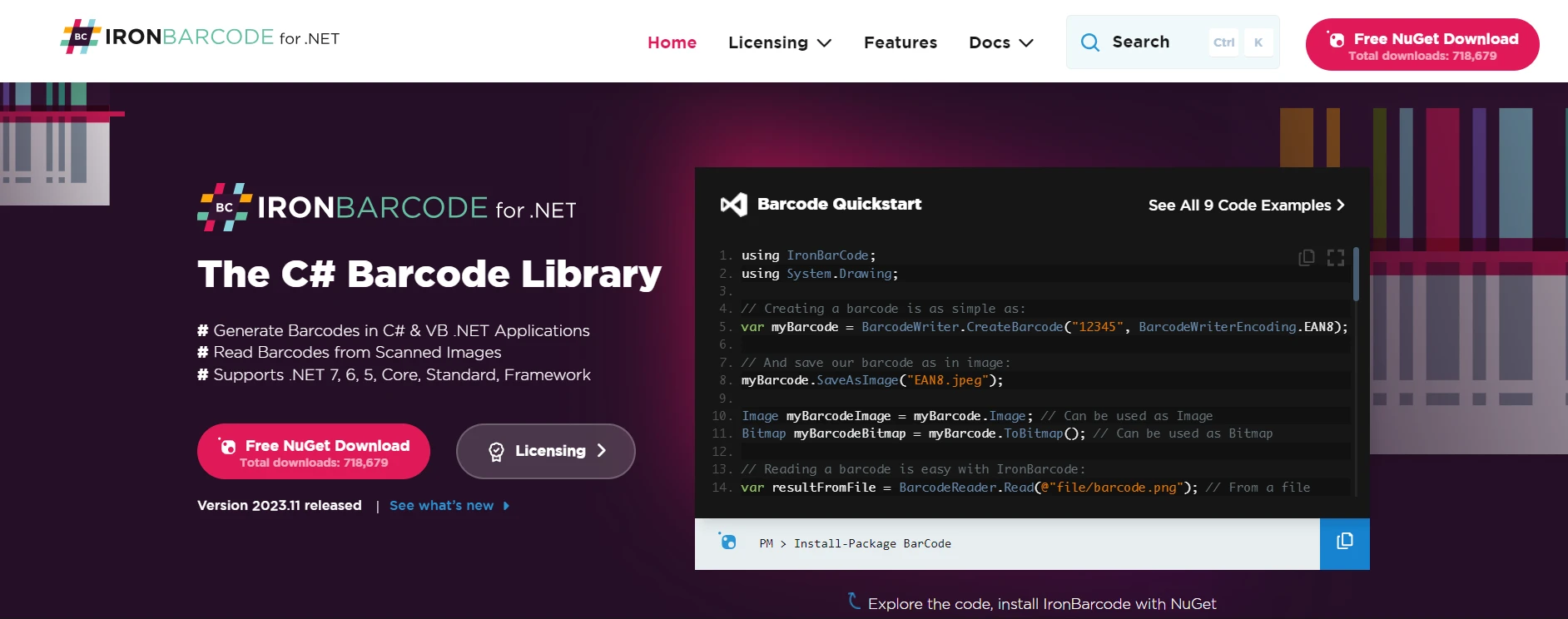
IronBarcode für Barcode- und QR-Code-Erstellung Bibliothek wird verwendet, um Barcodes und QR-Codes zu lesen und zu schreiben. Es kann mit LINQ integriert werden, um große Datensätze zu verarbeiten, Barcodes oder QR-Codes basierend auf Daten zu identifizieren oder zu generieren, die mit LINQ-Abfragen abgerufen oder verarbeitet wurden.
Conclusion: The Power of LINQ in C#
Abschließend transformiert die tiefe Integration von LINQ in C# die Art und Weise, wie Entwickler mit Daten interagieren. Seine dualen Syntaxoptionen (Abfragesyntax und Methodensyntax), umfangreiche Abfragefähigkeiten und die Fähigkeit, mit einer Vielzahl von Datenquellen zu arbeiten, machen es zu einem leistungsstarken und unverzichtbaren Bestandteil des .NET-Frameworks.
Ob Sie mit relationalen Datenbanken, XML-Dokumenten oder In-Memory-Sammlungen arbeiten, LINQs umfassender Satz an Datenabfrage- und Transformationstools machen es zu einer wesentlichen Fähigkeit für jeden C#-Entwickler.
Iron Software bietet ein flexibles Lizenzmodell. Alle Produkte sind für die Entwicklung und das Testen innerhalb der IDE kostenlos, ohne zeitliche Beschränkungen, was eine gründliche Bewertung vor dem Kauf ermöglicht.
Darüber hinaus stellt Iron Software für diejenigen, die in einer Live-Umgebung testen möchten, einen Testschlüssel für Live-Umgebungstests zur Verfügung, der eine umfassende Beurteilung seiner praktischen Anwendbarkeit ermöglicht.