using IronPdf;

// Disable local disk access or cross-origin requests
Installation.EnableWebSecurity = true;

// Instantiate Renderer
var renderer = new ChromePdfRenderer();

// Create a PDF from a HTML string using C#
var pdf = renderer.RenderHtmlAsPdf("<h1>Hello World</h1>");

// Export to a file or Stream
pdf.SaveAs("output.pdf");

// Advanced Example with HTML Assets
// Load external html assets: Images, CSS and JavaScript.
// An optional BasePath 'C:\site\assets\' is set as the file location to load assets from
var myAdvancedPdf = renderer.RenderHtmlAsPdf("<img src='icons/iron.png'>", @"C:\site\assets\");
myAdvancedPdf.SaveAs("html-with-assets.pdf");
using IronPdf;// Disable local disk access or cross-origin requestsInstallation.EnableWebSecurity = true;// Instantiate Renderervar renderer = new ChromePdfRenderer();// Create a PDF from a HTML string using C#var pdf = renderer.RenderHtmlAsPdf("<h1>Hello World</h1>");// Export to a file or Streampdf.SaveAs("output.pdf");// Advanced Example with HTML Assets// Load external html assets: Images, CSS and JavaScript.// An optional BasePath 'C:\site\assets\' is set as the file location to load assets fromvar myAdvancedPdf = renderer.RenderHtmlAsPdf("<img src='icons/iron.png'>", @"C:\site\assets\");myAdvancedPdf.SaveAs("html-with-assets.pdf");
PM >Install-Package IronPdf
Install-Package IronPdf
ACTUALIZACIONES PARA DESARROLLADORES
yield return en C# | Iteradores y evaluación diferida
C# es uno de los lenguajes de programación más populares desarrollados por Microsoft, que proporciona características que aportan elegancia y eficiencia a tu código. Una de esas características es la palabra clave yield, que se introdujo por primera vez en C# 2.0. Microsoft proporciona una referencia completa del lenguaje sobre las declaraciones de palabras clave yield para explorar más sobre su uso en métodos iteradores, que puedes ver en la [documentación oficial de Microsoft sobre yield](https://learn.microsoft.com/en-us/dotnet/csharp/language-reference/statements/yield).
En este artículo, exploraremos **yield return** en C#, analizando su funcionalidad, casos de uso, y cómo puede transformar la forma en que abordas la iteración.
## Understanding the Basics: Iteration in C#
La iteración es un concepto fundamental en programación, y C# ofrece varios mecanismos para lograrlo. Tradicionalmente, bucles como el **for** y el bucle **foreach** han sido las herramientas preferidas para iterar sobre colecciones. Sin embargo, C# introduce una solución más elegante con la palabra clave **yield** aplicada a la declaración **return**, y mediante el uso de la interfaz `IEnumerable`.
### La eficiencia de la declaración `yield return`
En su núcleo, `yield return` es una declaración utilizada en el método iterador para proporcionar una forma más eficiente de generar una secuencia de valores. Te permite crear un iterador sin la necesidad de generar una colección completa en memoria, haciéndolo particularmente útil para conjuntos de datos grandes o secuencias infinitas.
Aquí hay un fragmento de código simple para ilustrar el uso básico de `yield return`:
```csharp
using System;
using System.Collections.Generic;

public class Example
{
    // Method that generates numbers from start to end using 'yield return'
    public IEnumerable<int> GenerateNumbers(int start, int end)
    {
        // Loop from 'start' to 'end'
        for (int i = start; i <= end; i++)
        {
            yield return i; // Returns each number in the sequence without breaking the loop
        }
    }

    public static void Main()
    {
        // Usage: Using 'foreach' to iterate over numbers generated by 'GenerateNumbers'
        foreach (var number in new Example().GenerateNumbers(1, 5))
        {
            Console.WriteLine(number); // Outputs numbers 1 - 5
        }
    }
}
```
En este ejemplo, el método `GenerateNumbers` utiliza `yield return` para producir una secuencia de números desde `start` hasta `end`. El iterador se evalúa de forma perezosa, lo que significa que cada número se genera según demanda durante la ejecución de la iteración.
### Evaluación laxa y eficiencia
Una de las ventajas significativas de la declaración `yield return` es su capacidad para soportar la evaluación diferida. A diferencia de los métodos tradicionales que generan una colección completa antes de la iteración, `yield return` produce valores uno a uno. Esto puede llevar a ahorros significativos de memoria, especialmente al tratar con grandes conjuntos de datos.
## Stateful Iteration: Manejo de escenarios complejos
La declaración `yield return` no se limita solo a generar secuencias simples; se destaca en el manejo de escenarios más complejos en el bloque iterador. Al mantener una máquina de estados a través de las iteraciones, puedes crear iteradores que recuerden su posición en la secuencia.
```csharp
using System;
using System.Collections.Generic;
public class FibonacciExample
{
// Method that generates Fibonacci numbers up to the specified count
public IEnumerable<string> GenerateFibonacci(int count)
{
int a = 0, b = 1;
for (int i = 0; i < count; i++)
{
yield return a.ToString(); // Returns the Fibonacci number as a string
int temp = a;
a = b;
b = temp + b;
}
}
public static void Main()
{
// Usage: Iterating over Fibonacci numbers generated by 'GenerateFibonacci'
foreach (var fibNumber in new FibonacciExample().GenerateFibonacci(8))
{
Console.WriteLine(fibNumber); // Outputs a Fibonacci number sequence
}
}
}
```
En este ejemplo, el método `GenerateFibonacci` utiliza `yield return` para crear una secuencia de números de Fibonacci. El estado se mantiene entre las iteraciones, asegurando la generación y salida eficiente de los números Fibonacci.
## Construcción de secuencias infinitas
Una aplicación intrigante de `yield return` es su capacidad para crear secuencias infinitas de valores. Dado que los valores se generan sobre la marcha, puedes representar secuencias que se extienden para siempre sin consumir memoria infinita.
```csharp
using System;
using System.Collections.Generic;
public class InfiniteSequenceExample
{
// Method that generates an infinite sequence of even numbers
public IEnumerable<int> GenerateEvenNumbers()
{
int num = 0;
while (true)
{
yield return num;
num += 2;
}
}
public static void Main()
{
// Usage: Generating even numbers using the 'GenerateEvenNumbers' method
var evenNumberIterator = new InfiniteSequenceExample().GenerateEvenNumbers().GetEnumerator();
for (int i = 0; i < 5; i++)
{
evenNumberIterator.MoveNext();
Console.WriteLine(evenNumberIterator.Current); // Outputs the first 5 even numbers
}
}
}
```
En este ejemplo, el método `GenerateEvenNumbers` crea un iterador para números pares, y puedes iterar sobre él según sea necesario. También puedes utilizar la declaración `yield break` junto con `yield return` para detener y salir del bucle, creando una iteración personalizada para el bucle.
## Presentando IronPDF: Una Biblioteca de C# Poderosa
[**IronPDF**](/) se destaca como una biblioteca versátil de C# diseñada para simplificar las complejidades de trabajar con PDFs. La característica principal de IronPDF es su [Herramienta de Conversión de HTML a PDF](/tutorials/html-to-pdf/), asegurando que los diseños y estilos se mantengan.
### Instalación de IronPDF: Un comienzo rápido
Para incorporar IronPDF en tu proyecto de C#, puedes instalar rápidamente el paquete NuGet de IronPDF. Alternativamente, busca 'IronPDF' en NuGet y procede con la instalación.
```shell
:ProductInstall
```
Alternativamente, puedes localizar "IronPDF" en el Administrador de Paquetes NuGet e instalarlo desde allí.
### Generación de PDF con IronPDF
Considera el siguiente ejemplo: Consideremos un ejemplo básico:
```csharp
using IronPdf;
public class PdfGenerationExample
{
public static void Main()
{
var htmlContent = "<html><body><h1>Hello, IronPDF!</h1></body></html>";
// Create a new PDF renderer instance
var pdfRenderer = new ChromePdfRenderer();
// Render the HTML content as a PDF and save it to a file
pdfRenderer.RenderHtmlAsPdf(htmlContent).SaveAs("C:/GeneratedDocument.pdf");
}
}
```
En el ejemplo anterior, IronPDF se usa para renderizar [contenido HTML en un documento PDF](/examples/using-html-to-create-a-pdf/), que luego se guarda en la ubicación especificada. Para obtener información más detallada, visita la [documentación de IronPDF](/docs/).
## La Intersección de `yield return` e IronPDF
Ahora, vamos a explorar si la declaración `yield return`, una poderosa herramienta para la evaluación diferida y la iteración eficiente, puede integrarse sin problemas con IronPDF.
Considera un escenario donde necesitas generar un documento PDF con una lista de elementos utilizando `yield return`. Puedes aprovechar los beneficios de las declaraciones `yield` para generar contenido dinámicamente y luego emplear IronPDF para transformar ese contenido en un PDF. El siguiente fragmento de código genera un documento PDF con la ayuda de una declaración `yield` para agregar control dinámico sobre el contenido del PDF:
```csharp
using System;
using System.Collections.Generic;
using System.Linq;
using IronPdf;
class Program
{
// Method that dynamically generates content using 'yield return'
public static IEnumerable<string> GenerateDynamicContent()
{
yield return "Item 1";
yield return "Item 2";
yield return "Item 3";
}
public static void Main(string[] args)
{
// Generate dynamic content using the 'GenerateDynamicContent' function
var dynamicContent = GenerateDynamicContent();
// Create HTML structure for the PDF document with dynamic content
var dynamicPdfContent = $@"
<html>
<body>
<h1>List of Items</h1>
<ul>
{string.Join("", dynamicContent.Select(item => $"<li>{item}</li>"))}
</ul>
</body>
</html>
";
// Create a new PDF document with dynamically generated content
var dynamicPdfRenderer = new ChromePdfRenderer();
dynamicPdfRenderer.RenderHtmlAsPdf(dynamicPdfContent).SaveAs("C:/DynamicItems.pdf");
}
}
```
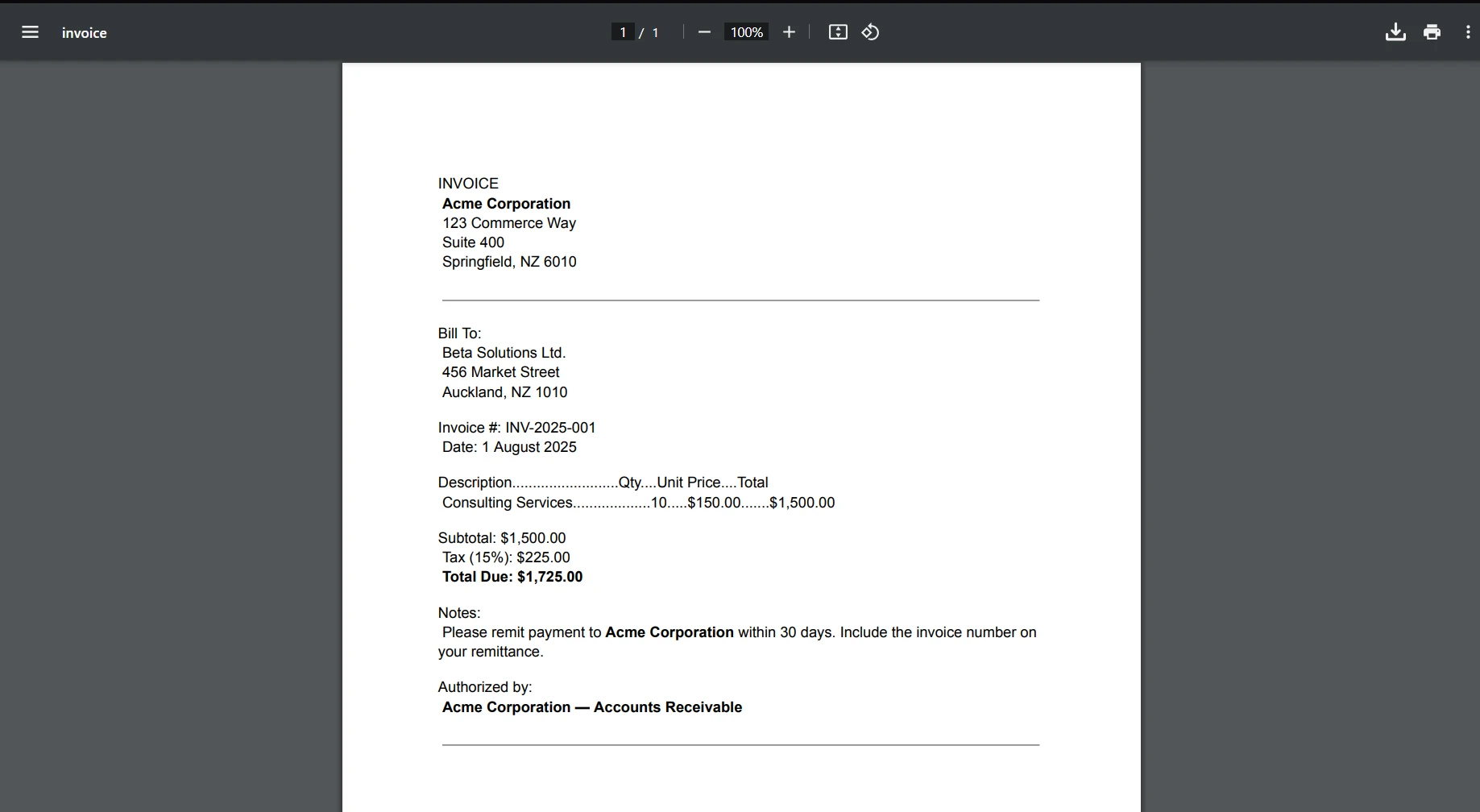
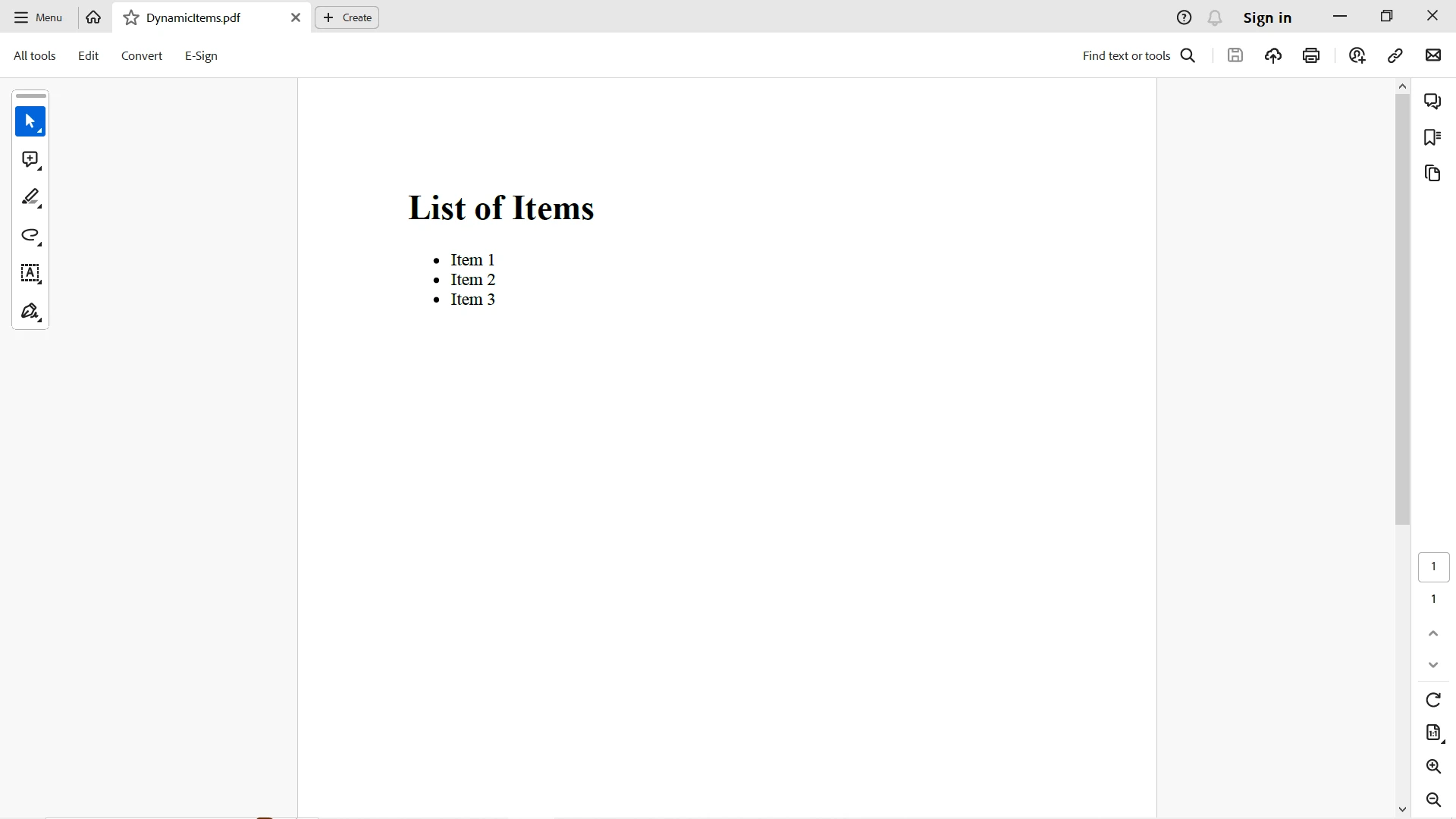
En este ejemplo, el método `GenerateDynamicContent` utiliza `yield return` para proporcionar una secuencia de elementos dinámicos. El contenido generado se incorpora luego en una estructura HTML y es utilizado por IronPDF para crear un documento PDF.
## Conclusión
En conclusión, `yield return` es una característica poderosa y elegante en C# que transforma la forma en que abordas la iteración. Su capacidad para soportar evaluación perezosa, manejar escenarios complejos con iteración con estado y crear secuencias infinitas lo convierte en una herramienta valiosa en tu conjunto de programación. Ya sea que estés tratando con grandes conjuntos de datos o implementando algoritmos sofisticados, `yield return` te permite escribir un código más eficiente y expresivo.
Mientras `yield return` facilita la generación eficiente y a demanda de contenido, IronPDF interviene para convertir ese contenido sin problemas en documentos PDF profesionales. Ya sea que estés creando listas, informes u otros documentos de forma dinámica, esta sinergia te permite llevar tus capacidades de generación de documentos C# a nuevas alturas. ¡Abraza el potencial de este dúo dinámico, y haz que tus PDFs brillen con contenido dinámico y eficientemente generado!
IronPDF ofrece una [prueba gratuita](trial-license) para probar su funcionalidad completa como en el modo comercial. Aprende más sobre [las licencias de IronPDF](/licensing/) comenzando desde `$liteLicense`.
C# es uno de los lenguajes de programación más populares desarrollados por Microsoft, que proporciona características que aportan elegancia y eficiencia a tu código. Una de esas características es la palabra clave yield, que se introdujo por primera vez en C# 2.0. Microsoft proporciona una referencia completa del lenguaje sobre las declaraciones de palabras clave yield para explorar más sobre su uso en métodos iteradores, que puedes ver en la documentación oficial de Microsoft sobre yield.
En este artículo, exploraremos yield return en C#, analizando su funcionalidad, casos de uso, y cómo puede transformar la forma en que abordas la iteración.
Understanding the Basics: Iteration in C#
La iteración es un concepto fundamental en programación, y C# ofrece varios mecanismos para lograrlo. Tradicionalmente, bucles como el for y el bucle foreach han sido las herramientas preferidas para iterar sobre colecciones. Sin embargo, C# introduce una solución más elegante con la palabra clave yield aplicada a la declaración return, y mediante el uso de la interfaz IEnumerable.
La eficiencia de la declaración yield return
En su núcleo, yield return es una declaración utilizada en el método iterador para proporcionar una forma más eficiente de generar una secuencia de valores. Te permite crear un iterador sin la necesidad de generar una colección completa en memoria, haciéndolo particularmente útil para conjuntos de datos grandes o secuencias infinitas.
Aquí hay un fragmento de código simple para ilustrar el uso básico de yield return:
using System;using System.Collections.Generic;public class Example{ // Method that generates numbers from start to end using 'yield return' public IEnumerable<int> GenerateNumbers(int start, int end) { // Loop from 'start' to 'end' for (int i = start; i <= end; i++) { yield return i; // Returns each number in the sequence without breaking the loop } } public static voidMain() { // Usage: Using 'foreach' to iterate over numbers generated by 'GenerateNumbers' foreach (var number in new Example().GenerateNumbers(1, 5)) {Console.WriteLine(number); // Outputs numbers 1 - 5 } }}
using System;
using System.Collections.Generic;

public class Example
{
    // Method that generates numbers from start to end using 'yield return'
    public IEnumerable<int> GenerateNumbers(int start, int end)
    {
        // Loop from 'start' to 'end'
        for (int i = start; i <= end; i++)
        {
            yield return i; // Returns each number in the sequence without breaking the loop
        }
    }

    public static void Main()
    {
        // Usage: Using 'foreach' to iterate over numbers generated by 'GenerateNumbers'
        foreach (var number in new Example().GenerateNumbers(1, 5))
        {
            Console.WriteLine(number); // Outputs numbers 1 - 5
        }
    }
}
ImportsSystemImportsSystem.Collections.GenericPublic Class Example ' Method that generates numbers from start to end using 'yield return' PublicIterator Function GenerateNumbers(ByVal start AsInteger, ByVal [end] AsInteger) AsIEnumerable(OfInteger) ' Loop from 'start' to 'end' For i AsInteger = start To [end]Yield i ' Returns each number in the sequence without breaking the loop Next i End Function PublicShared Sub Main() ' Usage: Using 'foreach' to iterate over numbers generated by 'GenerateNumbers' For Each number In (New Example()).GenerateNumbers(1, 5)Console.WriteLine(number) ' Outputs numbers 1 - 5 Next number End SubEnd Class
Imports System
Imports System.Collections.Generic

Public Class Example
	' Method that generates numbers from start to end using 'yield return'
	Public Iterator Function GenerateNumbers(ByVal start As Integer, ByVal [end] As Integer) As IEnumerable(Of Integer)
		' Loop from 'start' to 'end'
		For i As Integer = start To [end]
			Yield i ' Returns each number in the sequence without breaking the loop
		Next i
	End Function

	Public Shared Sub Main()
		' Usage: Using 'foreach' to iterate over numbers generated by 'GenerateNumbers'
		For Each number In (New Example()).GenerateNumbers(1, 5)
			Console.WriteLine(number) ' Outputs numbers 1 - 5
		Next number
	End Sub
End Class
En este ejemplo, el método GenerateNumbers utiliza yield return para producir una secuencia de números desde start hasta end. El iterador se evalúa de forma perezosa, lo que significa que cada número se genera según demanda durante la ejecución de la iteración.
Evaluación laxa y eficiencia
Una de las ventajas significativas de la declaración yield return es su capacidad para soportar la evaluación diferida. A diferencia de los métodos tradicionales que generan una colección completa antes de la iteración, yield return produce valores uno a uno. Esto puede llevar a ahorros significativos de memoria, especialmente al tratar con grandes conjuntos de datos.
Stateful Iteration: Manejo de escenarios complejos
La declaración yield return no se limita solo a generar secuencias simples; se destaca en el manejo de escenarios más complejos en el bloque iterador. Al mantener una máquina de estados a través de las iteraciones, puedes crear iteradores que recuerden su posición en la secuencia.
using System;using System.Collections.Generic;public class FibonacciExample{ // Method that generates Fibonacci numbers up to the specified count public IEnumerable<string> GenerateFibonacci(int count) { int a = 0, b = 1; for (int i = 0; i < count; i++) { yield return a.ToString(); // Returns the Fibonacci number as a string int temp = a; a = b; b = temp + b; } } public static voidMain() { // Usage: Iterating over Fibonacci numbers generated by 'GenerateFibonacci' foreach (var fibNumber in new FibonacciExample().GenerateFibonacci(8)) {Console.WriteLine(fibNumber); // Outputs a Fibonacci number sequence } }}
using System;
using System.Collections.Generic;

public class FibonacciExample
{
    // Method that generates Fibonacci numbers up to the specified count
    public IEnumerable<string> GenerateFibonacci(int count)
    {
        int a = 0, b = 1;
        for (int i = 0; i < count; i++)
        {
            yield return a.ToString(); // Returns the Fibonacci number as a string
            int temp = a;
            a = b;
            b = temp + b;
        }
    }

    public static void Main()
    {
        // Usage: Iterating over Fibonacci numbers generated by 'GenerateFibonacci'
        foreach (var fibNumber in new FibonacciExample().GenerateFibonacci(8))
        {
            Console.WriteLine(fibNumber); // Outputs a Fibonacci number sequence
        }
    }
}
ImportsSystemImportsSystem.Collections.GenericPublic Class FibonacciExample ' Method that generates Fibonacci numbers up to the specified count PublicIterator Function GenerateFibonacci(ByVal count AsInteger) AsIEnumerable(OfString) Dim a AsInteger = 0, b AsInteger = 1 For i AsInteger = 0 To count - 1Yield a.ToString() ' Returns the Fibonacci number as a string Dim temp AsInteger = a a = b b = temp + b Next i End Function PublicShared Sub Main() ' Usage: Iterating over Fibonacci numbers generated by 'GenerateFibonacci' For Each fibNumber In (New FibonacciExample()).GenerateFibonacci(8)Console.WriteLine(fibNumber) ' Outputs a Fibonacci number sequence Next fibNumber End SubEnd Class
Imports System
Imports System.Collections.Generic

Public Class FibonacciExample
	' Method that generates Fibonacci numbers up to the specified count
	Public Iterator Function GenerateFibonacci(ByVal count As Integer) As IEnumerable(Of String)
		Dim a As Integer = 0, b As Integer = 1
		For i As Integer = 0 To count - 1
			Yield a.ToString() ' Returns the Fibonacci number as a string
			Dim temp As Integer = a
			a = b
			b = temp + b
		Next i
	End Function

	Public Shared Sub Main()
		' Usage: Iterating over Fibonacci numbers generated by 'GenerateFibonacci'
		For Each fibNumber In (New FibonacciExample()).GenerateFibonacci(8)
			Console.WriteLine(fibNumber) ' Outputs a Fibonacci number sequence
		Next fibNumber
	End Sub
End Class
En este ejemplo, el método GenerateFibonacci utiliza yield return para crear una secuencia de números de Fibonacci. El estado se mantiene entre las iteraciones, asegurando la generación y salida eficiente de los números Fibonacci.
Construcción de secuencias infinitas
Una aplicación intrigante de yield return es su capacidad para crear secuencias infinitas de valores. Dado que los valores se generan sobre la marcha, puedes representar secuencias que se extienden para siempre sin consumir memoria infinita.
using System;using System.Collections.Generic;public class InfiniteSequenceExample{ // Method that generates an infinite sequence of even numbers public IEnumerable<int> GenerateEvenNumbers() { int num = 0; while (true) { yield return num; num += 2; } } public static voidMain() { // Usage: Generating even numbers using the 'GenerateEvenNumbers' method var evenNumberIterator = new InfiniteSequenceExample().GenerateEvenNumbers().GetEnumerator(); for (int i = 0; i < 5; i++) { evenNumberIterator.MoveNext();Console.WriteLine(evenNumberIterator.Current); // Outputs the first 5 even numbers } }}
using System;
using System.Collections.Generic;

public class InfiniteSequenceExample
{
    // Method that generates an infinite sequence of even numbers
    public IEnumerable<int> GenerateEvenNumbers()
    {
        int num = 0;
        while (true)
        {
            yield return num;
            num += 2;
        }
    }

    public static void Main()
    {
        // Usage: Generating even numbers using the 'GenerateEvenNumbers' method
        var evenNumberIterator = new InfiniteSequenceExample().GenerateEvenNumbers().GetEnumerator();
        for (int i = 0; i < 5; i++)
        {
            evenNumberIterator.MoveNext();
            Console.WriteLine(evenNumberIterator.Current); // Outputs the first 5 even numbers
        }
    }
}
ImportsSystemImportsSystem.Collections.GenericPublic Class InfiniteSequenceExample ' Method that generates an infinite sequence of even numbers PublicIterator Function GenerateEvenNumbers() AsIEnumerable(OfInteger) Dim num AsInteger = 0 DoYield num num += 2 Loop End Function PublicShared Sub Main() ' Usage: Generating even numbers using the 'GenerateEvenNumbers' method Dim evenNumberIterator = (New InfiniteSequenceExample()).GenerateEvenNumbers().GetEnumerator() For i AsInteger = 0 To 4 evenNumberIterator.MoveNext()Console.WriteLine(evenNumberIterator.Current) ' Outputs the first 5 even numbers Next i End SubEnd Class
Imports System
Imports System.Collections.Generic

Public Class InfiniteSequenceExample
	' Method that generates an infinite sequence of even numbers
	Public Iterator Function GenerateEvenNumbers() As IEnumerable(Of Integer)
		Dim num As Integer = 0
		Do
			Yield num
			num += 2
		Loop
	End Function

	Public Shared Sub Main()
		' Usage: Generating even numbers using the 'GenerateEvenNumbers' method
		Dim evenNumberIterator = (New InfiniteSequenceExample()).GenerateEvenNumbers().GetEnumerator()
		For i As Integer = 0 To 4
			evenNumberIterator.MoveNext()
			Console.WriteLine(evenNumberIterator.Current) ' Outputs the first 5 even numbers
		Next i
	End Sub
End Class
En este ejemplo, el método GenerateEvenNumbers crea un iterador para números pares, y puedes iterar sobre él según sea necesario. También puedes utilizar la declaración yield break junto con yield return para detener y salir del bucle, creando una iteración personalizada para el bucle.
Presentando IronPDF: Una Biblioteca de C# Poderosa
IronPDF se destaca como una biblioteca versátil de C# diseñada para simplificar las complejidades de trabajar con PDFs. La característica principal de IronPDF es su Herramienta de Conversión de HTML a PDF, asegurando que los diseños y estilos se mantengan.
Instalación de IronPDF: Un comienzo rápido
Para incorporar IronPDF en tu proyecto de C#, puedes instalar rápidamente el paquete NuGet de IronPDF. Alternativamente, busca 'IronPDF' en NuGet y procede con la instalación.
PM > Install-Package IronPdf
Install-Package IronPdf
Alternativamente, puedes localizar "IronPDF" en el Administrador de Paquetes NuGet e instalarlo desde allí.
Generación de PDF con IronPDF
Considera el siguiente ejemplo: Consideremos un ejemplo básico:
using IronPdf;public class PdfGenerationExample{ public static voidMain() { var htmlContent = "<html><body><h1>Hello, IronPDF!</h1></body></html>"; // Create a new PDF renderer instance var pdfRenderer = new ChromePdfRenderer(); // Render the HTML content as a PDF and save it to a file pdfRenderer.RenderHtmlAsPdf(htmlContent).SaveAs("C:/GeneratedDocument.pdf"); }}
using IronPdf;

public class PdfGenerationExample
{
    public static void Main()
    {
        var htmlContent = "<html><body><h1>Hello, IronPDF!</h1></body></html>";

        // Create a new PDF renderer instance
        var pdfRenderer = new ChromePdfRenderer();

        // Render the HTML content as a PDF and save it to a file
        pdfRenderer.RenderHtmlAsPdf(htmlContent).SaveAs("C:/GeneratedDocument.pdf");
    }
}
ImportsIronPdfPublic Class PdfGenerationExample PublicShared Sub Main() Dim htmlContent AsString = "<html><body><h1>Hello, IronPDF!</h1></body></html>" ' Create a new PDF renderer instance Dim pdfRenderer As New ChromePdfRenderer() ' Render the HTML content as a PDF and save it to a file pdfRenderer.RenderHtmlAsPdf(htmlContent).SaveAs("C:/GeneratedDocument.pdf") End SubEnd Class
Imports IronPdf

Public Class PdfGenerationExample
    Public Shared Sub Main()
        Dim htmlContent As String = "<html><body><h1>Hello, IronPDF!</h1></body></html>"

        ' Create a new PDF renderer instance
        Dim pdfRenderer As New ChromePdfRenderer()

        ' Render the HTML content as a PDF and save it to a file
        pdfRenderer.RenderHtmlAsPdf(htmlContent).SaveAs("C:/GeneratedDocument.pdf")
    End Sub
End Class
Ahora, vamos a explorar si la declaración yield return, una poderosa herramienta para la evaluación diferida y la iteración eficiente, puede integrarse sin problemas con IronPDF.
Considera un escenario donde necesitas generar un documento PDF con una lista de elementos utilizando yield return. Puedes aprovechar los beneficios de las declaraciones yield para generar contenido dinámicamente y luego emplear IronPDF para transformar ese contenido en un PDF. El siguiente fragmento de código genera un documento PDF con la ayuda de una declaración yield para agregar control dinámico sobre el contenido del PDF:
using System;using System.Collections.Generic;using System.Linq;using IronPdf;class Program{ // Method that dynamically generates content using 'yield return' public static IEnumerable<string> GenerateDynamicContent() { yield return "Item 1"; yield return "Item 2"; yield return "Item 3"; } public static voidMain(string[] args) { // Generate dynamic content using the 'GenerateDynamicContent' function var dynamicContent = GenerateDynamicContent(); // Create HTML structure for the PDF document with dynamic content var dynamicPdfContent = $@" <html> <body> <h1>List of Items</h1> <ul> {string.Join("", dynamicContent.Select(item => $"<li>{item}</li>"))} </ul> </body> </html> "; // Create a new PDF document with dynamically generated content var dynamicPdfRenderer = new ChromePdfRenderer(); dynamicPdfRenderer.RenderHtmlAsPdf(dynamicPdfContent).SaveAs("C:/DynamicItems.pdf"); }}
using System;
using System.Collections.Generic;
using System.Linq;
using IronPdf;

class Program
{
    // Method that dynamically generates content using 'yield return'
    public static IEnumerable<string> GenerateDynamicContent()
    {
        yield return "Item 1";
        yield return "Item 2";
        yield return "Item 3";
    }

    public static void Main(string[] args)
    {
        // Generate dynamic content using the 'GenerateDynamicContent' function
        var dynamicContent = GenerateDynamicContent();

        // Create HTML structure for the PDF document with dynamic content
        var dynamicPdfContent = $@"
            <html>
            <body>
                <h1>List of Items</h1>
                <ul>
                    {string.Join("", dynamicContent.Select(item => $"<li>{item}</li>"))}
                </ul>
            </body>
            </html>
        ";

        // Create a new PDF document with dynamically generated content
        var dynamicPdfRenderer = new ChromePdfRenderer();
        dynamicPdfRenderer.RenderHtmlAsPdf(dynamicPdfContent).SaveAs("C:/DynamicItems.pdf");
    }
}
ImportsSystemImportsSystem.Collections.GenericImportsSystem.LinqImportsIronPdfFriend Class Program ' Method that dynamically generates content using 'yield return' PublicSharedIterator Function GenerateDynamicContent() AsIEnumerable(OfString)Yield"Item 1"Yield"Item 2"Yield"Item 3" End Function PublicShared Sub Main(ByVal args() AsString) ' Generate dynamic content using the 'GenerateDynamicContent' function Dim dynamicContent = GenerateDynamicContent() ' Create HTML structure for the PDF document with dynamic content, String.Join(TangibleTempVerbatstring.Format(mDoubleQuote, dynamicContent.Select(Function(item) $TangibleTempVerbatimCloseTag"<li>{item}</li>")), TangibleStringInterpolationMarker) var dynamicPdfContent = $"TangibleTempVerbatimOpenTagTangibleTempVerbatimStringLiteralLineJoin <html>TangibleTempVerbatimStringLiteralLineJoin <body>TangibleTempVerbatimStringLiteralLineJoin <h1>List of Items</h1>TangibleTempVerbatimStringLiteralLineJoin <ul>TangibleTempVerbatimStringLiteralLineJoin {0}ignoreignoreignoreignoreignore</ul></body></html>" ' Create a new PDF document with dynamically generated content Dim dynamicPdfRenderer = New ChromePdfRenderer() dynamicPdfRenderer.RenderHtmlAsPdf(dynamicPdfContent).SaveAs("C:/DynamicItems.pdf") End SubEnd Class
Imports System
Imports System.Collections.Generic
Imports System.Linq
Imports IronPdf

Friend Class Program
	' Method that dynamically generates content using 'yield return'
	Public Shared Iterator Function GenerateDynamicContent() As IEnumerable(Of String)
		Yield "Item 1"
		Yield "Item 2"
		Yield "Item 3"
	End Function

	Public Shared Sub Main(ByVal args() As String)
		' Generate dynamic content using the 'GenerateDynamicContent' function
		Dim dynamicContent = GenerateDynamicContent()

		' Create HTML structure for the PDF document with dynamic content
, String.Join(TangibleTempVerbatstring.Format(mDoubleQuote, dynamicContent.Select(Function(item) $TangibleTempVerbatimCloseTag"<li>{item}</li>")), TangibleStringInterpolationMarker) var dynamicPdfContent = $"TangibleTempVerbatimOpenTagTangibleTempVerbatimStringLiteralLineJoin            <html>TangibleTempVerbatimStringLiteralLineJoin            <body>TangibleTempVerbatimStringLiteralLineJoin                <h1>List of Items</h1>TangibleTempVerbatimStringLiteralLineJoin                <ul>TangibleTempVerbatimStringLiteralLineJoin                    {0}ignoreignoreignoreignoreignore</ul></body></html>"

		' Create a new PDF document with dynamically generated content
		Dim dynamicPdfRenderer = New ChromePdfRenderer()
		dynamicPdfRenderer.RenderHtmlAsPdf(dynamicPdfContent).SaveAs("C:/DynamicItems.pdf")
	End Sub
End Class
En este ejemplo, el método GenerateDynamicContent utiliza yield return para proporcionar una secuencia de elementos dinámicos. El contenido generado se incorpora luego en una estructura HTML y es utilizado por IronPDF para crear un documento PDF.
Conclusión
En conclusión, yield return es una característica poderosa y elegante en C# que transforma la forma en que abordas la iteración. Su capacidad para soportar evaluación perezosa, manejar escenarios complejos con iteración con estado y crear secuencias infinitas lo convierte en una herramienta valiosa en tu conjunto de programación. Ya sea que estés tratando con grandes conjuntos de datos o implementando algoritmos sofisticados, yield return te permite escribir un código más eficiente y expresivo.
Mientras yield return facilita la generación eficiente y a demanda de contenido, IronPDF interviene para convertir ese contenido sin problemas en documentos PDF profesionales. Ya sea que estés creando listas, informes u otros documentos de forma dinámica, esta sinergia te permite llevar tus capacidades de generación de documentos C# a nuevas alturas. ¡Abraza el potencial de este dúo dinámico, y haz que tus PDFs brillen con contenido dinámico y eficientemente generado!
IronPDF ofrece una prueba gratuita para probar su funcionalidad completa como en el modo comercial. Aprende más sobre las licencias de IronPDF comenzando desde $999.
Jacob Mellor es Director de Tecnología de Iron Software y un ingeniero visionario pionero en la tecnología C# PDF. Como desarrollador original de la base de código principal de Iron Software, ha dado forma a la arquitectura de productos de la empresa desde su creación, transformándola, junto con el director ejecutivo Cameron Rimington, en una empresa de más de 50 personas que presta servicios a la NASA, Tesla y organismos gubernamentales de todo el mundo.