using IronPdf;

// Disable local disk access or cross-origin requests
Installation.EnableWebSecurity = true;

// Instantiate Renderer
var renderer = new ChromePdfRenderer();

// Create a PDF from a HTML string using C#
var pdf = renderer.RenderHtmlAsPdf("<h1>Hello World</h1>");

// Export to a file or Stream
pdf.SaveAs("output.pdf");

// Advanced Example with HTML Assets
// Load external html assets: Images, CSS and JavaScript.
// An optional BasePath 'C:\site\assets\' is set as the file location to load assets from
var myAdvancedPdf = renderer.RenderHtmlAsPdf("<img src='icons/iron.png'>", @"C:\site\assets\");
myAdvancedPdf.SaveAs("html-with-assets.pdf");
using IronPdf;// Disable local disk access or cross-origin requestsInstallation.EnableWebSecurity = true;// Instantiate Renderervar renderer = new ChromePdfRenderer();// Create a PDF from a HTML string using C#var pdf = renderer.RenderHtmlAsPdf("<h1>Hello World</h1>");// Export to a file or Streampdf.SaveAs("output.pdf");// Advanced Example with HTML Assets// Load external html assets: Images, CSS and JavaScript.// An optional BasePath 'C:\site\assets\' is set as the file location to load assets fromvar myAdvancedPdf = renderer.RenderHtmlAsPdf("<img src='icons/iron.png'>", @"C:\site\assets\");myAdvancedPdf.SaveAs("html-with-assets.pdf");
[NuGet](https://www.nuget.org/) se sitúa en el núcleo del desarrollo moderno de .NET Core, actuando como una herramienta esencial para los desarrolladores que buscan crear, construir, compartir y consumir código útil en sus proyectos. Esta guía profundiza en los fundamentos de NuGet dentro del ecosistema .NET, centrándose especialmente en cómo los desarrolladores pueden aprovechar el [CLI de .NET](https://learn.microsoft.com/en-us/nuget/reference/dotnet-commands) para gestionar y consumir paquetes de manera efectiva. Usando términos sencillos y ejemplos prácticos, este artículo tiene como objetivo proporcionar a los desarrolladores principiantes una comprensión completa de NuGet y cómo aprovecharlo en las aplicaciones .NET. También exploraremos la [biblioteca IronPDF](https://ironpdf.com) como una herramienta de manipulación de PDF para aplicaciones .NET.
## ¿Qué es .NET NuGet?
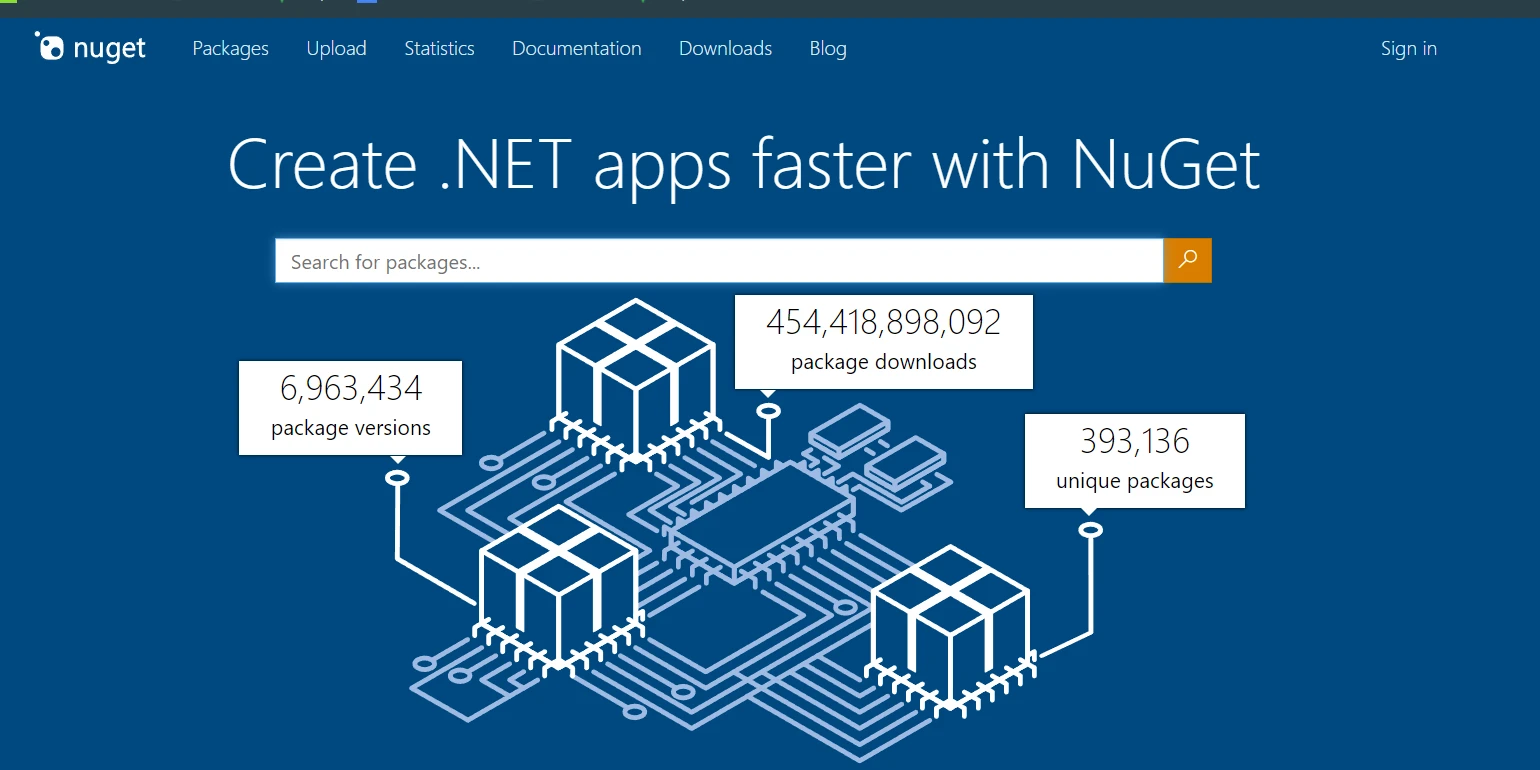
NuGet es el gestor de paquetes para .NET, que permite a los desarrolladores crear paquetes, compartir y consumir código de manera modular. Simplifica el proceso de incorporar bibliotecas de terceros en proyectos .NET, manejando todo desde la descarga e instalación de paquetes hasta la gestión de dependencias. El comando .NET NuGet, junto con otros versátiles comandos del CLI de .NET, es parte del CLI de .NET (Interfaz de Línea de Comandos), una herramienta poderosa que permite a los desarrolladores interactuar con los paquetes de NuGet directamente desde la línea de comandos.
### Creación de su primer paquete NuGet
Crear un paquete implica empaquetar tu código en un archivo `.nupkg`, que luego puede compartirse y consumirse fácilmente por otros proyectos a través de comandos de consumo de paquetes. Para comenzar, asegúrate de que tu proyecto esté organizado y que tu **archivo de proyecto** (`.csproj` para C#) esté actualizado. Aquí hay un proceso simple paso a paso usando el CLI:
1. Abre tu interfaz de línea de comandos.
2. Navega a tu directorio de proyecto.
3. Ejecuta el comando `dotnet pack`. Este comando compila tu proyecto y lo empaqueta en un archivo `.nupkg`.
¡Tu primer paquete NuGet ya está listo! El paquete incluye tu código compilado y un archivo **nuspec**, que contiene metadata sobre tu paquete como su versión, autor, dependencias, y más.
### Consumiendo paquetes NuGet en tus proyectos
Para usar un paquete en tu proyecto, necesitas instalarlo. El CLI hace que este proceso sea sencillo. Por ejemplo, para descargar un paquete llamado **ExamplePackage**, usarías el siguiente comando:
```shell
:InstallCmd dotnet add package ExamplePackage
```
Este comando actualiza tu archivo de proyecto para incluir **ExamplePackage** como una dependencia, y el CLI de .NET se encarga de descargar e instalar el paquete en tu proyecto.
### Gestionando Dependencias y Proyectos con la Interfaz de Línea de Comandos de .NET (.NET CLI)
El CLI no solo es para crear y consumir paquetes; es una herramienta versátil para gestionar tus proyectos .NET. Con él, puedes añadir, eliminar y actualizar paquetes en tus proyectos añadidos hace meses sin necesidad de editar archivos de proyecto manualmente o usar Visual Studio. Por ejemplo, para eliminar un paquete, utiliza:
```shell
:InstallCmd dotnet remove package ExamplePackage
```
Y para actualizar un paquete a la última versión:
```shell
:InstallCmd dotnet add package ExamplePackage --version latest
```
Estos comandos mejoran tu flujo de trabajo, haciendo que la gestión de dependencias sea más sencilla y menos propensa a errores.
### Aprovechar Visual Studio para la gestión de paquetes NuGet
Mientras que la línea de comandos ofrece capacidades poderosas, Visual Studio proporciona una interfaz más intuitiva para gestionar paquetes NuGet. Dentro de VS, puedes navegar, instalar y actualizar paquetes usando el Administrador de Paquetes NuGet. Esta interfaz gráfica es especialmente beneficiosa para desarrolladores que prefieren herramientas visuales sobre operaciones de comandos.
## IronPDF: Una puerta de acceso a la manipulación avanzada de PDF
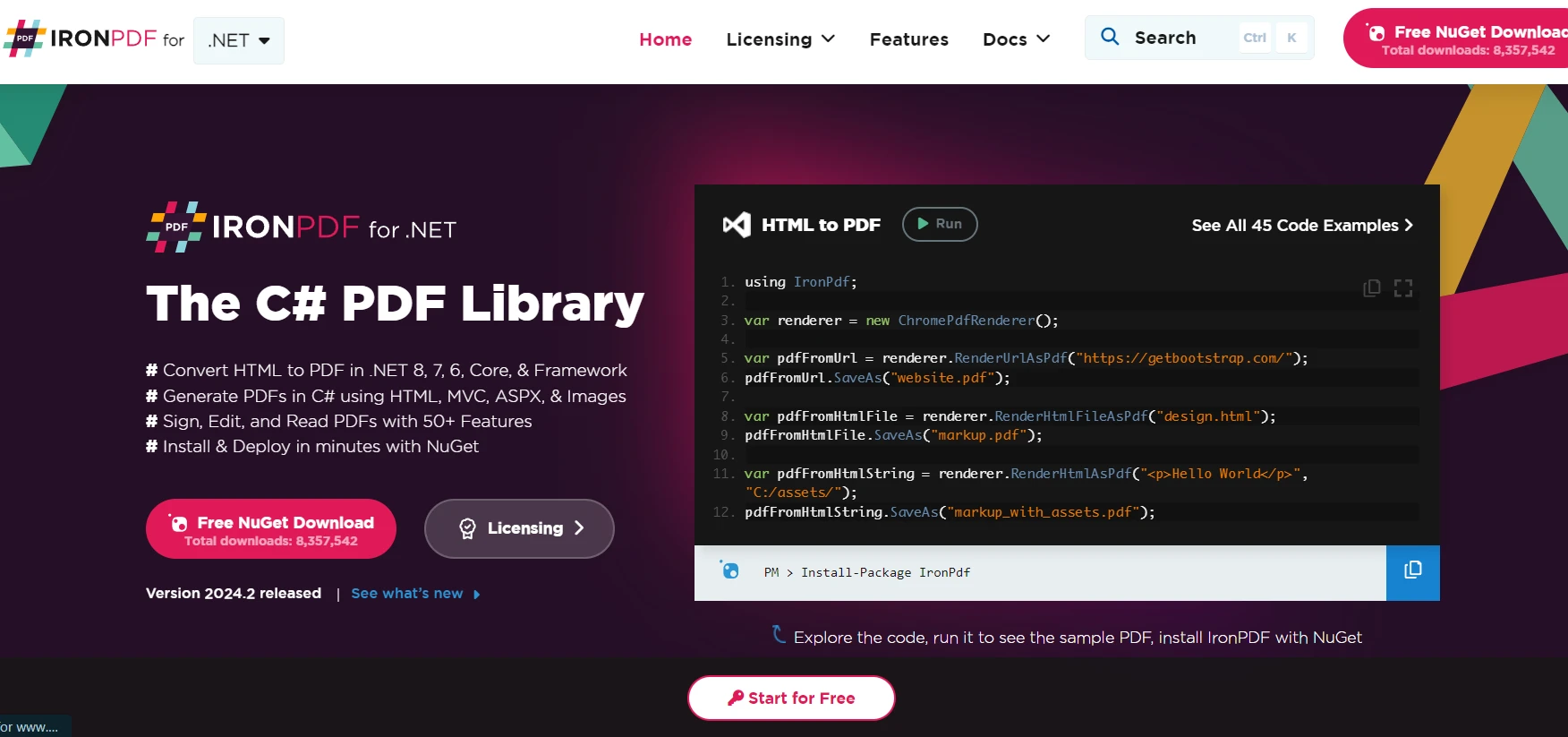
[Soluciones PDF for .NET con IronPDF](https://ironpdf.com) es una biblioteca robusta diseñada para desarrolladores .NET que requieren funcionalidades completas de PDF. Ya sea que estés generando informes, convirtiendo HTML a PDF, o manipulando documentos PDF existentes, IronPDF está listo para transformar las capacidades de tu proyecto. La belleza de IronPDF radica en su simplicidad y potencia, encapsulando operaciones PDF complejas en un código .NET sencillo.
### Introducción a IronPDF
Integrar IronPDF en tu proyecto .NET es muy sencillo, gracias a NuGet. Aquí te mostramos cómo puedes añadir IronPDF a tu proyecto usando la consola, entrelazando nuestra discusión con una aplicación práctica:
1. Abre la Consola del Administrador de Paquetes NuGet.
2. Ejecuta el siguiente comando para instalar el paquete IronPDF:
```shell
:ProductInstall
```
Este comando obtiene IronPDF del repositorio NuGet y lo integra en tu proyecto, listo para ser utilizado.
### Cómo crear su primer PDF con IronPDF
Una vez que IronPDF es parte de tu proyecto, estás listo para sumergirte en el mundo de la generación de PDF. He aquí un ejemplo simple que demuestra [crear un PDF a partir de contenido HTML con IronPDF](/examples/using-html-to-create-a-pdf/):
```csharp
using IronPdf;
class Program
{
    static void Main()
    {
        // Set the IronPDF license key here for licensed users
        IronPdf.License.LicenseKey = "License-Key";

        // Create a ChromePdfRenderer instance to render PDF
        var Renderer = new ChromePdfRenderer();

        // Render a PDF document from HTML content
        var PDF = Renderer.RenderHtmlAsPdf("<h1>Hello, IronPDF!</h1><p>Welcome to the easy PDF generation.</p>");

        // Save the PDF document to a file
        PDF.SaveAs(@"f:\Hello IronPDF.pdf");
    }
}
```
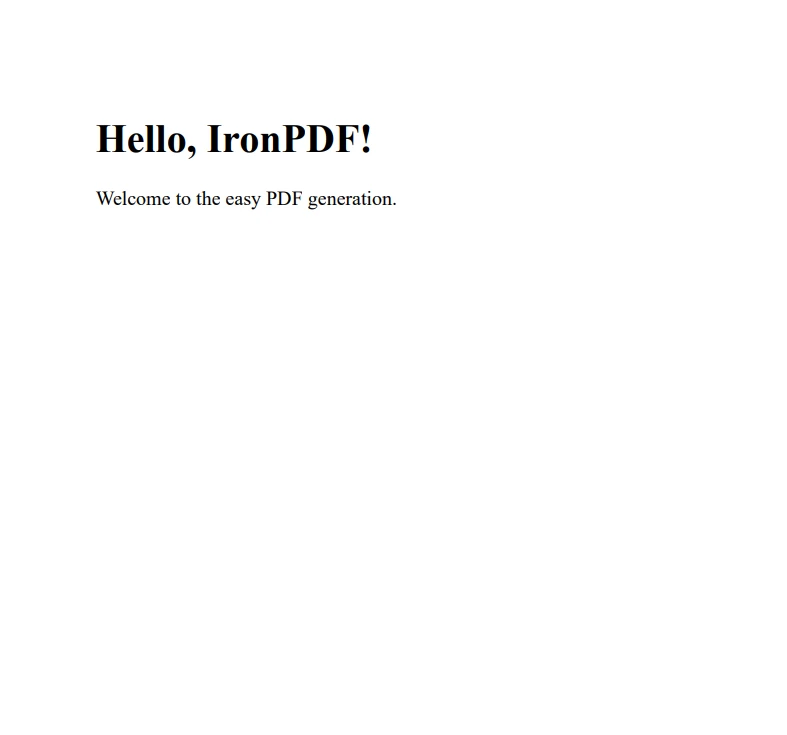
Este fragmento crea un documento PDF que contiene un encabezado y un párrafo, mostrando la simplicidad con la que IronPDF opera. El método **RenderHtmlAsPdf** convierte código HTML directamente en un archivo PDF, ilustrando solo una faceta de las capacidades de IronPDF.
### ¿Por qué IronPDF?
IronPDF destaca donde más importa: rendimiento, flexibilidad y facilidad de uso. Para desarrolladores .NET, abre un mundo de posibilidades para la creación y manipulación de PDFs, todo mientras mantiene la coherencia del proyecto y la gestión de dependencias a través de NuGet. IronPDF y NuGet juntos ejemplifican la sinergia entre bibliotecas poderosas y gestión eficiente de paquetes, mejorando la experiencia de desarrollo .NET.
## Conclusión
NuGet simplifica significativamente el proceso de incorporar bibliotecas externas en proyectos .NET, fomentando la reutilización de código y la modularidad. Al dominar la creación y gestión de paquetes NuGet a través de la CLI y Visual Studio, los desarrolladores pueden optimizar sus procesos de desarrollo, asegurando que sus proyectos se mantengan actualizados con las últimas bibliotecas y dependencias. [Prueba la Prueba Gratuita de IronPDF](trial-license) para que los desarrolladores exploren sus características completas antes de comprometerse. Para uso continuo, las opciones de licenciamiento comienzan en `$liteLicense`.
NuGet se sitúa en el núcleo del desarrollo moderno de .NET Core, actuando como una herramienta esencial para los desarrolladores que buscan crear, construir, compartir y consumir código útil en sus proyectos. Esta guía profundiza en los fundamentos de NuGet dentro del ecosistema .NET, centrándose especialmente en cómo los desarrolladores pueden aprovechar el CLI de .NET para gestionar y consumir paquetes de manera efectiva. Usando términos sencillos y ejemplos prácticos, este artículo tiene como objetivo proporcionar a los desarrolladores principiantes una comprensión completa de NuGet y cómo aprovecharlo en las aplicaciones .NET. También exploraremos la biblioteca IronPDF como una herramienta de manipulación de PDF para aplicaciones .NET.
¿Qué es .NET NuGet?
NuGet es el gestor de paquetes para .NET, que permite a los desarrolladores crear paquetes, compartir y consumir código de manera modular. Simplifica el proceso de incorporar bibliotecas de terceros en proyectos .NET, manejando todo desde la descarga e instalación de paquetes hasta la gestión de dependencias. El comando .NET NuGet, junto con otros versátiles comandos del CLI de .NET, es parte del CLI de .NET (Interfaz de Línea de Comandos), una herramienta poderosa que permite a los desarrolladores interactuar con los paquetes de NuGet directamente desde la línea de comandos.
Creación de su primer paquete NuGet
Crear un paquete implica empaquetar tu código en un archivo .nupkg, que luego puede compartirse y consumirse fácilmente por otros proyectos a través de comandos de consumo de paquetes. Para comenzar, asegúrate de que tu proyecto esté organizado y que tu archivo de proyecto (.csproj para C#) esté actualizado. Aquí hay un proceso simple paso a paso usando el CLI:
Abre tu interfaz de línea de comandos.
Navega a tu directorio de proyecto.
Ejecuta el comando dotnet pack. Este comando compila tu proyecto y lo empaqueta en un archivo .nupkg.
¡Tu primer paquete NuGet ya está listo! El paquete incluye tu código compilado y un archivo nuspec, que contiene metadata sobre tu paquete como su versión, autor, dependencias, y más.
Consumiendo paquetes NuGet en tus proyectos
Para usar un paquete en tu proyecto, necesitas instalarlo. El CLI hace que este proceso sea sencillo. Por ejemplo, para descargar un paquete llamado ExamplePackage, usarías el siguiente comando:
> dotnet add package ExamplePackage
dotnet add package ExamplePackage
Este comando actualiza tu archivo de proyecto para incluir ExamplePackage como una dependencia, y el CLI de .NET se encarga de descargar e instalar el paquete en tu proyecto.
Gestionando Dependencias y Proyectos con la Interfaz de Línea de Comandos de .NET (.NET CLI)
El CLI no solo es para crear y consumir paquetes; es una herramienta versátil para gestionar tus proyectos .NET. Con él, puedes añadir, eliminar y actualizar paquetes en tus proyectos añadidos hace meses sin necesidad de editar archivos de proyecto manualmente o usar Visual Studio. Por ejemplo, para eliminar un paquete, utiliza:
Estos comandos mejoran tu flujo de trabajo, haciendo que la gestión de dependencias sea más sencilla y menos propensa a errores.
Aprovechar Visual Studio para la gestión de paquetes NuGet
Mientras que la línea de comandos ofrece capacidades poderosas, Visual Studio proporciona una interfaz más intuitiva para gestionar paquetes NuGet. Dentro de VS, puedes navegar, instalar y actualizar paquetes usando el Administrador de Paquetes NuGet. Esta interfaz gráfica es especialmente beneficiosa para desarrolladores que prefieren herramientas visuales sobre operaciones de comandos.
IronPDF: Una puerta de acceso a la manipulación avanzada de PDF
Soluciones PDF for .NET con IronPDF es una biblioteca robusta diseñada para desarrolladores .NET que requieren funcionalidades completas de PDF. Ya sea que estés generando informes, convirtiendo HTML a PDF, o manipulando documentos PDF existentes, IronPDF está listo para transformar las capacidades de tu proyecto. La belleza de IronPDF radica en su simplicidad y potencia, encapsulando operaciones PDF complejas en un código .NET sencillo.
Introducción a IronPDF
Integrar IronPDF en tu proyecto .NET es muy sencillo, gracias a NuGet. Aquí te mostramos cómo puedes añadir IronPDF a tu proyecto usando la consola, entrelazando nuestra discusión con una aplicación práctica:
Abre la Consola del Administrador de Paquetes NuGet.
Ejecuta el siguiente comando para instalar el paquete IronPDF:
PM > Install-Package IronPdf
Install-Package IronPdf
Este comando obtiene IronPDF del repositorio NuGet y lo integra en tu proyecto, listo para ser utilizado.
using IronPdf;class Program{ static voidMain() { // Set the IronPDF license key here for licensed usersIronPdf.License.LicenseKey = "License-Key"; // Create a ChromePdfRenderer instance to render PDF varRenderer = new ChromePdfRenderer(); // Render a PDF document from HTML content varPDF = Renderer.RenderHtmlAsPdf("<h1>Hello, IronPDF!</h1><p>Welcome to the easy PDF generation.</p>"); // Save the PDF document to a filePDF.SaveAs(@"f:\Hello IronPDF.pdf"); }}
using IronPdf;
class Program
{
    static void Main()
    {
        // Set the IronPDF license key here for licensed users
        IronPdf.License.LicenseKey = "License-Key";

        // Create a ChromePdfRenderer instance to render PDF
        var Renderer = new ChromePdfRenderer();

        // Render a PDF document from HTML content
        var PDF = Renderer.RenderHtmlAsPdf("<h1>Hello, IronPDF!</h1><p>Welcome to the easy PDF generation.</p>");

        // Save the PDF document to a file
        PDF.SaveAs(@"f:\Hello IronPDF.pdf");
    }
}
C#
Este fragmento crea un documento PDF que contiene un encabezado y un párrafo, mostrando la simplicidad con la que IronPDF opera. El método RenderHtmlAsPdf convierte código HTML directamente en un archivo PDF, ilustrando solo una faceta de las capacidades de IronPDF.
¿Por qué IronPDF?
IronPDF destaca donde más importa: rendimiento, flexibilidad y facilidad de uso. Para desarrolladores .NET, abre un mundo de posibilidades para la creación y manipulación de PDFs, todo mientras mantiene la coherencia del proyecto y la gestión de dependencias a través de NuGet. IronPDF y NuGet juntos ejemplifican la sinergia entre bibliotecas poderosas y gestión eficiente de paquetes, mejorando la experiencia de desarrollo .NET.
Conclusión
NuGet simplifica significativamente el proceso de incorporar bibliotecas externas en proyectos .NET, fomentando la reutilización de código y la modularidad. Al dominar la creación y gestión de paquetes NuGet a través de la CLI y Visual Studio, los desarrolladores pueden optimizar sus procesos de desarrollo, asegurando que sus proyectos se mantengan actualizados con las últimas bibliotecas y dependencias. Prueba la Prueba Gratuita de IronPDF para que los desarrolladores exploren sus características completas antes de comprometerse. Para uso continuo, las opciones de licenciamiento comienzan en $999.
Jacob Mellor es Director de Tecnología de Iron Software y un ingeniero visionario pionero en la tecnología C# PDF. Como desarrollador original de la base de código principal de Iron Software, ha dado forma a la arquitectura de productos de la empresa desde su creación, transformándola, junto con el director ejecutivo Cameron Rimington, en una empresa de más de 50 personas que presta servicios a la NASA, Tesla y organismos gubernamentales de todo el mundo.