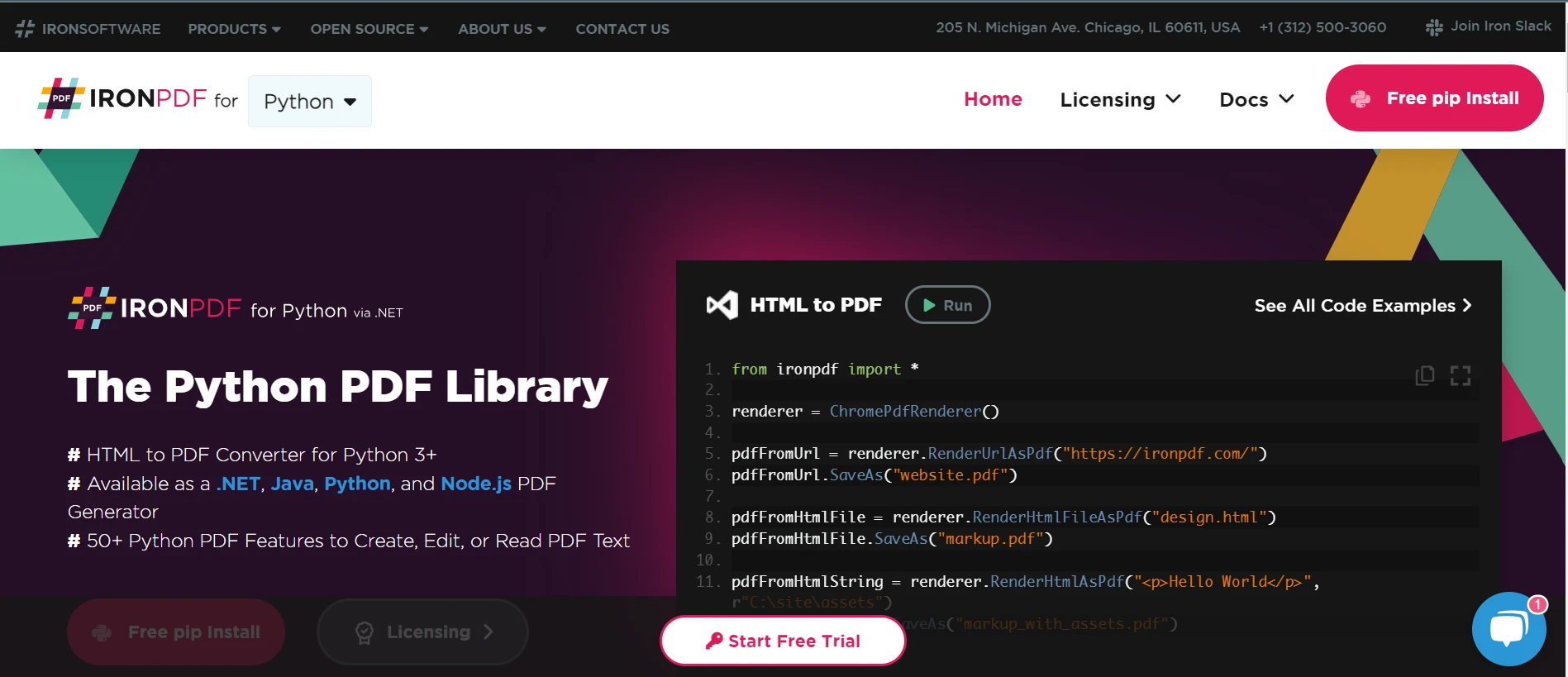
from ironpdf import *

# Instantiate Renderer
renderer = ChromePdfRenderer()

# Create a PDF from a HTML string using Python
pdf = renderer.RenderHtmlAsPdf("<h1>Hello World</h1>")

# Export to a file or Stream
pdf.SaveAs("output.pdf")

# Advanced Example with HTML Assets
# Load external html assets: Images, CSS and JavaScript.
# An optional BasePath 'C:\site\assets\' is set as the file location to load assets from
myAdvancedPdf = renderer.RenderHtmlAsPdf("<img src='icons/iron.png'>", r"C:\site\assets")
myAdvancedPdf.SaveAs("html-with-assets.pdf")
from ironpdf import *# Instantiate Rendererrenderer = ChromePdfRenderer()# Create a PDF from a HTML string using Pythonpdf = renderer.RenderHtmlAsPdf("<h1>Hello World</h1>")# Export to a file or Streampdf.SaveAs("output.pdf")# Advanced Example with HTML Assets# Load external html assets: Images, CSS and JavaScript.# An optional BasePath 'C:\site\assets\' is set as the file location to load assets frommyAdvancedPdf = renderer.RenderHtmlAsPdf("<img src='icons/iron.png'>", r"C:\site\assets")myAdvancedPdf.SaveAs("html-with-assets.pdf")
Este artículo va a utilizar IronPDF for Python para hacer un [creador de PDF](https://realpython.com/creating-modifying-pdf/) que ayuda a crear un archivo PDF e incrustar imágenes.
## Cómo crear un archivo PDF con Python
1. Crear un nuevo proyecto en PyCharm.
2. Instalar la biblioteca de IronPDF for Python para crear archivos PDF con múltiples páginas.
3. Importar la biblioteca IronPDF en el código.
4. Utilice un método como `RenderUrlAsPdf`, `RenderHtmlAsPdf` o `RenderHtmlFileAsPdf` para crear archivos PDF.
5. Para guardar el archivo PDF en el directorio local, utilice `SaveAs`.
## IronPDF
Python es un lenguaje de programación que ayuda a los desarrolladores a diseñar interfaces de usuario gráficas con imágenes JPEG de forma rápida y fácil. Ofrece a los programadores mayor dinamismo que otros lenguajes. Por esta razón, integrar la biblioteca IronPDF con Python es un proceso sencillo que ayuda a crear PDFs.
Los desarrolladores pueden diseñar rápida y seguramente una interfaz gráfica de usuario totalmente funcional utilizando varias herramientas preinstaladas, incluidas PyQt, wxWidgets, Kivy y una infinidad de otros paquetes y bibliotecas. Recuerda que IronPDF no es solo una biblioteca de PDF de Python; en su lugar, te permite integrar características de otros frameworks, como .NET Core.
IronPDF hace que el diseño y desarrollo web en Python sea más fácil, en parte debido al uso generalizado de paradigmas de desarrollo web en Python como Django, Flask y Pyramid. Varios sitios web populares y servicios en línea, como Reddit, Mozilla y Spotify, emplean estos frameworks. Se encuentra más información sobre Python en el proyecto en la [página de IronPDF for Python](/python/).
### Características de IronPDF
- ASPX, HTML, HTML5 y Razor/MVC View se encuentran entre los formatos de los cuales IronPDF puede generar archivos PDF. Puede convertir imágenes y [páginas HTML a archivos PDF](/python/tutorials/html-to-pdf/).
- Con el kit de herramientas de IronPDF, puedes convertir archivos PDF, trabajar con [formularios interactivos](/python/examples/form-data/), [extraer texto e imágenes](/python/blog/using-ironpdf-for-python/extract-data-from-pdf-python-tutorial/), buscar texto dentro de archivos PDF, [rasterizar PDFs a imágenes](/python/examples/rasterize-a-pdf-to-images/), alterar tamaños de fuente y construir PDFs interactivos.
- IronPDF permite encabezados HTTP, proxies, cookies, agentes de usuario y variables de forma; también [simplifica la validación de formularios de inicio de sesión en HTML](/python/examples/ironpdf-website-and-system-logins/).
- [Acceso a documentos protegidos](/python/examples/security-and-metadata/) en IronPDF se concede a usuarios con nombres de usuario y contraseñas.
- IronPDF utiliza solo unas pocas líneas de código para crear archivos PDF y [permite la impresión](/python/how-to/python-print-pdf/) desde una amplia gama de fuentes, como cadenas, flujos, URLs y más.
Para leer más sobre cómo crear un PDF, visita las [páginas de documentación de IronPDF](/python/docs/).
## Configuración de Python
### Configuración del entorno
Asegúrate de que tu máquina esté configurada para Python. Procede al [sitio web oficial de instalación de Python](https://www.python.org/downloads/) para descargar e instalar la versión más reciente de Python que funcione con tu sistema operativo. Instala Python primero. Luego, crea un entorno virtual para dividir los requisitos de tu proyecto. Utilice el módulo `venv` para crear y gestionar entornos virtuales, proporcionando a su proyecto de conversión un espacio de trabajo ordenado e independiente.
### Nuevo proyecto en PyCharm
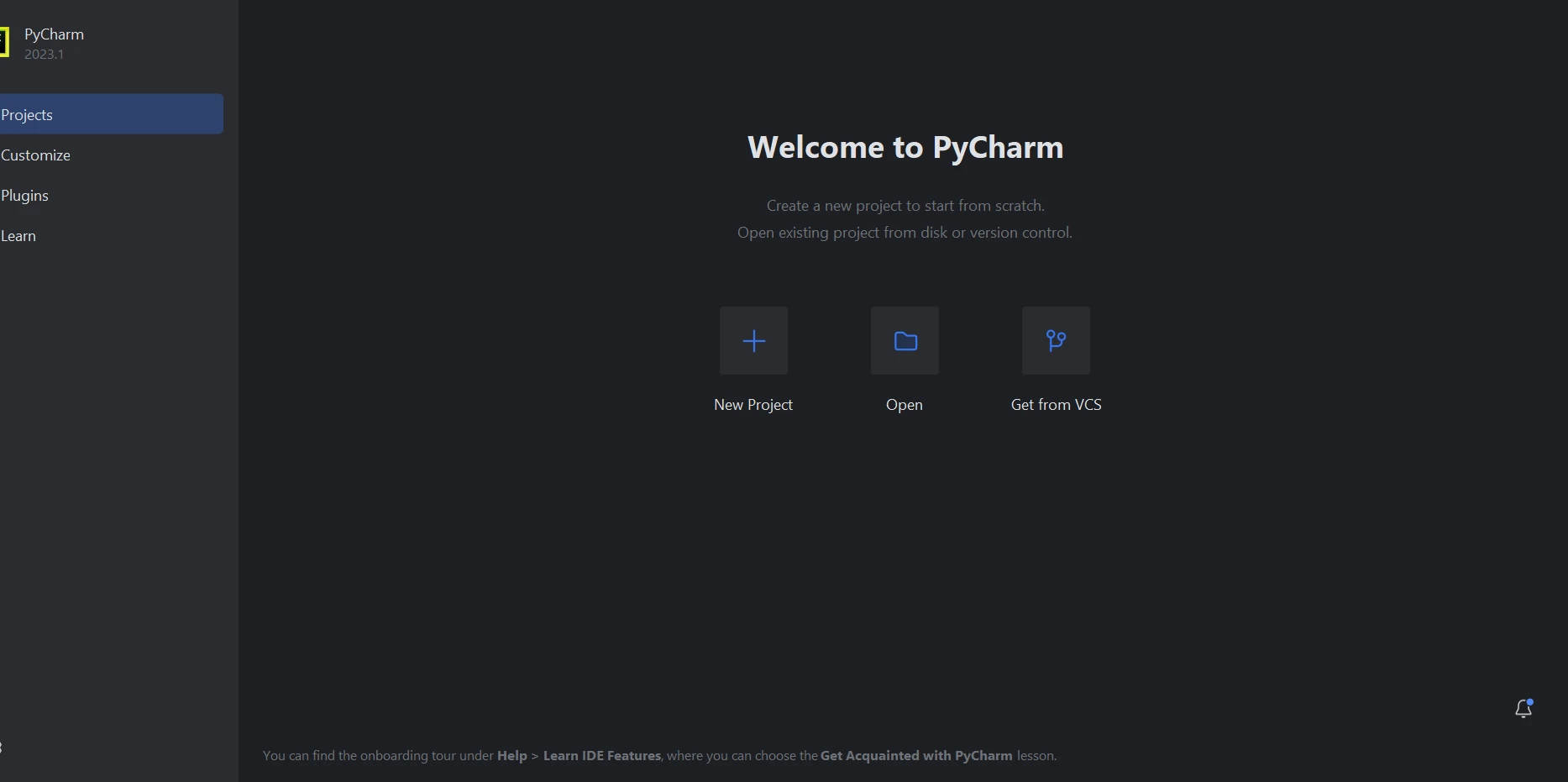
PyCharm, un IDE para escribir código Python, se utilizará en esta charla.
Selecciona 'Nuevo Proyecto' después de iniciar el IDE PyCharm.
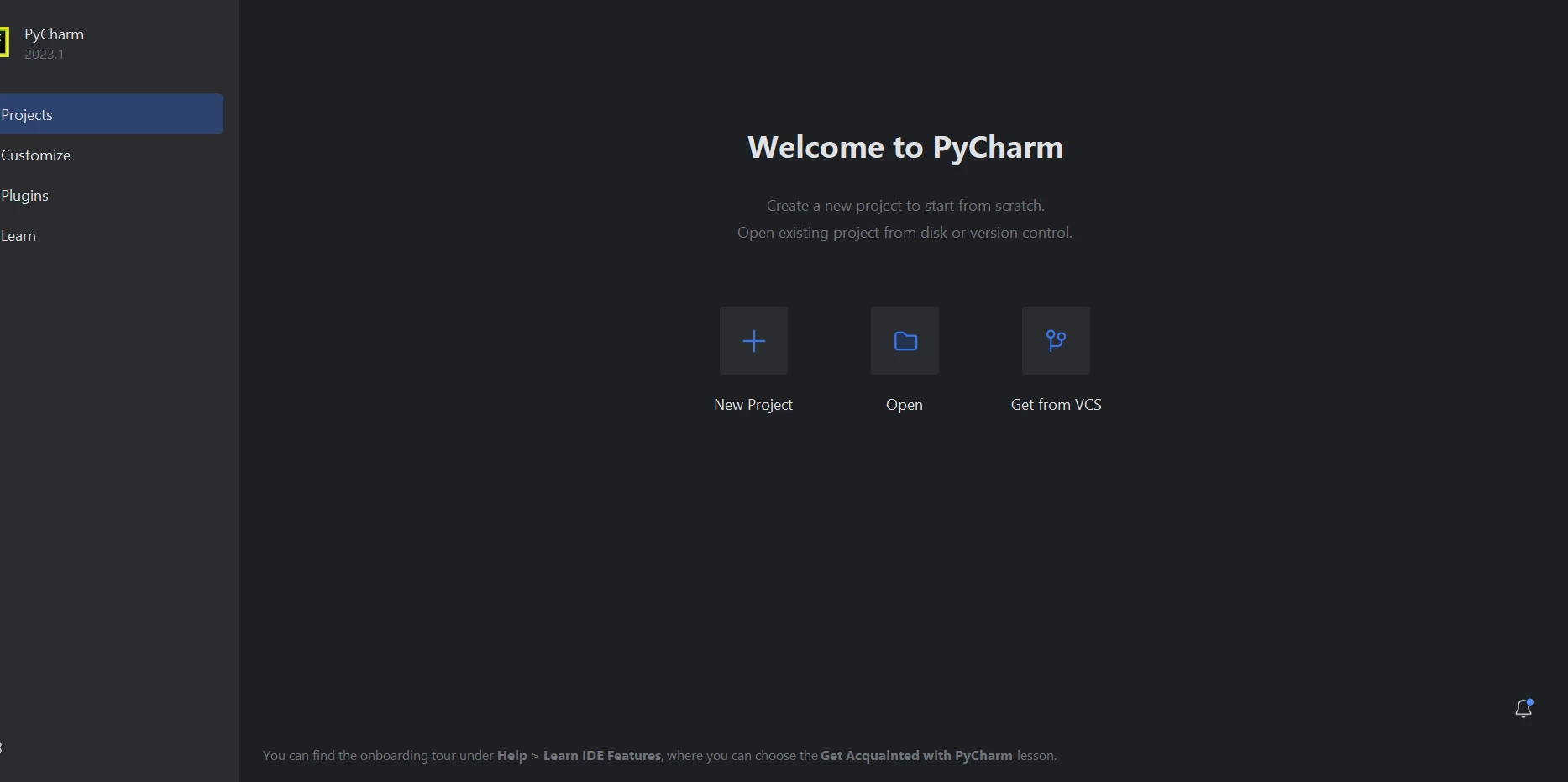
**PyCharm**
Seleccionar 'Nuevo Proyecto', lo que abre una nueva ventana, te permite especificar la ubicación y el entorno del proyecto. Esta nueva ventana se muestra en la instantánea que sigue.
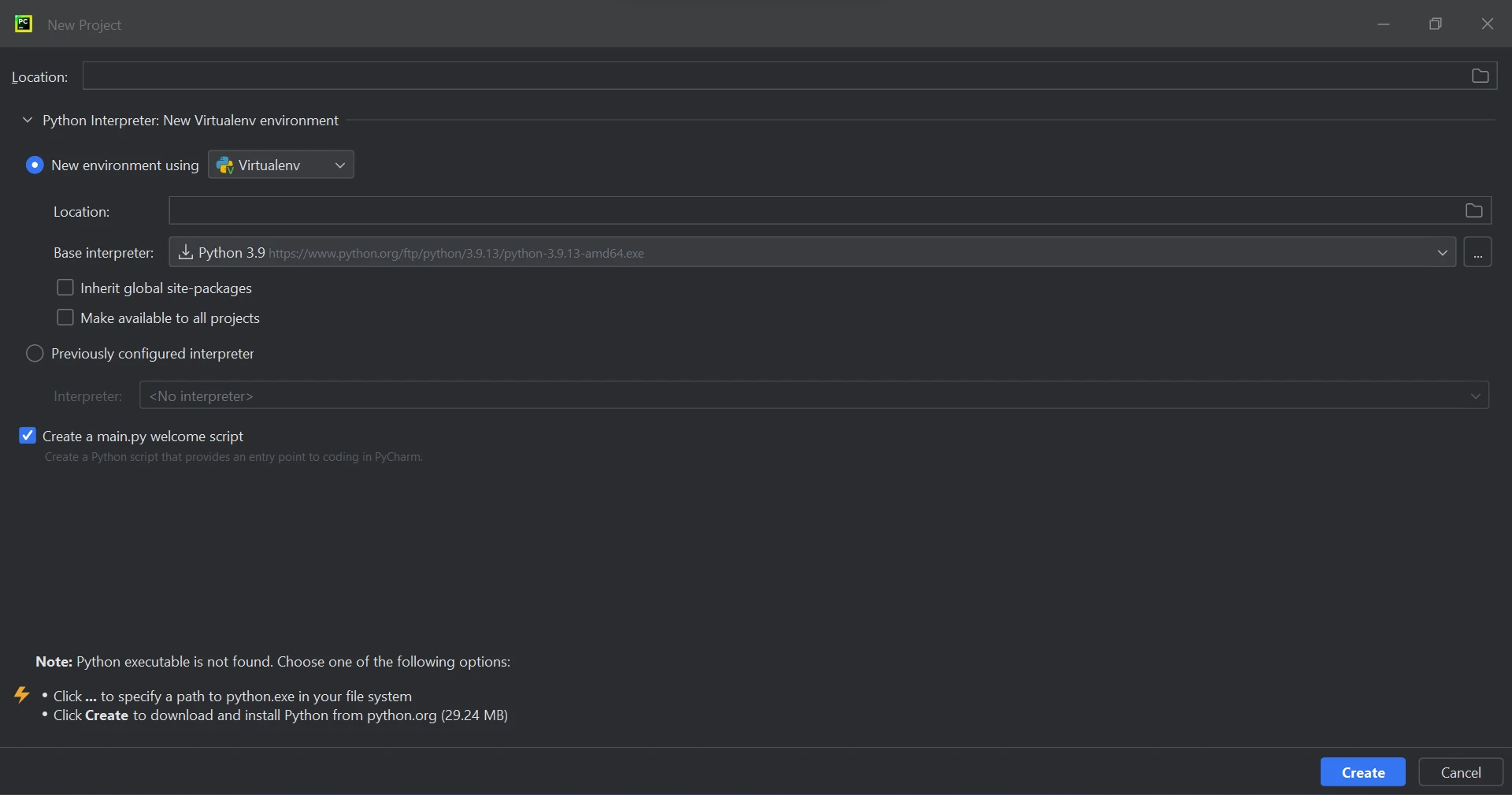
**Nuevo Proyecto**
Haz clic en 'Crear' para iniciar un nuevo proyecto después de elegir la ubicación del proyecto y la ruta del entorno. Esto abrirá una ventana de creación de aplicaciones en una nueva pestaña. Este artículo va a utilizar Python 3.9 para este curso.

**Main.py**
### Requisitos de la biblioteca IronPDF
IronPDF, una biblioteca de Python, hace uso principalmente de .NET 6.0. Por lo tanto, IronPDF for Python requiere que el runtime de .NET 6.0 esté instalado en tu máquina. Antes de usar este módulo de Python, los usuarios de Linux y Mac pueden necesitar instalar .NET. El entorno de ejecución necesario se puede encontrar en el [sitio web de Microsoft .NET](https://dotnet.microsoft.com/en-us/download/dotnet/6.0).
### Configuración de la biblioteca IronPDF
Es necesario instalar el paquete 'IronPDF' para crear, editar y abrir archivos que terminen en '.pdf'. Para instalar el paquete, abre una ventana de terminal en PyCharm y escribe el siguiente comando:
```shell
:ProductInstall
```
La configuración del paquete 'IronPDF' se puede ver en la captura de pantalla debajo.

**Instalar IronPDF**
### Crear PDF con IronPDF
Hay múltiples enfoques para crear un archivo PDF usando IronPDF:
1. Creación de archivos PDF mediante una URL.
2. Convierte una cadena de HTML en un PDF.
3. Usa un archivo HTML para escribir un PDF.
En los tres métodos se utiliza la línea de importación `from ironpdf import *`. Al importar la biblioteca de IronPDF, puedes usar sus características en tu código.
```python
from ironpdf import ChromePdfRenderer
```
### Creación de archivos PDF mediante una URL
Para hacer rápida y simplemente un documento PDF, crea un archivo HTML desde una URL y usa IronPDF para convertirlo en formato PDF. El contenido HTML se puede descargar y recuperar usando un navegador Chrome integrado con IronPDF. Usa el siguiente código para hacer archivos PDF automáticamente:
```python
# Create an instance of the ChromePdfRenderer
renderer = ChromePdfRenderer()

# Render the URL to a PDF file and save it to the specified path
renderer.RenderUrlAsPdf("https://www.google.co.in/").SaveAs("sample.pdf")
```
Usando el método anterior, puedes convertir una URL en un documento y crear un archivo PDF. El archivo PDF creado se puede guardar en una ubicación especificada. - A continuación, el resultado del código anterior.
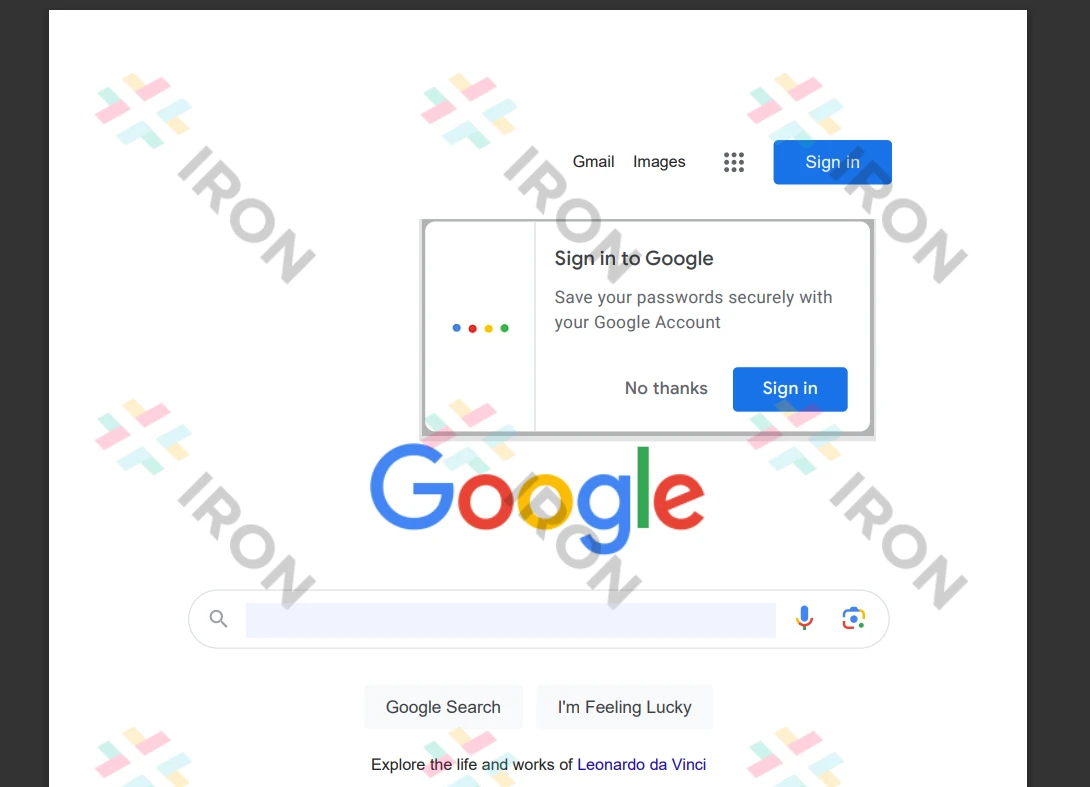
**Imagen PDF**
### Convertir una cadena de HTML en un PDF
Con IronPDF, las cadenas de HTML pueden convertirse en documentos PDF. El código proporcionado a continuación muestra un ejemplo de cómo convertir una cadena de HTML en un documento. Muestra las posibles conversiones de cada elemento HTML a un archivo PDF.
```python
from ironpdf import ChromePdfRenderer
# Create an instance of the ChromePdfRenderer
renderer = ChromePdfRenderer()
# Render an HTML string to a PDF and save it to the specified path
renderer.RenderHtmlAsPdf("<h1>Hello world!!</h1>").SaveAs("sample.pdf")
```
El código de ejemplo proporcionado muestra cómo utilizar la función `RenderHtmlAsPdf` para traducir HTML. Permite que cualquier número de páginas HTML se convierta en documentos PDF. Los archivos PDF creados pueden, si se desea, guardarse en una ubicación específica utilizando la función `SaveAs`.
### Utilizar un archivo HTML para escribir un PDF
IronPDF se puede usar para convertir archivos HTML a archivos PDF. Podemos ver cómo producir documentos con IronPDF observando el siguiente código HTML de muestra. Con IronPDF, también puedes generar archivos PDF desde cualquier elemento HTML. Los archivos PDF también se pueden crear con una cadena HTML.
```python
# Render an HTML file to a PDF and save it to the specified location
renderer.RenderHtmlFileAsPdf("demo.html").SaveAs("sample.pdf")
```
Como se muestra en el ejemplo adjunto, un archivo HTML se puede convertir utilizando el método `RenderHtmlFileAsPdf`. Permite que las diversas páginas HTML en el archivo se traduzcan a una representación en cadena. Con el código anterior, crear un archivo PDF y guardarlo en la ubicación apropiada es fácil.
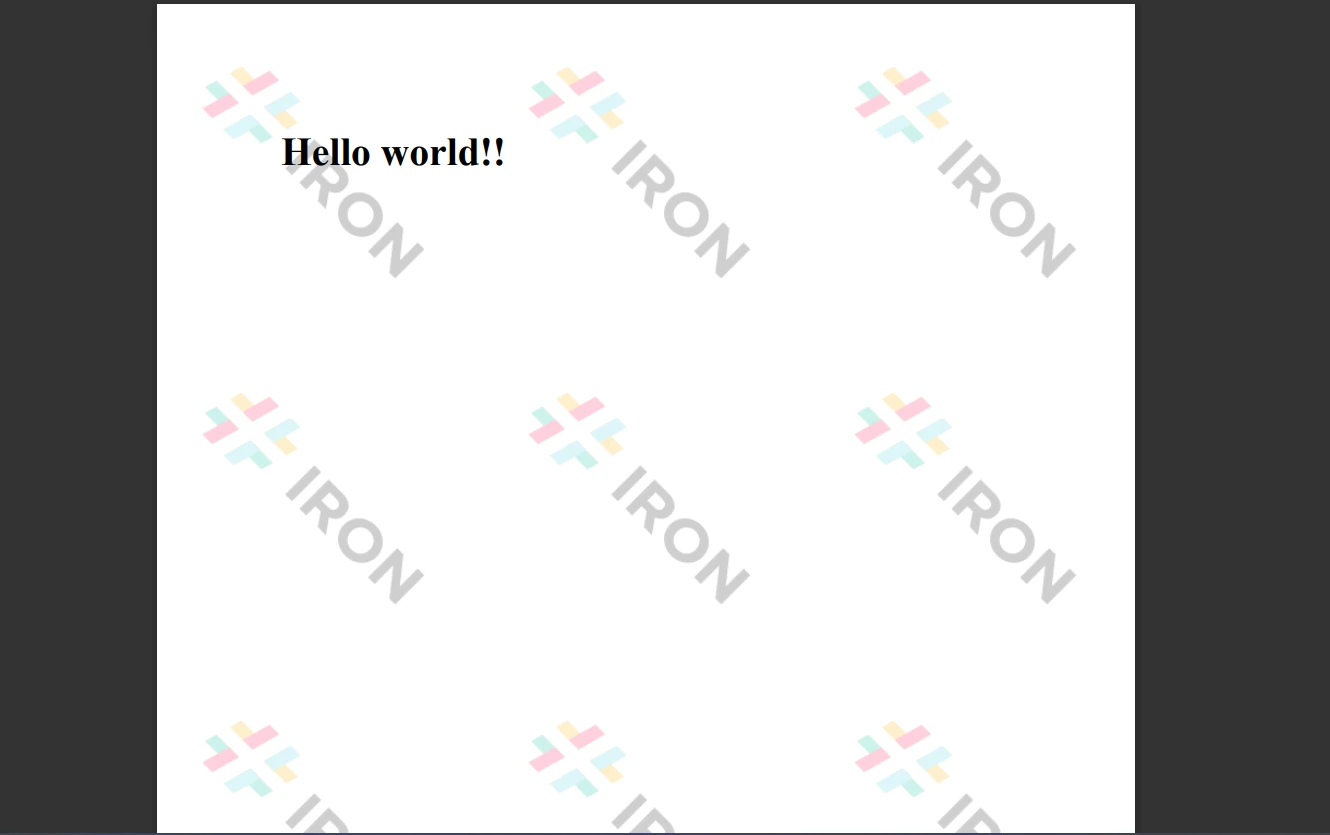
**Archivo de Salida**
Los archivos protegidos con contraseña pueden ser usados por la biblioteca para crear un archivo PDF cifrado. Para aprender más y obtener más detalles, por favor visita el tutorial de IronPDF, que se puede encontrar en esta [guía práctica](/python/how-to/python-create-pdf/).
### Conclusión
IronPDF proporciona mecanismos de seguridad fuertes para reducir amenazas y garantizar la protección de datos. Este programa funciona con todos los navegadores utilizados ampliamente y es de código abierto. IronPDF facilita a los programadores crear y leer archivos PDF con unas pocas líneas de código. Para adaptarse a las diversas necesidades de los desarrolladores, la biblioteca IronPDF ofrece varias opciones de licencia, incluyendo una licencia de desarrollador gratuita y varias licencias de desarrollo descargables.
El paquete `$liteLicense` Lite ofrece opciones de actualización, además de una licencia permanente, un año de asistencia técnica y una garantía de devolución del dinero de 30 días. Después de la primera compra, no se incurren en más costos. Estas licencias se utilizan en entornos de desarrollo, pruebas y producción. IronPDF ofrece licencias gratuitas con limitaciones de tiempo y redistribución. Durante el período de prueba, los usuarios pueden evaluar la solución en circunstancias del mundo real sin una marca de agua. Por favor, consulta la [página de licencias de IronPDF](licensing) para más detalles sobre el precio y licenciamiento de la versión de prueba. Para saber sobre otros productos ofrecidos por Iron Software revisa el [sitio web de Iron Software](https://ironsoftware.com/).
Este artículo va a utilizar IronPDF for Python para hacer un creador de PDF que ayuda a crear un archivo PDF e incrustar imágenes.
Cómo crear un archivo PDF con Python
Crear un nuevo proyecto en PyCharm.
Instalar la biblioteca de IronPDF for Python para crear archivos PDF con múltiples páginas.
Importar la biblioteca IronPDF en el código.
Utilice un método como RenderUrlAsPdf, RenderHtmlAsPdf o RenderHtmlFileAsPdf para crear archivos PDF.
Para guardar el archivo PDF en el directorio local, utilice SaveAs.
IronPDF
Python es un lenguaje de programación que ayuda a los desarrolladores a diseñar interfaces de usuario gráficas con imágenes JPEG de forma rápida y fácil. Ofrece a los programadores mayor dinamismo que otros lenguajes. Por esta razón, integrar la biblioteca IronPDF con Python es un proceso sencillo que ayuda a crear PDFs.
Los desarrolladores pueden diseñar rápida y seguramente una interfaz gráfica de usuario totalmente funcional utilizando varias herramientas preinstaladas, incluidas PyQt, wxWidgets, Kivy y una infinidad de otros paquetes y bibliotecas. Recuerda que IronPDF no es solo una biblioteca de PDF de Python; en su lugar, te permite integrar características de otros frameworks, como .NET Core.
IronPDF hace que el diseño y desarrollo web en Python sea más fácil, en parte debido al uso generalizado de paradigmas de desarrollo web en Python como Django, Flask y Pyramid. Varios sitios web populares y servicios en línea, como Reddit, Mozilla y Spotify, emplean estos frameworks. Se encuentra más información sobre Python en el proyecto en la página de IronPDF for Python.
Características de IronPDF
ASPX, HTML, HTML5 y Razor/MVC View se encuentran entre los formatos de los cuales IronPDF puede generar archivos PDF. Puede convertir imágenes y páginas HTML a archivos PDF.
IronPDF utiliza solo unas pocas líneas de código para crear archivos PDF y permite la impresión desde una amplia gama de fuentes, como cadenas, flujos, URLs y más.
Asegúrate de que tu máquina esté configurada para Python. Procede al sitio web oficial de instalación de Python para descargar e instalar la versión más reciente de Python que funcione con tu sistema operativo. Instala Python primero. Luego, crea un entorno virtual para dividir los requisitos de tu proyecto. Utilice el módulo venv para crear y gestionar entornos virtuales, proporcionando a su proyecto de conversión un espacio de trabajo ordenado e independiente.
Nuevo proyecto en PyCharm
PyCharm, un IDE para escribir código Python, se utilizará en esta charla.
Selecciona 'Nuevo Proyecto' después de iniciar el IDE PyCharm.
PyCharm
Seleccionar 'Nuevo Proyecto', lo que abre una nueva ventana, te permite especificar la ubicación y el entorno del proyecto. Esta nueva ventana se muestra en la instantánea que sigue.
Nuevo Proyecto
Haz clic en 'Crear' para iniciar un nuevo proyecto después de elegir la ubicación del proyecto y la ruta del entorno. Esto abrirá una ventana de creación de aplicaciones en una nueva pestaña. Este artículo va a utilizar Python 3.9 para este curso.
Main.py
Requisitos de la biblioteca IronPDF
IronPDF, una biblioteca de Python, hace uso principalmente de .NET 6.0. Por lo tanto, IronPDF for Python requiere que el runtime de .NET 6.0 esté instalado en tu máquina. Antes de usar este módulo de Python, los usuarios de Linux y Mac pueden necesitar instalar .NET. El entorno de ejecución necesario se puede encontrar en el sitio web de Microsoft .NET.
Configuración de la biblioteca IronPDF
Es necesario instalar el paquete 'IronPDF' para crear, editar y abrir archivos que terminen en '.pdf'. Para instalar el paquete, abre una ventana de terminal en PyCharm y escribe el siguiente comando:
> pip install ironpdf
pip install ironpdf
La configuración del paquete 'IronPDF' se puede ver en la captura de pantalla debajo.
Instalar IronPDF
Crear PDF con IronPDF
Hay múltiples enfoques para crear un archivo PDF usando IronPDF:
Creación de archivos PDF mediante una URL.
Convierte una cadena de HTML en un PDF.
Usa un archivo HTML para escribir un PDF.
En los tres métodos se utiliza la línea de importación from ironpdf import *. Al importar la biblioteca de IronPDF, puedes usar sus características en tu código.
from ironpdf importChromePdfRenderer
from ironpdf import ChromePdfRenderer
Python
Creación de archivos PDF mediante una URL
Para hacer rápida y simplemente un documento PDF, crea un archivo HTML desde una URL y usa IronPDF para convertirlo en formato PDF. El contenido HTML se puede descargar y recuperar usando un navegador Chrome integrado con IronPDF. Usa el siguiente código para hacer archivos PDF automáticamente:
# Create an instance of the ChromePdfRendererrenderer = ChromePdfRenderer()# Render the URL to a PDF file and save it to the specified pathrenderer.RenderUrlAsPdf("https://www.google.co.in/").SaveAs("sample.pdf")
# Create an instance of the ChromePdfRenderer
renderer = ChromePdfRenderer()

# Render the URL to a PDF file and save it to the specified path
renderer.RenderUrlAsPdf("https://www.google.co.in/").SaveAs("sample.pdf")
Python
Usando el método anterior, puedes convertir una URL en un documento y crear un archivo PDF. El archivo PDF creado se puede guardar en una ubicación especificada. - A continuación, el resultado del código anterior.
Imagen PDF
Convertir una cadena de HTML en un PDF
Con IronPDF, las cadenas de HTML pueden convertirse en documentos PDF. El código proporcionado a continuación muestra un ejemplo de cómo convertir una cadena de HTML en un documento. Muestra las posibles conversiones de cada elemento HTML a un archivo PDF.
from ironpdf importChromePdfRenderer# Create an instance of the ChromePdfRendererrenderer = ChromePdfRenderer()# Render an HTML string to a PDF and save it to the specified pathrenderer.RenderHtmlAsPdf("<h1>Hello world!!</h1>").SaveAs("sample.pdf")
from ironpdf import ChromePdfRenderer

# Create an instance of the ChromePdfRenderer
renderer = ChromePdfRenderer()

# Render an HTML string to a PDF and save it to the specified path
renderer.RenderHtmlAsPdf("<h1>Hello world!!</h1>").SaveAs("sample.pdf")
Python
El código de ejemplo proporcionado muestra cómo utilizar la función RenderHtmlAsPdf para traducir HTML. Permite que cualquier número de páginas HTML se convierta en documentos PDF. Los archivos PDF creados pueden, si se desea, guardarse en una ubicación específica utilizando la función SaveAs.
Utilizar un archivo HTML para escribir un PDF
IronPDF se puede usar para convertir archivos HTML a archivos PDF. Podemos ver cómo producir documentos con IronPDF observando el siguiente código HTML de muestra. Con IronPDF, también puedes generar archivos PDF desde cualquier elemento HTML. Los archivos PDF también se pueden crear con una cadena HTML.
# Render an HTML file to a PDF and save it to the specified locationrenderer.RenderHtmlFileAsPdf("demo.html").SaveAs("sample.pdf")
# Render an HTML file to a PDF and save it to the specified location
renderer.RenderHtmlFileAsPdf("demo.html").SaveAs("sample.pdf")
Python
Como se muestra en el ejemplo adjunto, un archivo HTML se puede convertir utilizando el método RenderHtmlFileAsPdf. Permite que las diversas páginas HTML en el archivo se traduzcan a una representación en cadena. Con el código anterior, crear un archivo PDF y guardarlo en la ubicación apropiada es fácil.
Archivo de Salida
Los archivos protegidos con contraseña pueden ser usados por la biblioteca para crear un archivo PDF cifrado. Para aprender más y obtener más detalles, por favor visita el tutorial de IronPDF, que se puede encontrar en esta guía práctica.
Conclusión
IronPDF proporciona mecanismos de seguridad fuertes para reducir amenazas y garantizar la protección de datos. Este programa funciona con todos los navegadores utilizados ampliamente y es de código abierto. IronPDF facilita a los programadores crear y leer archivos PDF con unas pocas líneas de código. Para adaptarse a las diversas necesidades de los desarrolladores, la biblioteca IronPDF ofrece varias opciones de licencia, incluyendo una licencia de desarrollador gratuita y varias licencias de desarrollo descargables.
El paquete $999 Lite ofrece opciones de actualización, además de una licencia permanente, un año de asistencia técnica y una garantía de devolución del dinero de 30 días. Después de la primera compra, no se incurren en más costos. Estas licencias se utilizan en entornos de desarrollo, pruebas y producción. IronPDF ofrece licencias gratuitas con limitaciones de tiempo y redistribución. Durante el período de prueba, los usuarios pueden evaluar la solución en circunstancias del mundo real sin una marca de agua. Por favor, consulta la página de licencias de IronPDF para más detalles sobre el precio y licenciamiento de la versión de prueba. Para saber sobre otros productos ofrecidos por Iron Software revisa el sitio web de Iron Software.
Curtis Chau tiene una licenciatura en Ciencias de la Computación (Carleton University) y se especializa en el desarrollo front-end con experiencia en Node.js, TypeScript, JavaScript y React. Apasionado por crear interfaces de usuario intuitivas y estéticamente agradables, disfruta trabajando con frameworks modernos y creando manuales bien estructurados y visualmente atractivos.




 PyCharm
 Nuevo Proyecto
 Main.py
 Instalar IronPDF
 Imagen PDF
 Archivo de Salida