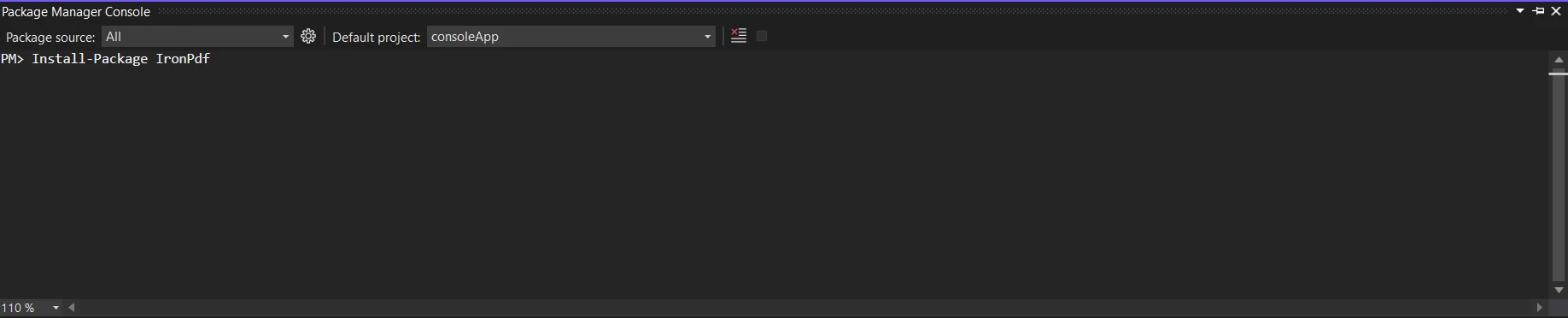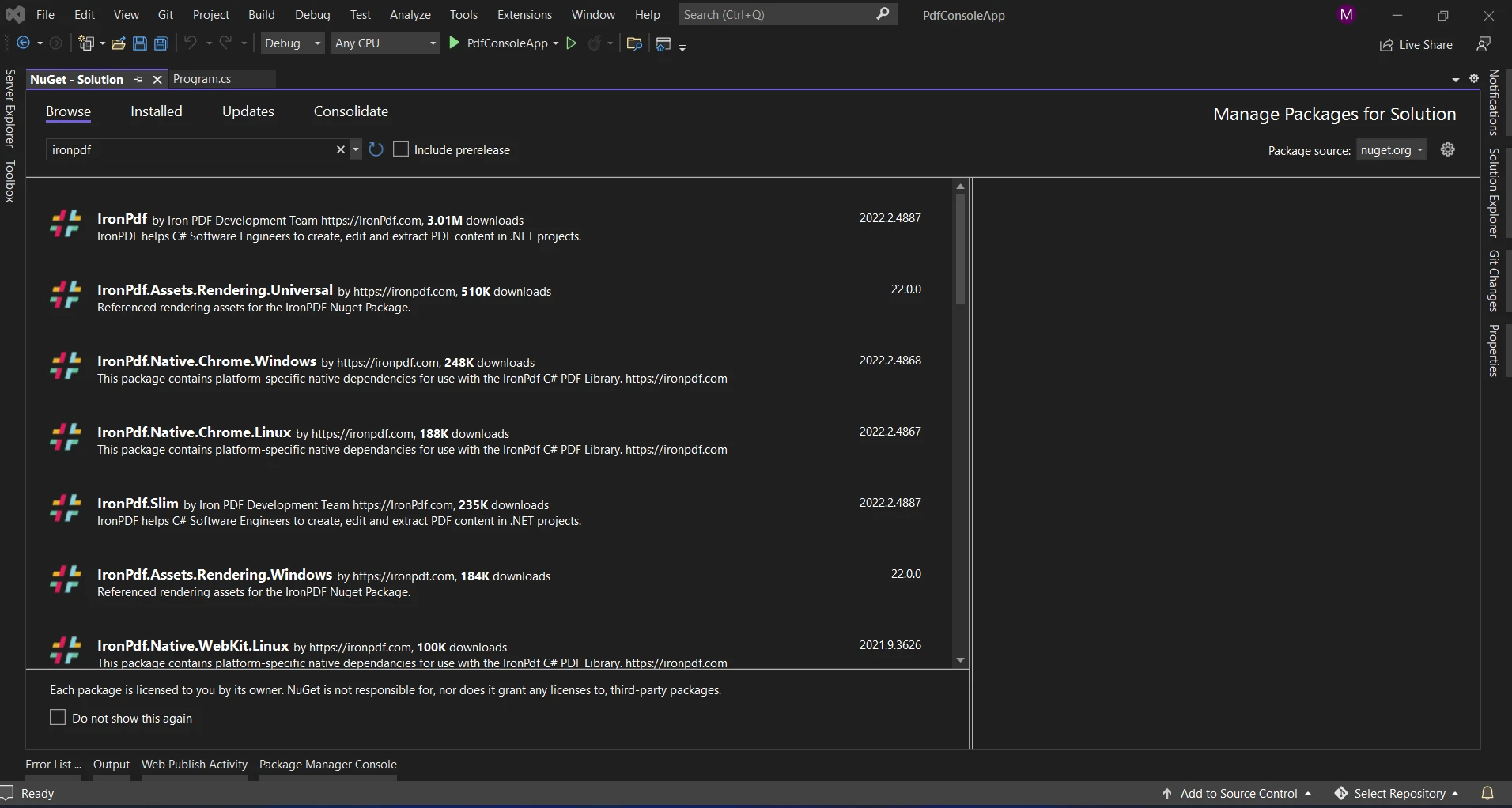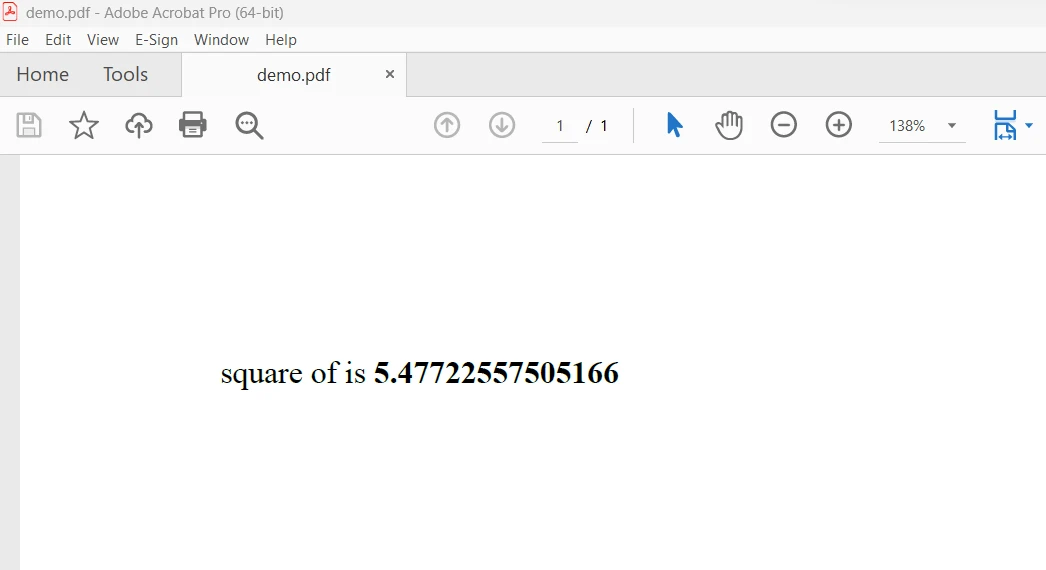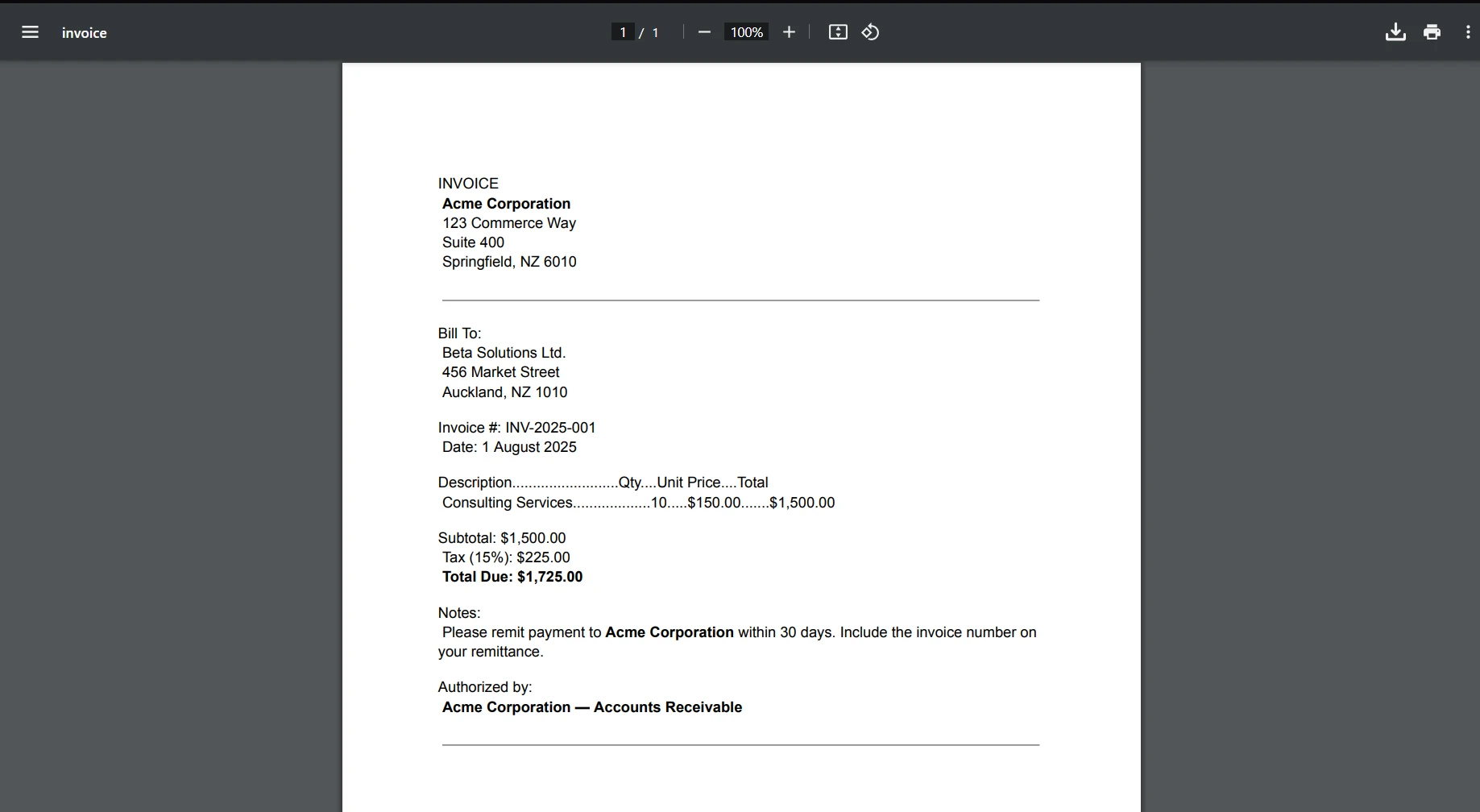
.NET 도움말 C# Null Coalescing (How It Works For Developers) 커티스 차우 업데이트됨:6월 22, 2025 다운로드 IronPDF NuGet 다운로드 DLL 다운로드 윈도우 설치 프로그램 무료 체험 시작하기 LLM용 사본 LLM용 사본 LLM용 마크다운 형식으로 페이지를 복사하세요 ChatGPT에서 열기 ChatGPT에 이 페이지에 대해 문의하세요 제미니에서 열기 제미니에게 이 페이지에 대해 문의하세요 Grok에서 열기 Grok에게 이 페이지에 대해 문의하세요 혼란 속에서 열기 Perplexity에게 이 페이지에 대해 문의하세요 공유하다 페이스북에 공유하기 트위터에 공유하기 LinkedIn에 공유하기 URL 복사 이메일로 기사 보내기 The null-coalescing operator ?? evaluates the right-hand operand and returns its result if the left-hand operand is a null reference; otherwise, it returns the value of its left-hand operand. If the left-hand operand evaluates to a non-nullable value type, the null-coalescing operator (??) does not evaluate its operand on the right-hand. The assignment operator ??= is a null-coalescing assignment that assigns the value of its right operand to its left operand only when the left operand evaluates to a nullable type value. If the operand on the left side evaluates to a non-null value, the null-coalescing assignment operator (??=) does not evaluate its right-hand operand. The null-coalescing operator is similar to the ternary operator. In C#, the null-coalescing operator (??) is a binary operator. An operator that acts on two operands is referred to as a binary operator. When using the null-coalescing operator, two operands are required, and the operator evaluates each operand to determine the outcome. Now we are going to see null-coalescing and null-conditional operators usage in C# below. How to use C# Null Coalescing Value Types Create a new C# project. Make sure the appropriate version is installed. Use the null-coalescing operator ??. Check the value or object reference types based on the requirement. Run the code. Null Coalescing in C# Null values in C# are handled by default provided by the null-coalescing operator (??), which is the idea of coalescing that is used to manage such values when dealing with nullable types or expressions that might result in null. Syntax The following is the syntax for the null-coalescing operator: result = expression1 ?? expression2; result = expression1 ?? expression2; $vbLabelText $csharpLabel expression1: A null value might be produced by this expression. expression2: If expression1 is null, this is the default value or substitute expression to be used. result: The variable holding the coalescing operation's outcome. The null-coalescing operator offers a condensed method of assigning a default value when working with nullable types, which is its main goal in streamlining code and efficiently handling null data. Benefits Conciseness: Handles null checks without requiring complex conditional statements or ternary operators. Code readability: Improved by explicitly stating that a default value would be provided if null is returned. It's crucial to make sure the expression types being compared match or are compatible before using the null-coalescing operator. Although useful, overusing the operator might make code harder to comprehend. Use it sparingly when it enhances code clarity. When working with nullable types or scenarios requiring default values, the null-coalescing operator (??) in C# is an effective tool for managing null values and may help write more succinct and understandable code. The null-coalescing operator ?? possesses the following type-related qualities: Result Type Inference The outcome type of the null-coalescing operator is the same as these operands if expressions 1 and 2 have the same type as shown in the following code. int? Value = null; int result = Value ?? 10; int? Value = null; int result = Value ?? 10; $vbLabelText $csharpLabel Type Compatibility The outcome type is the type to which both expressions can be implicitly converted if expressions 1 and 2 have distinct types but one can be implicitly converted to the other. double? value = null; int result = (int)(value ?? 5.5); double? value = null; int result = (int)(value ?? 5.5); $vbLabelText $csharpLabel Type Promotion If the types of expressions 1 and 2 cannot be implicitly converted, the result type will be chosen following C#'s type promotion rules. int? value = null; long result = value ?? 100L; int? value = null; long result = value ?? 100L; $vbLabelText $csharpLabel Consequently, the types of the operands involved and the C# type conversion rules dictate the type of variable or expression that holds the result of the null-coalescing operator (??). To guarantee the correct handling of types and values while employing the null-coalescing operator, it's crucial to take compatibility and probable type conversions into account. Coalescing in IronPDF Install IronPDF To install the IronPDF library, enter the following code into the Package Manager: Install-Package IronPdf Alternatively, you may use the NuGet Package Manager to search for the package "IronPDF". You may choose and download the necessary package from this list of all the NuGet packages connected to IronPDF. Create PDF with Null Coalescing A C# library called IronPDF is used to create and work with PDF documents. The library offers features for working with PDFs, such as formatting, text processing, and image management. "Null-coalescing" is not a method or feature that is exclusive to IronPDF; rather, it is a language feature rather than a library-specific operation. However, if you are working with IronPDF or any other library in your C# code, you may utilize the null-coalescing operators (??) that the C# language provides. To handle null situations or provide default values, for example, while working with IronPDF objects, nullable value types or properties that may return null, you can use the null-coalescing operator. The following example shows how the null-coalescing operator may be used with IronPDF: using IronPdf; using IronPdf.Pages; namespace ConsoleApp1 { internal class Program { static void Main(string[] args) { int? x = null; // Use the null-coalescing operator to provide a default value if x is null var outputstr = $@"square of <b>{x}</b> is <b>{Math.Sqrt(x ?? 30)}</b>"; // Render the HTML string as a PDF using IronPDF var pdfcreate = ChromePdfRenderer.StaticRenderHtmlAsPdf(outputstr); // Save the generated PDF to the file system pdfcreate.SaveAs("demo.pdf"); // Wait for a key press to prevent the console from closing immediately Console.ReadKey(); } } } using IronPdf; using IronPdf.Pages; namespace ConsoleApp1 { internal class Program { static void Main(string[] args) { int? x = null; // Use the null-coalescing operator to provide a default value if x is null var outputstr = $@"square of <b>{x}</b> is <b>{Math.Sqrt(x ?? 30)}</b>"; // Render the HTML string as a PDF using IronPDF var pdfcreate = ChromePdfRenderer.StaticRenderHtmlAsPdf(outputstr); // Save the generated PDF to the file system pdfcreate.SaveAs("demo.pdf"); // Wait for a key press to prevent the console from closing immediately Console.ReadKey(); } } } $vbLabelText $csharpLabel Remember that IronPDF (or any library) does not provide a special feature or method for managing null values conditional operators; rather, the usage of the null-coalescing operator is based on general C# language features and concepts for handling a null conditional operator. To know more about the features and capabilities of IronPDF, visit the IronPDF Demos. Output: Conclusion In summary, C#'s null-coalescing operator (??) is a useful feature that makes handling null values in expressions and assignments easier and more efficient. This operator simplifies code by giving developers a clear way to handle scenarios in which a value could be null. This enables developers to specify default values or carry out alternative logic with ease. Its adaptability makes code more streamlined and effective, simplifying null tests and enhancing readability. IronPDF offers a perpetual license, upgrade options, a year of software maintenance, and a thirty-day money-back guarantee, all included in the $799 Lite package. Users get thirty days to evaluate the product in real-world application settings during the watermarked trial period. Click the supplied IronPDF Licensing to learn more about IronPDF's cost, licensing, and trial version. To know more about Iron Software products, check the Iron Software website. 자주 묻는 질문 널 합치기 연산자는 C#에서 코드 가독성을 어떻게 향상시키나요? C#의 널 결합 연산자 `???`는 널 검사를 간소화하고 널 가능 유형이 발생할 때 기본값을 할당하는 간결한 방법을 제공하여 코드 가독성을 향상시킵니다. C#에서 널 합치기 할당 연산자의 용도는 무엇인가요? 널 합산 연산자 `??=`는 왼쪽 피연산자가 널인 경우에만 오른쪽 피연산자의 값을 왼쪽 피연산자에 할당하므로 널 가능 유형을 다룰 때 코드를 간소화할 수 있습니다. C# PDF 애플리케이션에서 널 합치기 연산자를 사용하는 예제를 제공할 수 있나요? IronPDF를 사용하는 C# PDF 애플리케이션에서 사용자가 파일 이름을 지정하지 않은 경우 널 합치기 연산자를 사용하여 기본 파일 이름을 지정할 수 있습니다: string pdfName = userInputFileName ?? "default.pdf";. 널 합치기 연산자를 사용할 때 흔히 발생하는 함정은 무엇인가요? 일반적인 함정은 피연산자 간의 유형 호환성을 보장하지 않아 유형 변환 오류가 발생할 수 있다는 것입니다. 널 합치기 연산자를 사용할 때는 두 피연산자가 모두 호환되는 유형인지 확인하는 것이 중요합니다. 널 병합 연산자는 C#의 유형 호환성과 어떤 관련이 있나요? 널 합치기 연산자는 두 피연산자가 모두 호환 가능한 유형이어야 합니다. 그렇지 않은 경우 C#은 유형 승격 규칙을 적용하여 결과 유형을 결정하므로 주의 깊게 관리하지 않으면 예기치 않은 동작이 발생할 수 있습니다. 널 합치기 연산자가 널 가능 유형을 처리하는 개발자에게 유용한 이유는 무엇인가요? 널 병합 연산자는 개발자가 기본값을 제공함으로써 널 가능 유형을 효율적으로 처리하고 장황한 조건부 논리의 필요성을 줄일 수 있다는 점에서 유용합니다. 개발자가 널 병합 연산자를 사용하여 C# 코드 라이브러리에서 널 값을 관리하려면 어떻게 해야 하나요? 개발자는 C# 코드 라이브러리에서 널 병합 연산자를 사용하여 주어진 값이 널일 수 있는 경우 기본값을 할당하여 애플리케이션이 널 참조 예외 없이 원활하게 실행되도록 할 수 있습니다. 커티스 차우 지금 바로 엔지니어링 팀과 채팅하세요 기술 문서 작성자 커티스 차우는 칼턴 대학교에서 컴퓨터 과학 학사 학위를 취득했으며, Node.js, TypeScript, JavaScript, React를 전문으로 하는 프론트엔드 개발자입니다. 직관적이고 미적으로 뛰어난 사용자 인터페이스를 만드는 데 열정을 가진 그는 최신 프레임워크를 활용하고, 잘 구성되고 시각적으로 매력적인 매뉴얼을 제작하는 것을 즐깁니다. 커티스는 개발 분야 외에도 사물 인터넷(IoT)에 깊은 관심을 가지고 있으며, 하드웨어와 소프트웨어를 통합하는 혁신적인 방법을 연구합니다. 여가 시간에는 게임을 즐기거나 디스코드 봇을 만들면서 기술에 대한 애정과 창의성을 결합합니다. 관련 기사 업데이트됨 12월 11, 2025 Bridging CLI Simplicity & .NET : Using Curl DotNet with IronPDF Jacob Mellor has bridged this gap with CurlDotNet, a library created to bring the familiarity of cURL to the .NET ecosystem. 더 읽어보기 업데이트됨 12월 20, 2025 RandomNumberGenerator C# Using the RandomNumberGenerator C# class can help take your PDF generation and editing projects to the next level 더 읽어보기 업데이트됨 12월 20, 2025 C# String Equals (How it Works for Developers) When combined with a powerful PDF library like IronPDF, switch pattern matching allows you to build smarter, cleaner logic for document processing 더 읽어보기 Datatables .NET (How It Works For Developers)Hangfire .NET Core (How It Works Fo...
업데이트됨 12월 11, 2025 Bridging CLI Simplicity & .NET : Using Curl DotNet with IronPDF Jacob Mellor has bridged this gap with CurlDotNet, a library created to bring the familiarity of cURL to the .NET ecosystem. 더 읽어보기
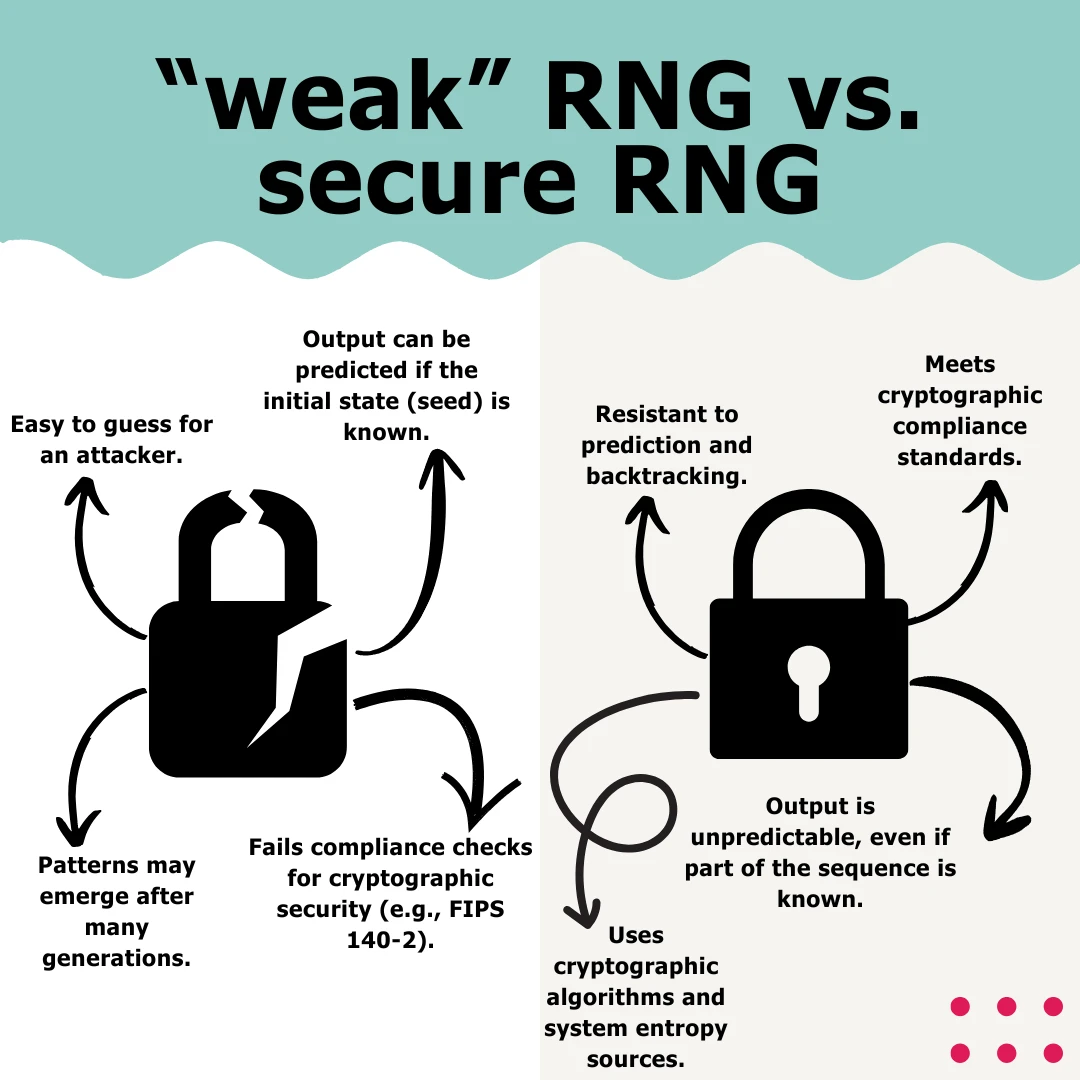
업데이트됨 12월 20, 2025 RandomNumberGenerator C# Using the RandomNumberGenerator C# class can help take your PDF generation and editing projects to the next level 더 읽어보기
업데이트됨 12월 20, 2025 C# String Equals (How it Works for Developers) When combined with a powerful PDF library like IronPDF, switch pattern matching allows you to build smarter, cleaner logic for document processing 더 읽어보기