




업데이트됨 2026년 4월 23일
.NET에서 Microsoft.Extensions.AI로 LLM 통합 간소화
AI는 소프트웨어 개발을 변혁하고 있으나, 대규모 언어 모델(LLM)을 .NET에 통합하는 것은 지금까지 복잡했습니다. 현대에는 OpenAI 기반 PDF 파싱, 데이터 추출 및 콘텐츠 요약을 .NET 애플리케이션에 가져오는 IronPdf.AI로 AI 통합을 더욱 확장하세요.
더 읽어보기

모든 프로그래밍 언어에서 데이터 유형을 이해하는 것은 중요하며, C#도 예외는 아닙니다. 예를 들어, int 유형이나 부동 소수점 유형이든, 각 유형은 특정 종류의 정보를 담고 있습니다. 이는 실제 데이터라고도 합니다.
C#은 강하게 형식 지정된 언어입니다. 강하게 형식 지정된 언어가 무엇을 의미하는지 궁금하신가요? 이는 모든 변수와 객체가 선언된 데이터 유형을 가져야 함을 의미합니다. 그리고 그것은 당신이 해당 변수에 저장할 수 있는 데이터 종류를 결정하는 데이터 유형입니다.
C#에는 두 가지 주요 데이터 유형이 있습니다. 값 유형과 참조 유형입니다. 이것들은 또한 듣게 될 사용자 정의 유형입니다.
C#에서 값 유형은 간단합니다. 값 유형 변수를 선언할 때, 저장된 실제 데이터는 변수에 할당한 값입니다. 만약 하나의 변수의 값을 변경하면 다른 변수에 영향을 주지 않습니다.
C#에서 가장 일반적인 값 유형은 다음과 같습니다:
int 유형으로 표현됨)float 및 double 유형으로 표현됨)먼저 int 유형에 대해 이야기해 봅시다. C#에서 int 유형은 -2,147,483,648에서 2,147,483,647까지의 모든 수를 저장할 수 있는 32비트 데이터 유형입니다. 다음은 예입니다.
int myInteger = 15;Dim myInteger As Integer = 15이제 부동 소수점 유형으로 넘어갑니다. C#에서는 두 가지 부동 소수점 유형이 있습니다: float 및 double.
float 유형은 최대 7자리의 정밀도를 가진 32비트 부동 소수점 숫자입니다. 이는 과학적 계산에 적합합니다. 다음과 같이 float 유형 변수를 선언할 수 있습니다:
float myFloat = 12.34F;Dim myFloat As Single = 12.34Fdouble 유형은 15-16자리의 정밀도를 가진 64비트 부동 소수점 유형입니다. 이는 float 유형보다 더 정확하며, 종종 금융 및 화폐 계산에 사용됩니다. 다음은 double 유형 변수의 예입니다:
double myDouble = 12.3456789;Dim myDouble As Double = 12.3456789좋습니다, 계속 진행합시다. C#은 애플리케이션에서 사용할 수 있는 여러 "미리 정의된 데이터 유형"을 제공합니다. 이것들은 자신의 "사용자 정의 유형"을 정의할 때 사용할 수 있는 기본 구성 요소입니다.
여기 몇 가지 예가 있습니다:
byte: 이는 0에서 255까지의 범위를 가진 8비트 부호 없는 정수입니다.char: 이는 16비트 유니코드 문자입니다.decimal: 뛰어난 정밀도로 금융 및 화폐 계산에 이상적입니다.bool: true 또는 false 중 하나를 저장하며, 논리 연산에 적합합니다.각 "미리 정의된 데이터 유형"은 자체 목적과 "기본값"을 가지므로, 필요에 맞는 올바른 것을 선택하는 것이 중요합니다!
C#에서는 각 데이터 유형이 기본값을 가지고 있습니다. 값 유형 변수의 경우, 초기화하지 않으면 자동으로 기본값을 취합니다.
예를 들어, int 유형의 기본값은 0이며, 부동 소수점 값 유형 (즉, float 또는 double)의 기본값은 0.0입니다.
참조 유형의 기본값은 null로, 이는 어떤 객체도 참조하고 있지 않음을 나타냅니다.
때로는 데이터 유형을 다른 것으로 변환해야 할 수도 있습니다. 이것을 유형 변환이라고 하며, C#은 두 가지 유형을 지원합니다: 암시적 변환과 명시적 변환.
암시적 변환은 더 큰 값을 저장할 수 있는 호환되는 유형의 변수에 한 유형의 값을 할당할 때 자동으로 발생합니다. 예를 들어, int 유형을 double 유형으로 정보 손실 없이 할당할 수 있습니다.
int myInt = 10;
double myDouble = myInt; // Implicit conversionDim myInt As Integer = 10
Dim myDouble As Double = myInt ' Implicit conversion명시적 변환, 소위 형 변환(casting)은 호환되지 않는 유형 간 또는 더 큰 유형에서 더 작은 유형으로 변환하려고 할 때 필요합니다. 변환할 값 앞에 대상 유형을 괄호로 감싸서 수행합니다.
double myDouble = 10.5;
int myInt = (int)myDouble; // Explicit conversion, decimal part is lostImports System
Dim myDouble As Double = 10.5
Dim myInt As Integer = CInt(Math.Truncate(myDouble)) ' Explicit conversion, decimal part is lostC#의 참조 타입은 값 타입과 약간 다르게 작동합니다. 실제 데이터를 저장하는 대신 참조 타입 변수는 값이 저장된 주소를 저장합니다. 즉, 메모리의 다른 위치를 '참조'합니다.
따라서 참조 타입 객체를 변경하면 다른 변수에도 영향을 미칩니다. 이는 참조 타입 변수가 가리키는 메모리 주소에 저장된 실제 데이터에 대한 변경 사항을 자동으로 반영하기 때문입니다.
이제 조금 복잡하게 들릴 수 있지만, 예제를 통해 이를 분해해 봅시다. 클래스 Person가 있다고 가정합시다:
class Person
{
    public string Name { get; set; }
}Friend Class Person
Public Property Name() As String
End Class'참조 타입' 변수를 두 개 생성합니다:
Person person1 = new Person { Name = "Alice" };
Person person2 = person1;Dim person1 As New Person With {.Name = "Alice"}
Dim person2 As Person = person1여기서는 person1과 person2 모두 동일한 메모리 위치를 가리키고 있습니다. 만약 person1을 변경하면, person2은 해당 변경 사항을 반영한 것입니다:
person1.Name = "Bob";
Console.WriteLine(person2.Name); // Outputs "Bob"
person1.Name = "Bob"
Console.WriteLine(person2.Name) ' Outputs "Bob"배열은 동일한 데이터 유형의 여러 값을 보유하는 참조 타입입니다. 이는 동일한 유형의 값 컬렉션을 저장할 수 있는 컨테이너와 같습니다.
배열을 선언하려면 먼저 요소의 데이터 유형을 지정한 후 대괄호를 사용합니다. 그런 다음 new 키워드를 사용하여 배열을 만들고 그 길이를 지정합니다.
int[] myIntArray = new int[5]; // Array of int type, can hold 5 valuesDim myIntArray(4) As Integer ' Array of int type, can hold 5 values배열의 요소에 접근하려면 0부터 시작하는 인덱스를 사용합니다.
myIntArray[0] = 10; // Sets the first element of the array to 10myIntArray(0) = 10 ' Sets the first element of the array to 10기억하세요, C#의 배열은 '참조 타입'이므로 한 변수에서의 변경 사항은 동일한 배열을 참조하는 '다른 변수'에도 영향을 미칩니다.
IronPDF는 개발자가 PDF를 생성, 편집 및 내용을 추출할 수 있게 해주는 강력한 C# 라이브러리입니다. 이는 보고서 생성이나 동적 송장 작성 같은 작업에 유용합니다.
먼저 IronPDF를 설치해야 합니다. .NET의 인기 있는 패키지 관리자 NuGet을 통해 이를 수행할 수 있습니다. 패키지 관리자 콘솔에서 다음 명령어를 실행하세요:
IronPDF는 HTML에서 PDF를 생성할 수 있습니다. 꽤 간단합니다:
using IronPdf;

var Renderer = new ChromePdfRenderer();
Renderer.RenderHtmlAsPdf("<h1>Hello, World!</h1>").SaveAs("HelloWorld.pdf");Imports IronPdf
Private Renderer = New ChromePdfRenderer()
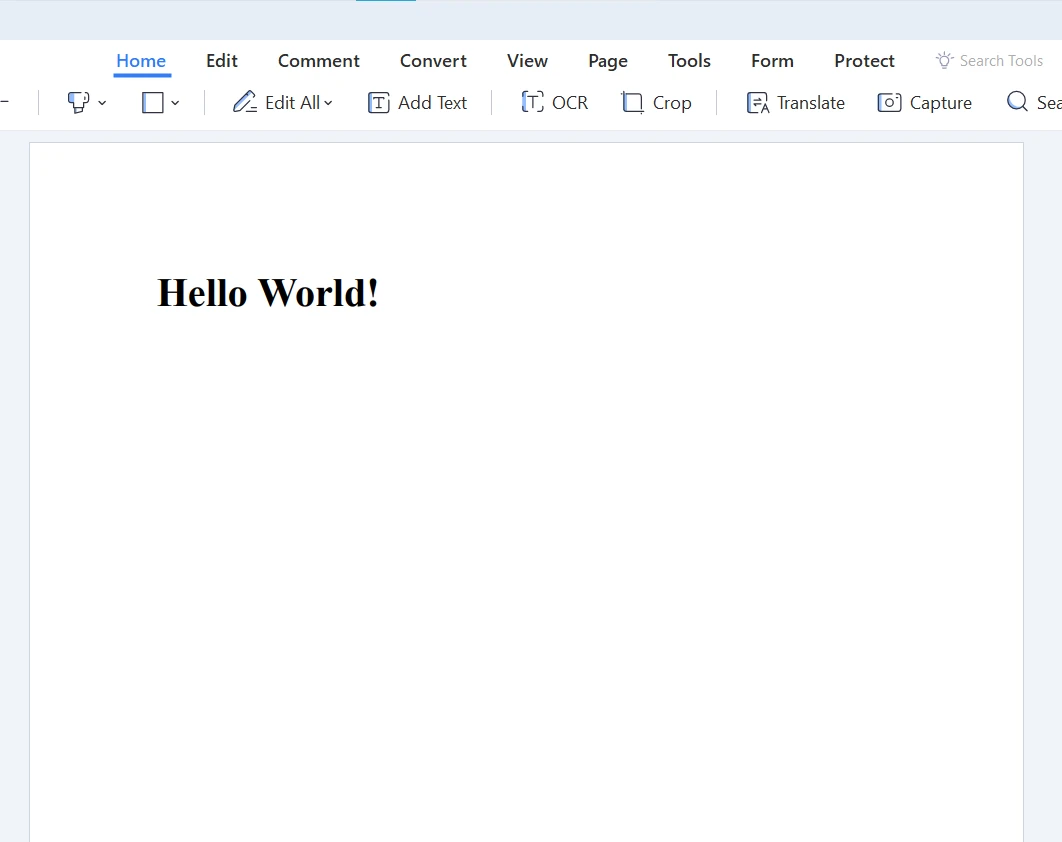
Renderer.RenderHtmlAsPdf("<h1>Hello, World!</h1>").SaveAs("HelloWorld.pdf")위의 코드는 "Hello, World!" 헤딩이 있는 PDF를 생성합니다. HTML 코드는 단순히 문자열입니다. C#에서 문자열은 참조 타입이며, 가장 많이 사용되는 C# 타입 중 하나입니다.
축하해요! C# 타입의 세계, 값 타입, 참조 타입, 사전 정의된 데이터 타입을 깊숙이 탐구하여 코드 작성 방식을 이해했습니다. 또한 IronPDF 같은 라이브러리를 사용하는 강력함도 보았습니다.
IronPDF는 무료 체험을 제공하며 IronPDF 라이선스는 $liteLicensing부터 시작합니다.

제이콥 멜러는 Iron Software의 최고 기술 책임자(CTO)이자 C# PDF 기술을 개척한 선구적인 엔지니어입니다. Iron Software의 핵심 코드베이스를 최초로 개발한 그는 창립 초기부터 회사의 제품 아키텍처를 설계해 왔으며, CEO인 캐머런 리밍턴과 함께 회사를 NASA, 테슬라, 그리고 전 세계 정부 기관에 서비스를 제공하는 50명 이상의 직원을 보유한 기업으로 성장시켰습니다.



IronPDF는 IRON SUITE 의 일부입니다.
10개의 .NET API 제품, 당신의 사무 문서를 위해

PDF 파일을 HTML처럼 빠르게 변환해야 할 때.


