



업데이트됨 2026년 4월 23일
.NET에서 Microsoft.Extensions.AI로 LLM 통합 간소화
AI는 소프트웨어 개발을 변혁하고 있으나, 대규모 언어 모델(LLM)을 .NET에 통합하는 것은 지금까지 복잡했습니다. 현대에는 OpenAI 기반 PDF 파싱, 데이터 추출 및 콘텐츠 요약을 .NET 애플리케이션에 가져오는 IronPdf.AI로 AI 통합을 더욱 확장하세요.
더 읽어보기

SOLID 원칙은 지향하면 견고하고 유지 보수 가능한 소프트웨어 개체를 생성할 수 있는 다섯 가지 설계 원칙입니다. 로버트 C. Martin은 이러한 원칙을 소개하여 객체 지향 설계의 초석이 되었습니다. 마이크로소프트에서 개발한 인기 있는 객체 지향 프로그래밍 언어인 C#에서 SOLID 원칙을 이해하고 적용하는 것은 코드 품질을 크게 향상시킬 수 있습니다.
이 기사에서는 C#의 Solid 원칙과 사용 방법을 자세히 검토하고, IronPDF C# PDF 라이브러리를 사용하여 PDF 문서를 생성함으로써 재사용 가능한 코드 구조를 작성할 수 있는 방법을 확인할 것입니다.
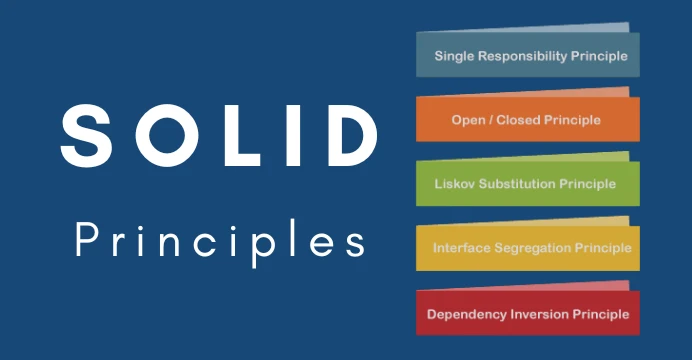
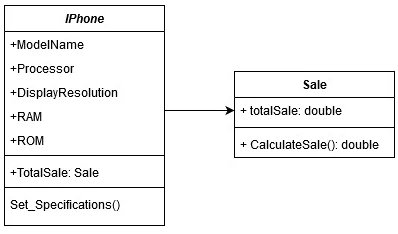
단일 책임 원칙은 클래스가 변경되어야 하는 하나의 이유만 있어야 하며, 즉 하나의 책임만 가져야 한다고 명시합니다. C#에서 이 원칙은 개발자들이 특정 작업에 중점을 둔 클래스를 작성하도록 권장합니다. 예를 들어, 파일 작업을 처리하는 클래스는 데이터베이스 연결을 처리해서는 안 됩니다.
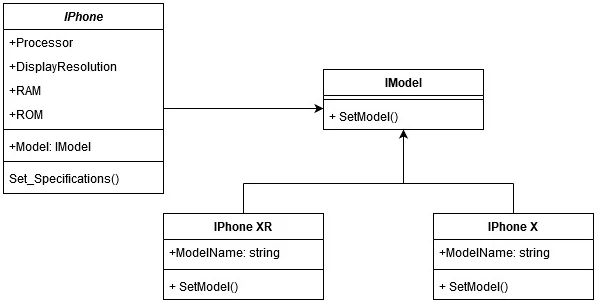
개방/폐쇄 원칙은 클래스가 확장에 개방적이어야 하며 수정에 폐쇄적이어야 한다고 제안하여 모듈의 동작을 소스 코드를 수정하지 않고도 확장할 수 있게 합니다. C#에서는 종종 인터페이스 및 추상 클래스를 통해 이를 달성하여 기존 계약을 준수하는 새로운 클래스를 생성할 수 있게 합니다.
리스코프 치환 원칙은 슈퍼클래스의 객체가 프로그램의 정확성에 영향을 미치지 않고 서브클래스의 객체로 대체 가능해야 한다고 강조합니다. C#에서 이 원칙은 파생 클래스가 자신의 기본 클래스를 교체 가능하도록 다형성을 장려합니다.
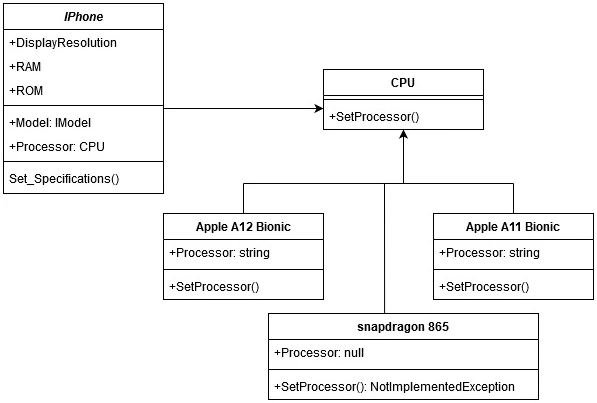
인터페이스 분리 원칙은 작고 특정한 인터페이스 대신 큰 일반 인터페이스를 사용하는 것을 지지합니다. C#에서 이 원칙은 구현 클래스가 필요하지 않은 기능을 제공하도록 강요하는 "비대" 인터페이스의 생성을 억제합니다. 대신에 특정 요구에 맞춘 작은 인터페이스를 여러 개 사용하도록 권장합니다.
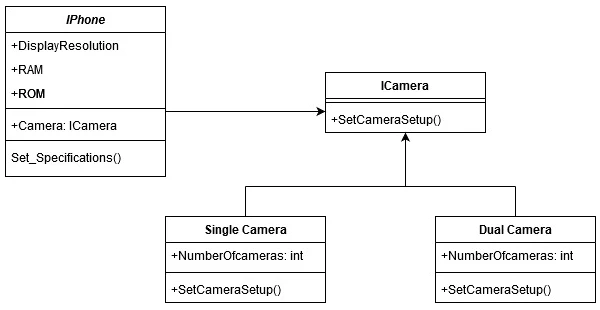
의존성 역전 원칙은 상위 모듈이 하위 모듈에 의존하지 않아야 하며, 둘 다 추상에 의존해야 한다는 아이디어를 장려합니다. C#에서는 종종 종속성 주입을 사용하여 전통적인 제어 흐름을 역전시켜 유연하고 테스트 가능한 코드를 작성할 수 있게 합니다.
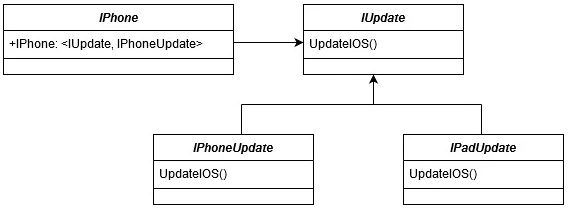
SOLID 원칙은 깔끔하고 유지 보수 가능한 코드를 설계하기 위한 로드맵을 제공합니다. 모든 상황에서 이를 맹목적으로 따르는 것은 좋지 않으며, 대신 특정 애플리케이션의 컨텍스트에 따라 신중하게 적용해야 합니다.
단일 책임 원칙은 C# 애플리케이션에서 클래스를 설계할 때 유용할 수 있습니다. 각 클래스가 단일 책임을 갖도록 보장하면 코드를 더욱 모듈화하고 이해하기 쉽게 만듭니다. 이 모듈화는 유지보수에 유익하며 전체 코드베이스에 영향을 미치지 않고 새로운 기능을 추가하거나 버그를 수정하는 것이 더 쉬워집니다.
개방/폐쇄 원칙은 코드가 수정되지 않고 확장되어야 할 때 적용됩니다. C#에서 개발자들은 인터페이스와 추상 클래스를 사용하여 기존 코드를 변경하지 않고도 적응 가능한 시스템을 만들 수 있습니다.
리스코프 치환 원칙은 파생 클래스가 기본 클래스를 원활하게 대체할 수 있게 하여 더 유연하고 확장 가능한 코드베이스를 촉진합니다. 리스코프 치환 원칙을 적용하는 것은 특히 다형성이 중요한 경우에 매우 중요합니다.
인터페이스 분리 원칙은 구현 클래스의 요구에 맞춰진 작고 특정한 인터페이스를 만드는 것을 권장합니다. 이 접근 방식은 클래스에 불필요한 메서드를 부과하는 것을 방지하여 더 효율적이고 유지보수 가능한 설계를 촉진합니다.
의존성 반전 원칙은 의존성 주입을 통해 C# 애플리케이션에서 느슨하게 결합된 구성 요소를 생성할 수 있게 합니다. 이 원칙을 구현하면 코드의 전체 복잡성을 줄이고 테스트 가능성을 향상시킵니다.
using System;

// Abstract base class representing a shape
public abstract class Shape
{
    // Abstract method to be implemented by derived classes
    public abstract double Area();
}

// Derived class representing a circle
class Circle : Shape
{
    public double Radius { get; set; }

    // Override Area() method to calculate the area of a circle
    public override double Area() => Math.PI * Math.Pow(Radius, 2);
}

// Derived class representing a rectangle
class Rectangle : Shape
{
    public double Width { get; set; }
    public double Height { get; set; }

    // Override Area() method to calculate the area of a rectangle
    public override double Area() => Width * Height;
}

// Class responsible for calculating the area of a shape
class AreaCalculator
{
    // Method to calculate the area of a given shape
    public double CalculateArea(Shape shape) => shape.Area();
}

// Interface for logging messages
interface ILogger
{
    void Log(string message); // Interface segregation principle
}

// Implementation of ILogger that logs messages to the console
class ConsoleLogger : ILogger
{
    public void Log(string message) => Console.WriteLine($"Log: {message}");
}

// Implementation of ILogger that simulates logging messages to a file
class FileLogger : ILogger
{
    public void Log(string message) => Console.WriteLine($"File Log: {message}");
}

// Service to manage user-related tasks
class UserService
{
    private readonly ILogger logger;

    // Constructor injection for dependency inversion principle
    public UserService(ILogger logger) => this.logger = logger;

    public void CreateUser()
    {
        logger.Log("User created successfully");
    }
}

// Service to manage email-related tasks
class EmailService
{
    private readonly ILogger logger;

    // Constructor injection for dependency inversion principle
    public EmailService(ILogger logger) => this.logger = logger;

    public void SendEmail()
    {
        logger.Log("Email sent successfully");
    }
}Imports System
' Abstract base class representing a shape
Public MustInherit Class Shape
' Abstract method to be implemented by derived classes
Public MustOverride Function Area() As Double
End Class
' Derived class representing a circle
Class Circle
Inherits Shape
Public Property Radius As Double
' Override Area() method to calculate the area of a circle
Public Overrides Function Area() As Double
Return Math.PI * Math.Pow(Radius, 2)
End Function
End Class
' Derived class representing a rectangle
Class Rectangle
Inherits Shape
Public Property Width As Double
Public Property Height As Double
' Override Area() method to calculate the area of a rectangle
Public Overrides Function Area() As Double
Return Width * Height
End Function
End Class
' Class responsible for calculating the area of a shape
Class AreaCalculator
' Method to calculate the area of a given shape
Public Function CalculateArea(ByVal shape As Shape) As Double
Return shape.Area()
End Function
End Class
' Interface for logging messages
Interface ILogger
Sub Log(ByVal message As String) ' Interface segregation principle
End Interface
' Implementation of ILogger that logs messages to the console
Class ConsoleLogger
Implements ILogger
Public Sub Log(ByVal message As String) Implements ILogger.Log
Console.WriteLine($"Log: {message}")
End Sub
End Class
' Implementation of ILogger that simulates logging messages to a file
Class FileLogger
Implements ILogger
Public Sub Log(ByVal message As String) Implements ILogger.Log
Console.WriteLine($"File Log: {message}")
End Sub
End Class
' Service to manage user-related tasks
Class UserService
Private ReadOnly logger As ILogger
' Constructor injection for dependency inversion principle
Public Sub New(ByVal logger As ILogger)
Me.logger = logger
End Sub
Public Sub CreateUser()
logger.Log("User created successfully")
End Sub
End Class
' Service to manage email-related tasks
Class EmailService
Private ReadOnly logger As ILogger
' Constructor injection for dependency inversion principle
Public Sub New(ByVal logger As ILogger)
Me.logger = logger
End Sub
Public Sub SendEmail()
logger.Log("Email sent successfully")
End Sub
End Class이 코드 스니펫에서는 객체 지향 프로그래밍(OOP) 원칙, 특히 SOLID 원칙의 명확한 적용이 드러납니다. Shape 클래스는 도형의 일반적인 개념을 정의하고 추상 메서드 Area()을 선언하는 추상 기본 클래스 역할을 합니다. "자식 클래스 또는 파생 클래스"라는 용어는 공통 부모 클래스에서 상속받은 Circle 및 Rectangle 클래스를 의미합니다. Circle 및 Rectangle 모두 파생 클래스로서 추상 기본 클래스의 기능을 확장하고 Area() 메서드의 구체적인 구현을 제공합니다. 더욱이 코드에서는 각 클래스에 별도의 책임이 있는 단일 책임 원칙(SRP)과 ILogger 인터페이스의 사용을 통해 유연성과 유지 가능한 의존성 역전 원칙(DIP)과 같은 SOLID 원칙을 예시합니다.
이제 이론적으로 SOLID 원칙을 탐구했으니, C#에서 PDF 작업을 위한 인기 있는 라이브러리인 IronPDF를 사용하여 이를 실제로 적용해 봅시다. IronPDF를 사용하면 개발자가 C#에서 PDF 문서를 매끄럽게 생성, 조작 및 처리할 수 있습니다. SOLID 원칙을 통합함으로써 우리의 코드가 모듈화되고 확장 가능하며 유지보수 가능하도록 보장할 수 있습니다.
IronPDF는 원래 레이아웃과 스타일을 정확히 보존하여 HTML을 PDF로 변환하는 데 탁월합니다. 웹 기반 콘텐츠, 예를 들어 보고서, 송장 및 문서에서 PDF를 생성하기에 완벽합니다. HTML 파일, URL 및 원시 HTML 문자열에 대한 지원으로 IronPDF는 고품질의 PDF 문서를 쉽게 생성합니다.
using IronPdf;

class Program
{
    static void Main(string[] args)
    {
        var renderer = new ChromePdfRenderer();

        // 1. Convert HTML String to PDF
        var htmlContent = "<h1>Hello, IronPDF!</h1><p>This is a PDF from an HTML string.</p>";
        var pdfFromHtmlString = renderer.RenderHtmlAsPdf(htmlContent);
        pdfFromHtmlString.SaveAs("HTMLStringToPDF.pdf");

        // 2. Convert HTML File to PDF
        var htmlFilePath = "path_to_your_html_file.html"; // Specify the path to your HTML file
        var pdfFromHtmlFile = renderer.RenderHtmlFileAsPdf(htmlFilePath);
        pdfFromHtmlFile.SaveAs("HTMLFileToPDF.pdf");

        // 3. Convert URL to PDF
        var url = "http://ironpdf.com"; // Specify the URL
        var pdfFromUrl = renderer.RenderUrlAsPdf(url);
        pdfFromUrl.SaveAs("URLToPDF.pdf");
    }
}Imports IronPdf
Friend Class Program
Shared Sub Main(ByVal args() As String)
Dim renderer = New ChromePdfRenderer()
' 1. Convert HTML String to PDF
Dim htmlContent = "<h1>Hello, IronPDF!</h1><p>This is a PDF from an HTML string.</p>"
Dim pdfFromHtmlString = renderer.RenderHtmlAsPdf(htmlContent)
pdfFromHtmlString.SaveAs("HTMLStringToPDF.pdf")
' 2. Convert HTML File to PDF
Dim htmlFilePath = "path_to_your_html_file.html" ' Specify the path to your HTML file
Dim pdfFromHtmlFile = renderer.RenderHtmlFileAsPdf(htmlFilePath)
pdfFromHtmlFile.SaveAs("HTMLFileToPDF.pdf")
' 3. Convert URL to PDF
Dim url = "http://ironpdf.com" ' Specify the URL
Dim pdfFromUrl = renderer.RenderUrlAsPdf(url)
pdfFromUrl.SaveAs("URLToPDF.pdf")
End Sub
End Class단일 책임 원칙을 고려하십시오. IronPDF와 함께 작업할 때, PDF 생성 또는 조작의 특정 측면을 처리하는 클래스들이 있는 것이 유익합니다. 예를 들어, 한 클래스는 PDF 문서를 생성할 수 있고, 다른 클래스는 콘텐츠 추가 및 서식 지정에 집중할 수 있습니다.
개방-폐쇄 원칙은 PDF 관련 클래스 설계를 확장성을 염두에 두고 설계하도록 장려합니다. 새로운 기능을 수용하기 위해 기존 클래스를 수정하는 대신, 기존 인터페이스를 확장하거나 구현하는 클래스를 생성할 수 있습니다. 이 방식으로 기존의 기능을 손상시키지 않고 원칙을 지킬 수 있습니다.
리스코프 치환 원칙은 다양한 유형의 PDF 요소를 다룰 때 적용됩니다. 텍스트, 이미지, 주석 등을 일반 인터페이스를 준수하여 설계된 클래스를 통해 매끄럽게 교체할 수 있으며, PDF 생성 코드의 유연성을 향상시킵니다. 인터페이스 분리 원칙은 IronPDF와 상호 작용하는 클래스의 계약을 정의할 때 필수적입니다. 다양한 구성 요소의 요구에 맞춰 작고 특정한 인터페이스를 생성함으로써 불필요한 의존성을 피하고 클래스가 필요한 메서드만 구현하도록 보장합니다.
마지막으로, 의존성 반전 원칙을 적용하면 코드의 테스트 가능성과 유지보수성을 향상시킬 수 있습니다. 의존성을 하드코딩하는 대신 주입함으로써 더 느슨하게 결합된 시스템을 생성할 수 있으며, 업데이트 및 확장이 더 쉬워집니다.
이러한 개념을 IronPDF를 사용한 간단한 코드 예제로 설명해 봅시다.
using IronPdf;
using System;

// Interface for PDF creation
public interface IPdfCreator
{
    void CreatePdf(string filePath, string content);
}

// Concrete implementation using IronPDF
public class IronPdfCreator : IPdfCreator
{
    public void CreatePdf(string filePath, string content)
    {
        // IronPDF-specific code for creating a PDF
        var renderer = new ChromePdfRenderer();
        var pdf = renderer.RenderHtmlAsPdf(content);
        pdf.SaveAs(filePath);
    }
}

// Service adhering to Single Responsibility Principle
public class PdfGenerationService
{
    private readonly IPdfCreator pdfCreator;

    public PdfGenerationService(IPdfCreator pdfCreator)
    {
        this.pdfCreator = pdfCreator;
    }

    public void GeneratePdfDocument(string filePath)
    {
        // Business logic for generating content
        string content = "<p>This PDF is generated using IronPDF and follows SOLID principles.</p>";
        // Delegate the PDF creation to the injected dependency
        pdfCreator.CreatePdf(filePath, content);
        Console.WriteLine($"PDF generated successfully at {filePath}");
    }
}

class Program
{
    static void Main()
    {
        // Dependency injection using the Dependency Inversion Principle
        IPdfCreator ironPdfCreator = new IronPdfCreator();
        PdfGenerationService pdfService = new PdfGenerationService(ironPdfCreator);
        // Generate PDF using the service
        string pdfFilePath = "output.pdf";
        pdfService.GeneratePdfDocument(pdfFilePath);
        Console.ReadLine(); // To prevent the console window from closing immediately
    }
}Imports IronPdf
Imports System
' Interface for PDF creation
Public Interface IPdfCreator
Sub CreatePdf(ByVal filePath As String, ByVal content As String)
End Interface
' Concrete implementation using IronPDF
Public Class IronPdfCreator
Implements IPdfCreator
Public Sub CreatePdf(ByVal filePath As String, ByVal content As String) Implements IPdfCreator.CreatePdf
' IronPDF-specific code for creating a PDF
Dim renderer = New ChromePdfRenderer()
Dim pdf = renderer.RenderHtmlAsPdf(content)
pdf.SaveAs(filePath)
End Sub
End Class
' Service adhering to Single Responsibility Principle
Public Class PdfGenerationService
Private ReadOnly pdfCreator As IPdfCreator
Public Sub New(ByVal pdfCreator As IPdfCreator)
Me.pdfCreator = pdfCreator
End Sub
Public Sub GeneratePdfDocument(ByVal filePath As String)
' Business logic for generating content
Dim content As String = "<p>This PDF is generated using IronPDF and follows SOLID principles.</p>"
' Delegate the PDF creation to the injected dependency
pdfCreator.CreatePdf(filePath, content)
Console.WriteLine($"PDF generated successfully at {filePath}")
End Sub
End Class
Friend Class Program
Shared Sub Main()
' Dependency injection using the Dependency Inversion Principle
Dim ironPdfCreator As IPdfCreator = New IronPdfCreator()
Dim pdfService As New PdfGenerationService(ironPdfCreator)
' Generate PDF using the service
Dim pdfFilePath As String = "output.pdf"
pdfService.GeneratePdfDocument(pdfFilePath)
Console.ReadLine() ' To prevent the console window from closing immediately
End Sub
End Class이 코드를 실행하려면 프로젝트에 IronPDF 라이브러리를 설치해야 합니다. NuGet 패키지 관리자를 사용하여 이를 수행할 수 있습니다.
PdfGenerationService 클래스의 콘텐츠 및 논리를 귀하의 특정 요구사항에 맞춰 대체하십시오.
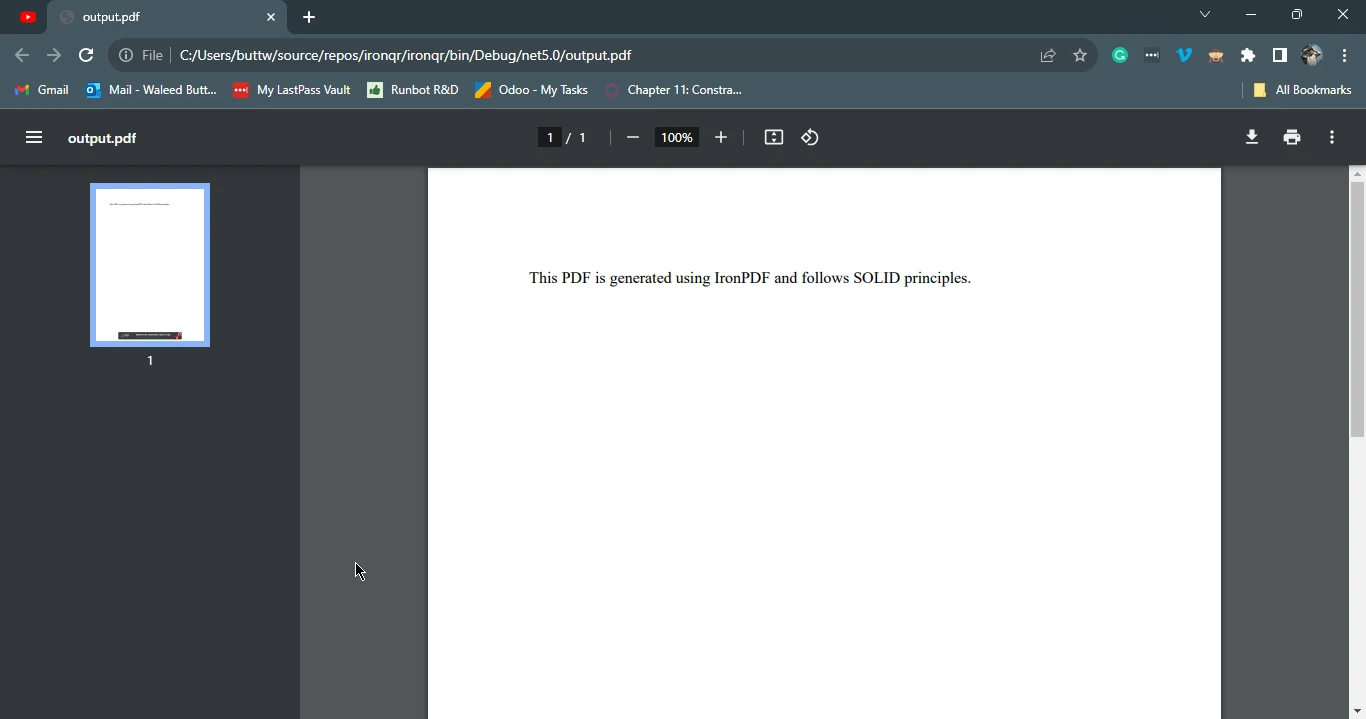
결론적으로 SOLID 원칙은 C#에서 유지보수 가능하고 확장 가능한 소프트웨어를 설계하기 위한 견고한 기반을 제공합니다. 이 원칙을 이해하고 적용함으로써, 개발자는 변경에 적응할 수 있고 테스트하기 쉽게 더 모듈화된 코드를 생성할 수 있습니다.
IronPDF와 같은 라이브러리로 작업할 때 SOLID 원칙의 통합은 더욱 중요해집니다. 이러한 원칙을 준수하여 클래스를 설계함으로써 귀하의 코드가 유연성을 유지하고 PDF 관련 작업의 변화하는 요구사항에 따라 진화할 수 있도록 합니다.
C# 애플리케이션을 계속 개발하면서 시간이 지나도 견딜 수 있는 코드를 작성하기 위한 지침으로 SOLID 원칙을 염두에 두십시오. PDF 생성, 데이터베이스 상호 작용 또는 소프트웨어 개발의 다른 측면에서 작업하더라도 SOLID 원칙은 기능적이고 유지보수 가능한 코드를 장기적으로 생성하기 위한 로드맵을 제공합니다.
IronPDF 라이브러리에 대한 더 많은 정보를 알고 싶다면 IronPDF 문서를 방문하십시오. 라이선스에 대해 알아보고 무료 체험을 얻으려면 IronPDF 라이선스 페이지를 방문하십시오.

제이콥 멜러는 Iron Software의 최고 기술 책임자(CTO)이자 C# PDF 기술을 개척한 선구적인 엔지니어입니다. Iron Software의 핵심 코드베이스를 최초로 개발한 그는 창립 초기부터 회사의 제품 아키텍처를 설계해 왔으며, CEO인 캐머런 리밍턴과 함께 회사를 NASA, 테슬라, 그리고 전 세계 정부 기관에 서비스를 제공하는 50명 이상의 직원을 보유한 기업으로 성장시켰습니다.

IronPDF는 IRON SUITE 의 일부입니다.
10개의 .NET API 제품, 당신의 사무 문서를 위해

PDF 파일을 HTML처럼 빠르게 변환해야 할 때.


