Ramda JS NPM (개발자를 위한 작동 방식)

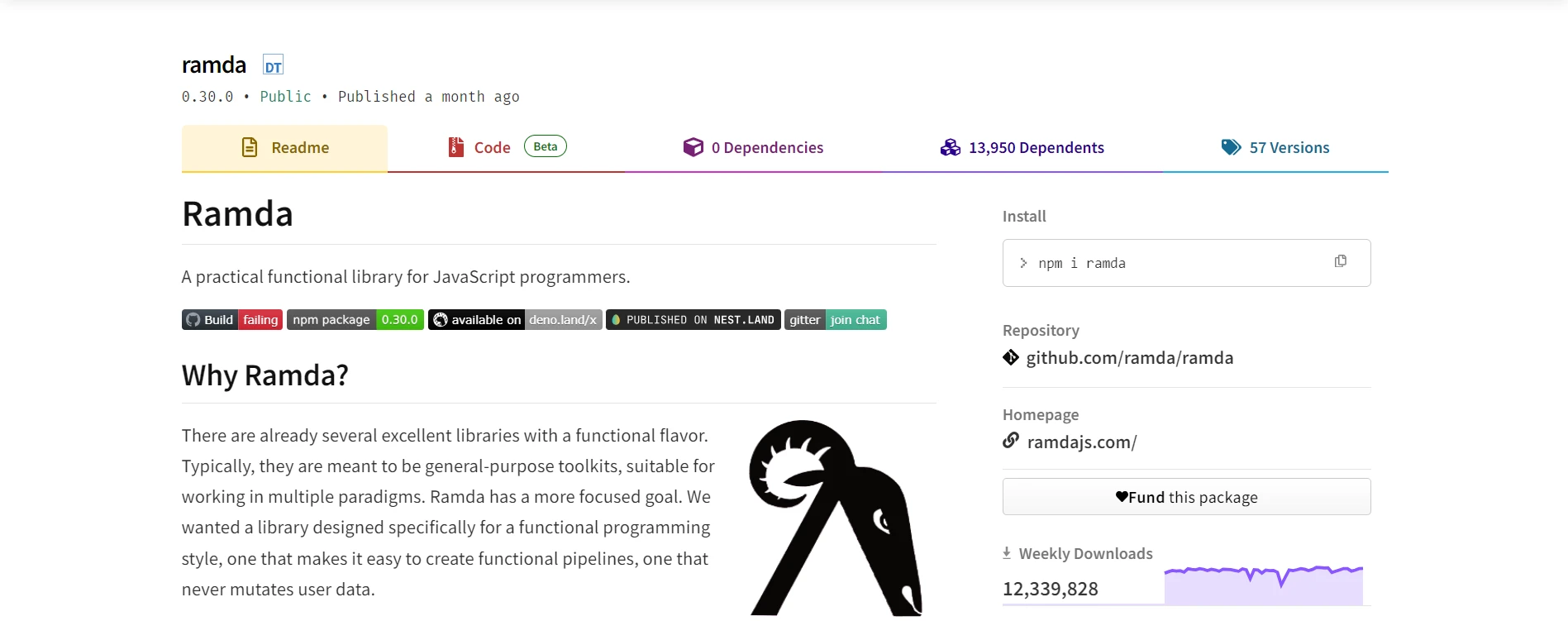
Ramda는 모듈화되고 재사용 가능한 코드를 구축하기 위해 특별히 설계된 실용적인 함수형 JavaScript 라이브러리입니다. 이 프레임워크는 불변성과 순수 함수를 강조하여 JavaScript 애플리케이션에서 상태 관리 및 데이터 변환을 위한 강력한 도구가 됩니다. Lodash 나 Underscore 같은 다른 라이브러리와는 달리 Ramda는 함수형 프로그래밍 스타일을 용이하게 하는 다양한 유틸리티를 제공하는 보다 함수형적인 접근 방식을 따릅니다.
람다의 핵심 원칙
불변성
불변성은 람다 의 핵심 원칙입니다. Ramda의 함수는 입력 데이터를 수정하지 않고 새로운 데이터 구조를 반환합니다. 이러한 접근 방식은 부작용의 위험을 줄여 코드를 더욱 예측 가능하고 디버깅하기 쉽게 만듭니다.
더욱 순수한 기능성 스타일
JavaScript 프로그래머를 위한 Ramda 라이브러리는 순수 함수 사용을 권장합니다. 순수 함수란 동일한 입력이 주어지면 동일한 출력을 생성하고 부작용이 없는 함수를 말합니다. 순수 함수는 코드의 안정성을 높이고 테스트를 더 쉽게 만들어줍니다.
기능 파이프라인 생성
Ramda는 함수 조합 도구를 제공하여 개발자가 더 간단한 함수들을 조합하여 복잡한 연산을 구축할 수 있도록 합니다. 이러한 구성 가능성 덕분에 기능적이고 가독성이 뛰어나며 유지보수하기 쉬운 코드를 쉽게 작성할 수 있습니다.
카레
Ramda의 모든 기능은 자동으로 커링됩니다. 커링은 여러 개의 인수를 받는 함수를 각각 하나의 인수만 받는 일련의 함수로 분해하는 기법입니다. 이 기능은 함수의 일부 인수를 고정하고 나머지 인수를 받는 새로운 함수를 생성하는 부분 적용을 가능하게 합니다.
Ramda 시작하기
Ramda를 사용하려면 npm을 통해 설치하세요.
npm install ramdanpm install ramda설치가 완료되면 JavaScript 파일에 가져와 사용할 수 있습니다.
const R = require('ramda');const R = require('ramda');또는 ES6 모듈을 사용하는 경우:
import * as R from 'ramda';import * as R from 'ramda';기본 사용 예시
다음은 람다의 주요 특징을 보여주는 몇 가지 예입니다.
불변성
다음 예시는 Ramda의 불변성 기능을 보여줍니다. 사용자 데이터를 절대 변경하지 않습니다. 오히려 원래 데이터 구조에 추가됩니다.
const originalArray = [1, 2, 3, 4];
const newArray = R.append(5, originalArray);

// Log the original array and the new augmented array
console.log(originalArray); // [1, 2, 3, 4]
console.log(newArray);      // [1, 2, 3, 4, 5]
const originalArray = [1, 2, 3, 4];
const newArray = R.append(5, originalArray);
// Log the original array and the new augmented array
console.log(originalArray); // [1, 2, 3, 4]
console.log(newArray); // [1, 2, 3, 4, 5]순수 함수
두 숫자를 더하는 함수를 생각해 보세요.
const add = R.add;
console.log(add(2, 3)); // 5
const add = R.add;
console.log(add(2, 3)); // 5R.add 는 순수 함수이므로 동일한 입력에 대해서는 항상 동일한 결과를 반환합니다.
기능 구성
함수 합성을 통해 더 간단한 함수들을 조합하여 복잡한 연산을 만들 수 있습니다. Ramda는 이러한 목적을 위해 R.compose 와 R.pipe를 제공합니다.
const multiplyBy2 = R.multiply(2);
const subtract1 = R.subtract(R.__, 1);
const multiplyAndSubtract = R.compose(subtract1, multiplyBy2);

// First multiply by 2, then subtract 1
console.log(multiplyAndSubtract(5)); // 9
const multiplyBy2 = R.multiply(2);
const subtract1 = R.subtract(R.__, 1);
const multiplyAndSubtract = R.compose(subtract1, multiplyBy2);
// First multiply by 2, then subtract 1
console.log(multiplyAndSubtract(5)); // 9카레
커링은 함수가 예상하는 것보다 적은 인자로 호출될 수 있도록 함수를 변환하는 기술입니다. Ramda는 기본적으로 모든 함수를 커링합니다.
// A function to add three numbers
const addThreeNumbers = (a, b, c) => a + b + c;

// Currying the function using Ramda's R.curry
const curriedAddThreeNumbers = R.curry(addThreeNumbers);

// Create a new function by partially applying two arguments
const add5And10 = curriedAddThreeNumbers(5)(10);

// Call the new function with the remaining argument
console.log(add5And10(2)); // 17
// A function to add three numbers
const addThreeNumbers = (a, b, c) => a + b + c;
// Currying the function using Ramda's R.curry
const curriedAddThreeNumbers = R.curry(addThreeNumbers);
// Create a new function by partially applying two arguments
const add5And10 = curriedAddThreeNumbers(5)(10);
// Call the new function with the remaining argument
console.log(add5And10(2)); // 17고급 기능
렌즈
Ramda의 렌즈는 변경 불가능한 데이터를 조작하는 데 강력한 기능입니다. 이러한 기능은 기본 데이터 구조의 특정 부분에 집중할 수 있는 방법을 제공하여 안전한 읽기 및 업데이트를 가능하게 합니다.
const person = { name: 'John', address: { city: 'New York', zip: 10001 } };

// Create a lens that focuses on the 'address' property
const addressLens = R.lensProp('address');

// Create a lens that focuses on the 'city' within the 'address' object
const cityLens = R.lensPath(['address', 'city']);

// Update city to 'Los Angeles' immutably
const updatedPerson = R.set(cityLens, 'Los Angeles', person);

// Retrieve the updated city from the new person object
console.log(R.view(cityLens, updatedPerson)); // Los Angeles

// Verify no mutation occurred on the original object
console.log(person.address.city); // New York
const person = { name: 'John', address: { city: 'New York', zip: 10001 } };
// Create a lens that focuses on the 'address' property
const addressLens = R.lensProp('address');
// Create a lens that focuses on the 'city' within the 'address' object
const cityLens = R.lensPath(['address', 'city']);
// Update city to 'Los Angeles' immutably
const updatedPerson = R.set(cityLens, 'Los Angeles', person);
// Retrieve the updated city from the new person object
console.log(R.view(cityLens, updatedPerson)); // Los Angeles
// Verify no mutation occurred on the original object
console.log(person.address.city); // New York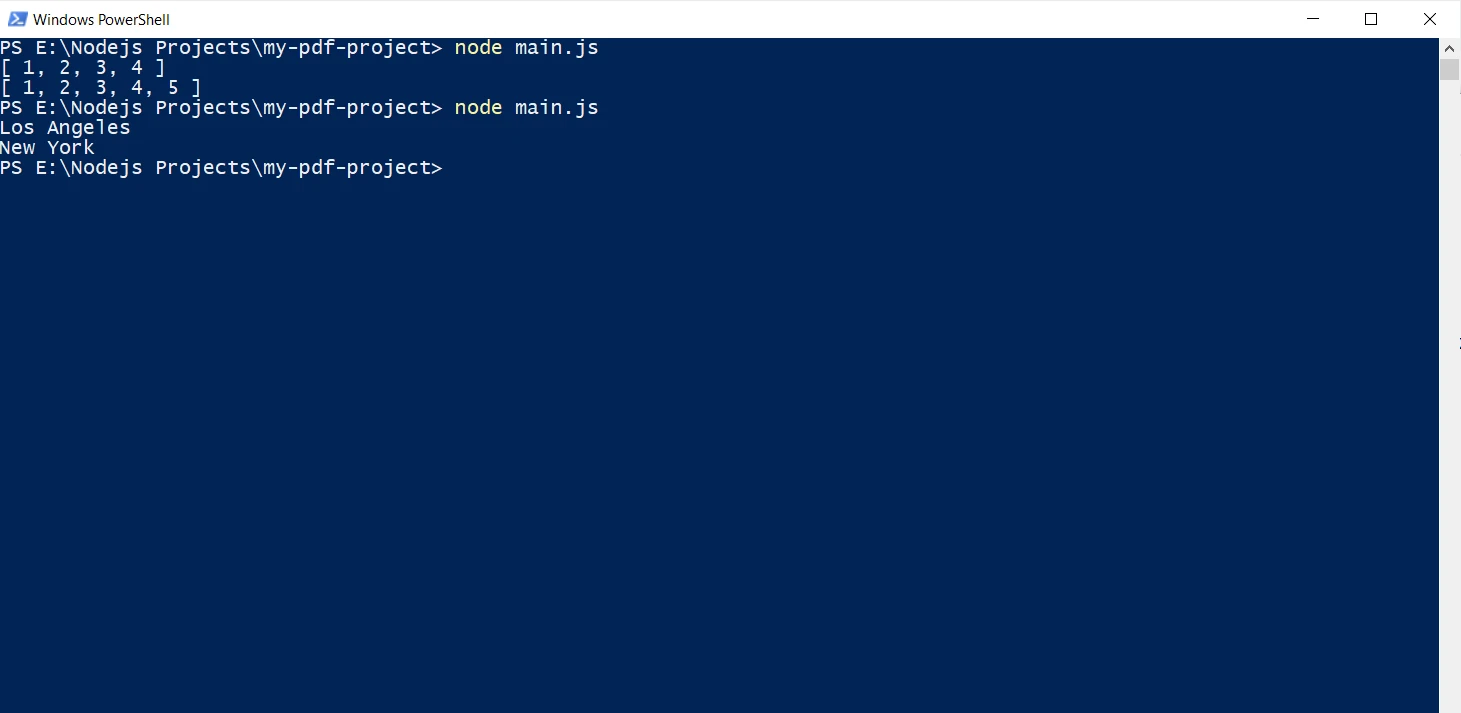
변환기
트랜스듀서는 필터링, 매핑 및 축소 단계를 데이터에 대한 단일 패스로 결합하여 효율적인 데이터 변환 파이프라인을 구현할 수 있도록 합니다.
const numbers = [1, 2, 3, 4, 5];

// Define functions to identify even numbers and double any number
const isEven = x => x % 2 === 0;
const double = x => x * 2;

// Create a transducer combining filtering and mapping operations
const transducer = R.compose(R.filter(isEven), R.map(double));

// Apply the transducer to transform the list
const result = R.transduce(transducer, R.flip(R.append), [], numbers);

console.log(result); // [4, 8]
const numbers = [1, 2, 3, 4, 5];
// Define functions to identify even numbers and double any number
const isEven = x => x % 2 === 0;
const double = x => x * 2;
// Create a transducer combining filtering and mapping operations
const transducer = R.compose(R.filter(isEven), R.map(double));
// Apply the transducer to transform the list
const result = R.transduce(transducer, R.flip(R.append), [], numbers);
console.log(result); // [4, 8]포인트 프리 스타일
Ramda는 함수의 인수를 명시적으로 언급하지 않고 함수를 정의하는 포인트 프리 함수형 프로그래밍 스타일을 권장합니다. 이는 더 깔끔하고 간결한 코드를 작성하는 데 도움이 됩니다.
// Calculate the sum of elements in a list
const sum = R.reduce(R.add, 0);

// Calculate the average value using sum and length
const average = R.converge(R.divide, [sum, R.length]);

console.log(average([1, 2, 3, 4, 5])); // 3
// Calculate the sum of elements in a list
const sum = R.reduce(R.add, 0);
// Calculate the average value using sum and length
const average = R.converge(R.divide, [sum, R.length]);
console.log(average([1, 2, 3, 4, 5])); // 3Node.js 에서 Ramda JS와 IronPDF 함께 사용하는 방법
Ramda JS 의 함수형 프로그래밍 기능과 IronPDF 의 PDF 생성 기능을 Node.js 와 결합하면 유지 관리가 더 쉽고, 읽기 쉽고, 효율적인 코드를 작성할 수 있습니다.
IronPDF 란 무엇인가요?
Iron Software 에서 개발한 IronPDF Node.js용 는 개발자가 Node.js 환경 내에서 직접 PDF 문서를 생성, 조작 및 렌더링할 수 있도록 해주는 강력한 라이브러리입니다. 이 프로그램은 URL, HTML 파일, HTML 문자열 등 다양한 소스에서 PDF를 생성할 수 있는 포괄적인 기능을 제공하여 웹 기반 애플리케이션에 매우 유용하게 활용될 수 있습니다. 이 라이브러리는 복잡한 PDF 작업을 간소화하여 최소한의 코드로 간편한 변환 및 렌더링을 가능하게 합니다.
IronPDF 사용하면 개발자는 강력한 기능과 사용 편의성을 활용하여 PDF 생성을 워크플로에 쉽게 통합할 수 있습니다. 특히 최신 웹 애플리케이션에서 동적 보고서, 송장 및 기타 문서 기반 기능을 생성하는 데 유용합니다.
설치
먼저 npm을 사용하여 Node.js 용 IronPDF 패키지를 설치합니다.
npm과 @ironsoftware/ironpdf
기본 사용법
IronPDF Ramda 와 함께 사용하려면 필요한 모듈을 가져오세요.
import { PdfDocument } from "@ironsoftware/ironpdf";
import * as R from "ramda";
import { PdfDocument } from "@ironsoftware/ironpdf";
import * as R from "ramda";Ramda와 IronPDF 사용하여 PDF 생성하기
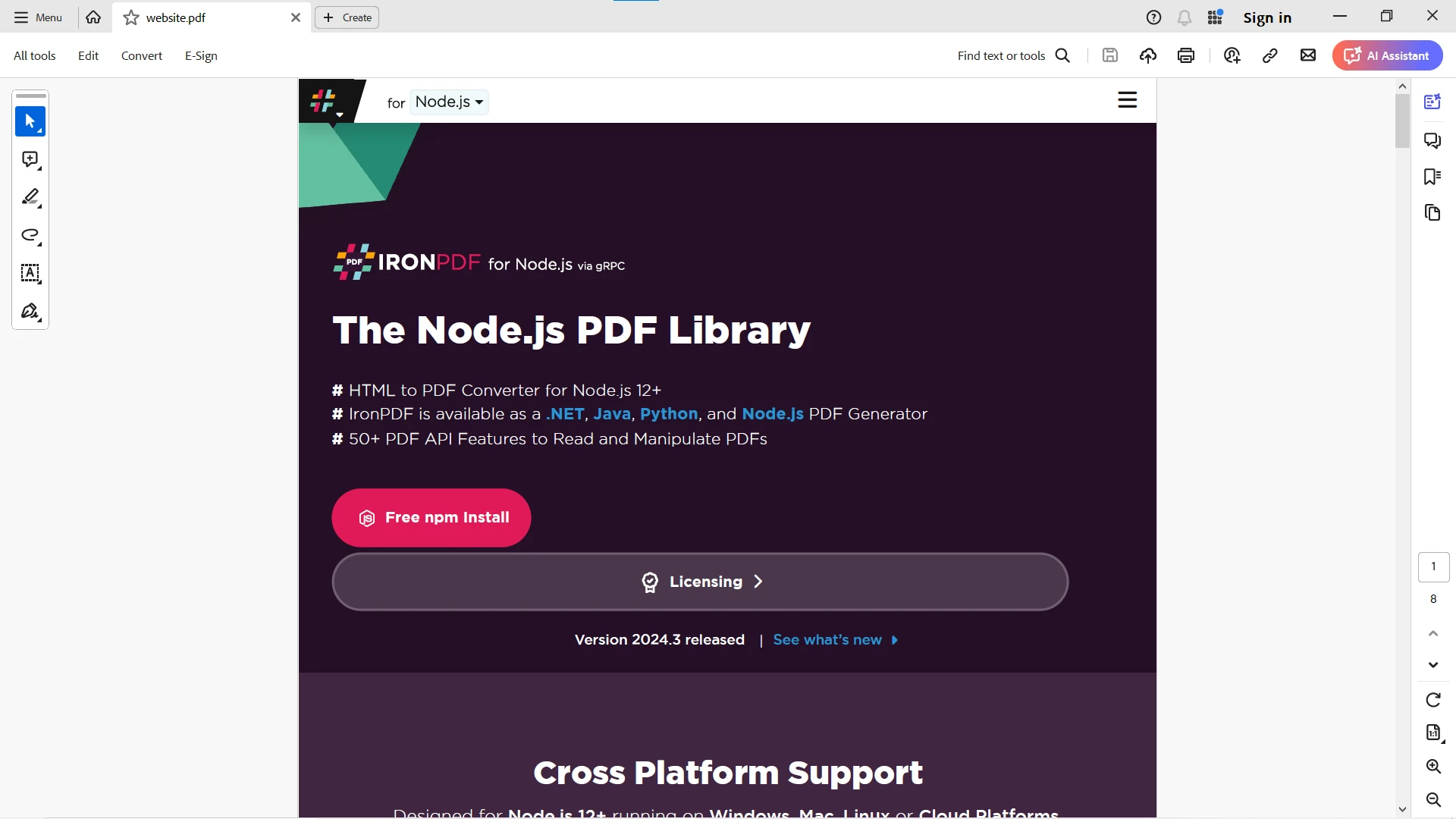
Ramda를 사용하면 모든 PDF 생성 작업을 순차적으로 수행하는 기능적인 파이프라인을 만들 수 있습니다. 여기서는 URL , HTML 문자열 및 HTML 파일 에서 PDF를 생성하고 Ramda 함수형 JavaScript 스타일을 사용하여 파이프라인 방식으로 처리합니다.
// Function to generate PDF from a URL
const generatePdfFromUrl = (url) => {
  return PdfDocument.fromUrl(url)
    .then(pdf => pdf.saveAs("website.pdf"));
};

// Function to generate PDF from an HTML file
const generatePdfFromHtmlFile = (filePath) => {
  return PdfDocument.fromHtml(filePath)
    .then(pdf => pdf.saveAs("markup.pdf"));
};

// Function to generate PDF from an HTML string
const generatePdfFromHtmlString = (htmlString) => {
  return PdfDocument.fromHtml(htmlString)
    .then(pdf => pdf.saveAs("markup_with_assets.pdf"));
};

// Main function to generate all PDFs using Ramda's pipe
const generatePdfs = async () => {
  const generateFromUrl = R.pipe(
    generatePdfFromUrl
  );
  const generateFromHtmlFile = R.pipe(
    generatePdfFromHtmlFile
  );
  const generateFromHtmlString = R.pipe(
    generatePdfFromHtmlString
  );

  // Await the generation of PDFs from various sources
  await generateFromUrl("https://ironpdf.com/nodejs/");
  await generateFromHtmlFile("design.html");
  await generateFromHtmlString("<p>Hello World</p>");

  console.log("PDFs generated successfully");
};

// Execute the PDF generation
generatePdfs();
// Function to generate PDF from a URL
const generatePdfFromUrl = (url) => {
return PdfDocument.fromUrl(url)
.then(pdf => pdf.saveAs("website.pdf"));
};
// Function to generate PDF from an HTML file
const generatePdfFromHtmlFile = (filePath) => {
return PdfDocument.fromHtml(filePath)
.then(pdf => pdf.saveAs("markup.pdf"));
};
// Function to generate PDF from an HTML string
const generatePdfFromHtmlString = (htmlString) => {
return PdfDocument.fromHtml(htmlString)
.then(pdf => pdf.saveAs("markup_with_assets.pdf"));
};
// Main function to generate all PDFs using Ramda's pipe
const generatePdfs = async () => {
const generateFromUrl = R.pipe(
generatePdfFromUrl
);
const generateFromHtmlFile = R.pipe(
generatePdfFromHtmlFile
);
const generateFromHtmlString = R.pipe(
generatePdfFromHtmlString
);
// Await the generation of PDFs from various sources
await generateFromUrl("https://ironpdf.com/nodejs/");
await generateFromHtmlFile("design.html");
await generateFromHtmlString("<p>Hello World</p>");
console.log("PDFs generated successfully");
};
// Execute the PDF generation
generatePdfs();PDF 출력 URL:
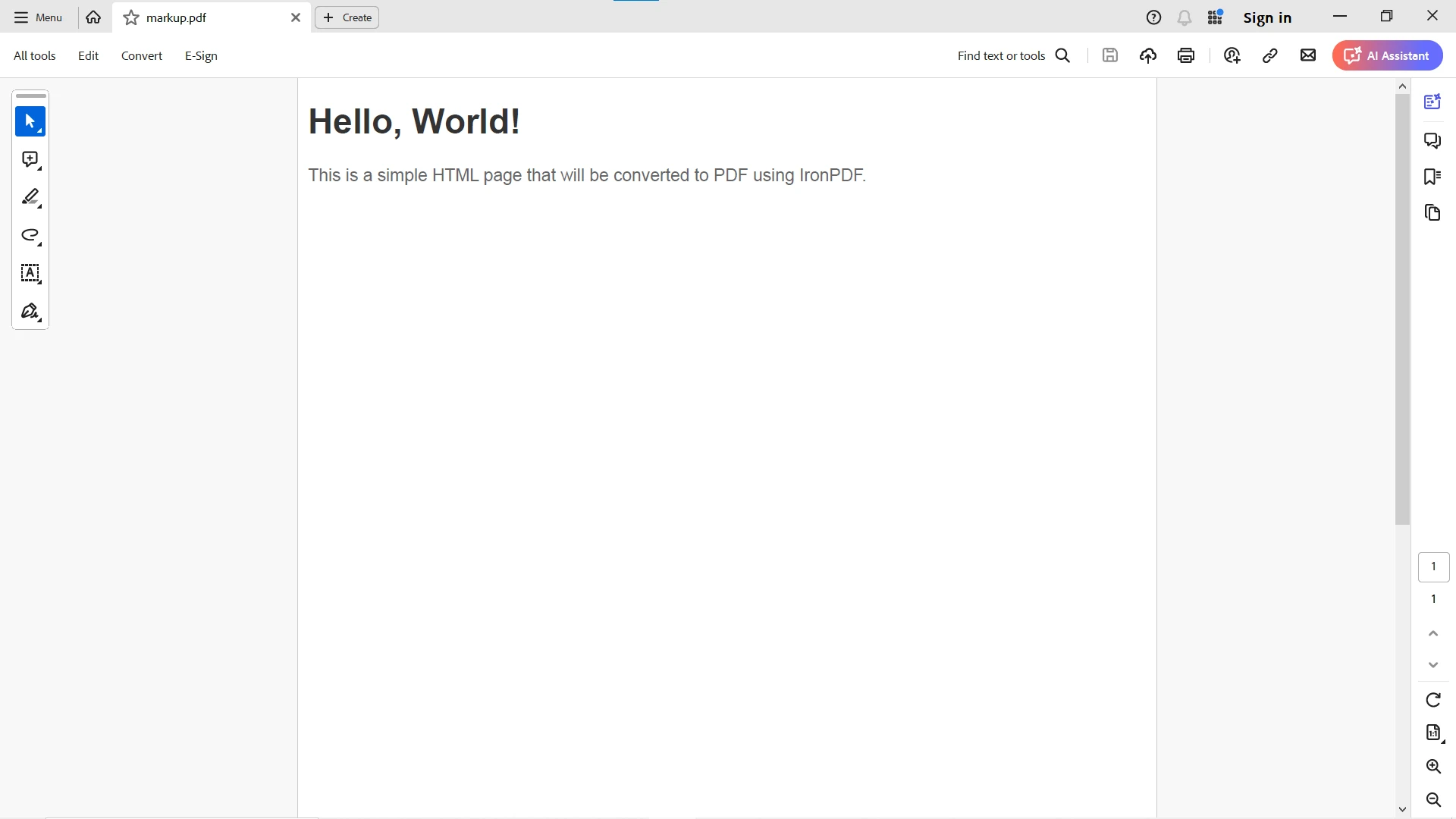
HTML 파일을 PDF로 출력하기:
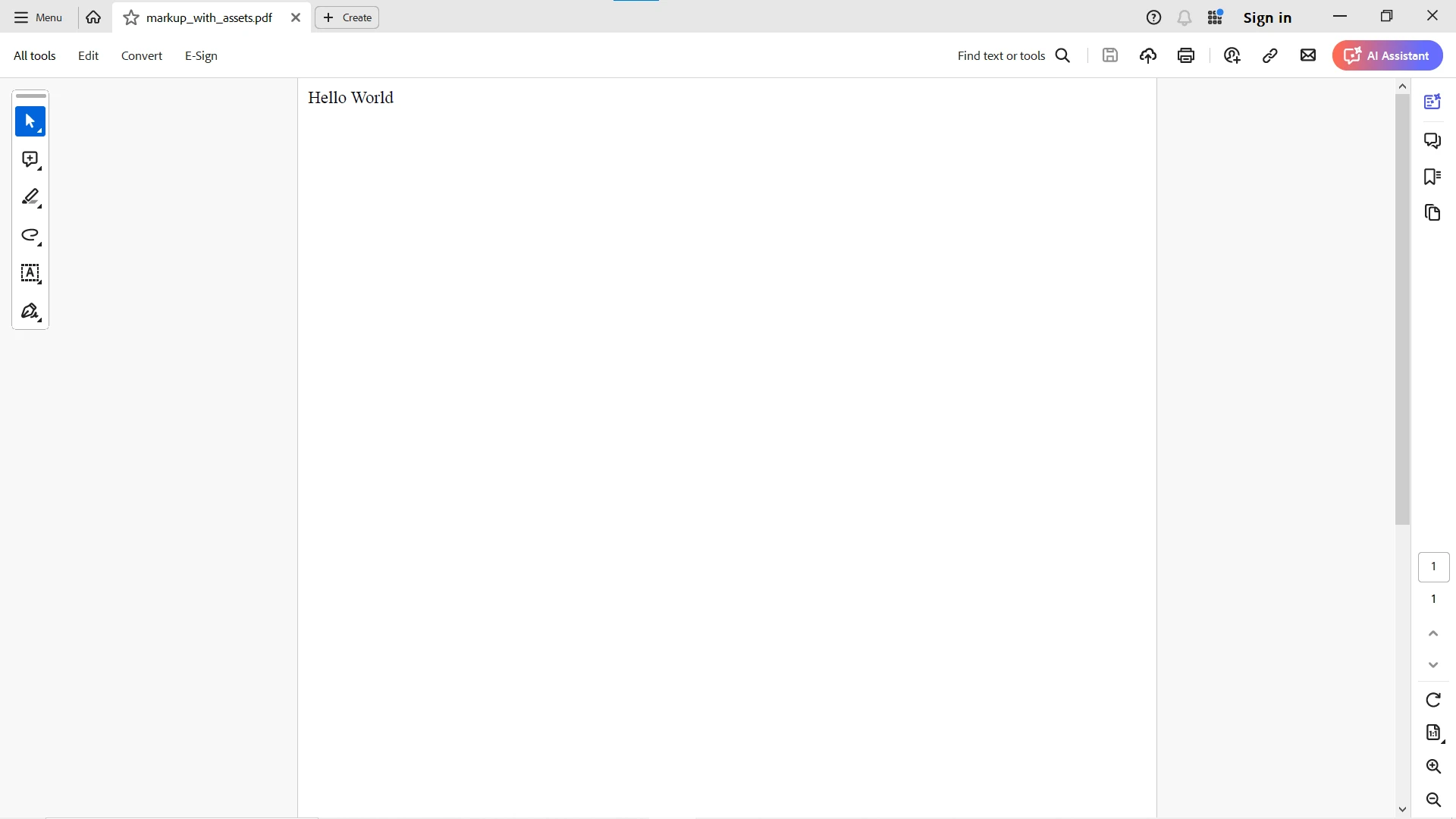
HTML 문자열을 PDF로 출력:
결론
Ramda 는 JavaScript 에서 함수형 프로그래밍을 위해 특별히 설계된 다재다능하고 강력한 라이브러리입니다. Ramda는 불변성, 순수 함수 및 함수 합성을 강조함으로써 개발자가 더욱 안정적이고 유지 관리하기 쉬운 코드를 작성할 수 있도록 도와줍니다.
Node.js 환경에서 Ramda JS 와 IronPDF 통합하면 기능적이고 체계적인 PDF 생성 방식을 구축할 수 있습니다. Ramda의 함수형 프로그래밍 유틸리티는 코드를 더 읽기 쉽고 유지 관리하기 쉽게 만들어주며, IronPDF 강력한 PDF 생성 기능을 제공합니다. 이러한 조합을 통해 다양한 소스에서 효율적이고 확장 가능한 PDF 생성이 가능해지므로 Node.js 애플리케이션의 성능이 향상됩니다.
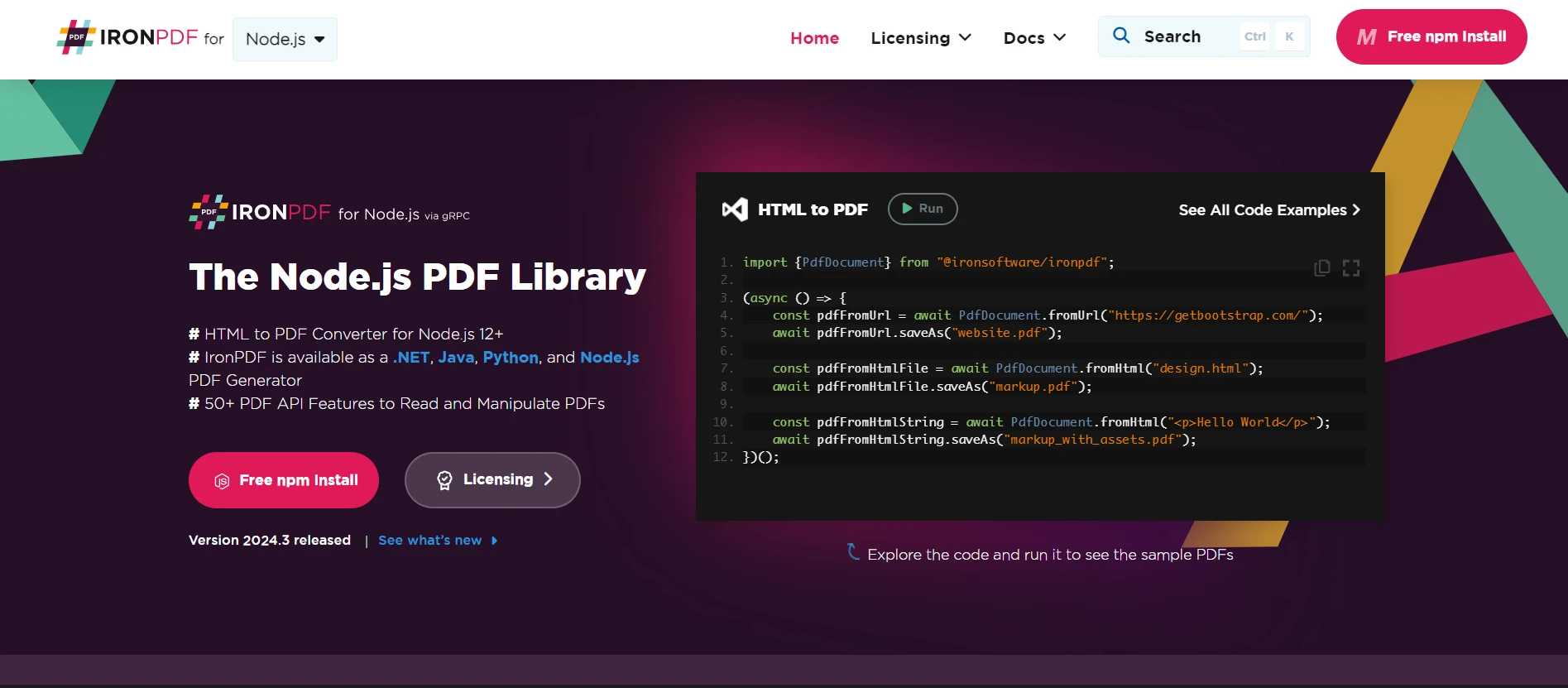
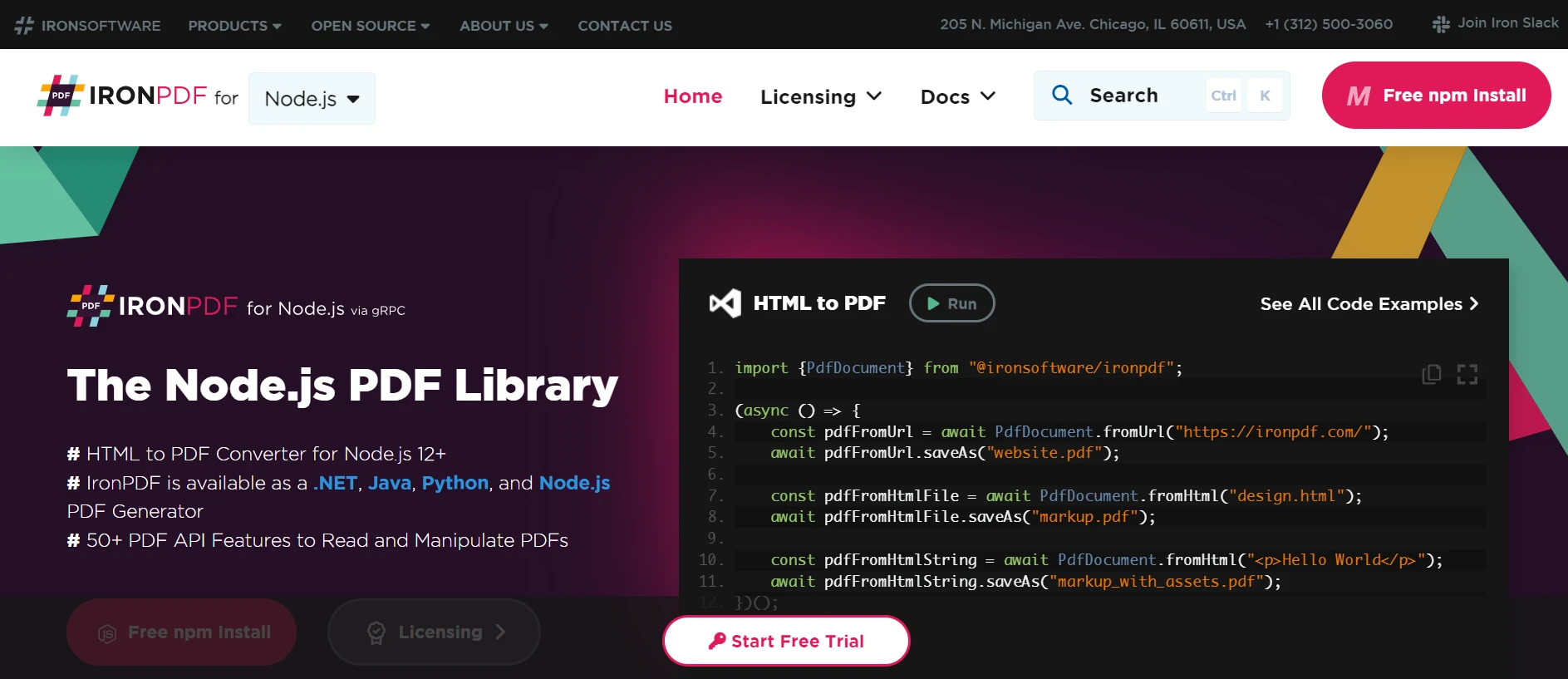
IronPDF를 IronPDF를 $999에서 시작해보세요. 강력한 기능을 살펴보고 투자할 가치가 있는 이유를 확인해 보세요. 오늘 바로 시도해 보세요!






 무료로 시작하세요
 무료로 시작하세요
 무료 라이브 데모 예약하기





 신용카드나 계정 생성은 필요하지 않습니다.