Willkommen in der Welt des Programmierens mit C#! Wenn Sie ein Anfänger sind, kann das Verständnis der grundlegenden Konzepte der Schlüssel zu Ihrem zukünftigen Erfolg sein. Ein solches grundlegendes Konzept in den meisten Programmiersprachen, einschließlich C#, ist die Idee von booleschen Werten und Variablen. In diesem Leitfaden werden wir tief in boolean values in C# eintauchen und lernen, wie sie auf sinnvolle Weise genutzt werden können.
The Basics of Boolean in C#
Was ist ein Boolescher Wert?
Ein boolescher Wert ist ein Datentyp, der nur zwei Werte hat – true und false. Diese binäre Natur kann als ein Ein-Aus-Schalter betrachtet werden. In C# sind die Schlüsselwörter zur Darstellung dieser Werte jeweils true und false.
Betrachten Sie beispielsweise den Lichtschalter in Ihrem Zimmer. Er kann entweder EIN (true) oder AUS (false) sein. Dasselbe Prinzip gilt hier.
Declaring a Bool Variable in C#
In C# können Sie eine bool-Variable wie im folgenden Beispiel gezeigt deklarieren.
bool isLightOn = true;
bool isLightOn = true;
Dim isLightOn As Boolean = True
Dim isLightOn As Boolean = True
Hier ist isLightOn eine bool-Variable, der der Wert true zugewiesen wurde.
Die Rolle der booleschen Operatoren
In C# sind true und false nicht nur Werte. Sie sind Operatoren, die eine bedeutende Rolle in booleschen Ausdrücken und boolescher Logik spielen. Diese bestimmen den Ausgang von Bedingungen und können in verschiedenen Konstrukten verwendet werden, insbesondere in den if-Anweisungen.
Wahrheits- und Falsch-Operatoren im Detail
In C#, wie in vielen Programmiersprachen, sind true und false nicht nur Grundwerte. Sie bilden das Rückgrat der booleschen Logik und können, wenn sie mit Operatoren kombiniert werden, komplexe und mächtige Bedingungsaussagen erzeugen. Hier ist ein umfassenderer Blick auf diese Operatoren und ihre Bedeutung in C#.
Logische Operatoren mit Wahr und Falsch
C# bietet eine Reihe von logischen Operatoren, die zusammen mit true und false verwendet werden, um boolean expressions zu bewerten und zu manipulieren.
UND (&&): Gibt "true" zurück, wenn beide Ausdrücke wahr sind.
bool result = true && false; // result is false
bool result = true && false; // result is false
Dim result As Boolean = True AndAlso False ' result is false
Dim result As Boolean = True AndAlso False ' result is false
ODER (||): Gibt true zurück, wenn mindestens einer der Ausdrücke wahr ist.
bool result = true || false; // result is true
bool result = true || false; // result is true
Dim result As Boolean = True OrElse False ' result is true
Dim result As Boolean = True OrElse False ' result is true
NOT (!): Kehrt den Wert eines Ausdrucks um.
bool result = !true; // result is false
bool result = !true; // result is false
Dim result As Boolean = Not True ' result is false
Dim result As Boolean = Not True ' result is false
Wahrheits- und Falsch-Operatoren überladen
In C# können Sie benutzerdefiniertes Verhalten für die Operatoren true und false in benutzerdefinierten Typen definieren, indem Sie sie überladen. Das bedeutet, dass Sie bestimmen können, wie Ihre benutzerdefinierten Objekte zu true oder false ausgewertet werden.
Betrachten Sie zum Beispiel eine Klasse, die eine Glühbirne repräsentiert:
public class LightBulb
{
    public int Brightness { get; set; }

    public static bool operator true(LightBulb bulb)
    {
        return bulb.Brightness > 50;
    }

    public static bool operator false(LightBulb bulb)
    {
        return bulb.Brightness <= 50;
    }
}
public class LightBulb
{
    public int Brightness { get; set; }

    public static bool operator true(LightBulb bulb)
    {
        return bulb.Brightness > 50;
    }

    public static bool operator false(LightBulb bulb)
    {
        return bulb.Brightness <= 50;
    }
}
Public Class LightBulb
Public Property Brightness() As Integer
Public Shared Operator IsTrue(ByVal bulb As LightBulb) As Boolean
Return bulb.Brightness > 50
End Operator
Public Shared Operator IsFalse(ByVal bulb As LightBulb) As Boolean
Return bulb.Brightness <= 50
End Operator
End Class
Public Class LightBulb
	Public Property Brightness() As Integer

	Public Shared Operator IsTrue(ByVal bulb As LightBulb) As Boolean
		Return bulb.Brightness > 50
	End Operator

	Public Shared Operator IsFalse(ByVal bulb As LightBulb) As Boolean
		Return bulb.Brightness <= 50
	End Operator
End Class
Mit dem obigen Code wird ein LightBulb-Objekt mit einem Brightness-Wert größer als 50 zu true ausgewertet, andernfalls wird es zu false ausgewertet.
Bedingte Operatoren
C# bietet auch bedingte Operatoren, die einen bool-Wert zurückgeben.
Gleichheit (==): Prüft, ob zwei Werte gleich sind.
bool result = (5 == 5); // result is true
bool result = (5 == 5); // result is true
Dim result As Boolean = (5 = 5) ' result is true
Dim result As Boolean = (5 = 5) ' result is true
Ungleichheitszeichen (!=): Prüft, ob zwei Werte nicht gleich sind.
bool result = (5 != 5); // result is false
bool result = (5 != 5); // result is false
Dim result As Boolean = (5 <> 5) ' result is false
Dim result As Boolean = (5 <> 5) ' result is false
Größer als (>), Kleiner als (<), Größer oder gleich (>=) und Kleiner oder gleich (<=): Werden verwendet, um numerische (int) oder andere vergleichbare Datentypen zu vergleichen.
bool isGreater = (10 > 5); // isGreater is true
bool isGreater = (10 > 5); // isGreater is true
Dim isGreater As Boolean = (10 > 5) ' isGreater is true
Dim isGreater As Boolean = (10 > 5) ' isGreater is true
Verständnis boolescher Ausdrücke
Was ist ein boolescher Ausdruck?
Ein boolescher Ausdruck ist eine Anweisung, die entweder zu true oder false ausgewertet wird. Zum Beispiel:
int a = 5;
int b = 10;
bool result = a > b;  // This will evaluate to false
int a = 5;
int b = 10;
bool result = a > b;  // This will evaluate to false
Dim a As Integer = 5
Dim b As Integer = 10
Dim result As Boolean = a > b ' This will evaluate to false
Dim a As Integer = 5
Dim b As Integer = 10
Dim result As Boolean = a > b ' This will evaluate to false
Hier ist a > b ein boolescher Ausdruck. Der Ausdruck wird zu false ausgewertet, da 5 nicht größer als 10 ist.
Verwendung boolescher Ausdrücke mit der if-Anweisung
Der Hauptanwendungsbereich boolescher Ausdrücke in C# liegt in der if-Anweisung. Der Code innerhalb der if-Anweisung wird nur ausgeführt, wenn der boolesche Ausdruck true ist.
if (isLightOn)
{
    Console.WriteLine("The light is on!");
}
if (isLightOn)
{
    Console.WriteLine("The light is on!");
}
If isLightOn Then
Console.WriteLine("The light is on!")
End If
If isLightOn Then
	Console.WriteLine("The light is on!")
End If
Im obigen Snippet wird der Code innerhalb der if-Anweisung ausgeführt, weil isLightOn true ist.
Über das Wahre und Falsche hinaus mit Nullable Bool
Einführung in nullbare Werttypen
Manchmal können Situationen auftreten, in denen eine Variable keinen Wert haben könnte. Wenn Sie beispielsweise Daten von einer externen Quelle erhalten, kann ein boolesches Feld entweder true, false oder unbekannt (d.h. kein Wert) sein.
C# führt für solche Szenarien nullable Werttypen ein. Für Boolesche bedeutet dies bool?, was für den nullable bool-Operator steht.
Deklarieren und Verwenden von nullbaren Booleschen Werten
Ein nullable bool kann drei Werte annehmen: true, false oder null. Wichtige Vorteile sind:
bool? isDataAvailable = null;
bool? isDataAvailable = null;
Dim isDataAvailable? As Boolean = Nothing
Dim isDataAvailable? As Boolean = Nothing
Nun hat isDataAvailable keinen der beiden Werte, die wir zuvor besprochen haben. Stattdessen ist es null, was das Fehlen eines Wertes anzeigt.
Prüfen von nullbaren Booleschen Werten
Sie fragen sich vielleicht, wie man den Wert eines nullable bool überprüft. So können Sie es tun:
if (isDataAvailable == true)
{
    Console.WriteLine("Data is available.");
}
else if (isDataAvailable == false)
{
    Console.WriteLine("Data is not available.");
}
else
{
    Console.WriteLine("Data availability is unknown.");
}
if (isDataAvailable == true)
{
    Console.WriteLine("Data is available.");
}
else if (isDataAvailable == false)
{
    Console.WriteLine("Data is not available.");
}
else
{
    Console.WriteLine("Data availability is unknown.");
}
If isDataAvailable = True Then
Console.WriteLine("Data is available.")
ElseIf isDataAvailable = False Then
Console.WriteLine("Data is not available.")
Else
Console.WriteLine("Data availability is unknown.")
End If
If isDataAvailable = True Then
	Console.WriteLine("Data is available.")
ElseIf isDataAvailable = False Then
	Console.WriteLine("Data is not available.")
Else
	Console.WriteLine("Data availability is unknown.")
End If
Beachten Sie, wie wir den nullable bool mit beiden Operatoren true und false vergleichen. Wenn keine Übereinstimmung vorliegt, bedeutet das, dass der Wert null ist.
Iron Software
Die Iron Software-Suite wurde entwickelt, um C#-Entwicklern erweiterte Fähigkeiten über ein breites Spektrum von Aufgaben zu bieten.
IronPDF
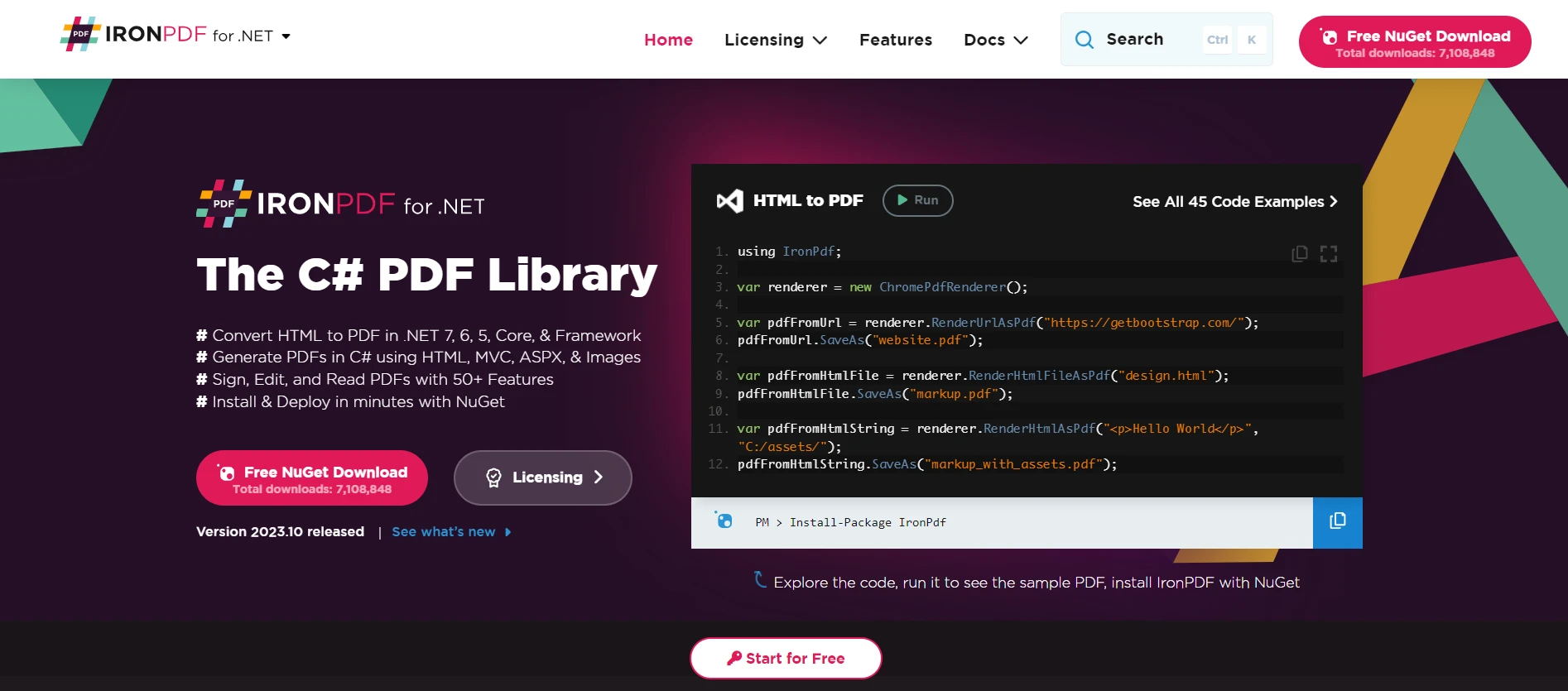
Erkunde IronPDF-Funktionen - IronPDF ist ein robustes Werkzeug zum Erstellen, Bearbeiten und Extrahieren von Inhalten aus PDF-Dokumenten. Denken Sie an Szenarien, in denen Sie einen Bericht erstellt haben und überprüfen müssen, ob die Erstellung erfolgreich war. Mit booleschen Überprüfungen können Sie die Integrität Ihrer PDFs gewährleisten. Eine Operation könnte true zurückgeben, wenn das PDF bestimmte Bedingungen erfüllt oder andernfalls false, was die vernetzte Natur der booleschen Logik bei PDF-Operationen veranschaulicht.
Die Hauptstärke von IronPDF liegt in der Konvertierung von HTML zu PDF-Dokumenten, wobei sichergestellt wird, dass die ursprünglichen Layouts und Stile erhalten bleiben. Es ist besonders nützlich für die Erstellung von PDFs aus webbasierten Inhalten wie Berichten, Rechnungen und Dokumentationen. Es arbeitet mit HTML-Dateien, URLs und HTML-Strings, um PDFs zu erstellen.
using IronPdf;

class Program
{
    static void Main(string[] args)
    {
        var renderer = new ChromePdfRenderer();

        // 1. Convert HTML String to PDF
        var htmlContent = "<h1>Hello, IronPDF!</h1><p>This is a PDF from an HTML string.</p>";
        var pdfFromHtmlString = renderer.RenderHtmlAsPdf(htmlContent);
        pdfFromHtmlString.SaveAs("HTMLStringToPDF.pdf");

        // 2. Convert HTML File to PDF
        var htmlFilePath = "path_to_your_html_file.html"; // Specify the path to your HTML file
        var pdfFromHtmlFile = renderer.RenderHtmlFileAsPdf(htmlFilePath);
        pdfFromHtmlFile.SaveAs("HTMLFileToPDF.pdf");

        // 3. Convert URL to PDF
        var url = "http://ironpdf.com"; // Specify the URL
        var pdfFromUrl = renderer.RenderUrlAsPdf(url);
        pdfFromUrl.SaveAs("URLToPDF.pdf");
    }
}
using IronPdf;

class Program
{
    static void Main(string[] args)
    {
        var renderer = new ChromePdfRenderer();

        // 1. Convert HTML String to PDF
        var htmlContent = "<h1>Hello, IronPDF!</h1><p>This is a PDF from an HTML string.</p>";
        var pdfFromHtmlString = renderer.RenderHtmlAsPdf(htmlContent);
        pdfFromHtmlString.SaveAs("HTMLStringToPDF.pdf");

        // 2. Convert HTML File to PDF
        var htmlFilePath = "path_to_your_html_file.html"; // Specify the path to your HTML file
        var pdfFromHtmlFile = renderer.RenderHtmlFileAsPdf(htmlFilePath);
        pdfFromHtmlFile.SaveAs("HTMLFileToPDF.pdf");

        // 3. Convert URL to PDF
        var url = "http://ironpdf.com"; // Specify the URL
        var pdfFromUrl = renderer.RenderUrlAsPdf(url);
        pdfFromUrl.SaveAs("URLToPDF.pdf");
    }
}
Imports IronPdf
Friend Class Program
Shared Sub Main(ByVal args() As String)
Dim renderer = New ChromePdfRenderer()
' 1. Convert HTML String to PDF
Dim htmlContent = "<h1>Hello, IronPDF!</h1><p>This is a PDF from an HTML string.</p>"
Dim pdfFromHtmlString = renderer.RenderHtmlAsPdf(htmlContent)
pdfFromHtmlString.SaveAs("HTMLStringToPDF.pdf")
' 2. Convert HTML File to PDF
Dim htmlFilePath = "path_to_your_html_file.html" ' Specify the path to your HTML file
Dim pdfFromHtmlFile = renderer.RenderHtmlFileAsPdf(htmlFilePath)
pdfFromHtmlFile.SaveAs("HTMLFileToPDF.pdf")
' 3. Convert URL to PDF
Dim url = "http://ironpdf.com" ' Specify the URL
Dim pdfFromUrl = renderer.RenderUrlAsPdf(url)
pdfFromUrl.SaveAs("URLToPDF.pdf")
End Sub
End Class
Imports IronPdf

Friend Class Program
	Shared Sub Main(ByVal args() As String)
		Dim renderer = New ChromePdfRenderer()

		' 1. Convert HTML String to PDF
		Dim htmlContent = "<h1>Hello, IronPDF!</h1><p>This is a PDF from an HTML string.</p>"
		Dim pdfFromHtmlString = renderer.RenderHtmlAsPdf(htmlContent)
		pdfFromHtmlString.SaveAs("HTMLStringToPDF.pdf")

		' 2. Convert HTML File to PDF
		Dim htmlFilePath = "path_to_your_html_file.html" ' Specify the path to your HTML file
		Dim pdfFromHtmlFile = renderer.RenderHtmlFileAsPdf(htmlFilePath)
		pdfFromHtmlFile.SaveAs("HTMLFileToPDF.pdf")

		' 3. Convert URL to PDF
		Dim url = "http://ironpdf.com" ' Specify the URL
		Dim pdfFromUrl = renderer.RenderUrlAsPdf(url)
		pdfFromUrl.SaveAs("URLToPDF.pdf")
	End Sub
End Class
IronXL
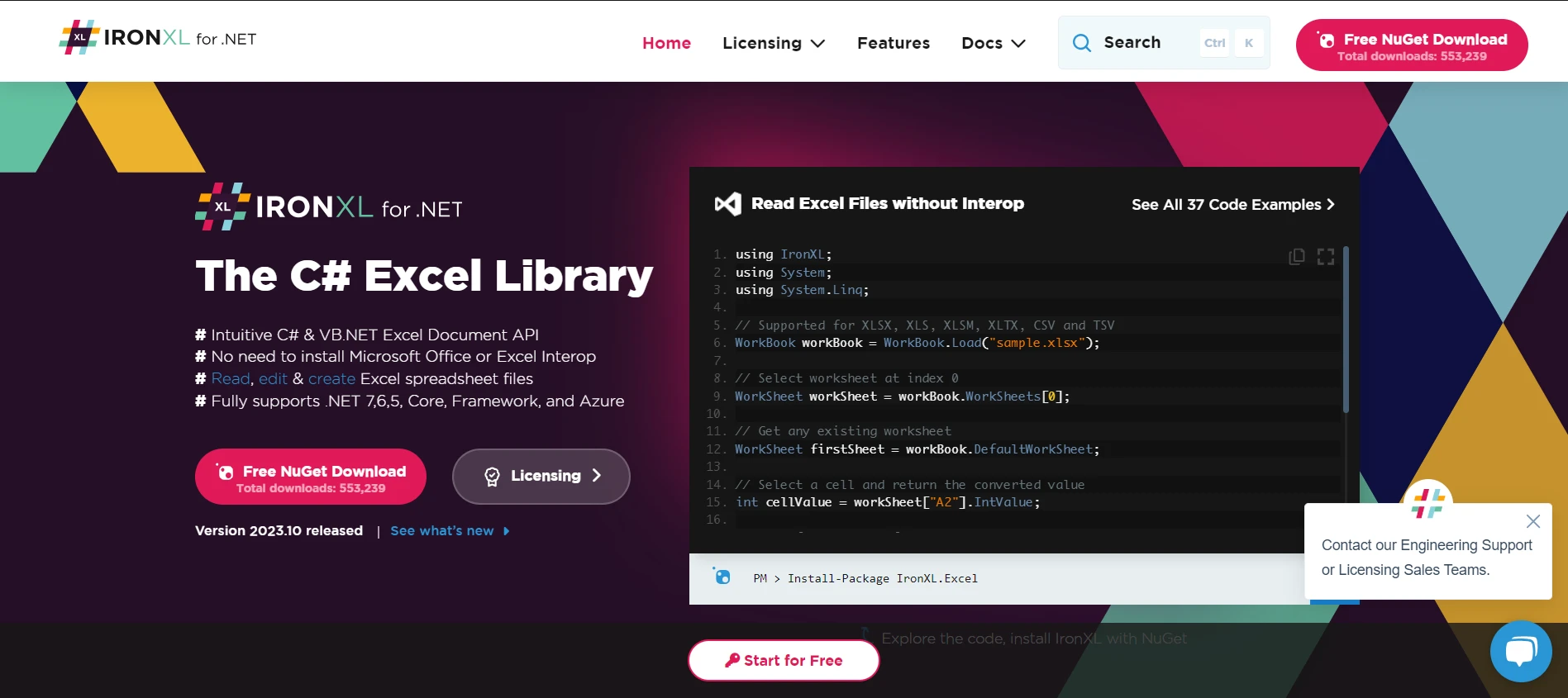
Entdecke IronXL für Excel-Management - IronXL bietet die Möglichkeit, mit Excel-Blättern zu arbeiten, sei es Lesen, Schreiben oder Manipulieren von Daten. Bei der Arbeit mit großen Datensätzen in Excel werden boolesche Werte oft unverzichtbar. Beispielsweise führt die Überprüfung, ob Daten bestimmte Kriterien erfüllen oder der Erfolg einer Datenimportoperation typischerweise zu einem true- oder false-Ergebnis. Daher gehen IronXL und boolesche Werte oft Hand in Hand bei der Datenvalidierung und -operationen.
IronOCR
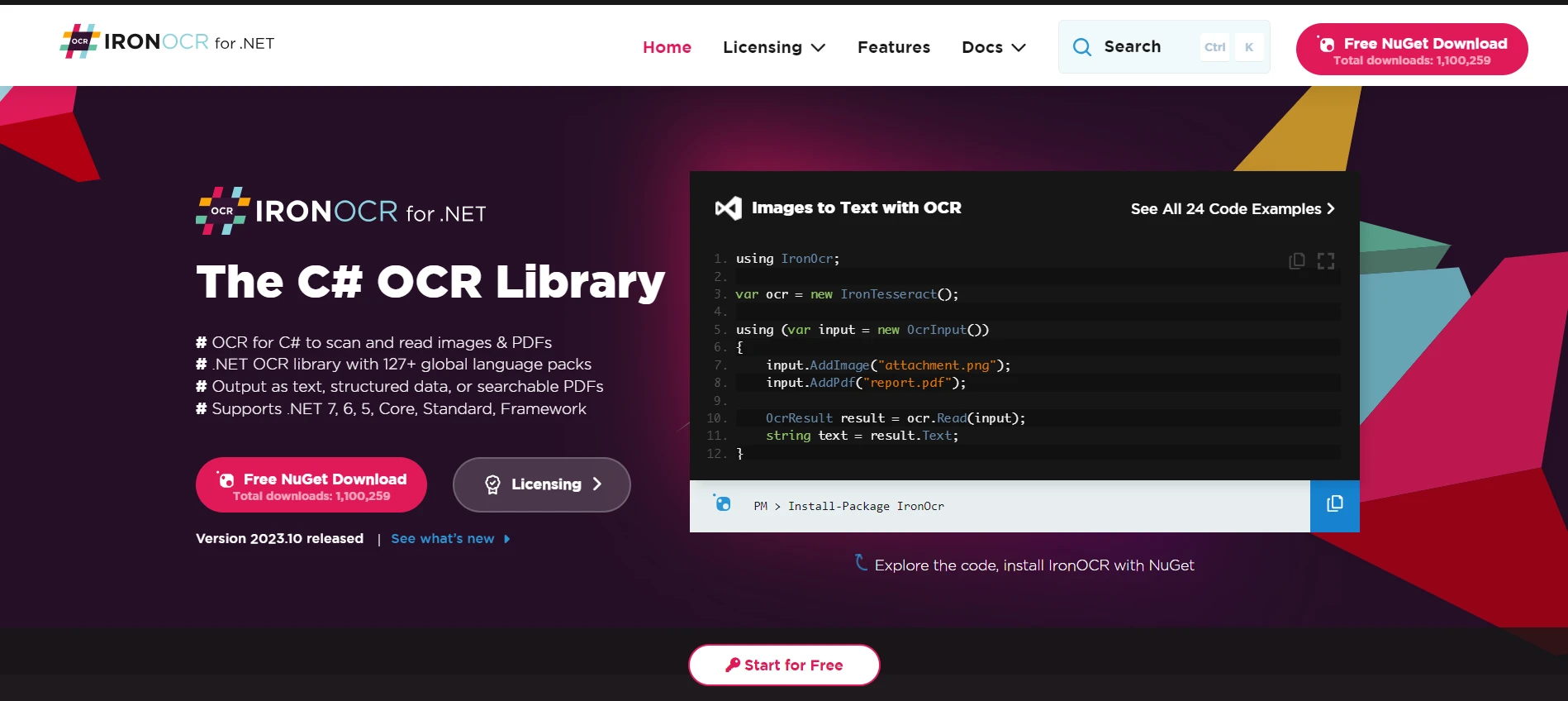
Erfahren Sie mehr über IronOCR - IronOCR ist ein Tool zur optischen Zeichenerkennung, das es Entwicklern ermöglicht, Text aus Bildern und Dokumenten zu extrahieren. Im Kontext der OCR spielen boolesche Werte eine entscheidende Rolle bei der Überprüfung des Erfolgs der Textextraktion. Zum Beispiel könnte die Software nach der Verarbeitung eines Bildes (true oder false) anzeigen, ob die Extraktion erfolgreich war oder ob der gescannte Inhalt den erwarteten Werten entspricht.
IronBarcode
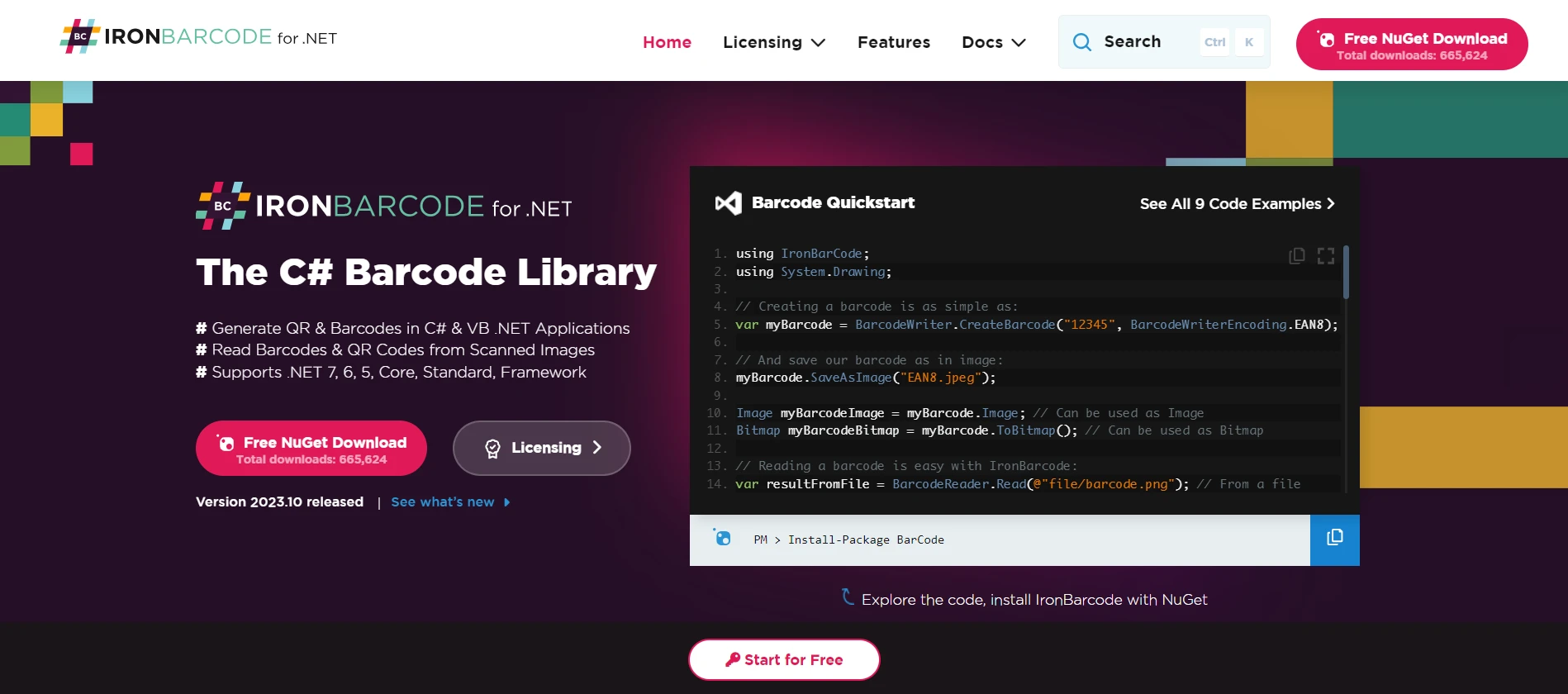
Entdecken Sie die Fähigkeiten von IronBarcode - Zuletzt, aber sicherlich nicht zuletzt, bietet IronBarcode Funktionen zum Generieren und Scannen von Barcodes. Wie bei anderen Tools der Iron Suite ist die boolesche Logik wesentlich. Nach dem Scannen eines Barcodes oder QR-Codes kann eine boolesche Überprüfung Ihnen schnell sagen, ob der Barcode erkannt wurde oder ob der generierte Barcode bestimmten Standards entspricht.
Abschluss
Die Reise durch true und false in C# bietet Einblick in die Tiefe und Vielseitigkeit der Sprache. In Kombination mit leistungsstarken Tools wie der Iron Software-Suite können Entwickler das volle Potenzial ihrer Anwendungen ausschöpfen. Durch das Verständnis von booleschen Werten und wie sie mit fortschrittlichen Softwarelösungen interagieren, sind Sie besser gerüstet, effiziente, effektive und fehlerfreie Programme zu erstellen. Für diejenigen, die erwägen, die Iron Software-Tools in ihre Projekte zu integrieren, ist es erwähnenswert, dass jede Produktlizenz bei $999 beginnt.
Wenn Sie daran interessiert sind, ihre Fähigkeiten aus erster Hand zu erkunden, bietet jedes Produkt ein großzügiges kostenloses Testangebot. Dies ermöglicht es Ihnen, ihre Funktionen und Vorteile risikofrei zu erleben und sicherzustellen, dass sie mit den Anforderungen Ihres Projekts übereinstimmen, bevor Sie eine Verpflichtung eingehen.
Darüber hinaus können Sie, um den Wert zu maximieren, die gesamte Suite der Iron Software-Produkte zum Preis von nur zwei Produkten erwerben, was erhebliche Kosteneinsparungen und ein umfassendes Toolkit für Ihre Entwicklungsanforderungen bietet.