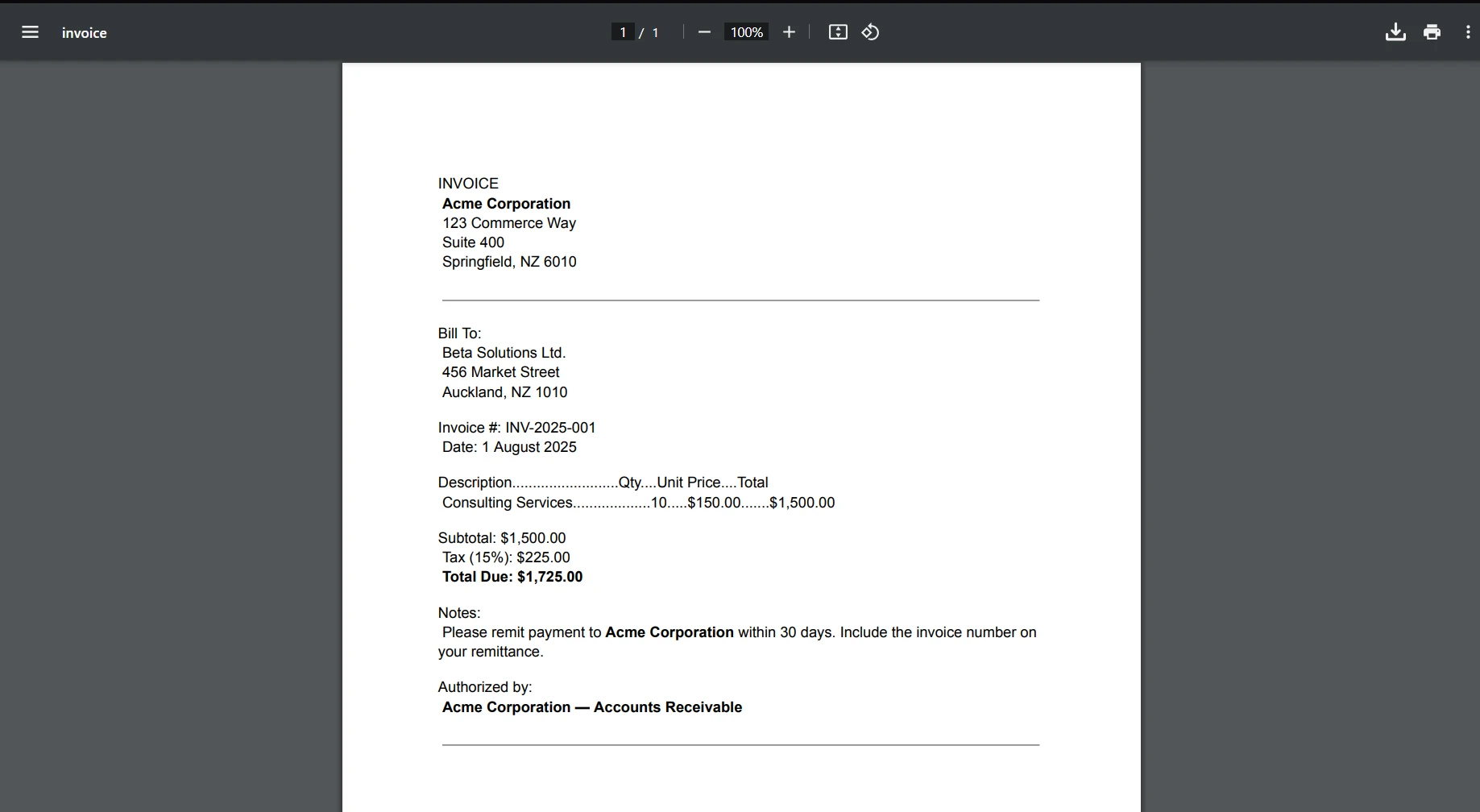
In der heutigen digitalen Welt ist die Arbeit mit PDFs ein kritischer Aspekt der Dokumentenverwaltung über verschiedene Plattformen hinweg. Mit der IronPDF-Bibliothek haben Entwickler ein leistungsstarkes Werkzeug, um PDF-Dateien mit HTML, CSS und JavaScript zu erstellen und zu manipulieren. Die IronPDF NuGet-Bibliothek vereinfacht die PDF-Generierung in .NET-Anwendungen. Erfahren Sie, wie Sie HTML mit CSS und JavaScript verlustfrei in PDF konvertieren.
Was ist NuGet
NuGet ist ein Paketmanager for .NET-Entwickler, der es ihnen ermöglicht, Open-Source-Bibliotheken und -Abhängigkeiten in ihren Projekten einfach zu finden, zu installieren und zu verwalten. Es rationalisiert den Prozess der Integration von Drittanbietercode, gewährleistet Kompatibilität und reduziert die Entwicklungszeit.
Konvertieren von HTML in PDF mit NuGet C#
- Herunterladen einer C#-Bibliothek von NuGet zur Konvertierung von HTML in PDF
- Verwenden Sie die Methode
RenderHtmlAsPdf, um HTML in ein PDF-Dokument zu konvertieren - Konvertieren einer URL in ein PDF-Dokument mit der Methode
RenderUrlAsPdf - Zusammenführen und Aufteilen einer bestehenden PDF-Datei mit einer über NuGet installierten C#-Bibliothek
- Stempeln von Barcodes verschiedener Typen in PDF-Dateien
Einführung in IronPDF

IronPDF ist eine beliebte C# PDF-Bibliothek, die als NuGet-Paket verfügbar ist. Es ermöglicht Entwicklern, PDF-Inhalte in .NET-Anwendungen zu generieren, zu bearbeiten und zu extrahieren. Mit seinen benutzerfreundlichen Methoden ermöglicht IronPDF die Erstellung von PDFs aus HTML, URLs oder bestehenden Dateien und bietet zusätzliche Funktionen wie die Zusammenführung, das Teilen und die Wasserzeichen von PDFs.
Wie installiere ich IronPDF
Die Installation von IronPDF ist ein unkomplizierter Prozess bei Verwendung des NuGet-Paketmanagers. Um zu beginnen, öffnen Sie Ihr .NET-Projekt in Visual Studio und navigieren Sie zum Lösungsexplorer. Rechtsklicken Sie dort auf Ihr Projekt und wählen Sie "NuGet-Pakete verwalten".
Wechseln Sie im NuGet-Paketmanager-Fenster zur Durchsuchen-Registerkarte und suchen Sie nach "IronPDF". Sobald Sie das Paket gefunden haben, wählen Sie es aus und klicken auf die Schaltfläche "Installieren", um den Installationsprozess zu beginnen. Der Paketmanager führt Sie durch den Installationsprozess mit einer Reihe von Eingabeaufforderungen, einschließlich der Annahme der Lizenzvereinbarung.
Nach Abschluss des Installationsprozesses wird IronPDF zu Ihrem Projekt hinzugefügt und Sie können es verwenden, um PDF-Dokumente aus Ihrer .NET-Anwendung zu generieren.
Konvertieren eines HTML-Strings in ein PDF
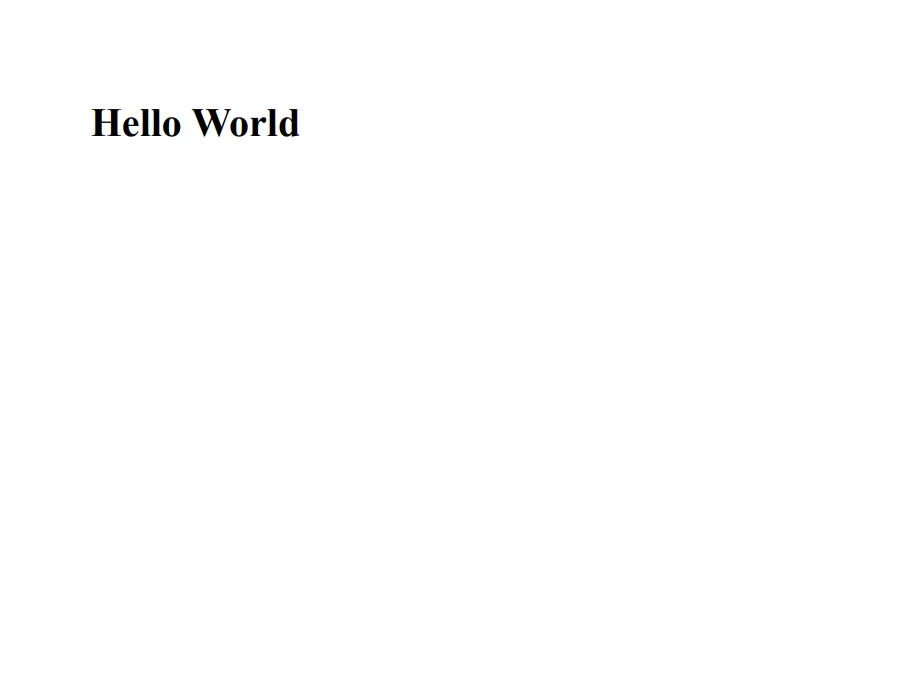
Eine der Kernfunktionen von IronPDF ist die Fähigkeit, HTML-Strings in PDF-Dokumente zu konvertieren. Dies kann mit der ChromePdfRenderer Klasse durchgeführt werden, wie im folgenden Code-Snippet gezeigt. Es wird eine PDF-Seite erzeugen, die den Text enthält.
using IronPdf;

// Instantiate Renderer
var renderer = new ChromePdfRenderer();

// Create a PDF from an HTML string using C#
var pdf = renderer.RenderHtmlAsPdf("Hello World");

// Export to a file or Stream
pdf.SaveAs("output.pdf");
using IronPdf;

// Instantiate Renderer
var renderer = new ChromePdfRenderer();

// Create a PDF from an HTML string using C#
var pdf = renderer.RenderHtmlAsPdf("Hello World");

// Export to a file or Stream
pdf.SaveAs("output.pdf");
Imports IronPdf
' Instantiate Renderer
Private renderer = New ChromePdfRenderer()
' Create a PDF from an HTML string using C#
Private pdf = renderer.RenderHtmlAsPdf("Hello World")
' Export to a file or Stream
pdf.SaveAs("output.pdf")
Imports IronPdf

' Instantiate Renderer
Private renderer = New ChromePdfRenderer()

' Create a PDF from an HTML string using C#
Private pdf = renderer.RenderHtmlAsPdf("Hello World")

' Export to a file or Stream
pdf.SaveAs("output.pdf")
Konvertieren einer URL in eine PDF-Datei
IronPDF ermöglicht Ihnen auch, ein PDF aus einer URL zu erstellen, was es einfach macht, Webseiten in PDFs zu konvertieren.
using IronPdf;

// Instantiate Renderer
var renderer = new ChromePdfRenderer();

// Create a PDF from a URL or local file path
var pdf = renderer.RenderUrlAsPdf("https://ironpdf.com/");

// Export to a file or Stream
pdf.SaveAs("url.pdf");
using IronPdf;

// Instantiate Renderer
var renderer = new ChromePdfRenderer();

// Create a PDF from a URL or local file path
var pdf = renderer.RenderUrlAsPdf("https://ironpdf.com/");

// Export to a file or Stream
pdf.SaveAs("url.pdf");
Imports IronPdf
' Instantiate Renderer
Dim renderer As New ChromePdfRenderer()
' Create a PDF from a URL or local file path
Dim pdf = renderer.RenderUrlAsPdf("https://ironpdf.com/")
' Export to a file or Stream
pdf.SaveAs("url.pdf")
Imports IronPdf

' Instantiate Renderer
Dim renderer As New ChromePdfRenderer()

' Create a PDF from a URL or local file path
Dim pdf = renderer.RenderUrlAsPdf("https://ironpdf.com/")

' Export to a file or Stream
pdf.SaveAs("url.pdf")
Konvertieren einer HTML-Seite in eine PDF-Datei
Die Konvertierung bestehender HTML-Dateien in PDFs ist mit IronPDF einfach. Verwenden Sie einfach die RenderHtmlFileAsPdf Methode, um ein PDF-Dokument aus einem HTML-Dokument zu erstellen.
using IronPdf;

// Instantiate Renderer
var renderer = new ChromePdfRenderer();

// Create a PDF from an existing HTML file using C#
var pdf = renderer.RenderHtmlFileAsPdf("example.html");

// Export to a file or Stream
pdf.SaveAs("output.pdf");
using IronPdf;

// Instantiate Renderer
var renderer = new ChromePdfRenderer();

// Create a PDF from an existing HTML file using C#
var pdf = renderer.RenderHtmlFileAsPdf("example.html");

// Export to a file or Stream
pdf.SaveAs("output.pdf");
Imports IronPdf
' Instantiate Renderer
Dim renderer As New ChromePdfRenderer()
' Create a PDF from an existing HTML file using VB
Dim pdf = renderer.RenderHtmlFileAsPdf("example.html")
' Export to a file or Stream
pdf.SaveAs("output.pdf")
Imports IronPdf

' Instantiate Renderer
Dim renderer As New ChromePdfRenderer()

' Create a PDF from an existing HTML file using VB
Dim pdf = renderer.RenderHtmlFileAsPdf("example.html")

' Export to a file or Stream
pdf.SaveAs("output.pdf")
Weitere Funktionen von IronPDF
Neben der Erzeugung von PDFs bietet IronPDF zusätzliche Funktionen, die auf verschiedene Dokumentverarbeitungserfordernisse zugeschnitten sind, darunter:
Zusammenführen und Aufteilen von PDFs: Mehrere PDFs lassen sich einfach zu einem einzigen Dokument zusammenführen oder ein vorhandenes PDF in separate Dateien aufteilen, basierend auf der gewünschten Seitenzahl oder Seitenbereichen.
Hinzufügen von Kopf- und Fußzeilen sowie Wasserzeichen: Passen Sie eine PDF-Datei an, indem Sie Kopf- und Fußzeilen oder Wasserzeichen hinzufügen , die Text, Bilder oder beides enthalten können. Bewahren Sie Konsistenz und Markenbildung über Ihre Dokumente hinweg, während Sie wesentliche Informationen bereitstellen.
Formularausfüllung und Datenextraktion: Mit IronPDF können Sie PDF-Formulare programmatisch ausfüllen und Daten aus ausgefüllten Formularen extrahieren. Diese Funktion vereinfacht die Verarbeitung von formularbasierten PDFs, automatisiert die Dateneintragung und Extraktionsaufgaben.
PDF-Verschlüsselung und -Sicherheit: Gewährleisten Sie die Sicherheit Ihrer PDFs durch die Anwendung von Verschlüsselung, die Festlegung von Passwortschutz und die Definition von Benutzerberechtigungen für Aktionen wie Drucken, Bearbeiten oder Inhaltsextraktion.
Text- und Bildextraktion: IronPDF ermöglicht es Ihnen, Text und Bilder aus PDF-Dokumenten zu extrahieren, wodurch die Wiederverwendung von Inhalten oder die Durchführung weiterer Analysen erleichtert wird.
Seitennummerierung und Gestaltung mit CSS: Passen Sie das Erscheinungsbild Ihrer PDFs mithilfe von CSS an, um Text, Bilder und Layout-Elemente zu gestalten. IronPDF unterstützt CSS3, wodurch Sie visuell ansprechende PDFs mit präziser Kontrolle über ihr Erscheinungsbild erstellen können.
PDF-Kompression: Optimieren Sie Ihre PDFs, indem Sie ihre Dateigröße komprimieren, ohne die visuelle Qualität einzubüßen. Diese Funktion ist besonders nützlich für das Teilen großer PDFs online oder per E-Mail.
Barcode- und QR-Code-Generierung: Generieren Sie Barcodes oder QR-Codes direkt in Ihren PDFs, um Informationen einfacher zu kodieren und zu teilen, den Lagerbestand zu verfolgen oder scannbare Links zu erstellen.
PDF-Anmerkungen: Fügen Sie Ihren PDFs Anmerkungen hinzu, darunter Text, Formen oder Zeichnungen, um zusätzliche Informationen bereitzustellen oder bestimmte Inhalte für die Leser hervorzuheben.
PDF-Metadatenverwaltung: Bearbeiten oder abrufen Sie Metadateneigenschaften von PDF-Dokumenten, wie z. B. Titel, Autor, Schlüsselwörter und mehr. Diese Funktion hilft Ihnen, wichtige Dokumentinformationen im Blick zu behalten und die Durchsuchbarkeit zu verbessern.
.NET-Kompatibilität von IronPDF
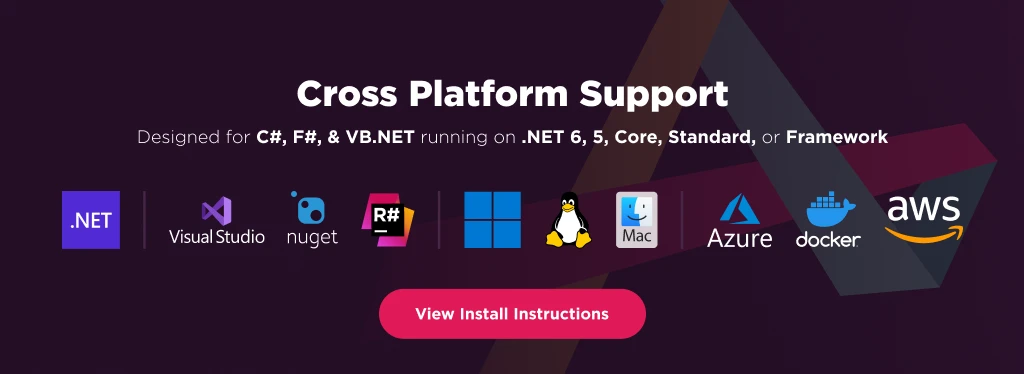
IronPDF ist kompatibel mit einer Vielzahl von .NET-Plattformen, darunter:
- .NET Framework 4.0 und höher
- .NET Core 2.0 und höher
- .NET 6 und .NET 7
- ASP.NET, Konsolen-, WinForms- und WPF-Applikationen
Diese Kompatibilität stellt sicher, dass IronPDF eine vielseitige Lösung für die Erstellung von PDFs in verschiedenen .NET-Umgebungen ist.
Warum IronPDF wählen
IronPDF sticht aus verschiedenen Gründen unter anderen PDF-Erzeugungsbibliotheken hervor:
Benutzerfreundlichkeit: Dank der intuitiven API und der umfassenden Dokumentation von IronPDF können Entwickler mit minimalem Lernaufwand ganz einfach mit der PDF-Erstellung beginnen.
HTML-, CSS- und JavaScript Unterstützung: Mit IronPDF können Sie Ihre PDFs mithilfe bekannter Webtechnologien gestalten, was die Erstellung komplexer Layouts und interaktiver Inhalte vereinfacht.
Leistung: IronPDF ist auf Leistung optimiert und gewährleistet eine schnelle und effiziente PDF-Generierung, selbst bei großen Dokumenten oder stark frequentierten Anwendungen.
Starke Community: IronPDF verfügt über eine aktive Community von Entwicklern und Mitwirkenden, die regelmäßig Support, Updates und neue Funktionen bereitstellen.
Erweiterte PDF-Bearbeitung: IronPDF bietet mehr als nur die PDF-Erstellung. Zu seinen fortgeschrittenen Funktionen gehören das Zusammenführen, Teilen, Wasserzeichen und die Extraktion, was es zu einer umfassenden PDF-Lösung for .NET-Entwickler macht.
Abschluss
IronPDF ist eine leistungsstarke und vielseitige NuGet-Bibliothek zur PDF-Erzeugung, die es Entwicklern ermöglicht, PDFs mit HTML, CSS und JavaScript in .NET-Anwendungen zu erstellen, zu manipulieren und zu verwalten. Mit seinem umfangreichen Funktionsumfang und der Kompatibilität mit verschiedenen .NET-Plattformen ist IronPDF ein unverzichtbares Werkzeug für Entwickler, die mit PDFs arbeiten. Indem Sie diesem Leitfaden folgen und die bereitgestellten Codebeispiele verwenden, können Sie IronPDF schnell in Ihre Projekte integrieren und mit der Erstellung professioneller PDF-Dokumente beginnen.
IronPDF bietet eine kostenlose Testversion seiner PDF-Bibliothek für diejenigen an, die seine leistungsstarken Funktionen ausprobieren möchten. Diese Testphase ermöglicht es Ihnen, die vollständigen Funktionen von IronPDF ohne Einschränkungen zu erkunden. Nach der Testphase können Sie sich dafür entscheiden, eine Lizenz ab $999 zu erwerben, um weiterhin Zugang zu der robusten Funktionalität und dem zuverlässigen Support von IronPDF zu haben.