from ironpdf import *

# Instantiate Renderer
renderer = ChromePdfRenderer()

# Create a PDF from a HTML string using Python
pdf = renderer.RenderHtmlAsPdf("<h1>Hello World</h1>")

# Export to a file or Stream
pdf.SaveAs("output.pdf")

# Advanced Example with HTML Assets
# Load external html assets: Images, CSS and JavaScript.
# An optional BasePath 'C:\site\assets\' is set as the file location to load assets from
myAdvancedPdf = renderer.RenderHtmlAsPdf("<img src='icons/iron.png'>", r"C:\site\assets")
myAdvancedPdf.SaveAs("html-with-assets.pdf")
from ironpdf import *# Instantiate Rendererrenderer = ChromePdfRenderer()# Create a PDF from a HTML string using Pythonpdf = renderer.RenderHtmlAsPdf("<h1>Hello World</h1>")# Export to a file or Streampdf.SaveAs("output.pdf")# Advanced Example with HTML Assets# Load external html assets: Images, CSS and JavaScript.# An optional BasePath 'C:\site\assets\' is set as the file location to load assets frommyAdvancedPdf = renderer.RenderHtmlAsPdf("<img src='icons/iron.png'>", r"C:\site\assets")myAdvancedPdf.SaveAs("html-with-assets.pdf")
Das Portable Document Format ( [PDF](https://en.wikipedia.org/wiki/PDF) ) hat sich im heutigen digitalen Zeitalter zum Standard für den Austausch von Dokumenten zwischen verschiedenen Geräten entwickelt. Die Bearbeitung von PDF-Dateien kann jedoch mitunter problematisch sein. Daher können wir Python verwenden, um Quell-PDF-Dateien programmatisch zu einer einzigen zusammengeführten PDF-Datei zu verschmelzen. Die Programmiersprache Python ist sehr flexibel und bietet zahlreiche Bibliotheken und Tools für die Arbeit mit PDF-Dateien. Unter diesen Programmen sticht IronPDF als leistungsstarkes Werkzeug für die Bearbeitung von PDF-Dateien hervor und bietet Funktionen wie die reibungslose Erstellung, Bearbeitung und Zusammenführung von PDFs.
Dieser Beitrag erklärt, wie man PDF-Verwaltungsoperationen vereinfacht, indem man IronPDF in Python verwendet, um mehrere PDF-Dateien zu einem einzigen, kohärenten Dokument zu kombinieren.
## Wie man mit Python PDFs kombiniert
1. Erstellen Sie eine neue Python-Datei.
2. Installieren Sie die IronPDF for Python-Bibliothek.
3. Importieren Sie die PDF-Bibliothek.
4. Erstellen Sie ein PDF-Objekt und fügen Sie PDF-Dateien hinzu.
5. PDF-Dateien zusammenführen und die erstellte Datei speichern.
## IronPDF
IronPDF ist eine Python-Bibliothek, die einen umfangreichen Funktionsumfang für die programmatische Interaktion mit PDF-Dokumenten bietet, um PDF-bezogene Aufgaben zu optimieren. IronPDF basiert auf der .NET-Plattform und lässt sich nahtlos mit Python kombinieren. Entwicklern steht ein umfangreiches Toolkit zum Erstellen, Bearbeiten und Konvertieren von PDF-Dateien zur Verfügung.
IronPDF ist eine Python-Bibliothek, die die Arbeit mit PDFs vereinfacht. Es bietet Entwicklern eine einfache API zur programmatischen Bearbeitung von PDF-Dokumenten. IronPDF ist ein sehr nützliches Werkzeug für viele Anwendungen, von Dokumentenmanagementsystemen bis hin zur Berichtserstellung. Es ermöglicht Entwicklern, PDF-Dateien einfach zu erstellen, zu bearbeiten und zusammenzuführen.
## Funktionen von IronPDF
- **PDF-Erstellung:** Mit IronPDF können Entwickler bei der Erstellung von PDF-Dokumenten von Grund auf neu beginnen. Das bedeutet, dass sie ihren Python-Code verwenden können, um Berichte, Rechnungen und andere strukturierte Dokumente dynamisch zu generieren. Mit Unterstützung für Text, Grafiken, Tabellen und Hyperlinks macht IronPDF die Erstellung visuell ansprechender und lehrreicher PDFs kinderleicht.
- **PDF-Bearbeitung:** IronPDF bietet eine breite Palette an Optionen für die Bearbeitung bereits vorhandener PDF-Dokumente sowie für die Erstellung neuer Dokumente. Entwickler können PDF-Dateien einfach anhängen, teilen und kombinieren, was die Produktivität steigert und die Dokumentenverwaltung vereinfacht.
- **HTML-zu-PDF-Konvertierung:** IronPDF erleichtert Entwicklern die Konvertierung von HTML-Informationen in PDF unter Beibehaltung von Stil, Organisation und Dateiformaten der endgültigen PDF-Dokumente. Diese Funktionalität ist besonders nützlich beim Erstellen druckfreundlicher Versionen von webbasierten Berichten, Dokumentationen und Marketingmaterialien.
- **PDF-Parsing und -Extraktion:** Mit IronPDF können Entwickler PDF-Dateien programmatisch analysieren und verarbeiten, indem sie auf einfache Weise Text, Bilder und andere Inhalte aus PDF-Dokumenten extrahieren. Mit IronPDF können Sie nützliche Erkenntnisse aus PDFs gewinnen, egal ob Sie Daten aus Finanzberichten analysieren oder Grafiken aus Präsentationsfolien entfernen.
- **PDF-Sicherheit:** Um PDF-Dokumente zu schützen und deren Integrität und Vertraulichkeit zu gewährleisten, bietet IronPDF starke Verschlüsselungs- und Autorisierungseinstellungen. Um die Dokumentensicherheit in kritischen Kontexten zu erhöhen, können Entwickler PDFs mit Passwörtern verschlüsseln, das Drucken und Kopieren einschränken und Dokumente digital signieren, um deren Legitimität zu bestätigen.
Beachten Sie stets, dass die Funktionen und die Zugänglichkeit von IronPDF in Python Änderungen unterliegen. Informieren Sie sich daher unbedingt in der offiziellen [Dokumentation](/python/docs/#introduction-to-ironpdf-for-python) von IronPDF über die aktuellsten und genauesten Informationen.
### Neues Projekt in PyCharm
PyCharm ist eine IDE zum Schreiben von Python-Programmen und wird in dieser Sitzung verwendet.
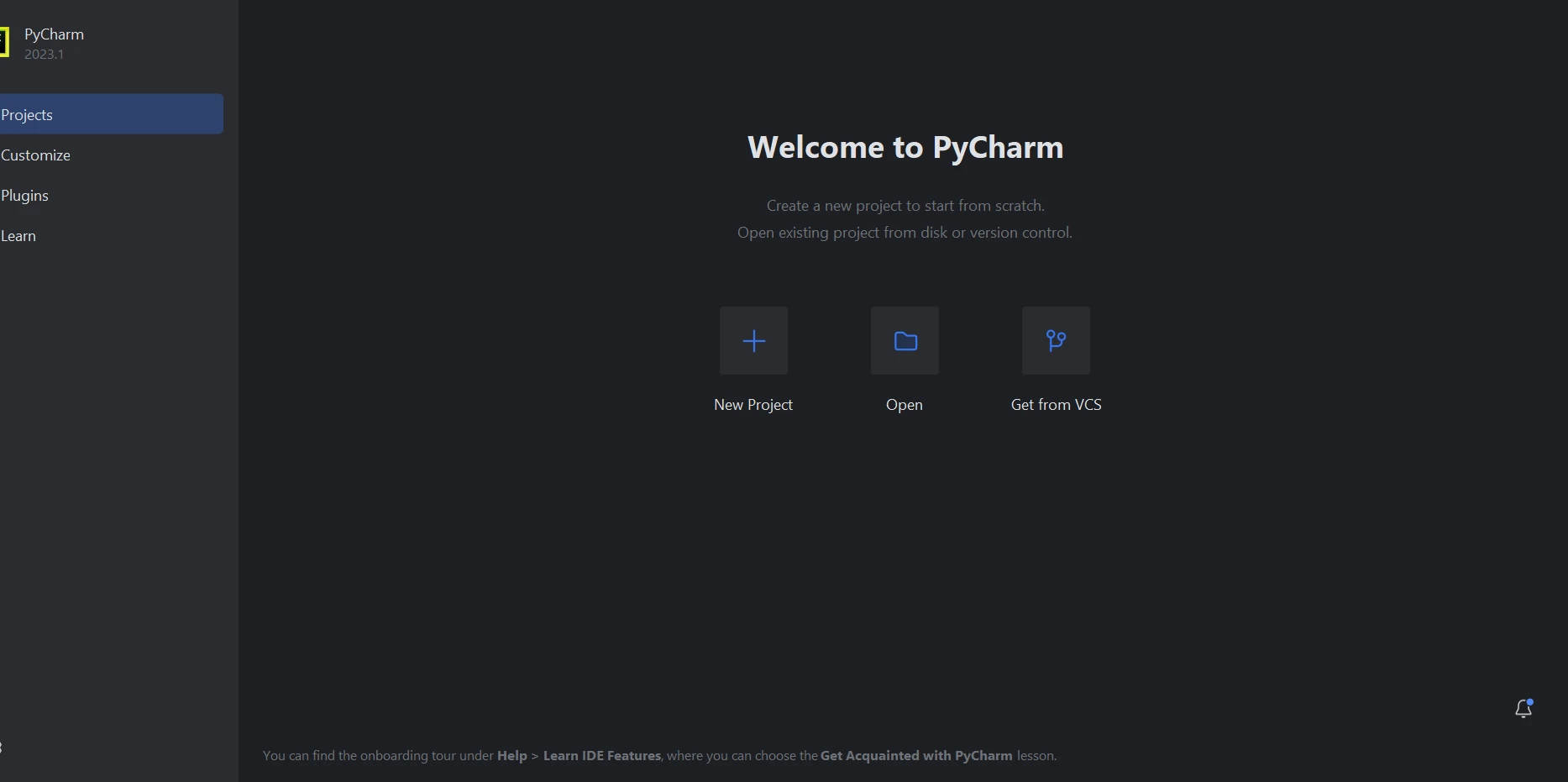
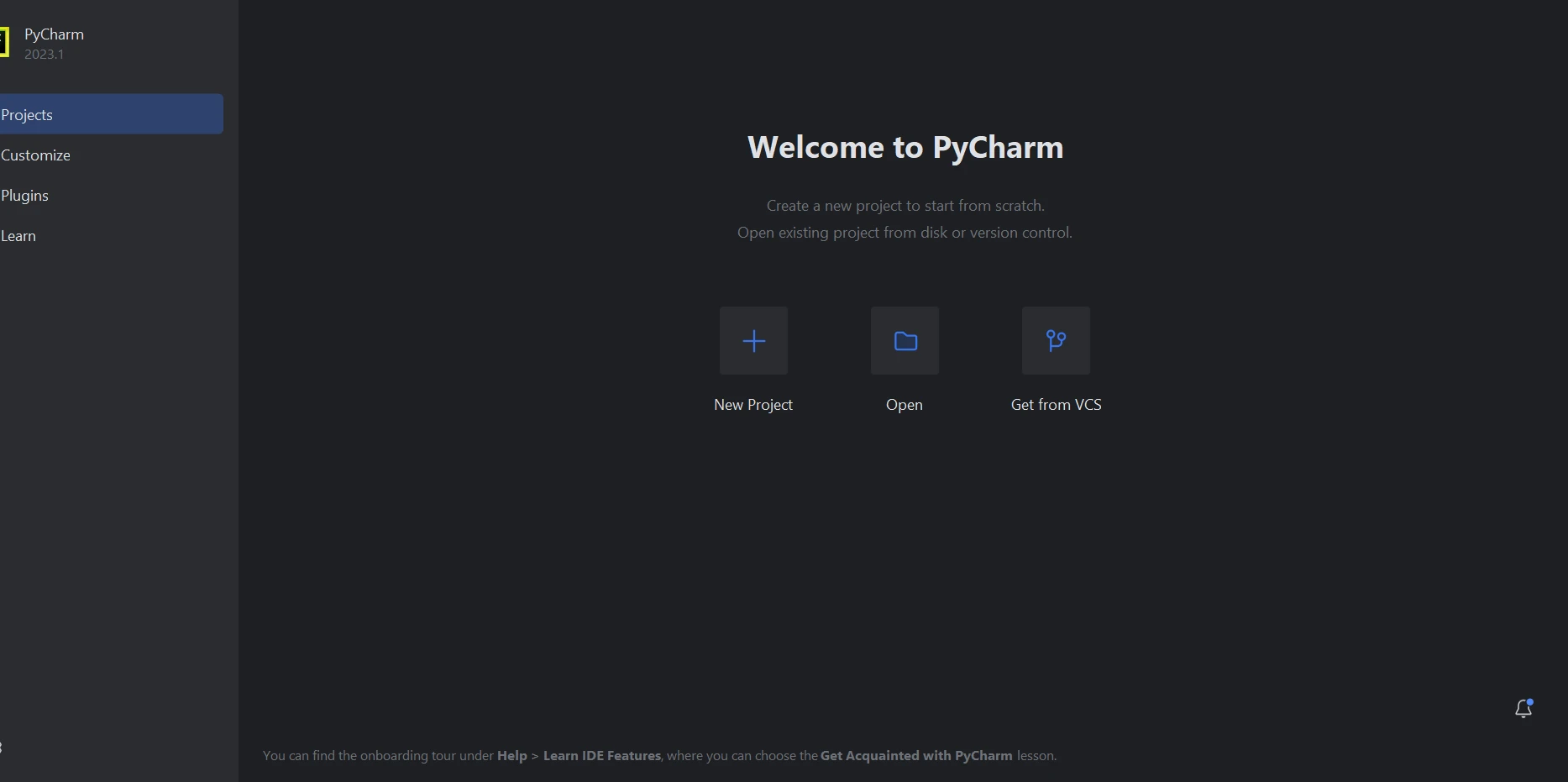
Wählen Sie beim Öffnen der PyCharm IDE die Option "Neues Projekt".
Mit der Auswahl von "Neues Projekt" öffnet sich ein neues Fenster, in dem Sie den Speicherort und die Umgebung des Projekts ändern können. Dieses neue Fenster ist im folgenden Screenshot in Aktion zu sehen.
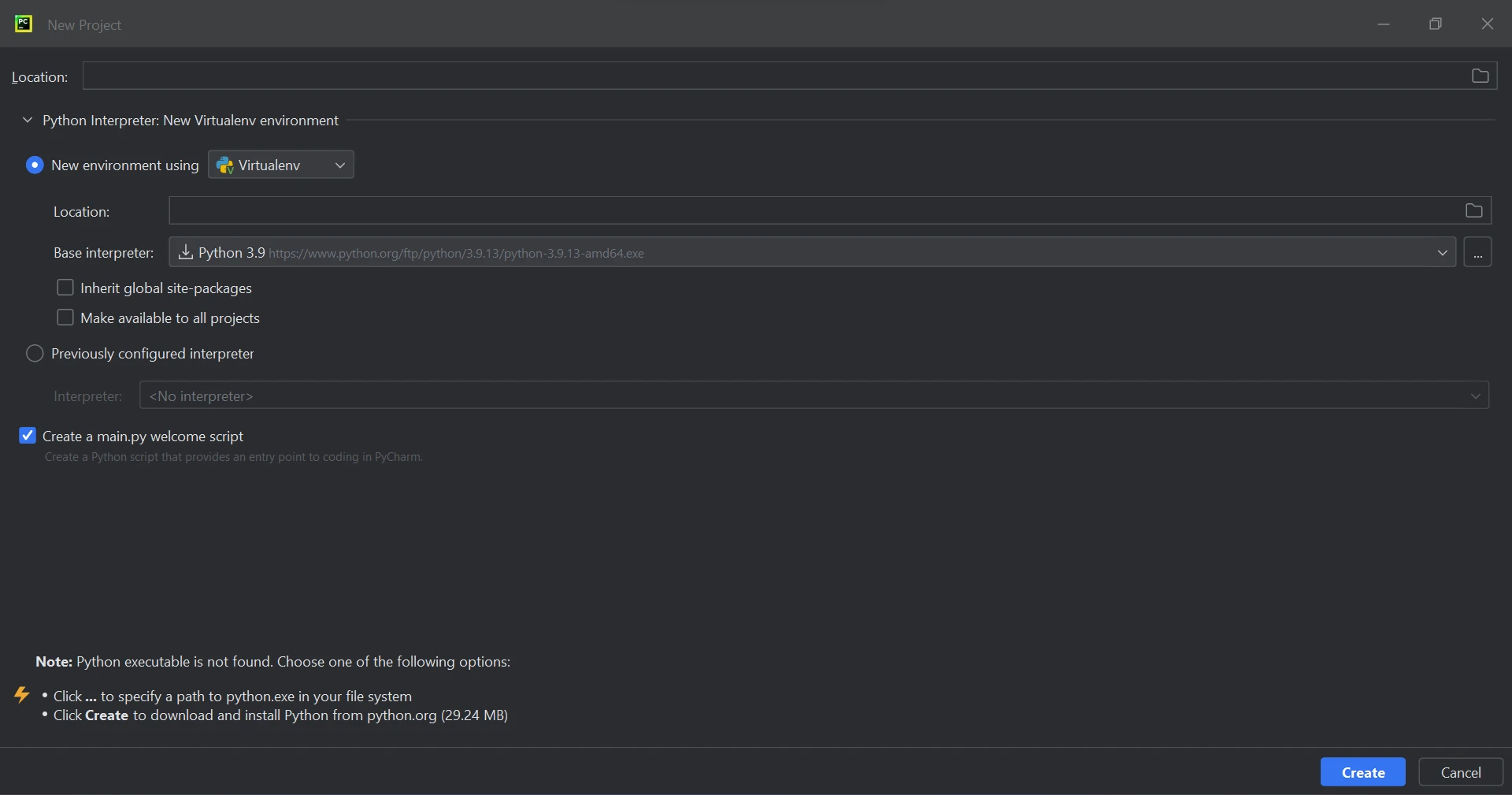
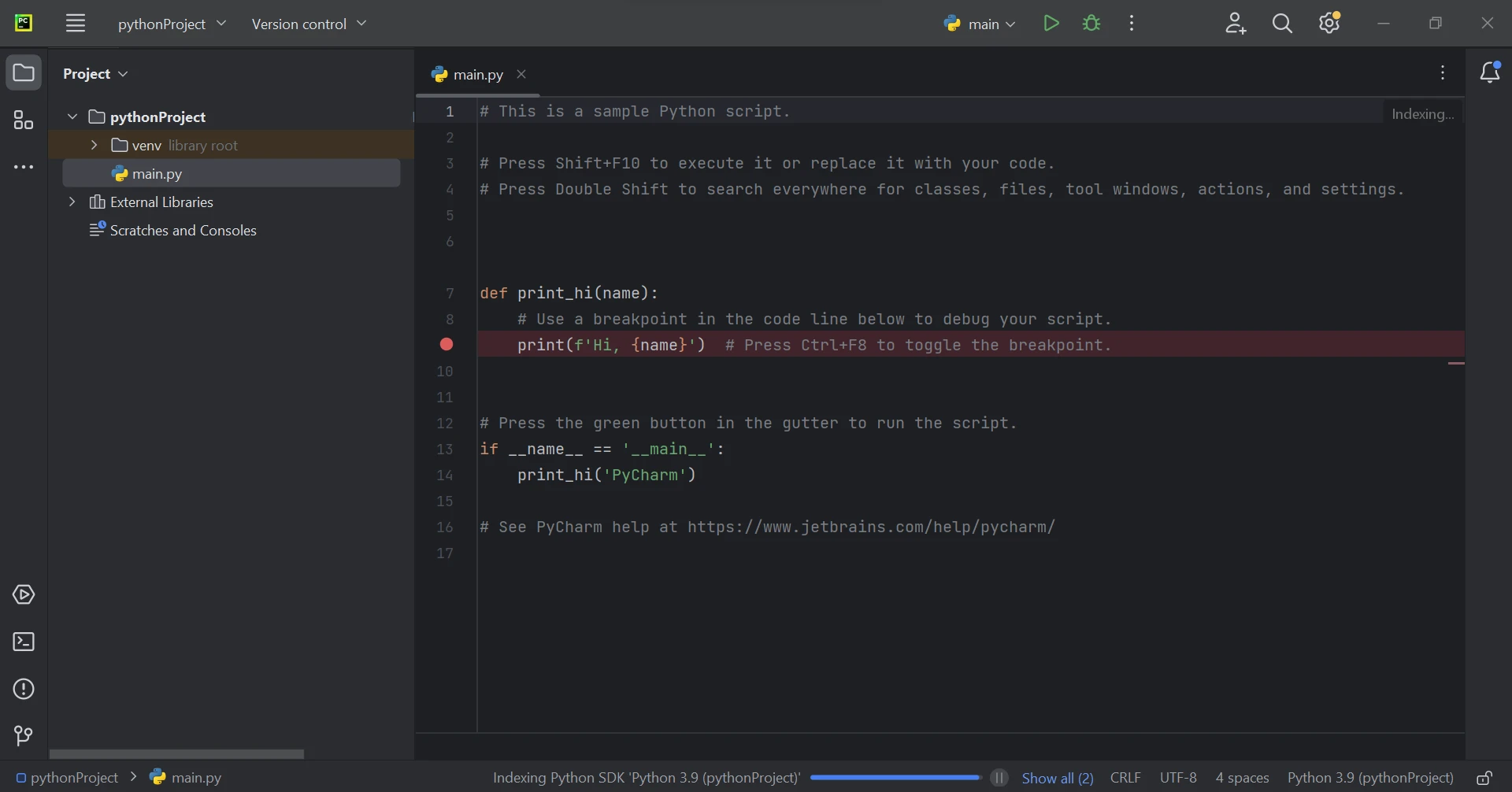
Nachdem Sie das Projektverzeichnis ausgewählt und die Python-Umgebung konfiguriert haben, klicken Sie auf die Schaltfläche "Erstellen", um ein neues Projekt zu starten. Das Projekt wird nach seiner Erstellung in einem neuen Tab geöffnet.
## Voraussetzungen für die Nutzung von IronPDF
Bevor Sie sich die Codebeispiele ansehen, vergewissern Sie sich, dass die folgenden Anforderungen erfüllt sind:
- **Python:** Für die ordnungsgemäße Funktion von IronPDF ist Python Version 3.7 oder höher erforderlich.
- **.NET 6.0 Runtime:** Die .NET 6.0 Runtime-Umgebung ist für die Kernfunktionen von IronPDF erforderlich. Laden Sie die benötigte Laufzeitumgebung von der offiziellen .NET-Website herunter und installieren Sie sie, abhängig von Ihrem Betriebssystem.
- **So installieren Sie die IronPDF -Bibliothek:** Verwenden Sie den Paketmanager pip in Ihrer Python-Umgebung, um die IronPDF -Bibliothek zu installieren. Führen Sie folgenden Befehl in einem geöffneten Befehlszeilenfenster oder Terminalfenster aus:
```shell
:ProductInstall
```
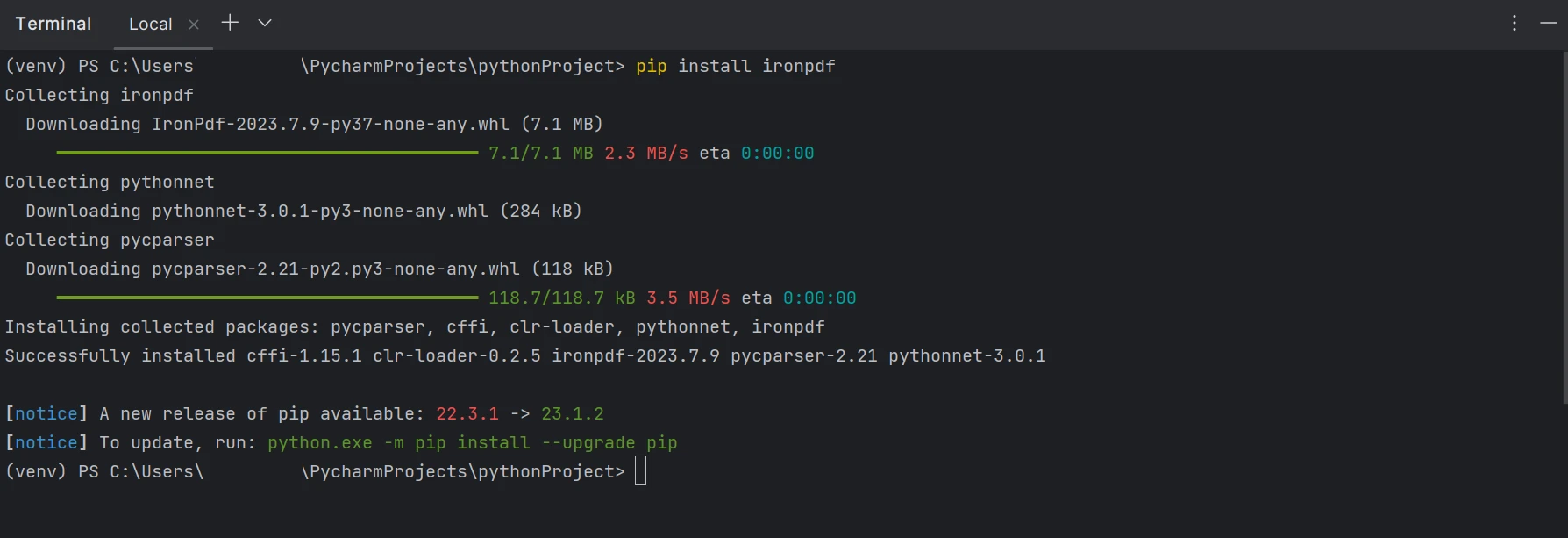
Die Konfiguration des 'IronPDF'-Pakets ist im folgenden Screenshot dargestellt.
## PDF-Dateien mit IronPDF zusammenführen
IronPDF eignet sich zur effizienten Bearbeitung großer oder zum Zusammenführen mehrerer PDF-Dokumente. Dank der integrierten Funktionalität für langsames Laden und inkrementelle Aktualisierungen können Sie Dokumente mit weniger RAM verarbeiten. Mit den folgenden Codezeilen können wir mehrere PDF-Dokumente zu einer einzigen PDF-Datei zusammenfassen.
Der Beispielcode zum Zusammenführen mehrerer PDF-Dateien ist unten dargestellt.
```python
from ironpdf import PdfDocument

# Load the first PDF file
first_pdf = PdfDocument.FromFile("A.pdf")

# Load the second PDF file
second_pdf = PdfDocument.FromFile("B.pdf")

# Merge the two PDF files
merged_pdf = PdfDocument.Merge(first_pdf, second_pdf)

# Save the merged PDF to a new file
merged_pdf.SaveAs("MergedDoc.pdf")
```
Die obigen Codebeispiele veranschaulichen, wie man mit IronPDF PDF-Dokumente kombiniert:
1. Wir verwenden zuerst die `FromFile`-Funktion, um zwei PDF-Dateien, A.pdf und B.pdf, zu importieren, um lokale Variablen für die `PdfDocument`-Objekte zu erstellen.
2. Die `Merge`-Funktion wird aufgerufen, um diese beiden PDF-Objekte zusammenzuführen.
3. Schließlich verwenden wir die `SaveAs()`-Funktion, um das zusammengeführte PDF in einer einzelnen Datei namens `MergedDoc.pdf` zu speichern.
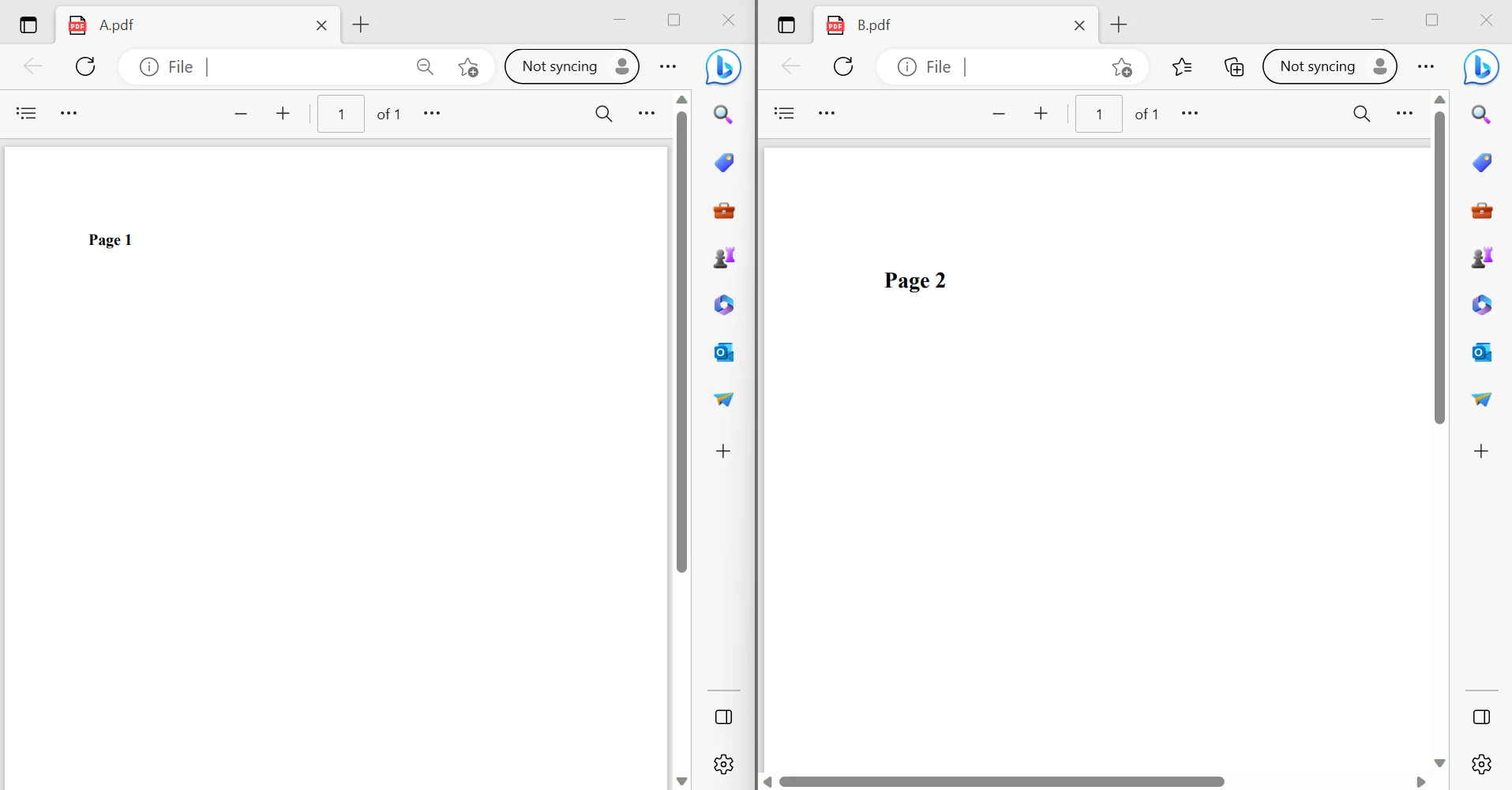
Die beiden eingegebenen PDF-Dateien werden im obigen Bild angezeigt. Unten finden Sie einen Link zur finalen PDF-Datei.
### AUSGABE-PDF-DATEI
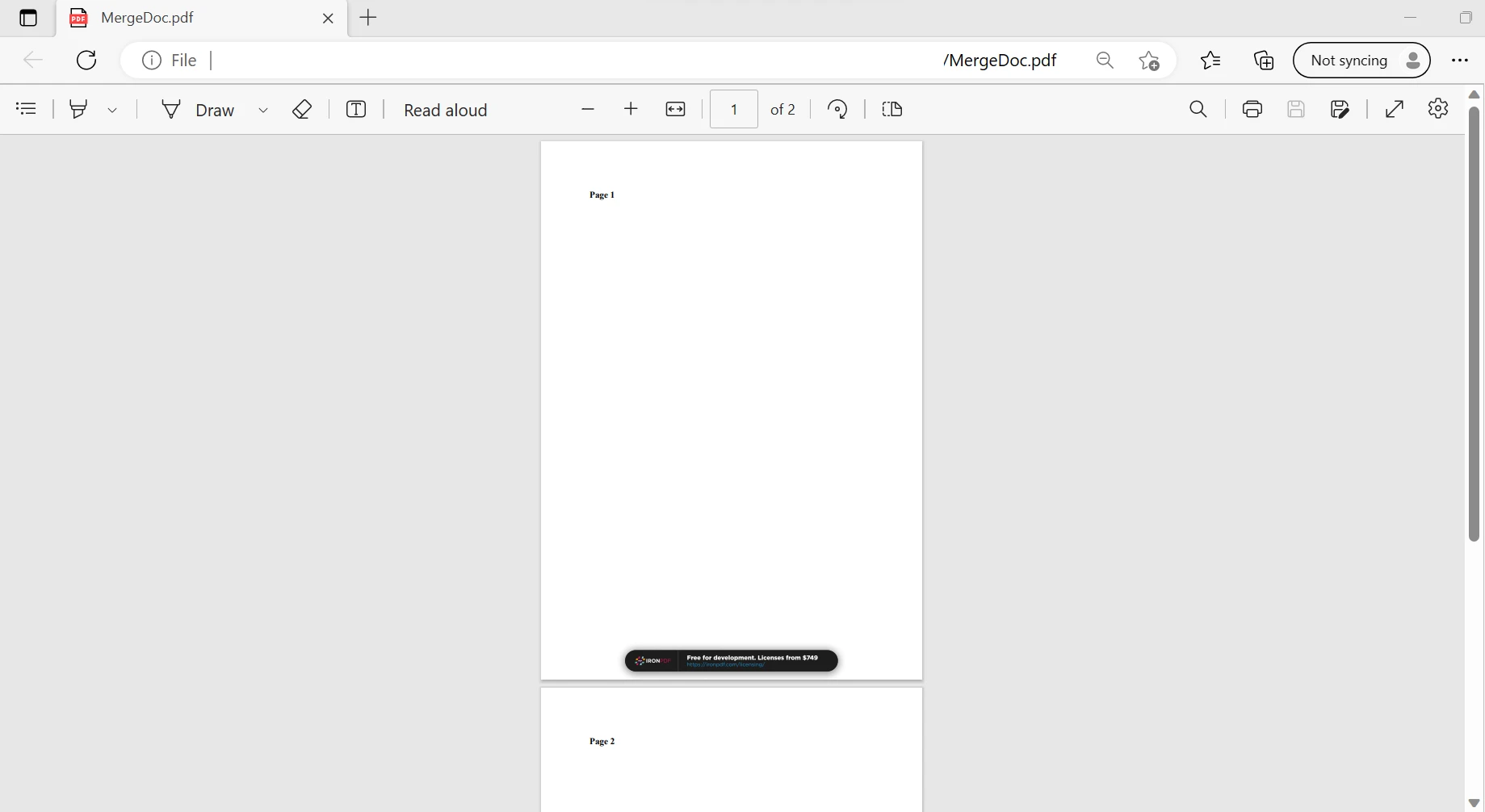
Die Funktion führt alle gespeicherten PDF-Dateien zu einer einzigen PDF-Datei zusammen, wie in den obigen Bildern zu sehen ist. Ebenso können wir mehrere PDF-Dateien kombinieren. Mit nur wenigen Codezeilen kann IronPDF diese Aufgabe in wenigen Millisekunden erledigen. [In](/python/examples/editing-pdfs/) diesem Artikel erfahren Sie mehr über IronPDF.
## Abschluss
Schließlich bietet IronPDF eine praktische und effektive Lösung für PDF-Verwaltungsaufgaben, indem es den Prozess des Zusammenführens von PDF-Dateien in Python vereinfacht. Entwickler können mehrere PDF-Dokumente mithilfe der in diesem Artikel bereitgestellten Anweisungen problemlos zu einer einzigen, zusammenhängenden Datei zusammenführen. Dies steigert die Produktivität und optimiert die Dokumentenverwaltung.
IronPDF ist ein nützliches Werkzeug for Python-Projekte, da es Entwicklern die mühelose Bearbeitung von PDF-Dateien ermöglicht, egal ob sie ein Dokumentenmanagementsystem erstellen, Berichte generieren oder Vorgänge im Zusammenhang mit PDFs automatisieren.
Die `$liteLicense` Lite-Edition von IronPDF beinhaltet eine permanente Lizenz, Upgrade-Optionen und ein Jahr Softwaresupport. Während der mit einem Wasserzeichen versehenen Testphase können Kunden das Produkt in realen Situationen testen. Um mehr über Preise, Lizenzierung und kostenlose Testversionen von IronPDF zu erfahren, besuchen Sie bitte die [Lizenzseite](licensing) . Alternativ können Sie auf dieser [Website](https://ironsoftware.com/) mehr über Iron Software erfahren.
Das Portable Document Format ( PDF ) hat sich im heutigen digitalen Zeitalter zum Standard für den Austausch von Dokumenten zwischen verschiedenen Geräten entwickelt. Die Bearbeitung von PDF-Dateien kann jedoch mitunter problematisch sein. Daher können wir Python verwenden, um Quell-PDF-Dateien programmatisch zu einer einzigen zusammengeführten PDF-Datei zu verschmelzen. Die Programmiersprache Python ist sehr flexibel und bietet zahlreiche Bibliotheken und Tools für die Arbeit mit PDF-Dateien. Unter diesen Programmen sticht IronPDF als leistungsstarkes Werkzeug für die Bearbeitung von PDF-Dateien hervor und bietet Funktionen wie die reibungslose Erstellung, Bearbeitung und Zusammenführung von PDFs.
Dieser Beitrag erklärt, wie man PDF-Verwaltungsoperationen vereinfacht, indem man IronPDF in Python verwendet, um mehrere PDF-Dateien zu einem einzigen, kohärenten Dokument zu kombinieren.
Wie man mit Python PDFs kombiniert
Erstellen Sie eine neue Python-Datei.
Installieren Sie die IronPDF for Python-Bibliothek.
Importieren Sie die PDF-Bibliothek.
Erstellen Sie ein PDF-Objekt und fügen Sie PDF-Dateien hinzu.
PDF-Dateien zusammenführen und die erstellte Datei speichern.
IronPDF
IronPDF ist eine Python-Bibliothek, die einen umfangreichen Funktionsumfang für die programmatische Interaktion mit PDF-Dokumenten bietet, um PDF-bezogene Aufgaben zu optimieren. IronPDF basiert auf der .NET-Plattform und lässt sich nahtlos mit Python kombinieren. Entwicklern steht ein umfangreiches Toolkit zum Erstellen, Bearbeiten und Konvertieren von PDF-Dateien zur Verfügung.
IronPDF ist eine Python-Bibliothek, die die Arbeit mit PDFs vereinfacht. Es bietet Entwicklern eine einfache API zur programmatischen Bearbeitung von PDF-Dokumenten. IronPDF ist ein sehr nützliches Werkzeug für viele Anwendungen, von Dokumentenmanagementsystemen bis hin zur Berichtserstellung. Es ermöglicht Entwicklern, PDF-Dateien einfach zu erstellen, zu bearbeiten und zusammenzuführen.
Funktionen von IronPDF
PDF-Erstellung: Mit IronPDF können Entwickler bei der Erstellung von PDF-Dokumenten von Grund auf neu beginnen. Das bedeutet, dass sie ihren Python-Code verwenden können, um Berichte, Rechnungen und andere strukturierte Dokumente dynamisch zu generieren. Mit Unterstützung für Text, Grafiken, Tabellen und Hyperlinks macht IronPDF die Erstellung visuell ansprechender und lehrreicher PDFs kinderleicht.
PDF-Bearbeitung: IronPDF bietet eine breite Palette an Optionen für die Bearbeitung bereits vorhandener PDF-Dokumente sowie für die Erstellung neuer Dokumente. Entwickler können PDF-Dateien einfach anhängen, teilen und kombinieren, was die Produktivität steigert und die Dokumentenverwaltung vereinfacht.
HTML-zu-PDF-Konvertierung: IronPDF erleichtert Entwicklern die Konvertierung von HTML-Informationen in PDF unter Beibehaltung von Stil, Organisation und Dateiformaten der endgültigen PDF-Dokumente. Diese Funktionalität ist besonders nützlich beim Erstellen druckfreundlicher Versionen von webbasierten Berichten, Dokumentationen und Marketingmaterialien.
PDF-Parsing und -Extraktion: Mit IronPDF können Entwickler PDF-Dateien programmatisch analysieren und verarbeiten, indem sie auf einfache Weise Text, Bilder und andere Inhalte aus PDF-Dokumenten extrahieren. Mit IronPDF können Sie nützliche Erkenntnisse aus PDFs gewinnen, egal ob Sie Daten aus Finanzberichten analysieren oder Grafiken aus Präsentationsfolien entfernen.
PDF-Sicherheit: Um PDF-Dokumente zu schützen und deren Integrität und Vertraulichkeit zu gewährleisten, bietet IronPDF starke Verschlüsselungs- und Autorisierungseinstellungen. Um die Dokumentensicherheit in kritischen Kontexten zu erhöhen, können Entwickler PDFs mit Passwörtern verschlüsseln, das Drucken und Kopieren einschränken und Dokumente digital signieren, um deren Legitimität zu bestätigen.
Beachten Sie stets, dass die Funktionen und die Zugänglichkeit von IronPDF in Python Änderungen unterliegen. Informieren Sie sich daher unbedingt in der offiziellen Dokumentation von IronPDF über die aktuellsten und genauesten Informationen.
Neues Projekt in PyCharm
PyCharm ist eine IDE zum Schreiben von Python-Programmen und wird in dieser Sitzung verwendet.
Wählen Sie beim Öffnen der PyCharm IDE die Option "Neues Projekt".
Mit der Auswahl von "Neues Projekt" öffnet sich ein neues Fenster, in dem Sie den Speicherort und die Umgebung des Projekts ändern können. Dieses neue Fenster ist im folgenden Screenshot in Aktion zu sehen.
Nachdem Sie das Projektverzeichnis ausgewählt und die Python-Umgebung konfiguriert haben, klicken Sie auf die Schaltfläche "Erstellen", um ein neues Projekt zu starten. Das Projekt wird nach seiner Erstellung in einem neuen Tab geöffnet.
Voraussetzungen für die Nutzung von IronPDF
Bevor Sie sich die Codebeispiele ansehen, vergewissern Sie sich, dass die folgenden Anforderungen erfüllt sind:
Python: Für die ordnungsgemäße Funktion von IronPDF ist Python Version 3.7 oder höher erforderlich.
.NET 6.0 Runtime: Die .NET 6.0 Runtime-Umgebung ist für die Kernfunktionen von IronPDF erforderlich. Laden Sie die benötigte Laufzeitumgebung von der offiziellen .NET-Website herunter und installieren Sie sie, abhängig von Ihrem Betriebssystem.
So installieren Sie die IronPDF -Bibliothek: Verwenden Sie den Paketmanager pip in Ihrer Python-Umgebung, um die IronPDF -Bibliothek zu installieren. Führen Sie folgenden Befehl in einem geöffneten Befehlszeilenfenster oder Terminalfenster aus:
> pip install ironpdf
pip install ironpdf
Die Konfiguration des 'IronPDF'-Pakets ist im folgenden Screenshot dargestellt.
PDF-Dateien mit IronPDF zusammenführen
IronPDF eignet sich zur effizienten Bearbeitung großer oder zum Zusammenführen mehrerer PDF-Dokumente. Dank der integrierten Funktionalität für langsames Laden und inkrementelle Aktualisierungen können Sie Dokumente mit weniger RAM verarbeiten. Mit den folgenden Codezeilen können wir mehrere PDF-Dokumente zu einer einzigen PDF-Datei zusammenfassen.
Der Beispielcode zum Zusammenführen mehrerer PDF-Dateien ist unten dargestellt.
from ironpdf importPdfDocument# Load the first PDF filefirst_pdf = PdfDocument.FromFile("A.pdf")# Load the second PDF filesecond_pdf = PdfDocument.FromFile("B.pdf")# Merge the two PDF filesmerged_pdf = PdfDocument.Merge(first_pdf, second_pdf)# Save the merged PDF to a new filemerged_pdf.SaveAs("MergedDoc.pdf")
from ironpdf import PdfDocument

# Load the first PDF file
first_pdf = PdfDocument.FromFile("A.pdf")

# Load the second PDF file
second_pdf = PdfDocument.FromFile("B.pdf")

# Merge the two PDF files
merged_pdf = PdfDocument.Merge(first_pdf, second_pdf)

# Save the merged PDF to a new file
merged_pdf.SaveAs("MergedDoc.pdf")
Python
Die obigen Codebeispiele veranschaulichen, wie man mit IronPDF PDF-Dokumente kombiniert:
Wir verwenden zuerst die FromFile-Funktion, um zwei PDF-Dateien, A.pdf und B.pdf, zu importieren, um lokale Variablen für die PdfDocument-Objekte zu erstellen.
Die Merge-Funktion wird aufgerufen, um diese beiden PDF-Objekte zusammenzuführen.
Schließlich verwenden wir die SaveAs()-Funktion, um das zusammengeführte PDF in einer einzelnen Datei namens MergedDoc.pdf zu speichern.
Die beiden eingegebenen PDF-Dateien werden im obigen Bild angezeigt. Unten finden Sie einen Link zur finalen PDF-Datei.
AUSGABE-PDF-DATEI
Die Funktion führt alle gespeicherten PDF-Dateien zu einer einzigen PDF-Datei zusammen, wie in den obigen Bildern zu sehen ist. Ebenso können wir mehrere PDF-Dateien kombinieren. Mit nur wenigen Codezeilen kann IronPDF diese Aufgabe in wenigen Millisekunden erledigen. In diesem Artikel erfahren Sie mehr über IronPDF.
Abschluss
Schließlich bietet IronPDF eine praktische und effektive Lösung für PDF-Verwaltungsaufgaben, indem es den Prozess des Zusammenführens von PDF-Dateien in Python vereinfacht. Entwickler können mehrere PDF-Dokumente mithilfe der in diesem Artikel bereitgestellten Anweisungen problemlos zu einer einzigen, zusammenhängenden Datei zusammenführen. Dies steigert die Produktivität und optimiert die Dokumentenverwaltung.
IronPDF ist ein nützliches Werkzeug for Python-Projekte, da es Entwicklern die mühelose Bearbeitung von PDF-Dateien ermöglicht, egal ob sie ein Dokumentenmanagementsystem erstellen, Berichte generieren oder Vorgänge im Zusammenhang mit PDFs automatisieren.
Die $999 Lite-Edition von IronPDF beinhaltet eine permanente Lizenz, Upgrade-Optionen und ein Jahr Softwaresupport. Während der mit einem Wasserzeichen versehenen Testphase können Kunden das Produkt in realen Situationen testen. Um mehr über Preise, Lizenzierung und kostenlose Testversionen von IronPDF zu erfahren, besuchen Sie bitte die Lizenzseite . Alternativ können Sie auf dieser Website mehr über Iron Software erfahren.
Curtis Chau hat einen Bachelor-Abschluss in Informatik von der Carleton University und ist spezialisiert auf Frontend-Entwicklung mit Expertise in Node.js, TypeScript, JavaScript und React. Leidenschaftlich widmet er sich der Erstellung intuitiver und ästhetisch ansprechender Benutzerschnittstellen und arbeitet gerne mit modernen Frameworks sowie der Erstellung gut strukturierter, optisch ansprechender Handbücher.