更新日 2026年4月23日
Microsoft.Extensions.AIを使用した .NET での LLM 統合の簡素化
AI はソフトウェア開発を変革していますが、.NET への大規模言語モデル (LLM) の統合はこれまで複雑でした。IronPdf.AI を使用して AI 統合をさらに進め、OpenAI を活用した PDF 解析、データ抽出、およびコンテンツの要約を .NET アプリケーションにもたらします。
詳しく読む

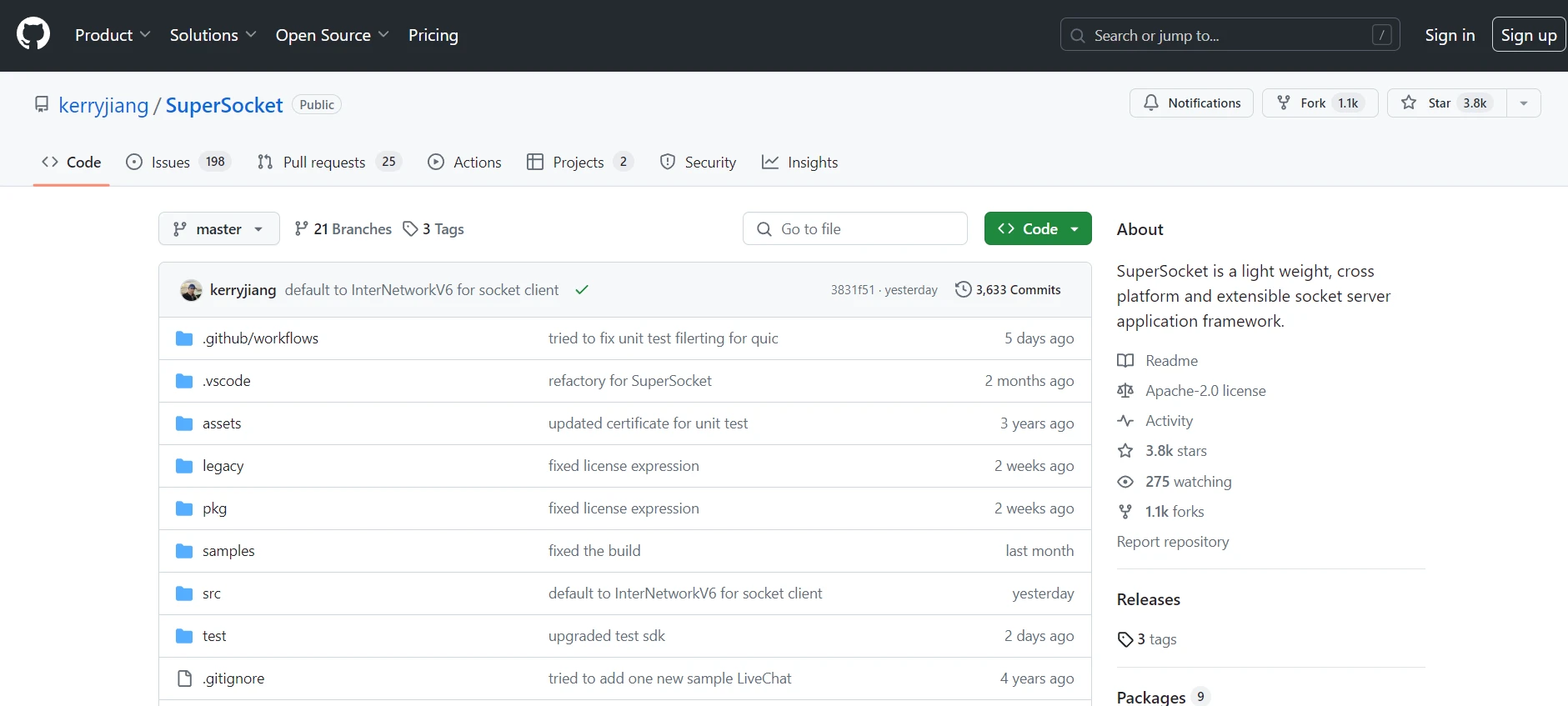
SuperSocket C#は、GPSサーバーや工業用制御システムの開発において、サーバーサイドのソケットアプリケーションを開発するための優れたフレームワークです。 さまざまなネットワークプロトコルの実装をサポートし、ソケットが効率的に動作することを保証します。 この軽量なクロスプラットフォームのフレームワークは拡張可能な設計となっており、さまざまな環境に柔軟に対応できます。 SuperSocketを使用すると、クライアントとサーバー間で簡単にデータを送信でき、ソースコードはプロジェクトの特定の要件に合わせてカスタマイズ可能です。
オープンソースのフレームワークなので、開発者は誰でもGitHubを通じて実装し、アクセスできます。
IronPDFは、PDFドキュメントの作成、編集、内容の抽出のための強力な.NETライブラリです。 アプリケーションにPDF機能を統合する必要がある開発者向けに設計されています。 IronPDFは、HTMLからPDFを生成することや、PDFのマージ、PDFからのテキストや画像の抽出などのさまざまな機能をサポートしています。
SuperSocketとIronPDFを組み合わせることで、複雑なサーバーサイドアプリケーションを強化できます。 これらは、現代 for .NET開発者のニーズを満たすための幅広い機能を提供します。 これらのライブラリは、リアルタイムチャットアプリケーションが必要なデータ収集サーバーや堅牢なゲームサーバーの構築に最適です。
SuperSocket C#を使用し始めるには、.NETプロジェクトを設定する必要があります。 まず、SuperSocket NuGetパッケージをインストールします。 Visual Studioでプロジェクトを開き、パッケージマネージャーコンソールで次のコマンドを実行します。
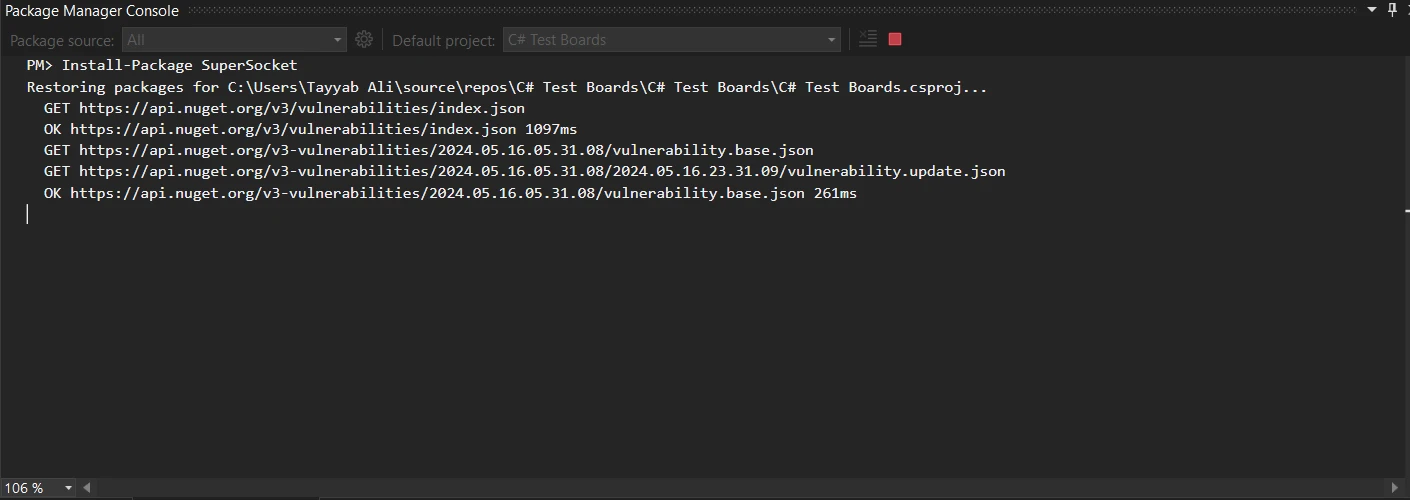
インストールが完了したら、サーバーインスタンスを構成できます。 新しい設定ファイルをappsettings.jsonという名前で作成します。 このファイルは、リスナーやプロトコルを含むサーバー設定を定義します。
{
  "serverOptions": {
    "name": "SuperSocketServer",
    "listeners": [
      {
        "ip": "Any",
        "port": 4040
      }
    ]
  }
}次に、サーバーを構成するためのクラスを作成します。 このクラスはappsettings.jsonから設定を読み込み、サーバーインスタンスを初期化します。
using Microsoft.Extensions.Configuration;
using SuperSocket;
using SuperSocket.Server;

public class ServerConfig
{
    public async Task Configure()
    {
        var host = SuperSocketHostBuilder.Create()
            .UseTcpServer()
            .UseSession<YourSession>()
            .ConfigureAppConfiguration((hostCtx, configApp) =>
            {
                configApp.AddJsonFile("appsettings.json", optional: false, reloadOnChange: true);
            })
            .Build();
        await host.RunAsync();
    }
}Imports Microsoft.Extensions.Configuration
Imports SuperSocket
Imports SuperSocket.Server
Public Class ServerConfig
Public Async Function Configure() As Task
Dim host = SuperSocketHostBuilder.Create().UseTcpServer().UseSession(Of YourSession)().ConfigureAppConfiguration(Sub(hostCtx, configApp)
configApp.AddJsonFile("appsettings.json", [optional]:= False, reloadOnChange:= True)
End Sub).Build()
Await host.RunAsync()
End Function
End ClassSuperSocket C#アプリケーションの基本的な例を見てみましょう。 この例は、受信したデータを返す簡単なエコーサーバーを作成する方法を示します。
まず、セッションクラスを定義します。 このクラスはソケット接続を処理し、データ通信を管理します。
using SuperSocket;

public class EchoSession : AppSession
{
    protected override async ValueTask OnSessionStartedAsync()
    {
        await base.OnSessionStartedAsync();
        Console.WriteLine("New session started.");
    }

    protected override async ValueTask OnSessionClosedAsync(CloseEventArgs e)
    {
        await base.OnSessionClosedAsync(e);
        Console.WriteLine("Session closed.");
    }

    protected override async ValueTask OnPackageReceivedAsync(ReadOnlyMemory<byte> package)
    {
        await SendAsync(package);
    }
}Imports SuperSocket
Public Class EchoSession
Inherits AppSession
Protected Overrides Async Function OnSessionStartedAsync() As ValueTask
Await MyBase.OnSessionStartedAsync()
Console.WriteLine("New session started.")
End Function
Protected Overrides Async Function OnSessionClosedAsync(ByVal e As CloseEventArgs) As ValueTask
Await MyBase.OnSessionClosedAsync(e)
Console.WriteLine("Session closed.")
End Function
Protected Overrides Async Function OnPackageReceivedAsync(ByVal package As ReadOnlyMemory(Of Byte)) As ValueTask
Await SendAsync(package)
End Function
End Class次に、エコーセッションと共にサーバーを構成し、実行します。
using Microsoft.Extensions.Configuration;
using SuperSocket;
using SuperSocket.Server;

public class EchoServer
{
    public static async Task Main(string[] args)
    {
        var host = SuperSocketHostBuilder.Create()
            .UseTcpServer()
            .UseSession<EchoSession>()
            .ConfigureAppConfiguration((hostCtx, configApp) =>
            {
                configApp.AddJsonFile("appsettings.json", optional: false, reloadOnChange: true);
            })
            .Build();
        await host.RunAsync();
    }
}Imports Microsoft.Extensions.Configuration
Imports SuperSocket
Imports SuperSocket.Server
Public Class EchoServer
Public Shared Async Function Main(ByVal args() As String) As Task
Dim host = SuperSocketHostBuilder.Create().UseTcpServer().UseSession(Of EchoSession)().ConfigureAppConfiguration(Sub(hostCtx, configApp)
configApp.AddJsonFile("appsettings.json", [optional]:= False, reloadOnChange:= True)
End Sub).Build()
Await host.RunAsync()
End Function
End Classこの例は、SuperSocket C#を使用して簡単なエコーサーバーを作成する方法を示しています。 サーバーは接続を待ち受け、受信したデータをエコーします。
SuperSocket C#は複数のリスナーをサポートしており、サーバーが異なるプロトコルやポートを処理することができます。 この機能は、データ収集サーバーやGPSサーバーなどの多用途なアプリケーションの作成に役立ちます。
まず、複数のリスナーを含むようにappsettings.jsonを更新します。
{
  "serverOptions": {
    "name": "MultiListenerServer",
    "listeners": [
      {
        "ip": "Any",
        "port": 4040
      },
      {
        "ip": "Any",
        "port": 5050
      }
    ]
  }
}次に、これらのリスナーを使用するようにサーバーを構成します。
using Microsoft.Extensions.Configuration;
using SuperSocket;
using SuperSocket.Server;

public class MultiListenerServer
{
    public static async Task Main(string[] args)
    {
        var host = SuperSocketHostBuilder.Create()
            .UseTcpServer()
            .UseSession<YourSession>()
            .ConfigureAppConfiguration((hostCtx, configApp) =>
            {
                configApp.AddJsonFile("appsettings.json", optional: false, reloadOnChange: true);
            })
            .Build();
        await host.RunAsync();
    }
}Imports Microsoft.Extensions.Configuration
Imports SuperSocket
Imports SuperSocket.Server
Public Class MultiListenerServer
Public Shared Async Function Main(ByVal args() As String) As Task
Dim host = SuperSocketHostBuilder.Create().UseTcpServer().UseSession(Of YourSession)().ConfigureAppConfiguration(Sub(hostCtx, configApp)
configApp.AddJsonFile("appsettings.json", [optional]:= False, reloadOnChange:= True)
End Sub).Build()
Await host.RunAsync()
End Function
End Classこの設定により、サーバーはポート4040と5050の両方で接続を処理することができます。この能力は、さまざまなネットワークプロトコルを管理する必要があるアプリケーションにとって重要です。
SuperSocket C#はバイナリデータの処理に効率的です。 これは、産業用制御システムなどのバイナリレベルの互換性が必要なアプリケーションにとって重要です。
まず、バイナリデータを処理するセッションクラスを定義します。
using System;
using SuperSocket;

public class BinaryDataSession : AppSession
{
    protected override async ValueTask OnPackageReceivedAsync(ReadOnlyMemory<byte> package)
    {
        var data = package.ToArray();
        Console.WriteLine("Received binary data: " + BitConverter.ToString(data));
        await SendAsync(data);
    }
}Imports System
Imports SuperSocket
Public Class BinaryDataSession
Inherits AppSession
Protected Overrides Async Function OnPackageReceivedAsync(ByVal package As ReadOnlyMemory(Of Byte)) As ValueTask
Dim data = package.ToArray()
Console.WriteLine("Received binary data: " & BitConverter.ToString(data))
Await SendAsync(data)
End Function
End Class次に、バイナリデータセッションと共にサーバーを構成し、実行します。
using Microsoft.Extensions.Configuration;
using SuperSocket;
using SuperSocket.Server;

public class BinaryDataServer
{
    public static async Task Main(string[] args)
    {
        var host = SuperSocketHostBuilder.Create()
            .UseTcpServer()
            .UseSession<BinaryDataSession>()
            .ConfigureAppConfiguration((hostCtx, configApp) =>
            {
                configApp.AddJsonFile("appsettings.json", optional: false, reloadOnChange: true);
            })
            .Build();
        await host.RunAsync();
    }
}Imports Microsoft.Extensions.Configuration
Imports SuperSocket
Imports SuperSocket.Server
Public Class BinaryDataServer
Public Shared Async Function Main(ByVal args() As String) As Task
Dim host = SuperSocketHostBuilder.Create().UseTcpServer().UseSession(Of BinaryDataSession)().ConfigureAppConfiguration(Sub(hostCtx, configApp)
configApp.AddJsonFile("appsettings.json", [optional]:= False, reloadOnChange:= True)
End Sub).Build()
Await host.RunAsync()
End Function
End Classこの例は、SuperSocket C#を使用してバイナリデータを受信および送信する方法を示しています。 これは、バイナリプロトコルを処理する必要がある高性能なアプリケーションに役立ちます。
ソケット接続を維持することは、信頼性のある通信を確保するために重要です。 SuperSocket C#は、このプロセスを簡略化します。
まず、ソケット接続を管理するセッションクラスを定義します。
using SuperSocket;

public class ConnectionSession : AppSession
{
    protected override async ValueTask OnSessionStartedAsync()
    {
        await base.OnSessionStartedAsync();
        Console.WriteLine("Connection started.");
    }

    protected override async ValueTask OnSessionClosedAsync(CloseEventArgs e)
    {
        await base.OnSessionClosedAsync(e);
        Console.WriteLine("Connection closed.");
    }

    protected override async ValueTask OnPackageReceivedAsync(ReadOnlyMemory<byte> package)
    {
        await SendAsync(package);
    }
}Imports SuperSocket
Public Class ConnectionSession
Inherits AppSession
Protected Overrides Async Function OnSessionStartedAsync() As ValueTask
Await MyBase.OnSessionStartedAsync()
Console.WriteLine("Connection started.")
End Function
Protected Overrides Async Function OnSessionClosedAsync(ByVal e As CloseEventArgs) As ValueTask
Await MyBase.OnSessionClosedAsync(e)
Console.WriteLine("Connection closed.")
End Function
Protected Overrides Async Function OnPackageReceivedAsync(ByVal package As ReadOnlyMemory(Of Byte)) As ValueTask
Await SendAsync(package)
End Function
End Class次に、接続セッションと共にサーバーを構成し、実行します。
using Microsoft.Extensions.Configuration;
using SuperSocket;
using SuperSocket.Server;

public class ConnectionServer
{
    public static async Task Main(string[] args)
    {
        var host = SuperSocketHostBuilder.Create()
            .UseTcpServer()
            .UseSession<ConnectionSession>()
            .ConfigureAppConfiguration((hostCtx, configApp) =>
            {
                configApp.AddJsonFile("appsettings.json", optional: false, reloadOnChange: true);
            })
            .Build();
        await host.RunAsync();
    }
}Imports Microsoft.Extensions.Configuration
Imports SuperSocket
Imports SuperSocket.Server
Public Class ConnectionServer
Public Shared Async Function Main(ByVal args() As String) As Task
Dim host = SuperSocketHostBuilder.Create().UseTcpServer().UseSession(Of ConnectionSession)().ConfigureAppConfiguration(Sub(hostCtx, configApp)
configApp.AddJsonFile("appsettings.json", [optional]:= False, reloadOnChange:= True)
End Sub).Build()
Await host.RunAsync()
End Function
End Classこの設定により、ソケット接続を管理し、サーバーの堅牢性と信頼性を保証します。
SuperSocket C#はコマンドラインサーバーの作成をサポートしています。 この機能は、シンプルなテキストベースのプロトコルを必要とするアプリケーションに役立ちます。
まず、テキストコマンドを処理するコマンドクラスを定義します。
using System.Text;
using System.Threading.Tasks;
using SuperSocket.Command;
using SuperSocket.ProtoBase;

public class MyCommand : IAsyncCommand<AppSession, StringPackageInfo>
{
    public async ValueTask ExecuteAsync(AppSession session, StringPackageInfo package)
    {
        var commandKey = package.Key;
        var parameters = package.Parameters;
        await session.SendAsync(Encoding.UTF8.GetBytes($"You said: {string.Join(' ', parameters)}"));
    }
}Imports System.Text
Imports System.Threading.Tasks
Imports SuperSocket.Command
Imports SuperSocket.ProtoBase
Public Class MyCommand
Implements IAsyncCommand(Of AppSession, StringPackageInfo)
Public Async Function ExecuteAsync(ByVal session As AppSession, ByVal package As StringPackageInfo) As ValueTask
Dim commandKey = package.Key
Dim parameters = package.Parameters
Await session.SendAsync(Encoding.UTF8.GetBytes($"You said: {String.Join(" "c, parameters)}"))
End Function
End Class次に、サーバーをそのコマンドを使用するように構成します。
using Microsoft.Extensions.Configuration;
using SuperSocket;
using SuperSocket.Command;
using SuperSocket.ProtoBase;
using SuperSocket.Server;

public class CommandLineServer
{
    public static async Task Main(string[] args)
    {
        var host = SuperSocketHostBuilder.Create()
            .UseTcpServer()
            .UseSession<AppSession>()
            .UseCommand<StringPackageParser>()
            .AddCommand<MyCommand>()
            .ConfigureAppConfiguration((hostCtx, configApp) =>
            {
                configApp.AddJsonFile("appsettings.json", optional: false, reloadOnChange: true);
            })
            .Build();
        await host.RunAsync();
    }
}Imports Microsoft.Extensions.Configuration
Imports SuperSocket
Imports SuperSocket.Command
Imports SuperSocket.ProtoBase
Imports SuperSocket.Server
Public Class CommandLineServer
Public Shared Async Function Main(ByVal args() As String) As Task
Dim host = SuperSocketHostBuilder.Create().UseTcpServer().UseSession(Of AppSession)().UseCommand(Of StringPackageParser)().AddCommand(Of MyCommand)().ConfigureAppConfiguration(Sub(hostCtx, configApp)
configApp.AddJsonFile("appsettings.json", [optional]:= False, reloadOnChange:= True)
End Sub).Build()
Await host.RunAsync()
End Function
End Classこの例は、SuperSocket C#を使用して簡単なコマンドラインサーバーを作成する方法を示しています。 これは、軽量なテキストベースのプロトコルに最適です。
C#アプリケーションにおいて、IronPDFをSuperSocketと統合することで、特にPDFファイルの処理においてサーバーの能力を大幅に向上させることができます。 この2つの強力なライブラリを効果的に統合する方法を探ってみましょう。
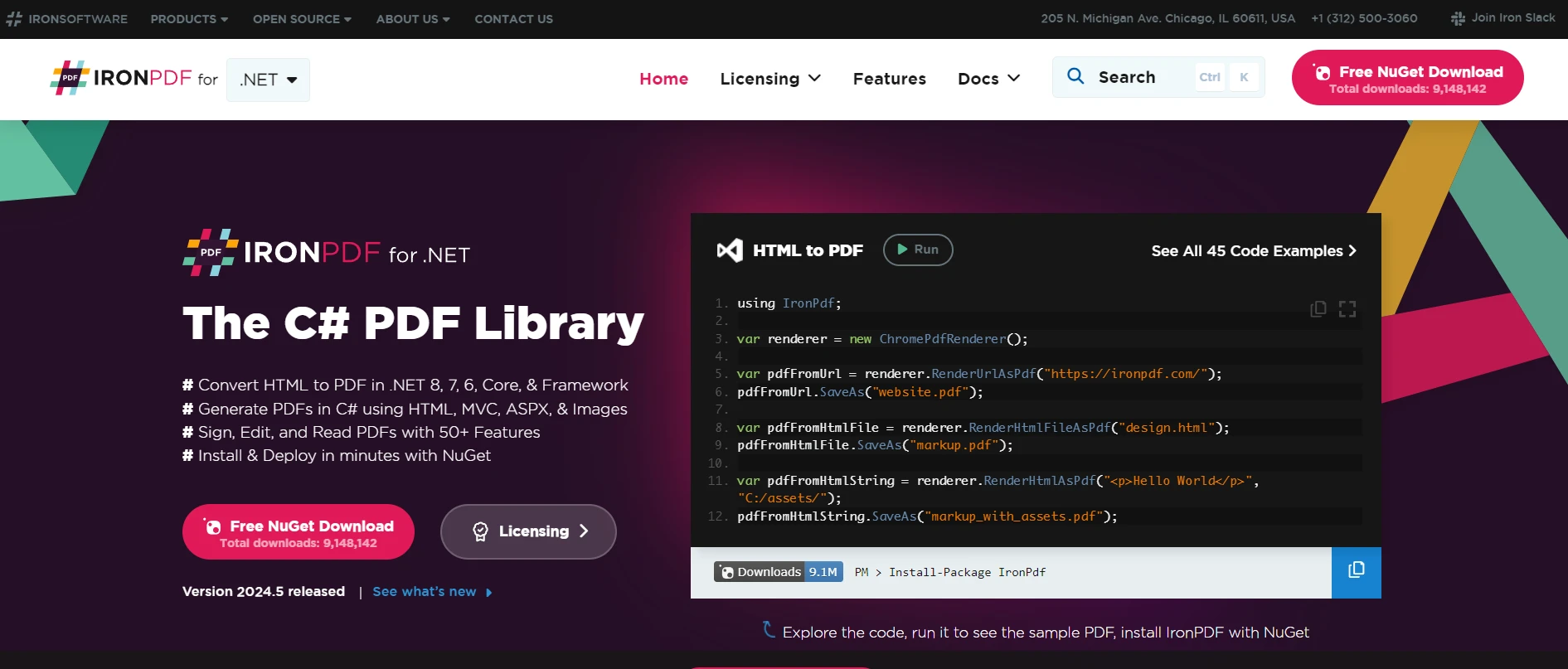
IronPDF .NETライブラリは、PDFドキュメントの作成、編集、および内容の抽出のための多用途な.NETライブラリです。 レポートや請求書、その他のPDFベースのドキュメントを生成する必要がある場合、IronPDFはこれらのタスクを達成するための使いやすいAPIを提供します。 その主な特徴は、HTMLからPDFへの変換機能です。 PDFの仕様の複雑さに対処することなく、アプリケーションにPDF機能を組み込みたい開発者にとっては素晴らしいツールです。
IronPDF は HTML から PDF への変換に秀でており、元のレイアウトとスタイルを正確に保存します。 これは、レポート、請求書、ドキュメントなどの Web ベースのコンテンツから PDF を作成するのに最適です。 HTML ファイル、URL、または生の HTML 文字列のサポートにより、IronPDF は高品質な PDF ドキュメントを簡単に生成します。
using IronPdf;

class Program
{
    static void Main(string[] args)
    {
        var renderer = new ChromePdfRenderer();

        // 1. Convert HTML String to PDF
        var htmlContent = "<h1>Hello, IronPDF!</h1><p>This is a PDF from an HTML string.</p>";
        var pdfFromHtmlString = renderer.RenderHtmlAsPdf(htmlContent);
        pdfFromHtmlString.SaveAs("HTMLStringToPDF.pdf");

        // 2. Convert HTML File to PDF
        var htmlFilePath = "path_to_your_html_file.html"; // Specify the path to your HTML file
        var pdfFromHtmlFile = renderer.RenderHtmlFileAsPdf(htmlFilePath);
        pdfFromHtmlFile.SaveAs("HTMLFileToPDF.pdf");

        // 3. Convert URL to PDF
        var url = "http://ironpdf.com"; // Specify the URL
        var pdfFromUrl = renderer.RenderUrlAsPdf(url);
        pdfFromUrl.SaveAs("URLToPDF.pdf");
    }
}Imports IronPdf
Friend Class Program
Shared Sub Main(ByVal args() As String)
Dim renderer = New ChromePdfRenderer()
' 1. Convert HTML String to PDF
Dim htmlContent = "<h1>Hello, IronPDF!</h1><p>This is a PDF from an HTML string.</p>"
Dim pdfFromHtmlString = renderer.RenderHtmlAsPdf(htmlContent)
pdfFromHtmlString.SaveAs("HTMLStringToPDF.pdf")
' 2. Convert HTML File to PDF
Dim htmlFilePath = "path_to_your_html_file.html" ' Specify the path to your HTML file
Dim pdfFromHtmlFile = renderer.RenderHtmlFileAsPdf(htmlFilePath)
pdfFromHtmlFile.SaveAs("HTMLFileToPDF.pdf")
' 3. Convert URL to PDF
Dim url = "http://ironpdf.com" ' Specify the URL
Dim pdfFromUrl = renderer.RenderUrlAsPdf(url)
pdfFromUrl.SaveAs("URLToPDF.pdf")
End Sub
End ClassSuperSocketで構築されたサーバーが、動的にPDFドキュメントを生成して送信するクライアントの要求を処理する必要があると想像してください。 IronPDFを統合することで、サーバーはこれらの要求を処理し、リアルタイムでPDFを生成してクライアントにシームレスに送信できます。
IronPDFとSuperSocketを統合する方法を示す完全なコード例です。 この例では、クライアント接続を待ち受け、PDFの生成要求を処理し、生成されたPDFをクライアントに返す簡単なSuperSocketサーバーをセットアップします。
using System;
using System.Net;
using System.Text;
using IronPdf;
using SuperSocket.SocketBase;
using SuperSocket.SocketBase.Protocol;

namespace SuperSocketIronPDFExample
{
    class Program
    {
        static void Main(string[] args)
        {
            var appServer = new AppServer();
            var serverConfig = new SuperSocket.SocketBase.Config.ServerConfig
            {
                Name = "SuperSocketServer",
                Ip = "Any",
                Port = 2012,
                Mode = SuperSocket.SocketBase.SocketMode.Tcp,
                MaxConnectionNumber = 100,
            };

            if (!appServer.Setup(serverConfig))
            {
                Console.WriteLine("Failed to set up!");
                return;
            }

            appServer.NewSessionConnected += NewSessionConnected;
            appServer.NewRequestReceived += (session, requestInfo) =>
            {
                if (requestInfo.Key == "GENPDF")
                {
                    var pdfDocument = CreatePdfDocument(requestInfo.Body);
                    var pdfBytes = pdfDocument.BinaryData;
                    session.Send(pdfBytes, 0, pdfBytes.Length);
                    Console.WriteLine("PDF document sent to client.");
                }
            };

            if (!appServer.Start())
            {
                Console.WriteLine("Failed to start!");
                return;
            }

            Console.WriteLine("Server is running. Press any key to stop...");
            Console.ReadKey();
            appServer.Stop();
        }

        private static PdfDocument CreatePdfDocument(string content)
        {
            var pdfRenderer = new ChromePdfRenderer();
            var pdfDocument = pdfRenderer.RenderHtmlAsPdf(content);
            return pdfDocument;
        }

        private static void NewSessionConnected(AppSession session)
        {
            Console.WriteLine($"New session connected: {session.SessionID}");
        }
    }

    public class AppServer : AppServer<AppSession, StringRequestInfo>
    {
    }

    public class AppSession : AppSession<AppSession, StringRequestInfo>
    {
    }
}Imports System
Imports System.Net
Imports System.Text
Imports IronPdf
Imports SuperSocket.SocketBase
Imports SuperSocket.SocketBase.Protocol
Namespace SuperSocketIronPDFExample
Friend Class Program
Shared Sub Main(ByVal args() As String)
Dim appServer As New AppServer()
Dim serverConfig = New SuperSocket.SocketBase.Config.ServerConfig With {
.Name = "SuperSocketServer",
.Ip = "Any",
.Port = 2012,
.Mode = SuperSocket.SocketBase.SocketMode.Tcp,
.MaxConnectionNumber = 100
}
If Not appServer.Setup(serverConfig) Then
Console.WriteLine("Failed to set up!")
Return
End If
AddHandler appServer.NewSessionConnected, AddressOf NewSessionConnected
AddHandler appServer.NewRequestReceived, Sub(session, requestInfo)
If requestInfo.Key = "GENPDF" Then
Dim pdfDocument = CreatePdfDocument(requestInfo.Body)
Dim pdfBytes = pdfDocument.BinaryData
session.Send(pdfBytes, 0, pdfBytes.Length)
Console.WriteLine("PDF document sent to client.")
End If
End Sub
If Not appServer.Start() Then
Console.WriteLine("Failed to start!")
Return
End If
Console.WriteLine("Server is running. Press any key to stop...")
Console.ReadKey()
appServer.Stop()
End Sub
Private Shared Function CreatePdfDocument(ByVal content As String) As PdfDocument
Dim pdfRenderer = New ChromePdfRenderer()
Dim pdfDocument = pdfRenderer.RenderHtmlAsPdf(content)
Return pdfDocument
End Function
Private Shared Sub NewSessionConnected(ByVal session As AppSession)
Console.WriteLine($"New session connected: {session.SessionID}")
End Sub
End Class
Public Class AppServer
Inherits AppServer(Of AppSession, StringRequestInfo)
End Class
Public Class AppSession
Inherits AppSession(Of AppSession, StringRequestInfo)
End Class
End Namespaceこの統合により、SuperSocketサーバー内でIronPDFの強力な機能を活用し、動的なPDF生成と効率的なクライアント-サーバー間の通信を可能にします。
SuperSocketにIronPDFの包括的な機能を統合することは、PDFの生成と処理をシームレスに行う、動的で高性能なサーバーアプリケーションを作成するための強力な組み合わせです。 SuperSocketの堅牢なソケットサーバーフレームワークとIronPDFの包括的なPDF機能により、データ収集システムからゲームサーバー、産業用制御システムまでのさまざまなニーズを満たすスケーラブルで多用途なアプリケーションを開発できます。
IronPDFは無料トライアルを提供しており、ライセンスは$999から開始し、開発プロジェクトにおける広範な機能に優れた価値を提供します。 これら2つのライブラリを統合することで、サーバーが効率的に複雑なタスクを処理できるように簡素化し、機能性と性能を向上させることができます。

ジェイコブ・メラーはIron Softwareの最高技術責任者(CTO)であり、C# PDFテクノロジーを開拓する先見的なエンジニアです。Iron Softwareのコアコードベースを支えるオリジナル開発者として、彼は創業以来、会社の製品アーキテクチャを形成し、CEOのCameron Rimingtonとともに、会社をNASA、Tesla、および世界的な政府機関にサービスを提供する50人以上の会社に変えました。1999年にロンドンで最初のソフトウェアビジネスを開業し、2005年に最初 for .NETコンポーネントを作成した後、Microsoftのエコシステム全体で複雑な問題を解決することを専門としました。

IronPDF はIRONSUITEの一部です
オフィス文書向けの.NET API製品10個

PDFがHTMLのように見える必要があるとき、迅速に。