フッターコンテンツにスキップ
JAVA用IRONPDFの使用

Java PDF レンダラー ライブラリ(開発者チュートリアル)

An Introduction to the Java PDF Library, IronPDF

If you're working on a Java project and need to generate PDF documents from HTML or extract text from a PDF, you should search for a reliable and efficient Java PDF Library. You may stumble upon IronPDF - The Java PDF Library, which simplifies PDF generation and manipulation of PDF documents, making your life as a developer much more manageable. There are multiple PDF libraries in the market, like PDF Clown or iText, but this article will dive into the world of IronPDF and explore how it can help you in your Java projects.

IronPDFを始めよう

IronPDF is a Java Library that allows you to create, read, and edit PDF documents in Java applications. This versatile library supports generating PDFs from HTML with IronPDF, existing PDF files, and URLs. You can extract text from PDFs using IronPDF, making it a must-have tool for any Java developer working with PDF documents.

Installing IronPDF in a Maven Project

Maven is a popular build automation and dependency management tool for Java projects. To install IronPDF in your Maven project, you'll need to add the necessary dependencies to your pom.xml file.

Here's how you can add IronPDF and its required logger dependency, SLF4J, to your Maven project:

  1. Open your project's pom.xml file.
  2. Locate the dependencies section. If it doesn't exist, create one.
  3. Add the following dependency entries for IronPDF and SLF4J:

    <dependencies>
        <!-- IronPDF Dependency -->
        <dependency>
            <groupId>com.ironsoftware</groupId>
            <artifactId>ironpdf</artifactId>
            <version>2023.10.1</version>
        </dependency>
    
        <!-- SLF4J Dependency (Simple Logging Facade for Java) -->
        <dependency>
            <groupId>org.slf4j</groupId>
            <artifactId>slf4j-api</artifactId>
            <version>2.0.7</version>
        </dependency>
    </dependencies>
    <dependencies>
        <!-- IronPDF Dependency -->
        <dependency>
            <groupId>com.ironsoftware</groupId>
            <artifactId>ironpdf</artifactId>
            <version>2023.10.1</version>
        </dependency>
    
        <!-- SLF4J Dependency (Simple Logging Facade for Java) -->
        <dependency>
            <groupId>org.slf4j</groupId>
            <artifactId>slf4j-api</artifactId>
            <version>2.0.7</version>
        </dependency>
    </dependencies>
    XML
  4. Save the pom.xml file.
  5. Run your Maven project, either through your IDE or by executing the mvn install command in your project's root directory. Maven will automatically download and add the IronPDF and SLF4J dependencies to your project.

Now, you have successfully added IronPDF to your Maven project, and you can start using this powerful Java PDF Library to create, edit, and manipulate PDF documents in your Java applications. Don't forget to check the IronPDF documentation for more examples and detailed information about the library's features and capabilities. Let's explore a few functionalities here.

Rendering HTML to PDF

One of the most common tasks when working with PDFs is converting HTML to PDF using IronPDF. IronPDF makes this a breeze with just a few lines of code. Here's an example that demonstrates how to convert a simple HTML string into a PDF document:

import com.ironsoftware.ironpdf.*;

import java.io.IOException;
import java.nio.file.Paths;

public class HtmlToPdfExample {
    public static void main(String[] args) {
        try {
            // Apply your license key
            License.setLicenseKey("YOUR-LICENSE-KEY");

            // Set a log path
            Settings.setLogPath(Paths.get("C:/tmp/IronPdfEngine.log"));

            // Render the HTML as a PDF, stored in myPdf as type PdfDocument
            PdfDocument myPdf = PdfDocument.renderHtmlAsPdf("<h1>Hello World</h1> Made with IronPDF!");

            // Save the PdfDocument to a file
            myPdf.saveAs(Paths.get("html_saved.pdf"));
        } catch (IOException e) {
            System.out.println("An error occurred: " + e.getMessage());
        }
    }
}
import com.ironsoftware.ironpdf.*;

import java.io.IOException;
import java.nio.file.Paths;

public class HtmlToPdfExample {
    public static void main(String[] args) {
        try {
            // Apply your license key
            License.setLicenseKey("YOUR-LICENSE-KEY");

            // Set a log path
            Settings.setLogPath(Paths.get("C:/tmp/IronPdfEngine.log"));

            // Render the HTML as a PDF, stored in myPdf as type PdfDocument
            PdfDocument myPdf = PdfDocument.renderHtmlAsPdf("<h1>Hello World</h1> Made with IronPDF!");

            // Save the PdfDocument to a file
            myPdf.saveAs(Paths.get("html_saved.pdf"));
        } catch (IOException e) {
            System.out.println("An error occurred: " + e.getMessage());
        }
    }
}
JAVA

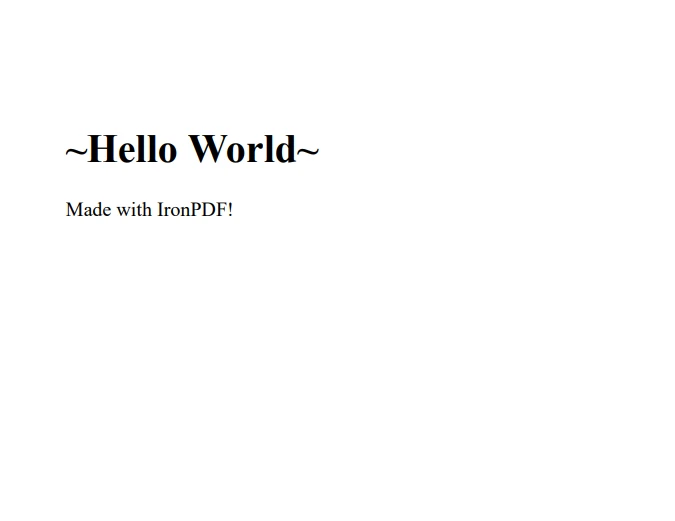
This code snippet imports the necessary IronPDF classes and applies a license key. Next, it sets a log path for debugging purposes. The renderHtmlAsPdf method takes an HTML string as input and converts it to a PDF document, which you can then save to a file.

Java PDF Renderer Library (Developer Tutorial), Figure 1: The output PDF file
出力PDFファイル

Converting HTML Files to PDF

IronPDF also supports converting HTML files to PDF documents. The process is quite similar to the previous example, with a minor change in the method used:

import com.ironsoftware.ironpdf.*;

import java.io.IOException;
import java.nio.file.Paths;

public class HtmlFileToPdfExample {
    public static void main(String[] args) {
        try {
            // Apply your license key
            License.setLicenseKey("YOUR-LICENSE-KEY");

            // Set a log path
            Settings.setLogPath(Paths.get("C:/tmp/IronPdfEngine.log"));

            // Render the HTML file as a PDF, stored in myPdf as type PdfDocument
            PdfDocument myPdf = PdfDocument.renderHtmlFileAsPdf("example.html");

            // Save the PdfDocument to a file
            myPdf.saveAs(Paths.get("html_file_saved.pdf"));
        } catch (IOException e) {
            System.out.println("An error occurred: " + e.getMessage());
        }
    }
}
import com.ironsoftware.ironpdf.*;

import java.io.IOException;
import java.nio.file.Paths;

public class HtmlFileToPdfExample {
    public static void main(String[] args) {
        try {
            // Apply your license key
            License.setLicenseKey("YOUR-LICENSE-KEY");

            // Set a log path
            Settings.setLogPath(Paths.get("C:/tmp/IronPdfEngine.log"));

            // Render the HTML file as a PDF, stored in myPdf as type PdfDocument
            PdfDocument myPdf = PdfDocument.renderHtmlFileAsPdf("example.html");

            // Save the PdfDocument to a file
            myPdf.saveAs(Paths.get("html_file_saved.pdf"));
        } catch (IOException e) {
            System.out.println("An error occurred: " + e.getMessage());
        }
    }
}
JAVA

In this case, the renderHtmlFileAsPdf method is used instead of renderHtmlAsPdf, taking the path to the HTML file as input and creating PDF documents.

Turning URLs into PDFs

IronPDF is capable of converting web pages into PDF documents. This is particularly helpful when you want to generate a PDF report from a dynamic web page. The following code snippet demonstrates how to do this:

import com.ironsoftware.ironpdf.*;

import java.io.IOException;
import java.nio.file.Paths;

public class UrlToPdfExample {
    public static void main(String[] args) {
        try {
            // Apply your license key
            License.setLicenseKey("YOUR-LICENSE-KEY");

            // Set a log path
            Settings.setLogPath(Paths.get("C:/tmp/IronPdfEngine.log"));

            // Render the URL as a PDF, stored in myPdf as type PdfDocument
            PdfDocument myPdf = PdfDocument.renderUrlAsPdf("https://ironpdf.com");

            // Save the PdfDocument to a file
            myPdf.saveAs(Paths.get("url.pdf"));
        } catch (IOException e) {
            System.out.println("An error occurred: " + e.getMessage());
        }
    }
}
import com.ironsoftware.ironpdf.*;

import java.io.IOException;
import java.nio.file.Paths;

public class UrlToPdfExample {
    public static void main(String[] args) {
        try {
            // Apply your license key
            License.setLicenseKey("YOUR-LICENSE-KEY");

            // Set a log path
            Settings.setLogPath(Paths.get("C:/tmp/IronPdfEngine.log"));

            // Render the URL as a PDF, stored in myPdf as type PdfDocument
            PdfDocument myPdf = PdfDocument.renderUrlAsPdf("https://ironpdf.com");

            // Save the PdfDocument to a file
            myPdf.saveAs(Paths.get("url.pdf"));
        } catch (IOException e) {
            System.out.println("An error occurred: " + e.getMessage());
        }
    }
}
JAVA

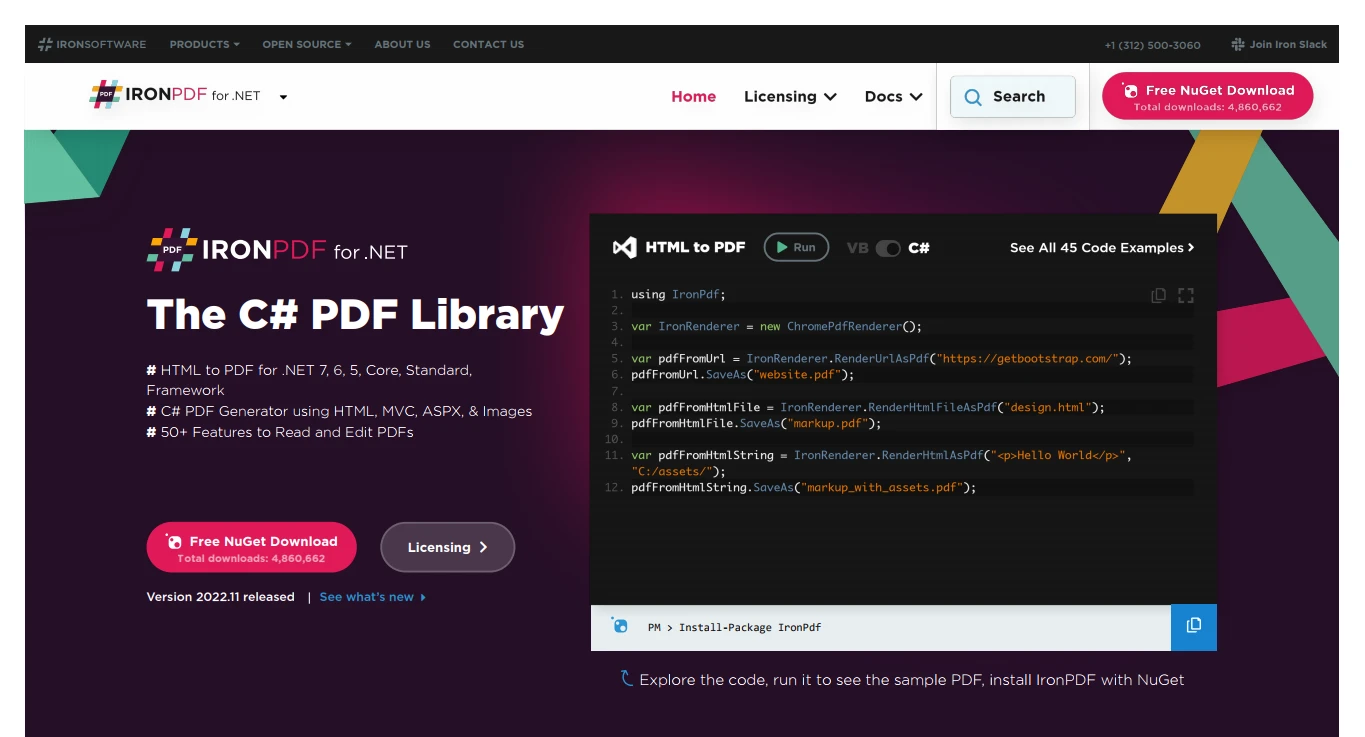
The renderUrlAsPdf method takes a URL as input and creates PDF files from the web page's content. This method can handle complex pages, including those with JavaScript and CSS.

Java PDF Renderer Library (Developer Tutorial), Figure 2: The output PDF file from a URL
URLから生成された出力PDFファイル

Extracting Text from PDFs

In addition to creating PDFs, IronPDF also provides functionality for extracting text from existing PDF documents. This feature can be useful when you need to search, index, or analyze the content of a PDF file. The following code snippet shows how to extract text from a PDF document:

import com.ironsoftware.ironpdf.*;

public class ExtractTextFromPdfExample {
    public static void main(String[] args) {
        // Render PDF from a URL
        PdfDocument pdf = PdfDocument.renderUrlAsPdf("https://unsplash.com/");

        // Extract all text from the PDF document
        String text = pdf.extractAllText();

        // Output the extracted text
        System.out.println("Text extracted from the PDF: " + text);
    }
}
import com.ironsoftware.ironpdf.*;

public class ExtractTextFromPdfExample {
    public static void main(String[] args) {
        // Render PDF from a URL
        PdfDocument pdf = PdfDocument.renderUrlAsPdf("https://unsplash.com/");

        // Extract all text from the PDF document
        String text = pdf.extractAllText();

        // Output the extracted text
        System.out.println("Text extracted from the PDF: " + text);
    }
}
JAVA

In this example, a PDF is rendered from a URL, and the extractAllText method is used to obtain the text content of the PDF document. The extracted text can then be printed to the console or manipulated as needed.

Converting Images to PDF with IronPDF

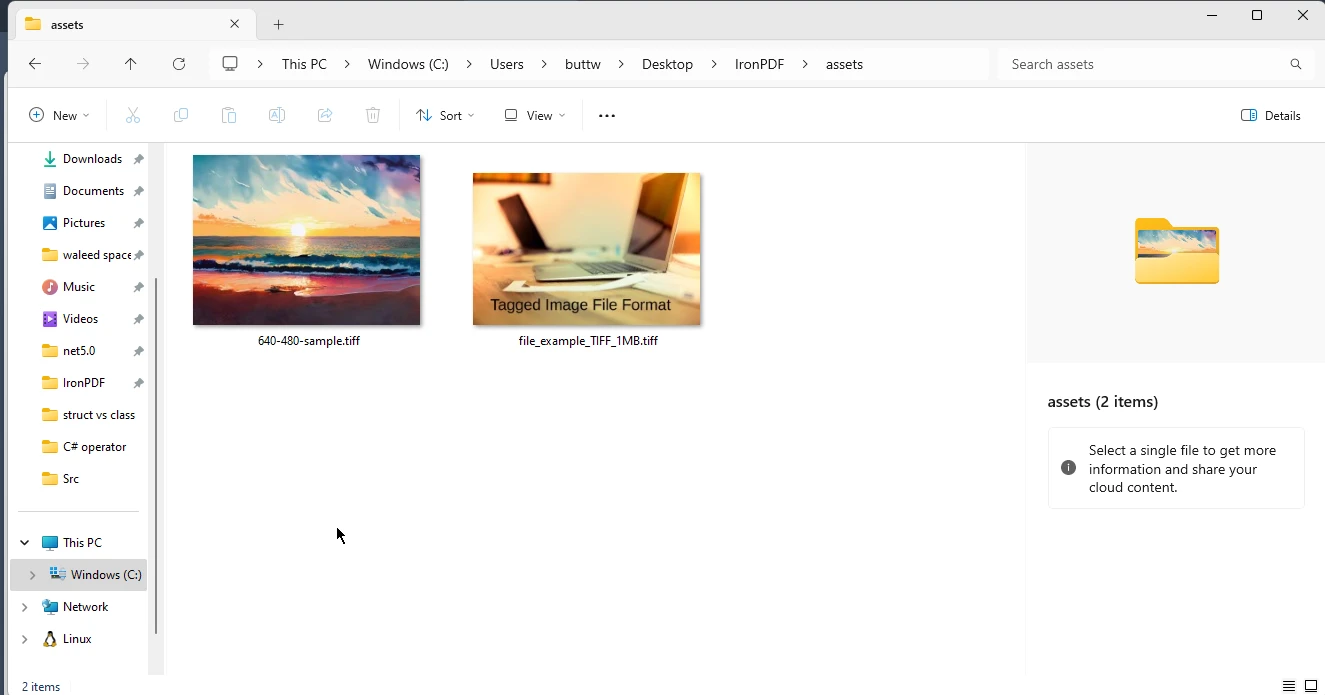
IronPDF can also convert images to a PDF document. This can come in handy when you need to create a PDF portfolio or combine multiple images into a single file. The following code snippet demonstrates how to convert a set of images in a directory into a single PDF document:

import com.ironsoftware.ironpdf.*;

import java.io.IOException;
import java.nio.file.*;
import java.util.ArrayList;
import java.util.List;

public class ImagesToPdfExample {
    public static void main(String[] args) {
        Path imageDirectory = Paths.get("assets/images");

        List<Path> imageFiles = new ArrayList<>();

        // Use DirectoryStream to iterate over image files
        try (DirectoryStream<Path> stream = Files.newDirectoryStream(imageDirectory, "*.{png,jpg}")) {
            for (Path entry : stream) {
                imageFiles.add(entry);
            }

            // Convert images to a PDF document and save it
            PdfDocument.fromImage(imageFiles).saveAs(Paths.get("assets/composite.pdf"));
        } catch (IOException exception) {
            throw new RuntimeException(String.format("Error converting images to PDF from directory: %s: %s",
                    imageDirectory,
                    exception.getMessage()),
                    exception);
        }
    }
}
import com.ironsoftware.ironpdf.*;

import java.io.IOException;
import java.nio.file.*;
import java.util.ArrayList;
import java.util.List;

public class ImagesToPdfExample {
    public static void main(String[] args) {
        Path imageDirectory = Paths.get("assets/images");

        List<Path> imageFiles = new ArrayList<>();

        // Use DirectoryStream to iterate over image files
        try (DirectoryStream<Path> stream = Files.newDirectoryStream(imageDirectory, "*.{png,jpg}")) {
            for (Path entry : stream) {
                imageFiles.add(entry);
            }

            // Convert images to a PDF document and save it
            PdfDocument.fromImage(imageFiles).saveAs(Paths.get("assets/composite.pdf"));
        } catch (IOException exception) {
            throw new RuntimeException(String.format("Error converting images to PDF from directory: %s: %s",
                    imageDirectory,
                    exception.getMessage()),
                    exception);
        }
    }
}
JAVA

With just this one code snippet, IronPDF makes it easy to convert multiple images into a single PDF document, further demonstrating the library's versatility and usefulness in various PDF-related tasks.

結論

IronPDF is a powerful and versatile Java PDF Library that simplifies PDF generation and manipulation in Java applications. With its easy-to-use API, you can effortlessly convert HTML, HTML files, and URLs into PDF documents using IronPDF, as well as extract text from PDFs from existing PDF files. By integrating IronPDF into your Java projects, you can streamline your workflow and create high-quality PDFs with ease.

Additionally, IronPDF is also capable of rendering charts in PDFs, watermarking PDF documents, working with PDF forms and digital signatures programmatically.

IronPDF offers a free trial, giving you ample time to evaluate its features and determine if it's the right fit for your project. If you decide to continue using IronPDF after the trial period, licensing starts at $799.

よくある質問

Java PDF ライブラリ IronPDF は何のために使用されますか?

IronPDF は、Java アプリケーション内で PDF ドキュメントの作成、読み取り、編集を容易にするために設計された Java ライブラリです。HTML、HTML ファイル、および URL を PDF に変換する際のコーディング作業が最小限で済む点で優れています。

PDF ライブラリを Maven プロジェクトに統合するにはどうすればよいですか?

IronPDF を Maven プロジェクトに統合するには、`pom.xml` ファイル内の `` セクションに IronPDF と SLF4J の依存関係を追加する必要があります。この設定により、Maven はこれらの依存関係をプロジェクトにダウンロードして組み込むことができます。

Javaを使用してHTMLをPDFに変換するにはどうすればよいですか?

Java では、IronPDF の renderHtmlAsPdf メソッドを使用して HTML を PDF に変換できます。このメソッドは HTML 文字列を処理して PDF ドキュメントを生成します。

HTML ファイルを PDF ドキュメントに変換できますか?

はい、IronPDF を使用して HTML ファイルを PDF に変換でき、renderHtmlFileAsPdf メソッドを使用して HTML ファイルを読み取り、PDF ドキュメントを出力します。

Java でウェブページを PDF に変換することは可能ですか?

はい、IronPDF を使用すると、renderUrlAsPdf メソッドを使用してウェブページを PDF に変換できます。このメソッドは URL を取り、ウェブページの内容から PDF を作成します。

Java でプログラムによって PDF ドキュメントからテキストを抽出するにはどうすればよいですか?

IronPDF の extractAllText メソッドを使用して、PDF からテキストを抽出し、PDF ドキュメントからテキスト内容を取得して出力できます。

Java ライブラリを使用して画像を PDF に変換できますか?

はい、IronPDF は画像の PDF への変換を可能にします。画像を個別または複数で 1 つの PDF ドキュメントに変換するために fromImage メソッドを使用できます。

IronPDFはPDF操作のためにどんな機能を追加提供していますか?

IronPDF は、PDF 内でのチャートのレンダリング、透かしの追加、PDF フォームおよびデジタル署名の取り扱いなど、プログラムによって管理できる追加機能を提供します。

IronPDF のテストには無料トライアルがありますか?

はい、IronPDF はその機能を評価するために無料のトライアルを提供しており、購入を決定する前にテストすることができます。

Java で IronPDF を使用するための詳細情報と例をどこで見つけることができますか?

IronPDF に関する詳細情報と使用例は、公式の IronPDF ドキュメントにて見つけることができ、これには包括的なガイドとコードスニペットが含まれています。

Darrius Serrant
フルスタックソフトウェアエンジニア(WebOps)

Darrius Serrantは、マイアミ大学でコンピュータサイエンスの学士号を取得し、Iron SoftwareでフルスタックWebOpsマーケティングエンジニアとして働いています。若い頃からコーディングに惹かれ、コンピューティングを神秘的かつアクセス可能なものとし、創造性と問題解決のための完璧な媒体と考えていました。

Iron Softwareでは、新しいものを創造することと、複雑なコンセプトをより理解しやすくすることを楽しんでいます。Resident Developerの一人として、次世代に専門知識を共有するために、学生を教えることにも志願しました。

Darriusにとって、その仕事は価値があり、実際の影響があるため、満足感があります。