Python Requestsライブラリ(開発者向けのしくみ)

Pythonはそのシンプルさと可読性で広く称賛されており、ウェブスクレイピングやAPIとのインタラクションを行う開発者の間で人気の選択肢となっています。そのようなインタラクションを可能にする主要なライブラリの一つがPythonのRequestsライブラリです。 RequestsはPythonのHTTPリクエストライブラリであり、HTTPリクエストを簡単に送信することができます。 この記事では、PythonのRequestsと組み合わせてウェブデータからPDFを作成および操作する方法を示します。
Requestsライブラリの紹介
PythonのRequestsライブラリは、HTTPリクエストをより簡単で人間に優しいものにするために作成されました。 それは単純なAPIの背後にリクエストを行う複雑さを抽象化し、Web上のサービスとデータとのやり取りに集中できるようにします。 ウェブページを取得したり、REST APIと連携したり、SSL証明書の検証を無効にしたり、サーバーにデータを送信したりするときに、Requestsライブラリが役に立ちます。
主な機能
1.シンプルさ:使いやすく、理解しやすい構文。
- HTTP メソッド: GET、POST、PUT、DELETE など、すべての HTTP メソッドをサポートします。 3.セッション オブジェクト:リクエスト間で Cookie を維持します。 4.認証:認証ヘッダーの追加を簡素化します。 5.プロキシ: HTTP プロキシのサポート。 6.タイムアウト:リクエストのタイムアウトを効果的に管理します。
- SSL 検証:デフォルトで SSL 証明書を検証します。
Requestsのインストール
Requestsを使い始めるには、それをインストールする必要があります。 これはpipを使って行うことができます。
pip install requestspip install requests基本的な使い方
ここではRequestsを使ってウェブページを取得する簡単な例を紹介します。
import requests

# Send a GET request to the specified URL
response = requests.get('https://www.example.com')

# Print the status code of the response (e.g., 200 for success)
print(response.status_code)

# Print the HTML content of the page
print(response.text)
import requests
# Send a GET request to the specified URL
response = requests.get('https://www.example.com')
# Print the status code of the response (e.g., 200 for success)
print(response.status_code)
# Print the HTML content of the page
print(response.text)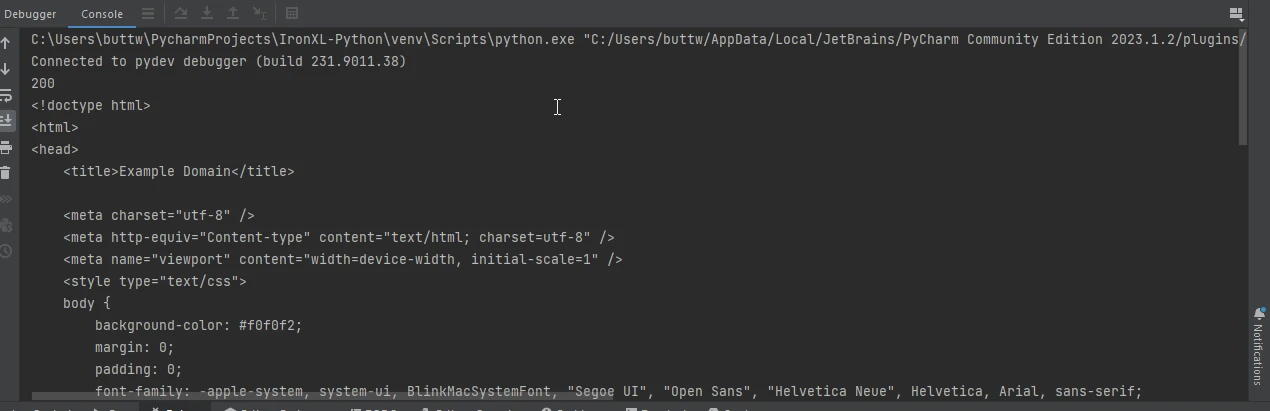
URLでのパラメータの送信
多くの場合、URLにパラメータを渡す必要があります。 Pythonのparamsキーワードでこれを簡単にします:
import requests

# Define the parameters to be sent in the URL
params = {'key1': 'value1', 'key2': 'value2'}

# Send a GET request with parameters
response = requests.get('https://www.example.com', params=params)

# Print the full URL including the parameters
print(response.url)
import requests
# Define the parameters to be sent in the URL
params = {'key1': 'value1', 'key2': 'value2'}
# Send a GET request with parameters
response = requests.get('https://www.example.com', params=params)
# Print the full URL including the parameters
print(response.url)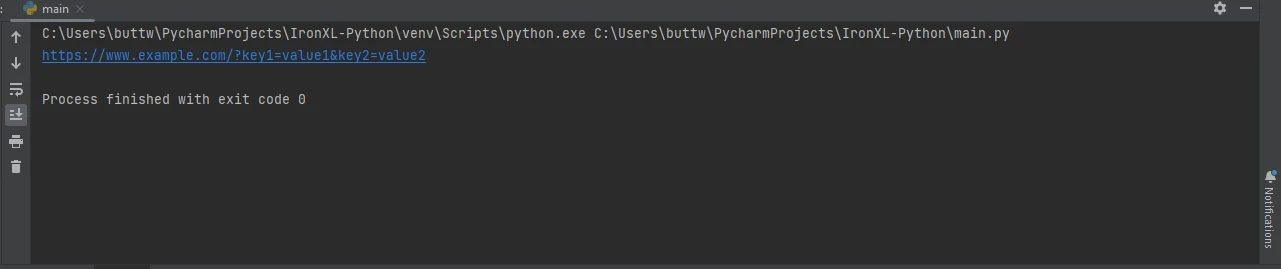
JSONデータの処理
APIとのやり取りには通常JSONデータが含まれます。 Requestsは組み込みのJSONサポートでこれを簡潔にします:
import requests

# Send a GET request to retrieve JSON data
response = requests.get('https://jsonplaceholder.typicode.com/todos/1')

# Convert the JSON response to a Python dictionary
data = response.json()

# Print the JSON data
print(data)
import requests
# Send a GET request to retrieve JSON data
response = requests.get('https://jsonplaceholder.typicode.com/todos/1')
# Convert the JSON response to a Python dictionary
data = response.json()
# Print the JSON data
print(data)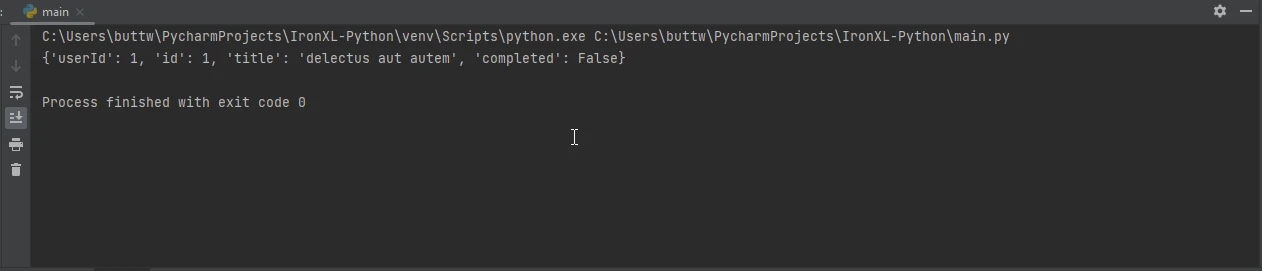
ヘッダーの取り扱い
ヘッダーはHTTPリクエストにとって重要です。 このようにカスタムヘッダーをリクエストに追加できます:
import requests

# Define custom headers
headers = {'User-Agent': 'my-app/0.0.1'}

# Send a GET request with custom headers
response = requests.get('https://www.example.com', headers=headers)

# Print the response text
print(response.text)
import requests
# Define custom headers
headers = {'User-Agent': 'my-app/0.0.1'}
# Send a GET request with custom headers
response = requests.get('https://www.example.com', headers=headers)
# Print the response text
print(response.text)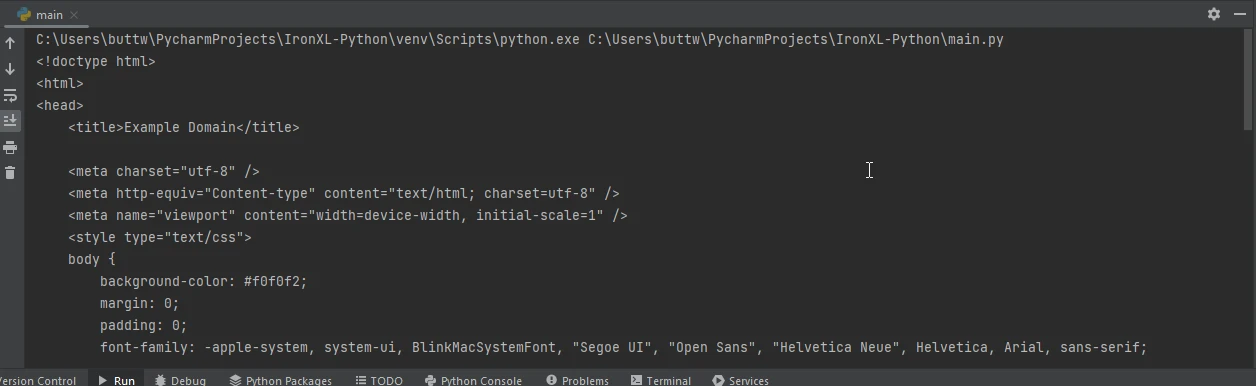
ファイルのアップロード
Requestsはファイルのアップロードもサポートしています。 ここではファイルをアップロードする方法です:
import requests

# Define the files to be uploaded
files = {'file': open('report.txt', 'rb')}

# Send a POST request with the file
response = requests.post('https://www.example.com/upload', files=files)

# Print the status code of the response
print(response.status_code)
import requests
# Define the files to be uploaded
files = {'file': open('report.txt', 'rb')}
# Send a POST request with the file
response = requests.post('https://www.example.com/upload', files=files)
# Print the status code of the response
print(response.status_code)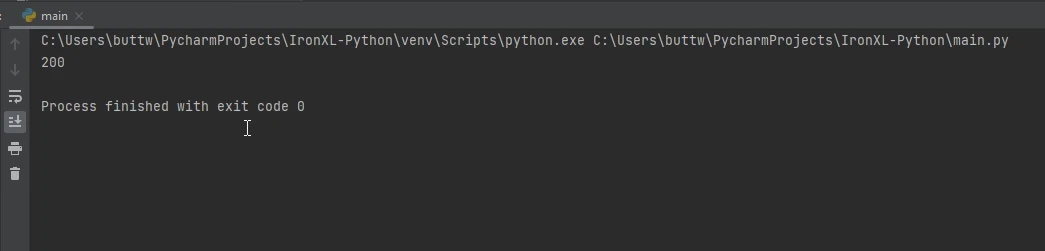
Python用IronPDFの紹介
IronPDFは多用途なPDF生成ライブラリで、Pythonアプリケーション内でPDFを作成、編集、操作することができます。 特にHTMLコンテンツからPDFを生成する必要がある場合に役立ち、レポート、請求書、その他の配布が必要なドキュメントを作成するのに最適なツールです。
IronPDFのインストール
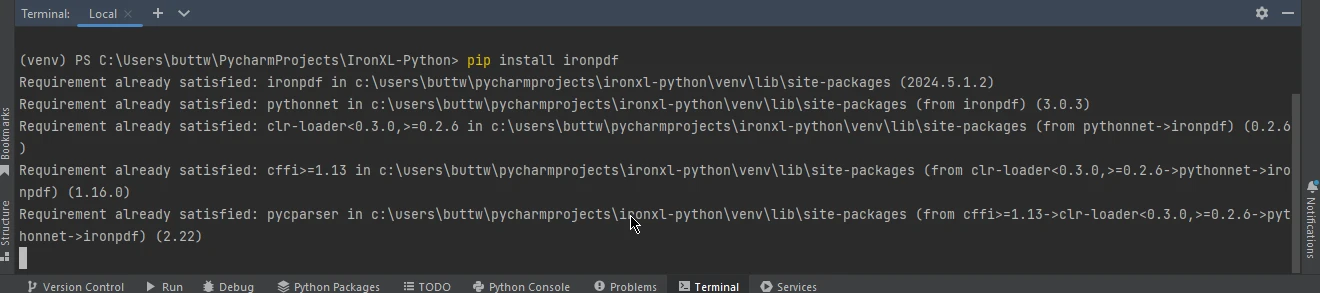
IronPDFをインストールするには、pipを使用します:
pip install ironpdf
RequestsとIronPDFの使用
RequestsとIronPDFを組み合わせることで、ウェブからデータを取得し、それを直接PDFドキュメントに変換することができます。 これはWebデータからのレポートの作成や、WebページをPDFとして保存する際に特に有効です。
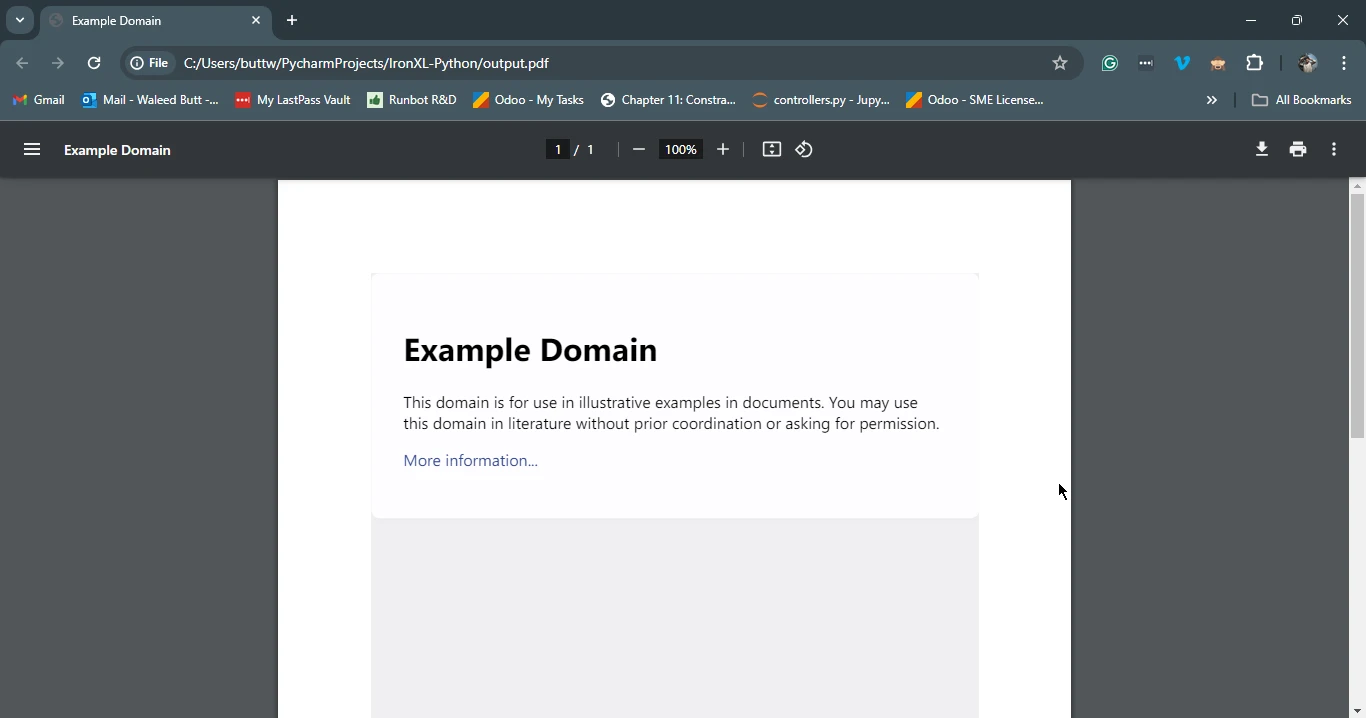
ここではRequestsを使ってウェブページを取得し、次にIronPDFを使ってそれをPDFとして保存する方法を紹介します。
import requests
from ironpdf import ChromePdfRenderer

# Fetch a web page
url = 'https://www.example.com'
response = requests.get(url)

if response.status_code == 200:
    # Extract the HTML content from the response
    html_content = response.text

    # Initialize the PDF renderer
    renderer = ChromePdfRenderer()

    # Render the HTML content as a PDF
    pdf = renderer.RenderHtmlAsPdf(html_content)

    # Save the generated PDF to a file
    pdf.save('output.pdf')
    print('PDF created successfully')
else:
    # Print an error message if the request was not successful
    print(f'Failed to retrieve the webpage. Status code: {response.status_code}')
import requests
from ironpdf import ChromePdfRenderer
# Fetch a web page
url = 'https://www.example.com'
response = requests.get(url)
if response.status_code == 200:
# Extract the HTML content from the response
html_content = response.text
# Initialize the PDF renderer
renderer = ChromePdfRenderer()
# Render the HTML content as a PDF
pdf = renderer.RenderHtmlAsPdf(html_content)
# Save the generated PDF to a file
pdf.save('output.pdf')
print('PDF created successfully')
else:
# Print an error message if the request was not successful
print(f'Failed to retrieve the webpage. Status code: {response.status_code}')このスクリプトはまず、指定されたURLのHTMLコンテンツをRequestsを使って取得します。 その後、IronPDFを使用してこのレスポンスオブジェクトのHTMLコンテンツをPDFに変換し、結果のPDFをファイルとして保存します。
結論
Requestsライブラリは、ウェブAPIと対話する必要があるPython開発者にとって不可欠なツールです。そのシンプルさと使いやすさで、HTTPリクエストを行うための選択肢として信頼されています。 IronPDFと組み合わせることで、さらに多くの可能性が広がり、Webからデータを取得し、プロフェッショナルな品質のPDFドキュメントに変換することが可能です。 レポート、請求書、あるいはウェブコンテンツをアーカイブする際にも、RequestsとIronPDFの組み合わせは、PDF生成のニーズに対する強力なソリューションを提供します。
IronPDFのライセンスに関する詳細情報については、IronPDFのライセンスページを参照してください。 HTMLからPDFへの変換に関する詳細なチュートリアルもありますので、ぜひご覧ください。








 無料で始めましょう
 無料で始めましょう
 無料ライブデモを予約



 クレジットカードやアカウントの作成は不要です。