在 Python 中使用 PyCryptodome 進行加密

在數位轉型時代,強大加密機制的重要性無法被低估。 加密技術確保資料在穿越各種網路和系統時的安全性和隱私性。 PyCryptodome 是一個在加密領域中脫穎而出的 Python 程式庫,提供多種功能以促進安全資料處理,例如認證加密模式(GCM、CCM、EAX、SIV、OCB)和加速的 AES,具備一流的支援。 本文深入探討了 PyCryptodome 的最後一個正式版本,探索其功能、使用案例、簡化的安裝過程,以及如何在各種應用中有效利用。 我們也會使用一個獨立的 C# 程式庫 IronPDF 與 PyCryptodome 一起建立加密的 PDF 文件。
PyCryptodome 概述
PyCryptodome 是一個自包含的 Python 套件,提供低層次的加密原語。 它的設計是為了成為舊版 PyCrypto 程式庫的替代品,解決其許多限制並擴展其功能。 它提供廣泛的加密算法和協議,使其成為開發者實現應用程式安全功能時不可或缺的工具。
主要特點
- 廣泛的算法支援: PyCryptodome 支援全面的加密算法,包括 AES、RSA、DSA 等。 這種廣泛的支援確保開發者可以找到滿足各種加密需求的必要工具。
- 易於使用: 該程式庫設計為使用者友好,擁有清晰簡潔的 API,即使對加密知識有限的人也能有效地實現安全功能。
- 積極維護: 與其前身 PyCrypto 不同,PyCryptodome 被積極維護,並定期進行更新和改進,確保與最新的 Python 版本和安全標準相容。
- 自包含: PyCryptodome 不需要任何外部依賴,易於在不同環境中安裝和使用。
- 與現有程式庫的整合: PyCryptodome 可以無縫整合其他 Python 程式庫和框架,增強其在各種應用中的實用性。
安裝
由於 PyCryptodome 自包含的特性,安裝過程非常簡單。 它可以通過 pip, Python的套件安裝器,使用以下命令安裝:
pip install pycryptodomepip install pycryptodome核心概念和模組
PyCryptodome 被組織成多個模組,每個模組對應加密的不同方面。 理解這些模組對於有效利用此程式庫至關重要。
雜湊
雜湊函式是加密的基本元素,提供從任意資料產生固定大小的雜湊值的方法。 PyCryptodome 通過 Crypto.Hash 模組支援各種雜湊算法。
使用 SHA-256 雜湊函式的範例
from Crypto.Hash import SHA256

# Create a new SHA-256 hash object
hash_object = SHA256.new(data=b'Hello, PyCryptodome!')

# Output the hexadecimal digest of the hash
print(hash_object.hexdigest())
from Crypto.Hash import SHA256
# Create a new SHA-256 hash object
hash_object = SHA256.new(data=b'Hello, PyCryptodome!')
# Output the hexadecimal digest of the hash
print(hash_object.hexdigest())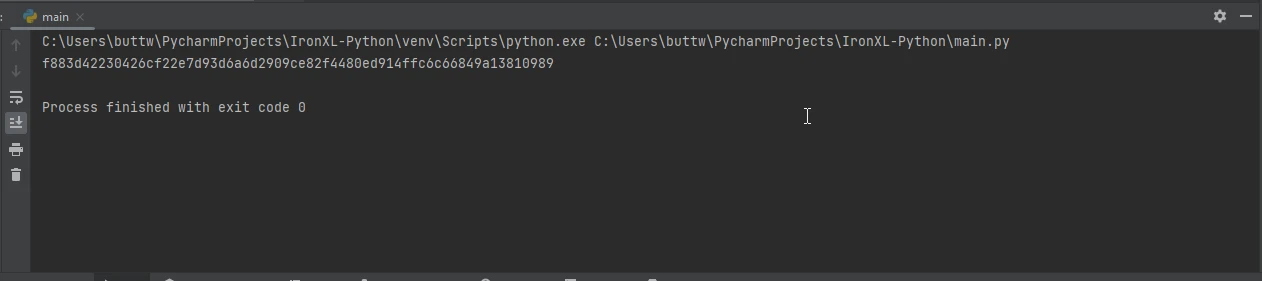
對稱加密
對稱加密涉及到相同的密鑰進行加密和解密。 PyCryptodome 的 Crypto.Cipher 模組支援幾種對稱密碼,包括 AES、DES 等。
AES 加密和解密範例
from Crypto.Cipher import AES
from Crypto.Random import get_random_bytes

# Generate a random AES key
key = get_random_bytes(16)  # 16 bytes for AES-128

# Create a new AES cipher in EAX mode for encryption
cipher = AES.new(key, AES.MODE_EAX)
data = b'Secret Message'

# Encrypt the data and get the nonce, ciphertext and tag
nonce = cipher.nonce
ciphertext, tag = cipher.encrypt_and_digest(data)

# Create a new AES cipher in EAX mode for decryption
cipher = AES.new(key, AES.MODE_EAX, nonce=nonce)
plaintext = cipher.decrypt(ciphertext)

# Verify the authenticity of the message
try:
    cipher.verify(tag)
    print("The message is authentic:", plaintext)
except ValueError:
    print("Key incorrect or message corrupted")
from Crypto.Cipher import AES
from Crypto.Random import get_random_bytes
# Generate a random AES key
key = get_random_bytes(16) # 16 bytes for AES-128
# Create a new AES cipher in EAX mode for encryption
cipher = AES.new(key, AES.MODE_EAX)
data = b'Secret Message'
# Encrypt the data and get the nonce, ciphertext and tag
nonce = cipher.nonce
ciphertext, tag = cipher.encrypt_and_digest(data)
# Create a new AES cipher in EAX mode for decryption
cipher = AES.new(key, AES.MODE_EAX, nonce=nonce)
plaintext = cipher.decrypt(ciphertext)
# Verify the authenticity of the message
try:
cipher.verify(tag)
print("The message is authentic:", plaintext)
except ValueError:
print("Key incorrect or message corrupted")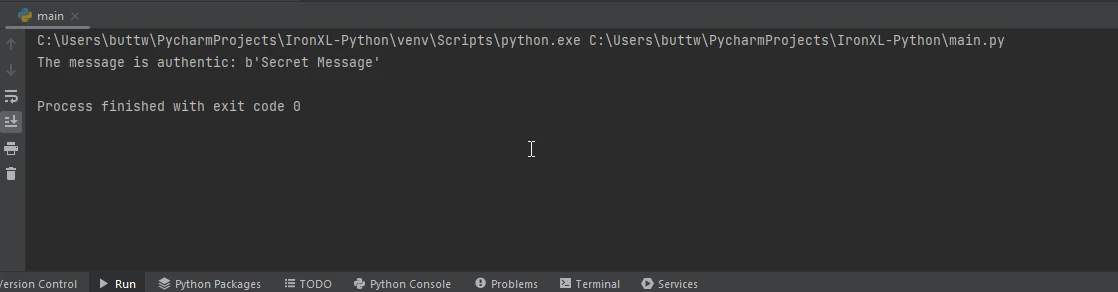
非對稱加密
非對稱加密使用一對密鑰:公鑰用於加密,私鑰用於解密。 PyCryptodome 的 Crypto.PublicKey 模組提供對 RSA、DSA 和 ECC(橢圓曲線加密)的支援。
RSA 加密和解密範例
from Crypto.PublicKey import RSA
from Crypto.Cipher import PKCS1_OAEP

# Generate an RSA key pair
key = RSA.generate(2048)
public_key = key.publickey()

# Encrypt the message using the public key
cipher = PKCS1_OAEP.new(public_key)
ciphertext = cipher.encrypt(b'Secret Message')

# Decrypt the message using the private key
cipher = PKCS1_OAEP.new(key)
plaintext = cipher.decrypt(ciphertext)
print(plaintext)
from Crypto.PublicKey import RSA
from Crypto.Cipher import PKCS1_OAEP
# Generate an RSA key pair
key = RSA.generate(2048)
public_key = key.publickey()
# Encrypt the message using the public key
cipher = PKCS1_OAEP.new(public_key)
ciphertext = cipher.encrypt(b'Secret Message')
# Decrypt the message using the private key
cipher = PKCS1_OAEP.new(key)
plaintext = cipher.decrypt(ciphertext)
print(plaintext)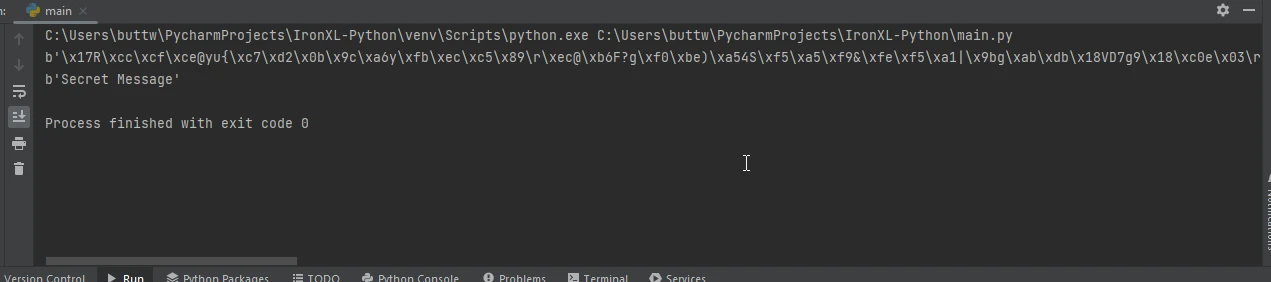
密鑰派生
密鑰派生函式從密碼或密碼短語生成加密密鑰。 這在基於密碼的加密中特別有用。 PyCryptodome 支援 PBKDF2、scrypt 和其他密鑰派生算法。
使用 PBKDF2 的範例
from Crypto.Protocol.KDF import PBKDF2
from Crypto.Random import get_random_bytes

# Define a password and generate a salt
password = b'my secret password'
salt = get_random_bytes(16)

# Derive a key from the password and salt using PBKDF2
key = PBKDF2(password, salt, dkLen=32, count=1000000)
print(key)
from Crypto.Protocol.KDF import PBKDF2
from Crypto.Random import get_random_bytes
# Define a password and generate a salt
password = b'my secret password'
salt = get_random_bytes(16)
# Derive a key from the password and salt using PBKDF2
key = PBKDF2(password, salt, dkLen=32, count=1000000)
print(key)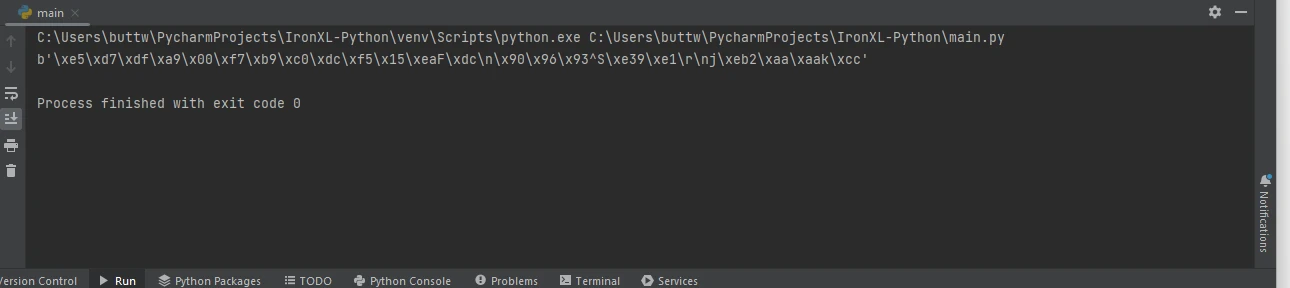
使用案例
密碼管理
密碼管理器利用 PyCryptodome 的密鑰派生函式安全地儲存和檢索使用者密碼。 通過使用類似 PBKDF2 的強密鑰派生算法,開發者可以確保儲存的密碼能夠抵抗暴力攻擊。
保護密碼的範例
from Crypto.Protocol.KDF import PBKDF2
from Crypto.Random import get_random_bytes
from Crypto.Cipher import AES

# Derive a strong key from a password
password = b'user_password'
salt = get_random_bytes(16)
key = PBKDF2(password, salt, dkLen=32, count=1000000)

# Encrypt the password before storing
cipher = AES.new(key, AES.MODE_EAX)
stored_password = b'ActualPassword'
nonce = cipher.nonce
ciphertext, tag = cipher.encrypt_and_digest(stored_password)

# Store ciphertext, nonce, salt, and tag securely
password_data = {
    'ciphertext': ciphertext,
    'nonce': nonce,
    'salt': salt,
    'tag': tag
}

# Decrypt the password when needed
key = PBKDF2(password, password_data['salt'], dkLen=32, count=1000000)
cipher = AES.new(key, AES.MODE_EAX, nonce=password_data['nonce'])
plaintext = cipher.decrypt(password_data['ciphertext'])

# Verify the authenticity of the password
try:
    cipher.verify(password_data['tag'])
    print("The stored password is authentic:", plaintext)
except ValueError:
    print("Key incorrect or password corrupted")
from Crypto.Protocol.KDF import PBKDF2
from Crypto.Random import get_random_bytes
from Crypto.Cipher import AES
# Derive a strong key from a password
password = b'user_password'
salt = get_random_bytes(16)
key = PBKDF2(password, salt, dkLen=32, count=1000000)
# Encrypt the password before storing
cipher = AES.new(key, AES.MODE_EAX)
stored_password = b'ActualPassword'
nonce = cipher.nonce
ciphertext, tag = cipher.encrypt_and_digest(stored_password)
# Store ciphertext, nonce, salt, and tag securely
password_data = {
'ciphertext': ciphertext,
'nonce': nonce,
'salt': salt,
'tag': tag
}
# Decrypt the password when needed
key = PBKDF2(password, password_data['salt'], dkLen=32, count=1000000)
cipher = AES.new(key, AES.MODE_EAX, nonce=password_data['nonce'])
plaintext = cipher.decrypt(password_data['ciphertext'])
# Verify the authenticity of the password
try:
cipher.verify(password_data['tag'])
print("The stored password is authentic:", plaintext)
except ValueError:
print("Key incorrect or password corrupted")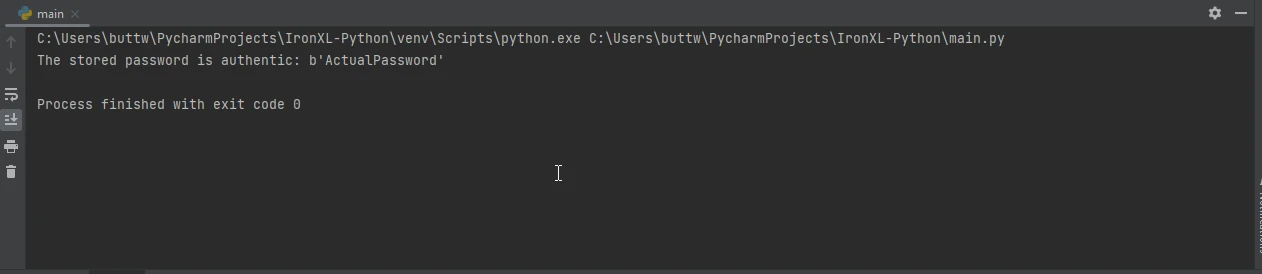
IronPDF for Python
IronPDF 是一個強大的為 Python 提供 PDF 生成的程式庫,讓開發者能夠輕鬆建立、編輯和操作 PDF 文件。 它提供了一系列功能,從將 HTML 轉換為 PDF 到合併多個 PDF,使其成為自動化文件工作流程的理想選擇。 當與 PyCryptodome 結合使用時,這個強大的加密運算程式庫,開發者可以在其 PDF 文件中新增安全功能,例如加密和數位簽名。 這種整合對於需要高安全性和資料完整性的應用特別有用,如財務、法律或機密環境。
要安裝 IronPDF,您可以使用 pip, Python 的套件管理器。 以下是開始使用的方法:
pip install ironpdf
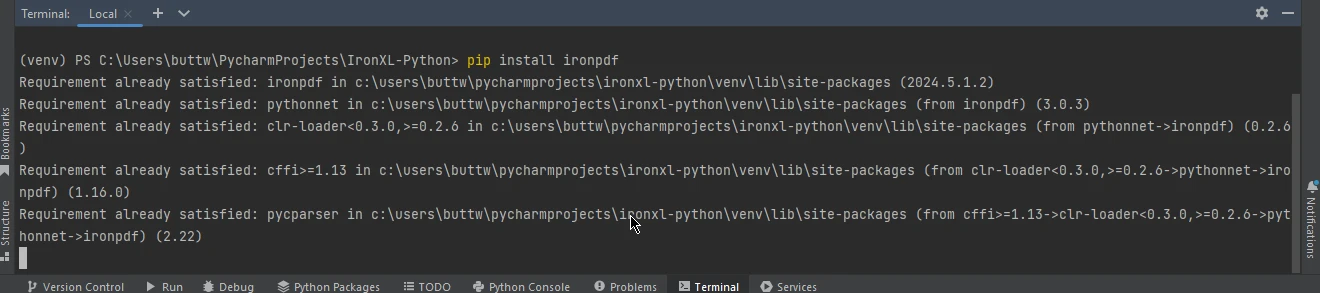
安裝完成後,您可以開始使用 IronPDF 建立和處理 PDF。 以下是演示如何使用 IronPDF 建立 PDF,然後使用 PyCryptodome 進行加密的簡單範例:
from ironpdf import ChromePdfRenderer
from Crypto.Cipher import AES
from Crypto.Util.Padding import pad
import os

# Create a new PDF renderer
renderer = ChromePdfRenderer()

# Render a URL as a PDF and save it
pdfFromUrl = renderer.RenderUrlAsPdf("https://ironpdf.com/")
pdfFromUrl.SaveAs("output.pdf")

# Function to encrypt a file using AES
def encrypt_file(file_name, key):
    cipher = AES.new(key, AES.MODE_CBC)  # Use AES in CBC mode
    iv = cipher.iv
    with open(file_name, 'rb') as f:
        data = f.read()
    encrypted_data = iv + cipher.encrypt(pad(data, AES.block_size))
    with open(file_name + '.enc', 'wb') as f:
        f.write(encrypted_data)

# Example usage
key = os.urandom(16)  # AES key must be either 16, 24, or 32 bytes long
encrypt_file("output.pdf", key)
from ironpdf import ChromePdfRenderer
from Crypto.Cipher import AES
from Crypto.Util.Padding import pad
import os
# Create a new PDF renderer
renderer = ChromePdfRenderer()
# Render a URL as a PDF and save it
pdfFromUrl = renderer.RenderUrlAsPdf("https://ironpdf.com/")
pdfFromUrl.SaveAs("output.pdf")
# Function to encrypt a file using AES
def encrypt_file(file_name, key):
cipher = AES.new(key, AES.MODE_CBC) # Use AES in CBC mode
iv = cipher.iv
with open(file_name, 'rb') as f:
data = f.read()
encrypted_data = iv + cipher.encrypt(pad(data, AES.block_size))
with open(file_name + '.enc', 'wb') as f:
f.write(encrypted_data)
# Example usage
key = os.urandom(16) # AES key must be either 16, 24, or 32 bytes long
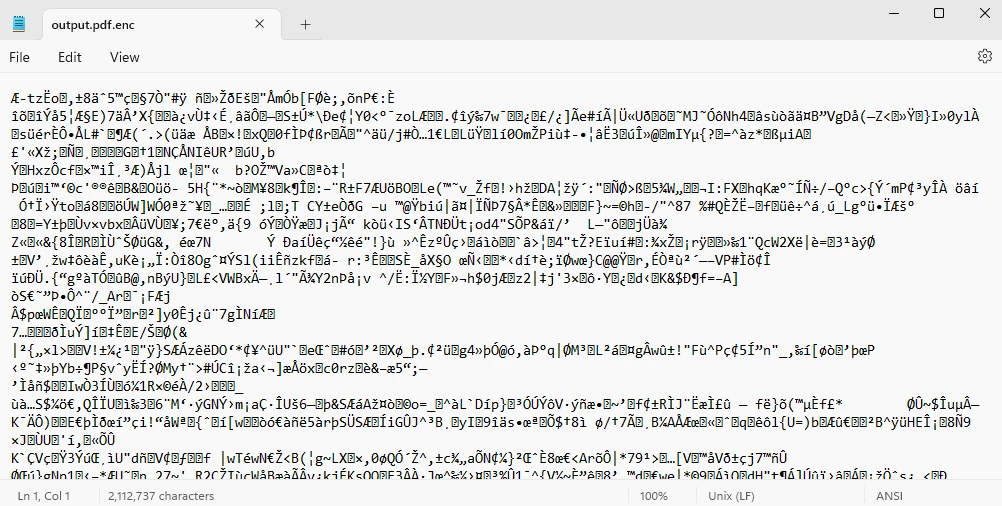
encrypt_file("output.pdf", key)此腳本展示了如何使用 IronPDF 建立簡單的 PDF,然後使用 PyCryptodome 的 AES 進行加密,為構建更複雜和安全的 PDF 處理應用程式提供基礎。
結論
總結來說,PyCryptodome 是一個強大且多功能的 Python 程式庫,顯著增強了開發者的加密運算,提供多種類的算法和易於與其他工具整合,如 IronPDF。 PyCryptodome 以其全面的功能集,包括對認證加密模式、對稱和非對稱加密、雜湊和密鑰派生的支持,滿足了需要強大安全措施的現代應用需求。 其易用性、積極維護和自包含的特性,讓其成為實現各種情境中安全資料處理的不可缺少工具,從密碼管理到安全文件生成和加密,確保資料完整性和機密性在日益數位化的世界中。
有關 IronPDF 授權的詳細資訊,請參閱 IronPDF 授權頁面。 要進一步探索,可以查看我們的詳細教學,瞭解如何將 HTML 轉換為 PDF。








 免費開始
免費開始 免費開始
免費開始 預訂免費直播演示