1.0 Einführung
Die IronPDF-Bibliothek für Python ist ein Tool, mit dem Sie Ihre Arbeit mit PDF-Dateien und die Konvertierung von Bilddateien in PDF-Dateien optimieren können. Es zeichnet sich durch die Extraktion verschiedenster Datentypen aus – wie Bilder, Optionsfelder und Listenfelder – und wandelt diese in strukturierte Daten um, die für Programmierer leichter verständlich sind.
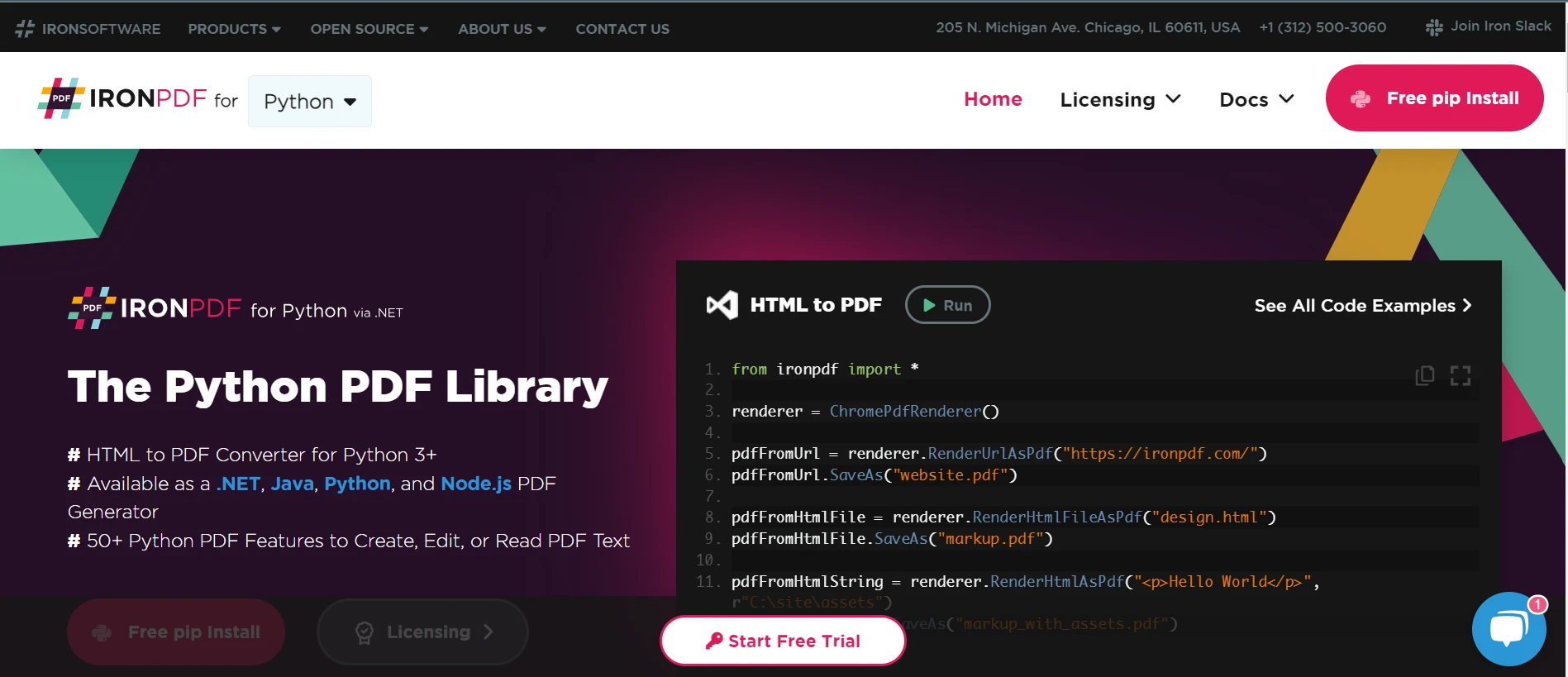
2.0 IronPDF for Python
Programmierer, die Python verwenden, können nun mithilfe der IronPDF for Python- Bibliothek, die einen umfassenden Satz von PDF-Funktionen bietet, problemlos mit dem PDF-Format umgehen. Dank der Integrationsfähigkeit mit anderen Frameworks ergeben sich auch mehr Möglichkeiten zur Entwicklung grafischer Benutzeroberflächen (GUI).
Aufgrund der Vielseitigkeit und Benutzerfreundlichkeit von Python bei der Erstellung grafischer Benutzeroberflächen ist es eine Programmiersprache, die viele Entwickler bevorzugen. Aufgrund ihrer dynamischen Natur unterscheidet sie sich von anderen Programmiersprachen.
2.1 Wie man IronPDF for Python verwendet
Stellen Sie sicher, dass Ihr Gerät die notwendigen Voraussetzungen für die Verwendung von IronPDF for Python erfüllt. Eine effektive Handhabung und Verarbeitung von PDF-Daten kann dann durch einfaches Hinzufügen des IronPDF-Moduls zu Python erreicht werden.
Stellen Sie sicher, dass die Umgebungsvariable für den Python-Pfad hinzugefügt wird, damit dieser über die Kommandozeile erreichbar ist. IronPDF kann sowohl in Python-Webframeworks als auch in Windows-Frameworks verwendet werden.
2.2 IronPDF-Funktionen
Nachfolgend finden Sie eine Liste einiger der wichtigsten Funktionen von IronPDF.
- HTML, HTML5, ASP, PHP und andere Quellen können alle zur Erstellung von PDF-Dokumenten verwendet werden. Darüber hinaus ist die PDF-Konvertierung auch für Bilddateien möglich.
- IronPDF bietet die Möglichkeit, verschlüsselte PDF-Dateien sowohl zu öffnen als auch zu bearbeiten .
- IronPDF ist ein Tool, mit dem interaktive PDF-Dokumente erstellt werden können. Es kann verwendet werden, um Text und Bilder zu extrahieren, in Bilder zu rastern , in HTML zu konvertieren, zu drucken , interaktive Formulare auszufüllen und diese abzusenden. Es gibt auch Optionen zum Aufteilen und Zusammenführen .
- Proxies, Cookies, HTTP-Header, eindeutige Netzwerk-Anmeldeinformationen, Formularvariablen und Benutzeragenten, die sich über HTML-Anmeldeformulare anmelden, werden alle von IronPDF unterstützt, wodurch es möglich ist, Dokumente aus einer URL zu erstellen.
- Das Kommentieren und Untersuchen von PDF-Dateien ist mit dem Programm IronPDF möglich.
- Mit IronPDF lassen sich Bilder aus Dokumenten extrahieren .
- IronPDF hilft dabei, JPG- oder PNG-Dateien in ein PDF-Dokument zu konvertieren.
3.0 PNG-Datei in PDF-Datei konvertieren
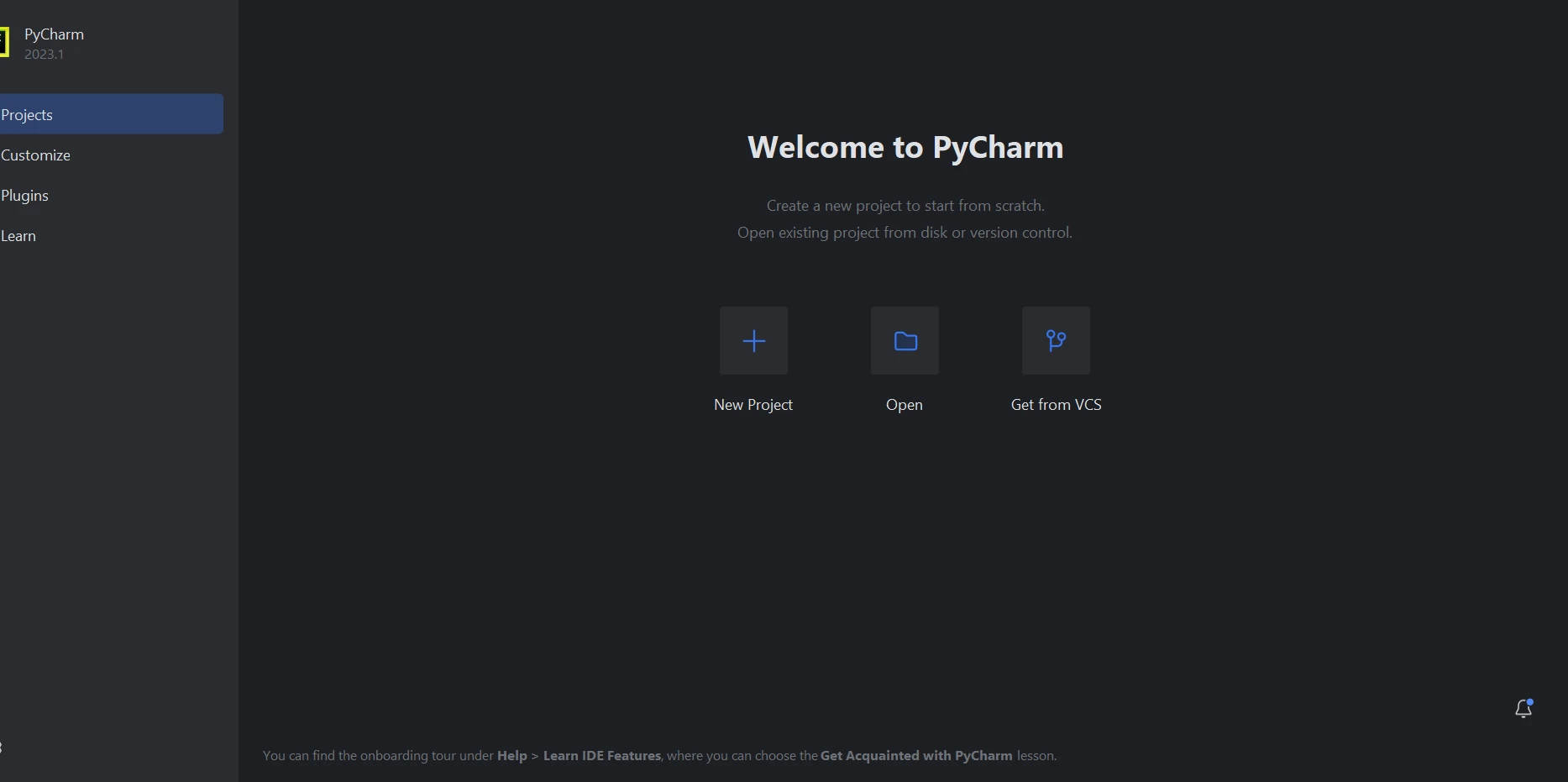
In diesem Abschnitt wird IronPDF for Python verwendet, um ein Bild in eine PDF-Datei zu konvertieren, nachdem IronPDF installiert und der neue PyCharm-Projektordner erstellt wurde. Im folgenden Codebeispiel sehen Sie, wie Sie ein Bild in eine PDF-Datei umwandeln.
from ironpdf import ImageToPdfConverter

# Create a PDF from an image file named "Test.png"
pdf_converter = ImageToPdfConverter.ImageToPdf("Test.png")

# Save the converted PDF with the file name "Demo.pdf"
pdf_converter.SaveAs("Demo.pdf")
from ironpdf import ImageToPdfConverter

# Create a PDF from an image file named "Test.png"
pdf_converter = ImageToPdfConverter.ImageToPdf("Test.png")

# Save the converted PDF with the file name "Demo.pdf"
pdf_converter.SaveAs("Demo.pdf")
Python
Dieser Codeabschnitt erstellt eine PDF-Datei aus einer Bilddatei namens "Test.png", indem er die IronPDF-Bibliothek verwendet, um einen Bild-zu-PDF-Konverter zu erstellen. Durch die Verwendung des Pfads zur PNG-Bilddatei als Eingabe wird zunächst ein ImageToPdfConverter-Objekt konstruiert. Das Objekt nutzt die ImageToPdf-Funktion und den ursprünglichen Bilddateipfad, um die Umwandlung des Bildes in PDF abzuschließen.
Anschließend wird die SaveAs-Funktion verwendet, um das konvertierte PDF mit dem PDF-Dateinamen "Demo.pdf" zu speichern. Dadurch wird eine PDF-Datei mit demselben Pfad wie das Python-Skript erzeugt. Im Wesentlichen wandelt es eine PNG-Datei in eine PDF-Datei um, was für das Teilen und Verwalten von Dokumenten auf vielfältige Weise hilfreich ist.
Dies funktioniert auch mit anderen Dateiformaten/Dateitypen, wie z. B. JPEG-Bildern. Sie müssten lediglich den Code so ändern, dass er die Endung '.jpeg' oder '.jpg' im Dateipfad für das Bild enthält, wie im folgenden Codebeispiel gezeigt.
from ironpdf import ImageToPdfConverter

# Create a PDF from an image file named "Test.jpeg"
pdf_converter = ImageToPdfConverter.ImageToPdf("Test.jpeg")

# Save the converted PDF with the file name "Demo.pdf"
pdf_converter.SaveAs("Demo.pdf")
from ironpdf import ImageToPdfConverter

# Create a PDF from an image file named "Test.jpeg"
pdf_converter = ImageToPdfConverter.ImageToPdf("Test.jpeg")

# Save the converted PDF with the file name "Demo.pdf"
pdf_converter.SaveAs("Demo.pdf")
Python
 Die Ausgabe-PDF-Datei
3.1 Mehrere Bilder in PDF konvertieren
Mit nur wenigen Zeilen Code können Sie mit IronPDF for Python alle Bilder eines Ordners in eine einzige PDF-Datei konvertieren und zusammenführen. Im folgenden Python-Codebeispiel erfahren Sie, wie Sie mehrere Bilder zu einer PDF-Datei kombinieren.
import os
from System.Collections.Generic import List
from ironpdf import ImageToPdfConverter

# Create a list of image file paths from the "assets" directory with ".png" extensions
image_files = [os.path.join("assets", f) for f in os.listdir("assets") if f.lower().endswith(".png")]

# Create a directory list to hold the image file paths
directory_list = List[str]()
for image_file in image_files:
    directory_list.Add(image_file)

# Convert the list of image files into a single PDF and save it as "Demo.pdf"
ImageToPdfConverter.ImageToPdf(directory_list).SaveAs("Demo.pdf")
import os
from System.Collections.Generic import List
from ironpdf import ImageToPdfConverter

# Create a list of image file paths from the "assets" directory with ".png" extensions
image_files = [os.path.join("assets", f) for f in os.listdir("assets") if f.lower().endswith(".png")]

# Create a directory list to hold the image file paths
directory_list = List[str]()
for image_file in image_files:
    directory_list.Add(image_file)

# Convert the list of image files into a single PDF and save it as "Demo.pdf"
ImageToPdfConverter.ImageToPdf(directory_list).SaveAs("Demo.pdf")
Python
Dieser Code erstellt mithilfe der IronPDF-Bibliothek eine einzige zusammengesetzte PDF-Datei aus einer Liste von PNG-Bilddateien, die sich in einem bestimmten Verzeichnis ("assets") befinden.
Der erste Schritt besteht darin, die benötigten Module aus der IronPDF-Bibliothek zu importieren. Es erstellt mithilfe einer List Comprehension eine Liste von Bilddateipfaden aus dem Verzeichnis "assets", die die Anforderung erfüllen, die Dateiendung ".png" zu haben. Die Variable image_files enthält diese Liste.
Die Pfade zu den ausgewählten Bilddateien werden in einer Liste namens directory_list abgelegt. Die Add-Methode wird dann verwendet, um die image_files-Liste zu durchlaufen und jeden Bilddateipfad zur directory_list hinzuzufügen.
Zuletzt wird die SaveAs-Methode verwendet, um die Liste der Bilddateien als "Demo.pdf" zu speichern, und ImageToPdfConverter.ImageToPdf(directory_list) wird aufgerufen, um die Liste der Bilddateien in eine einzelne PDF-Datei zu konvertieren.
Mehr über die Konvertierung von Bildern in PDFs erfahren Sie in dieser Python-Anleitung .
4.0 Fazit
Die IronPDF-Bibliothek bietet einen starken Sicherheitsschutz, um potenzielle Risiken zu minimieren und die Datensicherheit zu gewährleisten. Die Bibliothek ist mit allen gängigen Browsern kompatibel und bietet eine breite Palette an PDF-Bearbeitungsfunktionen, die Ihnen alle zur Verfügung stehen. Es stehen Ihnen verschiedene Lizenzierungsoptionen zur Auswahl, darunter eine kostenlose Entwicklerlizenz und zusätzliche Entwicklerlizenzen, die erworben werden können, um den unterschiedlichen Bedürfnissen der Entwickler gerecht zu werden.
Eine unbefristete Lizenz, eine 30-tägige Geld-zurück-Garantie, ein Jahr Softwarewartung und Upgrade-Optionen sind alle im $999 Lite-Bundle enthalten. Nutzer können das Produkt während der mit einem Wasserzeichen versehenen Testphase dreißig Tage lang in realen Anwendungsszenarien testen. Bitte klicken Sie auf die angegebene Lizenzseite , um mehr über die Testversion, den Preis und die Lizenzierung von IronPDF zu erfahren.