




업데이트됨 2026년 4월 23일
.NET에서 Microsoft.Extensions.AI로 LLM 통합 간소화
AI는 소프트웨어 개발을 변혁하고 있으나, 대규모 언어 모델(LLM)을 .NET에 통합하는 것은 지금까지 복잡했습니다. 현대에는 OpenAI 기반 PDF 파싱, 데이터 추출 및 콘텐츠 요약을 .NET 애플리케이션에 가져오는 IronPdf.AI로 AI 통합을 더욱 확장하세요.
더 읽어보기

리스트는 System.Collections.Generic 네임스페이스의 일부로 데이터 컬렉션을 다루기에 다재다능합니다. C#의 리스트는 동적이며 실행 시 크기를 변경할 수 있습니다. 이러한 유연성은 요소 수가 미리 알려지지 않은 많은 소프트웨어 엔지니어링 시나리오에서 매우 유용합니다. C#에서 리스트를 초기화하는 다양한 방법을 살펴보겠습니다. 기본 기술, 객체 이니셜라이저 구문, 컬렉션 이니셜라이저를 다루고 IronPDF 라이브러리도 다루겠습니다.
목록을 초기화하려면 List<t> 클래스의 인스턴스를 생성하여 시작합니다. 이때 T은(는) 목록의 요소 유형입니다. 가장 일반적인 유형은 string이지만, 다른 모든 유형도 사용할 수 있습니다.
using System;
using System.Collections.Generic;

class Program
{
    static void Main()
    {
        // Initialize an empty list
        List<string> fruits = new List<string>();

        // Adding elements to the list
        fruits.Add("Apple");
        fruits.Add("Banana");
        fruits.Add("Cherry");

        // Display the list
        foreach (var fruit in fruits)
        {
            Console.WriteLine(fruit);
        }
    }
}Imports System
Imports System.Collections.Generic
Module Program
Sub Main()
' Initialize an empty list
Dim fruits As New List(Of String)()
' Adding elements to the list
fruits.Add("Apple")
fruits.Add("Banana")
fruits.Add("Cherry")
' Display the list
For Each fruit In fruits
Console.WriteLine(fruit)
Next
End Sub
End Module위의 예에서는 빈 목록을 생성하고 Add 메서드를 사용하여 요소를 추가했습니다. List<string>은 문자열의 목록을 나타내며, 우리는 Add 메서드를 사용하여 이를 값으로 채웠습니다.
C#은 컬렉션 이니셜라이저 구문을 사용하여 리스트를 초기화하는 더 간결한 방법을 제공합니다. 이렇게 하면 Add 메서드를 반복해서 호출하지 않고도 목록을 생성할 때 직접 채울 수 있습니다.
public void InitializeList()
{
    List<string> fruits = new List<string> { "Apple", "Banana", "Cherry" };
}Public Sub InitializeList()
Dim fruits As New List(Of String) From {"Apple", "Banana", "Cherry"}
End Sub이 코드는 이전 예제와 같은 결과를 더 간결하게 달성합니다. 컬렉션 이니셜라이저는 단일 구문으로 리스트를 값으로 초기화할 수 있게 해주어 코드의 가독성을 높입니다.
객체 이니셜라이저 구문은 주로 사용자 정의 객체를 다룰 때 리스트를 초기화하는 또 다른 방법입니다. 다음은 객체 이니셜라이저가 리스트와 함께 작동하는 방법의 예입니다:
class Person
{
    public string Name { get; set; }
    public int Age { get; set; }
}

List<Person> people = new List<Person>
{
    new Person { Name = "John", Age = 30 },
    new Person { Name = "Jane", Age = 25 },
    new Person { Name = "Jack", Age = 35 }
};Friend Class Person
Public Property Name() As String
Public Property Age() As Integer
End Class
Private people As New List(Of Person) From {
New Person With {
.Name = "John",
.Age = 30
},
New Person With {
.Name = "Jane",
.Age = 25
},
New Person With {
.Name = "Jack",
.Age = 35
}
}이 예제에서는 객체 이니셜라이저를 사용하여 Person 객체의 목록을 생성합니다. Person 클래스에는 두 개의 속성인 Name와(과) Age이(가) 있으며, 목록이 생성될 때 명시적으로 값이 할당됩니다.
리스트는 크기가 동적이지만, 리스트에 몇 개의 요소가 포함될지 대략적으로 아는 경우 초기 용량을 지정할 수 있습니다. 이는 메모리 재할당 횟수를 줄여 성능을 향상시킬 수 있습니다.
List<string> fruits = new List<string>(10); // Initial size of 10Dim fruits As New List(Of String)(10) ' Initial size of 10이는 초기 용량이 10인 빈 리스트를 생성합니다. 요소는 추가하지 않지만, 내부 배열 크기를 조정할 필요 없이 최대 10개의 요소를 담을 수 있도록 충분한 메모리를 할당합니다.
기존 배열을 사용하여 IEnumerable<t> 인수를 받는 목록 생성자를 호출하여 목록을 초기화할 수도 있습니다. 이것은 배열을 가지고 있으며 변환하여 리스트로 사용하려는 경우에 유용합니다.
// New String array of fruit
string[] fruitArray = { "Apple", "Banana", "Cherry" };
List<string> fruits = new List<string>(fruitArray);' New String array of fruit
Dim fruitArray() As String = { "Apple", "Banana", "Cherry" }
Dim fruits As New List(Of String)(fruitArray)여기서 새로운 배열이 생성된 후 목록 초기화에 사용됩니다. 이렇게 하면 fruitArray 배열이 목록으로 변환됩니다. 배열을 포함한 모든 IEnumerable<t>은 목록 생성자에 전달되어 초기화될 수 있습니다.
기존 항목 컬렉션이 있는 경우, AddRange 메서드를 사용하여 여러 요소를 함께 목록에 추가할 수 있습니다.
List<string> fruits = new List<string> { "Apple", "Banana" };
string[] moreFruits = { "Cherry", "Date", "Elderberry" };
fruits.AddRange(moreFruits);Dim fruits As New List(Of String) From {"Apple", "Banana"}
Dim moreFruits() As String = { "Cherry", "Date", "Elderberry" }
fruits.AddRange(moreFruits)이 예제에서는 두 개의 요소가 포함된 목록으로 시작하여 배열에서 여러 새 항목을 AddRange을(를) 사용하여 추가합니다. 이 방법은 요소를 대량으로 추가하여 성능을 향상시킬 수 있으며, 이는 여러 번의 재할당 필요성을 최소화합니다.
사용자 정의 객체의 리스트를 초기화할 때, 객체 이니셜라이저와 컬렉션 이니셜라이저를 결합하여 단일 표현식으로 복잡한 데이터 구조를 만들 수 있습니다.
List<Person> people = new List<Person>
{
    new Person { Name = "Alice", Age = 28 },
    new Person { Name = "Bob", Age = 32 },
    new Person { Name = "Charlie", Age = 40 }
};Dim people As New List(Of Person) From {
New Person With {
.Name = "Alice",
.Age = 28
},
New Person With {
.Name = "Bob",
.Age = 32
},
New Person With {
.Name = "Charlie",
.Age = 40
}
}이 기법은 단일 구문으로 객체의 리스트를 생성하고 초기화할 수 있게 해주어 코드가 간결하고 읽기 쉽게 만듭니다.
맞춤 방식을 사용하여 리스트를 초기화하기 위해 확장 메소드를 구현할 수도 있습니다. 확장 메소드는 기존 타입에 원래 구조를 변경하지 않고 새로운 기능을 추가할 수 있는 메커니즘을 제공합니다.
public static class ListExtensions
{
    public static List<t> InitializeWith<t>(this List<t> list, params T[] elements)
    {
        list.AddRange(elements);
        return list;
    }
}

// Usage
List<string> fruits = new List<string>().InitializeWith("Apple", "Banana", "Cherry");Imports System.Collections.Generic
Public Module ListExtensions
<System.Runtime.CompilerServices.Extension>
Public Function InitializeWith(Of T)(list As List(Of T), ParamArray elements As T()) As List(Of T)
list.AddRange(elements)
Return list
End Function
End Module
' Usage
Dim fruits As List(Of String) = New List(Of String)().InitializeWith("Apple", "Banana", "Cherry")여기서는 확장 메서드 InitializeWith을 정의하여 목록에 요소를 추가하고 목록 자체를 반환합니다. 이를 통해 리스트의 초기화 및 내용을 체인으로 연결할 수 있습니다.
만약 과일 리스트와 같은 것이 있다면, 이는 HTML 테이블로 만들어 PDF로 렌더링할 수 있으며, 모두 IronPDF를 사용하여 몇 줄의 코드로 가능합니다. 이 과정은 간단합니다: 리스트를 초기화하고, HTML로 변환한 후 IronPDF가 PDF를 생성하게 합니다. 다음은 예시입니다.
using IronPdf;
using System;
using System.Collections.Generic;
using System.Text;

class Program
{
    static void Main()
    {
        // Initialize a list of strings representing data
        List<string> fruits = new List<string> { "Apple", "Banana", "Cherry" };

        // Convert the list to an HTML table
        StringBuilder htmlContent = new StringBuilder();
        htmlContent.Append("<table border='1'><tr><th>Fruit Name</th></tr>");
        foreach (var fruit in fruits)
        {
            htmlContent.Append($"<tr><td>{fruit}</td></tr>");
        }
        htmlContent.Append("</table>");

        // Render the HTML to PDF using IronPDF
        var Renderer = new ChromePdfRenderer();
        var PDF = Renderer.RenderHtmlAsPdf(htmlContent.ToString());

        // Save the PDF to a file
        PDF.SaveAs("FruitsList.pdf");
        Console.WriteLine("PDF generated successfully.");
    }
}Imports IronPdf
Imports System
Imports System.Collections.Generic
Imports System.Text
Module Program
Sub Main()
' Initialize a list of strings representing data
Dim fruits As New List(Of String) From {"Apple", "Banana", "Cherry"}
' Convert the list to an HTML table
Dim htmlContent As New StringBuilder()
htmlContent.Append("<table border='1'><tr><th>Fruit Name</th></tr>")
For Each fruit In fruits
htmlContent.Append($"<tr><td>{fruit}</td></tr>")
Next
htmlContent.Append("</table>")
' Render the HTML to PDF using IronPDF
Dim Renderer = New ChromePdfRenderer()
Dim PDF = Renderer.RenderHtmlAsPdf(htmlContent.ToString())
' Save the PDF to a file
PDF.SaveAs("FruitsList.pdf")
Console.WriteLine("PDF generated successfully.")
End Sub
End Module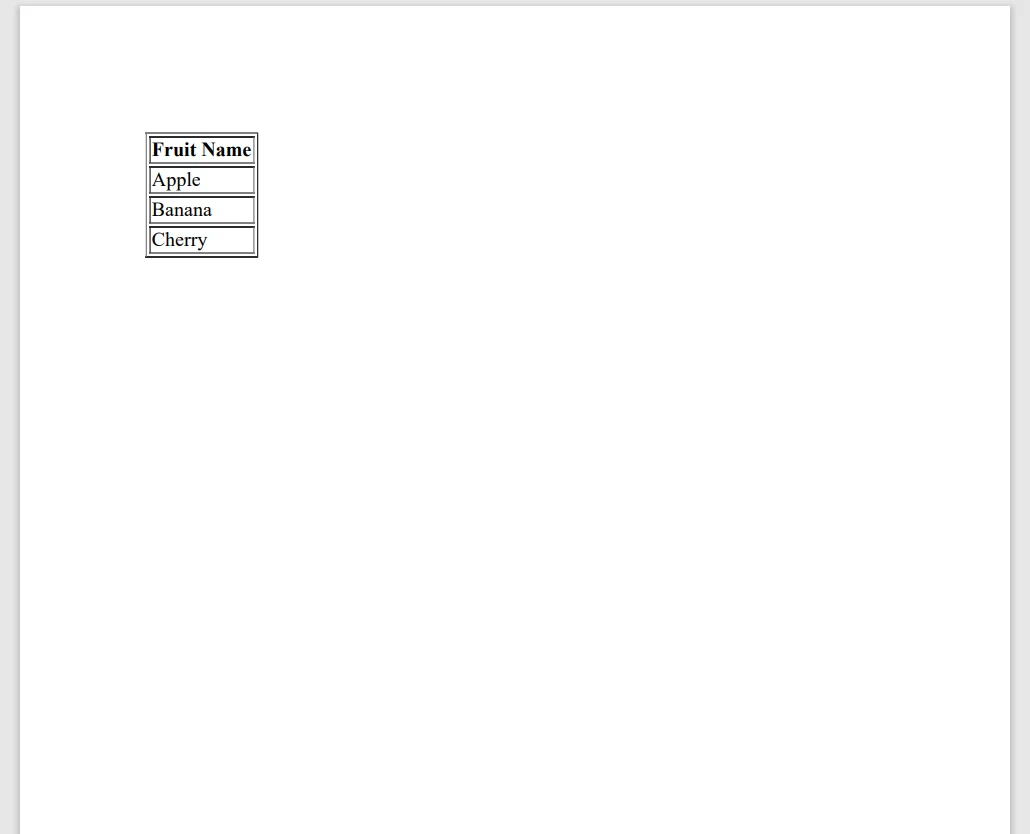
이 코드는 리스트를 초기화하고, 이를 통해 HTML 테이블을 생성하며 IronPDF를 사용하여 PDF 파일을 생성합니다. 데이터를 수집하여 PDF로 변환하는 간단하고 직접적인 방법입니다.
C#에서의 리스트 초기화는 모든 소프트웨어 엔지니어가 반드시 숙달해야 할 기본 개념입니다. 간단한 문자열 목록을 사용하든 복잡한 객체 목록을 사용하든, C#은 목록을 효율적으로 초기화하고 채우기 위한 몇 가지 방법을 제공합니다. 기본 초기화에서부터 객체 및 컬렉션 초기화기까지, 이러한 기술은 깨끗하고 간결하며 유지 보수 가능한 코드를 작성하는 데 도움이 됩니다.
IronPDF는 초기 투자 없이 제품을 체험해볼 수 있는 무료 체험판을 제공합니다. 필요에 부합한다고 확신할 때, 라이선스는 $999에서 시작합니다.

제이콥 멜러는 Iron Software의 최고 기술 책임자(CTO)이자 C# PDF 기술을 개척한 선구적인 엔지니어입니다. Iron Software의 핵심 코드베이스를 최초로 개발한 그는 창립 초기부터 회사의 제품 아키텍처를 설계해 왔으며, CEO인 캐머런 리밍턴과 함께 회사를 NASA, 테슬라, 그리고 전 세계 정부 기관에 서비스를 제공하는 50명 이상의 직원을 보유한 기업으로 성장시켰습니다.



IronPDF는 IRON SUITE 의 일부입니다.
10개의 .NET API 제품, 당신의 사무 문서를 위해

PDF 파일을 HTML처럼 빠르게 변환해야 할 때.


