



已更新 2026年4月23日
简化 .NET 与 Microsoft.Extensions.AI 的 LLM 集成
AI正在改变软件开发,但将大型语言模型(LLM)集成到.NET中直到现在一直很复杂。通过IronPdf.AI,将AI集成更进一步,该产品为.NET应用程序带来了OpenAI驱动的PDF解析、数据提取和内容摘要。
阅读更多

通过使用 JSON-RPC 协议,StreamJsonRpc 在 C# 中使客户端和服务器之间在各种传输级别上进行有效通信。 借助这个库,可以更轻松地实现远程过程调用,使开发人员能够创建可靠的分布式系统,在这些系统中,程序可以像本地一样调用远程服务器上的方法。 通过允许基于通过 JSON-RPC 请求传输的数据动态创建 PDF,当与 IronPDF 配合使用时,StreamJsonRpc 提高了应用程序功能,IronPDF 是一个完整的 .NET Framework 用于 PDF 生成和操作。 对于希望简化创建定制报告、发票或任何需要按需生成 PDF 的文档中心型应用程序的开发人员来说,该接口非常有帮助。
通过支持将 HTML、ASPX 和原始数据转换为高质量的 PDF 出版物,IronPDF 为开发人员在组织和传递内容方面提供了灵活性和效率。 StreamJsonRpc 和 IronPDF 协同工作,使 C# 开发人员能够构建响应式、可扩展的应用程序,这些应用程序可以轻松将复杂 PDF 与远程过程调用结合在一起。
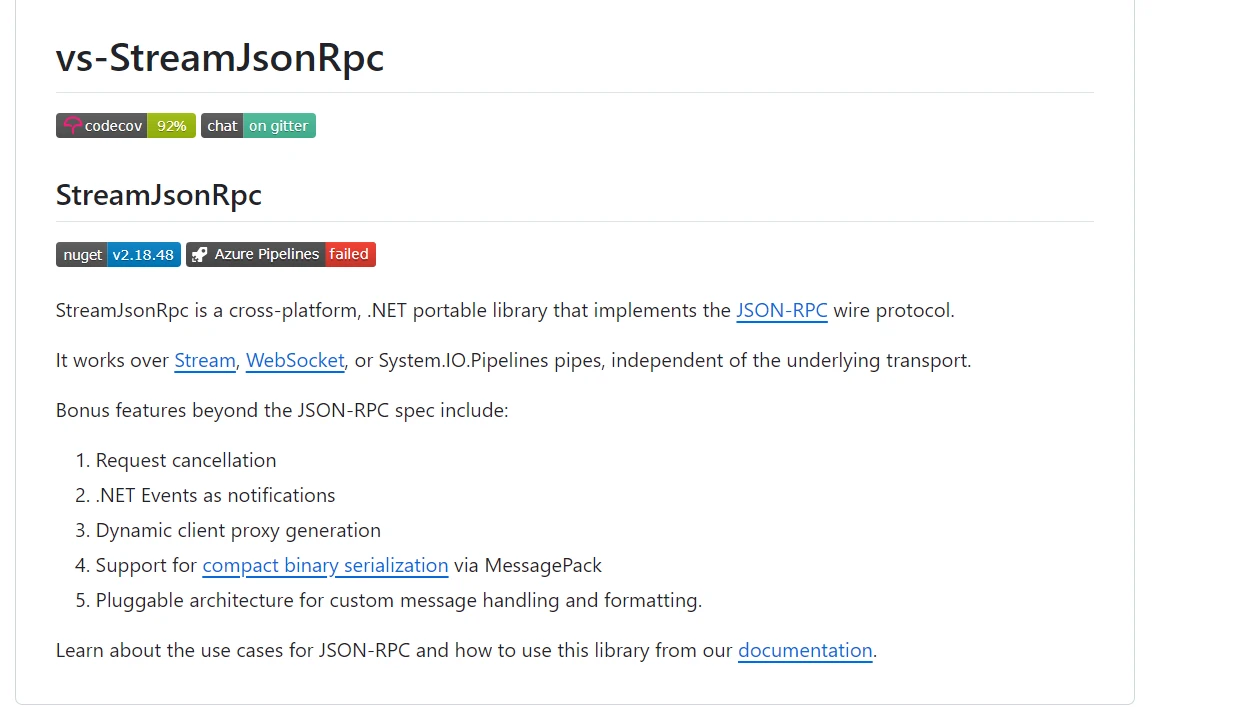
StreamJsonRpc 是一个跨平台库,旨在使用轻量且高效的线协议促进远程过程调用 (RPC)。 它利用支持各种通信通道的底层传输机制,如 TCP/IP、命名管道和 HTTP。该库利用 .NET 事件来处理传入的请求和响应,提供了一种强大的异步通信机制。 开发人员可以附加方法实现以处理 RPC 请求,并使用 StreamJsonRpc API 定义自定义行为。 StreamJsonRpc 作为 .NET Portable Library 提供,确保跨不同平台的兼容性,并可无缝集成到各种 .NET 应用程序中。
StreamJsonRpc 的一个关键特点是对双向通信的强大支持,包括通知和进度报告。 通过支持包括 HTTP、命名管道和 TCP/IP 在内的各种传输协议,它为程序提供了更多的通信选项。 StreamJsonRpc 处理 JSON-RPC 消息的序列化和反序列化,确保跨多个平台和支持 JSON 的计算机语言的兼容性。
StreamJsonRpc 旨在考虑性能和可扩展性。 它兼容现有的 C# 程序,可以用于构建客户端-服务器应用程序、微服务架构、分布式系统以及其他需要可靠和高效通信的应用程序。 在 C# 项目中集成远程过程调用时,开发人员倾向于选择它,因为它具有可靠性和易用性。
C# 的 StreamJsonRpc 提供了全面的功能集合,旨在促进和增强基于 JSON-RPC 协议的客户端-服务器应用程序通信。
通过将远程操作视为本地函数调用,StreamJsonRpc 使客户端能够通过远程过程调用调用服务器上的方法。 通过消除网络通信的复杂性,这种抽象使分布式应用程序的创建变得更加简单。
该库支持双向客户端-服务器通信。 通过允许客户端向服务器提交请求而服务器可以通过通知或结果进行响应,实现了实时通信和更新。
由于它在传输层上是无关的,StreamJsonRpc 可以通过包括 HTTP、命名管道和 TCP/IP 在内的各种传输协议运行。这种适应性使开发人员可以根据他们的应用程序需求和网络设置选择最佳的传输方法。
它管理 JSON-RPC 消息的序列化和反序列化,确保跨多个平台和支持 JSON 的计算机语言的顺畅通信。
StreamJsonRpc 支持为长时间运行的活动进行进度报告。 通过允许服务器向客户端更新当前进程的状态,此功能提高了用户体验和透明度。
为了处理远程方法调用期间出现的异常和问题,该库具有广泛的错误处理功能。 这确保了分布式系统的弹性和可靠性。
开发人员可以扩展 StreamJsonRpc 以改变其功能或将其与已经存在的应用程序架构集成。 由于其多功能性,它可以针对多种集成需求和应用场景进行定制。
通过有效的自定义消息处理和传输层管理,StreamJsonRpc 在客户端-服务器通信中最大化吞吐量,同时确保低开销。
通过使用异步操作,它允许应用程序实现更好的响应性和可扩展性。 它完全支持异步通信模式。
通过遵循 JSON-RPC 标准,StreamJsonRpc 通过促进 C# 应用程序与其他语言支持 JSON 的服务之间的互操作性,实现了在不同环境中的无缝集成。
除了这些主要特点之外,还有一些超出 JSON-RPC 规范的额外功能,例如对紧凑的二进制序列化和动态客户端代理的支持。
必须设置一个客户端和一个服务器,以便在 C# 应用程序中创建和配置 StreamJsonRpc。 每个部分的详细说明如下:
首先,确保您的 .NET 项目已准备就绪。 您可以使用 Visual Studio 或 .NET CLI 创建一个新项目。
dotnet new console -n StreamjsonrpcExample
cd StreamjsonrpcExample要实现 JSON-RPC 通信,请从 NuGet 安装 StreamJsonRpc 包。 它包含了必要的库。
dotnet add package StreamJsonRpc创建一个类,该类将充当 JSON-RPC 的服务器。 观察这个简单的例子:
using Microsoft.AspNetCore.Hosting;
using StreamJsonRpc;
using System;
using System.Threading.Tasks;

public class MyService
{
    // Asynchronous method to add two integers
    public Task<int> AddAsync(int a, int b)
    {
        return Task.FromResult(a + b);
    }

    // Asynchronous method to greet a user
    public Task<string> GreetAsync(string name)
    {
        return Task.FromResult($"Hello, {name}!");
    }
}

class Program
{
    static void Main(string[] args)
    {
        // Initialize the service offering RPC methods
        var service = new MyService();

        // Create a StreamJsonRpc server listening on websockets
        var jsonRpc = new JsonRpc(new ServerWebSocketJsonRpcMessageHandler("ws://localhost:8080"));

        // Add service as RPC target
        jsonRpc.AddLocalRpcTarget(service);

        // Start listening for incoming JSON-RPC requests
        jsonRpc.StartListening();

        Console.WriteLine("JsonRpc server listening on ws://localhost:8080");
        Console.WriteLine("Press any key to stop the server...");

        // Wait for user input to stop the server
        Console.ReadKey();

        // Dispose resources when done
        jsonRpc.Dispose();
    }
}Imports Microsoft.AspNetCore.Hosting
Imports StreamJsonRpc
Imports System
Imports System.Threading.Tasks
Public Class MyService
' Asynchronous method to add two integers
Public Function AddAsync(a As Integer, b As Integer) As Task(Of Integer)
Return Task.FromResult(a + b)
End Function
' Asynchronous method to greet a user
Public Function GreetAsync(name As String) As Task(Of String)
Return Task.FromResult($"Hello, {name}!")
End Function
End Class
Module Program
Sub Main(args As String())
' Initialize the service offering RPC methods
Dim service = New MyService()
' Create a StreamJsonRpc server listening on websockets
Dim jsonRpc = New JsonRpc(New ServerWebSocketJsonRpcMessageHandler("ws://localhost:8080"))
' Add service as RPC target
jsonRpc.AddLocalRpcTarget(service)
' Start listening for incoming JSON-RPC requests
jsonRpc.StartListening()
Console.WriteLine("JsonRpc server listening on ws://localhost:8080")
Console.WriteLine("Press any key to stop the server...")
' Wait for user input to stop the server
Console.ReadKey()
' Dispose resources when done
jsonRpc.Dispose()
End Sub
End ModuleMyService类: 指定客户端可以远程调用的方法,例如GreetAsync。
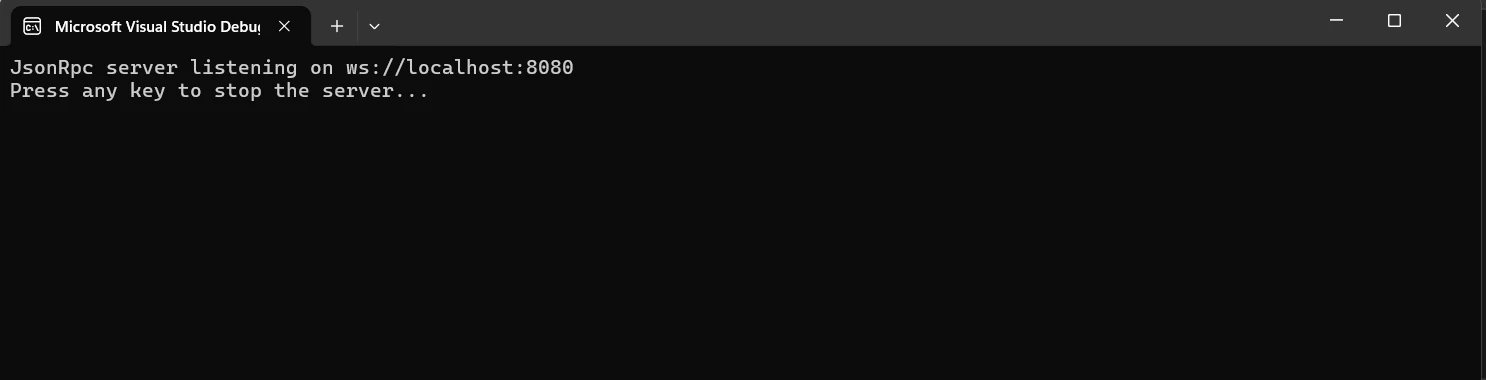
这将启动一个新的ws://localhost:8080。 服务器将MyService公开为新的本地RPC目标,并开始等待JSON-RPC查询到达。按下任意键以停止监听并释放资源。
创建一个类,该类将作为 JSON-RPC 的客户端。 观察这个简单的例子:
using StreamJsonRpc;
using System;
using System.Threading.Tasks;

class Program
{
    static async Task Main(string[] args)
    {
        // Create a JSON-RPC client connected to the WebSocket server endpoint
        var proxy = new JsonRpc(new ClientWebSocketJsonRpcMessageHandler("ws://localhost:8080"));

        // Start listening for incoming messages from the server
        await proxy.StartListeningAsync();

        // Invoke the AddAsync method on the server
        var resultAdd = await proxy.InvokeAsync<int>("AddAsync", 10, 20);
        Console.WriteLine($"AddAsync result: {resultAdd}");

        // Invoke the GreetAsync method on the server
        var resultGreet = await proxy.InvokeAsync<string>("GreetAsync", "John");
        Console.WriteLine($"GreetAsync result: {resultGreet}");

        // Dispose the proxy when done
        proxy.Dispose();
    }
}Imports StreamJsonRpc
Imports System
Imports System.Threading.Tasks
Module Program
Async Function Main(args As String()) As Task
' Create a JSON-RPC client connected to the WebSocket server endpoint
Dim proxy = New JsonRpc(New ClientWebSocketJsonRpcMessageHandler("ws://localhost:8080"))
' Start listening for incoming messages from the server
Await proxy.StartListeningAsync()
' Invoke the AddAsync method on the server
Dim resultAdd = Await proxy.InvokeAsync(Of Integer)("AddAsync", 10, 20)
Console.WriteLine($"AddAsync result: {resultAdd}")
' Invoke the GreetAsync method on the server
Dim resultGreet = Await proxy.InvokeAsync(Of String)("GreetAsync", "John")
Console.WriteLine($"GreetAsync result: {resultGreet}")
' Dispose the proxy when done
proxy.Dispose()
End Function
End Module此示例建立与JsonRpc实例。 然后通过与JSON-RPC服务器建立连接,启用服务器上定义的MyService)。 最后,在 RPC 调用完成后显示服务器返回的结果并释放资源。

通过将 StreamJsonRpc 与 IronPDF 集成,并使用通过 JSON-RPC 查询交换的数据,可以在 C# 应用程序中动态生成 PDF 页面。 以下是设置 IronPDF 和 StreamJsonRpc 的基本操作:
IronPDF 可被 C# 程序用于创建、读取和编辑 PDF 文档。 这一工具让开发者能简单地将HTML、CSS和JavaScript信息转换为可打印的、高质量的PDF文件。 关键任务包括添加标题和页脚、拆分和合并 PDF、为文档添加水印和将 HTML 转换为 PDF。 IronPDF 因为支持 .NET Framework 和 .NET Core 对于各种应用程序很有帮助。
由于 PDF 易于使用且提供丰富的内容,开发人员可以轻松地将它们集成到产品中。 由于 IronPDF 能够轻松处理复杂的布局和格式化,生成的输出 PDF 几乎与原始 HTML 文本相匹配。
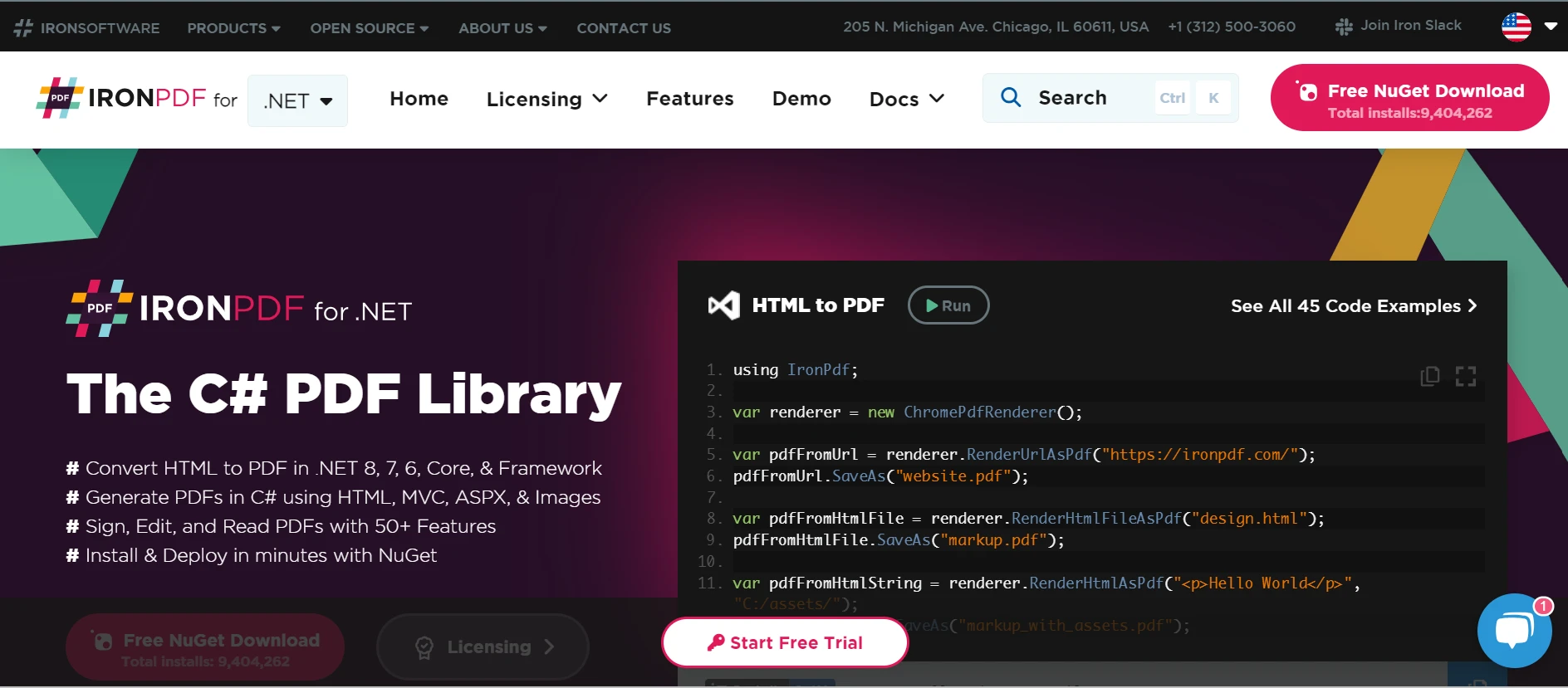
从HTML生成PDF
将JavaScript、HTML和CSS转换为PDF。 IronPDF 支持媒体查询和响应式设计这两个现代 Web 标准。 它是用于使用 HTML 和 CSS 动态装饰 PDF 文档、报告和账单的有用工具。
PDF编辑
可以为现有 PDF 添加文本、图片和其他内容。 从 PDF 文件中提取文本和图像。 开发人员可以将多个 PDF 合并为一个文件,或将 PDF 文件分割为多个独立文件。 包括水印、注释、页眉和页脚。
PDF转换 using IronPDF 可以将多种文件格式(包括 Word、Excel 和图像文件)转换为 PDF。 您还可以进行 PDF 到图像的转换(PNG、JPEG 等)。
性能和可靠性
在工业环境中,高性能和可靠性是理想的设计特性。 IronPDF 可以轻松管理大型文档集。
为了在.NET项目中获得处理PDF所需的工具,请安装IronPDF包。
dotnet add package IronPdf在服务类PdfService.cs中提供方法,这些方法将从接收到的数据中创建PDF。 作为示例:
using IronPdf;
using System.IO;
using System.Threading.Tasks;

public class PdfService
{
    // Asynchronously generates a PDF from HTML content
    public async Task<byte[]> GeneratePdfAsync(string htmlContent)
    {
        var renderer = new ChromePdfRenderer();
        var pdf = renderer.RenderHtmlAsPdf(htmlContent);
        return await pdf.BinaryDataAsync();
    }
}Imports IronPdf
Imports System.IO
Imports System.Threading.Tasks
Public Class PdfService
' Asynchronously generates a PDF from HTML content
Public Async Function GeneratePdfAsync(ByVal htmlContent As String) As Task(Of Byte())
Dim renderer = New ChromePdfRenderer()
Dim pdf = renderer.RenderHtmlAsPdf(htmlContent)
Return Await pdf.BinaryDataAsync()
End Function
End Class使用GeneratePdfAsync方法:
using StreamJsonRpc;
using System;
using System.Net.WebSockets;
using System.Threading.Tasks;

class Program
{
    static async Task Main(string[] args)
    {
        // Initialize PdfService which generates PDFs
        var service = new PdfService();

        // Create JSON-RPC server listening on websockets
        var jsonRpc = new JsonRpc(new WebSocketRpcServerMessageHandler(new Uri("ws://localhost:8080")));

        // Add the PdfService as an RPC target
        jsonRpc.AddLocalRpcTarget(service);

        // Start listening for incoming JSON-RPC requests
        jsonRpc.StartListening();

        Console.WriteLine("JsonRpc server listening on ws://localhost:8080");
        Console.WriteLine("Press any key to stop the server...");

        // Wait for user input to stop the server
        Console.ReadKey();

        // Gracefully stop listening and dispose resources when done
        await jsonRpc.StopListeningAsync();
        jsonRpc.Dispose();
    }
}Imports StreamJsonRpc
Imports System
Imports System.Net.WebSockets
Imports System.Threading.Tasks
Module Program
Async Function Main(args As String()) As Task
' Initialize PdfService which generates PDFs
Dim service As New PdfService()
' Create JSON-RPC server listening on websockets
Dim jsonRpc As New JsonRpc(New WebSocketRpcServerMessageHandler(New Uri("ws://localhost:8080")))
' Add the PdfService as an RPC target
jsonRpc.AddLocalRpcTarget(service)
' Start listening for incoming JSON-RPC requests
jsonRpc.StartListening()
Console.WriteLine("JsonRpc server listening on ws://localhost:8080")
Console.WriteLine("Press any key to stop the server...")
' Wait for user input to stop the server
Console.ReadKey()
' Gracefully stop listening and dispose resources when done
Await jsonRpc.StopListeningAsync()
jsonRpc.Dispose()
End Function
End Module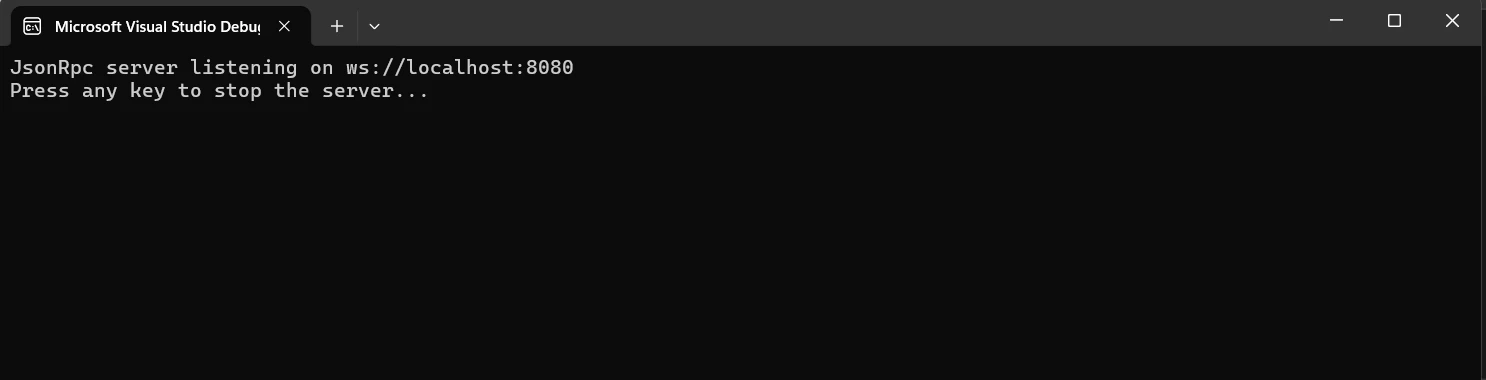
要连接到服务器并请求创建PDF,实现StreamJsonRpc客户端(ClientProgram.cs):
using StreamJsonRpc;
using System;
using System.Net.WebSockets;
using System.Text;
using System.Threading.Tasks;
using System.IO;

class ClientProgram
{
    static async Task Main(string[] args)
    {
        // Create JSON-RPC client connected to WebSocket server endpoint
        var proxy = new JsonRpc(new WebSocketRpcClientMessageHandler(new Uri("ws://localhost:8080")));

        // Start listening for incoming messages from the server
        await proxy.StartListeningAsync();

        // Example HTML content
        string htmlContent = "<html><body><h1>Hello, IronPDF!</h1></body></html>";

        // Invoke GeneratePdfAsync method on the server
        var pdfBytes = await proxy.InvokeAsync<byte[]>("GeneratePdfAsync", htmlContent);

        // Save the resulted PDF to a file
        File.WriteAllBytes("GeneratedPdf.pdf", pdfBytes);

        Console.WriteLine("PDF generated: GeneratedPdf.pdf");

        // Dispose the proxy when done
        proxy.Dispose();
    }
}Imports StreamJsonRpc
Imports System
Imports System.Net.WebSockets
Imports System.Text
Imports System.Threading.Tasks
Imports System.IO
Module ClientProgram
Async Function Main(args As String()) As Task
' Create JSON-RPC client connected to WebSocket server endpoint
Dim proxy = New JsonRpc(New WebSocketRpcClientMessageHandler(New Uri("ws://localhost:8080")))
' Start listening for incoming messages from the server
Await proxy.StartListeningAsync()
' Example HTML content
Dim htmlContent As String = "<html><body><h1>Hello, IronPDF!</h1></body></html>"
' Invoke GeneratePdfAsync method on the server
Dim pdfBytes As Byte() = Await proxy.InvokeAsync(Of Byte())("GeneratePdfAsync", htmlContent)
' Save the resulted PDF to a file
File.WriteAllBytes("GeneratedPdf.pdf", pdfBytes)
Console.WriteLine("PDF generated: GeneratedPdf.pdf")
' Dispose the proxy when done
proxy.Dispose()
End Function
End ModulePdfService.cs类是StreamJsonRpc服务器实现的基本部分,它使C#应用程序更容易使用IronPDF生成PDF文档。 通过利用IronPDF的RenderHtmlAsPdf,此服务类包含处理HTML材料转换为PDF格式的方法。 HTML内容通过async Task<byte[]> GeneratePdfAsync(string htmlContent))。
此方法创建RenderHtmlAsPdf(htmlContent)的PDF文档。 然后,该方法异步检索创建的PDF的二进制数据(byte[]数组。
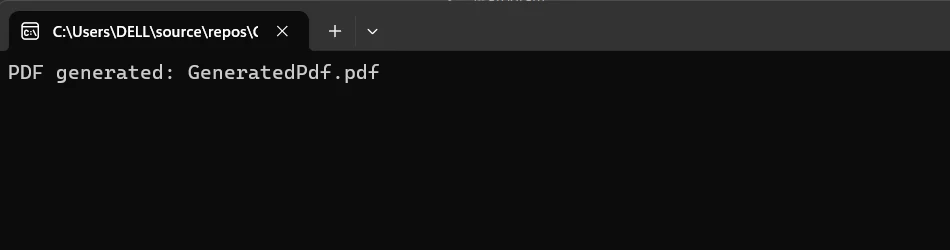
此方法保证快速和响应式的 PDF 生成,适用于需要快速生成文档的应用程序。 PDF生成逻辑包含在PdfService.cs中,这使开发人员可以轻松集成和公开此功能通过StreamJsonRpc。 这允许远程客户端在保持其服务器端设计的模块化和清晰度的情况下平稳地调用 PDF 生成任务。
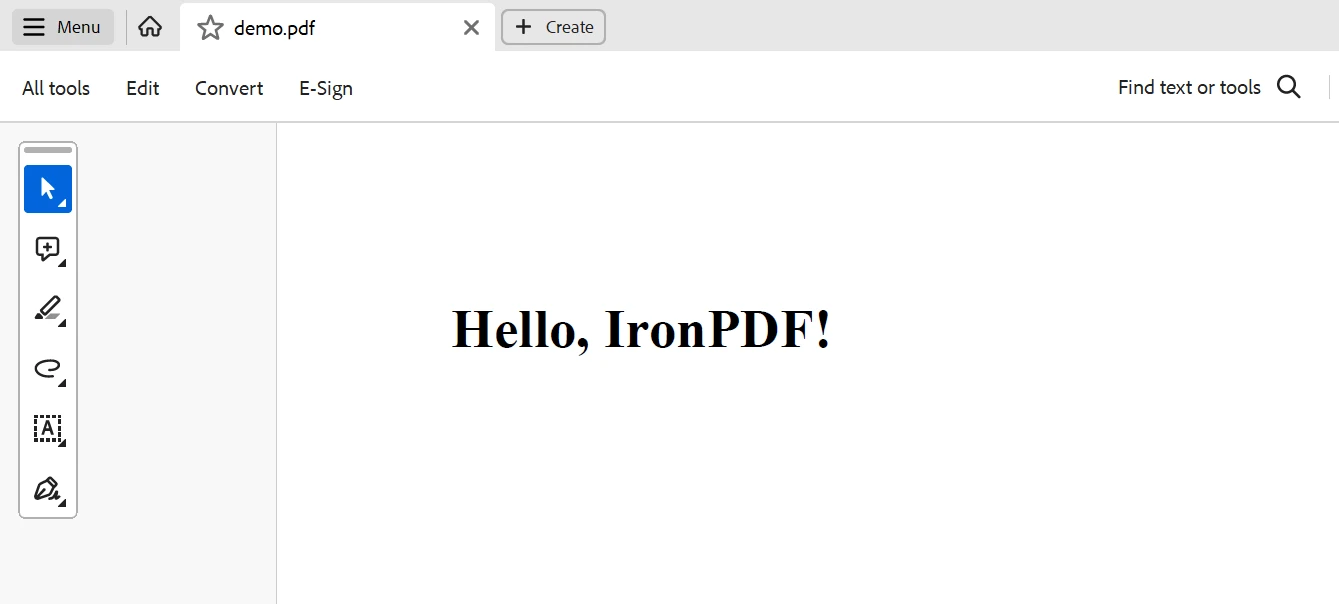
综上所述,通过将 StreamJsonRpc 与 IronPDF 结合使用,开发人员可以创建可靠且高效的 .NET 应用程序,这些应用程序支持远程过程调用 (RPC) 并利用强大的 PDF 生成功能。 使用 JSON-RPC,一种远程过程调用的轻量协议,StreamJsonRpc 能够在客户端和服务器组件之间实现流畅的通信。 开发人员可以将此功能与 IronPDF 结合使用,从这些远程调用的结果中生成动态、数据驱动的 PDF。
在准备报告、发票或任何其他需要表示最新数据可用性的文档时,这种集成特别有帮助,因为它允许实时数据检索和 PDF 输出。 这些技术的集成优化了开发过程、提高了性能,并增强了应用程序有效地满足复杂业务需求的能力。
利用IronPDF和Iron Software开发工具,开发人员可以更快地创建更多的Web应用程序和功能,起始价格为$999。 它通过将其核心概念与高度灵活的 Iron 软件工具箱相结合实现这一目标。
如果与项目相关的所有许可选项都得到了清晰的描述,开发人员会更容易选择最佳的型号。 上述的优点使得开发人员能够更及时、有序和高效地为一系列问题创建解决方案。

Jacob Mellor 是 Iron Software 的首席技术官,也是一位开创 C# PDF 技术的有远见的工程师。作为 Iron Software 核心代码库的原始开发者,他从公司成立之初就开始塑造公司的产品架构,与首席执行官 Cameron Rimington 一起将公司转变为一家拥有 50 多名员工的公司,为 NASA、特斯拉和全球政府机构提供服务。
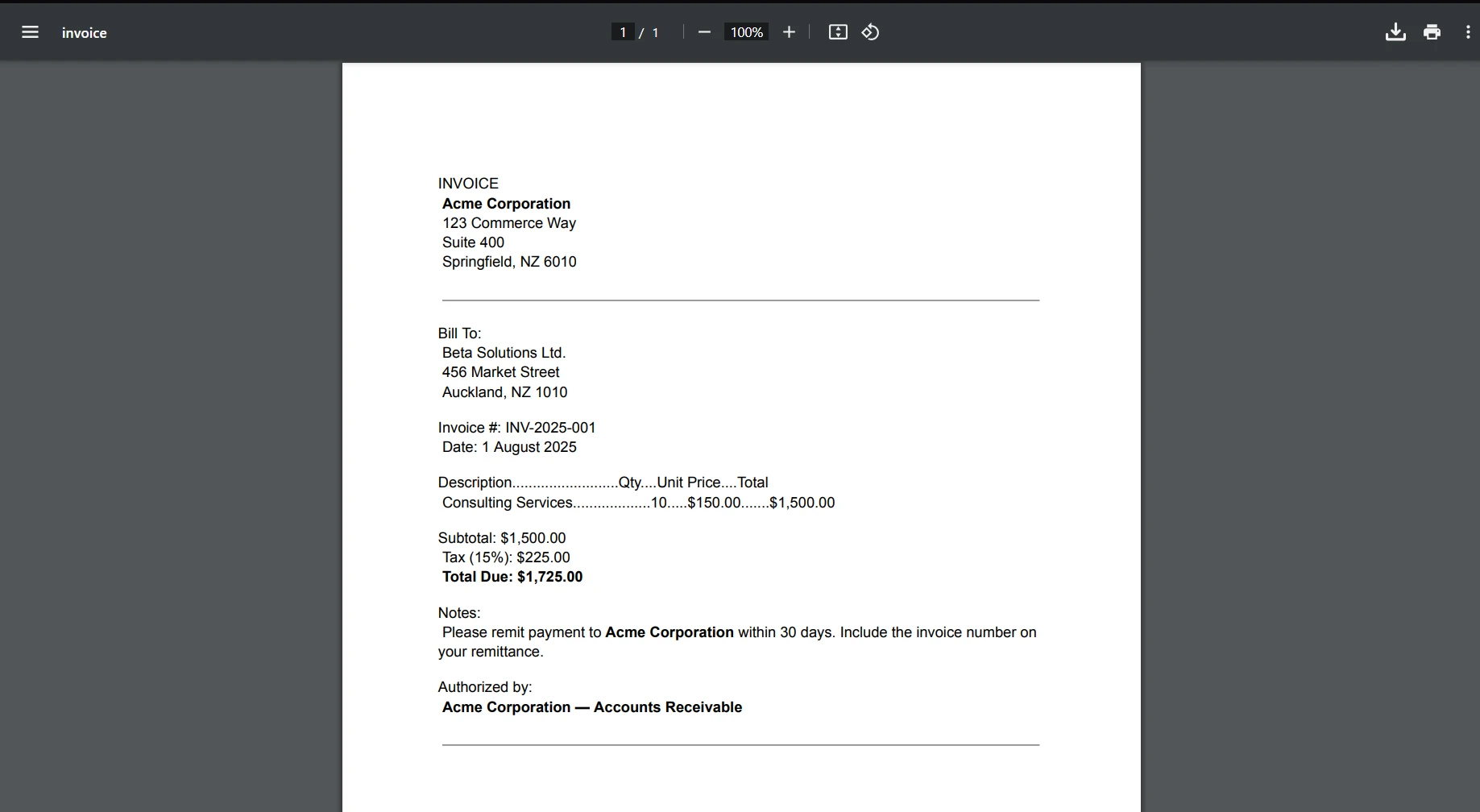

当您需要PDF看起来像HTML时,速度快。













