using IronPdf;

// Disable local disk access or cross-origin requests
Installation.EnableWebSecurity = true;

// Instantiate Renderer
var renderer = new ChromePdfRenderer();

// Create a PDF from a HTML string using C#
var pdf = renderer.RenderHtmlAsPdf("<h1>Hello World</h1>");

// Export to a file or Stream
pdf.SaveAs("output.pdf");

// Advanced Example with HTML Assets
// Load external html assets: Images, CSS and JavaScript.
// An optional BasePath 'C:\site\assets\' is set as the file location to load assets from
var myAdvancedPdf = renderer.RenderHtmlAsPdf("<img src='icons/iron.png'>", @"C:\site\assets\");
myAdvancedPdf.SaveAs("html-with-assets.pdf");
using IronPdf;// Disable local disk access or cross-origin requestsInstallation.EnableWebSecurity = true;// Instantiate Renderervar renderer = new ChromePdfRenderer();// Create a PDF from a HTML string using C#var pdf = renderer.RenderHtmlAsPdf("<h1>Hello World</h1>");// Export to a file or Streampdf.SaveAs("output.pdf");// Advanced Example with HTML Assets// Load external html assets: Images, CSS and JavaScript.// An optional BasePath 'C:\site\assets\' is set as the file location to load assets fromvar myAdvancedPdf = renderer.RenderHtmlAsPdf("<img src='icons/iron.png'>", @"C:\site\assets\");myAdvancedPdf.SaveAs("html-with-assets.pdf");
In der modernen Welt der digitalen Dokumentation wird der Umgang mit PDF-Dokumenten immer wichtiger. Egal, ob es sich um die Umwandlung von HTML in PDF-Dokumente, PDF-Verschlüsselung, die Verwaltung von NuGet-Paketen mit der Paket-Manager-Konsole in Visual Studio oder die Nutzung des .NET Standard 2.0 Frameworks/.NET Core 2.0 handelt, Entwickler benötigen eine robuste und effiziente PDF-Bibliothek. Dieser Artikel wird IronPDF vorstellen, eine umfassende .NET/Core PDF-Bibliothek, die mit .NET Core 2.0, .NET Framework 7, .NET 6.0 und anderen .NET-Plattformen kompatibel ist, und ihre Funktionen und Vorteile erkunden.
## Einführung in NuGet
[NuGet](https://www.nuget.org/) ist der Paket-Manager for .NET-Entwickler und erleichtert die Verwaltung und Einbindung von Bibliotheken und Paketen in Projekte. Es vereinfacht den Prozess der Suche, Installation und Verwaltung von Drittanbieter-Bibliotheken, sorgt für Versionskompatibilität und rationalisiert den Entwicklungsablauf. NuGet-Pakete können über Visual Studio oder über die Paket-Manager-Konsole installiert werden.
## IronPDF: C# PDF-Bibliothek

IronPDF ist eine leistungsstarke und benutzerfreundliche .NET PDF-Bibliothek, die entwickelt wurde, um die Erstellung, Änderung und Umwandlung von PDFs zu erleichtern. Es ist verfügbar als [NuGet-Paket für IronPDF](https://www.nuget.org/packages/IronPdf/). Es bietet eine breite Palette von Funktionen, einschließlich der Umwandlung von HTML-Dateien in PDF, der Bearbeitung von PDF-Dokumenten und dem Hinzufügen von Wasserzeichen. IronPDF ist mit .NET Core, .NET Framework 4.0+ und anderen .NET-Plattformen kompatibel und somit die ideale Wahl für Entwickler, die in ihren Projekten mit PDF-Dateien arbeiten.
### Kompatibilität von IronPDF
IronPDF ist eine hoch kompatible und anpassungsfähige .NET PDF-Konvertierungsbibliothek, die sich nahtlos in verschiedene .NET-Plattformen integriert. Diese breite Kompatibilität stellt sicher, dass Entwickler IronPDF mühelos in ihre bestehenden Projekte integrieren können, unabhängig von der verwendeten Plattform.
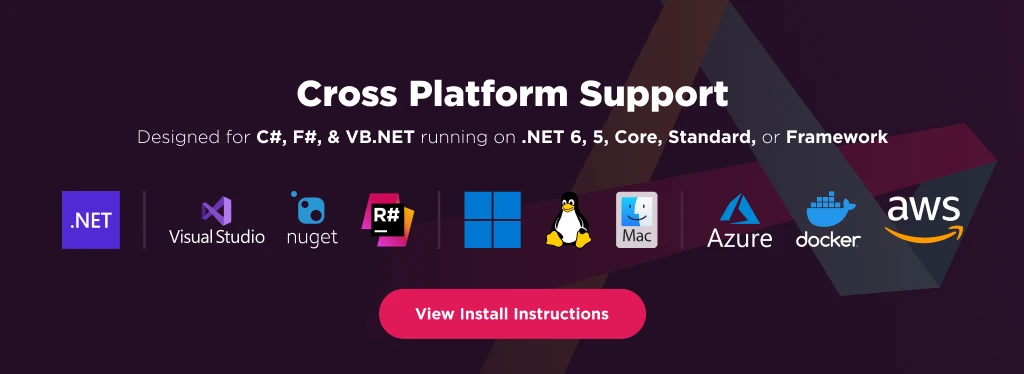
**.NET Standard 2.0:** Als .NET Standard 2.0-kompatible Bibliothek ermöglicht IronPDF Entwicklern die Erstellung plattformübergreifender Anwendungen, die auf verschiedene .NET Implementierungen abzielen. Seine Kompatibilität mit .NET Standard 2.0 bedeutet, dass Entwickler die Funktionen von IronPDF in .NET Core, .NET Framework und Xamarin-Projekten nutzen können, unter anderem.
[**.NET Core 7.0-Kompatibilität**](https://versionsof.net/core/): Die Kompatibilität von IronPDF mit .NET Core 7.0 stellt sicher, dass Entwickler es in modernen, leistungsstarken Anwendungen nutzen können. .NET Core ist ein Open-Source-, plattformübergreifendes Framework, das für die Erstellung von cloudbasierten und containerisierten Anwendungen entwickelt wurde, und die Unterstützung von IronPDF für diese Plattform stellt sicher, dass Entwickler seine Möglichkeiten in einer Vielzahl von Szenarien nutzen können.
**.NET Framework 7.0:** IronPDF ist auch mit dem .NET Framework 7.0 kompatibel, sodass Entwickler die leistungsstarken PDF-Funktionen in ältere Projekte integrieren können, die auf diesem beliebten Framework basieren. Da das .NET Framework in Unternehmensumgebungen weit verbreitet ist, stellt die Kompatibilität von IronPDF mit Version 7.0 und neuer sicher, dass Entwickler bestehende Anwendungen weiterhin pflegen und verbessern können.
### Installation mit NuGet Package Manager
IronPDF ist eine unverzichtbare .NET PDF-Bibliothek, die die Arbeit mit PDF-Dateien und Webseiten in .NET-Anwendungen vereinfacht. Um IronPDF auf einem Windows-Computer mithilfe des NuGet-Paket-Managers zu installieren, folgen Sie diesen Schritten in Visual Studio:
1. Öffnen Sie Visual Studio und navigieren Sie zu Ihrem gewünschten Projekt.
2. Gehen Sie zum Menü "Tools", wählen Sie dann "NuGet Package Manager" und danach "Package Manager Console". Dadurch wird das Fenster der Paket-Manager-Konsole geöffnet.
3. Geben Sie im Konsolenfenster den folgenden Befehl ein, um das Paket zu installieren:
```shell
:ProductInstall
```
4. Drücken Sie "Enter", um den Befehl auszuführen, und Visual Studio lädt und installiert die neueste Version von IronPDF und integriert sie in Ihr Projekt.
Um über die neuesten Versionsupdates oder den Service-Status von nuget.org informiert zu bleiben, überprüfen Sie die [IronPDF-Updates und Versionsinformationen](https://www.nuget.org/packages/IronPdf#readme-body-tab) oder abonnieren Sie Release-Benachrichtigungen. Versionsupdates umfassen normalerweise neue Funktionen, Leistungsverbesserungen und Fehlerbehebungen, um sicherzustellen, dass Sie immer die robusteste und effizienteste Version von IronPDF verwenden.
IronPDF bietet auch spezifische NuGet-Pakete für die Bereitstellung unter Linux und macOS an. Diese Pakete wurden entwickelt, um den Bereitstellungsprozess Ihrer Anwendung auf Nicht-Windows-Plattformen zu vereinfachen.
### Funktionen von IronPDF
IronPDF bietet eine Vielzahl von Funktionen, die den unterschiedlichen Anforderungen von Entwicklern, die mit PDF-Dokumenten arbeiten, gerecht werden. Diese Funktionen umfassen:
### Convert HTML to PDF in C#
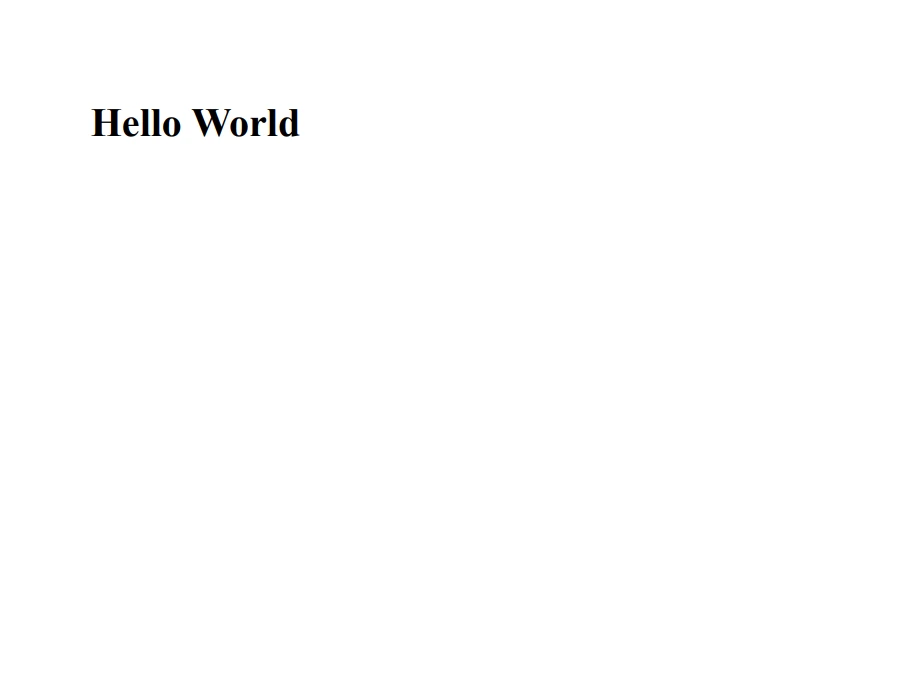
IronPDF ermöglicht es Entwicklern, HTML-Inhalte, einschließlich CSS und JavaScript, mühelos in hochwertige PDF-Dateien umzuwandeln. Das folgende Codebeispiel zeigt, wie man ein [PDF aus einem HTML-String](/examples/using-html-to-create-a-pdf/) mit C# und ohne Adobe Acrobat erstellt:
```csharp
using IronPdf;

// Instantiate Renderer
var renderer = new ChromePdfRenderer();

// Create a PDF from an HTML string using C#
var pdf = renderer.RenderHtmlAsPdf("Hello World");

// Export to a file or Stream
pdf.SaveAs("output.pdf");
```
### PDF bearbeiten
Mit IronPDF können Entwickler PDF-Dokumente bearbeiten, Seiten hinzufügen oder entfernen und den Inhalt der Dokumente manipulieren. Das folgende Codebeispiel zeigt, wie man ein [PDF-Dokument basierend auf Seitenumbrüchen in separate Dateien aufteilt](/examples/split-pdf-pages-csharp/):
```csharp
using IronPdf;
// Define multi-page HTML content
const string html = @"Hello Iron
This is 1st Page
This is 2nd Page
This is 3rd Page";
var renderer = new ChromePdfRenderer();
var pdf = renderer.RenderHtmlAsPdf(html);
// Take the first page
var page1doc = pdf.CopyPage(0);
page1doc.SaveAs("Split1.pdf");
// Take the pages 2 & 3
var page23doc = pdf.CopyPages(1, 2);
page23doc.SaveAs("Split2.pdf");
```

### Sicherheit von PDF-Dokumenten
IronPDF bietet [umfassende Sicherheitsfunktionen für PDFs](/examples/security-and-metadata/), einschließlich Verschlüsselung, Passwortschutz und digitaler Signaturen. Das folgende Codebeispiel zeigt, wie man einem PDF-Dokument Verschlüsselung und Passwortschutz hinzufügt:
```csharp
using IronPdf;
// Load an existing PDF document
var pdf = PdfDocument.FromFile("input.pdf");
// Set encryption and password protection
pdf.Encrypt(PdfDocument.EncryptionAlgorithm.AES, 256, "ownerPassword", "userPassword");
// Save the encrypted PDF document
pdf.SaveAs("encrypted_output.pdf");
```
### PDF-Metadaten
IronPDF ermöglicht es Entwicklern, die Metadaten von PDF-Dokumenten zu bearbeiten und zu verwalten, wie z.B. Autor, Schlüsselwörter und das Änderungsdatum. Das folgende Codebeispiel zeigt, wie man die Metadaten eines bestehenden PDFs ändert:
```csharp
using IronPdf;
// Open an Encrypted File, alternatively create a new PDF from HTML
var pdf = PdfDocument.FromFile("encrypted.pdf", "password");
// Edit file metadata
pdf.MetaData.Author = "Satoshi Nakamoto";
pdf.MetaData.Keywords = "SEO, Friendly";
pdf.MetaData.ModifiedDate = System.DateTime.Now;
```
### Wasserzeichen
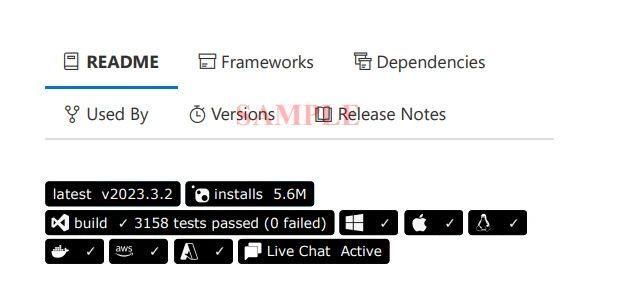
IronPDF ermöglicht es Entwicklern, [Wasserzeichen zu ihren PDF-Dokumenten hinzuzufügen für Sicherheit und Branding](/examples/pdf-watermarking/). Das folgende Codebeispiel zeigt, wie man ein Wasserzeichen auf ein neues oder bestehendes PDF stempelt:
```csharp
using IronPdf;
// Stamps a Watermark onto a new or existing PDF
var renderer = new ChromePdfRenderer();
var pdf = renderer.RenderUrlAsPdf("https://www.nuget.org/packages/IronPdf");
pdf.ApplyWatermark("SAMPLE", 30, IronPdf.Editing.VerticalAlignment.Middle, IronPdf.Editing.HorizontalAlignment.Center);
pdf.SaveAs(@"C:\Path\To\Watermarked.pdf");
```
## Abschluss
IronPDF ist eine vielseitige und leistungsstarke .NET-Bibliothek, die den Prozess der Arbeit mit PDF-Dokumenten in .NET-Projekten vereinfacht. Mit seinen umfangreichen Funktionen, wie der Umwandlung von HTML in PDF, PDF-Bearbeitung, Sicherheit, Metadatenverwaltung und Wasserzeichen, ist IronPDF ein unschätzbares Gut für Entwickler, die ihre Anwendungen verbessern und die Produktivität steigern möchten. Kompatibel mit .NET Standard 2.0, .NET Core 7.0 und .NET Framework 7.0, kann IronPDF einfach über NuGet in bestehende Projekte integriert werden, wodurch es ein unverzichtbares Werkzeug für Entwickler wird, die mit PDF-Dateien arbeiten.
IronPDF bietet eine [kostenlose Testversion von IronPDF](trial-license), die es Benutzern ermöglicht, seine Funktionen und Möglichkeiten vor dem Kauf zu testen. Nach der [Testzeit](trial-license) können Benutzer eine Lizenz für IronPDF erwerben, die ab einem bestimmten Preis beginnt. Die Preise für IronPDF hängen von der Art der Lizenz und der Anzahl der Entwickler ab, die die Software nutzen.
In der modernen Welt der digitalen Dokumentation wird der Umgang mit PDF-Dokumenten immer wichtiger. Egal, ob es sich um die Umwandlung von HTML in PDF-Dokumente, PDF-Verschlüsselung, die Verwaltung von NuGet-Paketen mit der Paket-Manager-Konsole in Visual Studio oder die Nutzung des .NET Standard 2.0 Frameworks/.NET Core 2.0 handelt, Entwickler benötigen eine robuste und effiziente PDF-Bibliothek. Dieser Artikel wird IronPDF vorstellen, eine umfassende .NET/Core PDF-Bibliothek, die mit .NET Core 2.0, .NET Framework 7, .NET 6.0 und anderen .NET-Plattformen kompatibel ist, und ihre Funktionen und Vorteile erkunden.
Einführung in NuGet
NuGet ist der Paket-Manager for .NET-Entwickler und erleichtert die Verwaltung und Einbindung von Bibliotheken und Paketen in Projekte. Es vereinfacht den Prozess der Suche, Installation und Verwaltung von Drittanbieter-Bibliotheken, sorgt für Versionskompatibilität und rationalisiert den Entwicklungsablauf. NuGet-Pakete können über Visual Studio oder über die Paket-Manager-Konsole installiert werden.
IronPDF: C# PDF-Bibliothek
IronPDF ist eine leistungsstarke und benutzerfreundliche .NET PDF-Bibliothek, die entwickelt wurde, um die Erstellung, Änderung und Umwandlung von PDFs zu erleichtern. Es ist verfügbar als NuGet-Paket für IronPDF. Es bietet eine breite Palette von Funktionen, einschließlich der Umwandlung von HTML-Dateien in PDF, der Bearbeitung von PDF-Dokumenten und dem Hinzufügen von Wasserzeichen. IronPDF ist mit .NET Core, .NET Framework 4.0+ und anderen .NET-Plattformen kompatibel und somit die ideale Wahl für Entwickler, die in ihren Projekten mit PDF-Dateien arbeiten.
Kompatibilität von IronPDF
IronPDF ist eine hoch kompatible und anpassungsfähige .NET PDF-Konvertierungsbibliothek, die sich nahtlos in verschiedene .NET-Plattformen integriert. Diese breite Kompatibilität stellt sicher, dass Entwickler IronPDF mühelos in ihre bestehenden Projekte integrieren können, unabhängig von der verwendeten Plattform.
.NET Standard 2.0: Als .NET Standard 2.0-kompatible Bibliothek ermöglicht IronPDF Entwicklern die Erstellung plattformübergreifender Anwendungen, die auf verschiedene .NET Implementierungen abzielen. Seine Kompatibilität mit .NET Standard 2.0 bedeutet, dass Entwickler die Funktionen von IronPDF in .NET Core, .NET Framework und Xamarin-Projekten nutzen können, unter anderem.
.NET Core 7.0-Kompatibilität: Die Kompatibilität von IronPDF mit .NET Core 7.0 stellt sicher, dass Entwickler es in modernen, leistungsstarken Anwendungen nutzen können. .NET Core ist ein Open-Source-, plattformübergreifendes Framework, das für die Erstellung von cloudbasierten und containerisierten Anwendungen entwickelt wurde, und die Unterstützung von IronPDF für diese Plattform stellt sicher, dass Entwickler seine Möglichkeiten in einer Vielzahl von Szenarien nutzen können.
.NET Framework 7.0: IronPDF ist auch mit dem .NET Framework 7.0 kompatibel, sodass Entwickler die leistungsstarken PDF-Funktionen in ältere Projekte integrieren können, die auf diesem beliebten Framework basieren. Da das .NET Framework in Unternehmensumgebungen weit verbreitet ist, stellt die Kompatibilität von IronPDF mit Version 7.0 und neuer sicher, dass Entwickler bestehende Anwendungen weiterhin pflegen und verbessern können.
Installation mit NuGet Package Manager
IronPDF ist eine unverzichtbare .NET PDF-Bibliothek, die die Arbeit mit PDF-Dateien und Webseiten in .NET-Anwendungen vereinfacht. Um IronPDF auf einem Windows-Computer mithilfe des NuGet-Paket-Managers zu installieren, folgen Sie diesen Schritten in Visual Studio:
Öffnen Sie Visual Studio und navigieren Sie zu Ihrem gewünschten Projekt.
Gehen Sie zum Menü "Tools", wählen Sie dann "NuGet Package Manager" und danach "Package Manager Console". Dadurch wird das Fenster der Paket-Manager-Konsole geöffnet.
Geben Sie im Konsolenfenster den folgenden Befehl ein, um das Paket zu installieren:
PM > Install-Package IronPdf
Install-Package IronPdf
Drücken Sie "Enter", um den Befehl auszuführen, und Visual Studio lädt und installiert die neueste Version von IronPDF und integriert sie in Ihr Projekt.
Um über die neuesten Versionsupdates oder den Service-Status von nuget.org informiert zu bleiben, überprüfen Sie die IronPDF-Updates und Versionsinformationen oder abonnieren Sie Release-Benachrichtigungen. Versionsupdates umfassen normalerweise neue Funktionen, Leistungsverbesserungen und Fehlerbehebungen, um sicherzustellen, dass Sie immer die robusteste und effizienteste Version von IronPDF verwenden.
IronPDF bietet auch spezifische NuGet-Pakete für die Bereitstellung unter Linux und macOS an. Diese Pakete wurden entwickelt, um den Bereitstellungsprozess Ihrer Anwendung auf Nicht-Windows-Plattformen zu vereinfachen.
Funktionen von IronPDF
IronPDF bietet eine Vielzahl von Funktionen, die den unterschiedlichen Anforderungen von Entwicklern, die mit PDF-Dokumenten arbeiten, gerecht werden. Diese Funktionen umfassen:
Convert HTML to PDF in C#
IronPDF ermöglicht es Entwicklern, HTML-Inhalte, einschließlich CSS und JavaScript, mühelos in hochwertige PDF-Dateien umzuwandeln. Das folgende Codebeispiel zeigt, wie man ein PDF aus einem HTML-String mit C# und ohne Adobe Acrobat erstellt:
using IronPdf;// Instantiate Renderervar renderer = new ChromePdfRenderer();// Create a PDF from an HTML string using C#var pdf = renderer.RenderHtmlAsPdf("Hello World");// Export to a file or Streampdf.SaveAs("output.pdf");
using IronPdf;

// Instantiate Renderer
var renderer = new ChromePdfRenderer();

// Create a PDF from an HTML string using C#
var pdf = renderer.RenderHtmlAsPdf("Hello World");

// Export to a file or Stream
pdf.SaveAs("output.pdf");
ImportsIronPdf' Instantiate RendererPrivate renderer = New ChromePdfRenderer()' Create a PDF from an HTML string using C#Private pdf = renderer.RenderHtmlAsPdf("Hello World")' Export to a file or Streampdf.SaveAs("output.pdf")
Imports IronPdf

' Instantiate Renderer
Private renderer = New ChromePdfRenderer()

' Create a PDF from an HTML string using C#
Private pdf = renderer.RenderHtmlAsPdf("Hello World")

' Export to a file or Stream
pdf.SaveAs("output.pdf")
using IronPdf;// Define multi-page HTML contentconst string html = @"Hello Iron This is 1st Page This is 2nd Page This is 3rd Page";var renderer = new ChromePdfRenderer();var pdf = renderer.RenderHtmlAsPdf(html);// Take the first pagevar page1doc = pdf.CopyPage(0);page1doc.SaveAs("Split1.pdf");// Take the pages 2 & 3var page23doc = pdf.CopyPages(1, 2);page23doc.SaveAs("Split2.pdf");
using IronPdf;

// Define multi-page HTML content
const string html = @"Hello Iron
                      This is 1st Page

                      This is 2nd Page

                      This is 3rd Page";

var renderer = new ChromePdfRenderer();
var pdf = renderer.RenderHtmlAsPdf(html);

// Take the first page
var page1doc = pdf.CopyPage(0);
page1doc.SaveAs("Split1.pdf");

// Take the pages 2 & 3
var page23doc = pdf.CopyPages(1, 2);
page23doc.SaveAs("Split2.pdf");
ImportsIronPdf' Define multi-page HTML contentPrivate Const html AsString = "Hello Iron This is 1st Page This is 2nd Page This is 3rd Page"Private renderer = New ChromePdfRenderer()Private pdf = renderer.RenderHtmlAsPdf(html)' Take the first pagePrivate page1doc = pdf.CopyPage(0)page1doc.SaveAs("Split1.pdf")' Take the pages 2 & 3Dim page23doc = pdf.CopyPages(1, 2)page23doc.SaveAs("Split2.pdf")
Imports IronPdf

' Define multi-page HTML content
Private Const html As String = "Hello Iron
                      This is 1st Page

                      This is 2nd Page

                      This is 3rd Page"

Private renderer = New ChromePdfRenderer()
Private pdf = renderer.RenderHtmlAsPdf(html)

' Take the first page
Private page1doc = pdf.CopyPage(0)
page1doc.SaveAs("Split1.pdf")

' Take the pages 2 & 3
Dim page23doc = pdf.CopyPages(1, 2)
page23doc.SaveAs("Split2.pdf")
Sicherheit von PDF-Dokumenten
IronPDF bietet umfassende Sicherheitsfunktionen für PDFs, einschließlich Verschlüsselung, Passwortschutz und digitaler Signaturen. Das folgende Codebeispiel zeigt, wie man einem PDF-Dokument Verschlüsselung und Passwortschutz hinzufügt:
using IronPdf;// Load an existing PDF documentvar pdf = PdfDocument.FromFile("input.pdf");// Set encryption and password protectionpdf.Encrypt(PdfDocument.EncryptionAlgorithm.AES, 256, "ownerPassword", "userPassword");// Save the encrypted PDF documentpdf.SaveAs("encrypted_output.pdf");
using IronPdf;

// Load an existing PDF document
var pdf = PdfDocument.FromFile("input.pdf");

// Set encryption and password protection
pdf.Encrypt(PdfDocument.EncryptionAlgorithm.AES, 256, "ownerPassword", "userPassword");

// Save the encrypted PDF document
pdf.SaveAs("encrypted_output.pdf");
ImportsIronPdf' Load an existing PDF documentPrivate pdf = PdfDocument.FromFile("input.pdf")' Set encryption and password protectionpdf.Encrypt(PdfDocument.EncryptionAlgorithm.AES, 256, "ownerPassword", "userPassword")' Save the encrypted PDF documentpdf.SaveAs("encrypted_output.pdf")
Imports IronPdf

' Load an existing PDF document
Private pdf = PdfDocument.FromFile("input.pdf")

' Set encryption and password protection
pdf.Encrypt(PdfDocument.EncryptionAlgorithm.AES, 256, "ownerPassword", "userPassword")

' Save the encrypted PDF document
pdf.SaveAs("encrypted_output.pdf")
PDF-Metadaten
IronPDF ermöglicht es Entwicklern, die Metadaten von PDF-Dokumenten zu bearbeiten und zu verwalten, wie z.B. Autor, Schlüsselwörter und das Änderungsdatum. Das folgende Codebeispiel zeigt, wie man die Metadaten eines bestehenden PDFs ändert:
using IronPdf;// Open an Encrypted File, alternatively create a new PDF from HTMLvar pdf = PdfDocument.FromFile("encrypted.pdf", "password");// Edit file metadatapdf.MetaData.Author = "Satoshi Nakamoto";pdf.MetaData.Keywords = "SEO, Friendly";pdf.MetaData.ModifiedDate = System.DateTime.Now;
using IronPdf;

// Open an Encrypted File, alternatively create a new PDF from HTML
var pdf = PdfDocument.FromFile("encrypted.pdf", "password");

// Edit file metadata
pdf.MetaData.Author = "Satoshi Nakamoto";
pdf.MetaData.Keywords = "SEO, Friendly";
pdf.MetaData.ModifiedDate = System.DateTime.Now;
ImportsSystemImportsIronPdf' Open an Encrypted File, alternatively create a new PDF from HTMLPrivate pdf = PdfDocument.FromFile("encrypted.pdf", "password")' Edit file metadatapdf.MetaData.Author = "Satoshi Nakamoto"pdf.MetaData.Keywords = "SEO, Friendly"pdf.MetaData.ModifiedDate = DateTime.Now
Imports System
Imports IronPdf

' Open an Encrypted File, alternatively create a new PDF from HTML
Private pdf = PdfDocument.FromFile("encrypted.pdf", "password")

' Edit file metadata
pdf.MetaData.Author = "Satoshi Nakamoto"
pdf.MetaData.Keywords = "SEO, Friendly"
pdf.MetaData.ModifiedDate = DateTime.Now
using IronPdf;// Stamps a Watermark onto a new or existing PDFvar renderer = new ChromePdfRenderer();var pdf = renderer.RenderUrlAsPdf("https://www.nuget.org/packages/IronPdf");pdf.ApplyWatermark("SAMPLE", 30, IronPdf.Editing.VerticalAlignment.Middle, IronPdf.Editing.HorizontalAlignment.Center);pdf.SaveAs(@"C:\Path\To\Watermarked.pdf");
using IronPdf;

// Stamps a Watermark onto a new or existing PDF
var renderer = new ChromePdfRenderer();

var pdf = renderer.RenderUrlAsPdf("https://www.nuget.org/packages/IronPdf");
pdf.ApplyWatermark("SAMPLE", 30, IronPdf.Editing.VerticalAlignment.Middle, IronPdf.Editing.HorizontalAlignment.Center);
pdf.SaveAs(@"C:\Path\To\Watermarked.pdf");
ImportsIronPdf' Stamps a Watermark onto a new or existing PDFPrivate renderer = New ChromePdfRenderer()Private pdf = renderer.RenderUrlAsPdf("https://www.nuget.org/packages/IronPdf")pdf.ApplyWatermark("SAMPLE", 30, IronPdf.Editing.VerticalAlignment.Middle, IronPdf.Editing.HorizontalAlignment.Center)pdf.SaveAs("C:\Path\To\Watermarked.pdf")
Imports IronPdf

' Stamps a Watermark onto a new or existing PDF
Private renderer = New ChromePdfRenderer()

Private pdf = renderer.RenderUrlAsPdf("https://www.nuget.org/packages/IronPdf")
pdf.ApplyWatermark("SAMPLE", 30, IronPdf.Editing.VerticalAlignment.Middle, IronPdf.Editing.HorizontalAlignment.Center)
pdf.SaveAs("C:\Path\To\Watermarked.pdf")
Abschluss
IronPDF ist eine vielseitige und leistungsstarke .NET-Bibliothek, die den Prozess der Arbeit mit PDF-Dokumenten in .NET-Projekten vereinfacht. Mit seinen umfangreichen Funktionen, wie der Umwandlung von HTML in PDF, PDF-Bearbeitung, Sicherheit, Metadatenverwaltung und Wasserzeichen, ist IronPDF ein unschätzbares Gut für Entwickler, die ihre Anwendungen verbessern und die Produktivität steigern möchten. Kompatibel mit .NET Standard 2.0, .NET Core 7.0 und .NET Framework 7.0, kann IronPDF einfach über NuGet in bestehende Projekte integriert werden, wodurch es ein unverzichtbares Werkzeug für Entwickler wird, die mit PDF-Dateien arbeiten.
IronPDF bietet eine kostenlose Testversion von IronPDF, die es Benutzern ermöglicht, seine Funktionen und Möglichkeiten vor dem Kauf zu testen. Nach der Testzeit können Benutzer eine Lizenz für IronPDF erwerben, die ab einem bestimmten Preis beginnt. Die Preise für IronPDF hängen von der Art der Lizenz und der Anzahl der Entwickler ab, die die Software nutzen.
Jacob Mellor ist Chief Technology Officer bei Iron Software und ein visionärer Ingenieur, der Pionierarbeit in der C# PDF-Technologie leistet. Als der ursprüngliche Entwickler hinter der Kern-Codebasis von Iron Software hat er die Produktarchitektur des Unternehmens seit seiner Gründung geprägt und es zusammen mit CEO Cameron Rimington in ein Unternehmen mit mehr als 50 Mitarbeitern verwandelt, das die NASA, Tesla und globale Regierungsbehörden beliefert.