




更新日 2026年4月23日
Microsoft.Extensions.AIを使用した .NET での LLM 統合の簡素化
AI はソフトウェア開発を変革していますが、.NET への大規模言語モデル (LLM) の統合はこれまで複雑でした。IronPdf.AI を使用して AI 統合をさらに進め、OpenAI を活用した PDF 解析、データ抽出、およびコンテンツの要約を .NET アプリケーションにもたらします。
詳しく読む

.NET開発のダイナミックな世界でスケーラブルで安定したアプリを構築するには、信頼性の高いPDFの作成と効果的な依存性注入が必要です。 AutofacとIronPDFはこれらの要件に対応し、開発者がアプリケーションを大幅に改善するために必要なツールを提供する2つの強力なライブラリです。
.NETの場合、Autofacは、整然としたモジュール式の依存関係管理を容易にする、よく知られたInversion of Control(IoC)コンテナです。 コードをデカップリングすることで、エンジニアのテストと保守が容易になります。 Autofacを使用して依存関係を解決する方法を定義することで、より適応性と拡張性の高いアプリケーション設計を実現できます。 自動的なコアの依存関係の解決と識別、複数のライフタイムとスコープのサポート、いくつかの .NET フレームワーク、コア owin サポート、ライブラリとの相互運用性は、多くの機能のほんの一部に過ぎません。
AutofacとIronPDFを組み合わせることで、プログラマーは両方のパッケージの利点を活用し、複雑な.NETアプリケーションを作成することができます。 IronPDFはPDFドキュメントを効果的に管理・作成するために必要な機能を提供し、Autofacはアプリケーションのコンポーネントが整然と配置され、シンプルにテストできるようにします。これらを組み合わせることで、開発者はパフォーマンスと保守性を優先した、機能豊富でスケーラブル、かつ耐久性のあるシステムを設計することができます。
.NETアプリケーションにとって、Autofacは強力で軽量な制御の逆転(IoC)コンテナです。 簡単に言うと、Autofacは、アプリケーション内の異なるパーツ(クラスやサービス)間の依存関係を管理するのに役立ちます。 Dependency Injection (DI)をサポートするInternet of Containers (IoC)コンテナファミリーの1つで、依存関係の取得を外部フレームワークに制御させることで、クラス間の疎結合を促進する設計パラダイムです。
依存性の注入は、Autofacを使用すると簡単になります。 依存関係を明示的に宣言することで、疎結合を促し、テスト容易性を向上させます。
コンポーネント(クラスまたはサービス)をコンテナに登録するために、Autofacが提供するさまざまな方法があります。 より複雑な状況では、規約やモジュールを利用し、タイプ、インスタンス、またはデリゲートによってコンポーネントを登録することができます。
登録されたコンポーネントに対して、Autofacは多くのライフタイムを提供します:Instance Per Dependency(リクエストごとに新しいインスタンス)、Instance Per Lifetime Scope(リクエストまたはセッションごとに1インスタンス)、Singleton(コンテナごとに1インスタンス)などです。 この柔軟性のおかげで、インスタンスを保持するタイミングと期間を決めることができます。
一度登録されると、Autofacはコンポーネント間の依存関係を自動的に解決します。 コンポーネント間の依存関係を理解し、必要なときに供給されるようにすることで、定型的なコードを排除し、プログラムの保守性を向上させます。
ASP.NET Core、ASP.NET MVC、Web API、WCF、Webフォーム統合などの一般的な.NETフレームワークやライブラリは、Autofacと簡単に統合できます。 これらのフレームワーク内での設定と使用を簡素化するために、拡張ポイントと統合パッケージを提供します。
Autofacは、入れ子になったコンテナやモジュールを利用したモジュール設計を容易にします。 モジュールは、関連するセットアップやコンポーネントをグループ化することで、コードの再利用を容易にし、大規模なアプリケーションの管理に役立ちます。
Autofacは、FakeItEasyとの統合をサポートしており、ユニットテストのための依存関係のモッキングを簡単に行うことができます。 この統合により、偽オブジェクトやモック実装の作成が容易になり、堅牢で信頼性の高いテスト環境が実現します。
Autofacは、マルチテナント・アプリケーションをビルトインでサポートしており、異なるコンポーネントを共存させ、テナント固有のコンテキストに基づいて解決することができます。 この能力は、複数のクライアントにサービスを提供するアプリケーションや、異なる設定を持つ環境にとって非常に重要です。
Autofacは、Dotグラフの視覚化を通じて、コンポーネントの関係と依存関係を視覚化することができます。 この機能は、アプリケーションの依存関係グラフの構成を理解し最適化するのに役立ち、透明性とトラブルシューティングを強化します。
Autofacは、.NET用のもう一つの人気モッキングフレームワークであるMoqとシームレスに統合されています。 この統合により、単体テスト中のモックオブジェクトの作成と管理が簡素化され、管理されたテストシナリオ内で依存関係が期待通りに動作することが保証されます。
Autofacの高度な機能には、インターセプション(キャッシュやロギングなど、コンポーネントに横断的な関心事を追加する)、デコレータ(コンポーネントの動作を透過的に変更する)、およびキー付きサービスとメタデータのサポート(コンテキストに基づいて実装を区別する)が含まれます。
Autofacの豊富な設定オプションにより、設定ビルダー、XML設定ファイル、またはプログラムコードを使用してコンテナを設定できます。 そのため、さまざまな展開条件や好みに合わせて調整することがあります。
.NETアプリケーションでAutofacを作成・設定するには、コンテナのセットアップ、コンポーネントとスタートアップクラスの登録、ライフスパンの管理、アプリケーションフレームワークの統合など、複数のプロセスが必要です。 Autofacの基本的な使い方をご紹介します:
Visual Studioでコンソールプロジェクトを作成するのは簡単なプロセスです。 以下の簡単なステップを使って、Visual Studioの環境でコンソールアプリケーションを起動します:
PCにVisual Studioがインストールされていることを確認してください。
ファイル]、[プロジェクト]の順に選択し、[新規作成]オプションを選択します。
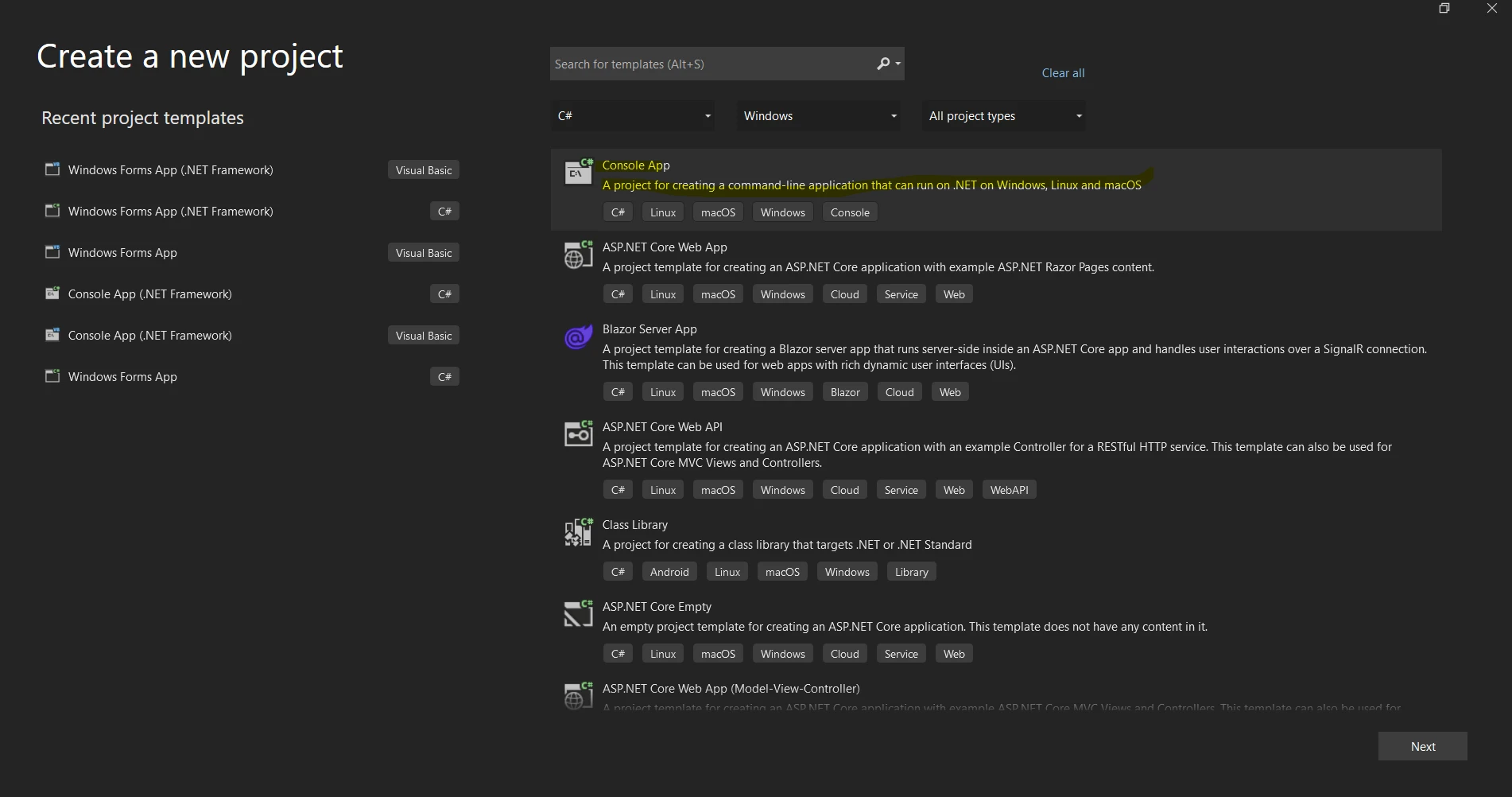
以下のプロジェクトテンプレートリファレンスのリストから、"Console App"または"Console App (.NET Core)"テンプレートを選択できます。
プロジェクト名を付けるために、"名前"フィールドに記入してください。
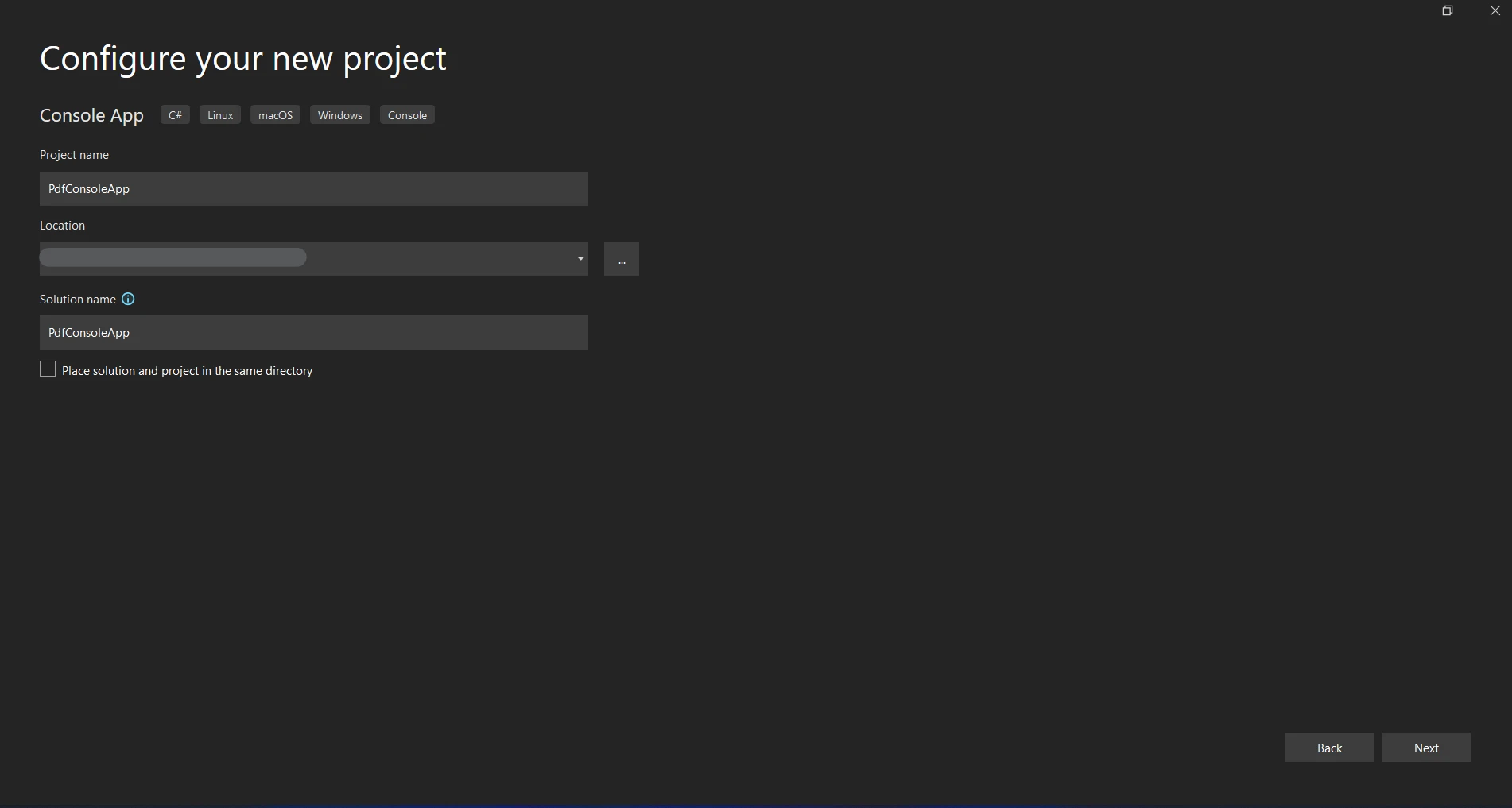
プロジェクトを保存する場所を決めます。
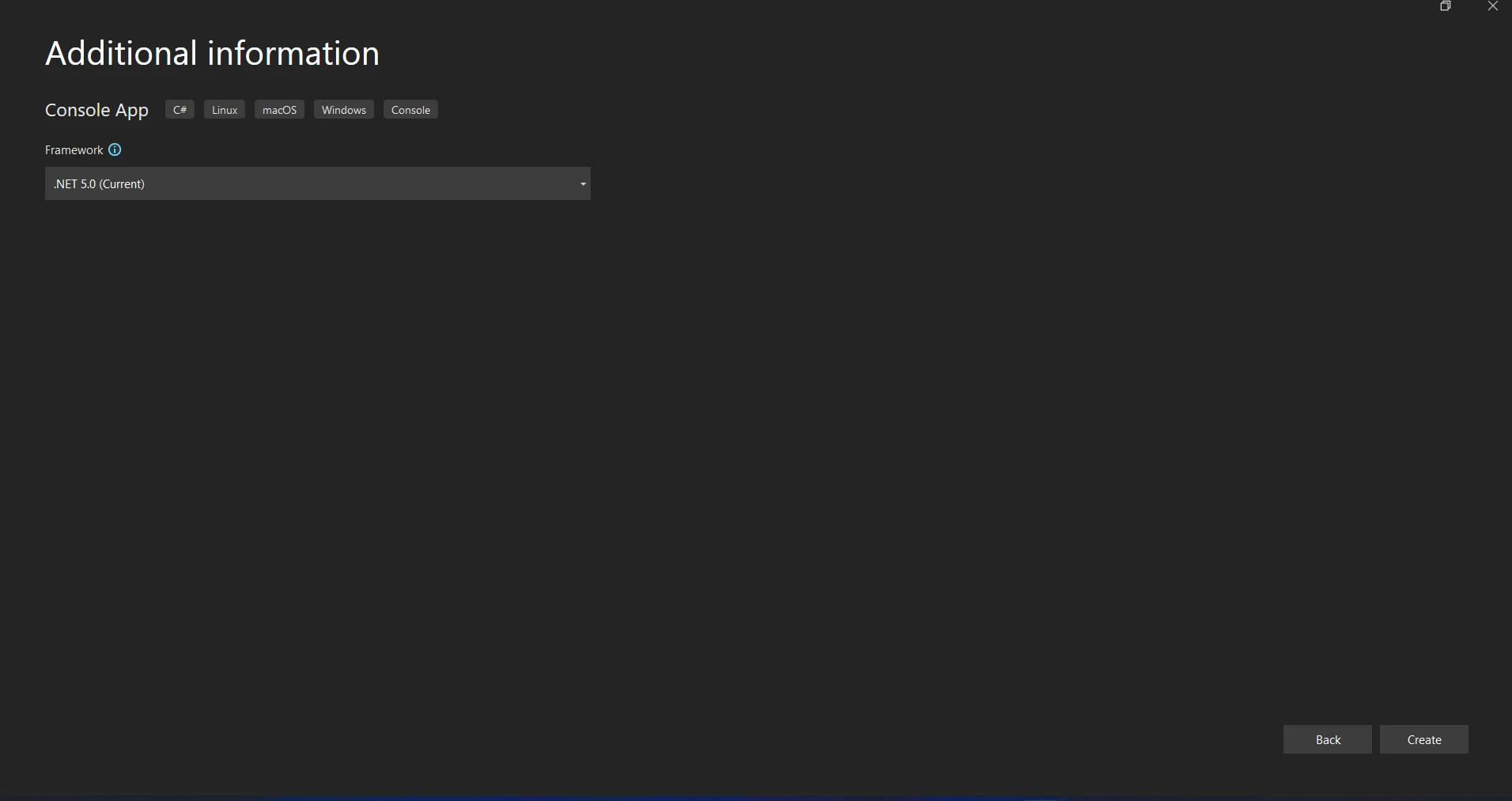
"作成"をクリックすると、コンソールアプリケーションプロジェクトが開きます。
まず、プロジェクトにAutofacパッケージがロードされていることを確認してください。 NuGetパッケージマネージャーコンソールを使用してインストールできます:
Install-Package Autofacアプリケーションのスタートアップコード(コンソールアプリの場合はProgram.cs、ASP.NETアプリの場合はGlobal.asax.cs、ASP.NET Coreアプリの場合はStartup.cs)でAutofacコンテナを構成し、構築します:
using Autofac;
using System;

public class Program
{
    public static void Main(string[] args)
    {
        // Initialize Autofac container
        var container = ConfigureContainer();

        // Resolve your main application entry point or start your app
        using (var scope = container.BeginLifetimeScope())
        {
            var app = scope.Resolve<MyApplication>(); // Resolve your main application class
            app.Run();
        }
    }

    private static IContainer ConfigureContainer()
    {
        var builder = new ContainerBuilder();

        // Register components
        builder.RegisterType<MyService>().As<IMyService>().InstancePerLifetimeScope();
        // Add more registrations as needed
        builder.RegisterType<MyApplication>().UsingConstructor(typeof(IMyService));

        // Build the Autofac container
        return builder.Build();
    }
}

public class MyApplication
{
    private readonly IMyService _myService;

    public MyApplication(IMyService myService)
    {
        _myService = myService;
    }

    public void Run()
    {
        // Use _myService and other resolved dependencies here
        _myService.DoSomething();
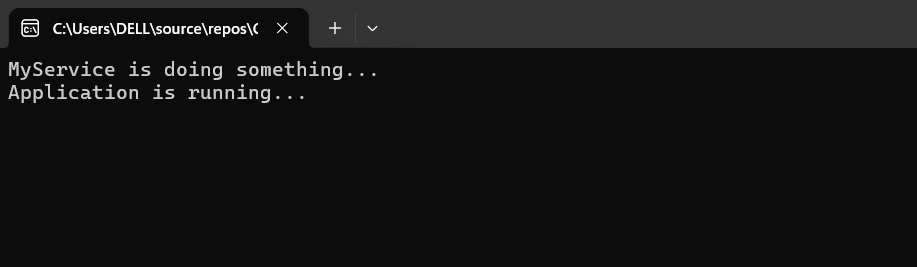
        Console.WriteLine("Application is running...");
    }
}

public interface IMyService
{
    void DoSomething();
}

public class MyService : IMyService
{
    public void DoSomething()
    {
        Console.WriteLine("MyService is doing something...");
    }
}Imports Autofac
Imports System
Public Class Program
Public Shared Sub Main(ByVal args() As String)
' Initialize Autofac container
Dim container = ConfigureContainer()
' Resolve your main application entry point or start your app
Using scope = container.BeginLifetimeScope()
Dim app = scope.Resolve(Of MyApplication)() ' Resolve your main application class
app.Run()
End Using
End Sub
Private Shared Function ConfigureContainer() As IContainer
Dim builder = New ContainerBuilder()
' Register components
builder.RegisterType(Of MyService)().As(Of IMyService)().InstancePerLifetimeScope()
' Add more registrations as needed
builder.RegisterType(Of MyApplication)().UsingConstructor(GetType(IMyService))
' Build the Autofac container
Return builder.Build()
End Function
End Class
Public Class MyApplication
Private ReadOnly _myService As IMyService
Public Sub New(ByVal myService As IMyService)
_myService = myService
End Sub
Public Sub Run()
' Use _myService and other resolved dependencies here
_myService.DoSomething()
Console.WriteLine("Application is running...")
End Sub
End Class
Public Interface IMyService
Sub DoSomething()
End Interface
Public Class MyService
Implements IMyService
Public Sub DoSomething() Implements IMyService.DoSomething
Console.WriteLine("MyService is doing something...")
End Sub
End ClassAutofacのコンポーネントは、ContainerBuilderに登録されます。 サービス(インターフェイスまたは基本クラス)とその実装は、お客様によって指定されます:
var builder = new ContainerBuilder();

// Register components
builder.RegisterType<MyService>().As<IMyService>().InstancePerLifetimeScope();
// Add more registrations as needed
builder.RegisterType<MyApplication>().UsingConstructor(typeof(IMyService));

// Build the Autofac container
return builder.Build();Dim builder = New ContainerBuilder()
' Register components
builder.RegisterType(Of MyService)().As(Of IMyService)().InstancePerLifetimeScope()
' Add more registrations as needed
builder.RegisterType(Of MyApplication)().UsingConstructor(GetType(IMyService))
' Build the Autofac container
Return builder.Build()MyServiceは、ここでIMyServiceとしてログインしています。 アプリケーションのニーズに応じて、多数のコンポーネントを登録し、ライフタイムを指定できます(InstancePerLifetimeScope、SingleInstance、InstancePerDependencyなど)。
PDF制作のためのIronPDFと依存性注入のためのAutofacを統合することは、C#アプリケーションで両ライブラリを使用するための第一歩です。 以下はIronPDFでAutofacを設定するための詳細な説明です:
C#プログラムでPDFドキュメントを作成、読み取り、編集するために、IronPDFと呼ばれる堅牢な.NETライブラリがあります。 開発者は、HTML、CSS、JavaScriptコンテンツからPDFを作成することができ、高品質で印刷可能なドキュメントをプログラムで簡単に作成することができます。 重要な機能としては、透かし、ヘッダーとフッターの作成、PDFの分割と結合、HTMLからPDFへの変換などがあります。 IronPDFは.NET Frameworkと.NET Coreの両方をサポートしているので、IronPDFが使用できるアプリケーションはたくさんあります。
PDFには広範なドキュメントがあり、統合が容易であるため、開発者はプロジェクトに迅速に組み込むことができます。 IronPDFは複雑なレイアウトやスタイリングを簡単に処理し、出力されるPDFが元のHTMLテキストに忠実であることを保証します。
HTMLからのPDF生成
HTML、CSS、JavaScriptをPDFに変換します。 メディアクエリとレスポンシブデザインの2つの最新ウェブ標準をサポートしています。 HTMLとCSSを使用してPDFの請求書、レポート、文書を動的に装飾する際に役立ちます。
PDF編集
テキスト、画像、その他のタイプの資料は、既存のPDFに追加することができます。 PDFファイルからテキストや画像を抽出します。 多数のPDFを1つのファイルにマージします。PDFファイルを複数のドキュメントに分割します。 ヘッダー、フッター、注釈、ウォーターマークを追加します。
PDF変換
Word、Excel、画像ファイルなどをPDFに変換します。 PDFから画像(PNG、JPEGなど)への変換。
性能と信頼性
産業環境において、高いパフォーマンスと信頼性は望ましい設計属性です。 大規模なドキュメント管理を効率的に処理します。
IronPDFパッケージをインストールし、.NETプログラムでPDFを扱うために必要なツールを入手してください。
アプリケーションにAutofacをセットアップし、IronPDFに接続された部分を含む依存関係を処理してください。
using Autofac;
using IronPdf;
using System;
using System.IO;

public class Program
{
    public static void Main(string[] args)
    {
        // Initialize Autofac container
        var container = ConfigureContainer();

        // Resolve your main application entry point or start your app
        using (var scope = container.BeginLifetimeScope())
        {
            var app = scope.Resolve<MyApplication>(); // Resolve your main application class
            app.Run();
        }
    }

    private static IContainer ConfigureContainer()
    {
        var builder = new ContainerBuilder();

        // Register components
        builder.RegisterType<PdfGenerator>().As<IPdfGenerator>().InstancePerLifetimeScope();
        // Add more registrations as needed

        // Build the Autofac container
        return builder.Build();
    }
}

public class MyApplication
{
    private readonly IPdfGenerator _pdfGenerator;

    public MyApplication(IPdfGenerator pdfGenerator)
    {
        _pdfGenerator = pdfGenerator;
    }

    public void Run()
    {
        // Use _pdfGenerator and other resolved dependencies here
        Console.WriteLine("Application is running...");

        // Example usage of IronPDF for generating a PDF
        var htmlContent = "<html><body><h1>Hello, IronPDF!</h1></body></html>";
        var pdfBytes = _pdfGenerator.GeneratePdf(htmlContent);

        using (var fs = new FileStream("output.pdf", FileMode.Create, FileAccess.Write))
        {
            fs.Write(pdfBytes, 0, pdfBytes.Length);
        }

        // Save or further process the generated PDF bytes
    }
}

public interface IPdfGenerator
{
    byte[] GeneratePdf(string htmlContent);
}

public class PdfGenerator : IPdfGenerator
{
    public byte[] GeneratePdf(string htmlContent)
    {
        var renderer = new IronPdf.ChromePdfRenderer();
        var pdfDocument = renderer.RenderHtmlAsPdf(htmlContent);
        Console.WriteLine("Pdf generation completed");
        return pdfDocument.BinaryData;
    }
}Imports Autofac
Imports IronPdf
Imports System
Imports System.IO
Public Class Program
Public Shared Sub Main(ByVal args() As String)
' Initialize Autofac container
Dim container = ConfigureContainer()
' Resolve your main application entry point or start your app
Using scope = container.BeginLifetimeScope()
Dim app = scope.Resolve(Of MyApplication)() ' Resolve your main application class
app.Run()
End Using
End Sub
Private Shared Function ConfigureContainer() As IContainer
Dim builder = New ContainerBuilder()
' Register components
builder.RegisterType(Of PdfGenerator)().As(Of IPdfGenerator)().InstancePerLifetimeScope()
' Add more registrations as needed
' Build the Autofac container
Return builder.Build()
End Function
End Class
Public Class MyApplication
Private ReadOnly _pdfGenerator As IPdfGenerator
Public Sub New(ByVal pdfGenerator As IPdfGenerator)
_pdfGenerator = pdfGenerator
End Sub
Public Sub Run()
' Use _pdfGenerator and other resolved dependencies here
Console.WriteLine("Application is running...")
' Example usage of IronPDF for generating a PDF
Dim htmlContent = "<html><body><h1>Hello, IronPDF!</h1></body></html>"
Dim pdfBytes = _pdfGenerator.GeneratePdf(htmlContent)
Using fs = New FileStream("output.pdf", FileMode.Create, FileAccess.Write)
fs.Write(pdfBytes, 0, pdfBytes.Length)
End Using
' Save or further process the generated PDF bytes
End Sub
End Class
Public Interface IPdfGenerator
Function GeneratePdf(ByVal htmlContent As String) As Byte()
End Interface
Public Class PdfGenerator
Implements IPdfGenerator
Public Function GeneratePdf(ByVal htmlContent As String) As Byte() Implements IPdfGenerator.GeneratePdf
Dim renderer = New IronPdf.ChromePdfRenderer()
Dim pdfDocument = renderer.RenderHtmlAsPdf(htmlContent)
Console.WriteLine("Pdf generation completed")
Return pdfDocument.BinaryData
End Function
End ClassPDFを作成するための抽象化/インターフェースはIPdfGeneratorと呼ばれます。 PdfGeneratorはIPdfGeneratorの実装で、IronPDFのChromePdfRendererクラスを使ってHTML素材からPDFを作成します。 Autofacは、ConfigureContainer関数を通してIPdfGenerator実装としてPdfGeneratorを登録するように構成されています。 コンストラクタ注入を使用してMyApplicationクラスにIPdfGenerator依存性を注入することで、PdfGenerator (IronPDF)はMyApplicationによって簡単に使用することができます。
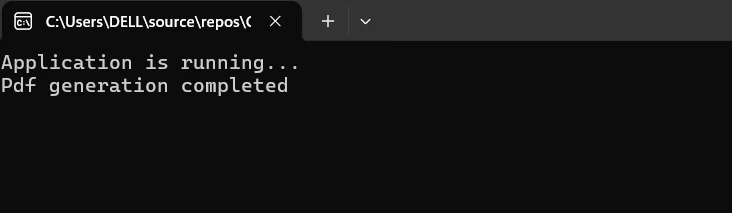
IPdfGeneratorが注入されるたびに、PdfGeneratorを通してIronPDFの機能(この場合はHtmlToPdf)にアクセスすることができます。 あなたのアプリケーションのニーズを満たすためにPdfGeneratorを変更します; 例えば、ヘッダーとフッターを追加したり、PDFパラメータを調整したりします。 これらのチュートリアルでは、依存性注入のためにAutofacを使用し、C#アプリケーションに強力なPDF作成のためにIronPDFを組み込む方法を紹介します。 プロジェクトの特定のニーズとアーキテクチャに基づいて、設定と登録を変更してください。
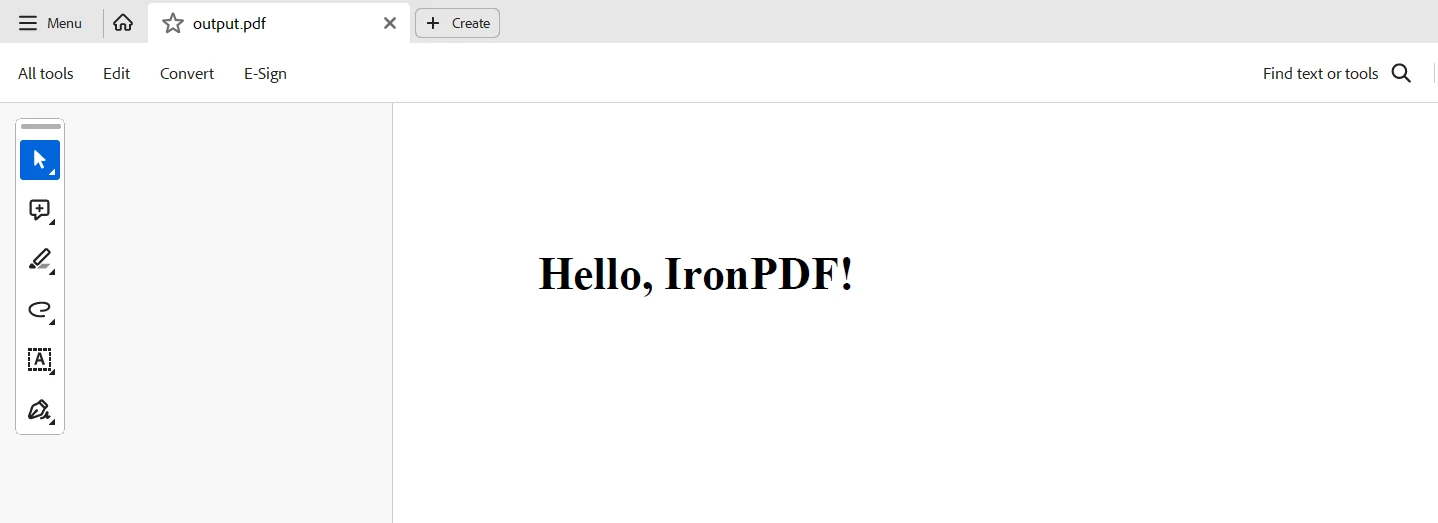
要約すると、C#アプリケーションでAutofacとIronPDFを使用することは、効果的に依存関係を管理し、PDFドキュメントを作成するための強力な組み合わせを提供します。 依存性注入(DI)と制御の逆転(IoC)の概念の使用を支援することにより、Autofacは、プログラムのモジュール性、テスト可能性、保守性を向上させます。
AutofacとIronPDFにより、開発者はスムーズなPDF作成、.NET Core統合、簡単な依存関係管理により、機能豊富でスケーラブルなアプリを作成することができます。 この統合により、アプリケーションの生産性を向上させながら、最高のソフトウェア設計とアーキテクチャの実践に従うことが保証されます。
基本的に、C#アプリケーションにIronPDFと組み合わせてAutofacを使用することで、PDFの作成と依存関係が効果的に管理される統一された開発環境が構築されます。
IronPDFとIron Softwareを組み込むと、OCRを実行したり、バーコードと対話したり、PDFを作成したり、Excelとリンクしたりすることで、.NET開発向けのツールキットを完成させることができます。 これらのライブラリを組み合わせることで、より多くのオンラインアプリと機能を提供し、より効率的な開発を実現します。価格は$999から始まります。
開発者は、プロジェクトの特定の要件に合わせた明確なライセンスオプションがあれば、どのモデルがベストプラクティスで最適かを判断しやすくなります。 これらの利点により、開発者は透明性が高く、効率的で、簡単に統合された方法でさまざまな問題に対処できるようになります。

ジェイコブ・メラーはIron Softwareの最高技術責任者(CTO)であり、C# PDFテクノロジーを開拓する先見的なエンジニアです。Iron Softwareのコアコードベースを支えるオリジナル開発者として、彼は創業以来、会社の製品アーキテクチャを形成し、CEOのCameron Rimingtonとともに、会社をNASA、Tesla、および世界的な政府機関にサービスを提供する50人以上の会社に変えました。1999年にロンドンで最初のソフトウェアビジネスを開業し、2005年に最初 for .NETコンポーネントを作成した後、Microsoftのエコシステム全体で複雑な問題を解決することを専門としました。



IronPDF はIRONSUITEの一部です
オフィス文書向けの.NET API製品10個

PDFがHTMLのように見える必要があるとき、迅速に。












