



업데이트됨 2026년 4월 23일
.NET에서 Microsoft.Extensions.AI로 LLM 통합 간소화
AI는 소프트웨어 개발을 변혁하고 있으나, 대규모 언어 모델(LLM)을 .NET에 통합하는 것은 지금까지 복잡했습니다. 현대에는 OpenAI 기반 PDF 파싱, 데이터 추출 및 콘텐츠 요약을 .NET 애플리케이션에 가져오는 IronPdf.AI로 AI 통합을 더욱 확장하세요.
더 읽어보기

방대한 클라우드 컴퓨팅 환경에서 데이터 저장소는 현대 애플리케이션의 아키텍처와 확장성을 형성하는 데 중요한 역할을 합니다. Azure Table Storage는 Microsoft Azure에서 제공하는 완전히 관리되는 NoSQL 데이터 저장소로, 개발자에게 클라우드에서 구조화된 데이터를 저장할 수 있는 다용도 솔루션을 제공합니다. Azure Table Storage의 기능, 사용 사례 및 이점을 탐색하는 여정을 시작해 봅시다.
Azure Table Storage는 구조화된 데이터를 스키마 없이 저장할 수 있는 클라우드 기반 NoSQL 데이터베이스 서비스입니다. Azure Tables는 각 개체가 파티션 키 및 행 키로 고유하게 식별되는 키-값 쌍 기반의 데이터 모델을 제공합니다. 이 설계는 데이터의 효율적인 쿼리 및 검색을 가능하게 하여, 대량 데이터 세트에 빠르게 액세스해야 하는 시나리오에 적합합니다.
구조화된 데이터를 관리하기 위해 Azure Table Storage 또는 관계형 데이터베이스 중 하나를 선택하려고 할 때, 대량의 데이터 세트를 처리할 수 있는 Azure Table Storage의 능력과 Azure 생태계와의 통합은 개발자의 도구 키트에 Azure Table Storage를 포함시키기에 유용합니다.
스키마 없는 디자인: 전통적인 관계형 데이터베이스와 달리, Azure Table Storage는 데이터에 스키마를 적용하지 않습니다. 이러한 유연성은 개발자가 같은 테이블 내에서 다양한 구조의 개체를 저장할 수 있게 하여, 민첩한 개발을 촉진하고 진화하는 데이터 요구 사항을 수용하게 합니다.
확장성 및 성능: Azure Table Storage는 확장성을 위해 설계되어 대량의 데이터를 쉽게 처리할 수 있습니다. 증가하는 작업 부하를 수용하기 위해 자동으로 확장되며 예측 가능한 성능을 제공하여, 고처리를 요하는 응용 프로그램 및 저지연 데이터 액세스가 필요한 시나리오에 적합합니다.
파티셔닝 및 로드 밸런싱: Azure Table Storage의 데이터는 파티션 키에 따라 파티셔닝되어, 여러 저장소 노드에 효율적으로 데이터를 배포할 수 있게 합니다. 이 파티셔닝 전략은 수평 확장성과 로드 밸런싱을 가능하게 하여 최적의 성능과 자원 활용을 보장합니다.
보조 인덱스: Azure Table Storage는 주로 파티션 키와 행 키를 사용하여 데이터를 검색하지만, 복합 키와 쿼리 프로젝션을 사용하여 보조 인덱스를 지원합니다. 이 기능은 개발자가 보조 속성을 기반으로 데이터를 필터링하고 효율적인 범위 쿼리를 수행할 수 있게 하여, 데이터 액세스 패턴의 유연성을 향상시킵니다.
Azure 생태계와의 통합: Azure Table Storage는 Azure Functions, Azure Cosmos DB, Azure Logic Apps 등 다른 Azure 서비스와 원활하게 통합되어, 개발자가 손쉽게 끝에서 끝까지 솔루션을 구축할 수 있게 합니다. 서버리스 함수를 사용하여 데이터 스트림을 처리하거나 고급 분석 도구로 데이터를 분석하는 등의 작업에 있어, Azure Table Storage는 확장 가능하고 견고한 응용 프로그램을 만들 수 있는 기본 구성 요소 역할을 합니다.
Azure Table Storage는 다양한 산업의 다양한 사용 사례에 적합합니다, 예를 들어:
사물 인터넷 (IoT): Azure Table Storage는 IoT 디바이스에서 수집한 원격 측정 데이터를 저장하는 데 적합하여, 실시간 데이터 수집, 분석 및 시각화를 가능하게 합니다. 확장 가능성과 성능은 IoT 배포에서 생성되는 막대한 양의 데이터를 처리하는 데 이상적입니다.
컨텐츠 관리: 블로그, 기사 및 사용자가 생성한 컨텐츠와 같은 컨텐츠 메타데이터의 구조화된 저장소가 필요한 애플리케이션에, Azure Table Storage는 비용 효율적이며 확장 가능한 솔루션을 제공합니다. 스키마 없는 디자인은 컨텐츠 구조의 변화에 따라 유연한 스키마 진화를 허용합니다.
세션 상태 관리: Azure Table Storage는 웹 애플리케이션에 대해 세션 상태 데이터를 저장하여, 분산되고 확장 가능한 세션 관리 솔루션을 제공합니다. 세션 상태를 Azure Table Storage로 오프로드 함으로써, 개발자는 부하를 분산하는 환경에서 개선된 확장성, 장애 허용성 및 세션 선호성을 달성할 수 있습니다.
분산 시스템: 분산 시스템 아키텍처에서, Azure Table Storage는 공유 상태 유지 및 구성 요소 간 조정을 위한 기본 데이터 저장소 역할을 합니다. 파티셔닝 및 확장성 기능은 분산 캐싱, 구성 관리 및 마이크로서비스 간 조정이 요구되는 시나리오에 적합합니다.
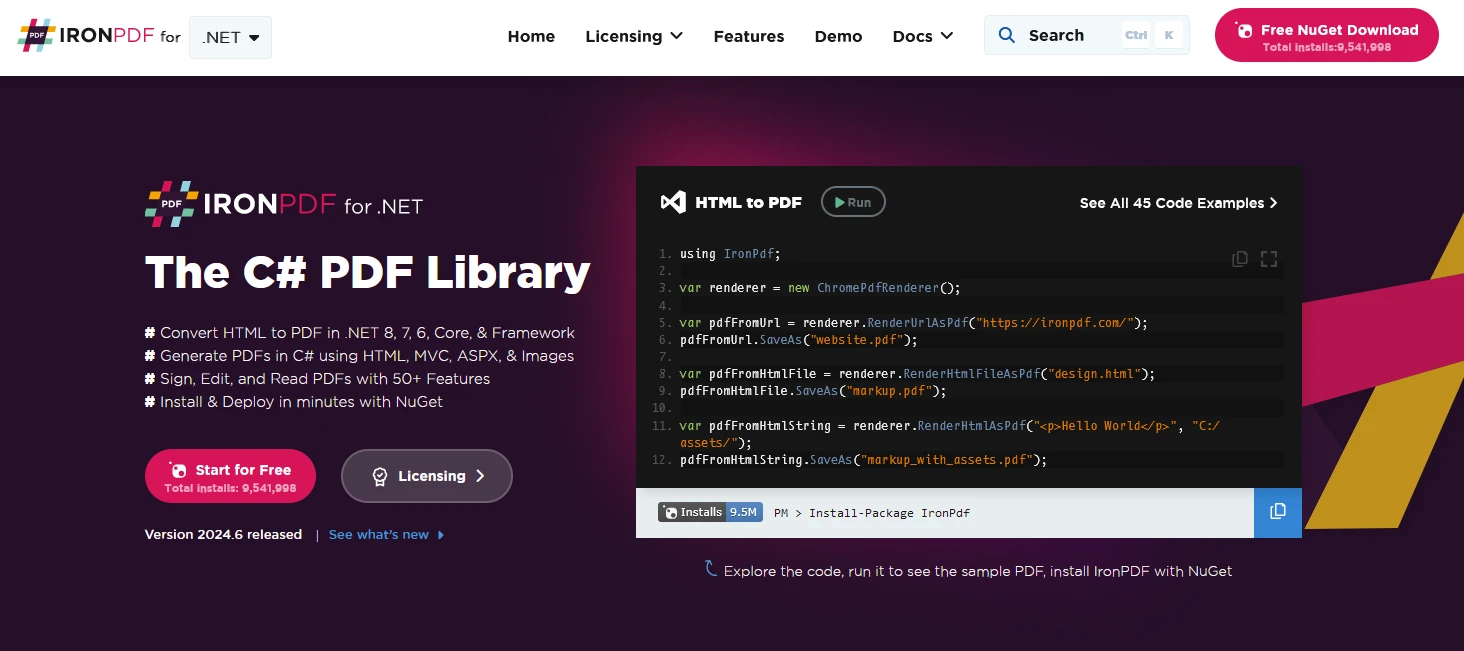
IronPDF는 .NET 프로젝트에서 PDF 문서를 생성, 관리, 및 내용을 추출할 수 있는 C# PDF 라이브러리입니다. 다음은 몇 가지 주요 기능입니다:
HTML을 PDF로 변환:
이미지 및 콘텐츠 변환:
편집 및 조작:
크로스 플랫폼 지원:
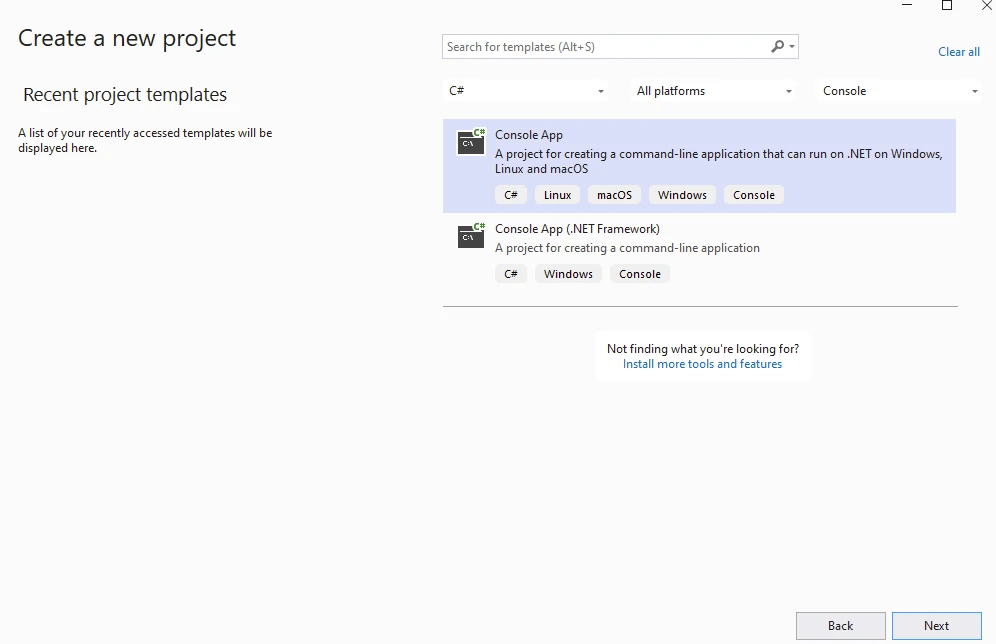
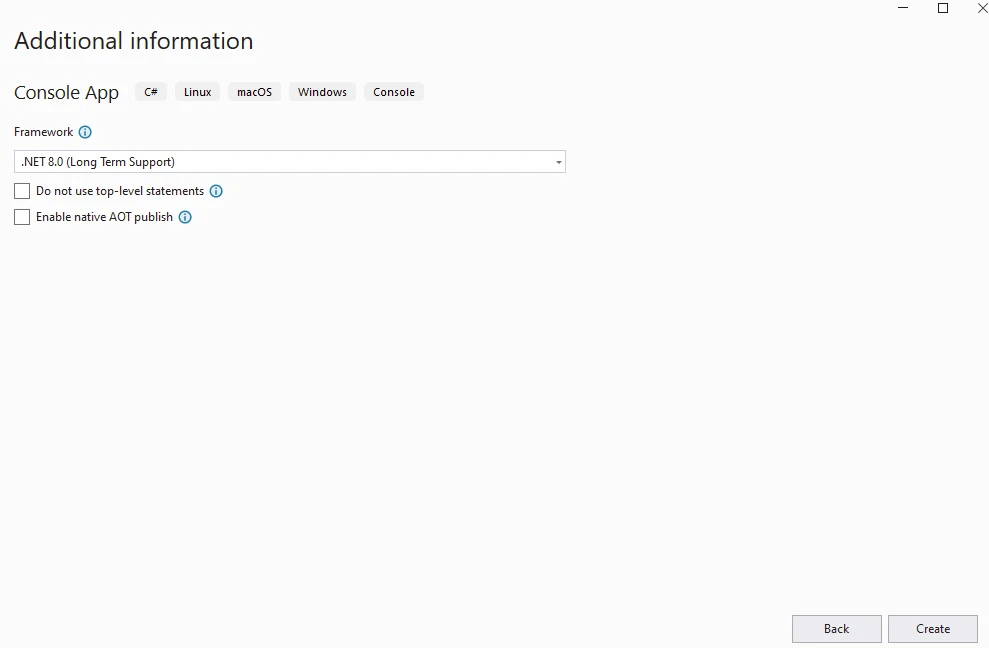
시작하려면 아래와 같이 Visual Studio를 사용하여 콘솔 애플리케이션을 생성하세요:
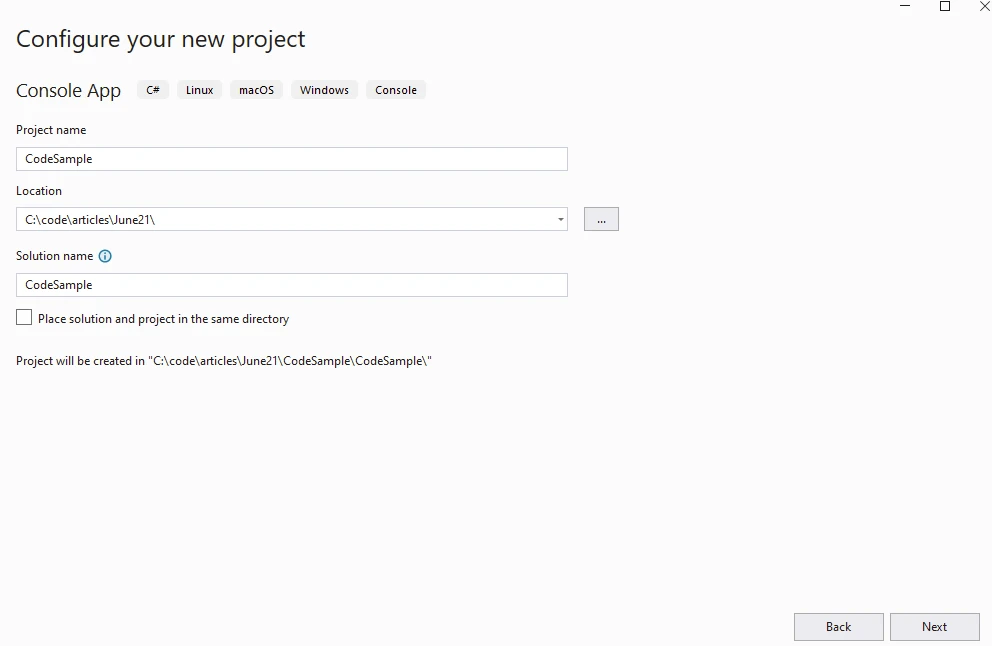
프로젝트 이름 제공:
.NET 버전 제공:
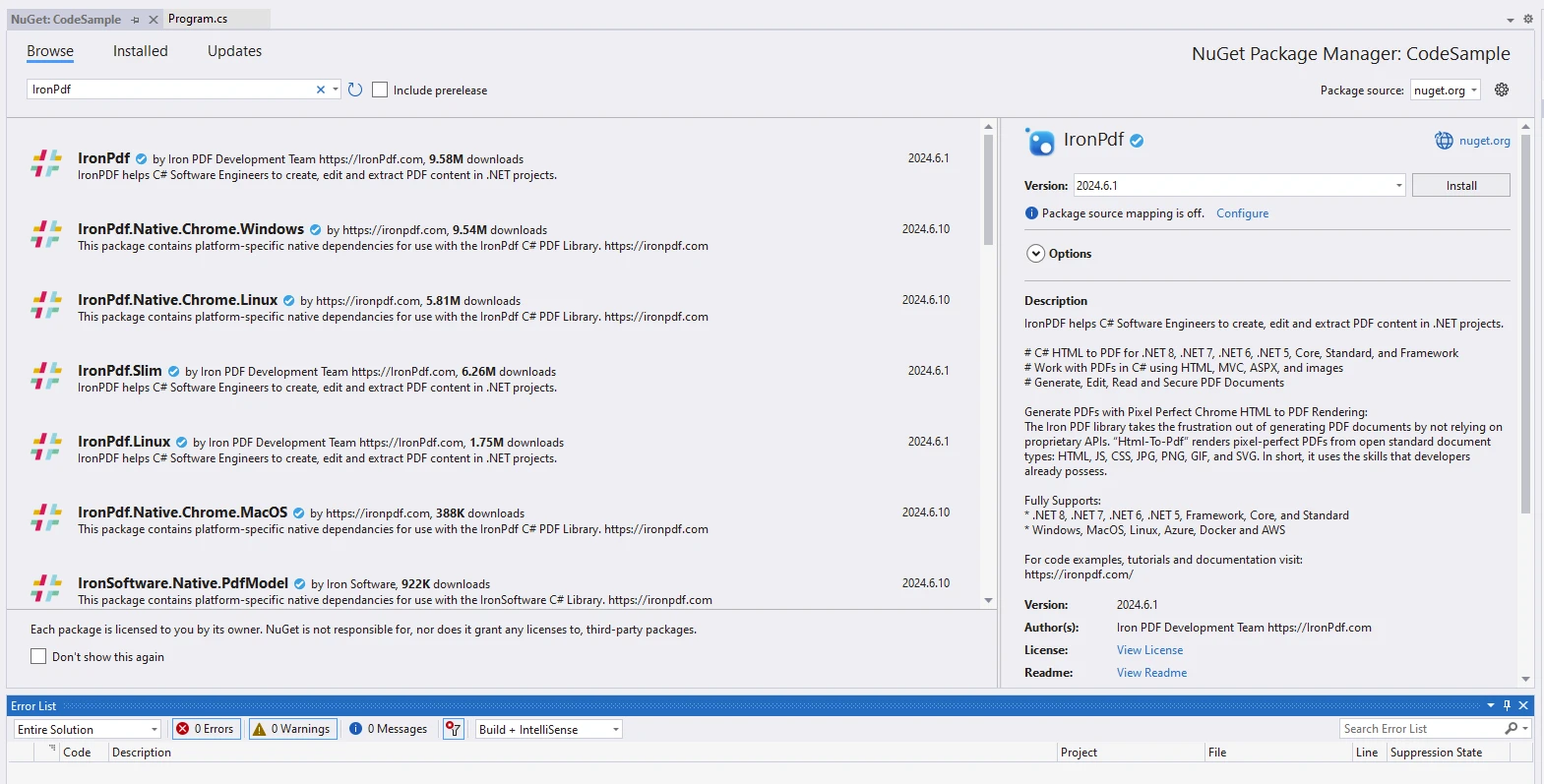
NuGet 패키지 관리자에서 IronPDF 패키지를 설치하세요:
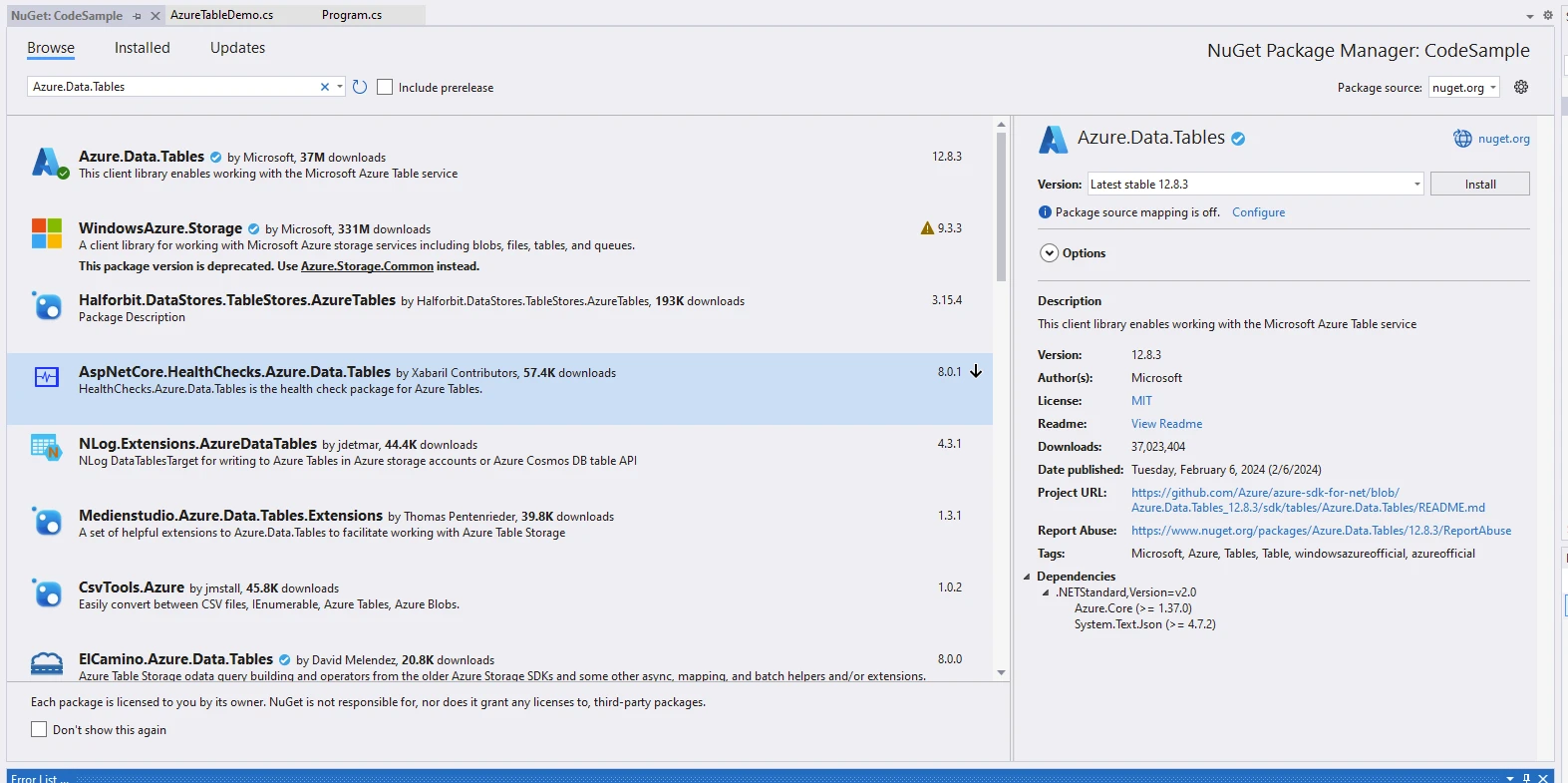
Azure Tables 라이브러리에 접근하기 위해, NuGet 패키지 관리자에서 찾을 수 있는 Azure Tables 클라이언트 라이브러리인 Azure.Data.Tables를 사용할 것입니다. Azure Table Service 클라이언트는 Azure Table Storage와 상호 작용하기 위한 기능을 제공합니다.
Azure Tables를 시작하려면 Azure Storage 계정을 생성하세요:
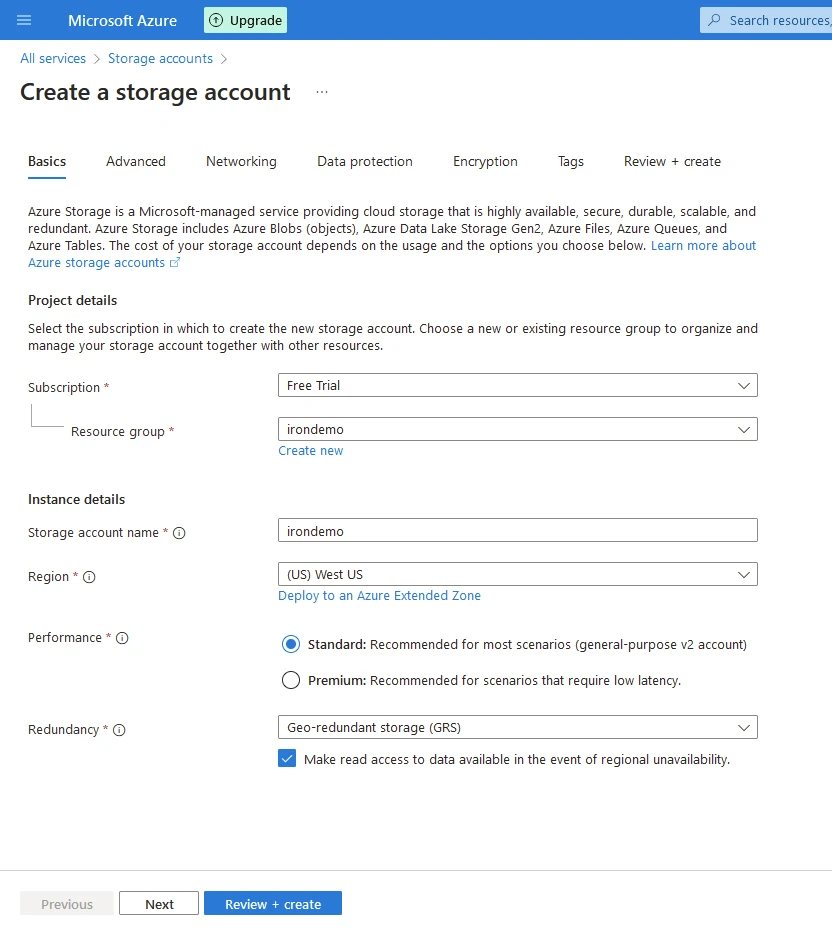
검토 및 생성 클릭. Azure Tables를 사용하여 PDF 문서를 생성하기 위해 아래 코드를 프로그램에 입력하세요.
using Azure;
using Azure.Data.Tables;
using Azure.Data.Tables.Models;
using IronPdf;
using System;
using System.Linq;
using System.Threading.Tasks;

namespace CodeSample
{
    public static class AzureTableDemo
    {
        public static async Task Execute()
        {
            var tableName = "IronDemo";
            var connectionString = "DefaultEndpointsProtocol=https;AccountName=irondemo;AccountKey=9Pe6LJlkjA721VgWvSuRCMk+WJR5/kFoyPtR1ewjRsNbGJNJOmWYhCB32fakANmWeAcfyIg++iHl+AStDNYlGw==;EndpointSuffix=core.windows.net";
            Console.WriteLine("Demo IronPDF with Azure.Data.Tables");

            // Enable web security for PDF rendering
            Installation.EnableWebSecurity = true;

            // Instantiate PDF renderer
            var renderer = new ChromePdfRenderer();

            // HTML content for the PDF
            var content = "<h1>Demo IronPDF with Azure.Data.Tables</h1>";

            // Create a TableServiceClient using the connection string
            content += "<h2>Create TableServiceClient</h2>";
            var serviceClient = new TableServiceClient(connectionString);
            content += "<p>var serviceClient = new TableServiceClient(connectionString);</p>";

            // Create the table if it does not exist
            content += "<h2>Create Table</h2>";
            TableItem table = await serviceClient.CreateTableIfNotExistsAsync(tableName);
            Console.WriteLine($"Created table: {table.Name}.");
            content += $"<p>Created table: {table.Name}.</p>";

            // Placeholder for delete table logic
            content += "<h2>Deletes If Required</h2>";
            // serviceClient.DeleteTable(tableName);
            content += "<p>serviceClient.DeleteTable(tableName);</p>";

            // Get a client reference to interact with the table
            content += "<h2>Get Table Client</h2>";
            var tableClient = serviceClient.GetTableClient(tableName);
            content += "<p>var tableClient = serviceClient.GetTableClient(tableName);</p>";

            // Define and add a new entity to the table
            content += "<h2>Add Table Entity</h2>";
            var tableEntity = new TableEntity { { "Book", "Awesome IronPDF Package" }, { "Price", 5.00 }, { "Quantity", 21 } };
            tableEntity.PartitionKey = tableEntity["Book"].ToString();
            tableEntity.RowKey = tableEntity["Price"].ToString();
            content += "<p>new TableEntity() { { \"Book\", \"Awesome IronPDF Package\" }, { \"Price\", 5.00 }, { \"Quantity\", 21 } }</p>";

            content += $"<p>tableEntity.PartitionKey = {tableEntity["Book"]}</p>";
            content += $"<p>tableEntity.RowKey = {tableEntity["Price"]}</p>";

            Console.WriteLine($"{tableEntity.RowKey}: {tableEntity["Book"]} costs ${tableEntity.GetDouble("Price")}.");
            content += $"<p>{tableEntity.RowKey}: {tableEntity["Book"]} costs ${tableEntity.GetDouble("Price")}</p>";

            // Add the entity to the table
            tableClient.AddEntity(tableEntity);
            content += "<p>Entity added.</p>";

            // Query the table
            content += "<h2>Query Table</h2>";
            Pageable<TableEntity> queryResultsFilter = tableClient.Query<TableEntity>(filter: $"PartitionKey eq '{tableEntity.PartitionKey}'");
            content += "<p>Using tableClient.Query<TableEntity></p>";

            // Iterate and display queried entities
            foreach (TableEntity qEntity in queryResultsFilter)
            {
                content += $"<p>{qEntity.GetString("Book")}: {qEntity.GetDouble("Price")}</p>";
                Console.WriteLine($"{qEntity.GetString("Book")}: {qEntity.GetDouble("Price")}");
            }
            Console.WriteLine($"The query returned {queryResultsFilter.Count()} entities.");
            content += $"<p>The query returned {queryResultsFilter.Count()} entities.</p>";

            // Render HTML content as PDF
            var pdf = renderer.RenderHtmlAsPdf(content);

            // Save the PDF to a file
            pdf.SaveAs("AwesomeAzureDataTables.pdf");
        }
    }
}Imports Azure
Imports Azure.Data.Tables
Imports Azure.Data.Tables.Models
Imports IronPdf
Imports System
Imports System.Linq
Imports System.Threading.Tasks
Namespace CodeSample
Public Module AzureTableDemo
Public Async Function Execute() As Task
Dim tableName = "IronDemo"
Dim connectionString = "DefaultEndpointsProtocol=https;AccountName=irondemo;AccountKey=9Pe6LJlkjA721VgWvSuRCMk+WJR5/kFoyPtR1ewjRsNbGJNJOmWYhCB32fakANmWeAcfyIg++iHl+AStDNYlGw==;EndpointSuffix=core.windows.net"
Console.WriteLine("Demo IronPDF with Azure.Data.Tables")
' Enable web security for PDF rendering
Installation.EnableWebSecurity = True
' Instantiate PDF renderer
Dim renderer = New ChromePdfRenderer()
' HTML content for the PDF
Dim content = "<h1>Demo IronPDF with Azure.Data.Tables</h1>"
' Create a TableServiceClient using the connection string
content &= "<h2>Create TableServiceClient</h2>"
Dim serviceClient = New TableServiceClient(connectionString)
content &= "<p>var serviceClient = new TableServiceClient(connectionString);</p>"
' Create the table if it does not exist
content &= "<h2>Create Table</h2>"
Dim table As TableItem = Await serviceClient.CreateTableIfNotExistsAsync(tableName)
Console.WriteLine($"Created table: {table.Name}.")
content &= $"<p>Created table: {table.Name}.</p>"
' Placeholder for delete table logic
content &= "<h2>Deletes If Required</h2>"
' serviceClient.DeleteTable(tableName);
content &= "<p>serviceClient.DeleteTable(tableName);</p>"
' Get a client reference to interact with the table
content &= "<h2>Get Table Client</h2>"
Dim tableClient = serviceClient.GetTableClient(tableName)
content &= "<p>var tableClient = serviceClient.GetTableClient(tableName);</p>"
' Define and add a new entity to the table
content &= "<h2>Add Table Entity</h2>"
Dim tableEntity As New TableEntity From {
{ "Book", "Awesome IronPDF Package" },
{ "Price", 5.00 },
{ "Quantity", 21 }
}
tableEntity.PartitionKey = tableEntity("Book").ToString()
tableEntity.RowKey = tableEntity("Price").ToString()
content &= "<p>new TableEntity() { { ""Book"", ""Awesome IronPDF Package"" }, { ""Price"", 5.00 }, { ""Quantity"", 21 } }</p>"
content &= $"<p>tableEntity.PartitionKey = {tableEntity("Book")}</p>"
content &= $"<p>tableEntity.RowKey = {tableEntity("Price")}</p>"
Console.WriteLine($"{tableEntity.RowKey}: {tableEntity("Book")} costs ${tableEntity.GetDouble("Price")}.")
content &= $"<p>{tableEntity.RowKey}: {tableEntity("Book")} costs ${tableEntity.GetDouble("Price")}</p>"
' Add the entity to the table
tableClient.AddEntity(tableEntity)
content &= "<p>Entity added.</p>"
' Query the table
content &= "<h2>Query Table</h2>"
Dim queryResultsFilter As Pageable(Of TableEntity) = tableClient.Query(Of TableEntity)(filter:= $"PartitionKey eq '{tableEntity.PartitionKey}'")
content &= "<p>Using tableClient.Query<TableEntity></p>"
' Iterate and display queried entities
For Each qEntity As TableEntity In queryResultsFilter
content &= $"<p>{qEntity.GetString("Book")}: {qEntity.GetDouble("Price")}</p>"
Console.WriteLine($"{qEntity.GetString("Book")}: {qEntity.GetDouble("Price")}")
Next qEntity
Console.WriteLine($"The query returned {queryResultsFilter.Count()} entities.")
content &= $"<p>The query returned {queryResultsFilter.Count()} entities.</p>"
' Render HTML content as PDF
Dim pdf = renderer.RenderHtmlAsPdf(content)
' Save the PDF to a file
pdf.SaveAs("AwesomeAzureDataTables.pdf")
End Function
End Module
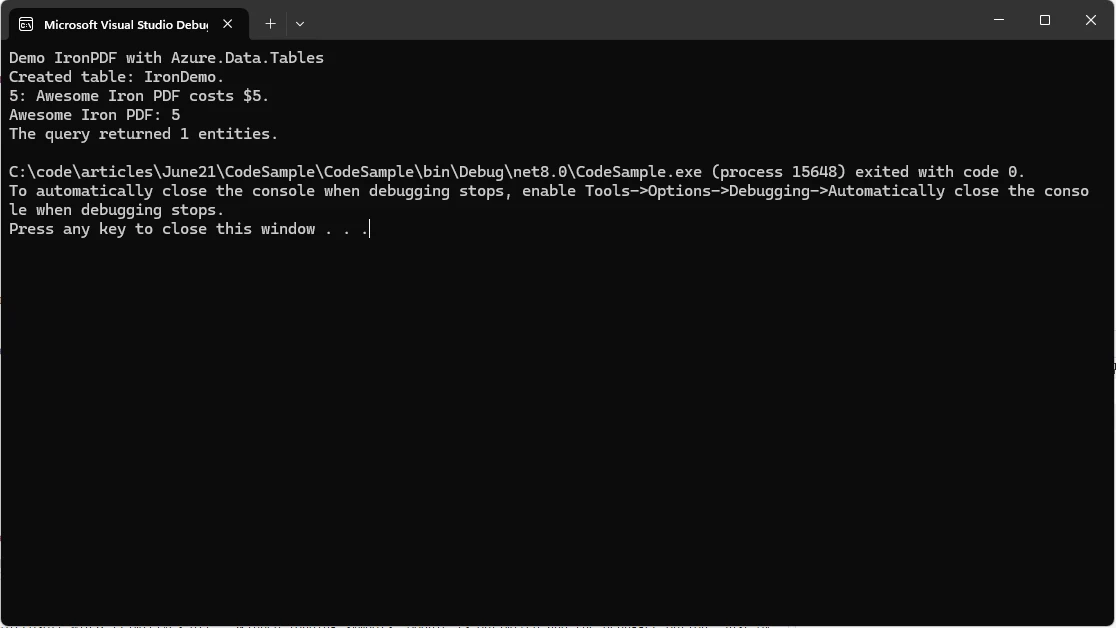
End Namespace이 코드는 Azure Table Storage와 상호작용하고 IronPDF를 사용하여 PDF를 생성하는 방법을 보여줍니다:
Azure Table Storage 상호작용:
IronPDF를 사용한 PDF 생성:
IronPDF 패키지는 작동에 라이센스가 필요합니다. 애플리케이션 시작 시 패키지를 액세스하기 전에 아래 코드를 추가하세요
IronPdf.License.LicenseKey = "IRONPDF-KEY";Imports IronPdf
IronPdf.License.LicenseKey = "IRONPDF-KEY"체험판 라이센스는 여기에서 가능합니다.
Azure Table Storage는 개발자에게 클라우드에서 확장 가능하고 유연하며 비용 효율적인 데이터 저장소 솔루션을 제공하기 위한 Microsoft의 헌신을 입증합니다. 스키마 없는 설계, 수평 확장성 및 Azure 생태계와의 원활한 통합을 통해 Azure Table Storage는 개발자가 현대 비즈니스 환경의 동적 요구에 적응할 수 있는 탄력 있고 민첩한 애플리케이션을 구축할 수 있도록 합니다.
IoT 데이터 스트림 관리, 콘텐츠 메타데이터 저장 또는 분산 시스템 조정을 포함하여 Azure Table Storage는 클라우드 네이티브 애플리케이션의 잠재력을 극대화하기 위한 다재다능한 플랫폼을 제공합니다. 조직이 디지털 혁신 이니셔티브를 수용하고 클라우드로 마이그레이션함에 따라, Azure Table Storage는 현대 데이터 저장소 아키텍처의 핵심 요소로 남아 혁신을 주도하고 점점 더 데이터 중심의 세계에서 비즈니스가 번창할 수 있도록 합니다.
IronPDF는 프로그래밍으로 PDF 문서를 생성하고 조작하는 데 사용되는 .NET 라이브러리입니다. 개발자가 HTML, ASPX 페이지, 이미지 및 텍스트를 PDF 파일로 변환할 수 있게 해줍니다. 주요 기능은 HTML에서 PDF로의 변환, PDF 편집 및 다양한 .NET 환경에 대한 지원을 포함하여 .NET 애플리케이션 내에서 PDF 문서를 생성하고 처리할 수 있는 다재다능한 도구입니다.

제이콥 멜러는 Iron Software의 최고 기술 책임자(CTO)이자 C# PDF 기술을 개척한 선구적인 엔지니어입니다. Iron Software의 핵심 코드베이스를 최초로 개발한 그는 창립 초기부터 회사의 제품 아키텍처를 설계해 왔으며, CEO인 캐머런 리밍턴과 함께 회사를 NASA, 테슬라, 그리고 전 세계 정부 기관에 서비스를 제공하는 50명 이상의 직원을 보유한 기업으로 성장시켰습니다.

IronPDF는 IRON SUITE 의 일부입니다.
10개의 .NET API 제품, 당신의 사무 문서를 위해

PDF 파일을 HTML처럼 빠르게 변환해야 할 때.


