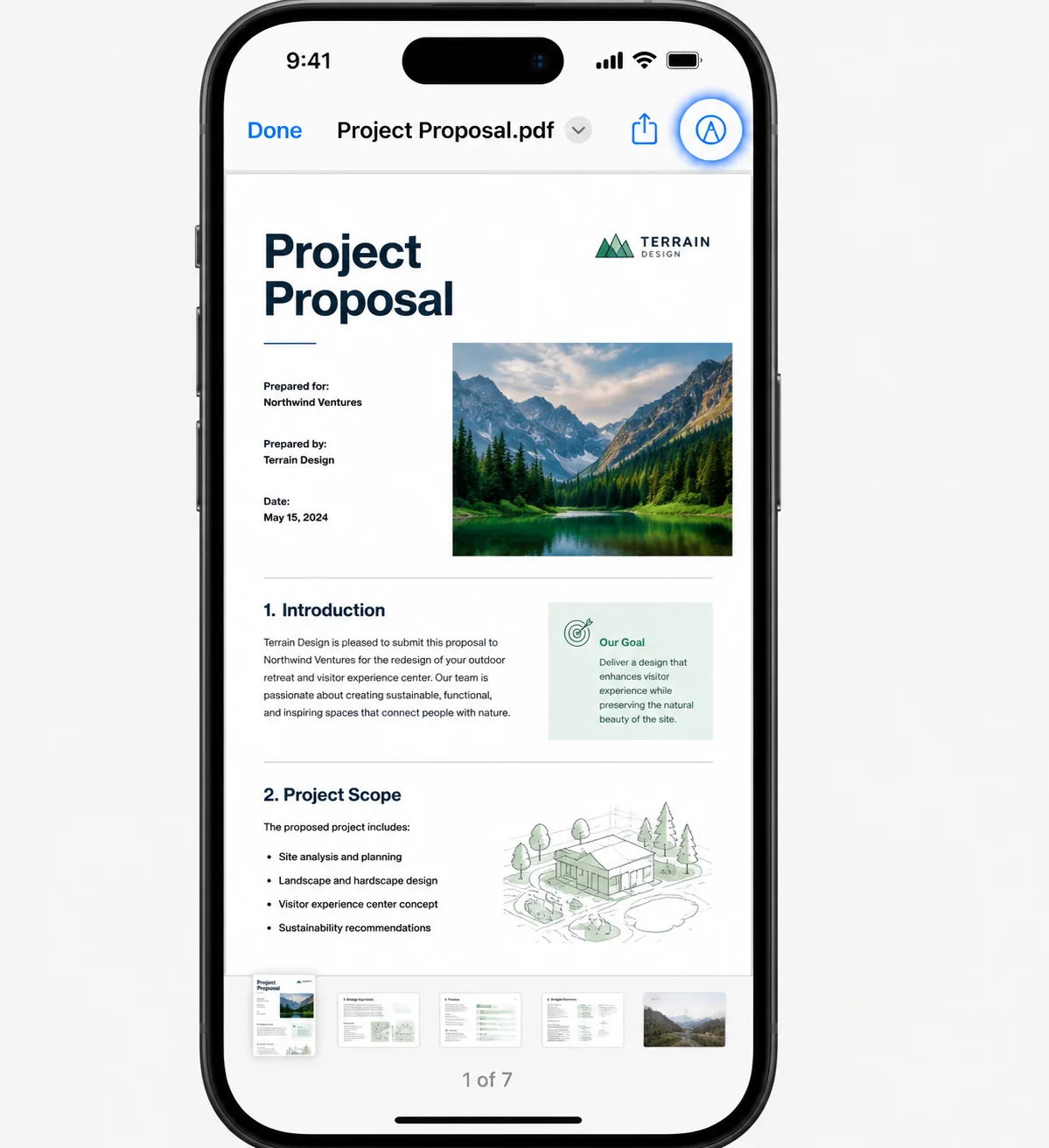
A static PDF works fine for reading documents. Problems start when someone needs to type into it. Clients print contracts by hand. Employees edit forms in external apps. Users email screenshots instead of completed files. The workflow slows down because the document was never designed for input.
Fillable PDFs solve this by turning a standard document into an interactive form. Users can type into text fields, select checkboxes, choose dropdown values, sign digitally, and submit completed forms without modifying the original layout.
This guide explains the most reliable ways to make a PDF fillable using Adobe Acrobat, Microsoft Word, online tools, and programmatic PDF Form generation for developers. By the end, you'll know which method fits your use case and how to avoid common formatting problems.
Before getting started, one important distinction: a fillable PDF contains interactive form fields. A regular PDF only displays static text and images.
Method 1: Create a Fillable PDF with Adobe Acrobat
Adobe Acrobat remains the most widely used option for professional PDF forms.
-
Open your PDF in Adobe Acrobat.
-
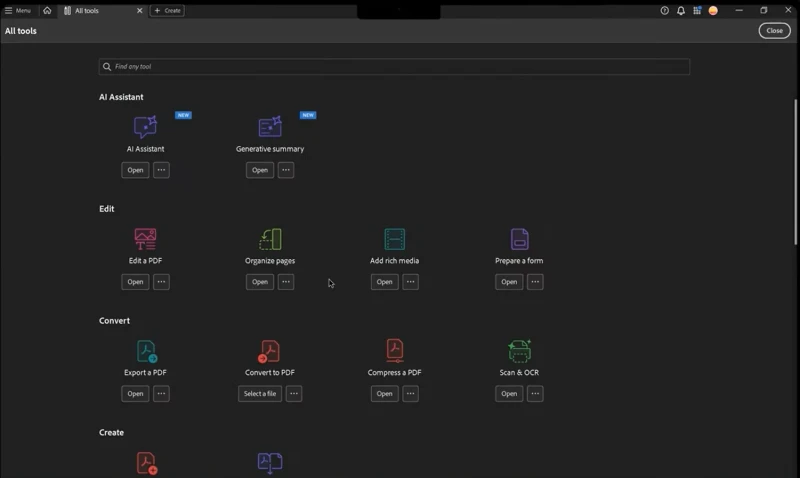
Open the Tools tab.
-
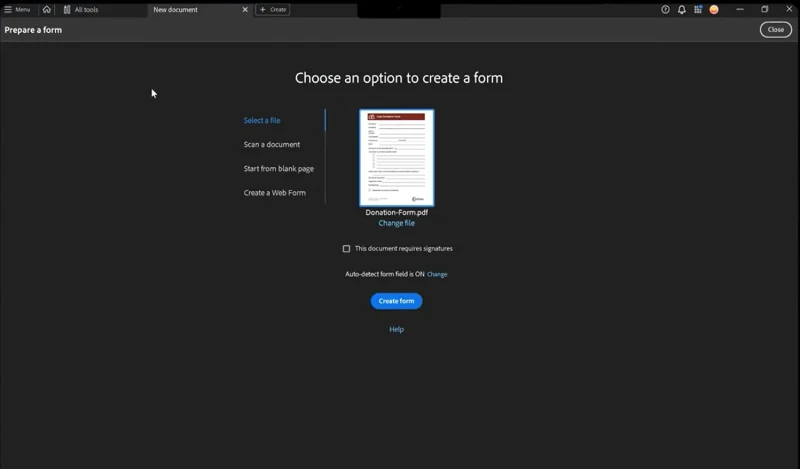
Select Prepare Form.
-
Click to choose an existing pdf document or scan.
-
Let Acrobat automatically analyze the PDF and detect fields.
-
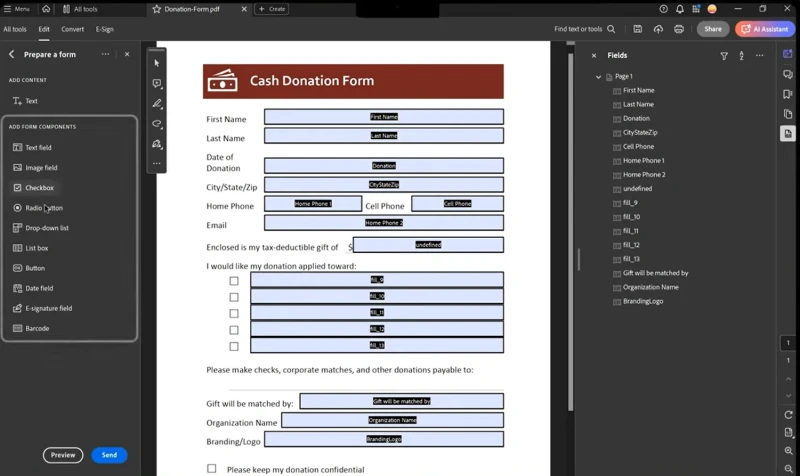
Use Acrobat to add fillable form fields such as text fields, checkboxes, dropdowns, or radio buttons.
-
Save the file.
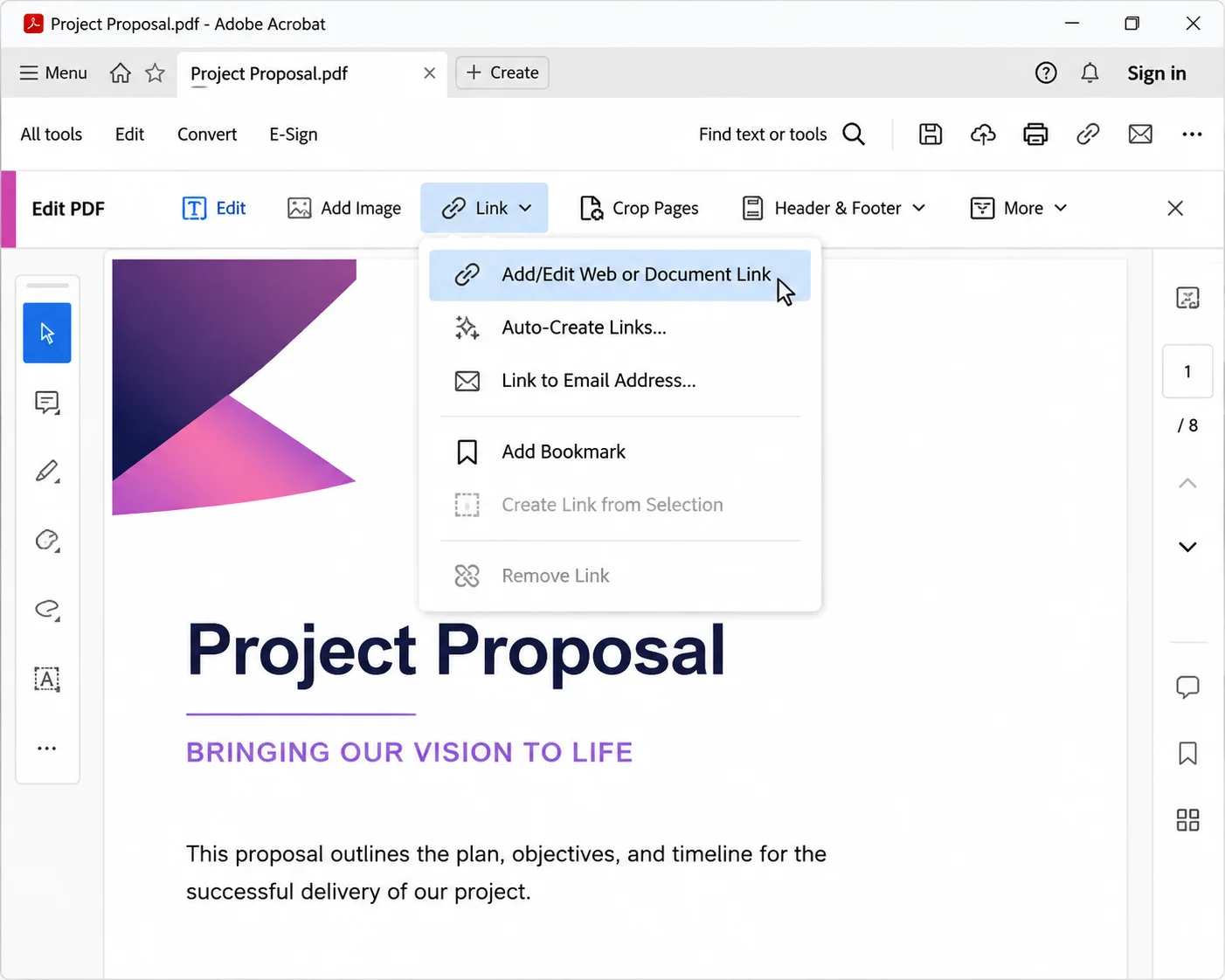
Acrobat usually detects common form layouts automatically by scanning for lines and boxes, especially in invoices, applications, contracts, and surveys. You can then use the top toolbar or right pane to review existing form fields, insert new form fields, change fonts, and make further customizations such as validation, required fields, character limits, or tab order.
When This Works Best
This method works well for business documents that require polished formatting and advanced form controls.
When to Use This
Use Acrobat for contracts, HR forms, onboarding packets, tax documents, or client-facing PDFs.
When Not to Use This
If you need bulk automation or server-side PDF generation, use a programmatic solution instead.
Method 2: Make a Fillable PDF from Microsoft Word
A Microsoft Word document, or another word document, can be used to create a fillable PDF form before export.
-
Open Microsoft Word.
-
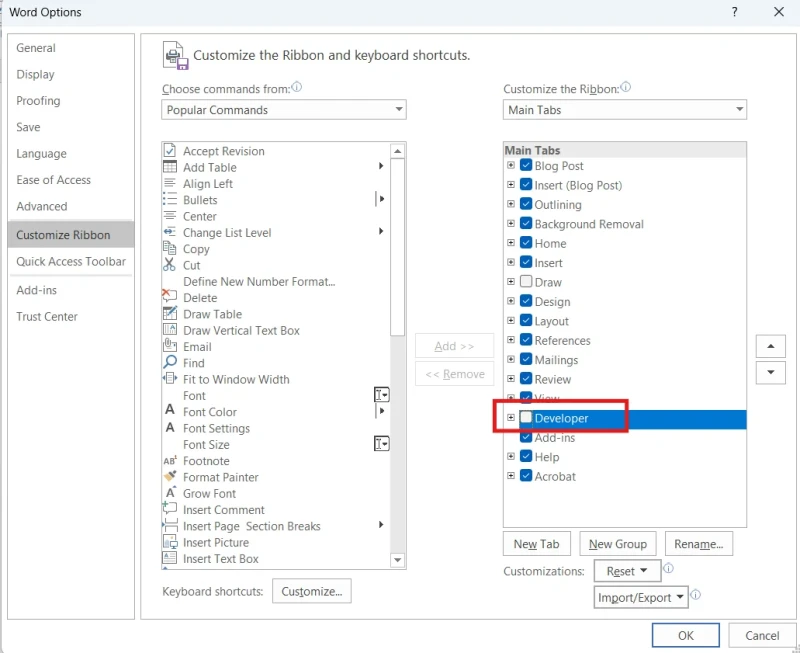
Enable the Developer tab from Word Options.
-
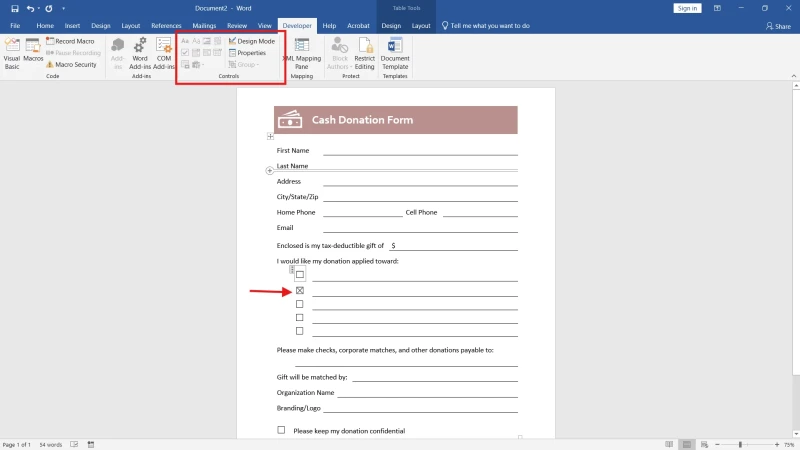
Insert controls such as text boxes, dropdown lists, or checkboxes.
-
Format the layout to create fillable pdf fields in the source file.
-
Save the document as a PDF. This usually creates a static file even though the form fields are placed, so you may need a dedicated PDF editor afterward to finish the fillable pdf document.
This approach works well for internal forms that start in a document creator first, then add interactive fields later, but a Microsoft word document alone may not cover advanced validation logic.
Common Controls Available in Word
- Plain text fields
- Rich text fields
- Checkboxes
- Date pickers
- Dropdown menus
When This Works Best
Useful for teams already creating forms in Word.
When to Use This
Good for employee forms, surveys, classroom worksheets, and internal templates.
When Not to Use This
Complex PDF workflows may lose formatting during conversion.
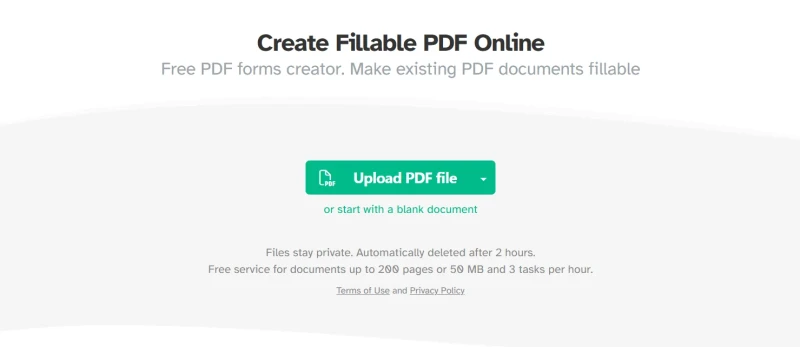
Several web-based platforms let you convert PDF files in the browser, turning a static PDF document into editable PDFs or fillable PDF files. Many services also create a fillable form online by uploading a pdf document and letting the tool automatically analyze likely fields. A fillable form is an interactive file that lets people enter text in fields without PDF editing software, which makes it useful for applications, contracts, and surveys.
Typical Workflow
-
Upload a PDF.
-
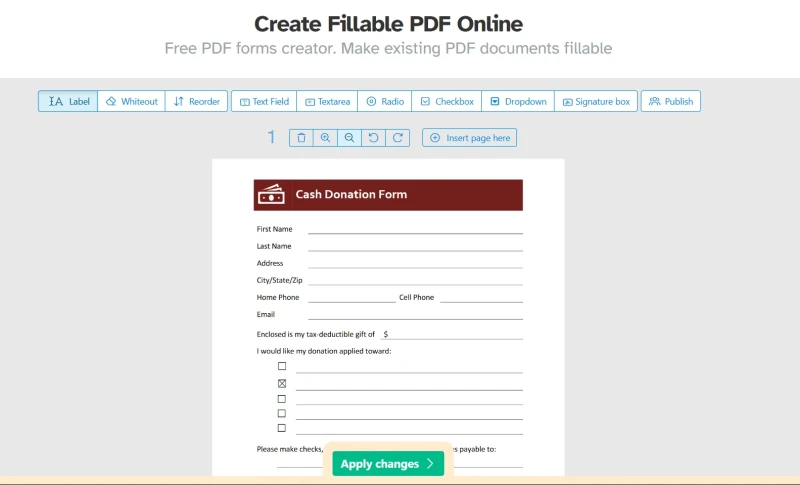
Select form tools.
-
Place text fields and checkboxes.
-
Save or download the updated file.
Many platforms also support e-signatures and cloud-based sharing.
Popular Features
- Drag-and-drop form editing
- Cloud storage integration, including exports to Google Drive
- Collaborative workflows with a shareable link for distribution
- Digital signatures
When This Works Best
Best for quick edits without installing desktop software.
When to Use This
Useful for freelancers, small businesses, or occasional PDF editing tasks, these services save time for quick one-off form edits, and the fastest methods include Acrobat's Prepare Form feature or online tools that let you add form fields.
When Not to Use This
Sensitive documents may require stricter privacy and compliance controls.
Method 4: Convert a Scanned Document into a Fillable PDF
Many organizations still work with scanned paper forms, but you can turn paper documents into a pdf fillable form by using OCR in a dedicated PDF editor.
-
Scan the document clearly.
-
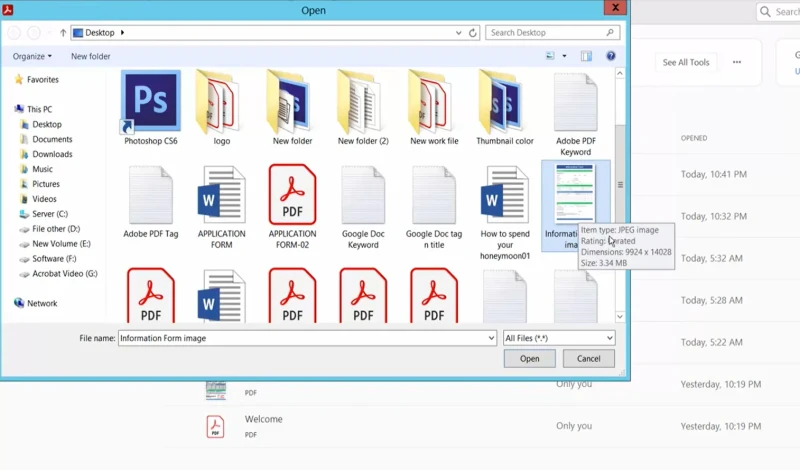
Open it in Adobe Acrobat or another OCR-enabled editor.
-
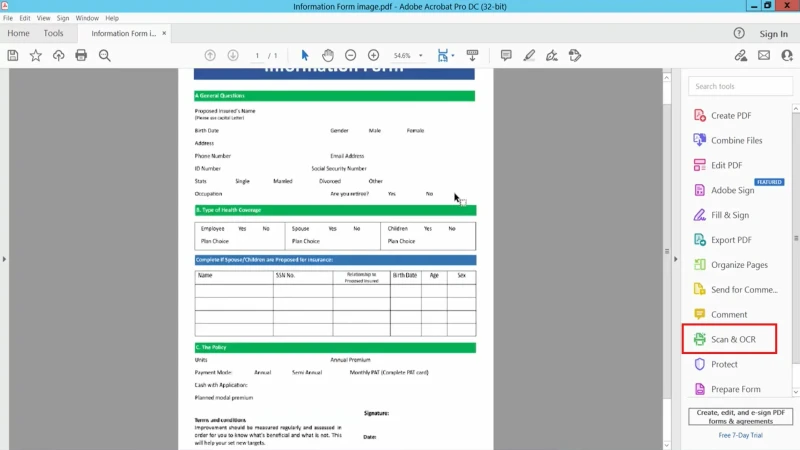
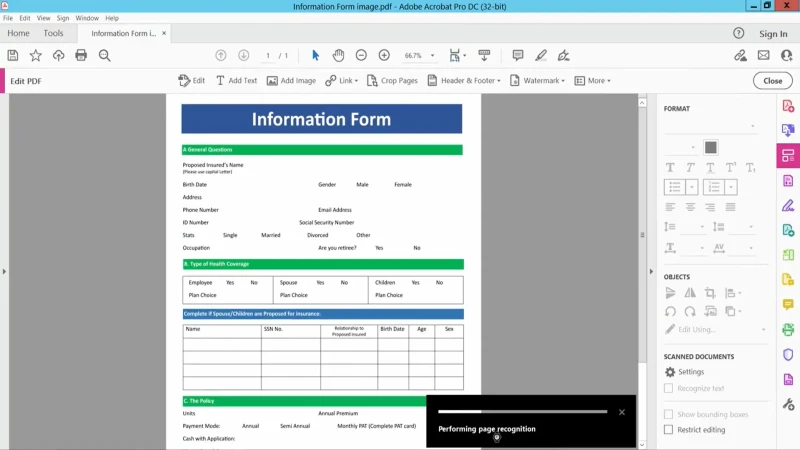
Run optical character recognition (OCR stands for Optical Character Recognition).
-
Let the software quickly extract text from the scan or a smartphone image before using form detection tools.
-
Review the resulting fillable fields and field alignment manually.
-
Save the updated PDF.
Clean scans produce better field detection results.
When This Works Best
Ideal for modernizing legacy paperwork.
When to Use This
Useful for healthcare forms, government paperwork, and archived templates.
When Not to Use This
Poor scan quality can create inaccurate form fields.
When This Works Best
Works for lightweight collaborative drafting.
When to Use This
Good for teams already managing documents inside Google Workspace.
When Not to Use This
Complex forms usually require dedicated PDF editing software or additional software afterward.
Common Issues and Troubleshooting
Some PDF viewers do not fully support interactive form fields.
Fix
- Open the PDF in Adobe Acrobat or a compatible viewer.
- Re-save the file after editing.
- Avoid unsupported browser-based viewers for testing.
Why Are Users Unable to Type Into the PDF?
The document may contain flattened fields or restricted permissions.
Fix
- Open the PDF editor.
- Check document security settings.
- Ensure fields remain interactive before exporting.
Fonts, spacing, and field alignment may shift during PDF export.
Fix
- Use standard fonts.
- Review spacing before export.
- Test the final PDF on multiple devices.
Why Are Dropdowns or Checkboxes Not Working?
Some fields may not have been configured correctly.
Fix
- Open form editing mode.
- Check field properties.
- Verify export settings before saving.
Why Does the PDF Look Different on Mobile Devices?
Different PDF viewers render forms differently.
Fix
- Test forms on desktop and mobile devices.
- Use responsive field spacing.
- Avoid placing fields too close together.
When Should You Use Fillable PDFs?
A fillable PDF form helps when documents require structured input without changing the original layout, and these interactive documents let users enter text in form fields without PDF editing software, which makes them useful for applications, contracts, and surveys.
Common use cases include:
- Client intake forms
- Contracts and agreements
- Job applications
- Expense reports
- Registration forms
- Tax documents
- Medical paperwork
They also simplify remote workflows because users can complete documents digitally and sign documents online.
Choosing the Right Method
The best method depends on how often you create forms and how much automation you need.
| Scenario | Best Method |
| --- | --- |
| Professional business forms | Adobe Acrobat |
| Simple office forms | Microsoft Word |
| Quick online editing | Web-based PDF editors |
| Scanned paper documents | OCR conversion |
| Collaborative drafting | Google Docs workflow |
| Automated document systems | Programmatic PDF generation |
For Developers: Create Fillable PDFs Programmatically with IronPDF
Applications that generate PDFs dynamically need more than manual editing tools. As a pdf form creator for developers, IronPDF includes powerful features for automated form generation, field insertion, and document processing inside the application workflow.
Iron Software offers IronPDF, a .NET PDF library for creating, editing, and processing PDF documents programmatically.
Here's an example of generating an Editable PDF form using IronPDF:
using IronPdf;
using System;

// Step 1.  Creating a PDF with editable forms from HTML using form and input tags
// Radio Button and Checkbox can also be implemented with input type 'radio' and 'checkbox'
const string formHtml = @"
    <html>
        <body>
            <h2>Editable PDF  Form</h2>
            <form>
              First name: <br> <input type='text' name='firstname' value=''> <br>
              Last name: <br> <input type='text' name='lastname' value=''> <br>
              <br>
              <p>Please specify your gender:</p>
              <input type='radio' id='female' name='gender' value= 'Female'>
                <label for='female'>Female</label> <br>
                <br>
              <input type='radio' id='male' name='gender' value='Male'>
                <label for='male'>Male</label> <br>
                <br>
              <input type='radio' id='non-binary/other' name='gender' value='Non-Binary / Other'>
                <label for='non-binary/other'>Non-Binary / Other</label>
              <br>

              <p>Please select all medical conditions that apply:</p>
              <input type='checkbox' id='condition1' name='Hypertension' value='Hypertension'>
              <label for='condition1'> Hypertension</label><br>
              <input type='checkbox' id='condition2' name='Heart Disease' value='Heart Disease'>
              <label for='condition2'> Heart Disease</label><br>
              <input type='checkbox' id='condition3' name='Stoke' value='Stoke'>
              <label for='condition3'> Stoke</label><br>
              <input type='checkbox' id='condition4' name='Diabetes' value='Diabetes'>
              <label for='condition4'> Diabetes</label><br>
              <input type='checkbox' id='condition5' name='Kidney Disease' value='Kidney Disease'>
              <label for='condition5'> Kidney Disease</label><br>
            </form>
        </body>
    </html>";

// Instantiate Renderer
var renderer = new ChromePdfRenderer();
renderer.RenderingOptions.CreatePdfFormsFromHtml = true;
renderer.RenderHtmlAsPdf(formHtml).SaveAs("BasicForm.pdf");

// Step 2. Reading and Writing PDF form values.
var FormDocument = PdfDocument.FromFile("BasicForm.pdf");

// Set and Read the value of the "firstname" field
var FirstNameField = FormDocument.Form.FindFormField("firstname");
FirstNameField.Value = "Minnie";
Console.WriteLine("FirstNameField value: {0}", FirstNameField.Value);

// Set and Read the value of the "lastname" field
var LastNameField = FormDocument.Form.FindFormField("lastname");
LastNameField.Value = "Mouse";
Console.WriteLine("LastNameField value: {0}", LastNameField.Value);

FormDocument.SaveAs("FilledForm.pdf");
using IronPdf;
using System;

// Step 1.  Creating a PDF with editable forms from HTML using form and input tags
// Radio Button and Checkbox can also be implemented with input type 'radio' and 'checkbox'
const string formHtml = @"
    <html>
        <body>
            <h2>Editable PDF  Form</h2>
            <form>
              First name: <br> <input type='text' name='firstname' value=''> <br>
              Last name: <br> <input type='text' name='lastname' value=''> <br>
              <br>
              <p>Please specify your gender:</p>
              <input type='radio' id='female' name='gender' value= 'Female'>
                <label for='female'>Female</label> <br>
                <br>
              <input type='radio' id='male' name='gender' value='Male'>
                <label for='male'>Male</label> <br>
                <br>
              <input type='radio' id='non-binary/other' name='gender' value='Non-Binary / Other'>
                <label for='non-binary/other'>Non-Binary / Other</label>
              <br>

              <p>Please select all medical conditions that apply:</p>
              <input type='checkbox' id='condition1' name='Hypertension' value='Hypertension'>
              <label for='condition1'> Hypertension</label><br>
              <input type='checkbox' id='condition2' name='Heart Disease' value='Heart Disease'>
              <label for='condition2'> Heart Disease</label><br>
              <input type='checkbox' id='condition3' name='Stoke' value='Stoke'>
              <label for='condition3'> Stoke</label><br>
              <input type='checkbox' id='condition4' name='Diabetes' value='Diabetes'>
              <label for='condition4'> Diabetes</label><br>
              <input type='checkbox' id='condition5' name='Kidney Disease' value='Kidney Disease'>
              <label for='condition5'> Kidney Disease</label><br>
            </form>
        </body>
    </html>";

// Instantiate Renderer
var renderer = new ChromePdfRenderer();
renderer.RenderingOptions.CreatePdfFormsFromHtml = true;
renderer.RenderHtmlAsPdf(formHtml).SaveAs("BasicForm.pdf");

// Step 2. Reading and Writing PDF form values.
var FormDocument = PdfDocument.FromFile("BasicForm.pdf");

// Set and Read the value of the "firstname" field
var FirstNameField = FormDocument.Form.FindFormField("firstname");
FirstNameField.Value = "Minnie";
Console.WriteLine("FirstNameField value: {0}", FirstNameField.Value);

// Set and Read the value of the "lastname" field
var LastNameField = FormDocument.Form.FindFormField("lastname");
LastNameField.Value = "Mouse";
Console.WriteLine("LastNameField value: {0}", LastNameField.Value);

FormDocument.SaveAs("FilledForm.pdf");
HTML
This approach allows applications to create fillable forms or a new document dynamically from databases, user input, or reporting systems.
Beyond fillable PDFs, IronPDF supports:
IronPDF supports .NET Framework, .NET Core, .NET 6+, Azure, Docker, Windows, Linux, and macOS environments.
Install via NuGet:
Install-Package IronPdf
Install-Package IronPdf
SHELL
Wrapping Up
Creating a fillable PDF improves document workflows by allowing users to complete forms digitally while preserving the original layout and formatting.
For most users, the fastest path is:
Create or upload the document → Add form fields → Save as interactive PDF.
Adobe Acrobat remains the standard option for advanced editing. Microsoft Word works well for simple internal forms. Online editors help with quick updates and collaborative workflows.
For developers building automated document systems, libraries like IronPDF provide full programmatic control over PDF generation, fill and edit form, and document processing at scale.
With the methods covered in this guide, you can build fillable PDFs for everything from simple office forms to large automated reporting systems.