


Actualizado 21 de abril de 2026
Cómo Convertir TIFF A PDF en Java
Esta guía integral te llevará a través de los pasos sobre cómo convertir imágenes TIFF a PDF sin problemas en Java usando IronPDF.
Leer más

Este artículo profundizará en el proceso de convertir un libro de Excel a PDF usando Java al convertir el archivo de Excel a un formato HTML y luego utilizando IronPDF for Java para convertir el HTML a un PDF.
IronPDF for Java es una biblioteca poderosa y fácil de usar que permite a los desarrolladores generar, leer y editar archivos PDF con facilidad, optimizando su trabajo y haciéndolo más eficiente que nunca. Exploraremos cómo IronPDF for Java ha transformado el mundo de la gestión de PDF y los beneficios que ofrece a los desarrolladores.
Con IronPDF, los desarrolladores pueden ahora realizar una amplia gama de tareas relacionadas con PDF con solo unas pocas líneas de código. Esto incluye generar PDFs desde HTML o imágenes, fusionar archivos PDF usando Java y dividir PDFs en proyectos Java, añadir marcas de agua a PDFs o anotaciones dentro de PDFs, y extraer texto o imágenes de PDFs de PDFs existentes.
IronPDF también admite características avanzadas como rellenar formularios en documentos PDF, aplicar firmas digitales a PDFs, y cifrado de PDF, asegurando que los desarrolladores tengan todas las herramientas que necesitan para crear documentos PDF seguros y profesionales.
El primer paso en el proceso de transformación es convertir el archivo de Excel en un documento HTML. Esto puede parecer un paso innecesario, pero es crucial para garantizar una experiencia fluida. Al convertir Excel a HTML, es posible mantener el formato del archivo, incluidos tablas, fuentes y colores.
Microsoft Excel proporciona una manera fácil de realizar esta tarea. Simplemente sigue estos pasos:
Abre tu archivo de Excel.
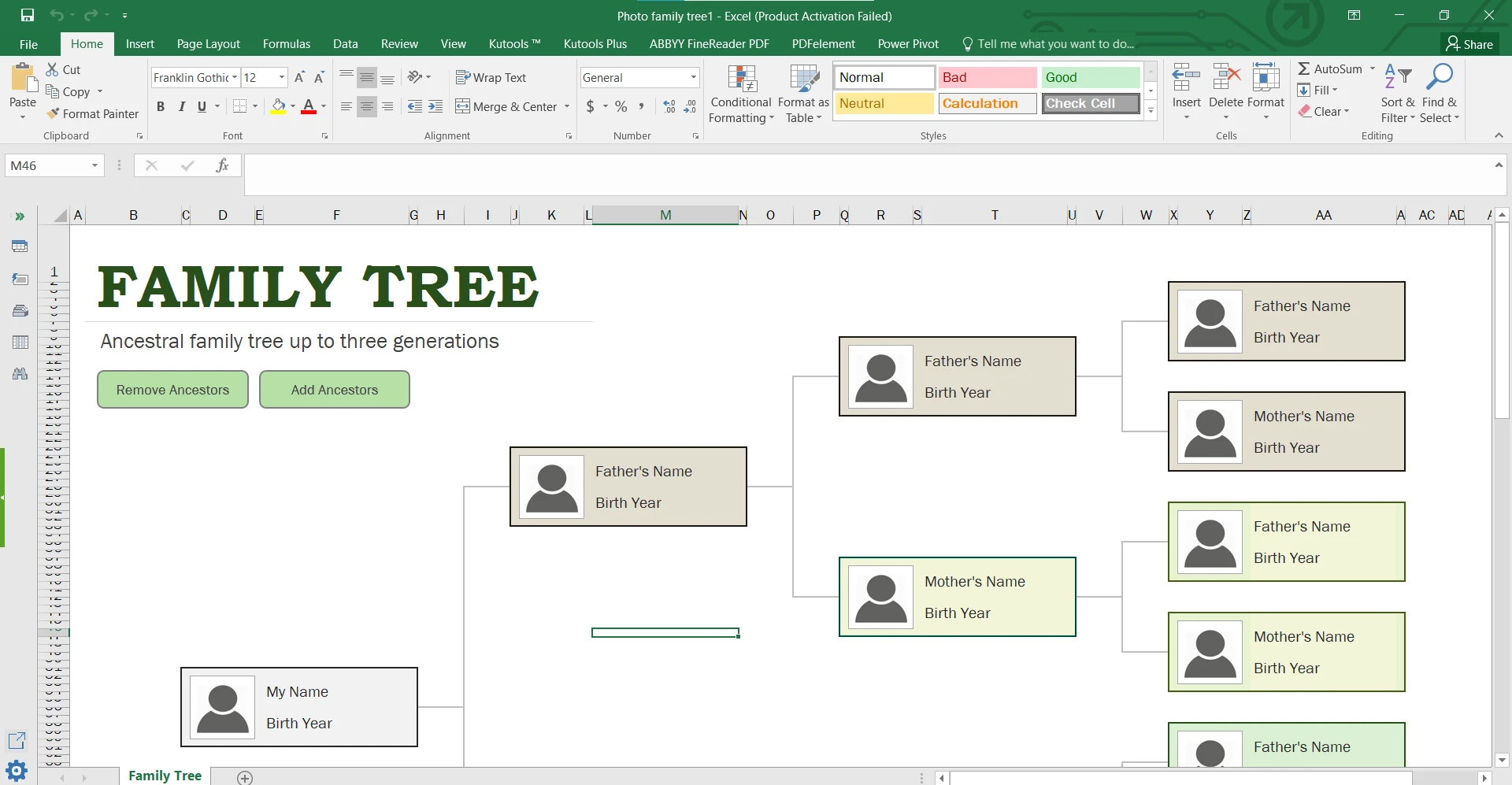 El archivo de Excel de ejemplo
Haz clic en "Archivo" en la esquina superior izquierda.
Selecciona "Guardar como" en el menú desplegable.
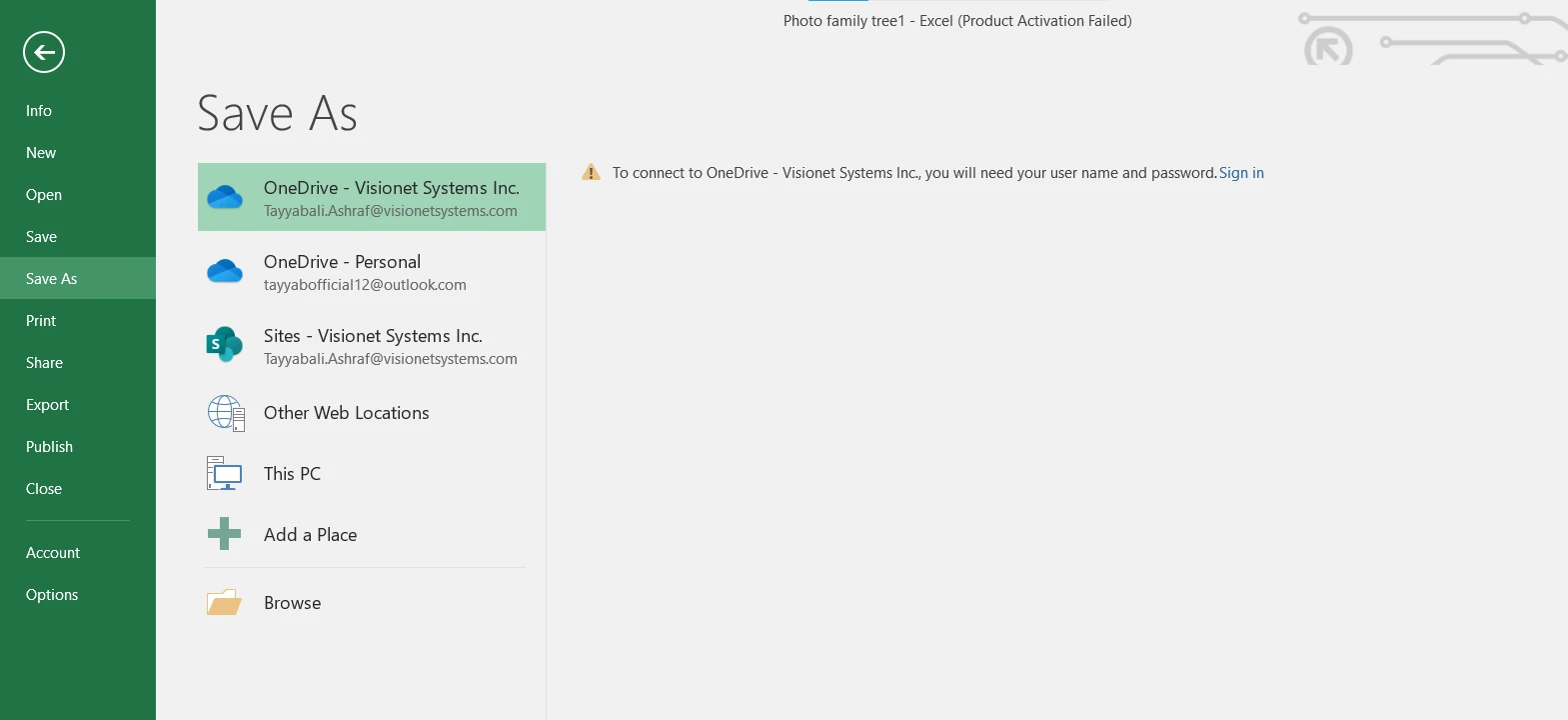 Cuadro de diálogo Guardar como
Elige la ubicación donde deseas guardar el archivo HTML.
En el menú desplegable "Guardar como tipo", selecciona "Página web de archivo único".
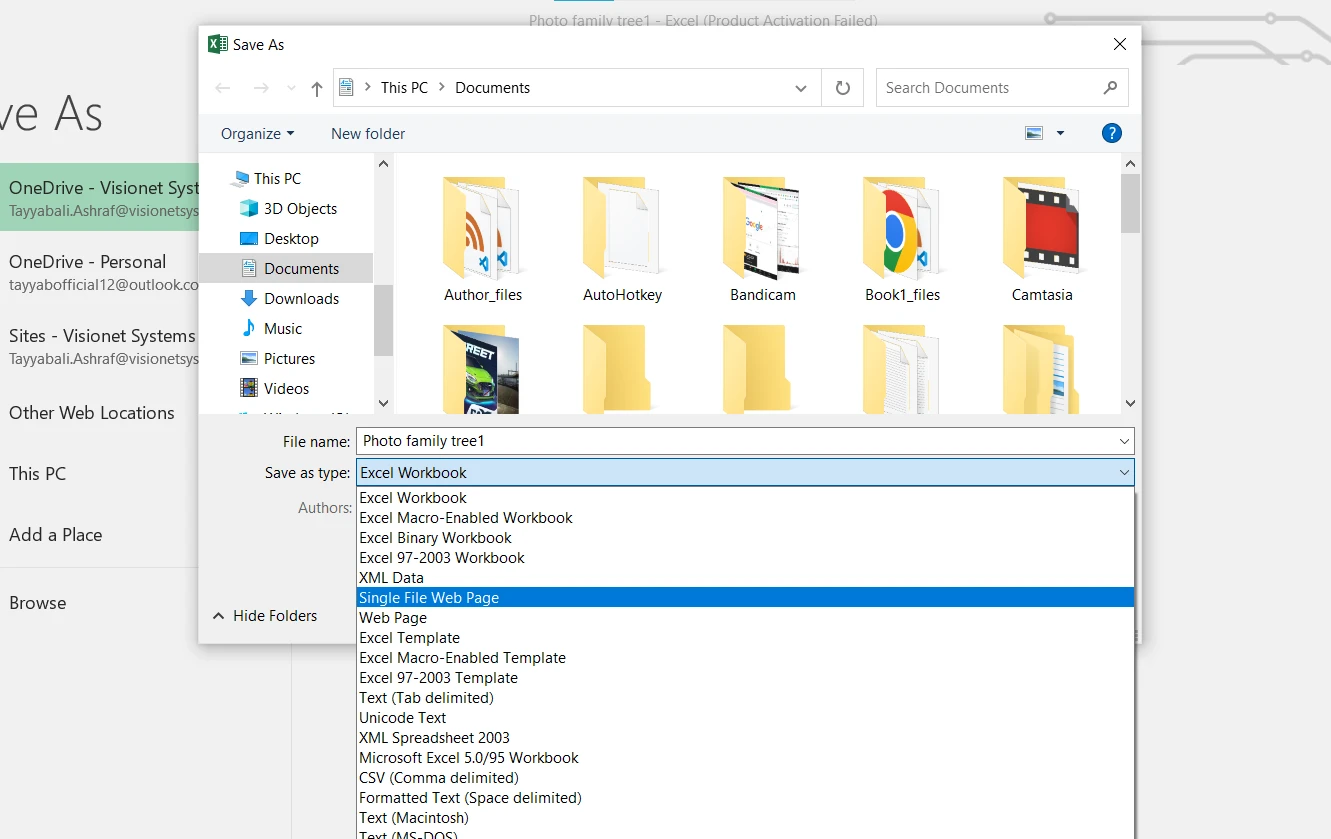 Selecciona una opción para guardar como archivo HTML
Haz clic en "Guardar".
¡Voilà! Tu archivo de Excel ha sido transformado en un documento HTML, listo para la siguiente etapa del proceso de conversión.
Para añadir IronPDF a un proyecto Maven, debe incluir la dependencia de IronPDF en el archivo pom.xml de su proyecto. Esto se puede hacer añadiendo el siguiente fragmento de código a la sección de dependencias del archivo pom.xml:
<dependency>
    <groupId>com.ironsoftware</groupId>
    <artifactId>ironpdf</artifactId>
    <version>5.0.0</version>
</dependency>En el código anterior, el groupId especifica el grupo u organización a la que pertenece la biblioteca, artifactId especifica la biblioteca en sí, y version especifica la versión específica de la biblioteca a usar.
Una vez que hayas añadido el fragmento de código anterior a tu archivo pom.xml y lo hayas guardado, la biblioteca IronPDF se descargará automáticamente desde el repositorio central de Maven cuando compiles tu proyecto utilizando Maven. Entonces podrás empezar a usar la biblioteca IronPDF en tu código Java.
Con el archivo HTML recién creado en mano, ahora es posible convertirlo a un PDF usando IronPDF for Java.
import com.ironsoftware.ironpdf.*;

import java.io.IOException;
import java.nio.file.Paths;Esto importa las clases requeridas de IronPDF y otras clases Java necesarias para manejar rutas de archivos y excepciones de entrada-salida.
License.setLicenseKey("YOUR-LICENSE-KEY");Esta línea establece tu clave de licencia de IronPDF, la cual habrías recibido al comprar la biblioteca. Reemplaza "YOUR-LICENSE-KEY" con tu clave de licencia real.
Establece la ruta de registro para IronPDF:
Settings.setLogPath(Paths.get("C:/tmp/IronPdfEngine.log"));Esta línea establece la ruta de registro para IronPDF. El archivo de registro almacenará cualquier mensaje de diagnóstico, errores o advertencias generados durante el proceso de conversión. En este ejemplo, el archivo de registro se guarda en el directorio C:/tmp/ con el nombre IronPDFEngine.log.
Renderizar HTML como un PDF:
PdfDocument myPdf = PdfDocument.renderHtmlFileAsPdf("excelToHtml.html");Esta línea utiliza el [método renderHtmlFileAsPdf](/java/object-reference/api/com/ironsoftware/ironpdf/PdfDocument.html#renderHtmlFileAsPdf(java.lang.String) ([documentación](/java/object-reference/api/com/ironsoftware/ironpdf/PdfDocument.html#renderHtmlFileAsPdf(java.lang.String) del método) para convertir el archivo HTML (denominado "excelToHtml.html") a un PdfDocument class reference. El documento PDF resultante se almacena en la variable myPdf.
Guarde el PdfDocument en un archivo:
myPdf.saveAs(Paths.get("ExcelToPdf.pdf"));Por último, esta línea guarda el objeto PdfDocument como un archivo PDF con el nombre "ExcelToPdf.pdf". El método Paths.get se utiliza para especificar la ruta del archivo. En este caso, el archivo PDF se guardará en el mismo directorio que el programa Java.
Echemos un vistazo al código completo en Java:
import com.ironsoftware.ironpdf.*;

import java.io.IOException;
import java.nio.file.Paths;
public class ExcelToPdfConverter {
public static void main(String[] args) {
// Apply your license key
License.setLicenseKey("YOUR-LICENSE-KEY");
// Set a log path
Settings.setLogPath(Paths.get("C:/tmp/IronPdfEngine.log"));
try {
// Render the HTML as a PDF and store it in myPdf as type PdfDocument
PdfDocument myPdf = PdfDocument.renderHtmlFileAsPdf("excelToHtml.html");
// Save the PdfDocument to a file
myPdf.saveAs(Paths.get("ExcelToPdf.pdf"));
} catch (IOException e) {
// Handle potential I/O errors
e.printStackTrace();
}
}
}El código anterior comienza con un archivo de Excel que podría haber sido inaccesible para algunos usuarios debido a problemas de compatibilidad. Luego lo convierte en un documento HTML, preservando su formato y estructura. Finalmente, se utiliza IronPDF for Java para generar un archivo PDF universalmente accesible que mantiene el formato original y puede ser fácilmente compartido con otros. También puedes convertir Excel a PDF usando IronPDF para desarrolladores C#.
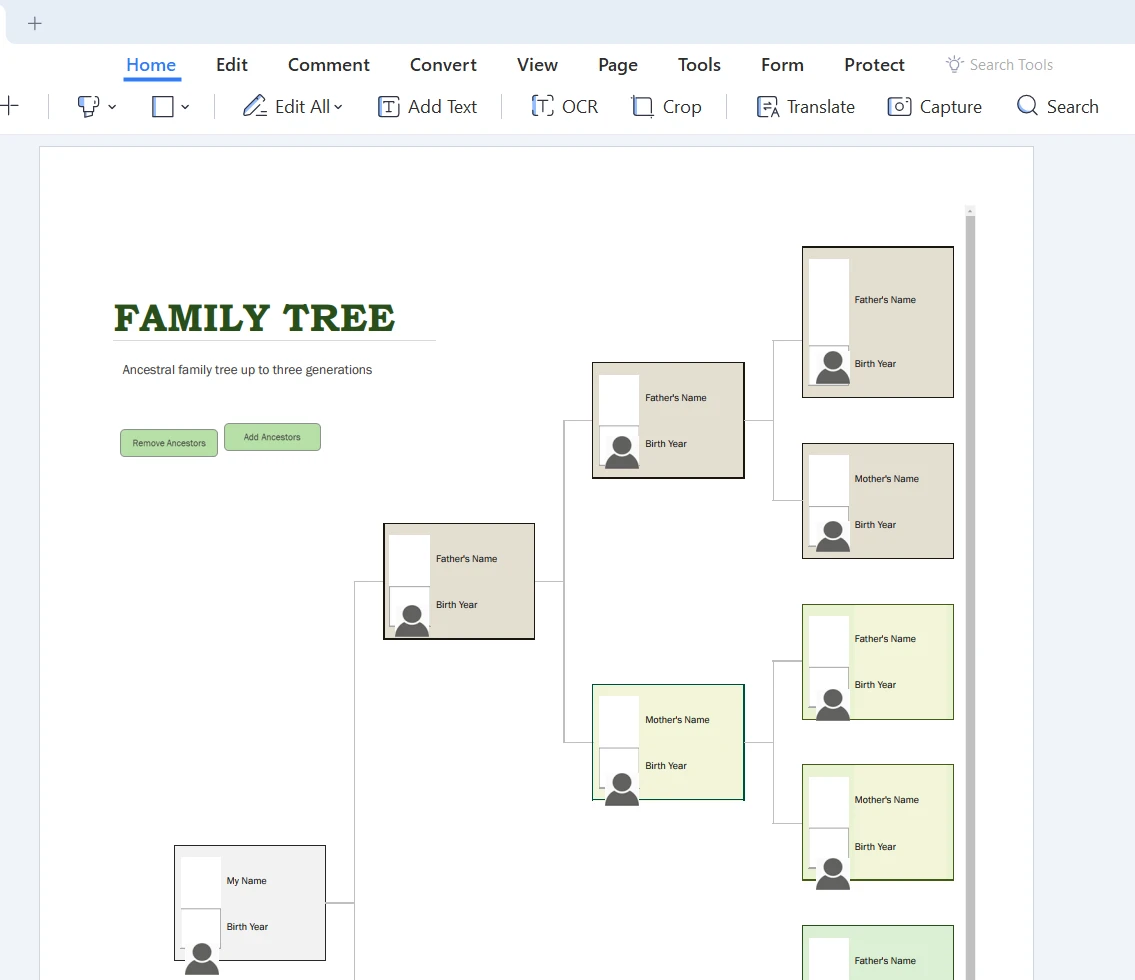 El archivo PDF de salida
Discutamos las razones por las que podrías querer convertir archivos de Excel a formato PDF usando Java. Aquí hay algunas razones comunes:
Presentación profesional: Los PDFs son ideales para compartir datos de manera profesional, ya que preservan el formato original de tus hojas de cálculo Excel.
Seguridad: Los PDFs ofrecen mejores opciones de seguridad comparadas con Excel, como protección con contraseña y restricciones al editar, copiar o imprimir.
Compatibilidad: Los PDFs se pueden abrir en casi cualquier dispositivo, asegurando que el destinatario pueda ver el archivo fácilmente sin problemas de compatibilidad.
Para entender verdaderamente los beneficios de usar Java para convertir Excel a PDF, veamos un ejemplo de la vida real. Jane es analista de datos que trabaja para una corporación multinacional. Ella es responsable de crear informes de rendimiento mensual que se comparten con su equipo y la gerencia superior. Los informes incluyen varios gráficos, tablas y formato condicional.
Antes de descubrir herramientas de conversión de Excel a PDF basadas en Java, Jane solía crear PDFs imprimiendo sus archivos de Excel como PDFs, lo que a menudo resultaba en problemas de formato y gráficos faltantes. Esto llevó a incontables horas de frustración y tiempo perdido, ya que tendría que reformatear los PDFs para asegurar que fueran precisos y presentables.
Una vez que Jane comenzó a usar herramientas de conversión de Excel a PDF basadas en Java, su vida cambió para mejor. El proceso de convertir archivos de Excel a HTML y luego a PDF utilizando herramientas basadas en Java no solo preservó el formato de sus informes, sino que también le ahorró horas de trabajo manual. Ahora podía centrarse en analizar los datos y mejorar el rendimiento de su equipo en lugar de luchar con las conversiones de archivos.
En conclusión, convertir Excel a PDF usando herramientas basadas en Java es un proceso simple y eficiente. Al convertir primero el archivo de Excel a un formato HTML y luego convertir el HTML a un PDF utilizando herramientas basadas en Java, puedes crear documentos PDF fácilmente accesibles y profesionales a partir de tus archivos de Excel.
Si estás interesado en probar herramientas de conversión de Excel a PDF basadas en Java, hay varias bibliotecas disponibles, como la biblioteca IronPDF. IronPDF ofrece una licencia de prueba gratuita para probar su biblioteca, y los precios comienzan en $999 por una licencia.

Curtis Chau tiene una licenciatura en Ciencias de la Computación (Carleton University) y se especializa en el desarrollo front-end con experiencia en Node.js, TypeScript, JavaScript y React. Apasionado por crear interfaces de usuario intuitivas y estéticamente agradables, disfruta trabajando con frameworks modernos y creando manuales bien estructurados y visualmente atractivos.

IronPDF es parte de IRONSUITE
10 productos API .NET para tus documentos de oficina











Cuando necesitas que tu PDF se parezca al HTML, rápido.

