
更新日 2026年9月4日
月次口座明細書をPDF文書として生成する
IronPDF C# PDFライブラリを使用することで、開発者は外部サービスに依存することなく、.NETプロジェクト内でHTMLを信頼性の高いPDFファイルに変換することができます。
詳しく読む

レポートは、データを構造化され視覚的に魅力的な形式で提示するために不可欠です。 販売データ、分析、または財務サマリーであろうと、レポートの生成はウェブアプリケーションで一般的な要件です。 Microsoft は RDLC レポートサービスを提供しており、Web フォーム レポート ビューア コントロールを使用して Web アプリケーションに統合できます。 しかし、そのプロセスはしばしば複雑で時間がかかります。
ここで IronPDF が登場します。 IronPDF は、ASP.NET およびその他の Web フレームワークでの PDF レポートの生成を簡素化する多用途なライブラリで、強力な機能と使いやすさを提供します。 この記事では、IronPDF を使用して ASP.NET でレポートを作成する方法を探ります。
IronPDF は、ASP.NET およびその他の Web フレームワークでの PDF ドキュメントの生成を簡素化する多用途のライブラリです。 その豊富な機能セットと直感的な API により、開発者が Web アプリケーションから直接動的なレポート、請求書、レシートなどを生成する場合に理想的な選択肢となります。 IronPDF を使用すると、開発者は HTML、CSS、および Razor ビューを高品質な PDF ドキュメントに簡単に変換でき、ASP.NET プロジェクトへのレポート機能のシームレスな統合が可能になります。
始める前に、次の前提条件を確認してください:
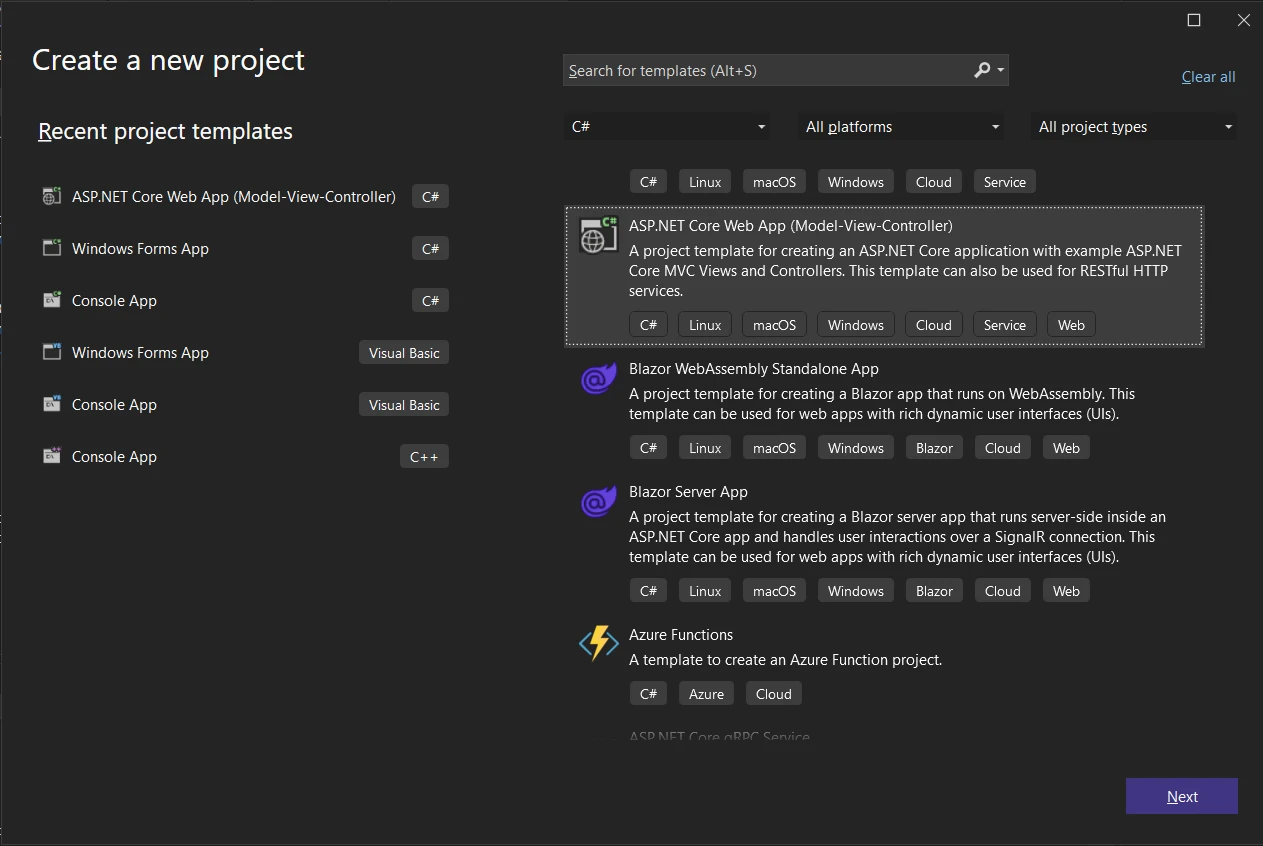
Visual Studio を開き、新しい ASP.NET Core プロジェクトを作成します。
希望するプロジェクトテンプレート(例: MVC または Razor ページ)を選択します。
プロジェクト名、場所、フレームワークバージョンなどのプロジェクト設定を構成します。
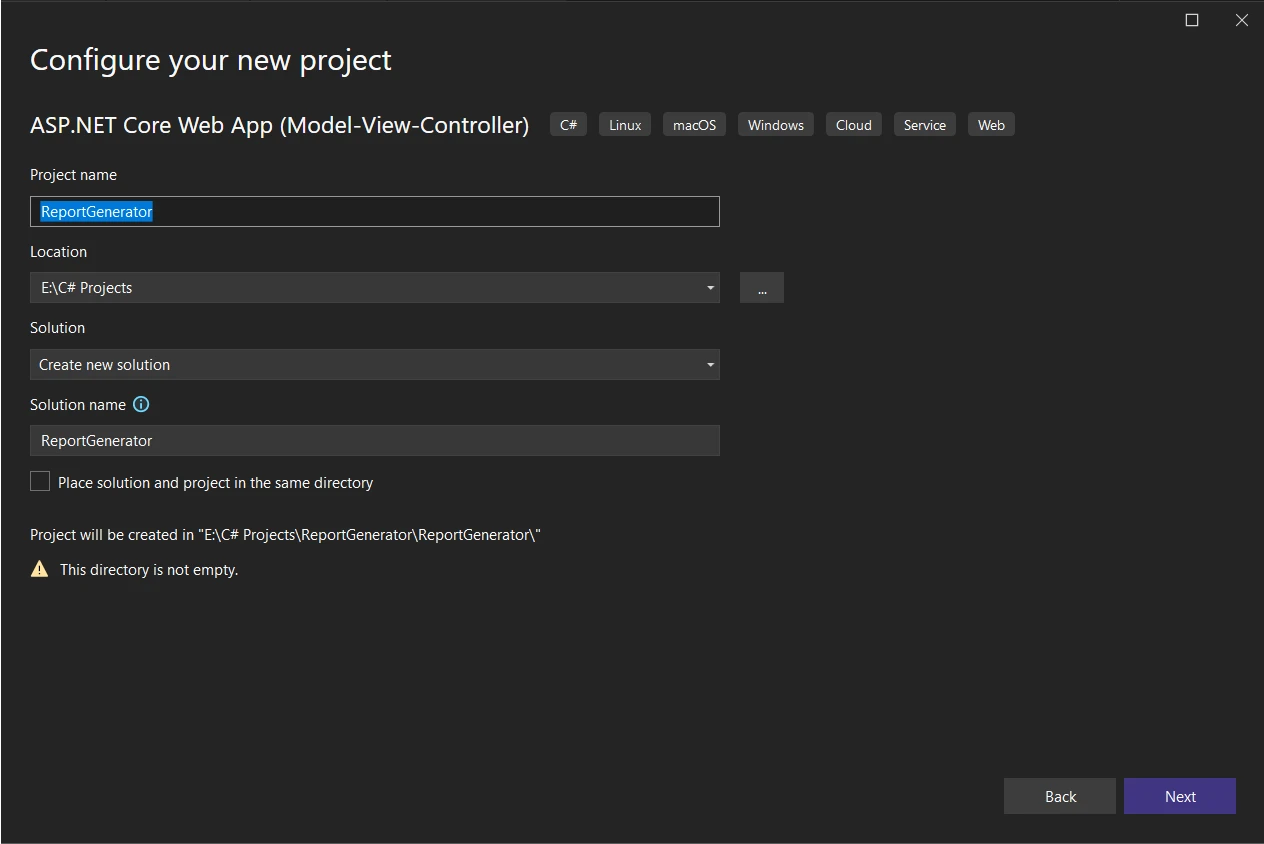
"作成" をクリックしてプロジェクト構造を生成します。
次に、NuGet パッケージ マネージャを使用して IronPDF とその MVC 拡張パッケージをインストールしましょう:
ソリューションエクスプローラーを右クリックして NuGet パッケージ マネージャーを開きます。
"IronPDF" と "IronPdf.Extensions.Mvc.Core" を検索します。
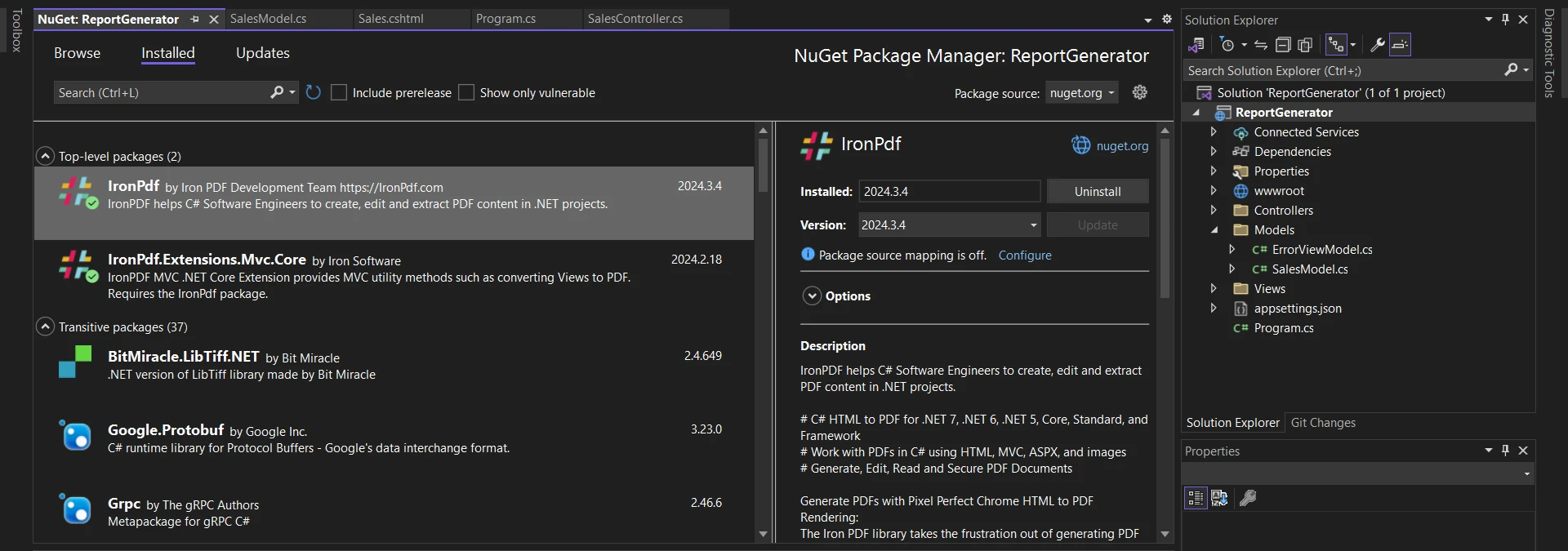
両方のパッケージをソリューションにインストールします。
それでは、IronPDF を使用して ASP.NET プロジェクトで PDF レポートを作成する手順を見ていきましょう。 ビューをレポートに変換する前に、新しいレポートを PDF 形式で作成およびダウンロードするためのデータソースを作成するためにモデル、ビュー、コントローラーが必要です。
まず、販売データを表すモデルクラス (SalesModel.cs) を作成します。 このサンプル SalesModel クラスには、Date、ProductName、Quantity、UnitPrice、および TotalAmount といったプロパティが含まれます。 これは、Microsoft SQL Server や MySQL Server といったデータソースから情報を取得する際に役立ちます。
namespace ReportGenerator.Models
{
    public class SalesModel
    {
        public DateTime Date { get; set; }
        public string ProductName { get; set; }
        public int Quantity { get; set; }
        public decimal UnitPrice { get; set; }
        public decimal TotalAmount => Quantity * UnitPrice;
    }
}Namespace ReportGenerator.Models
Public Class SalesModel
Public Property [Date]() As DateTime
Public Property ProductName() As String
Public Property Quantity() As Integer
Public Property UnitPrice() As Decimal
Public ReadOnly Property TotalAmount() As Decimal
Get
Return Quantity * UnitPrice
End Get
End Property
End Class
End Namespace次に、Razor ビュー (Sales.cshtml) を作成して、販売データを表形式で表示し、PDF レポートを生成するためのボタンを提供します。
<!-- Sales.cshtml -->
@model List<SalesModel>
<!DOCTYPE html>
<html>
<head>
    <title>Sales Report</title>
    <style>
        table {
            border-collapse: collapse;
            width: 100%;
        }
        th, td {
            border: 1px solid #dddddd;
            text-align: left;
            padding: 8px;
        }
        th {
            background-color: #f2f2f2;
        }
    </style>
</head>
<body>
    <h2>Sales Report</h2>
    <table>
        <tr>
            <th>Date</th>
            <th>Product Name</th>
            <th>Quantity</th>
            <th>Unit Price</th>
            <th>Total Amount</th>
        </tr>
        @foreach (var item in Model)
        {
            <tr>
                <td>@item.Date.ToShortDateString()</td>
                <td>@item.ProductName</td>
                <td>@item.Quantity</td>
                <td>@item.UnitPrice.ToString("C")</td>
                <td>@item.TotalAmount.ToString("C")</td>
            </tr>
        }
    </table>
    <br />
    @using (Html.BeginForm("GeneratePdf", "Sales", FormMethod.Post))
    {
        <button type="submit">Generate PDF Report</button>
    }
</body>
</html>次に、Views->Shared フォルダーにある _Layout.cshtml ファイルに Sales をメニュー項目として追加し、レポート ウィザード ビューを作成します:
<!-- Layout.cshtml -->
<li class="nav-item">
    <a class="nav-link text-dark" asp-area="" asp-controller="Sales" asp-action="Sales">Sales</a>
</li>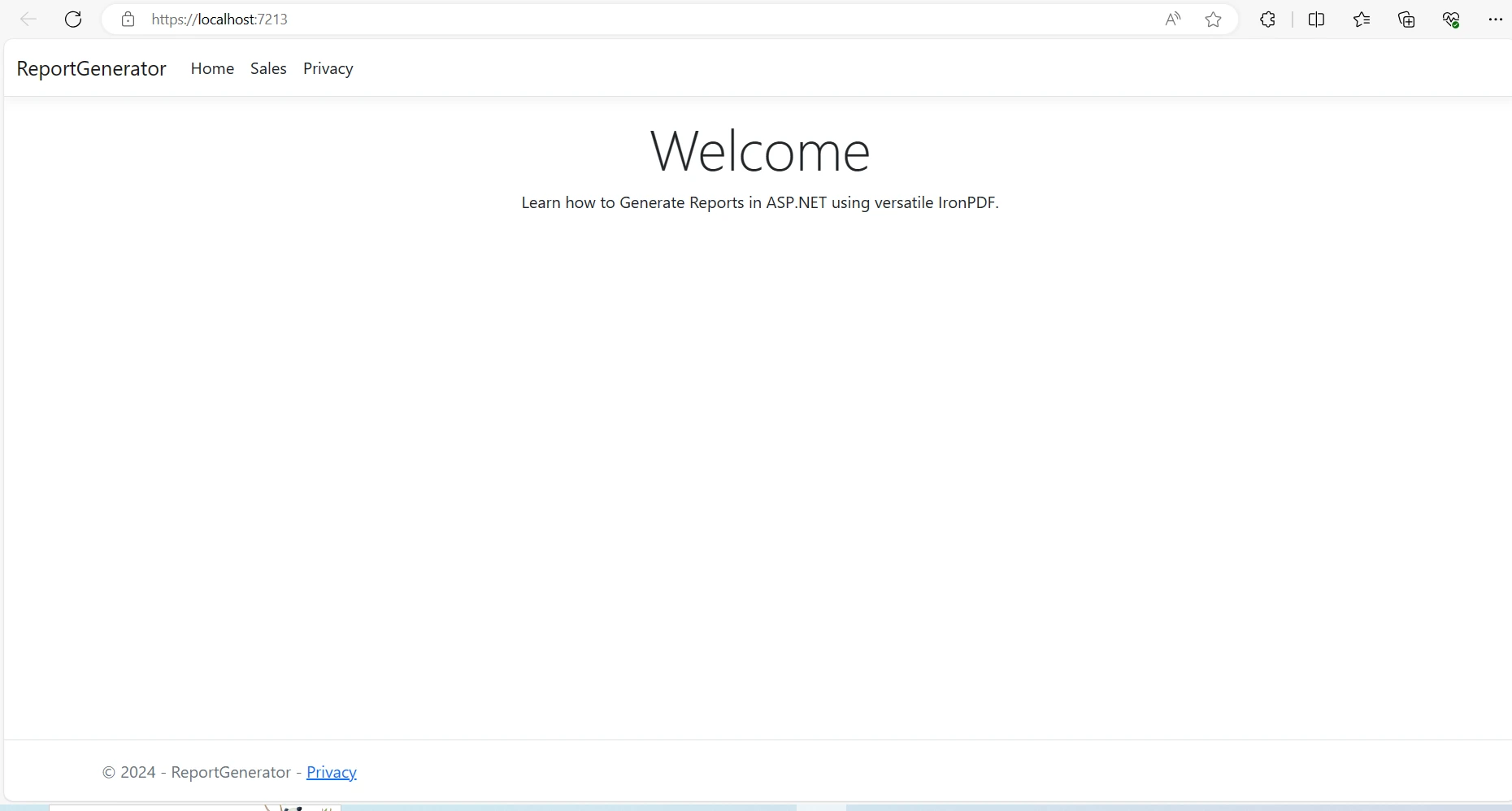
Program.cs ファイルにおけるビュー レンダリング サービスの登録は、依存性注入が正しく機能するために重要です。 以下のコードを Program.cs ファイルに追加して IRazorViewRenderer サービスを登録します:
// Register the IRazorViewRenderer service
builder.Services.AddSingleton<IRazorViewRenderer, RazorViewRenderer>();' Register the IRazorViewRenderer service
builder.Services.AddSingleton(Of IRazorViewRenderer, RazorViewRenderer)()販売ビューをレンダリングし、PDF レポートを生成するアクションを持つコントローラー (SalesController.cs) を実装します。 IronPDF によって提供される IRazorViewRenderer サービスをコントローラーのコンストラクターに注入します。
using ReportGenerator.Models;
namespace ReportGenerator.Controllers
{
    public class SalesController : Controller
    {
        private readonly IRazorViewRenderer _viewRenderService;
        private readonly List<SalesModel> salesData;

        public SalesController(IRazorViewRenderer viewRenderService)
        {
            _viewRenderService = viewRenderService;
            // Example data with sales information
            salesData = new List<SalesModel>
            {
                new SalesModel { Date = DateTime.Parse("2024-03-01"), ProductName = "Product A", Quantity = 10, UnitPrice = 50.00m },
                new SalesModel { Date = DateTime.Parse("2024-03-02"), ProductName = "Product B", Quantity = 15, UnitPrice = 40.00m },
                new SalesModel { Date = DateTime.Parse("2024-03-03"), ProductName = "Product C", Quantity = 20, UnitPrice = 30.00m }
                // Add more data as needed
            };
        }

        public IActionResult Sales()
        {
            // Renders the sales view with the sales data
            return View(salesData);
        }
    }
}Imports ReportGenerator.Models
Namespace ReportGenerator.Controllers
Public Class SalesController
Inherits Controller
Private ReadOnly _viewRenderService As IRazorViewRenderer
Private ReadOnly salesData As List(Of SalesModel)
Public Sub New(viewRenderService As IRazorViewRenderer)
_viewRenderService = viewRenderService
' Example data with sales information
salesData = New List(Of SalesModel) From {
New SalesModel With {.Date = DateTime.Parse("2024-03-01"), .ProductName = "Product A", .Quantity = 10, .UnitPrice = 50.0D},
New SalesModel With {.Date = DateTime.Parse("2024-03-02"), .ProductName = "Product B", .Quantity = 15, .UnitPrice = 40.0D},
New SalesModel With {.Date = DateTime.Parse("2024-03-03"), .ProductName = "Product C", .Quantity = 20, .UnitPrice = 30.0D}
' Add more data as needed
}
End Sub
Public Function Sales() As IActionResult
' Renders the sales view with the sales data
Return View(salesData)
End Function
End Class
End Namespace上記のコードでは、コンストラクター内部で IRazorViewRenderer サービスがプライベートフィールド _viewRenderService に割り当てられます。 加えて、コントローラーは SalesModel クラスのインスタンスを含む salesData という名前のリストを初期化し、デモ目的で販売情報を表します。
Sales() アクション メソッドは、salesData リストをモデルとして渡して"Sales"ビューを返します。 このアクションは、関連付けられたビューでの販売データのレンダリングを担当し、ユーザーが販売情報を表形式や他の望ましいレイアウトで視覚化できるようにします。
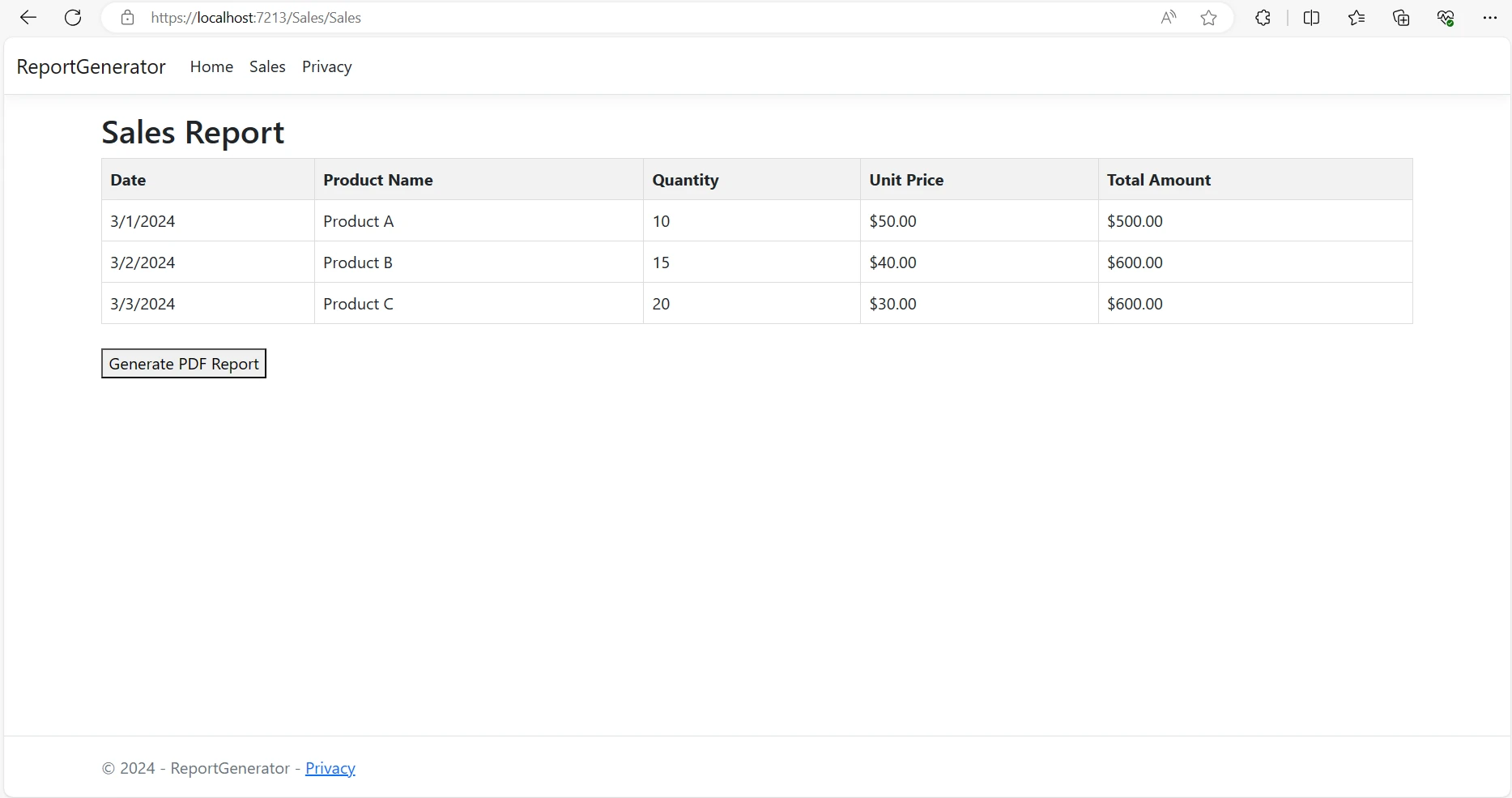
コントローラーの GeneratePdf アクションで、IronPDF の ChromePdfRenderer を使用して Razor ビューを PDF レポート ドキュメントにレンダリングします。 適切なレスポンス ヘッダを設定し、PDF ファイルをクライアントに返します。
public FileContentResult GeneratePdf()
{
    // Set license key for IronPDF
    License.LicenseKey = "YOUR-LICENSE-KEY-HERE";

    // Initialize the ChromePdfRenderer
    ChromePdfRenderer renderer = new ChromePdfRenderer();

    // Render the Sales Razor view to a PDF document
    PdfDocument pdf = renderer.RenderRazorViewToPdf(_viewRenderService, "Views/Sales/Sales.cshtml", salesData);

    // Set HTTP response header to display the PDF inline
    Response.Headers.Append("Content-Disposition", "inline");

    // Return the PDF document as a FileContentResult
    return File(pdf.BinaryData, "application/pdf", "SalesReport.pdf");
}Public Function GeneratePdf() As FileContentResult
' Set license key for IronPDF
License.LicenseKey = "YOUR-LICENSE-KEY-HERE"
' Initialize the ChromePdfRenderer
Dim renderer As New ChromePdfRenderer()
' Render the Sales Razor view to a PDF document
Dim pdf As PdfDocument = renderer.RenderRazorViewToPdf(_viewRenderService, "Views/Sales/Sales.cshtml", salesData)
' Set HTTP response header to display the PDF inline
Response.Headers.Append("Content-Disposition", "inline")
' Return the PDF document as a FileContentResult
Return File(pdf.BinaryData, "application/pdf", "SalesReport.pdf")
End Function上記のコードの動作を詳細に理解しましょう:
RenderRazorViewToPdf() メソッドが呼び出され、指定された Razor ビュー (Views/Sales/Sales.cshtml) を PDF ドキュメントにレンダリングします。 変数 salesData はビューのモデルとして使用されます。Response.Headers.Append("Content-Disposition", "inline");全体として、このメソッドは Razor ビューからの PDF レポート生成プロセスを効率的に調整し、ASP.NET アプリケーション内で報告能力を強化するための統合に適しています。
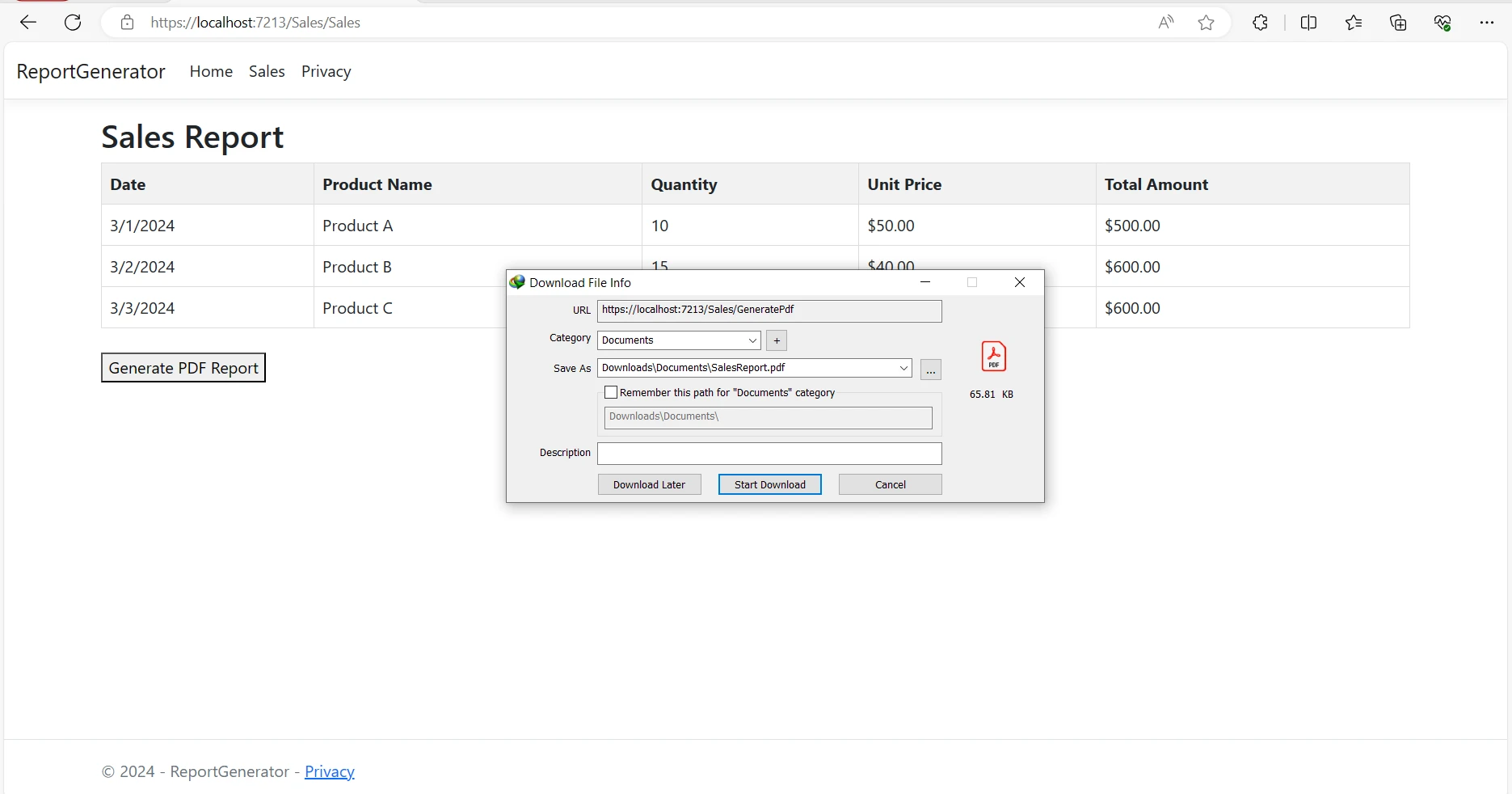
IronPDF が PDF レポート生成その他の PDF 関連のタスクのプロセスをどのように容易にするかについての詳細な情報は、ドキュメントページをご覧ください。
この記事では、IronPDF が ASP.NET アプリケーション内での PDF レポート生成プロセスをどのように簡素化するかを探ってきました。 上記のステップバイステップガイドに従うことで、IronPDF を迅速に ASP.NET プロジェクトに統合し、動的な PDF レポートを簡単に生成できます。
その豊富な機能セットとシームレスな統合により、IronPDF は開発者にプロの品質レポートを作成し、ユーザーおよびビジネスのニーズを満たします。

Curtis Chauは、カールトン大学でコンピュータサイエンスの学士号を取得し、Node.js、TypeScript、JavaScript、およびReactに精通したフロントエンド開発を専門としています。直感的で美しいユーザーインターフェースを作成することに情熱を持ち、Curtisは現代のフレームワークを用いた開発や、構造の良い視覚的に魅力的なマニュアルの作成を楽しんでいます。

IronPDF はIRONSUITEの一部です
オフィス文書向けの.NET API製品10個

PDFがHTMLのように見える必要があるとき、迅速に。