.NET 도움말 C# Forms (How it Works For Developers) 커티스 차우 업데이트됨:7월 28, 2025 다운로드 IronPDF NuGet 다운로드 DLL 다운로드 윈도우 설치 프로그램 무료 체험 시작하기 LLM용 사본 LLM용 사본 LLM용 마크다운 형식으로 페이지를 복사하세요 ChatGPT에서 열기 ChatGPT에 이 페이지에 대해 문의하세요 제미니에서 열기 제미니에게 이 페이지에 대해 문의하세요 Grok에서 열기 Grok에게 이 페이지에 대해 문의하세요 혼란 속에서 열기 Perplexity에게 이 페이지에 대해 문의하세요 공유하다 페이스북에 공유하기 트위터에 공유하기 LinkedIn에 공유하기 URL 복사 이메일로 기사 보내기 Introduction to Windows Form Project Type Windows Forms, commonly referred to as "WinForms", is a graphical user interface (GUI) library in the .NET Framework and .NET Core Framework. With Windows Forms, developers can create rich, interactive desktop applications for Windows. This tutorial will walk you through the steps to create a new project on the basic Windows Forms app using Visual Studio, a popular integrated development environment (IDE) for .NET developers. Setting Up Visual Studio Before diving into creating your Windows Forms app, you'll need Visual Studio installed. It's the primary tool used to develop Windows Forms applications. Installing Visual Studio Download Visual Studio from the official Visual Studio website. Run the installer and select the ".NET desktop development" workload. This includes the necessary tools for building Windows Forms applications. Complete the installation process. Starting a New Windows Forms Project Open Visual Studio. Go to the File option in the menu bar and select New > Project. This will open the 'new project dialog box'. In the dialog box, search for "Windows Forms App" and select it. Ensure you're choosing the right version based on whether you're using the .NET Core Framework or the older .NET Framework. Click on Next, give your project a name, and click Create in the dialog box. You've now successfully created a new Windows Form application! The Basics of Windows Forms When you create a new Windows Form application in Visual Studio, a blank form titled 'Form1' will be displayed. This form is the canvas where you'll design your application's GUI. Understanding the Visual Studio Interface Solution Explorer: On the right side, the Solution Explorer shows all files and resources in your project. Double-click on 'Form1.cs' here to bring the form into view. Properties Window: Below the Solution Explorer, the properties window displays the properties of the selected item on the form. Here, you can modify properties like size, color, text, etc. Toolbox: On the left side, this contains all the controls (such as buttons, labels, text boxes) you can drag onto your form. Adding Controls to Your Form Adding controls to your form is as easy as dragging and dropping from the toolbox: Find the Button control in the toolbox and drag it onto your form. This is your 'button control'. Similarly, drag a Label control and a CheckBox control onto your form. Adjust their positions as needed. Each of these controls has properties that can be adjusted in the properties window. For instance, select the button control and change its Text property to "Click Me". Making Your Windows Forms App Interactive An app is more than just its appearance; it needs functionality! Adding Event Handlers to Controls Double-click on the button control you added. Visual Studio will automatically create an event handler in the code behind the form. In this event handler method, add the following code: // This event handler changes the text of 'label1' when the button is clicked. private void button1_Click(object sender, EventArgs e) { label1.Text = "Button was clicked!"; } // This event handler changes the text of 'label1' when the button is clicked. private void button1_Click(object sender, EventArgs e) { label1.Text = "Button was clicked!"; } $vbLabelText $csharpLabel Now, every time you click the button in your Windows form application, the label's text will change to "Button was clicked!". Running Your Application Click on the green 'Start' button at the top or press F5. This will compile and run your application. The main method is the entry point of the app, and your form should appear on the screen. Try clicking the button to see your label's text change. Advanced Controls and Features Grouping Controls Using the GroupBox control, you can group related controls, enhancing organization and user experience. From the toolbox, drag a GroupBox onto your form. Add other controls into this group by dragging them inside the GroupBox. Using the MenuStrip Control A MenuStrip control provides a menu bar for your Windows Forms app. Drag the MenuStrip control from the toolbox onto your form. Click on it to add menu items like "File", "Edit", etc. Handling Multiple Forms A real-world Windows Forms application often uses multiple forms. Right-click on your project in the solution explorer > Add > New Item. Choose "Windows Form", name it, and click Add. To open this new form from your main form, use: // Opens 'Form2' when called. private void OpenForm2() { Form2 newForm = new Form2(); newForm.Show(); } // Opens 'Form2' when called. private void OpenForm2() { Form2 newForm = new Form2(); newForm.Show(); } $vbLabelText $csharpLabel Integrating Iron Suite Products into Windows Forms Application Windows Forms, being a highly flexible platform, allows the integration of third-party tools and libraries to further extend its capabilities. One such notable suite of tools comes from Iron Suite, which comprises a set of powerful products tailored for developers. Let's delve into these products and see how they can supercharge your Windows Forms applications. Iron Suite is a compilation of developer tools designed to simplify complex tasks within C# and .NET projects. These tools, while standalone in their capabilities, complement one another, making them ideal for comprehensive projects such as those you might be developing with Windows Forms. IronPDF Explore IronPDF's PDF Manipulation Capabilities is a versatile library designed to work with PDFs within the .NET environment. Imagine creating a Windows Forms app that generates reports or manages documents. With IronPDF, you can generate, edit, and even convert PDFs seamlessly. It can easily be integrated into your Windows Forms application, allowing you to provide robust PDF functionalities without much hassle. IronXL Learn About IronXL for Excel File Management Dealing with Excel files is common in many applications, especially those centered around data management. IronXL is your go-to tool for this purpose. With IronXL, your Windows Forms application can read, write, edit, and even create Excel spreadsheets. This opens up myriad possibilities like creating dynamic reports, managing datasets, or importing/exporting data to and from your application. IronOCR Discover the Power of IronOCR Optical Character Recognition (OCR) is a technology that converts different types of documents, such as scanned paper documents, PDFs, or images captured by a digital camera, into editable data. IronOCR is a leading tool in this domain. By integrating IronOCR into your Windows Forms application, you can extract text from images, scanned documents, or even PDFs. Think of applications that digitize printed data or tools that assist in document management – IronOCR can be the backbone of these functionalities. IronBarcode Leverage IronBarcode for Barcode Solutions In today's digital age, barcodes and QR codes are ubiquitous. Whether for inventory management, ticket verification, or product scanning, these codes are essential. IronBarcode allows your Windows Forms application to generate, read, and work with various barcodes and QR codes. Integrating this can lead to more interactive and dynamic applications, especially in retail, event management, or inventory-related projects. Conclusion Windows Forms offers a vast landscape for creating interactive applications, and when paired with tools like those from Iron Suite, the possibilities become endless. Each product from Iron Suite, whether it's IronPDF, IronXL, IronOCR, or IronBarcode, starts from $799. What's even more enticing is that each product offers a 30-day free trial of Iron Suite products, allowing you to test and experience their capabilities fully. For those looking to maximize value, Iron Suite provides a compelling offer: you can acquire the entire Iron Suite for the price of just two products. This not only provides financial savings but also equips you with a comprehensive set of tools to elevate your Windows Forms applications to new heights. 자주 묻는 질문 Visual Studio에서 Windows Forms 프로젝트를 설정하려면 어떻게 하나요? Visual Studio에서 파일 > 새로 만들기 > 프로젝트로 이동하여 'Windows Forms 앱'을 선택한 다음 설정 프롬프트에 따라 Windows Forms 프로젝트를 설정할 수 있습니다. '.NET 데스크톱 개발' 워크로드가 설치되어 있는지 확인합니다. Windows Forms 개발에서 솔루션 탐색기의 역할은 무엇인가요? Visual Studio의 솔루션 탐색기는 프로젝트의 파일과 리소스를 관리하여 Windows Forms 애플리케이션의 구성 요소를 쉽게 탐색하고 구성할 수 있도록 도와줍니다. Windows Forms 애플리케이션을 대화형으로 만들려면 어떻게 해야 하나요? 버튼 클릭과 같은 사용자 작업에 응답하는 이벤트 핸들러를 추가하여 애플리케이션을 대화형으로 만들 수 있습니다. 이벤트 핸들러는 특정 이벤트가 발생할 때 실행되는 메서드입니다. Windows Forms 애플리케이션에서 어떤 고급 기능을 구현할 수 있나요? 고급 기능에는 컨트롤 그룹화, 간편한 탐색을 위한 MenuStrip 컨트롤 사용, 복잡한 애플리케이션을 만들기 위한 여러 양식 관리 등이 포함됩니다. Windows Forms 애플리케이션 내에서 PDF 파일을 관리할 수 있나요? 예, IronPDF를 프로젝트에 통합하면 PDF 파일을 관리하여 애플리케이션 내에서 직접 PDF를 생성, 편집, 변환하는 등의 기능을 사용할 수 있습니다. Windows Forms 앱에서 Excel 파일을 어떻게 처리할 수 있나요? IronXL은 Excel 스프레드시트를 동적으로 읽고, 쓰고, 편집하고, 생성하는 기능을 제공하여 Windows Forms 앱에서 Excel 파일을 처리하는 데 사용할 수 있습니다. Windows Forms 애플리케이션에서 IronOCR을 사용하면 어떤 이점이 있나요? IronOCR을 사용하면 Windows Forms 애플리케이션에서 광학 문자 인식을 수행할 수 있으므로 이미지와 스캔한 문서에서 텍스트를 효율적으로 추출할 수 있습니다. Windows Forms 애플리케이션에 바코드 스캔 기능을 추가하려면 어떻게 해야 하나요? 재고 관리와 같은 다양한 애플리케이션에서 바코드와 QR 코드를 모두 생성하고 판독할 수 있는 IronBarcode를 사용하여 바코드 스캔 기능을 추가할 수 있습니다. 커티스 차우 지금 바로 엔지니어링 팀과 채팅하세요 기술 문서 작성자 커티스 차우는 칼턴 대학교에서 컴퓨터 과학 학사 학위를 취득했으며, Node.js, TypeScript, JavaScript, React를 전문으로 하는 프론트엔드 개발자입니다. 직관적이고 미적으로 뛰어난 사용자 인터페이스를 만드는 데 열정을 가진 그는 최신 프레임워크를 활용하고, 잘 구성되고 시각적으로 매력적인 매뉴얼을 제작하는 것을 즐깁니다. 커티스는 개발 분야 외에도 사물 인터넷(IoT)에 깊은 관심을 가지고 있으며, 하드웨어와 소프트웨어를 통합하는 혁신적인 방법을 연구합니다. 여가 시간에는 게임을 즐기거나 디스코드 봇을 만들면서 기술에 대한 애정과 창의성을 결합합니다. 관련 기사 업데이트됨 12월 11, 2025 Bridging CLI Simplicity & .NET : Using Curl DotNet with IronPDF Jacob Mellor has bridged this gap with CurlDotNet, a library created to bring the familiarity of cURL to the .NET ecosystem. 더 읽어보기 업데이트됨 12월 20, 2025 RandomNumberGenerator C# Using the RandomNumberGenerator C# class can help take your PDF generation and editing projects to the next level 더 읽어보기 업데이트됨 12월 20, 2025 C# String Equals (How it Works for Developers) When combined with a powerful PDF library like IronPDF, switch pattern matching allows you to build smarter, cleaner logic for document processing 더 읽어보기 C# Json Serializer (How it Works For Developers)C# AS (How it Works For Developers)
업데이트됨 12월 11, 2025 Bridging CLI Simplicity & .NET : Using Curl DotNet with IronPDF Jacob Mellor has bridged this gap with CurlDotNet, a library created to bring the familiarity of cURL to the .NET ecosystem. 더 읽어보기
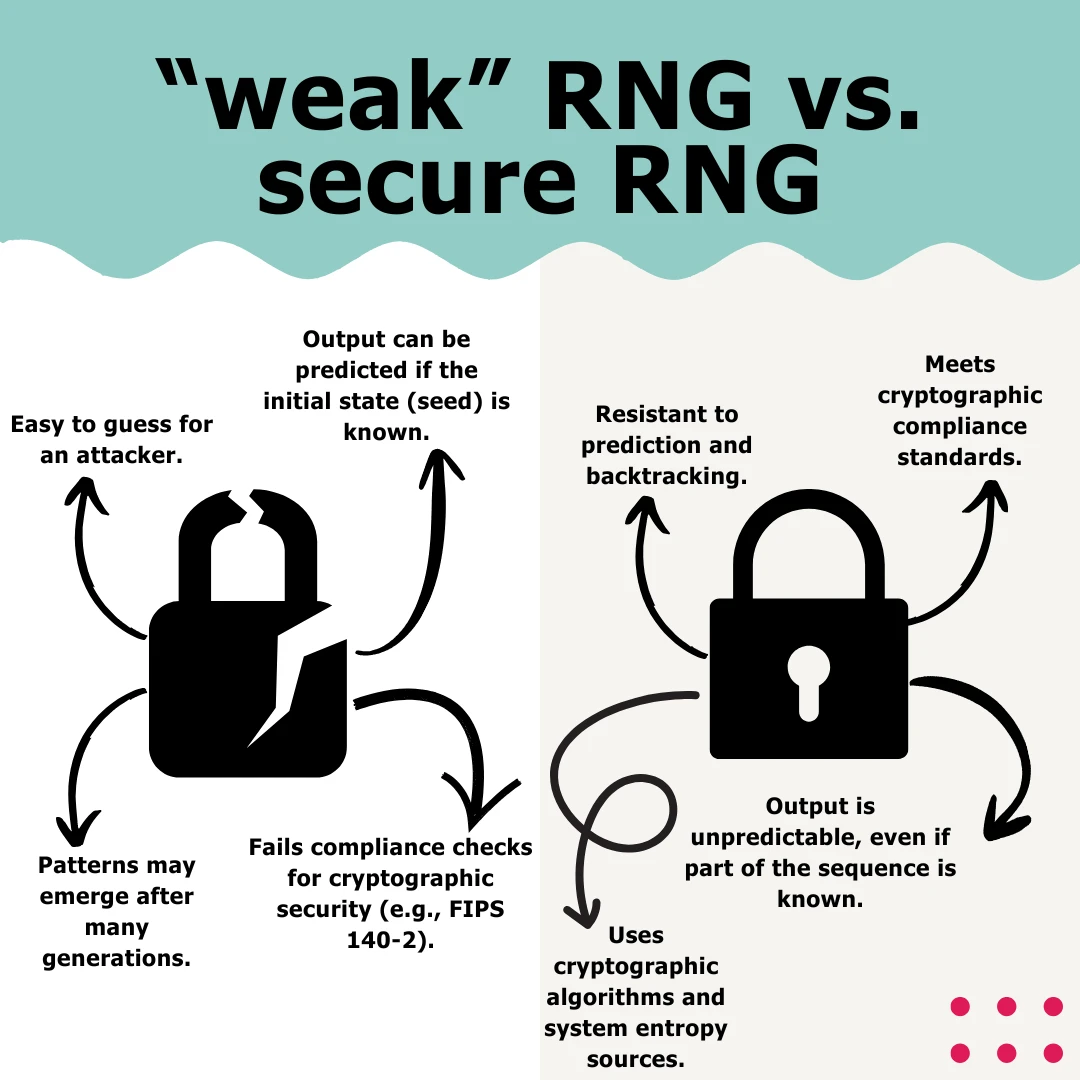
업데이트됨 12월 20, 2025 RandomNumberGenerator C# Using the RandomNumberGenerator C# class can help take your PDF generation and editing projects to the next level 더 읽어보기
업데이트됨 12월 20, 2025 C# String Equals (How it Works for Developers) When combined with a powerful PDF library like IronPDF, switch pattern matching allows you to build smarter, cleaner logic for document processing 더 읽어보기