




업데이트됨 2026년 4월 23일
.NET에서 Microsoft.Extensions.AI로 LLM 통합 간소화
AI는 소프트웨어 개발을 변혁하고 있으나, 대규모 언어 모델(LLM)을 .NET에 통합하는 것은 지금까지 복잡했습니다. 현대에는 OpenAI 기반 PDF 파싱, 데이터 추출 및 콘텐츠 요약을 .NET 애플리케이션에 가져오는 IronPdf.AI로 AI 통합을 더욱 확장하세요.
더 읽어보기

NativeUI는 Grand Theft Auto (GTA) 모딩 커뮤니티의 C# 개발자들에게 필수적인 프레임워크입니다. 쉬운 중첩 메뉴 시스템과 사용자 정의 배너 생성이 간단하여 GTA 모더들에게 사용자 친화적인 접근 방식과 다양한 화면 해상도에 대한 적응성 덕분에 인기가 높습니다. NativeUI MOD는 GTA 게임에서 발견되는 중첩 메뉴의 스타일과 반응성을 반영한 빠르고 Rockstar 같은 메뉴를 생성하도록 설계되었습니다. 이 튜토리얼에서는 NativeUI가 무엇인지 이해하고 IronPDF와의 통합 방법을 알아보겠습니다.
NativeUI는 중첩 메뉴를 쉽게 생성하여 이벤트 기반 콜백 및 항목 설명을 위한 복잡한 코드 없이 세련된 인터페이스를 만들고자 하는 모더들에게 매우 유용합니다. 다양한 화면 해상도에 적응할 수 있어 메뉴들이 다양한 디스플레이에서 시각적으로 매력적으로 보입니다. NativeUI의 강점 중 하나는 복잡한 메뉴 구조를 쉽게 만들 수 있는 손쉬운 중첩 메뉴 시스템으로, 개발자가 맞춤형 안내 버튼과 함께 복잡한 메뉴 구조를 쉽게 생성할 수 있게 합니다. 초보자를 위해 NativeUI의 위키 문서는 메뉴 생성에 대한 단계별 지침을 제공하는 귀중한 자원입니다.
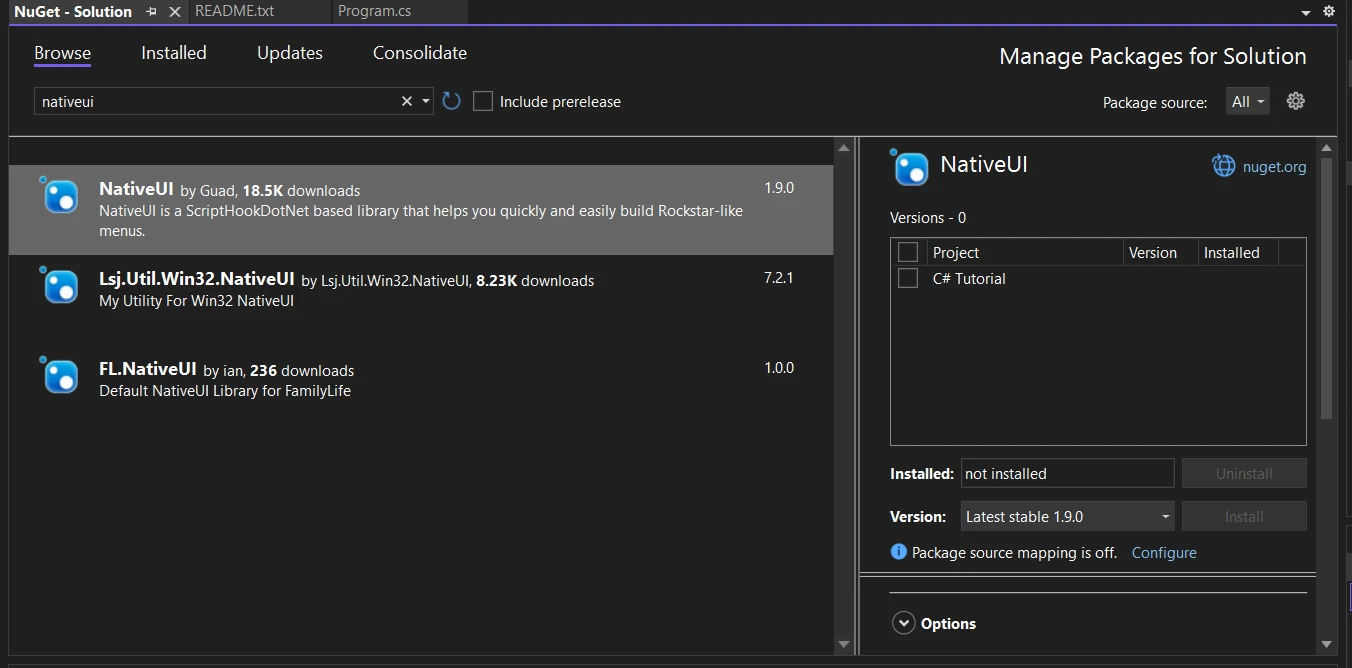
Visual Studio에서의 초기 설정은 NativeUI 라이브러리를 다운로드하고 .dll 파일을 모드 프로젝트에 포함하는 것으로 시작됩니다. NativeUI 라이브러리는 인기 있는 C# 저장소를 통해 제공되는 패키지이므로 프로젝트에 쉽게 통합할 수 있습니다. 설치는 간단합니다. NativeUI 설정 시 개발 환경과 NativeUI 라이브러리 간의 호환 버전을 확보하여 최적의 성능을 보장해야 합니다.
NativeUI로 첫 번째 메뉴를 만드는 것은 흥미로운 단계입니다. 이 라이브러리는 사용이 용이하도록 설계되어 있어 항목 설명, 간단한 버튼, 심지어는 사용자 정의 배너까지 큰 어려움 없이 추가할 수 있습니다. 처음 시작하는 사람들에게는 기본 스크립트로 시작하여 점차적으로 더 복잡한 기능을 추가하는 것이 권장됩니다. 여기 간단한 메뉴 예제가 있으며, 텍스처가 포함된 기본 메뉴를 생성합니다:
using System;
using System.Windows.Forms;
using NativeUI;

public class YourFirstMenu : Script
{
    private MenuPool _menuPool;
    private UIMenu mainMenu;

    public YourFirstMenu()
    {
        _menuPool = new MenuPool();
        mainMenu = new UIMenu("NativeUI", "SELECT AN OPTION");
        _menuPool.Add(mainMenu);
        AddMenuItems(mainMenu);
        _menuPool.RefreshIndex();

        // Subscribe to event handlers for updating and input control
        Tick += OnTick;
        KeyDown += OnKeyDown;
    }

    private void AddMenuItems(UIMenu menu)
    {
        var item1 = new UIMenuItem("Item 1", "Description for Item 1");
        menu.AddItem(item1);

        // Set up an event for when an item is selected
        menu.OnItemSelect += (sender, item, index) =>
        {
            if (item == item1)
            {
                // Do something when Item 1 is selected
            }
        };
    }

    private void OnTick(object sender, EventArgs e)
    {
        // Process the pool to handle drawing and interactions
        _menuPool.ProcessMenus();
    }

    private void OnKeyDown(object sender, KeyEventArgs e)
    {
        // Toggle the visibility of the menu with F5 key
        if (e.KeyCode == Keys.F5 && !_menuPool.IsAnyMenuOpen())
            mainMenu.Visible = !mainMenu.Visible;
    }
}Imports System
Imports System.Windows.Forms
Imports NativeUI
Public Class YourFirstMenu
Inherits Script
Private _menuPool As MenuPool
Private mainMenu As UIMenu
Public Sub New()
_menuPool = New MenuPool()
mainMenu = New UIMenu("NativeUI", "SELECT AN OPTION")
_menuPool.Add(mainMenu)
AddMenuItems(mainMenu)
_menuPool.RefreshIndex()
' Subscribe to event handlers for updating and input control
AddHandler Me.Tick, AddressOf OnTick
AddHandler Me.KeyDown, AddressOf OnKeyDown
End Sub
Private Sub AddMenuItems(ByVal menu As UIMenu)
Dim item1 = New UIMenuItem("Item 1", "Description for Item 1")
menu.AddItem(item1)
' Set up an event for when an item is selected
AddHandler menu.OnItemSelect, Sub(sender, item, index)
If item = item1 Then
' Do something when Item 1 is selected
End If
End Sub
End Sub
Private Sub OnTick(ByVal sender As Object, ByVal e As EventArgs)
' Process the pool to handle drawing and interactions
_menuPool.ProcessMenus()
End Sub
Private Sub OnKeyDown(ByVal sender As Object, ByVal e As KeyEventArgs)
' Toggle the visibility of the menu with F5 key
If e.KeyCode = Keys.F5 AndAlso Not _menuPool.IsAnyMenuOpen() Then
mainMenu.Visible = Not mainMenu.Visible
End If
End Sub
End Class이 스크립트는 한 개의 항목을 가진 기본 메뉴를 설정하고 해당 항목의 선택을 처리합니다. NativeUI는 이벤트 기반 콜백을 활용하므로 메뉴의 작업이 특정 이벤트를 활성화하여 UI가 상호작용적이고 반응성 있게 합니다.
NativeUI의 주요 특징은 기능적이고 사용자 친화적인 메뉴를 만들 수 있는 능력입니다. 라이브러리는 마우스 컨트롤을 지원합니다. 마우스 컨트롤 외에도 NativeUI는 게임 컨트롤러로 쉽게 탐색할 수 있도록 종합적인 컨트롤러 지원을 자랑합니다. 사용자 상호작용을 더욱 향상시키기 위해 맞춤형 안내 버튼을 추가하여 사용자가 메뉴 옵션을 쉽게 탐색할 수 있도록 안내할 수 있습니다.
NativeUI는 높은 수준의 사용자 정의를 허용합니다. 메뉴에 고유한 텍스처와 맞춤형 배너를 장식할 수 있으며, 이는 독창적인 외관을 부여합니다. 이러한 개인적 터치 추가는 메뉴를 더욱 시각적으로 매력적으로 만들어주면서 사용자에게 더욱 몰입감 있는 경험을 제공합니다.
private void CustomizeMenu(UIMenu menu)
{
    // Set a custom banner texture for the menu
    menu.SetBannerType("texture.png");

    // Change the color of a specific menu item to red
    menu.ChangeItemColour("Item 1", System.Drawing.Color.FromArgb(255, 0, 0));
}Private Sub CustomizeMenu(menu As UIMenu)
' Set a custom banner texture for the menu
menu.SetBannerType("texture.png")
' Change the color of a specific menu item to red
menu.ChangeItemColour("Item 1", System.Drawing.Color.FromArgb(255, 0, 0))
End Sub
IronPDF는 .NET에서 PDF 파일을 다루기 위한 종합적인 라이브러리입니다. 개발자는 새로운 PDF를 생성하고 기존 PDF를 편집하며, HTML을 PDF로 변환할 수 있게 하므로, PDF 문서를 처리해야 하는 모든 C# 애플리케이션에 필수적인 라이브러리입니다.
C# 프로젝트에서 IronPDF를 NativeUI와 통합하려면 IronPDF 패키지를 Visual Studio 프로젝트에 추가해야 합니다. 이는 Visual Studio의 NuGet 패키지 관리자를 통해 쉽게 할 수 있습니다. 설정이 완료되면 NativeUI로 생성된 UI 요소와 함께 IronPDF의 기능을 사용할 수 있습니다.
NativeUI 인터페이스에서 사용자 입력을 기반으로 보고서를 생성해야 하는 애플리케이션을 고려하십시오. IronPDF를 사용하여 이를 달성하는 방법은 다음과 같습니다:
using IronPdf;
using NativeUI;
using System;

public class ReportGenerator : Script
{
    private MenuPool _menuPool;
    private UIMenu mainMenu;

    public ReportGenerator()
    {
        _menuPool = new MenuPool();
        mainMenu = new UIMenu("Report Generator", "SELECT AN OPTION");
        _menuPool.Add(mainMenu);
        AddPdfGenerationOption(mainMenu);
        _menuPool.RefreshIndex();

        // Subscribe to event handlers for updating and input control
        Tick += OnTick;
        KeyDown += OnKeyDown;
    }

    private void AddPdfGenerationOption(UIMenu menu)
    {
        var generateReportItem = new UIMenuItem("Generate Report", "Create a PDF report");
        menu.AddItem(generateReportItem);

        // Set up an event for when an item is selected
        menu.OnItemSelect += (sender, item, index) =>
        {
            if (item == generateReportItem)
            {
                CreatePdfReport();
            }
        };
    }

    private void CreatePdfReport()
    {
        var renderer = new ChromePdfRenderer();
        var pdf = renderer.RenderHtmlAsPdf("<h1>Report</h1><p>Report details...</p>");
        pdf.SaveAs("Report.pdf");

        // Notification to the user that the PDF report has been generated
        Console.WriteLine("PDF report generated and saved as Report.pdf");
    }

    private void OnTick(object sender, EventArgs e)
    {
        // Process the pool to handle drawing and interactions
        _menuPool.ProcessMenus();
    }

    private void OnKeyDown(object sender, KeyEventArgs e)
    {
        // Toggle the visibility of the menu with F5 key
        if (e.KeyCode == Keys.F5 && !_menuPool.IsAnyMenuOpen())
            mainMenu.Visible = !mainMenu.Visible;
    }
}Imports IronPdf
Imports NativeUI
Imports System
Public Class ReportGenerator
Inherits Script
Private _menuPool As MenuPool
Private mainMenu As UIMenu
Public Sub New()
_menuPool = New MenuPool()
mainMenu = New UIMenu("Report Generator", "SELECT AN OPTION")
_menuPool.Add(mainMenu)
AddPdfGenerationOption(mainMenu)
_menuPool.RefreshIndex()
' Subscribe to event handlers for updating and input control
AddHandler Me.Tick, AddressOf OnTick
AddHandler Me.KeyDown, AddressOf OnKeyDown
End Sub
Private Sub AddPdfGenerationOption(ByVal menu As UIMenu)
Dim generateReportItem = New UIMenuItem("Generate Report", "Create a PDF report")
menu.AddItem(generateReportItem)
' Set up an event for when an item is selected
AddHandler menu.OnItemSelect, Sub(sender, item, index)
If item = generateReportItem Then
CreatePdfReport()
End If
End Sub
End Sub
Private Sub CreatePdfReport()
Dim renderer = New ChromePdfRenderer()
Dim pdf = renderer.RenderHtmlAsPdf("<h1>Report</h1><p>Report details...</p>")
pdf.SaveAs("Report.pdf")
' Notification to the user that the PDF report has been generated
Console.WriteLine("PDF report generated and saved as Report.pdf")
End Sub
Private Sub OnTick(ByVal sender As Object, ByVal e As EventArgs)
' Process the pool to handle drawing and interactions
_menuPool.ProcessMenus()
End Sub
Private Sub OnKeyDown(ByVal sender As Object, ByVal e As KeyEventArgs)
' Toggle the visibility of the menu with F5 key
If e.KeyCode = Keys.F5 AndAlso Not _menuPool.IsAnyMenuOpen() Then
mainMenu.Visible = Not mainMenu.Visible
End If
End Sub
End ClassC# 애플리케이션에서 NativeUI와 IronPDF의 통합은 기능성과 사용자 경험을 크게 향상시킬 수 있는 강력한 조합입니다. 비즈니스 보고서 생성, 교육 도구 또는 종합적인 데이터 양식 등 이 조합은 개발자가 정교하고 고품질의 애플리케이션을 구축할 수 있는 강력한 플랫폼을 제공합니다. 창의력과 심사숙고한 구현을 통해 이 통합의 잠재적 응용 프로그램은 광범위하고 다양합니다.
IronPDF의 무료 체험판으로 시작하고 그 잠재력을 탐험해 보세요. 커밋할 준비가 되면, 라이선스는 단지 $999에서 시작합니다 - 이런 강력한 기능에 대해 작은 가격입니다!
제이콥 멜러는 Iron Software의 최고 기술 책임자(CTO)이자 C# PDF 기술을 개척한 선구적인 엔지니어입니다. Iron Software의 핵심 코드베이스를 최초로 개발한 그는 창립 초기부터 회사의 제품 아키텍처를 설계해 왔으며, CEO인 캐머런 리밍턴과 함께 회사를 NASA, 테슬라, 그리고 전 세계 정부 기관에 서비스를 제공하는 50명 이상의 직원을 보유한 기업으로 성장시켰습니다.

IronPDF는 IRON SUITE 의 일부입니다.
10개의 .NET API 제품, 당신의 사무 문서를 위해

PDF 파일을 HTML처럼 빠르게 변환해야 할 때.


