C# Using(開發者的工作原理)

即使你剛開始學習 C#,你可能已經接觸過 using 指令。如果你是 IronPDF 用戶,你會非常熟悉以命名空間 using ironpdf 開始你的程式碼。
然而,using 關鍵字還有另一種用途。 在本指南中,我們將探討 using statement - 它是什麼、如何運作,以及如何幫助您建立更有效率的程式碼。 讓我們深入瞭解!
什麼是 C# 使用?
C# 中的 using 語句是使用實作 IDisposable 介面的資源的方便方法。 IDisposable 物件通常會保留未經管理的資源,例如檔案句柄或網路連線,當您使用完畢後需要釋放這些資源。 這就是使用說明發揮作用的地方 - 它可以幫助您確保這些資源在使用後得到妥善的處理。
Using 語句如何運作
當您使用 using 語句時,C# 會在不再需要物件時,自動呼叫物件上的 Dispose 方法。 這表示您不必手動呼叫 Dispose 方法或擔心忘記呼叫。 使用說明會幫您搞定這一點!
讓我們來看看一個簡單的範例,看看 using statement 在實際應用中是如何運作的:
using System;
using System.IO;

class Program
{
    static void Main()
    {
        // Using a using statement to ensure StreamReader is disposed of
        using (StreamReader reader = new StreamReader("example.txt"))
        {
            string content = reader.ReadToEnd();
            Console.WriteLine(content);
        }
    }
}
using System;
using System.IO;
class Program
{
static void Main()
{
// Using a using statement to ensure StreamReader is disposed of
using (StreamReader reader = new StreamReader("example.txt"))
{
string content = reader.ReadToEnd();
Console.WriteLine(content);
}
}
}Imports System
Imports System.IO
Friend Class Program
Shared Sub Main()
' Using a using statement to ensure StreamReader is disposed of
Using reader As New StreamReader("example.txt")
Dim content As String = reader.ReadToEnd()
Console.WriteLine(content)
End Using
End Sub
End Class在這個範例中,名為 reader 的 StreamReader 物件包裝在一個 using 區塊中。 當 using 區塊退出時,讀取器會自動呼叫 Dispose 方法,釋放它所保留的任何資源。
使用區塊 vs. 使用宣告。
從 C# 8.0 開始,您可以使用 using 宣告來取代 using 區塊。 using 聲明是定義一次性物件的一種更短更簡潔的方式,就像這樣:
using System;
using System.IO;

class Program
{
    static void Main()
    {
        // Using the using declaration simplifies the code
        using var reader = new StreamReader("example.txt");
        string content = reader.ReadToEnd();
        Console.WriteLine(content);
    }
}
using System;
using System.IO;
class Program
{
static void Main()
{
// Using the using declaration simplifies the code
using var reader = new StreamReader("example.txt");
string content = reader.ReadToEnd();
Console.WriteLine(content);
}
}Imports System
Imports System.IO
Friend Class Program
Shared Sub Main()
' Using the using declaration simplifies the code
Dim reader = New StreamReader("example.txt")
Dim content As String = reader.ReadToEnd()
Console.WriteLine(content)
End Sub
End Class有了 using 聲明,您就不需要大括號或縮排,讓您的程式碼更具可讀性。 當變數離開範圍時,仍會自動呼叫 Dispose 方法。
Try 區塊、Finally 區塊和 Using 語句。
您可能想知道 using 語句與 C# 中的 try 和 finally 區塊有何關聯。 那麼,using 語句實際上是 try-finally 區塊的縮寫!
以下是與之前相同的範例,但在撰寫時使用 try-finally 區塊而非 using 語句:
using System;
using System.IO;

class Program
{
    static void Main()
    {
        StreamReader reader = null;
        try
        {
            reader = new StreamReader("example.txt");
            string content = reader.ReadToEnd();
            Console.WriteLine(content);
        }
        finally
        {
            if (reader != null)
            {
                reader.Dispose();
            }
        }
    }
}
using System;
using System.IO;
class Program
{
static void Main()
{
StreamReader reader = null;
try
{
reader = new StreamReader("example.txt");
string content = reader.ReadToEnd();
Console.WriteLine(content);
}
finally
{
if (reader != null)
{
reader.Dispose();
}
}
}
}Imports System
Imports System.IO
Module Program
Sub Main()
Dim reader As StreamReader = Nothing
Try
reader = New StreamReader("example.txt")
Dim content As String = reader.ReadToEnd()
Console.WriteLine(content)
Finally
If reader IsNot Nothing Then
reader.Dispose()
End If
End Try
End Sub
End Module正如您所看到的,using 語句移除了 try-finally 區塊和對 Dispose 方法的明確呼叫,使代碼更乾淨、更易讀。
管理多種資源
using statement 的一大優點是可以同時處理多種資源。 您可以一個接一個堆疊 using 語句,或使用單一 using 語句來處理逗號分隔清單中的多個資源。下面的範例展示了這兩種方法:
using System;
using System.IO;

class Program
{
    static void Main()
    {
        // Stacking using statements for multiple disposable resources
        using (StreamReader reader1 = new StreamReader("example1.txt"))
        using (StreamReader reader2 = new StreamReader("example2.txt"))
        {
            string content1 = reader1.ReadToEnd();
            string content2 = reader2.ReadToEnd();
            Console.WriteLine($"Content from example1.txt:\n{content1}\nContent from example2.txt:\n{content2}");
        }

        // Attempting to use a single using statement with multiple resources (not valid)
        // Note: This method using comma-separated resources is not supported in C#
    }
}
using System;
using System.IO;
class Program
{
static void Main()
{
// Stacking using statements for multiple disposable resources
using (StreamReader reader1 = new StreamReader("example1.txt"))
using (StreamReader reader2 = new StreamReader("example2.txt"))
{
string content1 = reader1.ReadToEnd();
string content2 = reader2.ReadToEnd();
Console.WriteLine($"Content from example1.txt:\n{content1}\nContent from example2.txt:\n{content2}");
}
// Attempting to use a single using statement with multiple resources (not valid)
// Note: This method using comma-separated resources is not supported in C#
}
}Imports Microsoft.VisualBasic
Imports System
Imports System.IO
Friend Class Program
Shared Sub Main()
' Stacking using statements for multiple disposable resources
Using reader1 As New StreamReader("example1.txt")
Using reader2 As New StreamReader("example2.txt")
Dim content1 As String = reader1.ReadToEnd()
Dim content2 As String = reader2.ReadToEnd()
Console.WriteLine($"Content from example1.txt:" & vbLf & "{content1}" & vbLf & "Content from example2.txt:" & vbLf & "{content2}")
End Using
End Using
' Attempting to use a single using statement with multiple resources (not valid)
' Note: This method using comma-separated resources is not supported in C#
End Sub
End Class注意:C# 不支援單一 using 語句包含多個以逗號分隔的資源。 每個資源都需要有自己的使用說明。
實作 IDisposable 介面
有時候,您可能會建立自己的自訂類別來管理一個或多個資源。 如果您的類別負責處理一次性物件或非管理資源,您應該實作 IDisposable 介面。
以下是一個實作 IDisposable 介面的自訂類別範例:
using System;
using System.IO;

public class CustomResource : IDisposable
{
    private StreamReader _reader;

    public CustomResource(string filePath)
    {
        _reader = new StreamReader(filePath);
    }

    public void ReadContent()
    {
        string content = _reader.ReadToEnd();
        Console.WriteLine(content);
    }

    public void Dispose()
    {
        if (_reader != null)
        {
            _reader.Dispose();
            _reader = null;
        }
    }
}
using System;
using System.IO;
public class CustomResource : IDisposable
{
private StreamReader _reader;
public CustomResource(string filePath)
{
_reader = new StreamReader(filePath);
}
public void ReadContent()
{
string content = _reader.ReadToEnd();
Console.WriteLine(content);
}
public void Dispose()
{
if (_reader != null)
{
_reader.Dispose();
_reader = null;
}
}
}Imports System
Imports System.IO
Public Class CustomResource
Implements IDisposable
Private _reader As StreamReader
Public Sub New(ByVal filePath As String)
_reader = New StreamReader(filePath)
End Sub
Public Sub ReadContent()
Dim content As String = _reader.ReadToEnd()
Console.WriteLine(content)
End Sub
Public Sub Dispose() Implements IDisposable.Dispose
If _reader IsNot Nothing Then
_reader.Dispose()
_reader = Nothing
End If
End Sub
End Class在這個範例中,CustomResource 類別管理一個 StreamReader 物件,這是一個一次性的物件。 透過實作 IDisposable 介面並實作 Dispose 方法,我們可以對這個類別的實體使用 using 語句。
以下是您如何在 CustomResource 類中使用 using 語句:
class Program
{
    static void Main()
    {
        using (CustomResource resource = new CustomResource("example.txt"))
        {
            resource.ReadContent();
        }
    }
}
class Program
{
static void Main()
{
using (CustomResource resource = new CustomResource("example.txt"))
{
resource.ReadContent();
}
}
}Friend Class Program
Shared Sub Main()
Using resource As New CustomResource("example.txt")
resource.ReadContent()
End Using
End Sub
End Class當 using 區塊結束時,Dispose 方法將會被呼叫,處置它所管理的 StreamReader 物件。
使用 Using 語句處理異常。
using statement 的另一個好處是有助於更優雅地處理異常。 如果在 using 區塊中發生異常,仍會在資源上呼叫 Dispose 方法,以確保適當的清理。
例如,請考慮以下程式碼:
using System;
using System.IO;

class Program
{
    static void Main()
    {
        try
        {
            using (StreamReader reader = new StreamReader("nonexistentfile.txt"))
            {
                string content = reader.ReadToEnd();
                Console.WriteLine(content);
            }
        }
        catch (FileNotFoundException ex)
        {
            Console.WriteLine($"Error: {ex.Message}");
        }
    }
}
using System;
using System.IO;
class Program
{
static void Main()
{
try
{
using (StreamReader reader = new StreamReader("nonexistentfile.txt"))
{
string content = reader.ReadToEnd();
Console.WriteLine(content);
}
}
catch (FileNotFoundException ex)
{
Console.WriteLine($"Error: {ex.Message}");
}
}
}Imports System
Imports System.IO
Friend Class Program
Shared Sub Main()
Try
Using reader As New StreamReader("nonexistentfile.txt")
Dim content As String = reader.ReadToEnd()
Console.WriteLine(content)
End Using
Catch ex As FileNotFoundException
Console.WriteLine($"Error: {ex.Message}")
End Try
End Sub
End Class在這種情況下,如果程式碼發生 FileNotFoundException,該異常會被 catch 區塊捕獲並處理。 即使異常發生在 using 區塊中,仍會在 StreamReader 物件上呼叫 Dispose 方法,以確保沒有資源外洩。
使用 IronPDF 和 Using Statement
IronPDF 是一種常用的函式庫,用於在 C# 和 .NET 應用程式中建立、編輯和提取 PDF 檔案。 與其他使用資源的函式庫一樣,IronPDF 也可以從 using statement 中獲益,以確保資源管理得宜。
讓我們來探討如何在 IronPDF 中使用 using 語句,從 HTML 字串建立 PDF 文件,展現 using 語句在實際情境中的威力。
首先,確保您已在專案中安裝 IronPDF NuGet 套件:
Install-Package IronPdf
現在,讓我們從 PDF 檔案中擷取所有資料:
using IronPdf;

class Program
{
    static void Main()
    {
        // Using a using statement with IronPDF to ensure resources are managed
        using (PdfDocument pdfDocument = PdfDocument.FromFile("PDFData.pdf"))
        {
            string extractedText = pdfDocument.ExtractAllText();
            Console.WriteLine(extractedText);
        }
    }
}
using IronPdf;
class Program
{
static void Main()
{
// Using a using statement with IronPDF to ensure resources are managed
using (PdfDocument pdfDocument = PdfDocument.FromFile("PDFData.pdf"))
{
string extractedText = pdfDocument.ExtractAllText();
Console.WriteLine(extractedText);
}
}
}Imports IronPdf
Friend Class Program
Shared Sub Main()
' Using a using statement with IronPDF to ensure resources are managed
Using pdfDocument As PdfDocument = PdfDocument.FromFile("PDFData.pdf")
Dim extractedText As String = pdfDocument.ExtractAllText()
Console.WriteLine(extractedText)
End Using
End Sub
End Class在這段程式碼中,我們使用 PdfDocument.FromFile 方法開啟名為"PDFData.pdf"的 PDF 檔案。 這個方法會返回一個 PdfDocument 範例,我們將它包裝在一個 using 語句中。
在 using 程式碼區塊中,我們呼叫 PdfDocument 實例上的 ExtractAllText 來擷取 PDF 中的所有文字。 當 using 區塊退出時,Dispose 方法會自動在 PdfDocument 上呼叫,釋放它所持有的任何資源。
透過在 PdfDocument 中使用 using 語句,我們可以確保在完成從 PDF 檔案中擷取文字之後,即使在過程中發生異常,也能正確關閉 PDF 檔案。 這是一個很好的例子,說明 using 語句如何在 C# 中協助有效管理資源。
!a href="/static-assets/pdf/blog/csharp-using/csharp-using-1.webp">C# Using Statement
包裝。
以上就是使用說明的簡介! 我們已經看到它如何確保有效處理一次性物件,無縫管理一個或多個資源。 using statement 不僅有助於保持程式碼的整潔,還能增強 C# 專案的可讀性。
我們還介紹了 IronPDF,這是一個用於在 C# 中操作 PDF 的強大程式庫。 結合 IronPDF 使用 using statement 展示此代碼功能的實際應用,強化概念及其重要性。
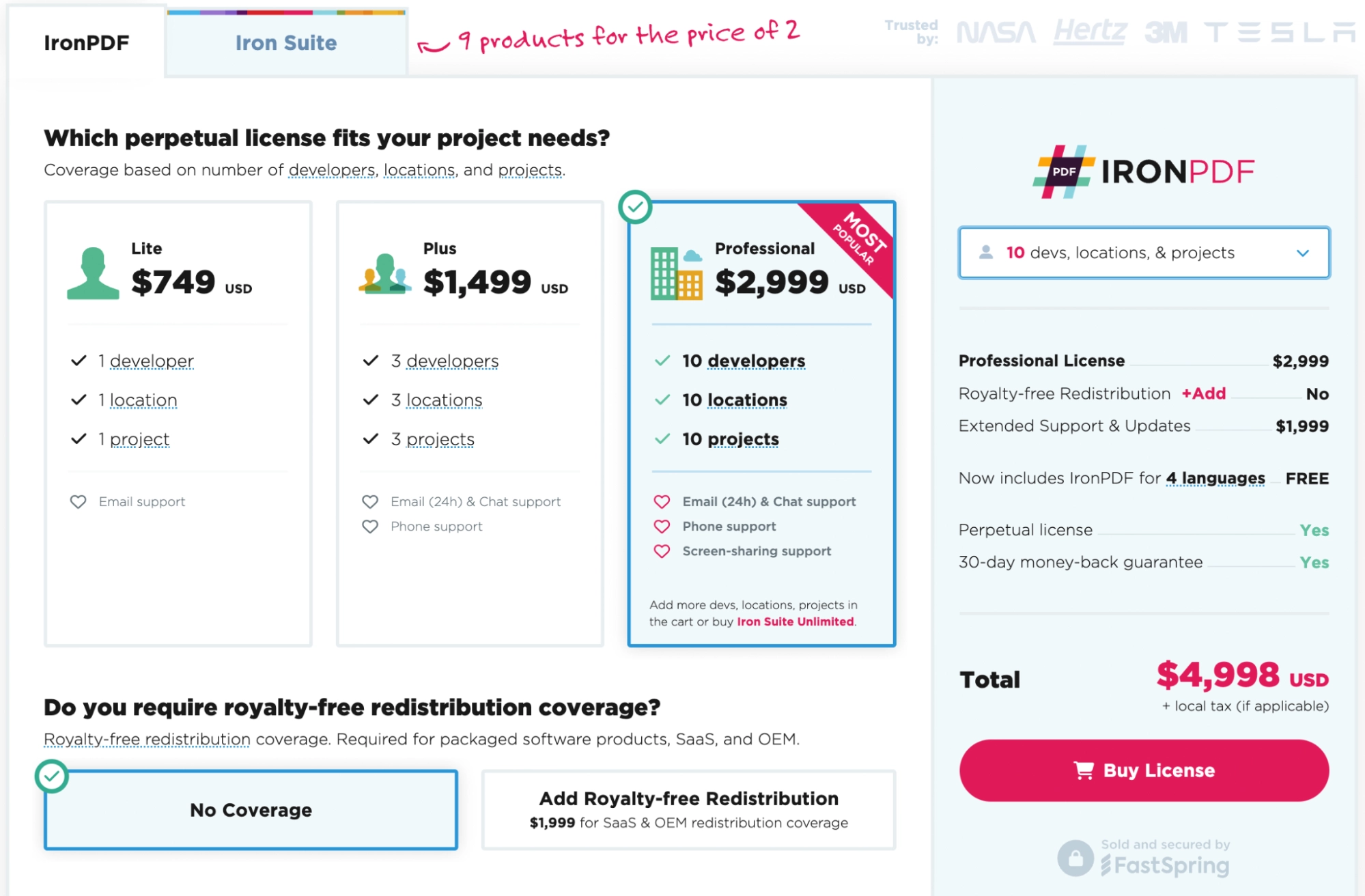
準備好使用 IronPDF 了嗎? 您可以從我們的 30天免費試用 IronPDF 和 Iron Software's Suite 開始。 它還可以完全免費用於開發目的,讓您真正能一窺其真面目。 如果您喜歡您所看到的,IronPDF 的許可選項起價低至 $999 。 若想節省更多的費用,請查看 Iron Suite 完整軟體套件,您可以用兩個套件的價格獲得全部九個 Iron Software 工具。 祝您編碼愉快!
 。
。
常見問題解答
C# 中的 using 語句的目的是什麼?
C# 中的 using 語句用於管理實作 IDisposable 介面的資源,例如檔案控制項或網路連接,確保它們在使用後被正確釋放。
C# 中的 using 語句如何幫助防止資源洩漏?
using 語句會自動在物件不再需要時呼叫 Dispose 方法,這有助於確保即使發生異常,也能釋放資源,從而防止資源洩漏。
C# 中的 using 區塊與 using 宣告有何不同?
使用區塊將代碼包裹在大括號中,並確保在區塊結束時處理,而使用宣告(在 C# 8.0 中引入)更簡潔,並在作用域結束時自動釋放資源。
如何在我的自訂 C# 類別中實作 IDisposable?
要在自訂類別中實作 IDisposable,需要定義一個 Dispose 方法來釋放非受控資源,允許使用 using 語句進行自動資源管理。
C# 中的 using 語句能處理多個資源嗎?
是的,你可以連續使用多個 using 語句來管理多個資源,儘管不支持使用單個 using 語句和逗號分隔的多個資源。
為什麼 C# 中的 using 語句優於 try-finally 區塊?
using 語句因其更簡潔的語法和自動資源管理而被優先使用,這相較於手動實現 try-finally 區塊來確保資源釋放大大簡化了代碼。
如何在 C# 中有效管理 PDF 文件?
可以使用 IronPDF 有效管理 PDF 文件,它與 using 語句整合以確保資源(如文件實例)在執行文字提取等操作後被正確關閉。
是否有用於 C# 開發的 PDF 庫試用版可用?
是的,某些 PDF 庫提供30天免費試用版,並且可免費用於開發用途,讓您在購買前探索其功能。


















 免費開始使用
 免費開始使用
 預約免費現場演示





 無需信用卡或創建帳戶