



已更新 2026年4月23日
在 .NET 中用 Microsoft.Extensions.AI 簡化 LLM 整合
AI 正在改變軟體開發,但將大型語言模型 (LLM) 整合到 .NET 中一直很複雜。利用 IronPdf.AI 將 AI 整合推向更遠,為 .NET 應用程式帶來由 OpenAI 驅動的 PDF 解析、資料擷取和內容總結。
閱讀更多

.NET Core革新了開發者建立應用程式的方式,提供了一個模組化且跨平台的測試框架。 在這個生態系統中,NUnit與xUnit在相較於其他資料驅動測試、整合測試、自動化測試以及並行測試執行的框架中表現出色,提供了強大的平台來編寫測試方法並執行自動化測試。 它們是關鍵的單元測試框架工具或測試運行器,保障.NET應用程式測試小組中的測試類程式碼的可靠性和功能性。
單元測試是軟體開發和軟體測試中的重要環節,其中一個單元測試工具/框架在定義與執行自動化測試中扮演關鍵角色。 撰寫單元測試涉及建立測試方法和測試類來檢查程式碼的各個方面。 這種測試形式對於維持程式碼質量及確保新變動不會破壞現有功能至關重要。
NUnit和xUnit是.NET生態系統中最流行的單元測試框架之一。 它們提供了一系列功能來編寫自動化單元測試案例和參數化測試,包括對測試治具、測試初始化、測試實例執行和並行測試執行的支持。 這些測試框架幫助開發者撰寫測試案例、組織斷言方法並高效地執行所有測試。
NUnit和xUnit允許開發者使用測試方法和類來結構化其單元測試並進行測試設置。 測試方法代表一個實際的測試,而測試類則將相關的測試方法組成一組。 這一組織方式有助於維護測試程式碼並理解針對特定應用程式區域的測試結果覆蓋範圍。 NUnit和xUnit的突出特點之一是兩個框架都支持並行測試執行,提高了測試執行的效率。
NUnit與xUnit中的測試治具提供了一種通過設置和拆除方法設置測試自動化所需的環境的方法。 這包括初始化資料、建立模擬物件和配置測試執行所需的狀態。 測試治具有助於撰寫乾淨和易於維護的測試程式碼。
// C# example of a test fixture in NUnit
using NUnit.Framework;

namespace MyTests
{
    [TestFixture]
    public class ExampleTests
    {
        [SetUp]
        public void Setup()
        {
            // Code to set up test context
        }

        [Test]
        public void TestMethod1()
        {
            // Test code goes here
        }

        [TearDown]
        public void Cleanup()
        {
            // Code to clean up after tests
        }
    }
}' C# example of a test fixture in NUnit
Imports NUnit.Framework
Namespace MyTests
<TestFixture>
Public Class ExampleTests
<SetUp>
Public Sub Setup()
' Code to set up test context
End Sub
<Test>
Public Sub TestMethod1()
' Test code goes here
End Sub
<TearDown>
Public Sub Cleanup()
' Code to clean up after tests
End Sub
End Class
End Namespace// C# example of a test fixture in xUnit
using Xunit;
namespace MyTests
{
public class ExampleTests : IDisposable
{
public ExampleTests()
{
// Code to set up test context
}
[Fact]
public void TestMethod1()
{
// Test code goes here
}
public void Dispose()
{
// Code to clean up after tests
}
}
}' C# example of a test fixture in xUnit
Imports Xunit
Namespace MyTests
Public Class ExampleTests
Implements IDisposable
Public Sub New()
' Code to set up test context
End Sub
<Fact>
Public Sub TestMethod1()
' Test code goes here
End Sub
Public Sub Dispose() Implements IDisposable.Dispose
' Code to clean up after tests
End Sub
End Class
End NamespaceNUnit與xUnit支持資料驅動測試,允許開發者使用不同的輸入值來運行相同的測試方法。 這種方法高效地測試了具有多種輸入的功能,並支持並行測試執行,減少撰寫多個測試案例的需要。
// C# example of data-driven tests in NUnit using TestCase attribute
using NUnit.Framework;

namespace MyTests
{
    public class DataDrivenTests
    {
        [Test]
        [TestCase(1, 2, 3)]
        [TestCase(2, 3, 5)]
        public void Add_SumsCorrectly(int a, int b, int expected)
        {
            Assert.AreEqual(expected, a + b);
        }
    }
}' C# example of data-driven tests in NUnit using TestCase attribute
Imports NUnit.Framework
Namespace MyTests
Public Class DataDrivenTests
<Test>
<TestCase(1, 2, 3)>
<TestCase(2, 3, 5)>
Public Sub Add_SumsCorrectly(ByVal a As Integer, ByVal b As Integer, ByVal expected As Integer)
Assert.AreEqual(expected, a + b)
End Sub
End Class
End Namespace// C# example of data-driven tests in xUnit using InlineData attribute
using Xunit;
namespace MyTests
{
public class DataDrivenTests
{
[Theory]
[InlineData(1, 2, 3)]
[InlineData(2, 3, 5)]
public void Add_SumsCorrectly(int a, int b, int expected)
{
Assert.Equal(expected, a + b);
}
}
}' C# example of data-driven tests in xUnit using InlineData attribute
Imports Xunit
Namespace MyTests
Public Class DataDrivenTests
<Theory>
<InlineData(1, 2, 3)>
<InlineData(2, 3, 5)>
Public Sub Add_SumsCorrectly(ByVal a As Integer, ByVal b As Integer, ByVal expected As Integer)
Assert.Equal(expected, a + b)
End Sub
End Class
End Namespace並行測試執行是NUnit和xUnit都支持的一個功能。 它允許多個測試同時運行,縮短了測試執行所耗的總時間。 這個功能在包括龐大測試套件的大型專案中特別有用。
NUnit和xUnit提供跨平台支持,使其適合針對不同平台的專案。 它們與Visual Studio和其他IDE無縫整合,為.NET開發者提供方便和熟悉的環境。
NUnit和xUnit,雖然在許多方面相似,但在某些方面有明顯的差異,這可能使其中一者更適合於根據專案需求而定。 社群支持、文件和易用性是選擇它們時需要考慮的因素。 NUnit因其較長的歷史,有著廣泛的使用者群和豐富的社群支持,而xUnit作為較新的框架,則帶來了一些單元測試的現代方法。
xUnit比NUnit採取更具意見的方式,專注於每個測試方法的唯一測試實例。 這種方法確保每個測試都是獨立的,減少測試之間的副作用和相互依賴性。 另一方面,NUnit在允許各種設置和配置上更具彈性,這對於複雜的測試場景可能更為有利。
Iron Software Suite,一個全面的.NET API產品集合,極大地增強了.NET Core開發的能力。 這個套件包括像IronPDF用於PDF操作、IronXL用於Excel處理、IronOCR用於光學字元識別以及IronBarcode用於條碼處理等工具,對於處理.NET Framework內的PDF、Excel文件、OCR和條碼至關重要。 其跨平台功能及處理各種文件型別的能力使其成為.NET生態系統中開發者不可或缺的資產。
當NUnit與xUnit專注於單元測試的建立與執行時,Iron Software Suite可以通過為測試案例提供附加功能來增強這些框架。 例如,IronPDF可以用於測試應用程式中的PDF生成與操作功能,而IronXL有助於驗證Excel相關功能性。 同樣,IronOCR與IronBarcode可整合在依賴OCR功能或條碼生成與掃描的系統測試中是不可或缺的。
總結來說,將Iron Software Suite與NUnit、xUnit和MSTest整合為.NET Core開發者提供了一個強大的組合。 通過結合使用Iron Software Suite的專業功能與NUnit和xUnit的強大測試框架,開發者可以確保更全面和有效的測試過程。 這種整合對於增強.NET Core應用程式的質量保證至關重要,最終導致更可靠和高效的軟體解決方案。
Iron Software Suite提供免費試用以供評估,並且對於開發是免費的,允許開發者在無需初期投資的情況下探索其能力。 在生產中使用,Iron Software Suite的授權從一個經濟有效的授權計畫開始,為專業應用提供一個經濟實惠的解決方案。 這種方法確保開發者能夠在購買前充分測試和整合該套件的功能。

Jacob Mellor是Iron Software的首席技術官,一位在C# PDF技術上開創先河的遠見工程師。作為Iron Software核心程式碼庫的原開發者,他從創立以來就一直在塑造公司的產品架構,與首席執行官Cameron Rimington一起將公司轉變為服務於NASA、特斯拉和全球政府公司的50多名人員的公司。

IronPDF 是 IRONSUITE 的一部分
10 款適用於辦公室文件的 .NET API 產品

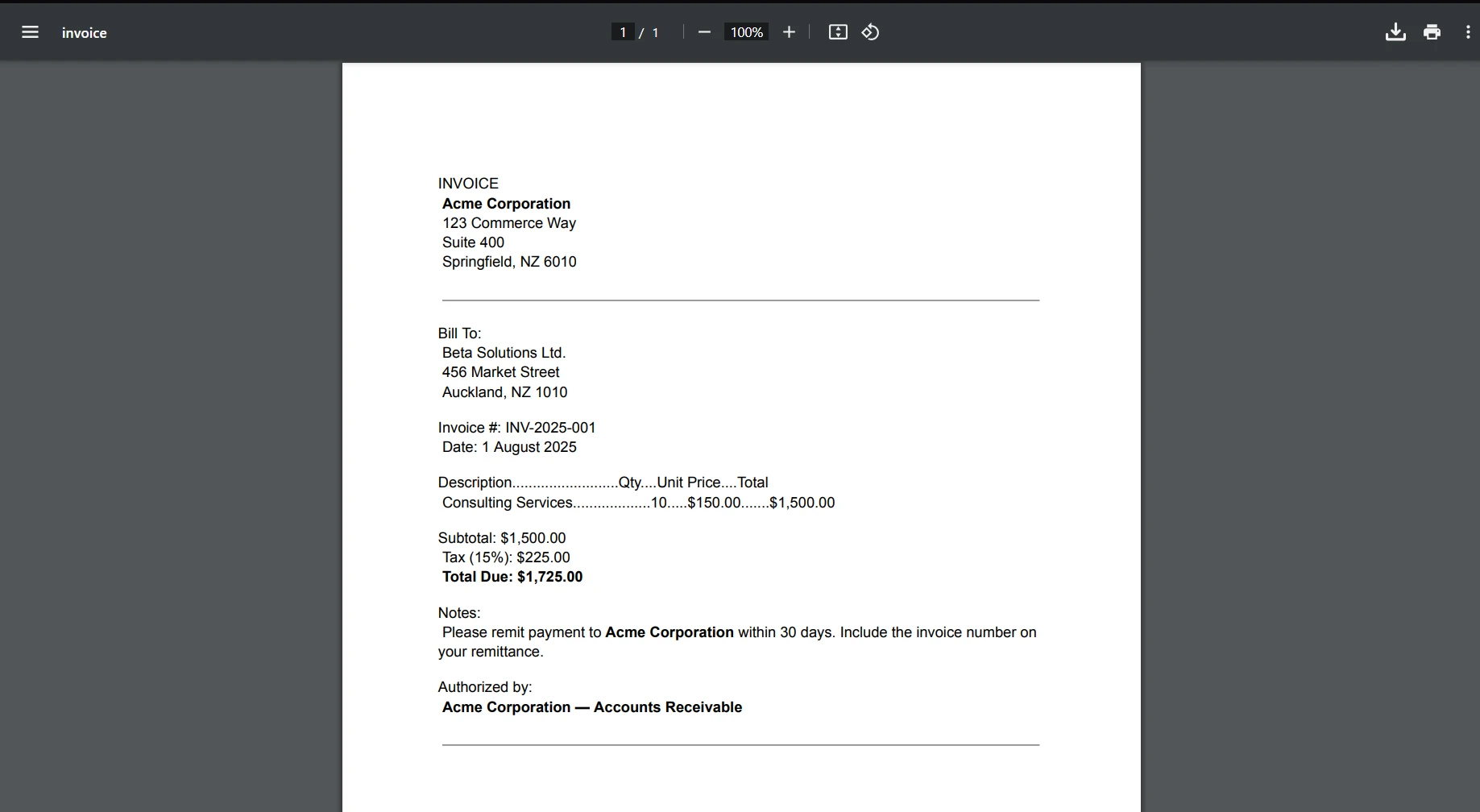
當您需要您的PDF看起來像HTML一樣快速。












