



已更新 2026年4月23日
在 .NET 中用 Microsoft.Extensions.AI 簡化 LLM 整合
AI 正在改變軟體開發,但將大型語言模型 (LLM) 整合到 .NET 中一直很複雜。利用 IronPdf.AI 將 AI 整合推向更遠,為 .NET 應用程式帶來由 OpenAI 驅動的 PDF 解析、資料擷取和內容總結。
閱讀更多

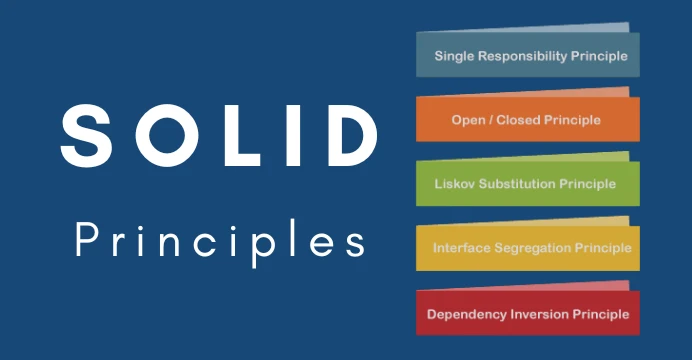
SOLID 原則是五個設計原則,當遵循它們時,可以建立出穩定且易於維護的軟體實體。 Robert C. Martin 引入了這些原則,使其成為物件導向設計的基石。 在 C# 中,一個由 Microsoft 開發的流行面向物件程式設計語言,瞭解並應用 SOLID 原則可以顯著提高程式碼質量。
在本文中,我們將詳細審視C# 中的 SOLID 原則及其應用,我們還將看看如何使用IronPDF C# PDF 程式庫建立 PDF 文件來編寫可重用的程式碼結構。
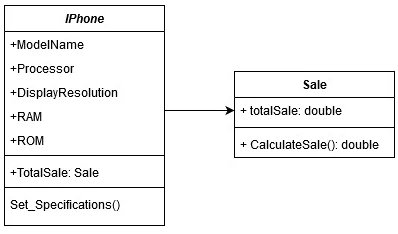
單一責任原則指出,一個類別應該只有一個變更的理由,這意味著它應該只有一個責任。 在 C# 中,這個原則鼓勵開發者建立專注於特定任務的類別。 例如,負責處理檔案操作的類別不應同時負責資料庫連接。
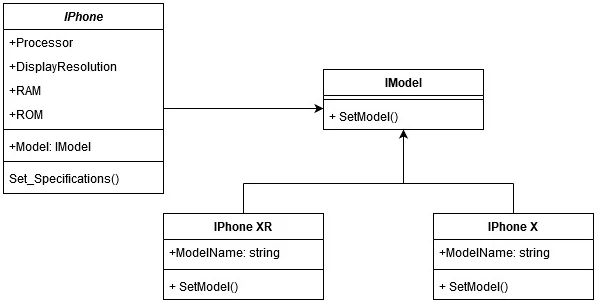
開放閉合原則建議,一個類別應該對擴展開放,但對修改封閉,從而允許擴展模組的行為而不修改源碼。 在 C# 中,這通常通過介面和抽象類來實現,允許建立符合現有契約的新類。
里氏替換原則強調,超類的物件應可被子類物件替換而不影響程式的正確性。 在 C# 中,這個原則鼓勵使用多型以確保派生類可以互換使用其基礎類。
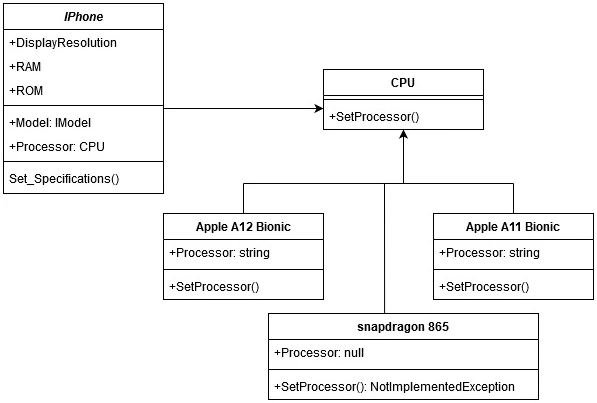
介面隔離原則提倡使用小而特定的介面,而非大而通用的介面。 在 C# 中,這個原則不鼓勵建立迫使實作類提供不需要功能的"胖"介面。 而是鼓勵使用針對具體需求的小介面。
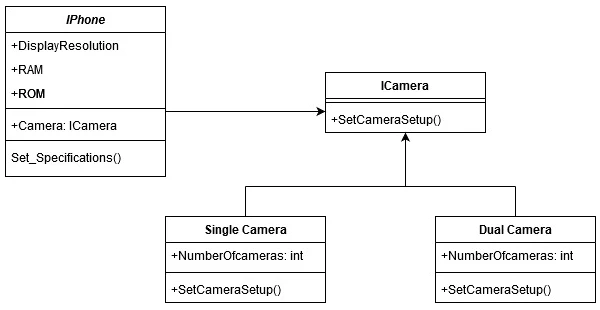
依賴反轉原則推廣高層次模組不應依賴於低層次模組,而應該依賴於抽象概念。 在 C# 中,這通常涉及使用依賴注入來逆轉傳統的控制流,允許更靈活且可測的程式碼。
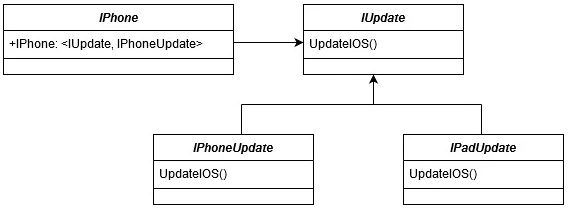
SOLID 原則為設計乾淨且易於維護的程式碼提供了一張路線圖。 不應該在每種情況下都盲目遵循它們,而是應根據特定應用情況明智地應用它們。
單一責任原則在設計 C# 應用程式的類別時非常有益。 確保每個類只有一個責任,使程式碼更加模組化且易於理解。 這種模組化有利於維護,使新增功能或修復錯誤而不影響整個程式碼庫更簡單。
開放閉合原則適用於需要擴展而不修改的程式碼。 使用介面和抽象類,C# 中的開發者可以建立適應系統而不更改現有程式碼。
里氏替換原則確保派生類可以無縫替換其基礎類,促進更靈活和可擴展的程式碼庫。 在多型非常重要時,應用里氏替換原則尤為關鍵。
介面隔離原則鼓勵建立針對實作類需要的小而具體的介面。 這種方法防止對類別施加不必要的方法,促進更高效且易於維護的設計。
依賴反轉原則通過依賴注入促成在 C# 應用程式中建立鬆散耦合的組件。 實施此原則減少了程式碼的總體複雜性,並提高了其可測性。
using System;

// Abstract base class representing a shape
public abstract class Shape
{
    // Abstract method to be implemented by derived classes
    public abstract double Area();
}

// Derived class representing a circle
class Circle : Shape
{
    public double Radius { get; set; }

    // Override Area() method to calculate the area of a circle
    public override double Area() => Math.PI * Math.Pow(Radius, 2);
}

// Derived class representing a rectangle
class Rectangle : Shape
{
    public double Width { get; set; }
    public double Height { get; set; }

    // Override Area() method to calculate the area of a rectangle
    public override double Area() => Width * Height;
}

// Class responsible for calculating the area of a shape
class AreaCalculator
{
    // Method to calculate the area of a given shape
    public double CalculateArea(Shape shape) => shape.Area();
}

// Interface for logging messages
interface ILogger
{
    void Log(string message); // Interface segregation principle
}

// Implementation of ILogger that logs messages to the console
class ConsoleLogger : ILogger
{
    public void Log(string message) => Console.WriteLine($"Log: {message}");
}

// Implementation of ILogger that simulates logging messages to a file
class FileLogger : ILogger
{
    public void Log(string message) => Console.WriteLine($"File Log: {message}");
}

// Service to manage user-related tasks
class UserService
{
    private readonly ILogger logger;

    // Constructor injection for dependency inversion principle
    public UserService(ILogger logger) => this.logger = logger;

    public void CreateUser()
    {
        logger.Log("User created successfully");
    }
}

// Service to manage email-related tasks
class EmailService
{
    private readonly ILogger logger;

    // Constructor injection for dependency inversion principle
    public EmailService(ILogger logger) => this.logger = logger;

    public void SendEmail()
    {
        logger.Log("Email sent successfully");
    }
}Imports System
' Abstract base class representing a shape
Public MustInherit Class Shape
' Abstract method to be implemented by derived classes
Public MustOverride Function Area() As Double
End Class
' Derived class representing a circle
Class Circle
Inherits Shape
Public Property Radius As Double
' Override Area() method to calculate the area of a circle
Public Overrides Function Area() As Double
Return Math.PI * Math.Pow(Radius, 2)
End Function
End Class
' Derived class representing a rectangle
Class Rectangle
Inherits Shape
Public Property Width As Double
Public Property Height As Double
' Override Area() method to calculate the area of a rectangle
Public Overrides Function Area() As Double
Return Width * Height
End Function
End Class
' Class responsible for calculating the area of a shape
Class AreaCalculator
' Method to calculate the area of a given shape
Public Function CalculateArea(ByVal shape As Shape) As Double
Return shape.Area()
End Function
End Class
' Interface for logging messages
Interface ILogger
Sub Log(ByVal message As String) ' Interface segregation principle
End Interface
' Implementation of ILogger that logs messages to the console
Class ConsoleLogger
Implements ILogger
Public Sub Log(ByVal message As String) Implements ILogger.Log
Console.WriteLine($"Log: {message}")
End Sub
End Class
' Implementation of ILogger that simulates logging messages to a file
Class FileLogger
Implements ILogger
Public Sub Log(ByVal message As String) Implements ILogger.Log
Console.WriteLine($"File Log: {message}")
End Sub
End Class
' Service to manage user-related tasks
Class UserService
Private ReadOnly logger As ILogger
' Constructor injection for dependency inversion principle
Public Sub New(ByVal logger As ILogger)
Me.logger = logger
End Sub
Public Sub CreateUser()
logger.Log("User created successfully")
End Sub
End Class
' Service to manage email-related tasks
Class EmailService
Private ReadOnly logger As ILogger
' Constructor injection for dependency inversion principle
Public Sub New(ByVal logger As ILogger)
Me.logger = logger
End Sub
Public Sub SendEmail()
logger.Log("Email sent successfully")
End Sub
End Class在這段程式碼片段中,可以清楚地看到物件導向程式設計 (OOP) 原則,特別是 SOLID 原則的應用。 Shape 類作為一個抽象基礎類,定義了形狀的共同概念並聲明了抽象方法 Area()。 "子類或派生類"指的是 Circle 和 Rectangle 類,它們繼承自共同的父類。 Circle 和 Rectangle 都作為派生類,擴展了抽象基礎類的功能,並提供 Area() 方法的具體實現。 此外,程式碼體現了 SOLID 原則,例如單一責任原則 (SRP),其中每個類都有明確的責任,以及依賴反轉原則 (DIP),在 ILogger 介面中使用了依賴注入,促進靈活性和可維護性。
現在我們已經在理論上探討了 SOLID 原則,讓我們深入瞭解其在使用 IronPDF 時的實際應用,這是一個用於處理 PDF 的流行程式庫。 IronPDF 允許開發者在 C# 中無縫地建立、操作和處理 PDF 文件。 通過整合 SOLID 原則,我們可以確保程式碼始終保持模組化、可擴展和易於維護。
IronPDF在HTML到PDF轉換方面表現出色,確保精確保留原始佈局和樣式。 它非常適合從基於 Web 的內容中建立 PDF,如報告、發票和文件。 IronPDF支持HTML文件、URL和原始HTML字串,可輕鬆製作高質量的PDF文件。
using IronPdf;

class Program
{
    static void Main(string[] args)
    {
        var renderer = new ChromePdfRenderer();

        // 1. Convert HTML String to PDF
        var htmlContent = "<h1>Hello, IronPDF!</h1><p>This is a PDF from an HTML string.</p>";
        var pdfFromHtmlString = renderer.RenderHtmlAsPdf(htmlContent);
        pdfFromHtmlString.SaveAs("HTMLStringToPDF.pdf");

        // 2. Convert HTML File to PDF
        var htmlFilePath = "path_to_your_html_file.html"; // Specify the path to your HTML file
        var pdfFromHtmlFile = renderer.RenderHtmlFileAsPdf(htmlFilePath);
        pdfFromHtmlFile.SaveAs("HTMLFileToPDF.pdf");

        // 3. Convert URL to PDF
        var url = "http://ironpdf.com"; // Specify the URL
        var pdfFromUrl = renderer.RenderUrlAsPdf(url);
        pdfFromUrl.SaveAs("URLToPDF.pdf");
    }
}Imports IronPdf
Friend Class Program
Shared Sub Main(ByVal args() As String)
Dim renderer = New ChromePdfRenderer()
' 1. Convert HTML String to PDF
Dim htmlContent = "<h1>Hello, IronPDF!</h1><p>This is a PDF from an HTML string.</p>"
Dim pdfFromHtmlString = renderer.RenderHtmlAsPdf(htmlContent)
pdfFromHtmlString.SaveAs("HTMLStringToPDF.pdf")
' 2. Convert HTML File to PDF
Dim htmlFilePath = "path_to_your_html_file.html" ' Specify the path to your HTML file
Dim pdfFromHtmlFile = renderer.RenderHtmlFileAsPdf(htmlFilePath)
pdfFromHtmlFile.SaveAs("HTMLFileToPDF.pdf")
' 3. Convert URL to PDF
Dim url = "http://ironpdf.com" ' Specify the URL
Dim pdfFromUrl = renderer.RenderUrlAsPdf(url)
pdfFromUrl.SaveAs("URLToPDF.pdf")
End Sub
End Class考慮單一責任原則。 當使用 IronPDF 時,有專門處理 PDF 生成或操作特定方面的類別非常有益。 例如,一個類可以建立 PDF 文件,而另一個類則專注於新增和格式化內容。
開放閉合原則鼓勵我們設計具有擴展性的 PDF 相關類別。 與其修改現有類以容納新功能,不如建立擴展或實作現有介面的類。 這樣,我們在不妥協現有功能的情況下遵循該原則。
里氏替換原則在處理不同型別的 PDF 元素時需要考慮。 無論是文字、圖像還是註釋,設計符合共同介面的類別可以實現無縫替換並提高我們 PDF 生成程式碼的靈活性。 介面隔離原則在為與 IronPDF 互動的類別定義契約時至關重要。 通過建立針對不同元件需求的小而具體的介面,我們可以避免不必要的依賴,並確保類別只實作它們需要的方法。
最後,應用依賴反轉原則可以提高我們程式碼的可測性和可維護性。 藉由注入依賴而不是硬編碼它們,我們建立一個更鬆散耦合的系統,更易於更新和擴展。
讓我們用 IronPDF 的簡單程式碼範例來說明這些概念:
using IronPdf;
using System;

// Interface for PDF creation
public interface IPdfCreator
{
    void CreatePdf(string filePath, string content);
}

// Concrete implementation using IronPDF
public class IronPdfCreator : IPdfCreator
{
    public void CreatePdf(string filePath, string content)
    {
        // IronPDF-specific code for creating a PDF
        var renderer = new ChromePdfRenderer();
        var pdf = renderer.RenderHtmlAsPdf(content);
        pdf.SaveAs(filePath);
    }
}

// Service adhering to Single Responsibility Principle
public class PdfGenerationService
{
    private readonly IPdfCreator pdfCreator;

    public PdfGenerationService(IPdfCreator pdfCreator)
    {
        this.pdfCreator = pdfCreator;
    }

    public void GeneratePdfDocument(string filePath)
    {
        // Business logic for generating content
        string content = "<p>This PDF is generated using IronPDF and follows SOLID principles.</p>";
        // Delegate the PDF creation to the injected dependency
        pdfCreator.CreatePdf(filePath, content);
        Console.WriteLine($"PDF generated successfully at {filePath}");
    }
}

class Program
{
    static void Main()
    {
        // Dependency injection using the Dependency Inversion Principle
        IPdfCreator ironPdfCreator = new IronPdfCreator();
        PdfGenerationService pdfService = new PdfGenerationService(ironPdfCreator);
        // Generate PDF using the service
        string pdfFilePath = "output.pdf";
        pdfService.GeneratePdfDocument(pdfFilePath);
        Console.ReadLine(); // To prevent the console window from closing immediately
    }
}Imports IronPdf
Imports System
' Interface for PDF creation
Public Interface IPdfCreator
Sub CreatePdf(ByVal filePath As String, ByVal content As String)
End Interface
' Concrete implementation using IronPDF
Public Class IronPdfCreator
Implements IPdfCreator
Public Sub CreatePdf(ByVal filePath As String, ByVal content As String) Implements IPdfCreator.CreatePdf
' IronPDF-specific code for creating a PDF
Dim renderer = New ChromePdfRenderer()
Dim pdf = renderer.RenderHtmlAsPdf(content)
pdf.SaveAs(filePath)
End Sub
End Class
' Service adhering to Single Responsibility Principle
Public Class PdfGenerationService
Private ReadOnly pdfCreator As IPdfCreator
Public Sub New(ByVal pdfCreator As IPdfCreator)
Me.pdfCreator = pdfCreator
End Sub
Public Sub GeneratePdfDocument(ByVal filePath As String)
' Business logic for generating content
Dim content As String = "<p>This PDF is generated using IronPDF and follows SOLID principles.</p>"
' Delegate the PDF creation to the injected dependency
pdfCreator.CreatePdf(filePath, content)
Console.WriteLine($"PDF generated successfully at {filePath}")
End Sub
End Class
Friend Class Program
Shared Sub Main()
' Dependency injection using the Dependency Inversion Principle
Dim ironPdfCreator As IPdfCreator = New IronPdfCreator()
Dim pdfService As New PdfGenerationService(ironPdfCreator)
' Generate PDF using the service
Dim pdfFilePath As String = "output.pdf"
pdfService.GeneratePdfDocument(pdfFilePath)
Console.ReadLine() ' To prevent the console window from closing immediately
End Sub
End Class要運行這段程式碼,確保您在專案中安裝了 IronPDF 程式庫。 您可以使用 NuGet 套件管理器來完成此操作:
替換 PdfGenerationService 類中的內容和邏輯為您的特定需求。
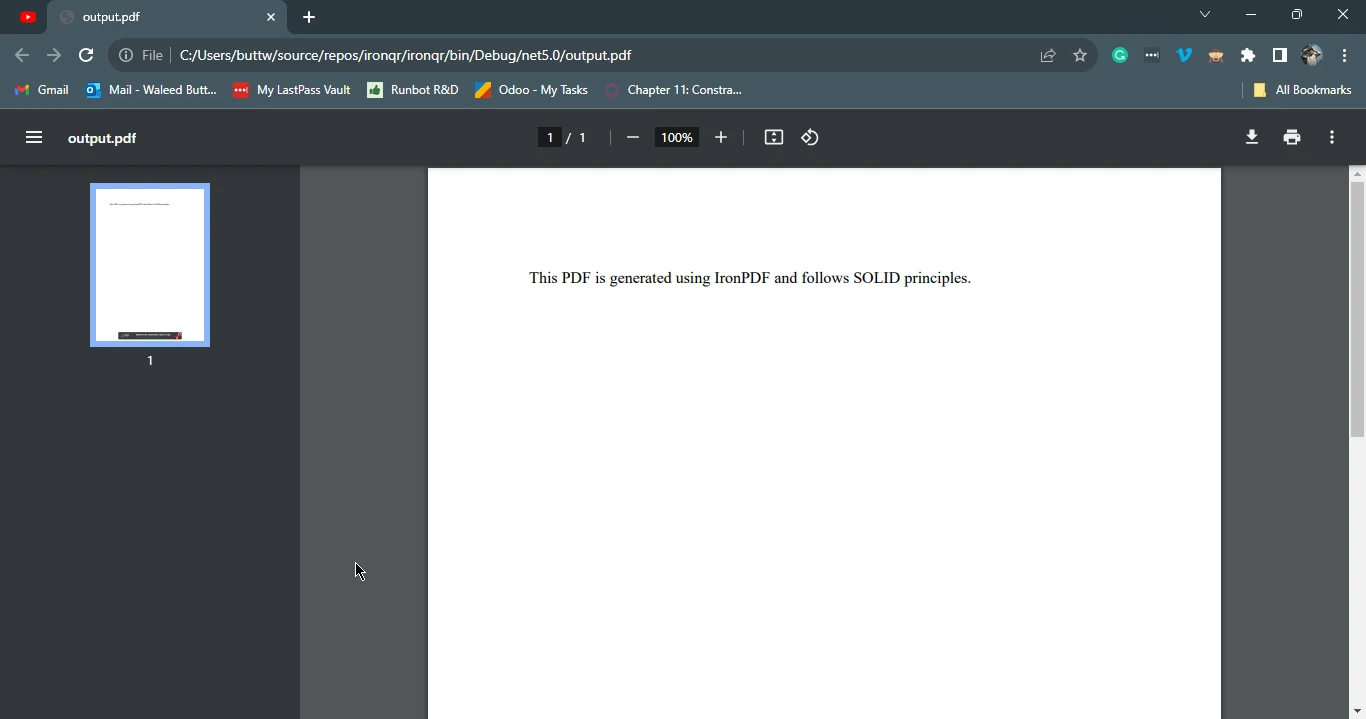
總之,SOLID 原則為在 C# 中設計可維護和可擴展的軟體提供了堅實的基礎。 通過瞭解並運用這些原則,開發者可以建立更具模組性的程式碼,易於更改和更易於測試。
當使用像 IronPDF 這樣的程式庫時,整合 SOLID 原則變得更加重要。 設計符合這些原則的類別可以確保您的程式碼保持靈活,可以隨著您 PDF 相關任務的變化需求而發展。
當您繼續開發 C# 應用程式時,請記住 SOLID 原則,作為打造能夠經受時間考驗的程式碼的指導方針。無論您是在從事 PDF 生成、資料庫互動,還是其他軟體開發方面的工作,SOLID 原則提供了構建功能和可維護程式碼的路線圖。
要了解更多有關IronPDF 程式庫的資訊,請參閱IronPDF 文件。 如需了解授權和獲取免費試用,請存取IronPDF 授權頁面。

Jacob Mellor是Iron Software的首席技術官,一位在C# PDF技術上開創先河的遠見工程師。作為Iron Software核心程式碼庫的原開發者,他從創立以來就一直在塑造公司的產品架構,與首席執行官Cameron Rimington一起將公司轉變為服務於NASA、特斯拉和全球政府公司的50多名人員的公司。

IronPDF 是 IRONSUITE 的一部分
10 款適用於辦公室文件的 .NET API 產品

當您需要您的PDF看起來像HTML一樣快速。












