已更新 2026年4月23日
深流 io (开发者如何使用)
在本文中,我们将学习如何使用开放实时服务器深流和 IronPDF 生成 PDF。
阅读更多

Python因其简洁性和可读性而广受赞誉,使其成为开发人员进行网页抓取和与API交互的热门选择。实现这种交互的关键库之一是Python Requests 库。 Requests 是一个用于Python的HTTP请求库,允许您简便地发送HTTP请求。 在本文中,我们将深入探讨Python Requests 库的功能,通过实际示例探索其用法,并介绍IronPDF,展示如何将其与Requests结合,从网页数据中创建和操作PDF。
Requests 库简介Python Requests 库是为了让HTTP请求变得更简单和更加人性化而创建的。 它通过一个简单的API抽象出请求过程中的复杂性,以便您可以专注于与网页上的服务和数据进行交互。 无论您是需要获取网页、与REST API交互、禁用SSL证书验证,还是向服务器发送数据,Requests 库都能满足您的需求。
1.**简洁性:**语法易于使用和理解。 2. **HTTP 方法:**支持所有 HTTP 方法 - GET、POST、PUT、DELETE 等。 3.**会话对象:**在请求之间维护 cookie。 4.**身份验证:**简化添加身份验证标头的操作。 5.**代理:**支持 HTTP 代理。 6.**超时:**有效管理请求超时。 7. **SSL 验证:**默认情况下验证 SSL 证书。
Requests要开始使用Requests,您需要安装它。 这可以通过pip来完成:
pip install requests以下是一个使用Requests获取网页的简单示例:
import requests

# Send a GET request to the specified URL
response = requests.get('https://www.example.com')

# Print the status code of the response (e.g., 200 for success)
print(response.status_code)

# Print the HTML content of the page
print(response.text)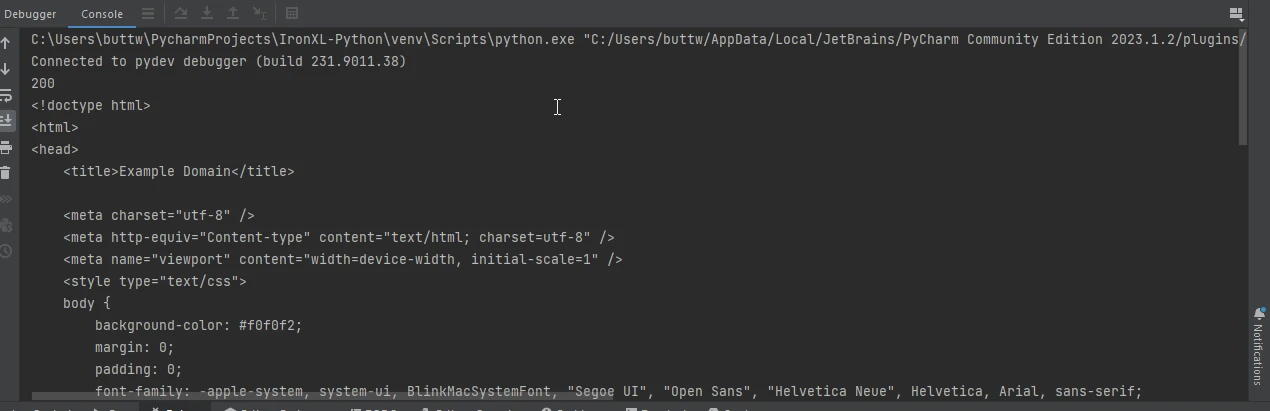
通常,您需要将参数传递给URL。 Python Requests 模块通过params关键字使这一过程变得简单:
import requests

# Define the parameters to be sent in the URL
params = {'key1': 'value1', 'key2': 'value2'}

# Send a GET request with parameters
response = requests.get('https://www.example.com', params=params)

# Print the full URL including the parameters
print(response.url)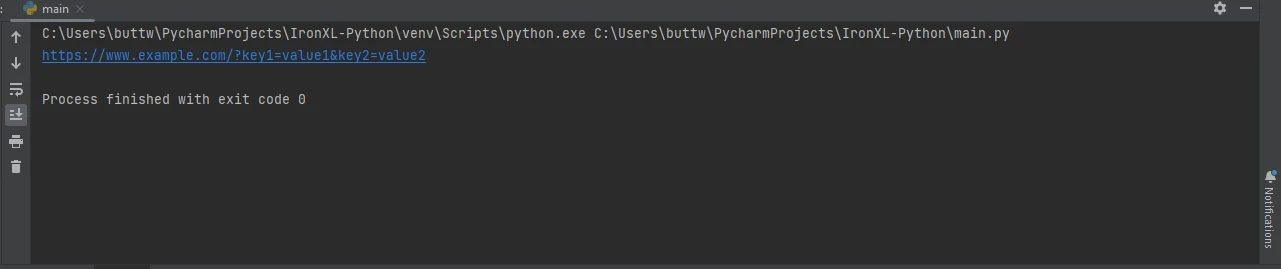
与API交互通常涉及JSON数据。 Requests 通过内置的JSON支持简化了这一过程:
import requests

# Send a GET request to retrieve JSON data
response = requests.get('https://jsonplaceholder.typicode.com/todos/1')

# Convert the JSON response to a Python dictionary
data = response.json()

# Print the JSON data
print(data)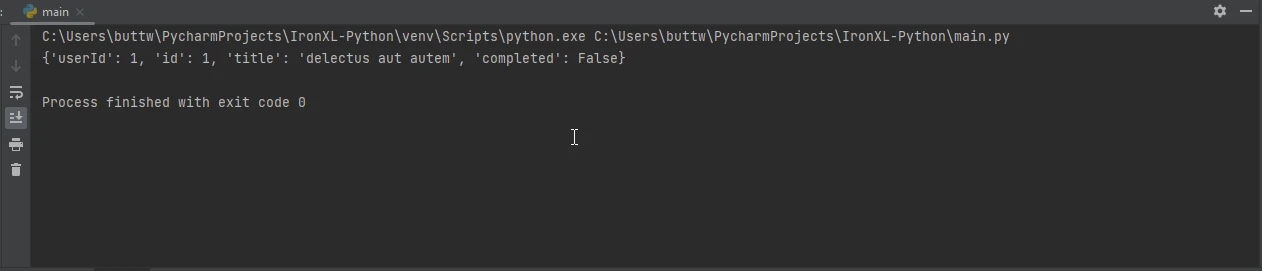
请求头对于HTTP请求至关重要。 您可以像这样添加自定义头到您的请求:
import requests

# Define custom headers
headers = {'User-Agent': 'my-app/0.0.1'}

# Send a GET request with custom headers
response = requests.get('https://www.example.com', headers=headers)

# Print the response text
print(response.text)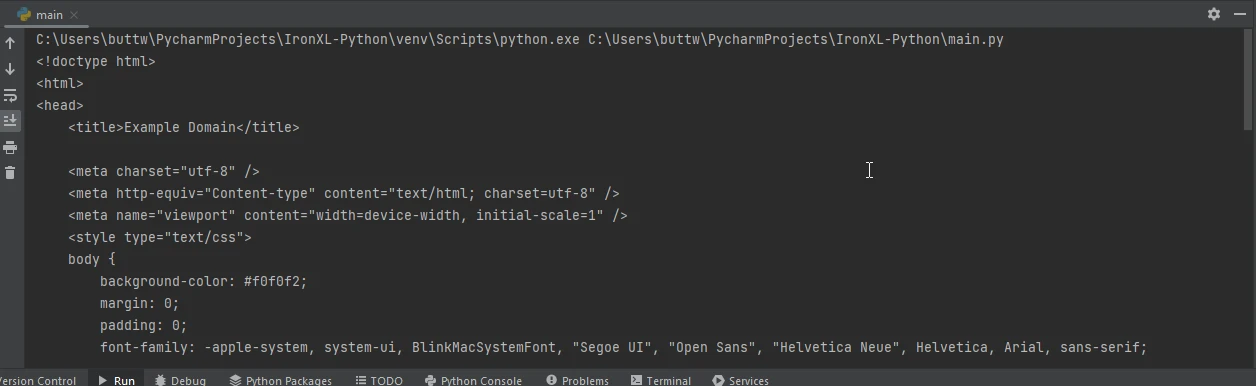
Requests 还支持文件上传。 以下是如何上传文件的方法:
import requests

# Define the files to be uploaded
files = {'file': open('report.txt', 'rb')}

# Send a POST request with the file
response = requests.post('https://www.example.com/upload', files=files)

# Print the status code of the response
print(response.status_code)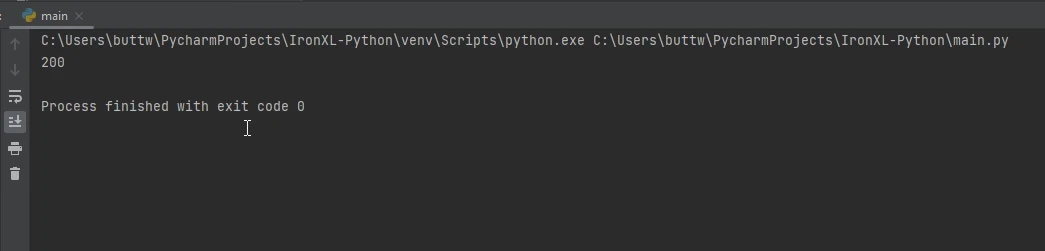
IronPDF是一个功能强大的PDF生成库,可用于在Python应用程序中创建、编辑和操作PDF。 它特别适用于需要从HTML内容生成PDF的场景,成为创建报告、发票或任何需要以便携格式分发的文档的出色工具。
要安装IronPDF,可使用pip:
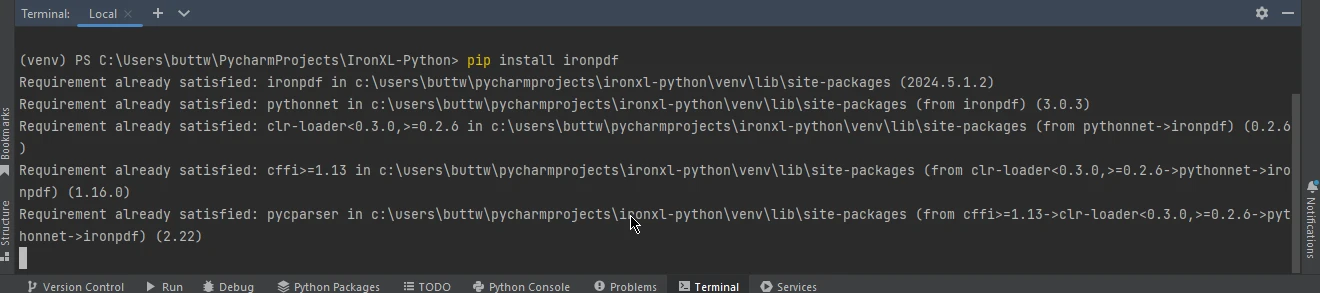
Requests结合使用IronPDF组合使用Requests和IronPDF,您可以从网上获取数据,并直接将其转换为PDF文档。 这对于从网页数据创建报告或将网页保存为PDF特别有用。
下面是一个使用Requests获取网页,然后使用IronPDF将其保存为PDF的示例:
import requests
from ironpdf import ChromePdfRenderer

# Fetch a web page
url = 'https://www.example.com'
response = requests.get(url)

if response.status_code == 200:
    # Extract the HTML content from the response
    html_content = response.text

    # Initialize the PDF renderer
    renderer = ChromePdfRenderer()

    # Render the HTML content as a PDF
    pdf = renderer.RenderHtmlAsPdf(html_content)

    # Save the generated PDF to a file
    pdf.save('output.pdf')
    print('PDF created successfully')
else:
    # Print an error message if the request was not successful
print(f'Failed to retrieve the webpage. Status code: {response.status_code}')该脚本首先使用Requests获取指定URL的HTML内容。 然后,它使用IronPDF将这个响应对象的HTML内容转换为PDF,并将生成的PDF保存到文件中。
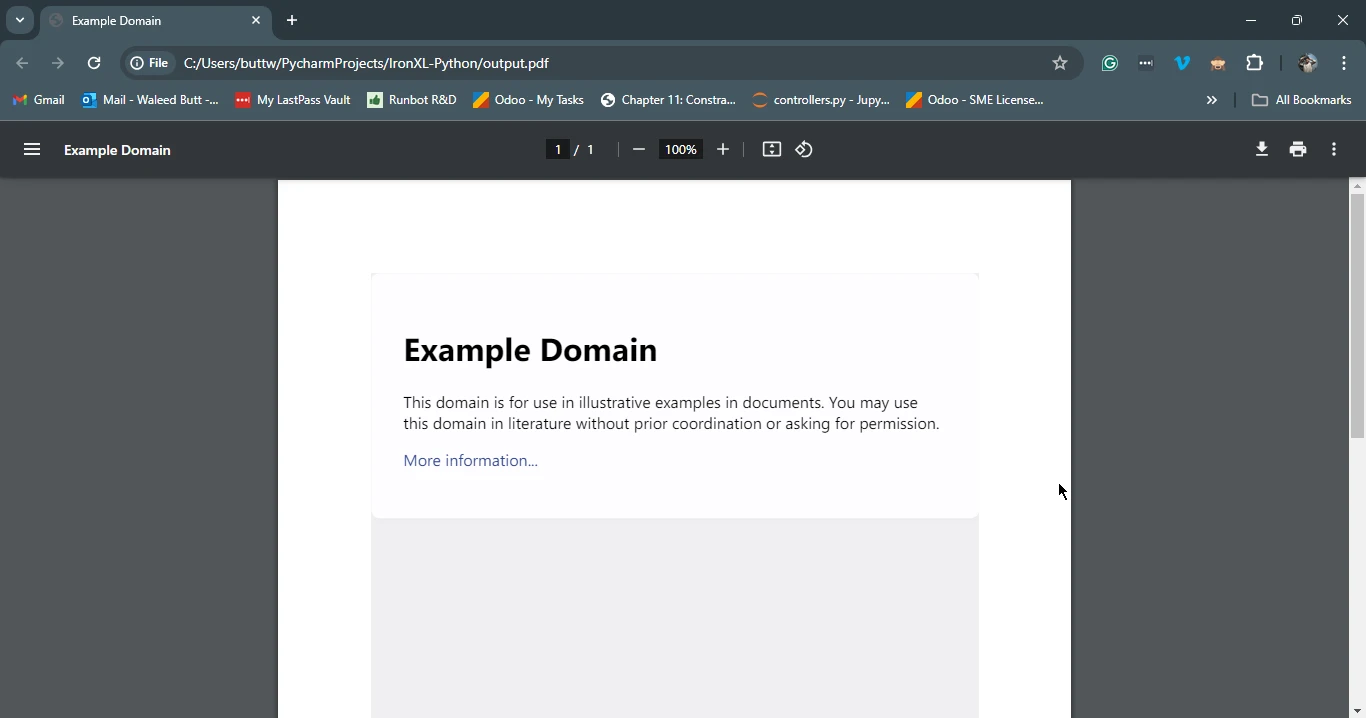
Requests 库是每位需要与Web API交互的Python开发人员的必备工具。其简便性和易用性使其成为进行HTTP请求的首选。 当与IronPDF结合使用时,它开启了更多可能性,使您能够从网上获取数据并将其转换为专业质量的PDF文件。 无论您是在创建报告、发票,还是存档网络内容,Requests和IronPDF的组合为您的PDF生成需求提供了一种强大的解决方案。
有关IronPDF许可的更多信息,请参考IronPDF许可页面。 您还可以浏览我们关于HTML转PDF转换的详细教程以获取更多见解。

Curtis Chau 拥有卡尔顿大学的计算机科学学士学位,专注于前端开发,精通 Node.js、TypeScript、JavaScript 和 React。他热衷于打造直观且美观的用户界面,喜欢使用现代框架并创建结构良好、视觉吸引力强的手册。

当您需要PDF看起来像HTML时,速度快。