using IronPdf;

// Disable local disk access or cross-origin requests
Installation.EnableWebSecurity = true;

// Instantiate Renderer
var renderer = new ChromePdfRenderer();

// Create a PDF from a HTML string using C#
var pdf = renderer.RenderHtmlAsPdf("<h1>Hello World</h1>");

// Export to a file or Stream
pdf.SaveAs("output.pdf");

// Advanced Example with HTML Assets
// Load external html assets: Images, CSS and JavaScript.
// An optional BasePath 'C:\site\assets\' is set as the file location to load assets from
var myAdvancedPdf = renderer.RenderHtmlAsPdf("<img src='icons/iron.png'>", @"C:\site\assets\");
myAdvancedPdf.SaveAs("html-with-assets.pdf");
using IronPdf;// Disable local disk access or cross-origin requestsInstallation.EnableWebSecurity = true;// Instantiate Renderervar renderer = new ChromePdfRenderer();// Create a PDF from a HTML string using C#var pdf = renderer.RenderHtmlAsPdf("<h1>Hello World</h1>");// Export to a file or Streampdf.SaveAs("output.pdf");// Advanced Example with HTML Assets// Load external html assets: Images, CSS and JavaScript.// An optional BasePath 'C:\site\assets\' is set as the file location to load assets fromvar myAdvancedPdf = renderer.RenderHtmlAsPdf("<img src='icons/iron.png'>", @"C:\site\assets\");myAdvancedPdf.SaveAs("html-with-assets.pdf");
PDF는 어디에나 있으며 그럴 만한 이유가 있습니다. 보안성이 높고 공유가 용이하며 거의 모든 기계나 브라우저에서 작동합니다. 그러나 수백만 명이 매일 PDF 파일을 사용하지만, 여전히 올바르게 사용하는 것은 까다로울 수 있습니다.
PDF 문서의 가장 좋은 기능 중 하나는 변경하기 어렵다는 점이지만, 자신만의 수정을 하려면 방해가 됩니다. 이 안내서에서는, 기능이 풍부한 C# 라이브러리 IronPDF를 사용하여 PDF 파일에 페이지 번호를 추가하는 것이 얼마나 쉬운지 보여드리고, 기본 기능을 제공하는 몇 가지 다른 온라인 도구도 추천합니다.
IronPDF: 프리미어 C# PDF 라이브러리
IronPDF는 웹 개발자를 염두에 두고 설계된 가벼운 .NET PDF 라이브러리입니다. PDF 변환은 많은 용도 중 하나일 뿐입니다 - PDF를 읽고, 쓰고, 조작하는 것을 쉽게 해주며, .NET 프로젝트의 데스크톱과 웹에서 모두 사용할 수 있습니다. 가장 좋은 점은 개발 환경에서 무료로 사용해 볼 수 있다는 것입니다.
IronPDF의 주요 장점 중 하나는 유연성입니다. 단독 데스크톱 애플리케이션으로 사용하거나 IronPDF API를 사용하여 웹 애플리케이션에 통합할 수 있습니다. 또한, IronPDF는 Windows, Mac, Linux 운영 체제와 호환되어 다양한 사용자가 접근할 수 있습니다.
PDF 파일에 페이지 번호 추가 - 시작하기
Visual Studio에서 프로젝트 생성
우선 Visual Studio를 열고 파일 -> 새 프로젝트 -> 콘솔 응용 프로그램으로 이동합니다. 프로젝트 이름을 입력하고 저장할 위치를 선택한 다음 다음 버튼을 누르세요. 최신 .NET Framework를 선택하고 생성합니다. 프로젝트가 실행되면 이제 라이브러리를 추가할 시간입니다.
IronPDF 라이브러리 설치하기
IronPDF는 사용하기 쉽지만 설치는 더욱 쉽습니다. 다음과 같은 몇 가지 방법이 있습니다:
방법 1: NuGet 패키지 관리자 콘솔
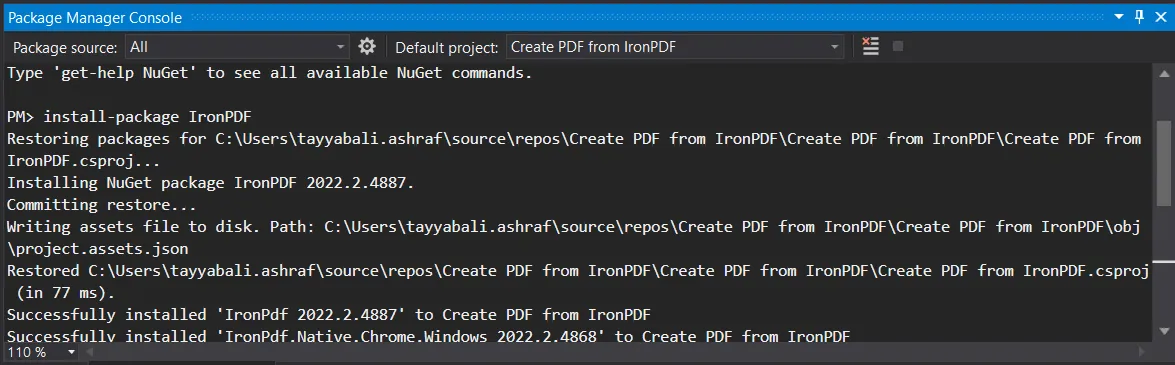
Visual Studio의 솔루션 탐색기에서 참조를 마우스 오른쪽 버튼으로 클릭하고 NuGet 패키지 관리 선택합니다. 탐색을 클릭하고 'IronPDF'를 검색하여 최신 버전을 설치합니다. 이것을 보면 작동하는 것입니다:
Tools -> NuGet Package Manager -> Package Manager Console로 이동하여 Package Manager 탭에 다음 줄을 입력할 수도 있습니다:
PM > Install-Package IronPdf
Install-Package IronPdf
마지막으로 NuGet의 공식 웹사이트에서 IronPDF를 직접 얻을 수 있습니다. IronPDF NuGet 페이지의 오른쪽 메뉴에서 다운로드 패키지 옵션을 선택하고, 다운로드를 자동으로 설치하려면 두 번 클릭한 다음 솔루션을 다시 로드하여 프로젝트에서 사용하기 시작하세요.
IronPDF DLL 파일을 직접 저희로부터 받아 Visual Studio에 수동으로 추가할 수도 있습니다. Windows, macOS, Linux DLL 패키지에 대한 전체 설명서와 링크는 전용 IronPDF 설치 가이드를 확인하세요.
IronPDF 네임스페이스 추가
항상 자신의 코드를 IronPDF 네임스페이스로 시작하는 것을 기억하세요, 예를 들어:
using IronPdf;
using IronPdf;
ImportsIronPdf
Imports IronPdf
IronPDF를 사용하여 PDF 파일에 페이지 번호 추가하는 방법
IronPDF 패키지를 가져오는 것으로 시작하여 페이지 번호가 포함된 PDF로 변환할 HTML 문자열을 만듭니다. 다음은 코드 예제입니다:
using IronPdf;var html = @" <p> Hello Iron</p> <p> This is 1st Page </p> <div style='page-break-after: always;'></div> <p> This is 2nd Page</p> <div style='page-break-after: always;'></div> <p> This is 3rd Page</p>";
using IronPdf;

var html = @"
   <p> Hello Iron</p>
   <p> This is 1st Page </p>
   <div style='page-break-after: always;'></div>
   <p> This is 2nd Page</p>
   <div style='page-break-after: always;'></div>
   <p> This is 3rd Page</p>";
ImportsIronPdfPrivate html = " <p> Hello Iron</p> <p> This is 1st Page </p> <div style='page-break-after: always;'></div> <p> This is 2nd Page</p> <div style='page-break-after: always;'></div> <p> This is 3rd Page</p>"
Imports IronPdf

Private html = "
   <p> Hello Iron</p>
   <p> This is 1st Page </p>
   <div style='page-break-after: always;'></div>
   <p> This is 2nd Page</p>
   <div style='page-break-after: always;'></div>
   <p> This is 3rd Page</p>"
다음으로, 우리는 특정 HTML 바닥글 설정으로 ChromePdfRenderer을(를) 인스턴스화 할 것입니다. 이를 통해 PDF의 페이지 번호 스타일링과 레이아웃을 정의할 수 있습니다. 다음은 코드입니다:
// Instantiate Renderervar renderer = new ChromePdfRenderer{RenderingOptions = {HtmlFooter = new HtmlHeaderFooter {MaxHeight = 15, // millimetersHtmlFragment = "<center><i>{page} of {total-pages}</i></center>",DrawDividerLine = true } }};
// Instantiate Renderer
var renderer = new ChromePdfRenderer
{
    RenderingOptions =
    {
        HtmlFooter = new HtmlHeaderFooter
        {
            MaxHeight = 15, // millimeters
            HtmlFragment = "<center><i>{page} of {total-pages}</i></center>",
            DrawDividerLine = true
        }
    }
};
' Instantiate RendererDim renderer = New ChromePdfRendererWith { .RenderingOptions = {HtmlFooter = New HtmlHeaderFooterWith { .MaxHeight = 15, .HtmlFragment = "<center><i>{page} of {total-pages}</i></center>", .DrawDividerLine = True } }}
' Instantiate Renderer
Dim renderer = New ChromePdfRenderer With {
	.RenderingOptions = {
		HtmlFooter = New HtmlHeaderFooter With {
			.MaxHeight = 15,
			.HtmlFragment = "<center><i>{page} of {total-pages}</i></center>",
			.DrawDividerLine = True
		}
	}
}
그런 다음, HTML을 PDF로 렌더링할 것입니다. 단순히 RenderHtmlAsPdf 메서드를 호출하여 PDF로 변환하면 IronPDF가 자동으로 각 페이지에 번호를 추가합니다.
var pdf = renderer.RenderHtmlAsPdf(html);
var pdf = renderer.RenderHtmlAsPdf(html);
Dim pdf = renderer.RenderHtmlAsPdf(html)
Dim pdf = renderer.RenderHtmlAsPdf(html)
마지막으로, 우리가 지금 해야 할 것은 새로 번호가 매겨진 PDF를 우리 시스템에 저장하는 것입니다. 다음과 같이 간단합니다:
pdf.SaveAs("pageNumber.pdf");
pdf.SaveAs("pageNumber.pdf");
pdf.SaveAs("pageNumber.pdf")
pdf.SaveAs("pageNumber.pdf")
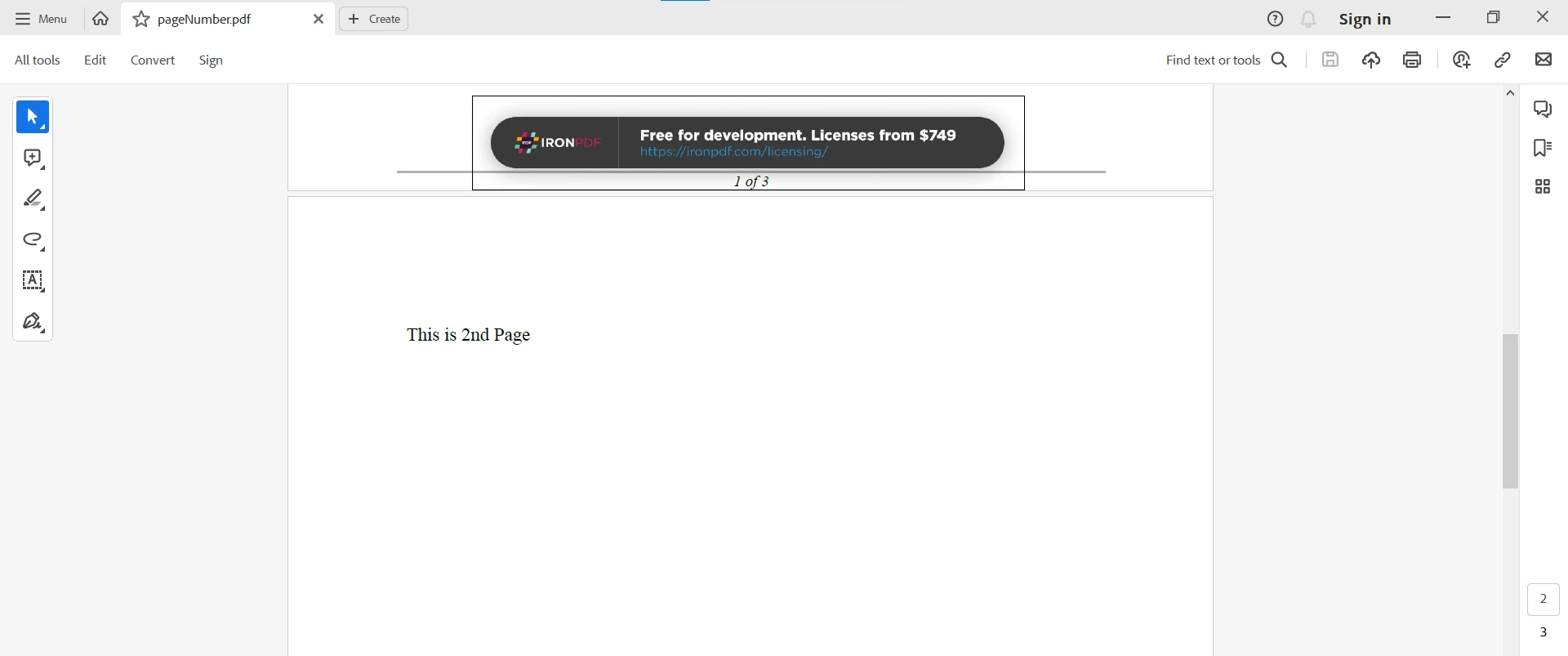
이전에 코드에서 보셨듯이, 우리는 페이지 번호 형식을 페이지 중앙에 맞추고, 현재 페이지와 총 페이지 수를 표시하며, 구분선을 추가하도록 사용자 정의했습니다. 최종 제품은 다음과 같습니다:
대안 PDF 페이지 번호 매기기 도구
제한적이지만 무료로 사용할 수 있는 많은 도구들이 PDF에 페이지 번호를 추가할 수 있습니다. 다음은 대안적인 PDF 페이지 번호 매기기 옵션입니다.
Sejda - 온라인 PDF 도구
Sejda PDF Editor는 페이지 합치기, 파일 크기 압축, 양식 생성 등을 포함한 기본 PDF 편집 도구를 제공하는 온라인 도구입니다. 무료로 사용할 수 있지만, 유료 플랜 중 하나를 구독하기 전에 페이지와 시간 제한이 있습니다.
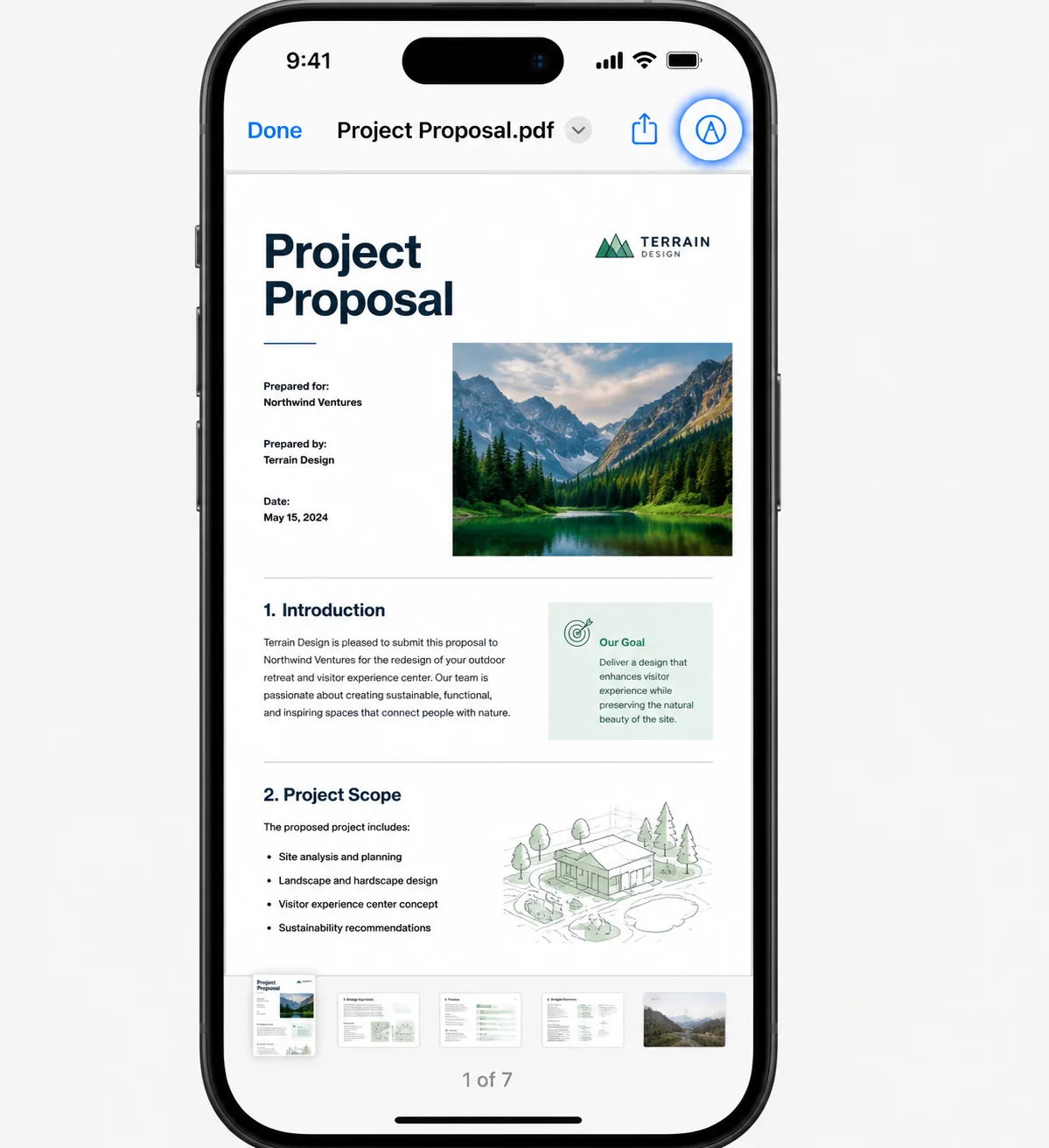
SmallPDF는 다양한 PDF 편집 기능을 제공하는 인기 있는 온라인 도구로, 페이지 번호를 추가할 수 있습니다. SmallPDF의 주요 장점 중 하나는 편리함입니다. 웹 기반 도구이기 때문에 소프트웨어를 다운로드하거나 설치할 필요 없이 인터넷 연결이 있는 모든 장치에서 액세스할 수 있습니다.
파일을 업로드하면 페이지 번호의 위치를 선택하고 시작할 번호를 선택하도록 요청하는 새로운 메뉴가 나타납니다
SmallPDF에는 다른 사용자화 또는 개인화 옵션이 없습니다
페이지 번호 생성을 클릭하고 처리된 후 PDF를 다운로드합니다
결론
PDF 문서에 페이지 번호를 추가하는 것은 문서의 가독성과 조직을 향상시키는 간단한 방법입니다. 이는 간단한 작업이지만, 다양한 기능과 옵션을 가지고 다양한 방식으로 접근할 수 있는 도구가 있습니다.
무료 온라인 도구는 빠르고 편리할 수 있으며, 제한에 도달하면 플랜을 구독해야 하지만, IronPDF 같은 전용 PDF 라이브러리가 제공하는 심층 제어가 부족할 수 있습니다.
그리고 PDF 페이지 번호는 시작에 불과합니다 - PDF 포맷팅 도구와 내장된 보안 및 준수 기능 등으로, IronPDF는 모든 PDF 문서 요구 사항을 위한 최고의 도구입니다.
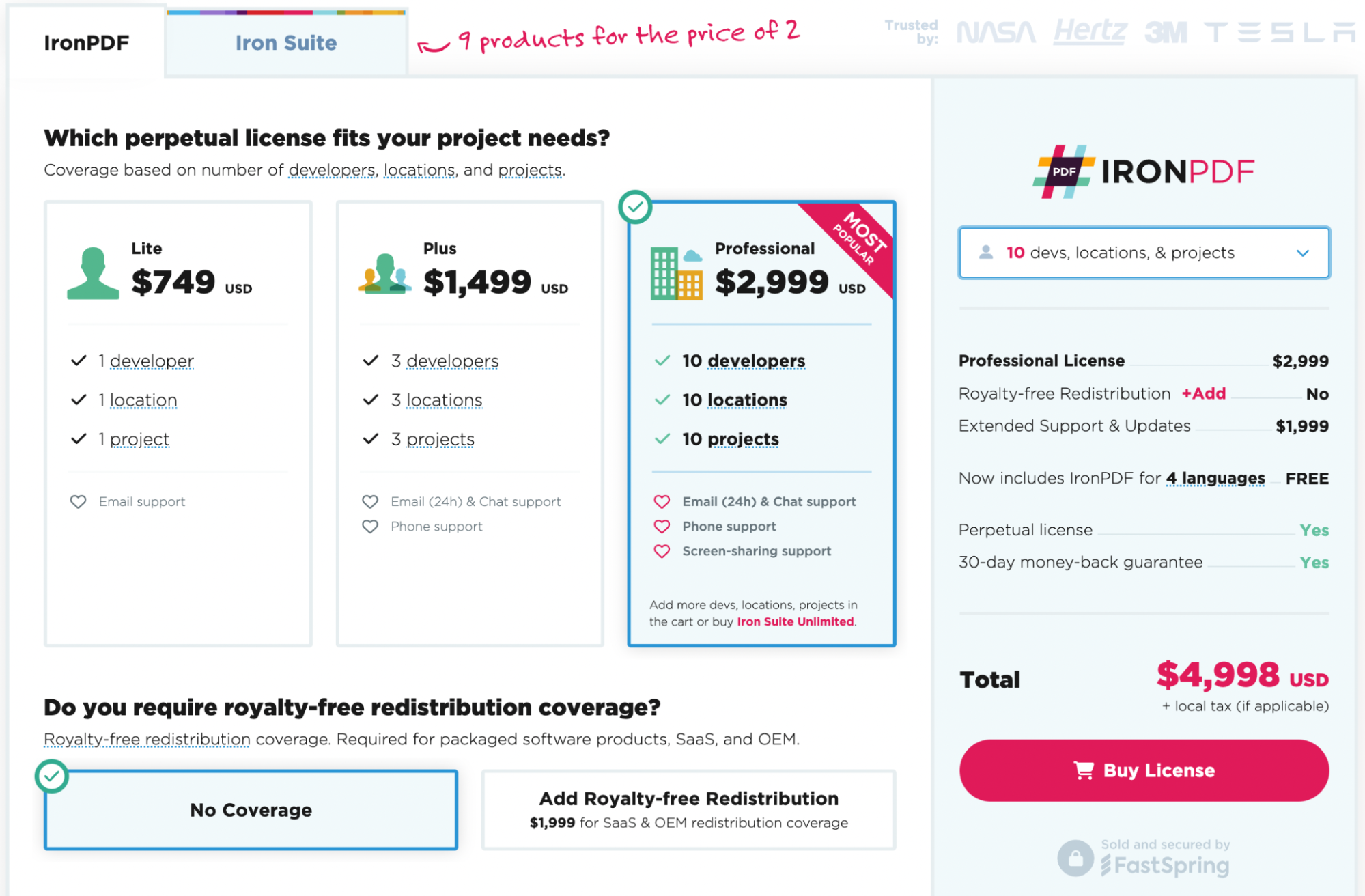
IronPDF를 직접 사용해볼 준비가 되었나요? IronPDF의 30일 무료 체험으로 시작할 수 있습니다. 개발 목적 사용 시 완전히 무료이므로 실제로 어떤 것인지 확인할 수 있습니다. 그리고 마음에 드신다면, IronPDF는 $999 라이선스부터 시작합니다. 더 많은 절약을 위해, Iron Suite 거래를 확인하여 두 개의 가격으로 Iron Software 도구 9개를 모두 얻을 수 있습니다. 즐거운 코딩 되세요!
커티스 차우는 칼턴 대학교에서 컴퓨터 과학 학사 학위를 취득했으며, Node.js, TypeScript, JavaScript, React를 전문으로 하는 프론트엔드 개발자입니다. 직관적이고 미적으로 뛰어난 사용자 인터페이스를 만드는 데 열정을 가진 그는 최신 프레임워크를 활용하고, 잘 구성되고 시각적으로 매력적인 매뉴얼을 제작하는 것을 즐깁니다.