



已更新 2026年4月23日
在 .NET 中用 Microsoft.Extensions.AI 簡化 LLM 整合
AI 正在改變軟體開發,但將大型語言模型 (LLM) 整合到 .NET 中一直很複雜。利用 IronPdf.AI 將 AI 整合推向更遠,為 .NET 應用程式帶來由 OpenAI 驅動的 PDF 解析、資料擷取和內容總結。
閱讀更多

C# 9.0中的init關鍵字引入了一種定義類屬性的新的方式,用於建立不可變的物件。 在早期版本的C#中,屬性通常使用get和set存取器來讀取和寫入物件欄位。 然而,使用init,您可以在物件初始化期間使屬性可寫,之後將其設為唯讀。
本教程將通過實際範例和場景使用IronPDF程式庫來探索使用C# init關鍵字。 您也會了解傳統屬性設置器(set)和新的init-only設置器之間的重要區別。
讓我們從一個基本的例子開始:
public class Person
{
    public string FirstName { get; init; }
    public string LastName { get; init; }
}

var person = new Person
{
    FirstName = "Iron",
    LastName = "Dev"
};

// person.FirstName = "Jane"; // This will give a compile-time error.Public Class Person
Public Property FirstName() As String
Public Property LastName() As String
End Class
Private person = New Person With {
.FirstName = "Iron",
.LastName = "Dev"
}
' person.FirstName = "Jane"; // This will give a compile-time error.
在這個例子中,LastName被標記為init-only屬性。 這意味著它們僅能在物件初始化期間被賦值。 物件建立後,嘗試更改這些值會導致編譯時錯誤。
使用init關鍵字的主要原因是使物件屬性在初始化後保持不可變。 傳統上,您可以將屬性標記為唯讀以實現不可變性。 然而,您通常需要一個接受所有必要值的構造函式來設置這些欄位,這可能會導致構造函式樣板程式碼。 使用init,您可以通過物件初始化器達到相同的目標,而無需編寫冗長的構造函式。
public class Person
{
    public string FirstName { get; init; }
    public string LastName { get; init; }
    // Without using constructor boilerplate for property initialization
}

var person = new Person
{
    FirstName = "John",
    LastName = "Doe"
};Public Class Person
Public Property FirstName() As String
Public Property LastName() As String
' Without using constructor boilerplate for property initialization
End Class
Private person = New Person With {
.FirstName = "John",
.LastName = "Doe"
}使用init與物件初始化器無縫協作。 而不是依賴構造函式來設置值,您可以在建立物件時直接定義所需的屬性。
public class Point
{
    public int X { get; init; }
    public int Y { get; init; }
}

var point = new Point { X = 10, Y = 20 };

// point.X = 30; // This will throw a compile-time errorPublic Class Point
Public Property X() As Integer
Public Property Y() As Integer
End Class
Private point = New Point With {
.X = 10,
.Y = 20
}
' point.X = 30; // This will throw a compile-time error這建立了一個簡單且不可變的Point型別的物件。 注意,Y的值是在初始化時設置的,之後無法修改。
盡管init的主要用例是通過物件初始化器進行物件初始化,但如果需要,您仍然可以使用構造函式。 這在強制要求特定屬性值時特別有用。
public class Person
{
    public string FirstName { get; init; }
    public string LastName { get; init; }

    public Person(string firstName, string lastName)
    {
        FirstName = firstName;
        LastName = lastName;
    }
}Public Class Person
Public Property FirstName() As String
Public Property LastName() As String
Public Sub New(ByVal firstName As String, ByVal lastName As String)
Me.FirstName = firstName
Me.LastName = lastName
End Sub
End Class您可以將構造函式和init屬性一起使用。 這種方法提供了更多的靈活性,同時在物件構建後仍然保持不可變性。
以前,開發者使用private set存取器來限制類外對屬性的修改。
public class Person
{
    public string FirstName { get; private set; }
    public string LastName { get; private set; }

    public Person(string firstName, string lastName)
    {
        FirstName = firstName;
        LastName = lastName;
    }
}Public Class Person
Private privateFirstName As String
Public Property FirstName() As String
Get
Return privateFirstName
End Get
Private Set(ByVal value As String)
privateFirstName = value
End Set
End Property
Private privateLastName As String
Public Property LastName() As String
Get
Return privateLastName
End Get
Private Set(ByVal value As String)
privateLastName = value
End Set
End Property
Public Sub New(ByVal firstName As String, ByVal lastName As String)
Me.FirstName = firstName
Me.LastName = lastName
End Sub
End Class儘管這種方法有效,但它需要構造函式樣板程式碼來初始化屬性。 此外,這允許類本身在以後修改屬性,對於不可變物件而言並不總是理想的。 init關鍵字消除了這個問題,因為它只允許在物件建立時初始化,並在以後阻止任何修改。
init關鍵字可以在物件建立期間初始化欄位或屬性,同時在之後保持不可變性。 雖然唯讀欄位提供不可變性,但init存取器為屬性提供了類似的功能。 這是您可以以兩種方式處理不可變性的方式:使用唯讀欄位和init屬性。
在本例中,我們對lastName使用唯讀欄位,這些欄位在物件構建時設置。 這些欄位只能在構造函式中賦值一次,之後無法修改:
public class Person
{
    private readonly string firstName;
    private readonly string lastName;

    public string FirstName => firstName;
    public string LastName => lastName;

    public Person(string firstName, string lastName)
    {
        this.firstName = firstName;
        this.lastName = lastName;
    }
}Public Class Person
'INSTANT VB NOTE: The field firstName was renamed since Visual Basic does not allow fields to have the same name as other class members:
Private ReadOnly firstName_Conflict As String
'INSTANT VB NOTE: The field lastName was renamed since Visual Basic does not allow fields to have the same name as other class members:
Private ReadOnly lastName_Conflict As String
Public ReadOnly Property FirstName() As String
Get
Return firstName_Conflict
End Get
End Property
Public ReadOnly Property LastName() As String
Get
Return lastName_Conflict
End Get
End Property
Public Sub New(ByVal firstName As String, ByVal lastName As String)
Me.firstName_Conflict = firstName
Me.lastName_Conflict = lastName
End Sub
End Class或者,我們可以使用init存取器來建立可以在物件建立期間進行初始化但之後無法更改的唯讀屬性。 這消除了唯讀欄位的需要,並提供了一個更現代的語法:
public class Person
{
    public string FirstName { get; init; }
    public string LastName { get; init; }
}Public Class Person
Public Property FirstName() As String
Public Property LastName() As String
End Class
IronPDF是一個為C#開發者設計的強大的PDF生成和操作程式庫。 它簡化了通過HTML、CSS、影像及其他內容轉換為PDF文件的工作。 IronPDF具備像素級精確渲染、跨平台支援和輕鬆整合到.NET專案中的功能,非常適合需要快速建立高質量PDF的開發者。 您可以將其與.NET Core、Framework和Standard一起使用,並支援多個平台,包括Windows、Linux和macOS。
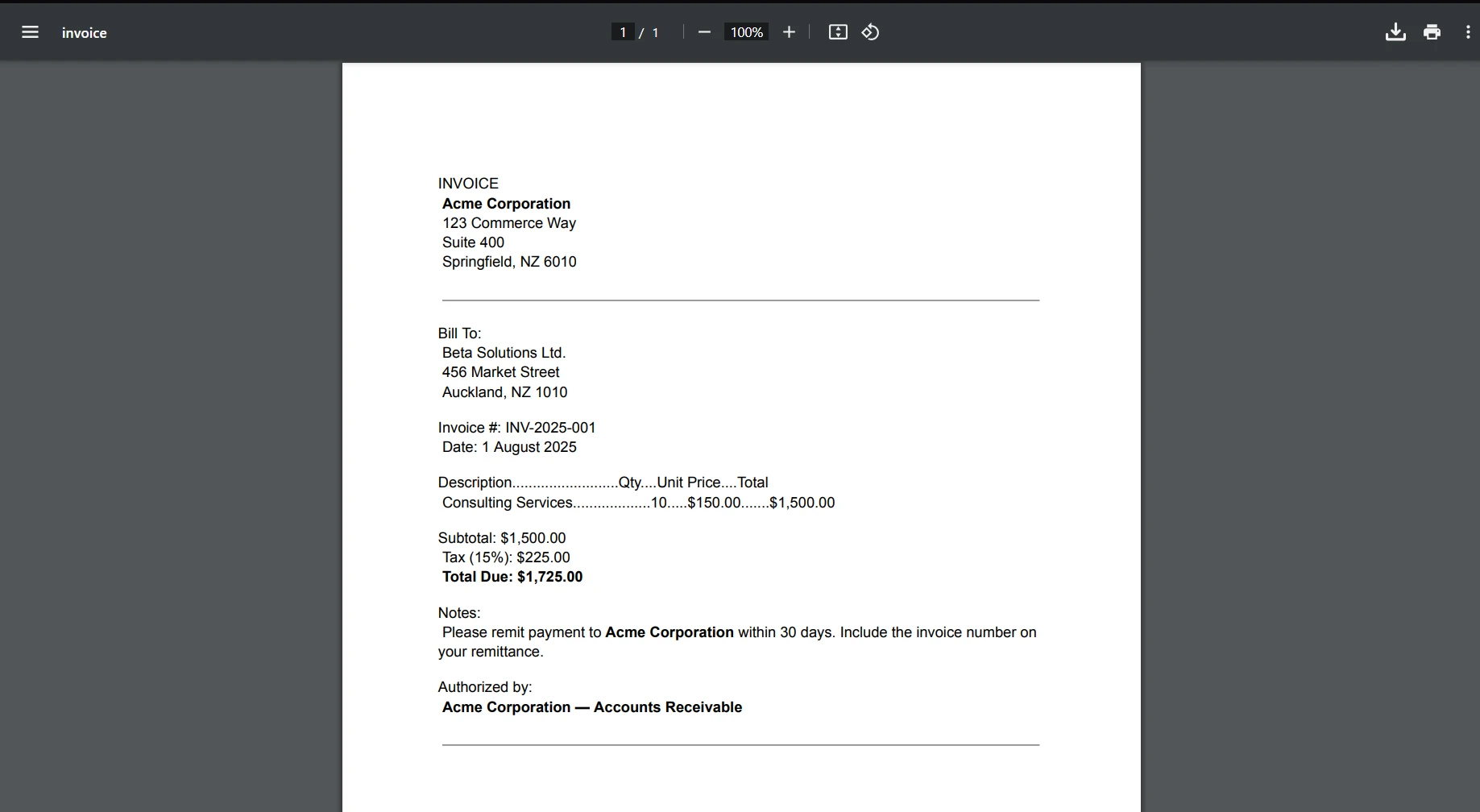
在C#專案中建立不可變物件,同時生成PDF,您可以將init關鍵字與IronPDF結合使用。 init關鍵字確保物件在被初始化後的完整性,而IronPDF則根據該不可變模型處理資料並生成PDF。
確保您的專案中正確引用了IronPDF。 您可以通過NuGet來安裝它:
這是程式碼範例:
using IronPdf;

public class Person
{
    public int Id { get; init; }
    public string FirstName { get; init; }
    public string LastName { get; init; }
}

public class PDFGenerator
{
    public static void CreatePersonPDF(Person person)
    {
        var htmlContent = $@"
        <html>
        <body>
            <h1>Person Information</h1>
            <p>ID: {person.Id}</p>
            <p>First Name: {person.FirstName}</p>
            <p>Last Name: {person.LastName}</p>
        </body>
        </html>";

        var renderer = new ChromePdfRenderer();
        var pdf = renderer.RenderHtmlAsPdf(htmlContent);
        pdf.SaveAs($"Person_{person.Id}.pdf");
    }
}

class Program
{
    static void Main(string[] args)
    {
        var person = new Person
        {
            Id = 1,
            FirstName = "Iron",
            LastName = "Dev"
        };

        PDFGenerator.CreatePersonPDF(person);
    }
}Imports IronPdf
Public Class Person
Public Property Id() As Integer
Public Property FirstName() As String
Public Property LastName() As String
End Class
Public Class PDFGenerator
Public Shared Sub CreatePersonPDF(ByVal person As Person)
Dim htmlContent = $"
<html>
<body>
<h1>Person Information</h1>
<p>ID: {person.Id}</p>
<p>First Name: {person.FirstName}</p>
<p>Last Name: {person.LastName}</p>
</body>
</html>"
Dim renderer = New ChromePdfRenderer()
Dim pdf = renderer.RenderHtmlAsPdf(htmlContent)
pdf.SaveAs($"Person_{person.Id}.pdf")
End Sub
End Class
Friend Class Program
Shared Sub Main(ByVal args() As String)
Dim person As New Person With {
.Id = 1,
.FirstName = "Iron",
.LastName = "Dev"
}
PDFGenerator.CreatePersonPDF(person)
End Sub
End Class總之,C# init關鍵字允許您在提供物件初始化靈活性的同時建立不可變物件。 它是一種比私有set存取器更清晰和更安全的替代方案,減少了構造函式樣板程式碼的需求。 將init關鍵字與唯讀欄位、結構體和驗證邏輯結合使用有助於構建健全且安全的資料結構,保持不可變性而不犧牲可讀性或靈活性。 IronPDF提供免費試用,授權價格從**$999**開始。 這讓您可以使用其全部功能,包括編輯、壓縮和保護PDF。

Jacob Mellor是Iron Software的首席技術官,一位在C# PDF技術上開創先河的遠見工程師。作為Iron Software核心程式碼庫的原開發者,他從創立以來就一直在塑造公司的產品架構,與首席執行官Cameron Rimington一起將公司轉變為服務於NASA、特斯拉和全球政府公司的50多名人員的公司。

IronPDF 是 IRONSUITE 的一部分
10 款適用於辦公室文件的 .NET API 產品

當您需要您的PDF看起來像HTML一樣快速。












