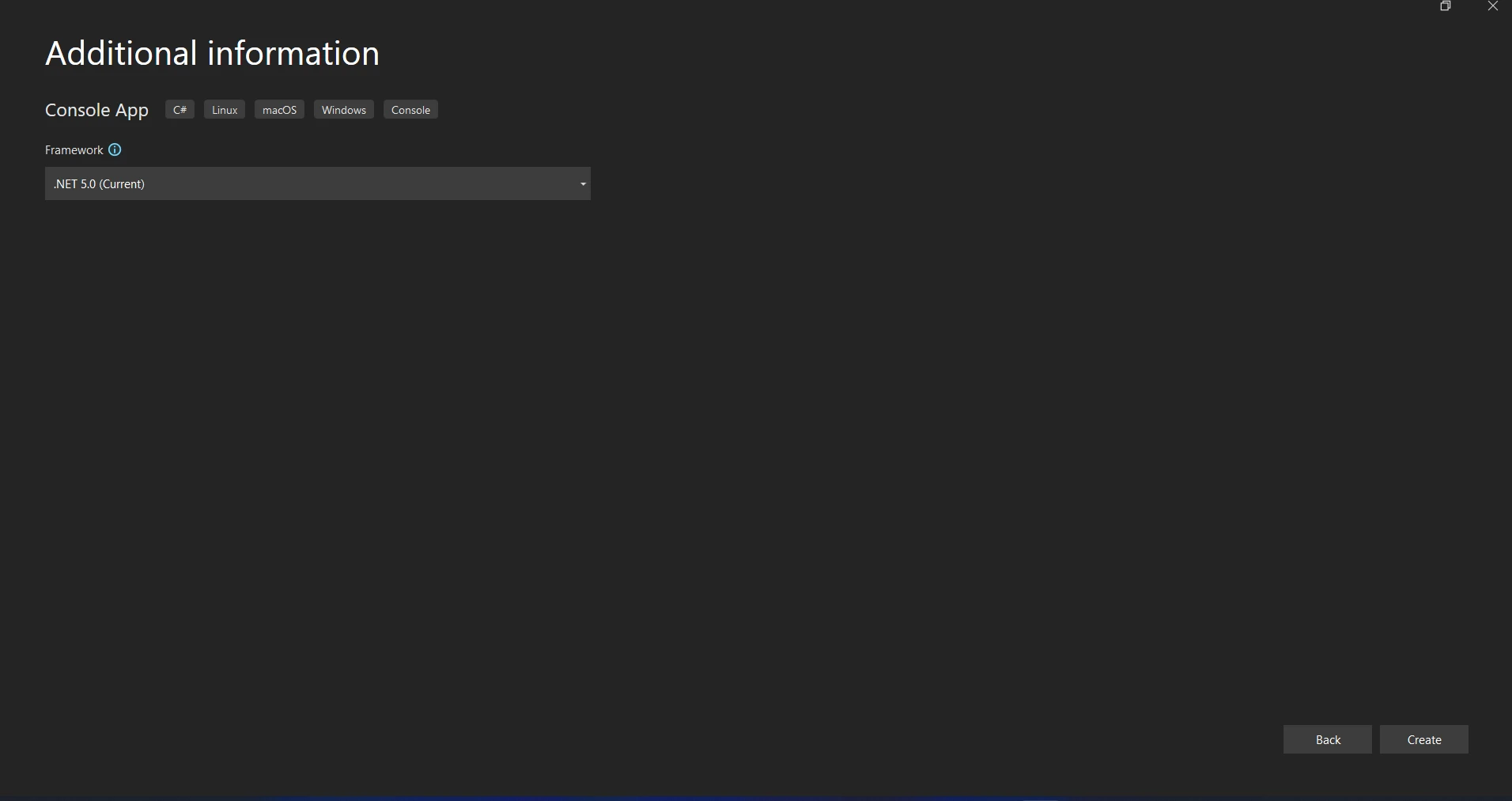
.NET幫助 Flurl C#(對開發者如何理解的工作) Curtis Chau 更新日期:6月 22, 2025 Download IronPDF NuGet 下載 DLL 下載 Windows 安裝程式 Start Free Trial Copy for LLMs Copy for LLMs Copy page as Markdown for LLMs Open in ChatGPT Ask ChatGPT about this page Open in Gemini Ask Gemini about this page Open in Grok Ask Grok about this page Open in Perplexity Ask Perplexity about this page Share Share on Facebook Share on X (Twitter) Share on LinkedIn Copy URL Email article When it comes to C# development, incorporating strong libraries can significantly increase output and capacity. Two such libraries that work well together are Flurl and IronPDF, which give programmers powerful tools for creating PDFs and interacting with online APIs, respectively. Flurl offers a fluid, expressive syntax that makes working with HTTP requests, APIs, and their API endpoints in C# easier. Sending HTTP requests, responding to them, and managing query parameters or headers are just a few of the tasks it simplifies. Developers can manage authentication, serialize and deserialize JSON, and consume web APIs quickly and effectively using Flurl—all while writing legible and well-organized code. Developers can take advantage of Flurl's ease of use and versatility in conjunction with IronPDF to create detailed and prepared PDF documents by connecting with web APIs, retrieving data, and integrating it into IronPDF with ease. With this integration, programmers may design complex applications that, by automating the creation of documents using real-time data retrieved from online services, improve productivity and user experience. We'll look at how to use and combine Flurl and IronPDF in a C# program in this introduction, emphasizing their advantages and potential for synergy in modern, contemporary software development. What is Flurl C#? Flurl is a robust and user-friendly C# library for managing HTTP requests and communicating with online APIs. It provides a fluid, chainable syntax that improves code readability and maintainability and reduces the complexity of interacting with RESTful APIs. Developers can easily create and submit HTTP requests, handle responses in an easy-to-understand manner, and manage query parameters, headers, and payloads with Flurl. One of Flurl's most notable characteristics is its ability to manage URL building dynamically, which makes it simple to create and alter URLs depending on runtime circumstances, also allowing it to be used as a standalone URL builder. It offers strong support for managing JSON data serialization and deserialization and supports popular HTTP features like GET, POST, PUT, DELETE, etc. Additionally, Flurl has built-in functionality for managing form data and query parameters, which makes it adaptable to a range of API integration scenarios. Fluent Interface The fluent, chainable syntax provided by Flurl enhances program readability and maintainability. Developers can create simple and expressive HTTP requests and work with URLs, query parameters, headers, and payloads. HTTP Method Support All standard HTTP methods, including GET, POST, PUT, DELETE, PATCH, HEAD, and OPTIONS, are supported. Developers can accomplish various tasks when working with web APIs thanks to this all-inclusive support approach. Query Parameter Handling Flurl offers easy ways to modify, add, and remove query parameters within URLs. It makes it easier to create dynamic URLs based on user input or runtime situations. JSON Support JSON data handling is supported natively by Flurl. It can easily deserialize JSON responses into C# objects and serialize objects to JSON for request payloads. Because of this, utilizing JSON-based APIs is simple and easy. Form Data and Multipart Support It makes managing multipart requests and form data easier. Flurl makes it simple for developers to include multipart/form-data payloads or form-encoded data in HTTP requests. Error Handling and Retry Policies Flurl offers retry policy definition and error-handling capabilities for all HTTP calls. By defining unique error-handling logic or retry techniques, developers can enhance the resilience and dependability of API calls and interactions. This also safeguards and helps developers prevent anonymous object errors in responses. Authentication It supports several popular authentication methods for web APIs, including OAuth, custom authentication schemes, Basic Authentication, and API keys. This ensures secure communication with authentication-required APIs. Testing Support By isolating HTTP-related logic into reusable components with a distinct separation of concerns, Flurl encourages testability. This makes writing unit tests for API interactions simpler, as no real network calls are required to test them. Configuration Flexibility It provides configuration flexibility for HTTP clients and request parameters. Developers can change client behaviors, timeouts, error response amounts, headers, and other settings to meet the needs of particular applications or API limitations. 可擴展性 Because of its framework for plugins, Flurl is very extendable. Developers can increase the platform's functionality by building unique extensions or incorporating third-party plugins for more features. Create and configure Flurl C# Here are the following steps to construct and configure Flurl in a C# project: Create a New Visual Studio Project 使用 Visual Studio 創建控制台項目很簡單。 To start a Console Application in the Visual Studio environment, follow these simple steps: Ensure Visual Studio is installed on your computer before attempting to use it. 啟動新項目 Choose File, Project, and then choose the New option. Either the "Console App" or "Console App (.NET Core)" template can be selected from the list of project template references below. Please fill out the "Name" form to give your project a name. Choose a place to keep the project. 點擊“創建”將打開控制台應用程式項目。 Install Flurl.Http Package The first step is to install the Flurl.Http package using the NuGet Package Manager Console or NuGet Package Manager in Visual Studio. Install-Package Flurl.Http Create a FlurlClient Configuration Flurl offers the FlurlClient class, which allows you to establish default parameters for every HTTP request that comes using just the URL builder. This optional but helpful step can be accomplished by setting base URLs or default headers. using Flurl; using Flurl.Http; // Configure a FlurlClient instance with base URL and headers FlurlClient flurlClient = new FlurlClient("https://api.example.com/"); flurlClient.WithHeader("Authorization", "Bearer YourAccessTokenHere"); using Flurl; using Flurl.Http; // Configure a FlurlClient instance with base URL and headers FlurlClient flurlClient = new FlurlClient("https://api.example.com/"); flurlClient.WithHeader("Authorization", "Bearer YourAccessTokenHere"); Imports Flurl Imports Flurl.Http ' Configure a FlurlClient instance with base URL and headers Private flurlClient As New FlurlClient("https://api.example.com/") flurlClient.WithHeader("Authorization", "Bearer YourAccessTokenHere") $vbLabelText $csharpLabel Make HTTP Requests You may now make HTTP requests using Flurl's fluent URL. var response = await "http://localhost:5013/users".GetAsync(); Console.WriteLine(response.ToString()); if (response.ResponseMessage.IsSuccessStatusCode) { var result = await response.ResponseMessage.Content.ReadAsStringAsync(); Console.WriteLine(result); } else { Console.WriteLine($"Error: {response.StatusCode}"); } var response = await "http://localhost:5013/users".GetAsync(); Console.WriteLine(response.ToString()); if (response.ResponseMessage.IsSuccessStatusCode) { var result = await response.ResponseMessage.Content.ReadAsStringAsync(); Console.WriteLine(result); } else { Console.WriteLine($"Error: {response.StatusCode}"); } Dim response = await "http://localhost:5013/users".GetAsync() Console.WriteLine(response.ToString()) If response.ResponseMessage.IsSuccessStatusCode Then Dim result = Await response.ResponseMessage.Content.ReadAsStringAsync() Console.WriteLine(result) Else Console.WriteLine($"Error: {response.StatusCode}") End If $vbLabelText $csharpLabel Handle Responses To manage response content based on the intended format (JSON, string, etc.), Flurl's HttpResponseMessageExtensions offers extension methods, such as ReceiveJson and ReceiveString. // Handling JSON response var responseObject = await "https://api.example.com/resource" .WithClient(flurlClient) .GetJsonAsync<ResponseType>(); // Assuming ResponseType is a class representing the expected JSON structure Console.WriteLine($"Response: {responseObject.Property}"); // Handling JSON response var responseObject = await "https://api.example.com/resource" .WithClient(flurlClient) .GetJsonAsync<ResponseType>(); // Assuming ResponseType is a class representing the expected JSON structure Console.WriteLine($"Response: {responseObject.Property}"); IRON VB CONVERTER ERROR developers@ironsoftware.com $vbLabelText $csharpLabel 附加配置 Query parameters: To add query parameters, use the .SetQueryParams() method. Ensure that each request runs using the same HttpClient instance for efficiency. Timeouts: For example, you can set up timeouts with .WithTimeout(TimeSpan.FromSeconds(30)). Error Handling: To handle particular error scenarios, use .OnError(). 入門指南 When you need to retrieve data from a remote API and create PDF documents using that data, integrating Flurl with IronPDF in a C# project can be helpful. To get you started with Flurl and IronPDF, follow these steps: What is IronPDF? A feature-rich .NET library named IronPDF is available in C# programs to create, read, and modify PDF documents. With the help of this tool, developers can quickly generate print-ready, high-quality PDFs from HTML, CSS, and JavaScript content. Some essential capabilities include the capacity to watermark, make headers and footers, split and combine PDFs, and convert HTML to PDF. IronPDF supports the .NET Framework and .NET Core, making it useful for various applications. Because PDFs are simple to integrate and have a wealth of detailed documentation, developers may easily employ them in their applications. IronPDF ensures that the generated PDFs closely resemble the source HTML content by efficiently handling complicated layouts and styling. IronPDF makes it super simple to convert webpages, URLs, and HTML into high-quality PDFs that look exactly like the original content. It’s perfect for creating PDFs of online reports, invoices, and more. If you’ve been looking for a way to turn HTML to PDF, IronPDF has you covered! using IronPdf; class Program { static void Main(string[] args) { var renderer = new ChromePdfRenderer(); // 1. Convert HTML String to PDF var htmlContent = "<h1>Hello, IronPDF!</h1><p>This is a PDF from an HTML string.</p>"; var pdfFromHtmlString = renderer.RenderHtmlAsPdf(htmlContent); pdfFromHtmlString.SaveAs("HTMLStringToPDF.pdf"); // 2. Convert HTML File to PDF var htmlFilePath = "path_to_your_html_file.html"; // Specify the path to your HTML file var pdfFromHtmlFile = renderer.RenderHtmlFileAsPdf(htmlFilePath); pdfFromHtmlFile.SaveAs("HTMLFileToPDF.pdf"); // 3. Convert URL to PDF var url = "http://ironpdf.com"; // Specify the URL var pdfFromUrl = renderer.RenderUrlAsPdf(url); pdfFromUrl.SaveAs("URLToPDF.pdf"); } } using IronPdf; class Program { static void Main(string[] args) { var renderer = new ChromePdfRenderer(); // 1. Convert HTML String to PDF var htmlContent = "<h1>Hello, IronPDF!</h1><p>This is a PDF from an HTML string.</p>"; var pdfFromHtmlString = renderer.RenderHtmlAsPdf(htmlContent); pdfFromHtmlString.SaveAs("HTMLStringToPDF.pdf"); // 2. Convert HTML File to PDF var htmlFilePath = "path_to_your_html_file.html"; // Specify the path to your HTML file var pdfFromHtmlFile = renderer.RenderHtmlFileAsPdf(htmlFilePath); pdfFromHtmlFile.SaveAs("HTMLFileToPDF.pdf"); // 3. Convert URL to PDF var url = "http://ironpdf.com"; // Specify the URL var pdfFromUrl = renderer.RenderUrlAsPdf(url); pdfFromUrl.SaveAs("URLToPDF.pdf"); } } Imports IronPdf Friend Class Program Shared Sub Main(ByVal args() As String) Dim renderer = New ChromePdfRenderer() ' 1. Convert HTML String to PDF Dim htmlContent = "<h1>Hello, IronPDF!</h1><p>This is a PDF from an HTML string.</p>" Dim pdfFromHtmlString = renderer.RenderHtmlAsPdf(htmlContent) pdfFromHtmlString.SaveAs("HTMLStringToPDF.pdf") ' 2. Convert HTML File to PDF Dim htmlFilePath = "path_to_your_html_file.html" ' Specify the path to your HTML file Dim pdfFromHtmlFile = renderer.RenderHtmlFileAsPdf(htmlFilePath) pdfFromHtmlFile.SaveAs("HTMLFileToPDF.pdf") ' 3. Convert URL to PDF Dim url = "http://ironpdf.com" ' Specify the URL Dim pdfFromUrl = renderer.RenderUrlAsPdf(url) pdfFromUrl.SaveAs("URLToPDF.pdf") End Sub End Class $vbLabelText $csharpLabel IronPDF 的特點 從HTML生成PDF Convert JavaScript, HTML, and CSS to PDF. It supports media queries and responsive design, two contemporary web standards. It is useful for dynamically decorating PDF reports, invoices, and documents with HTML and CSS. PDF編輯功能 Text, photos, and other content can be added to preexisting PDFs. Text and pictures can be removed from PDF files. Numerous PDFs can be combined into one file. PDF files can be divided into multiple separate papers. Watermarks, annotations, headers, and footers can be included. PDF轉換功能 Convert several file kinds, including Word, Excel, and picture files, to PDF format. PDF to image conversion (PNG, JPEG, etc.). 性能和可靠性 High performance and dependability are desired design qualities in industrial settings as they can manage extensive document collections effectively. 首先,確保你的項目安裝了 IronPDF 庫。 To gain the tools you need to work with PDFs in .NET projects, install the IronPDF package. Install-Package IronPdf Fetch Data Using Flurl to generate a PDF To make HTTP queries and get data from your API, use Flurl's fluent API. This is an instance of retrieving JSON data: using Flurl; using Flurl.Http; using IronPdf; using System; using System.Threading.Tasks; class Program { static async Task Main(string[] args) { try { var response = await "http://localhost:5013/users/1".GetJsonAsync<User>(); var id = response?.Id; var name = response?.Name; Console.WriteLine($"Data fetched successfully: {name}"); // Generate PDF using IronPDF var renderer = new ChromePdfRenderer(); string htmlTemplate = $@" <html> <body> <h1>{id}</h1> <p>{name}</p> </body> </html>"; // Generate PDF document from HTML template var pdfDocument = renderer.RenderHtmlAsPdf(htmlTemplate); // Save or stream the PDF document pdfDocument.SaveAs(@"document.pdf"); Console.WriteLine("PDF document generated successfully."); } catch (FlurlHttpException ex) { Console.WriteLine($"HTTP Error: {ex.Message}"); } catch (Exception ex) { Console.WriteLine($"Error: {ex.Message}"); } } } // Example model class for JSON deserialization public class User { public int Id { get; set; } public string Name { get; set; } } using Flurl; using Flurl.Http; using IronPdf; using System; using System.Threading.Tasks; class Program { static async Task Main(string[] args) { try { var response = await "http://localhost:5013/users/1".GetJsonAsync<User>(); var id = response?.Id; var name = response?.Name; Console.WriteLine($"Data fetched successfully: {name}"); // Generate PDF using IronPDF var renderer = new ChromePdfRenderer(); string htmlTemplate = $@" <html> <body> <h1>{id}</h1> <p>{name}</p> </body> </html>"; // Generate PDF document from HTML template var pdfDocument = renderer.RenderHtmlAsPdf(htmlTemplate); // Save or stream the PDF document pdfDocument.SaveAs(@"document.pdf"); Console.WriteLine("PDF document generated successfully."); } catch (FlurlHttpException ex) { Console.WriteLine($"HTTP Error: {ex.Message}"); } catch (Exception ex) { Console.WriteLine($"Error: {ex.Message}"); } } } // Example model class for JSON deserialization public class User { public int Id { get; set; } public string Name { get; set; } } Imports Flurl Imports Flurl.Http Imports IronPdf Imports System Imports System.Threading.Tasks Friend Class Program Shared Async Function Main(ByVal args() As String) As Task Try Dim response = await "http://localhost:5013/users/1".GetJsonAsync(Of User)() Dim id = response?.Id Dim name = response?.Name Console.WriteLine($"Data fetched successfully: {name}") ' Generate PDF using IronPDF Dim renderer = New ChromePdfRenderer() Dim htmlTemplate As String = $" <html> <body> <h1>{id}</h1> <p>{name}</p> </body> </html>" ' Generate PDF document from HTML template Dim pdfDocument = renderer.RenderHtmlAsPdf(htmlTemplate) ' Save or stream the PDF document pdfDocument.SaveAs("document.pdf") Console.WriteLine("PDF document generated successfully.") Catch ex As FlurlHttpException Console.WriteLine($"HTTP Error: {ex.Message}") Catch ex As Exception Console.WriteLine($"Error: {ex.Message}") End Try End Function End Class ' Example model class for JSON deserialization Public Class User Public Property Id() As Integer Public Property Name() As String End Class $vbLabelText $csharpLabel In this example, Flurl's .GetJsonAsync() function is used to send a GET request and fetch JSON data. Replace User with your model class, which represents the API response structure, and "URL" with your actual API endpoint. An HTML template (htmlTemplate) can be rendered into a PDF document using IronPDF's ChromePdfRenderer class. Here, the title and body data retrieved from the API are used to dynamically construct the HTML template. The created PDF document (pdfDocument) is saved to the specified location ("document.pdf") on the file system. Modify the path as needed. Provide robust error handling for problems like network faults (FlurlHttpException) or general exceptions (Exception) during data fetching or PDF production. You can change the page size, margins, headers, footers, and other PDF settings using IronPDF. For more advanced customization possibilities, see IronPDF's manner manual. When sending HTTP queries to APIs, ensure sensitive data and access tokens are handled securely. Use the proper authentication methods that your API requires. 結論 In summary, combining IronPDF for PDF generation with Flurl for API interaction in a C# application offers a potent combination for dynamically retrieving data and producing high-quality PDF documents. With its fluid API, the Flurl library streamlines HTTP requests and provides flexibility and user-friendliness when retrieving data from distant endpoints. In addition, IronPDF facilitates the easy translation of HTML material into PDF format, offering adjustable features such as headers, margins, and page size. When implementing this integration, it's also important to consider speed optimization, data security, and error handling. By following best practices and utilizing the advantages of both Flurl and IronPDF, developers may create dependable and scalable solutions that successfully satisfy the requirements of contemporary apps. IronPDF and Iron Software's Suite offer additional online apps and capabilities and more efficient development by combining Iron Software's highly flexible systems and suite with its core support. If license alternatives are clear and specific to the project's needs, developers are better able to determine which model is ideal and best practice. These benefits allow developers to manage a range of issues in a clear, compelling, and effortlessly integrated way. 常見問題解答 我如何使用 Flurl 從 C# 中的 API 獲取數據? Flurl 提供了一個流暢的 API 來創建 HTTP 請求,使得從 API 獲取數據變得容易。您可以使用如 GetAsync 等方法在 C# 中直接檢索數據和處理響應。 使用 Flurl 的流暢語法在 C# 中有什麼優勢? Flurl 的流暢語法通過允許開發者無縫鏈接方法調用來增強代碼的可讀性和可維護性,簡化了創建和發送 HTTP 請求的過程。 Flurl 如何在創建 HTTP 請求時處理身份驗證? Flurl 支持各種身份驗證方法,包括 OAuth 和 API 密鑰,通過允許在您的 HTTP 請求中包括身份驗證憑證來實現安全的 API 交互。 Flurl 如何簡化 API 請求中的錯誤處理? Flurl 提供強大的錯誤處理功能和重試策略,允許開發者實施自定義錯誤處理邏輯和重試機制,以確保應用程序中的 API 交互可靠。 在 C# 中如何將 HTML 轉換為 PDF? 您可以使用 IronPDF 在 C# 中將 HTML 內容轉換為 PDF。IronPDF 支持將 HTML、 CSS 和 JavaScript 轉換為高質量的 PDF,同時允許額外功能,如頁眉、頁腳和水印。 Flurl 和 PDF 生成庫可以在 C# 應用程序中集成嗎? 可以,Flurl 可以用來從 API 獲取數據,然後可以使用像 IronPDF 這樣的庫進行處理和轉換為 PDF 文檔。這種集成可以根據實時數據動態生成PDF。 使用 Flurl 在 C# 中進行 HTTP 請求有什麼好處? Flurl 通過提供一個簡單的界面來處理各種 HTTP 方法、身份驗證和錯誤管理,從而提高了處理 HTTP 請求時的生產力和代碼清晰度,非常適合現代 API 驅動的應用程序。 PDF 生成庫如何處理響應式設計? IronPDF 支持媒體查詢和響應式設計,確保 HTML 內容在結果 PDF 中精確表示,無論最初設計時的設備或屏幕尺寸如何。 Curtis Chau 立即與工程團隊聊天 技術作家 Curtis Chau 擁有卡爾頓大學計算機科學學士學位,專注於前端開發,擅長於 Node.js、TypeScript、JavaScript 和 React。Curtis 熱衷於創建直觀且美觀的用戶界面,喜歡使用現代框架並打造結構良好、視覺吸引人的手冊。除了開發之外,Curtis 對物聯網 (IoT) 有著濃厚的興趣,探索將硬體和軟體結合的創新方式。在閒暇時間,他喜愛遊戲並構建 Discord 機器人,結合科技與創意的樂趣。 相關文章 更新日期 9月 4, 2025 RandomNumberGenerator C# 使用RandomNumberGenerator C#類可以幫助將您的PDF生成和編輯項目提升至新水準 閱讀更多 更新日期 9月 4, 2025 C#字符串等於(它如何對開發者起作用) 當結合使用強大的PDF庫IronPDF時,開關模式匹配可以讓您構建更智能、更清晰的邏輯來進行文檔處理 閱讀更多 更新日期 8月 5, 2025 C#開關模式匹配(對開發者來說是如何工作的) 當結合使用強大的PDF庫IronPDF時,開關模式匹配可以讓您構建更智能、更清晰的邏輯來進行文檔處理 閱讀更多 IdentityServer .NET(對開發者如何理解的工作)NServiceBus C#(對開發者如何...