HttpListener C#(對開發者如何理解的工作)

HttpListener 類是 C# 中最有用的工具之一,可用於建立基本的獨立網頁伺服器。 它包含在 System.Net 命名空間中,並提供一種接收和回覆客戶端 HTTP 請求的方法。 這對於管理桌面程式中的網路通訊或建立輕量級的線上服務特別有幫助。
一個名為 IronPDF for PDF 的 .NET 函式庫可用來製作、修改和擷取 PDF 檔案中的內容。 它提供全面的功能,可從 HTML 建立 PDF、將預先存在的 PDF 轉換為不同格式,以及使用程式設計修改 PDF。
開發人員可透過結合 HttpListener 與 IronPDF,設計出可回應 HTTP 請求動態製作並提供 PDF 文件的 Web 服務。 需要依據使用者輸入或其他動態資料即時產生 PDF 的應用程式可能會發現這非常有用。
什麼是 HttpListener C#?
HttpListener Documentation 是 .NET Framework 的 System.Net 命名空間中的一個簡單但靈活的類別,可讓開發人員使用 C# 設計不複雜的 HTTP 伺服器。 其目的是接收客戶傳入的 HTTP 請求、處理這些請求並回覆適當的資訊。 由於不需要 IIS 之類的全功能網路伺服器,因此對於輕量級、獨立的網路服務,或是將網路通訊功能整合到桌上型電腦程式中,本類型是一個很好的選擇。
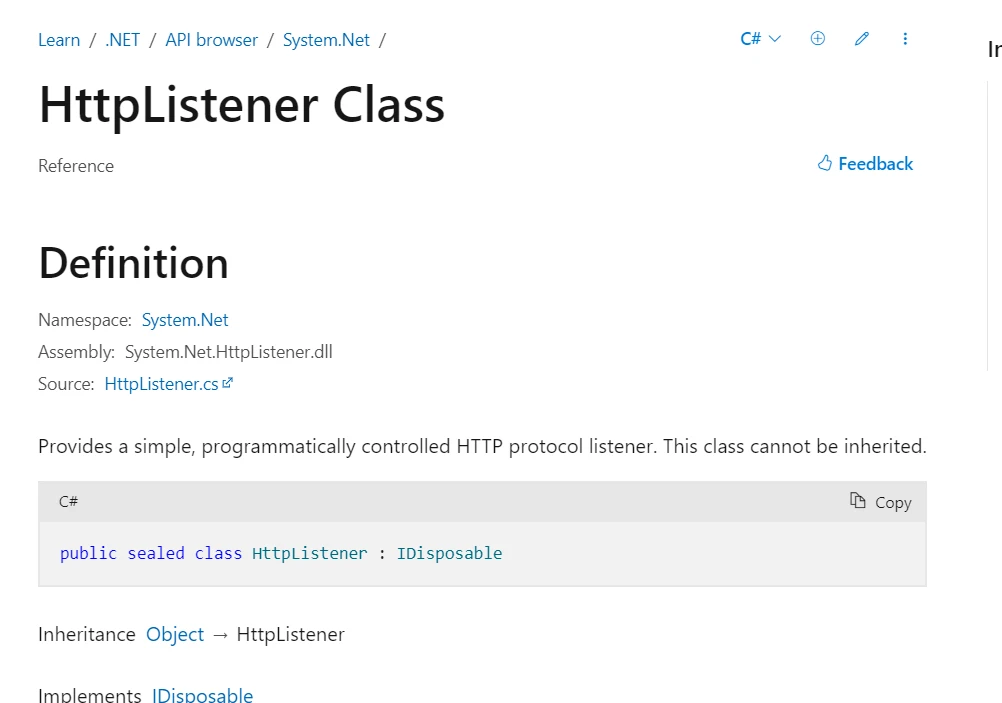
開發者可以使用 HttpListener 設定 URI 前綴來決定伺服器應該監聽哪些位址。 一旦監聽器啟動,它就會回應所有傳入的請求,並使用 HttpListenerContext 來提供對請求和回應物件的存取。 此配置可根據應用程式的需求建立特定的 HTTP 請求處理邏輯。 HttpListener 的易用性和適應性使其在需要快速、高效且可配置的 HTTP 伺服器的情況下特別有用。 HttpListener 為開發用於測試的本機伺服器、線上服務原型設計或將通訊協定整合到桌面應用程式提供了一個穩定的解決方案,且沒有額外開銷。
Features of HttpListener C#
C# 的 HttpListener 具備多項功能,是建立 HTTP 伺服器的有效工具。 其中的基本要素包括
-易用性: HttpListener 是一個易於使用的函式庫,它允許程式設計師編寫更少的程式碼來建立一個基本的 HTTP 伺服器。
- URI前綴:可指定多個URI前綴進行監聽,靈活處理各種端點,並保證伺服器僅對相關查詢作出反應。
-非同步操作:
HttpListener支援非同步方法,透過同時有效率地處理大量請求而不中斷主線程,增強了伺服器的可擴展性和回應能力。 -驗證:您可以根據需要使用HttpListener支援的多種驗證技術(例如基本驗證、摘要式驗證、NTLM 驗證和整合 Windows 驗證)來保護您的端點。 - HTTPS 支援:
HttpListener可以設定為回應 HTTPS 請求,例如,啟用安全的客戶端-伺服器資料通訊。 -請求和回應處理:HttpListener允許您透過新增新的標頭、狀態代碼和內容類型以及讀取請求資料、標頭和參數來變更回應,從而完全控制請求和回應過程。 -監聽器設定:HttpListener提供監聽器特定的設定選項,以調整伺服器行為,例如憑證管理(用於 HTTPS)、逾時和其他參數。 - Logging and Diagnostics: 啟用日誌和診斷功能,提供全面的要求和回應資訊,有助於監控和故障排除。
- 相容性:允許與目前的 .NET 服務和應用程式順利整合,因為它與其他 .NET 元件和函式庫功能良好。
-跨平台:
HttpListener與 Windows、Linux 和 macOS 相容,並可用於 .NET Core 和 .NET 5+,從而提供跨平台開發的靈活性。
Create and Config HttpListener C#
在 C# 中建立和設定 HttpListener 需要多個步驟。 下面提供了一個關於如何設定 HttpListener 來處理 HTTP 請求的詳細教學。
建立新的 .NET 專案。
打開您的命令提示符、控制台或終端機。
輸入以下字元啟動新建立的 .NET 主控台應用程式:
dotnet new console -n HttpListenerExample
cd HttpListenerExample
dotnet new console -n HttpListenerExample
cd HttpListenerExample建立一個 HttpListener 實例
首先,建立 HttpListener 類別的一個實例。
設定 URI 前綴。
加入 URI 前綴以指定監聽器應該處理哪些位址。
啟動聆聽器
啟動 HttpListener 開始監聽傳入的 HTTP 請求。
處理收到的要求。
建立一個迴路來處理傳入的請求、處理請求並傳送回覆。
停止監聽
當不再需要時,優雅地停止 HttpListener。
以下是這些階段的實例說明:
using System;
using System.Net;
using System.Text;

class Program
{
    public static string url = "http://localhost:8080/";
    public static HttpListener listener;

    public static void Main(string[] args)
    {
        // Step 1: Create an HttpListener instance
        listener = new HttpListener();

        // Step 2: Configure URI prefixes
        listener.Prefixes.Add(url);

        // Step 3: Start the listener
        listener.Start();
        Console.WriteLine("Listening for requests on " + url);

        // Step 4: Handle incoming requests
        // This server will handle requests in an infinite loop
        while (true)
        {
            // GetContext method blocks until a request is received
            HttpListenerContext context = listener.GetContext();
            HttpListenerRequest request = context.Request;

            // Process the request (e.g., log the request URL)
            Console.WriteLine($"Received request for {request.Url}");

            // Create a response
            HttpListenerResponse response = context.Response;

            // Add response content
            string responseString = "<html><body>Hello, world!</body></html>";
            byte[] buffer = Encoding.UTF8.GetBytes(responseString);

            // Set the content length and type
            response.ContentLength64 = buffer.Length;
            response.ContentType = "text/html";

            // Write the response to the output stream
            using (System.IO.Stream output = response.OutputStream)
            {
                output.Write(buffer, 0, buffer.Length);
            }

            // Close the response
            response.Close();
        }
        // Step 5: Stop the listener (this code is unreachable in the current loop structure)
        // listener.Stop();
    }
}
using System;
using System.Net;
using System.Text;
class Program
{
public static string url = "http://localhost:8080/";
public static HttpListener listener;
public static void Main(string[] args)
{
// Step 1: Create an HttpListener instance
listener = new HttpListener();
// Step 2: Configure URI prefixes
listener.Prefixes.Add(url);
// Step 3: Start the listener
listener.Start();
Console.WriteLine("Listening for requests on " + url);
// Step 4: Handle incoming requests
// This server will handle requests in an infinite loop
while (true)
{
// GetContext method blocks until a request is received
HttpListenerContext context = listener.GetContext();
HttpListenerRequest request = context.Request;
// Process the request (e.g., log the request URL)
Console.WriteLine($"Received request for {request.Url}");
// Create a response
HttpListenerResponse response = context.Response;
// Add response content
string responseString = "<html><body>Hello, world!</body></html>";
byte[] buffer = Encoding.UTF8.GetBytes(responseString);
// Set the content length and type
response.ContentLength64 = buffer.Length;
response.ContentType = "text/html";
// Write the response to the output stream
using (System.IO.Stream output = response.OutputStream)
{
output.Write(buffer, 0, buffer.Length);
}
// Close the response
response.Close();
}
// Step 5: Stop the listener (this code is unreachable in the current loop structure)
// listener.Stop();
}
}Imports System
Imports System.Net
Imports System.Text
Friend Class Program
Public Shared url As String = "http://localhost:8080/"
Public Shared listener As HttpListener
Public Shared Sub Main(ByVal args() As String)
' Step 1: Create an HttpListener instance
listener = New HttpListener()
' Step 2: Configure URI prefixes
listener.Prefixes.Add(url)
' Step 3: Start the listener
listener.Start()
Console.WriteLine("Listening for requests on " & url)
' Step 4: Handle incoming requests
' This server will handle requests in an infinite loop
Do
' GetContext method blocks until a request is received
Dim context As HttpListenerContext = listener.GetContext()
Dim request As HttpListenerRequest = context.Request
' Process the request (e.g., log the request URL)
Console.WriteLine($"Received request for {request.Url}")
' Create a response
Dim response As HttpListenerResponse = context.Response
' Add response content
Dim responseString As String = "<html><body>Hello, world!</body></html>"
Dim buffer() As Byte = Encoding.UTF8.GetBytes(responseString)
' Set the content length and type
response.ContentLength64 = buffer.Length
response.ContentType = "text/html"
' Write the response to the output stream
Using output As System.IO.Stream = response.OutputStream
output.Write(buffer, 0, buffer.Length)
End Using
' Close the response
response.Close()
Loop
' Step 5: Stop the listener (this code is unreachable in the current loop structure)
' listener.Stop();
End Sub
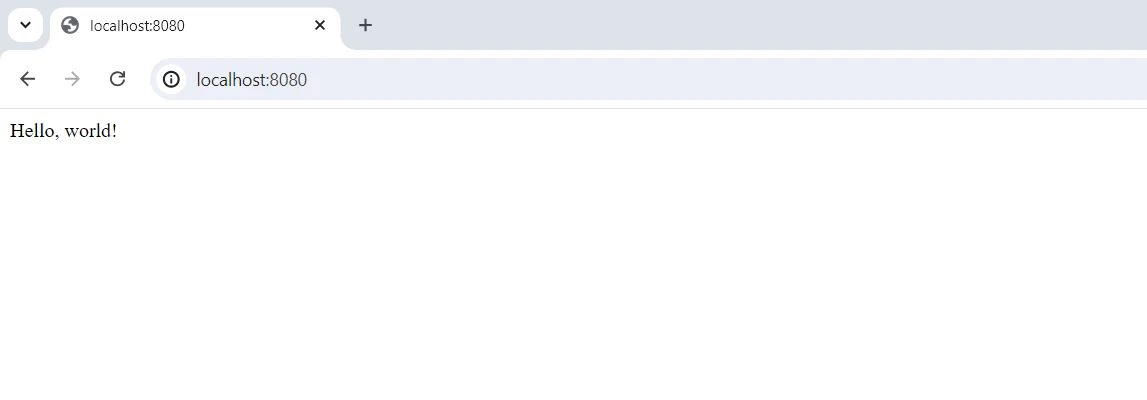
End Class隨附的 C# 程式碼示範了建立和配置 HttpListener 的過程,該 HttpListener 可用作基本的 HTTP 伺服器。 它首先實例化一個 HttpListener 對象,並附加一個 URI 前綴 (http://localhost:8080/) 來定義它將處理請求的位址。 接下來,使用 Start 方法啟動監聽器。 利用無限期的 while 環路來持續監聽新的 HTTP 請求。 GetContext 在循環期間等待請求,然後傳回一個包含請求和回應物件的 HttpListenerContext 物件。
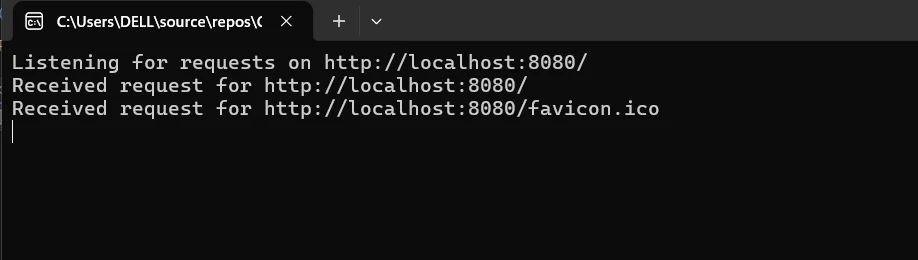
記錄請求 URL 之後,會建立直接的 HTML 回應物件,轉換成位元組陣列,並傳送至回應輸出串流。 在將回應傳回給客戶端之前,必須正確指定回應的內容類型和長度。 無限循環是指伺服器永遠不會停止處理一個接一個的請求。 為了停止監聽器,需要呼叫 Stop 方法,但在這種情況下,無限循環會阻止呼叫 Stop 方法。
開始
IronPDF 可幫助您在 .NET 中製作和變更高品質的 PDF,您需要用它來建立文件和報告。 HttpListener 的內建 HTTP 伺服器功能可讓您在小型應用程式或服務中管理 Web 請求。 這兩種工具都能提高 .NET 應用程式在各自領域中的實用性和速度。 若要開始使用 C# 的 HttpListener 並將其與 IronPDF 整合以建立 PDF,請執行下列操作:
什麼是 IronPDF?
功能豐富的 .NET 函式庫 IronPDF for C# 可讓 C# 程式製作、讀取和編輯 PDF 文件。 在此工具的幫助下,開發人員可以快速地將 HTML、CSS 和 JavaScript 資料轉換成高品質、可列印的 PDF。 其中最關鍵的任務包括新增頁首和頁尾,分割和合併 PDF,為文件新增水印,以及將 HTML 轉換為 PDF。 IronPDF 對各種應用程式都有幫助,因為它同時支援 .NET Framework 和 .NET Core。
由於 PDF 易於使用且包含大量資訊,因此開發人員可以輕鬆地將其包含在產品中。 由於 IronPDF 可以處理複雜的資料佈局和格式,因此它所產生的 PDF 輸出,看起來很像客戶端或原始的 HTML 文字。
IronPDF 擅長於 HTML 至 PDF 的轉換,可確保精確保留原始版面與樣式。 它非常適合從網頁內容(如報告、發票和文件)建立 PDF。 IronPDF 支援 HTML 檔案、URL 和原始 HTML 字串,可輕鬆製作高品質的 PDF 文件。
using IronPdf;

class Program
{
    static void Main(string[] args)
    {
        var renderer = new ChromePdfRenderer();

        // 1. Convert HTML String to PDF
        var htmlContent = "<h1>Hello, IronPDF!</h1><p>This is a PDF from an HTML string.</p>";
        var pdfFromHtmlString = renderer.RenderHtmlAsPdf(htmlContent);
        pdfFromHtmlString.SaveAs("HTMLStringToPDF.pdf");

        // 2. Convert HTML File to PDF
        var htmlFilePath = "path_to_your_html_file.html"; // Specify the path to your HTML file
        var pdfFromHtmlFile = renderer.RenderHtmlFileAsPdf(htmlFilePath);
        pdfFromHtmlFile.SaveAs("HTMLFileToPDF.pdf");

        // 3. Convert URL to PDF
        var url = "http://ironpdf.com"; // Specify the URL
        var pdfFromUrl = renderer.RenderUrlAsPdf(url);
        pdfFromUrl.SaveAs("URLToPDF.pdf");
    }
}
using IronPdf;
class Program
{
static void Main(string[] args)
{
var renderer = new ChromePdfRenderer();
// 1. Convert HTML String to PDF
var htmlContent = "<h1>Hello, IronPDF!</h1><p>This is a PDF from an HTML string.</p>";
var pdfFromHtmlString = renderer.RenderHtmlAsPdf(htmlContent);
pdfFromHtmlString.SaveAs("HTMLStringToPDF.pdf");
// 2. Convert HTML File to PDF
var htmlFilePath = "path_to_your_html_file.html"; // Specify the path to your HTML file
var pdfFromHtmlFile = renderer.RenderHtmlFileAsPdf(htmlFilePath);
pdfFromHtmlFile.SaveAs("HTMLFileToPDF.pdf");
// 3. Convert URL to PDF
var url = "http://ironpdf.com"; // Specify the URL
var pdfFromUrl = renderer.RenderUrlAsPdf(url);
pdfFromUrl.SaveAs("URLToPDF.pdf");
}
}Imports IronPdf
Friend Class Program
Shared Sub Main(ByVal args() As String)
Dim renderer = New ChromePdfRenderer()
' 1. Convert HTML String to PDF
Dim htmlContent = "<h1>Hello, IronPDF!</h1><p>This is a PDF from an HTML string.</p>"
Dim pdfFromHtmlString = renderer.RenderHtmlAsPdf(htmlContent)
pdfFromHtmlString.SaveAs("HTMLStringToPDF.pdf")
' 2. Convert HTML File to PDF
Dim htmlFilePath = "path_to_your_html_file.html" ' Specify the path to your HTML file
Dim pdfFromHtmlFile = renderer.RenderHtmlFileAsPdf(htmlFilePath)
pdfFromHtmlFile.SaveAs("HTMLFileToPDF.pdf")
' 3. Convert URL to PDF
Dim url = "http://ironpdf.com" ' Specify the URL
Dim pdfFromUrl = renderer.RenderUrlAsPdf(url)
pdfFromUrl.SaveAs("URLToPDF.pdf")
End Sub
End Class
IronPDF 的特點
從 HTML 產生 PDF
將 JavaScript、HTML 和 CSS 轉換為 PDF。 IronPDF 支援媒體查詢和回應式設計這兩種當代網路標準。 它對現代網路標準的支援,對於使用 HTML 和 CSS 動態裝飾 PDF 報表、發票和文件非常有用。
PDF 編輯
預先存在的 PDF 可以加入文字、圖片和其他內容。 使用 IronPDF,開發人員可以從 PDF 檔案中取出文字和影像,將許多 PDF 合併為一個檔案,將 PDF 檔案分割為多個獨立的文件,並在 PDF 頁面中加入水印、註解、頁首和頁尾。
PDF 轉檔
將多種檔案格式(包括 Word、Excel 和圖片檔案)轉換為 PDF。 IronPDF 還支援 PDF 至圖片的轉換(PNG、JPEG 等)。
效能與可靠性
在工業環境中,高效能和可靠度是理想的設計品質。 開發人員可以輕鬆管理大型文件集。
安裝 IronPDF
要獲得在 .NET 專案中使用 PDF 所需的工具,請安裝 IronPDF 套件:
Install-Package IronPdf
將 HttpListener C# 與 IronPDF 集成
這是一個全面的範例,向您展示如何使用 IronPDF 建立和提供 PDF 文件並設定 HttpListener:
using System;
using System.Net;
using System.Text;
using IronPdf;

class Program
{
    static void Main(string[] args)
    {
        // Step 1: Create an HttpListener instance
        HttpListener listener = new HttpListener();

        // Step 2: Configure URI prefixes
        listener.Prefixes.Add("http://localhost:8080/");

        // Step 3: Start the listener
        listener.Start();
        Console.WriteLine("Listening for requests on");

        // Step 4: Handle incoming requests
        while (true)
        {
            // Wait for an incoming request
            HttpListenerContext context = listener.GetContext();
            HttpListenerRequest request = context.Request;

            // Process the request (e.g., log the request URL)
            Console.WriteLine($"Received request for {request.Url}");

            // Generate PDF using IronPDF
            var htmlContent = "<h1>PDF generated by IronPDF</h1><p>This is a sample PDF document.</p>";
            var pdf = IronPdf.HtmlToPdf.StaticRenderHtmlAsPdf(htmlContent);

            // Get the PDF as a byte array
            byte[] pdfBytes = pdf.BinaryData;

            // Create a response
            HttpListenerResponse response = context.Response;

            // Set the content length and type
            response.ContentLength64 = pdfBytes.Length;
            response.ContentType = "application/pdf";

            // Write the PDF to the response output stream
            using (System.IO.Stream output = response.OutputStream)
            {
                output.Write(pdfBytes, 0, pdfBytes.Length);
            }

            // Close the response
            response.Close();
        }
        // Step 5: Stop the listener (this code is unreachable in the current loop structure)
        // listener.Stop();
    }
}
using System;
using System.Net;
using System.Text;
using IronPdf;
class Program
{
static void Main(string[] args)
{
// Step 1: Create an HttpListener instance
HttpListener listener = new HttpListener();
// Step 2: Configure URI prefixes
listener.Prefixes.Add("http://localhost:8080/");
// Step 3: Start the listener
listener.Start();
Console.WriteLine("Listening for requests on");
// Step 4: Handle incoming requests
while (true)
{
// Wait for an incoming request
HttpListenerContext context = listener.GetContext();
HttpListenerRequest request = context.Request;
// Process the request (e.g., log the request URL)
Console.WriteLine($"Received request for {request.Url}");
// Generate PDF using IronPDF
var htmlContent = "<h1>PDF generated by IronPDF</h1><p>This is a sample PDF document.</p>";
var pdf = IronPdf.HtmlToPdf.StaticRenderHtmlAsPdf(htmlContent);
// Get the PDF as a byte array
byte[] pdfBytes = pdf.BinaryData;
// Create a response
HttpListenerResponse response = context.Response;
// Set the content length and type
response.ContentLength64 = pdfBytes.Length;
response.ContentType = "application/pdf";
// Write the PDF to the response output stream
using (System.IO.Stream output = response.OutputStream)
{
output.Write(pdfBytes, 0, pdfBytes.Length);
}
// Close the response
response.Close();
}
// Step 5: Stop the listener (this code is unreachable in the current loop structure)
// listener.Stop();
}
}Imports System
Imports System.Net
Imports System.Text
Imports IronPdf
Friend Class Program
Shared Sub Main(ByVal args() As String)
' Step 1: Create an HttpListener instance
Dim listener As New HttpListener()
' Step 2: Configure URI prefixes
listener.Prefixes.Add("http://localhost:8080/")
' Step 3: Start the listener
listener.Start()
Console.WriteLine("Listening for requests on")
' Step 4: Handle incoming requests
Do
' Wait for an incoming request
Dim context As HttpListenerContext = listener.GetContext()
Dim request As HttpListenerRequest = context.Request
' Process the request (e.g., log the request URL)
Console.WriteLine($"Received request for {request.Url}")
' Generate PDF using IronPDF
Dim htmlContent = "<h1>PDF generated by IronPDF</h1><p>This is a sample PDF document.</p>"
Dim pdf = IronPdf.HtmlToPdf.StaticRenderHtmlAsPdf(htmlContent)
' Get the PDF as a byte array
Dim pdfBytes() As Byte = pdf.BinaryData
' Create a response
Dim response As HttpListenerResponse = context.Response
' Set the content length and type
response.ContentLength64 = pdfBytes.Length
response.ContentType = "application/pdf"
' Write the PDF to the response output stream
Using output As System.IO.Stream = response.OutputStream
output.Write(pdfBytes, 0, pdfBytes.Length)
End Using
' Close the response
response.Close()
Loop
' Step 5: Stop the listener (this code is unreachable in the current loop structure)
' listener.Stop();
End Sub
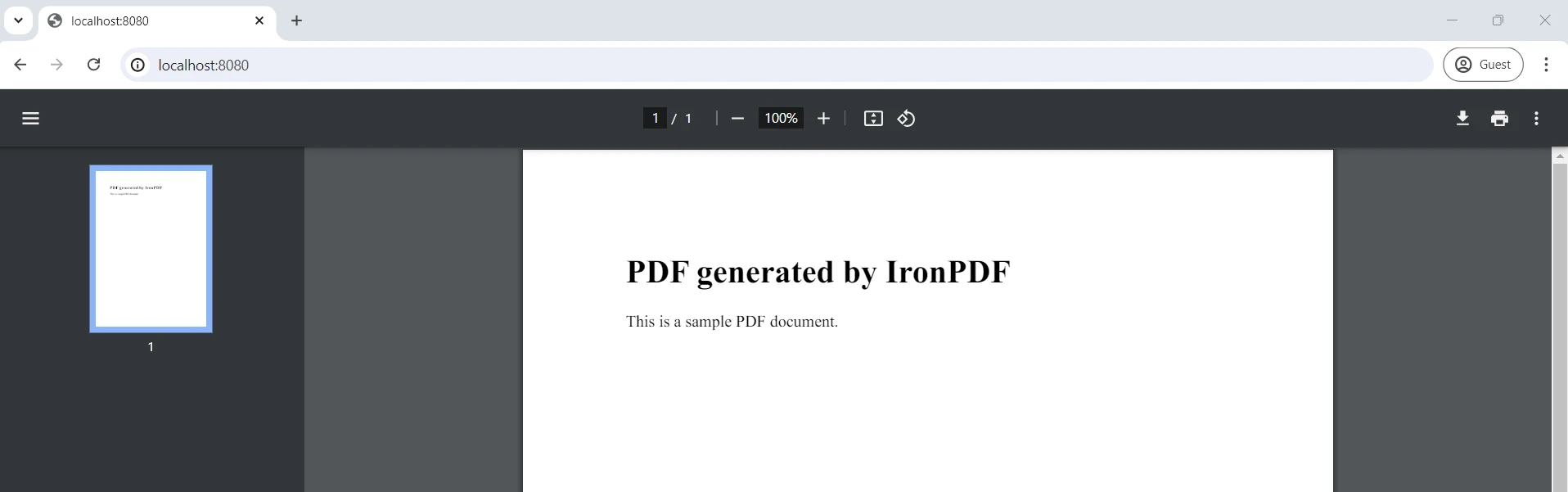
End Class隨附的 C# 程式碼展示了如何將 IronPDF 的 HTML 至 PDF 轉換與 HttpListener 連結,以動態產生和傳送 PDF 文件,以及如何將其設定為基本 HTTP 方法伺服器的功能。 第一步是建立 HttpListener 的實例,並將其設定為監聽 http://localhost:8080/ 的 HTTP 請求。
啟動監聽器後,一個無止盡的迴圈會接手處理進入的請求。 程式碼會記錄每次請求的 URL,使用 IronPDF 從 HTML 文字建立 PDF 文件,然後將 PDF 轉換為位元組陣列。 接下來,回應會設定適當的 MIME 類型 (application/pdf) 和內容長度。
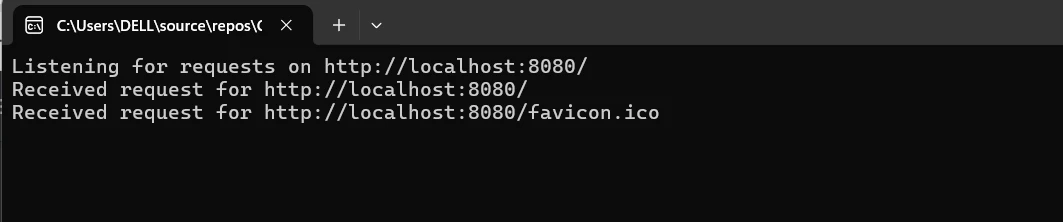
將 PDF 位元組陣列寫入回應輸出串流後,關閉第一個回應串流,將其傳回客戶端。 透過此設定,伺服器可有效地回傳動態建立的 PDF 文件以回應 HTTP 請求。
結論
總而言之,將 IronPDF 與 C# 的 HttpListener 結合使用,可以提供一種可靠的方式,透過 HTTP 動態地建立和交付 PDF 文件。 使用 HttpListener,C# 應用程式可以建立輕量級 HTTP 伺服器,這些伺服器可以處理傳入的請求並提供靈活的回應產生。 透過 IronPDF 的動態 HTML 至 PDF 轉換功能,開發人員可以有效地直接從伺服器端邏輯產生客製化或資料驅動的 PDF 報表、發票或其他文件。
需要透過 Web 介面或 API 即時產生與傳送文件的應用程式可能會發現此組合特別有用。 開發人員可以使用 HttpListener 和 IronPDF 實現可擴展和響應式解決方案,以滿足特定的業務需求。 這些工具可透過網路無縫產生和傳送文件,提升使用者體驗。
您可以透過使用 OCR、處理 BarCode、建立 PDF、連結至 Excel 等方式,改善您的 .NET 開發工具箱。 要做到這一點,需要將其基本基礎與具有高度適應性的 Iron Software Suite 和技術相結合。
透過清楚概述針對專案量身打造的授權可能性,開發人員選擇最佳模式的過程將得以簡化。 這些優點可讓開發人員有效、及時、協調地應用解決各種問題的方案。
常見問題
如何在 C# 中設置 HttpListener?
要在 C# 中設置 HttpListener,您需要創建 HttpListener 類別的實例,配置要監聽的 URI 前綴,啟動監聽器,處理進入的 HTTP 請求,並處理和響應這些請求。
HttpListener 能處理安全的 HTTPS 連接嗎?
是的,可以配置 HttpListener 來處理 HTTPS 請求,允許通過利用 SSL/TLS 協議在伺服器和客戶端之間進行安全的資料傳輸。
在 .NET 應用程式中使用 HttpListener 的好處有哪些?
在 .NET 應用程式中使用 HttpListener 提供多項好處,包括使用簡便、支援異步操作、跨平台兼容性,以及處理多個端點和身份驗證方法的能力。
如何使用 .NET 庫將 HTML 內容轉換為 PDF?
您可以使用像 IronPDF 這樣的 .NET 庫通過使用 RenderHtmlAsPdf 方法直接將 HTML 字串轉換為 PDF 格式,或者使用 RenderUrlAsPdf 方法來轉換網頁。
URI 前綴在 HttpListener 中的作用是什麼?
URI 前綴在 HttpListener 中定義了監聽器將處理的特定 HTTP 請求。通過配置這些前綴,您可以確保監聽器僅處理針對特定端點的請求。
如何在 C# 中將 HttpListener 與 PDF 生成庫集成?
HttpListener 可以通過用於處理進行的 HTTP 請求然後使用 IronPDF 從 HTML 內容生成 PDF 文檔來集成,以便作為響應返回。
HttpListener 兼容哪些平台?
HttpListener 與 Windows、Linux 和 macOS 兼容,適合用於 .NET Core 和 .NET 5+ 的跨平台開發。
異步操作支援如何提高 HttpListener 的效率?
HttpListener 中的異步操作支援允許它同時處理多個請求而不阻塞主應用程式線程,從而提高伺服器的可伸縮性和響應速度。
是否可以使用 .NET 庫實現實時 PDF 生成?
是的,使用像 IronPDF 這樣的 .NET 庫,您可以根據用戶輸入或從 HTTP 請求接收到的動態資料實時生成 PDF,這對需要按需文檔生成的應用程式非常理想。
安裝 .NET 庫以進行 PDF 操作需要哪些步驟?
要在項目中安裝像 IronPDF 這樣的 .NET 庫以進行 PDF 操作,您可以使用 NuGet 包管理器命令 dotnet add package IronPDF 來包含進行 PDF 操作所需的工具。








 立即免費開始
 立即免費開始
 預約免費線上示範





 無需信用卡或註冊帳號