



已更新 2026年4月23日
在 .NET 中用 Microsoft.Extensions.AI 簡化 LLM 整合
AI 正在改變軟體開發,但將大型語言模型 (LLM) 整合到 .NET 中一直很複雜。利用 IronPdf.AI 將 AI 整合推向更遠,為 .NET 應用程式帶來由 OpenAI 驅動的 PDF 解析、資料擷取和內容總結。
閱讀更多

理解十進位數字的行為以及如何操控它們是程式設計中必不可少的。 在C#中,我們可以使用Math.Floor方法來管理十進位數字。 讓我們深入了解一下。
Math.Floor方法是C# System命名空間中的靜態函式。 它的主要目的? 返回小於或等於指定十進位數字的最大整數值。
簡而言之,這個方法將十進位數字向下"取整"到最接近的整數。 無論小數值有多小,這個方法都會向下移動到指定數字下面的下一個整數。
例如,如果我們有一個十進位數字4.89並應用Math.Floor方法,結果將是4。
想像您正在建立一個將產品分成箱子的應用程式。 您知道每個箱子最多可以容納5個物品。 如果客戶訂購22個物品,他們將獲得4個完整的箱子,還有2個物品沒有箱子。 使用Math.Floor方法可以透過將總物品數除以單箱物品數結果"取整"來快速計算您會有多少完整的箱子。
既然我們已經理解了基本概念,讓我們看看如何在實踐中使用它。
在開始之前,請確保您已經準備好C#環境進行測試。 這是一個基本設置:
using System;

namespace MathFloorExample
{
    class Program
    {
        static void Main(string[] args)
        {
            // Code will go here
        }
    }
}Imports System
Namespace MathFloorExample
Friend Class Program
Shared Sub Main(ByVal args() As String)
' Code will go here
End Sub
End Class
End Namespace首先,讓我們嘗試用簡單的十進位數來使用這個方法。
using System;

namespace MathFloorExample
{
    class Program
    {
        static void Main(string[] args)
        {
            double d = 8.75;
            double result = Math.Floor(d);
            Console.WriteLine(result); // Console Output: 8
        }
    }
}Imports System
Namespace MathFloorExample
Friend Class Program
Shared Sub Main(ByVal args() As String)
Dim d As Double = 8.75
Dim result As Double = Math.Floor(d)
Console.WriteLine(result) ' Console Output: 8
End Sub
End Class
End Namespace在上述例子中,十進位數8.75被Floor方法向下取整為8,這就是列印出來的結果。
當我們使用負的小數時會發生什麼? 在以下範例中讓我們找出答案:
using System;

namespace MathFloorExample
{
    class Program
    {
        static void Main(string[] args)
        {
            double d = -8.75;
            double result = Math.Floor(d);
            Console.WriteLine(result); // Console Output: -9
        }
    }
}Imports System
Namespace MathFloorExample
Friend Class Program
Shared Sub Main(ByVal args() As String)
Dim d As Double = -8.75
Dim result As Double = Math.Floor(d)
Console.WriteLine(result) ' Console Output: -9
End Sub
End Class
End Namespace即使對於負數,Math.Floor也保持一致的行為。 它將指定的數字"向下"取整。 在本例中,-9小於-8.75,所以這就是輸出。
雖然Math.Floor處理double型別,但與decimal型別相比會發現其行為有趣。
using System;

namespace MathFloorExample
{
    class Program
    {
        static void Main(string[] args)
        {
            decimal d = 8.75M; // The 'M' suffix indicates a decimal value
            decimal result = Math.Floor(d);
            Console.WriteLine(result); // Console Output: 8
        }
    }
}Imports System
Namespace MathFloorExample
Friend Class Program
Shared Sub Main(ByVal args() As String)
Dim d As Decimal = 8.75D ' The 'M' suffix indicates a decimal value
Dim result As Decimal = Math.Floor(d)
Console.WriteLine(result) ' Console Output: 8
End Sub
End Class
End Namespace這個方法即使我們從decimal型別開始也返回相同的輸出8。 請記住,儘管double和decimal都能表示帶有分數值的數字,但它們在計算機中儲存的方式不同,可能會在其他操作中表現不同。
雖然Math.Floor總是向下取整,但您可能會遇到另一種方法:Math.Round。 讓我們探討這兩者的不同之處。
正如我們已經討論過的:
using System;

namespace MathFloorExample
{
    class Program
    {
        static void Main(string[] args)
        {
            double value = 4.7;
            Console.WriteLine(Math.Floor(value)); // Console Output: 4
        }
    }
}Imports System
Namespace MathFloorExample
Friend Class Program
Shared Sub Main(ByVal args() As String)
Dim value As Double = 4.7
Console.WriteLine(Math.Floor(value)) ' Console Output: 4
End Sub
End Class
End NamespaceMath.Floor總是向下取整,無論小數值如何。
using System;

namespace MathRoundExample
{
    class Program
    {
        static void Main(string[] args)
        {
            double d = 4.7;
            Console.WriteLine(Math.Round(d)); // Console Output: 5
        }
    }
}Imports System
Namespace MathRoundExample
Friend Class Program
Shared Sub Main(ByVal args() As String)
Dim d As Double = 4.7
Console.WriteLine(Math.Round(d)) ' Console Output: 5
End Sub
End Class
End NamespaceMath.Round將四捨五入到最接近的整數。 因此,像4.5以上的值將四捨五入為5。
了解這兩者之間的區別至關重要,特別是在計算中需要精確時。
值得注意的是使用各種數學方法的性能影響。
Math.Floor簡單直接且速度快,特別是當您知道總是想要向下取整時。 例如,計算購物車中的物品,當半個物品沒有意義時,Math.Floor更適合。
像Math.Round或Math.Ceiling(與Math.Floor相反,總是向上取整)這樣的方法可能因為確定舍入方向的邏輯而有些微額外的開銷。 在大多數應用程式中,這種差異是微不足道的,但對於高性能場景,值得基準化您最常使用的操作。
每種方法都有其癖好,Math.Floor也不例外。
由於表示浮點數的方式,非常小的負數有時可能產生意外的結果。
using System;

namespace MathFloorExample
{
    class Program
    {
        static void Main(string[] args)
        {
            double value = -0.000000000000001;
            Console.WriteLine(Math.Floor(value)); // Console Output: -1
        }
    }
}Imports System
Namespace MathFloorExample
Friend Class Program
Shared Sub Main(ByVal args() As String)
Dim value As Double = -0.000000000000001
Console.WriteLine(Math.Floor(value)) ' Console Output: -1
End Sub
End Class
End Namespace這可能違背直覺,因為該值如此接近於零。 但請記住Math.Floor即使對於非常小的負數也始終向下取整。
雖然Math.Floor可以接受double和decimal型別,確保您使用正確的型別對於避免細微的錯誤或型別轉換開銷至關重要。
當我們談到C#及其多功能工具時,強調能將C#提升到新水平的令人印象深刻的產品套件是很重要的。
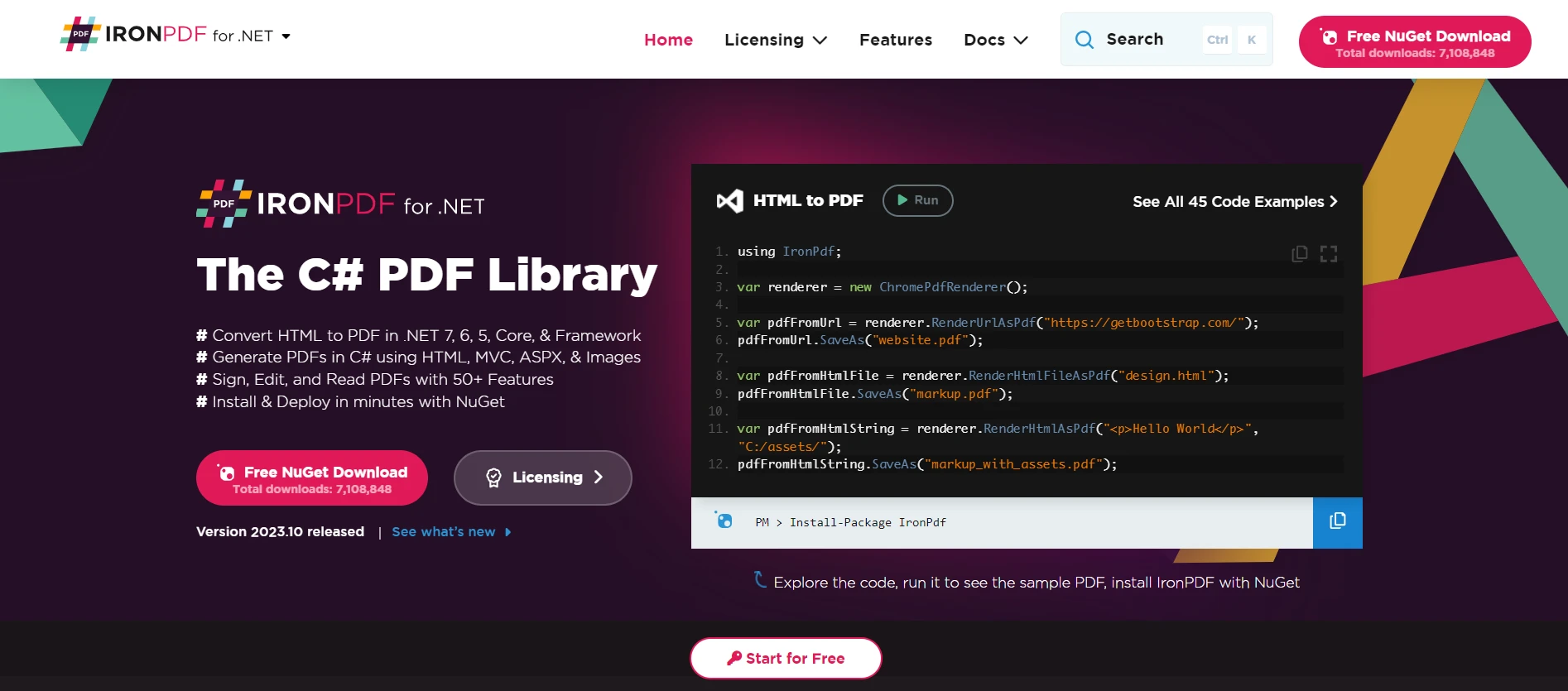
IronPDF簡化了C#中的PDF生成,使開發者能夠輕鬆快速地建立、編輯和閱讀PDF內容。 鑑於我們的主題集中在數學運算和舍入上,IronPDF在您需要生成展示這些操作的報告時尤其有用,特別是在格式良好的PDF文件中。 不必與第三方應用程式或手動導出作鬥爭,您可以直接從C#應用程式中建立、管理和操作PDF。
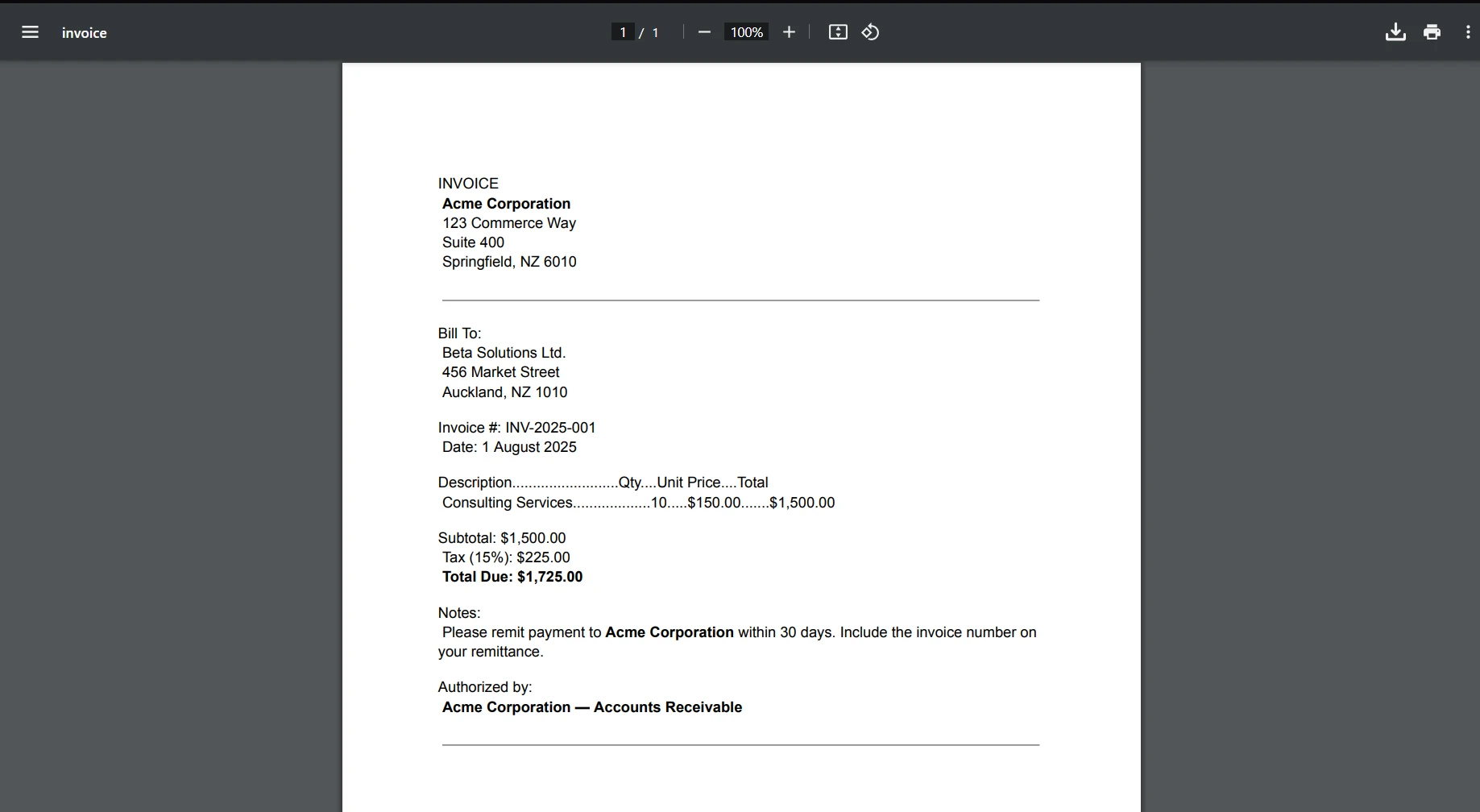
IronPDF在HTML到PDF的轉換中表現出色,確保精確保留原始佈局和樣式。 它非常適合從基於網路的內容(如報告、發票和文件)建立PDF文件。 用於HTML文件、URL和原始HTML字串的支持,IronPDF可以輕鬆生成高品質的PDF文件。
using IronPdf;

class Program
{
    static void Main(string[] args)
    {
        var renderer = new ChromePdfRenderer();

        // 1. Convert HTML String to PDF
        var htmlContent = "<h1>Hello, IronPDF!</h1><p>This is a PDF from an HTML string.</p>";
        var pdfFromHtmlString = renderer.RenderHtmlAsPdf(htmlContent);
        pdfFromHtmlString.SaveAs("HTMLStringToPDF.pdf");

        // 2. Convert HTML File to PDF
        var htmlFilePath = "path_to_your_html_file.html"; // Specify the path to your HTML file
        var pdfFromHtmlFile = renderer.RenderHtmlFileAsPdf(htmlFilePath);
        pdfFromHtmlFile.SaveAs("HTMLFileToPDF.pdf");

        // 3. Convert URL to PDF
        var url = "http://ironpdf.com"; // Specify the URL
        var pdfFromUrl = renderer.RenderUrlAsPdf(url);
        pdfFromUrl.SaveAs("URLToPDF.pdf");
    }
}Imports IronPdf
Friend Class Program
Shared Sub Main(ByVal args() As String)
Dim renderer = New ChromePdfRenderer()
' 1. Convert HTML String to PDF
Dim htmlContent = "<h1>Hello, IronPDF!</h1><p>This is a PDF from an HTML string.</p>"
Dim pdfFromHtmlString = renderer.RenderHtmlAsPdf(htmlContent)
pdfFromHtmlString.SaveAs("HTMLStringToPDF.pdf")
' 2. Convert HTML File to PDF
Dim htmlFilePath = "path_to_your_html_file.html" ' Specify the path to your HTML file
Dim pdfFromHtmlFile = renderer.RenderHtmlFileAsPdf(htmlFilePath)
pdfFromHtmlFile.SaveAs("HTMLFileToPDF.pdf")
' 3. Convert URL to PDF
Dim url = "http://ironpdf.com" ' Specify the URL
Dim pdfFromUrl = renderer.RenderUrlAsPdf(url)
pdfFromUrl.SaveAs("URLToPDF.pdf")
End Sub
End Class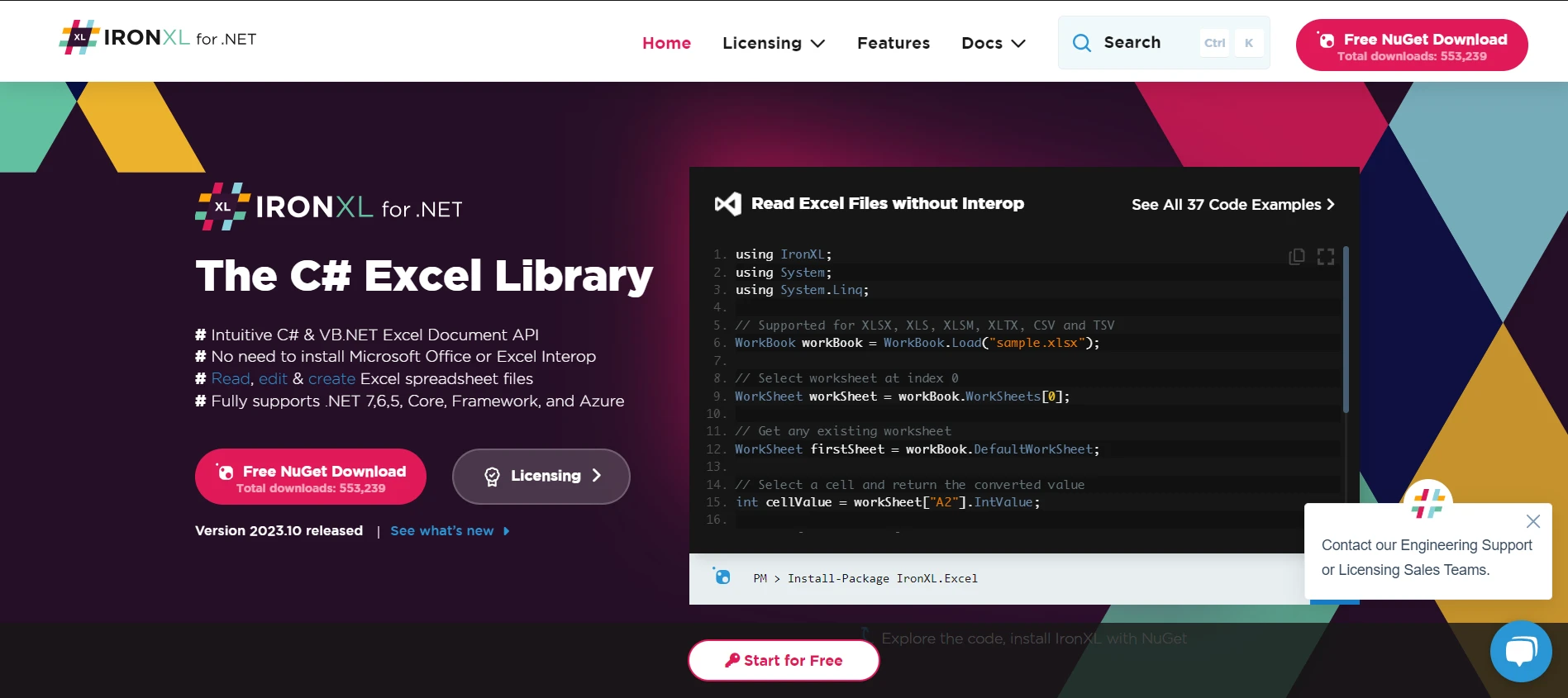
處理Excel操作時,IronXL簡化了C#中的Excel資料管理。 Excel中經常包含帶有小數的資料,像Math.Floor這樣的運算在資料操作中可能扮演重要角色。 IronXL使得在C#中讀取、寫入和操作Excel表格的過程變得簡單。 如果您曾經不得不管理大型資料集或對單元格值進行操作,IronXL可以使這一過程變得順利,同時還能讓您靈活使用本地C#函式。
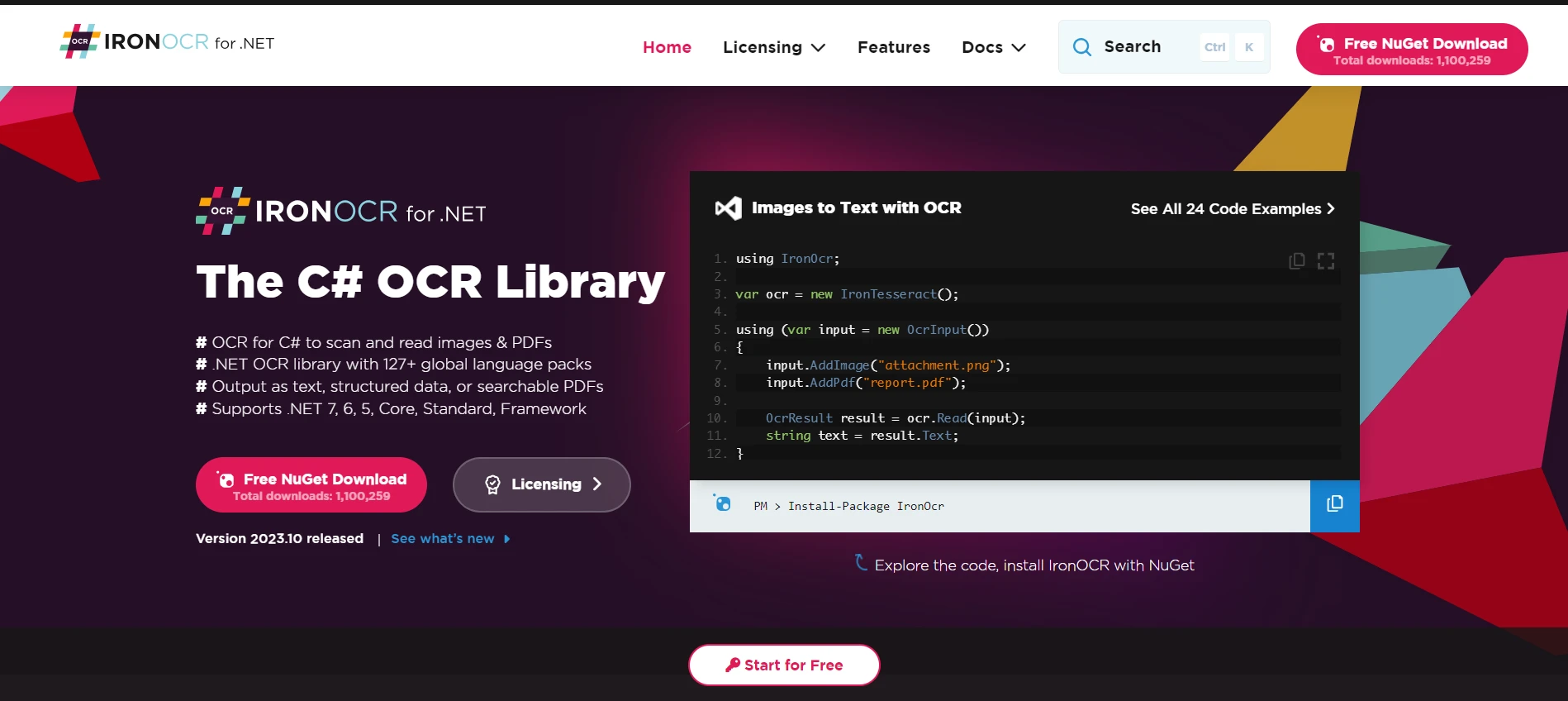
光學字元識別 (OCR) 已經成為現代軟體開發中的一個關鍵工具。 IronOCR為C#應用程式提供OCR文字提取功能,為開發人員提供工具來檢測圖像和文件,提取文字並將其轉換為可操作的資料。 例如,如果您擁有包含資料的掃描文件,在用IronOCR提取這些資料後,您可能希望使用像Math.Floor的函式來處理或舍入這些數字。
條形碼在庫存管理、產品識別等中扮演著重要角色。 IronBarcode豐富了C#的條形碼功能,允許開發者無縫生成、讀取和操作條形碼。 與任何資料管理任務一樣,能夠操作和分析可能涉及使用數學函式的資料至關重要。 IronBarcode確保一旦您擁有條形碼中的資料,您可以透過C#有效地處理它。
C#提供了大量的開箱即用功能,但透過像在Iron Suite增強了C#的功能這樣的專門工具,其功能得到了顯著提升。 不管您是否用IronXL從Excel表格舍入數字或用IronPDF生成報告,理解核心C#方法並用這些高級工具增強它們對於開發者來說是一個強大的組合。
此外,值得注意的是,Iron Suite中的每個產品的經濟性。 每個產品的個別授權從$999開始。 更好的是什麼呢? 如果您考慮嘗試一下,每個產品提供Iron Software產品的免費試用。 對於那些尋求綜合解決方案的人來說,這裡有一個絕佳的交易:您可以以捆綁價格購買整個Iron Suite,提供優秀的價值並確保您擁有完整的工具組合在您手上。

Jacob Mellor是Iron Software的首席技術官,一位在C# PDF技術上開創先河的遠見工程師。作為Iron Software核心程式碼庫的原開發者,他從創立以來就一直在塑造公司的產品架構,與首席執行官Cameron Rimington一起將公司轉變為服務於NASA、特斯拉和全球政府公司的50多名人員的公司。

IronPDF 是 IRONSUITE 的一部分
10 款適用於辦公室文件的 .NET API 產品

當您需要您的PDF看起來像HTML一樣快速。












