
Debug HTML en Chrome para PDFs Pixel-Perfect con C#

El renderizador de Chrome de IronPDF permite a los desarrolladores crear archivos PDF con píxeles perfectos que coinciden exactamente con los diseños HTML tal y como se muestran en Chrome, ya que es compatible con HTML5, CSS3 y JavaScript para generar documentos precisos.
IronPDF garantiza que los PDF tengan exactamente el aspecto esperado. Para lograr unos resultados perfectos, se necesitan excelentes plantillas HTML o la colaboración de desarrolladores web para crearlas. IronPDF renderiza los PDF de forma idéntica a la pantalla del navegador Chrome a través de su Chrome Renderer. Para obtener documentación completa sobre cómo empezar, visite Guía de inicio rápido.
Inicio Rápido: Generar PDFs perfectos en píxeles con IronPDF
El renderizador de Chrome de IronPDF facilita la conversión de HTML a PDF. Esta guía ayuda a los desarrolladores a producir documentos PDF perfectos que reflejan los diseños HTML exactamente como aparecen en Chrome. El proceso garantiza la compatibilidad total con elementos HTML5, CSS3 y JavaScript. Sigue estos pasos para crear PDF que mantengan la integridad de la marca y el diseño web. Para conocer más técnicas de conversión de HTML a PDF, consulte Tutorial de HTML a PDF.
 Empieza a crear PDF con NuGet ahora:
Instalar IronPDF con el gestor de paquetes NuGet
Copie y ejecute este fragmento de código.
// Initialize Chrome PDF renderer with IronPDF
IronPdf.ChromePdfRenderer.RenderHtmlAsPdf("<html><body>Hello World</body></html>").SaveAs("output.pdf");
Despliegue para probar en su entorno real
Empieza a utilizar IronPDF en tu proyecto hoy mismo con una prueba gratuita
¿Qué es el renderizador de Chrome de IronPDF?
¿En qué se diferencia IronPDF de otras bibliotecas PDF .NET?
IronPDF utiliza Google Chromium Renderer, lo que garantiza que el HTML aparezca en los PDF exactamente igual que en los navegadores Chrome. Esta guía cubre los ajustes necesarios tanto en Chrome como en IronPDF para lograr este resultado. Obtenga más información sobre Chrome PDF Rendering Engine para comprender sus capacidades avanzadas.
Muchas tecnologías "HTML a PDF" de la competencia no cumplen con los estándares W3C ni son compatibles con HTML5, CSS3 o JavaScript, y utilizan renderizadores subyacentes como comparación de wkhtmltopdf en C#. Para una comparación detallada del rendimiento, consulte el análisis iText vs IronPDF.
¿Cómo se compara IronPDF con la competencia?
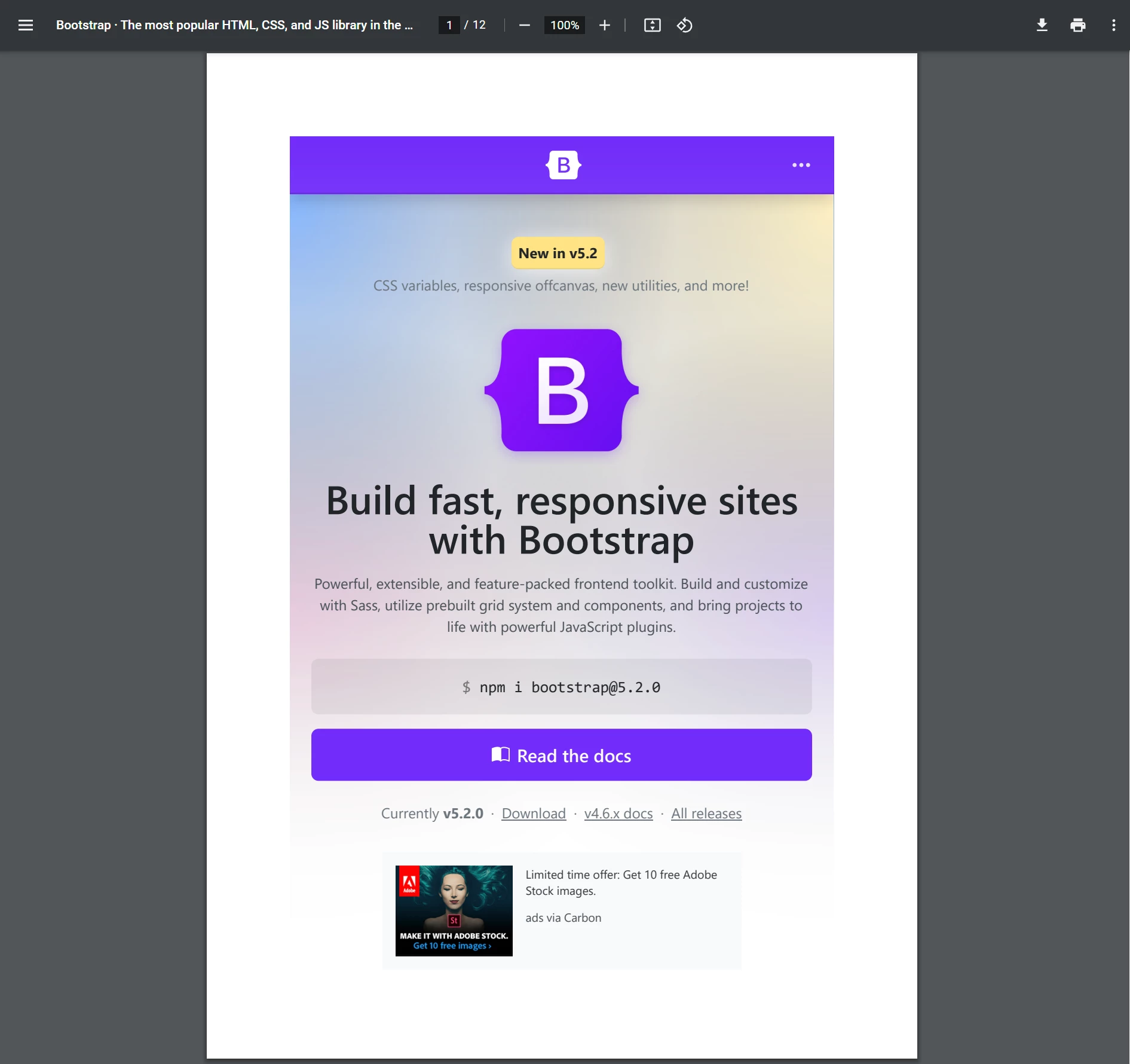
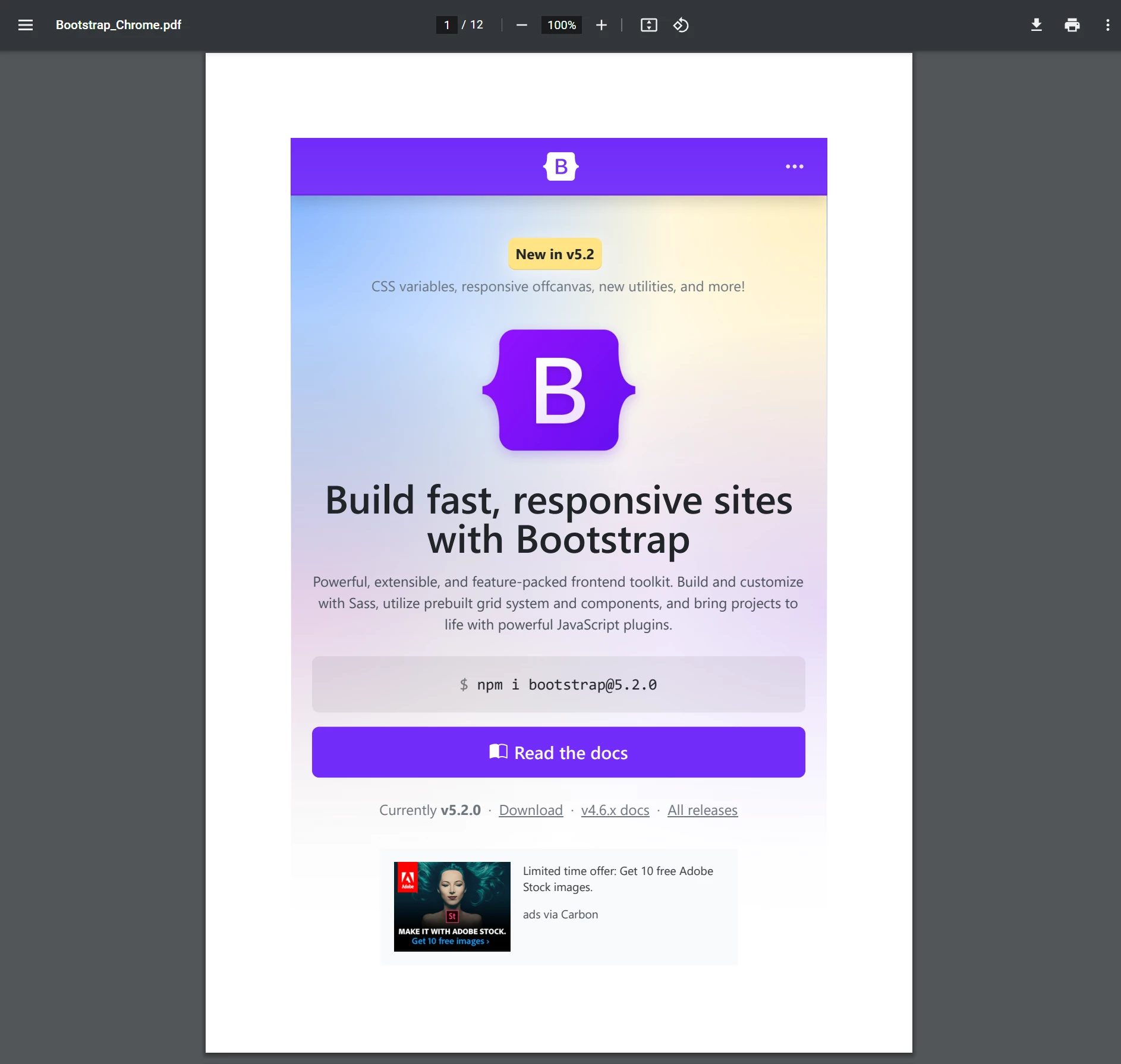
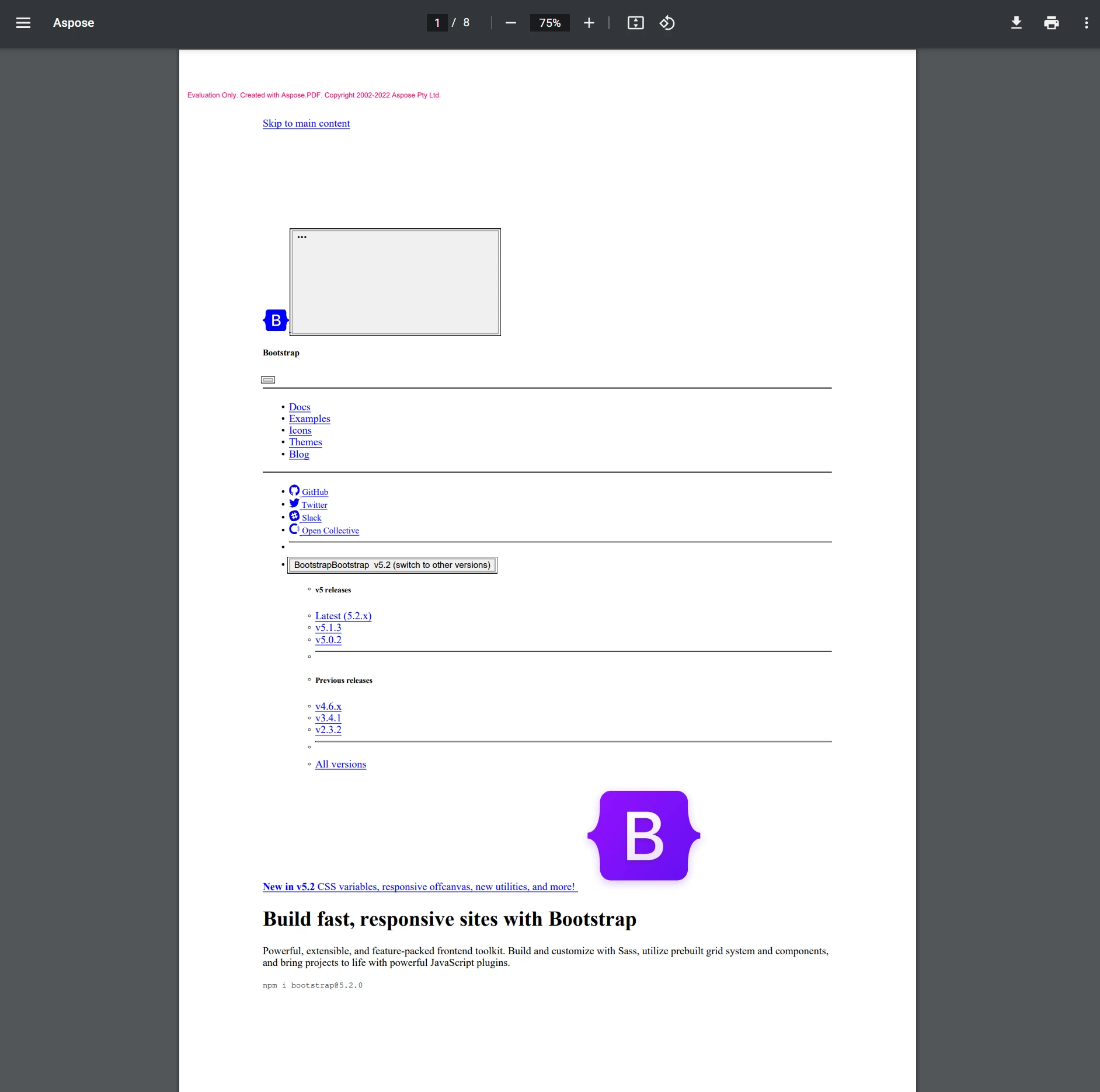
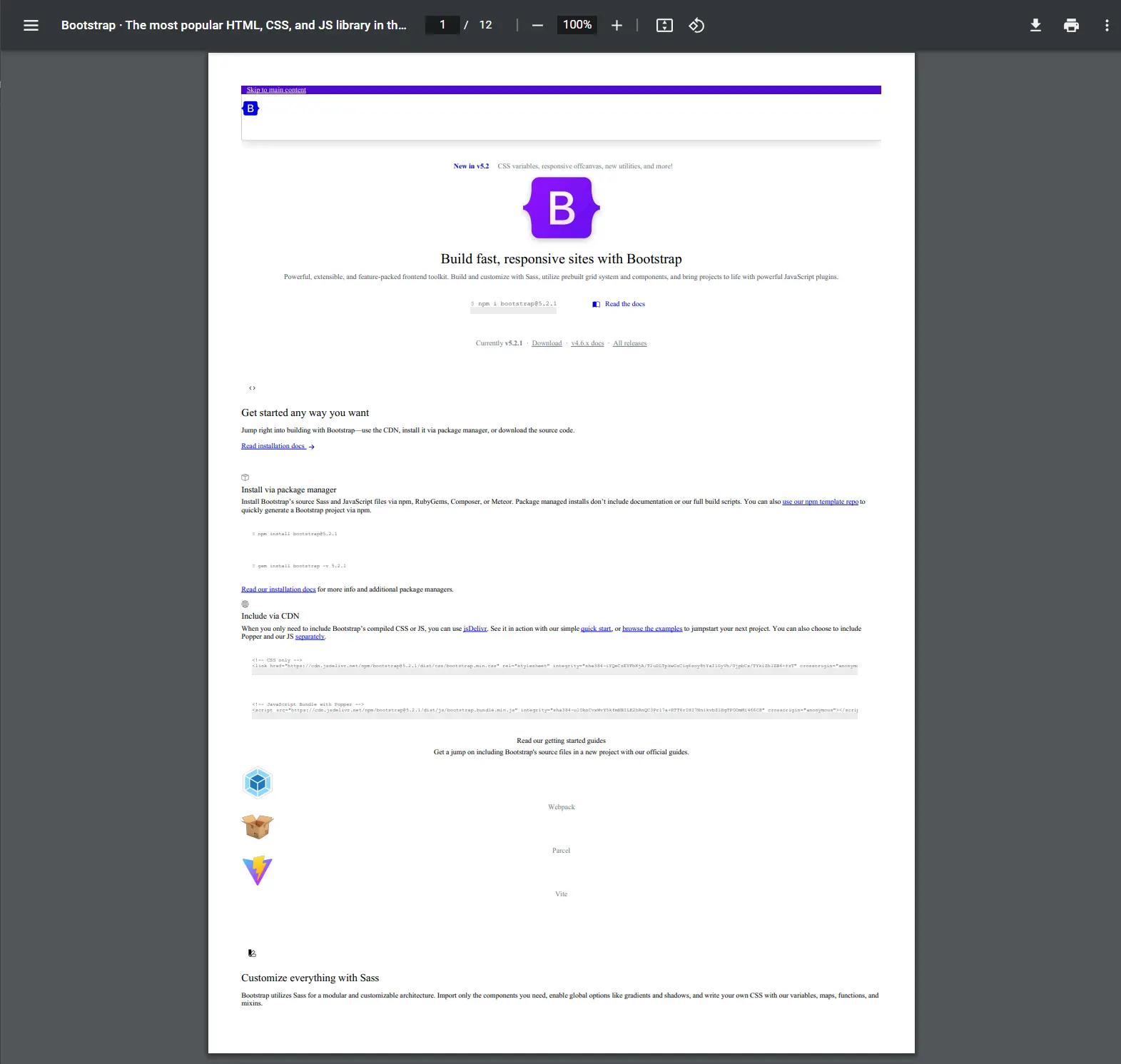
Para ver una lista completa de comparaciones con otros productos, consulte el blog de comparaciones.
Características de las bibliotecas de Iron Software | Using IronPDF's Chrome Rendering Engine | Análisis de Aspose frente a IronPDF | Comparación de iText frente a IronPDF
¿Cómo supera el renderizador de Chrome de IronPDF a Chrome estándar?
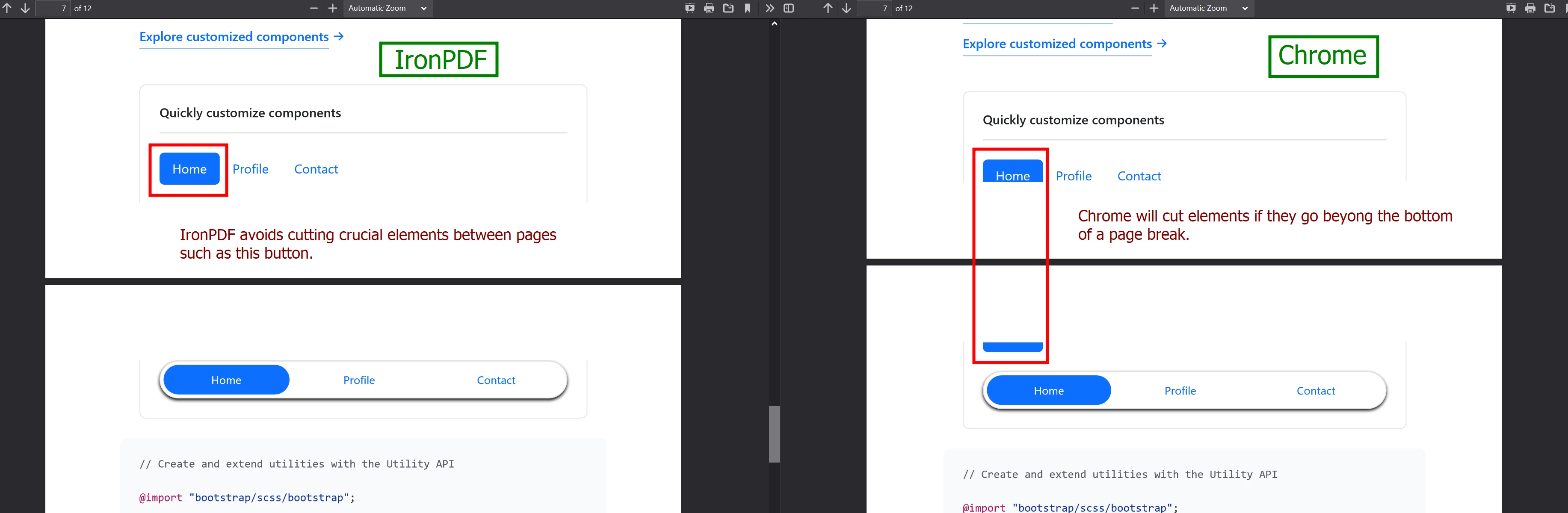
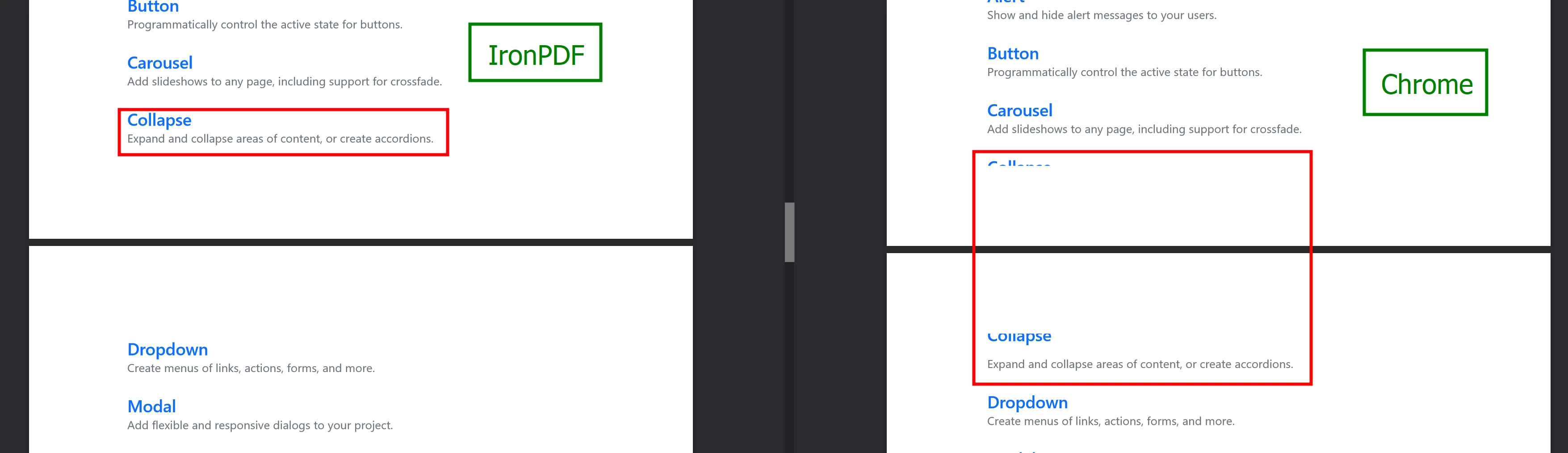
IronPDF supera a Chrome en dos aspectos clave. Los botones y el texto que Chrome divide en páginas permanecen intactos con IronPDF. Esta calidad superior se debe a algoritmos de impresión optimizados y a un tratamiento avanzado de los saltos de página. Para obtener más información sobre la gestión de los saltos de página, consulte la Guía de saltos de página.
¿Qué ocurre cuando se cortan los botones en Chrome?
¿Qué ocurre cuando se corta el texto en Chrome?
¿Por qué los desarrolladores deberían utilizar HTML to PDF?
HTML a PDF ofrece resultados predecibles que se ajustan a la marca web existente. El diseño utiliza tecnologías HTML, CSS y JavaScript estandarizadas. Para crear PDF desde cero, explore la documentación Crear nuevos PDF.
- La maquetación y el diseño deben coincidir exactamente con los del sitio web
- Los desarrolladores web pueden diseñar con absoluta precisión
- Los desarrolladores de backend se centran más en la lógica que en el diseño
¿Cómo elijo entre CSS Media Type Imprimir o Pantalla?
El renderizador de IronPDF tiene dos opciones de renderizado de medios: Imprimir (predeterminado) y Pantalla. Para ver una comparación visual, consulte al final de esta sección. Para el manejo de CSS responsivo, consulte la guía CSS (Pantalla & Imprimir).
CssMediaType.Imprimiroptimiza HTML para la impresión, omitiendo potencialmente imágenes de fondo, iconos y elementos con mucha tinta. Adecuado para documentos sin imágenes de fondo.CssMediaType.Pantallamuestra los PDF exactamente como aparecen en Chrome. Requiere una configuración específica del navegador Chrome para una depuración precisa de la vista previa de impresión.
:path=/static-assets/pdf/content-code-examples/how-to/pixel-perfect-html-to-pdf-1.cs// Pixel Perfect HTML Formatting Settings
IronPdf.ChromePdfRenderer renderer = new IronPdf.ChromePdfRenderer();
renderer.RenderingOptions.CssMediaType = PdfCssMediaType.Print; // or Screen¿Cuándo debo utilizar encabezados de tabla repetidos?
Para tablas que abarcan varias páginas con cabeceras repetidas:
- Utilice
ImprimirCssMediaType exclusivamente - el modo
Pantallaimprime las cabeceras una sola vez
Garantice la correcta representación de las tablas con esta estructura HTML:
:path=/static-assets/pdf/content-code-examples/how-to/pixel-perfect-html-to-pdf-table-example.html// ¡ESTE FRAGMENTO DE CÓDIGO NO ESTÁ DISPONIBLE!¿Cuáles son las diferencias visuales entre los modos Pantalla e Imprimir?
Muchas imágenes e iconos se cargan en modo Pantalla pero no en modo Imprimir:
Comparación entre los tipos de medios de impresión CSS y de pantalla, mostrando el diseño de impresión con sólo texto frente al diseño de pantalla con muchas imágenes para una página web de Mac Comparación de las especificaciones del MacBook Pro mostrando los tipos de medios de impresión CSS frente a los de pantalla con diferentes diseños y visibilidad de iconos
¿Cómo configurar Chrome para una depuración perfecta?
IronPDF utiliza un motor de renderizado de Chrome. Siga estos pasos para que IronPDF renderice HTML exactamente como se muestra en Chrome. Para obtener más información sobre la personalización de la renderización, consulte la documentación Opciones de renderización.
Para renderizar PDFs con píxeles perfectos, incluyendo todas las imágenes, iconos y fondos que suelen omitirse en formato impreso, utilice la opción Pantalla CSS Media.
¿Cómo activar la emulación CSS Media en Chrome DevTools?
- En Chrome, abra DevTools en Chrome.
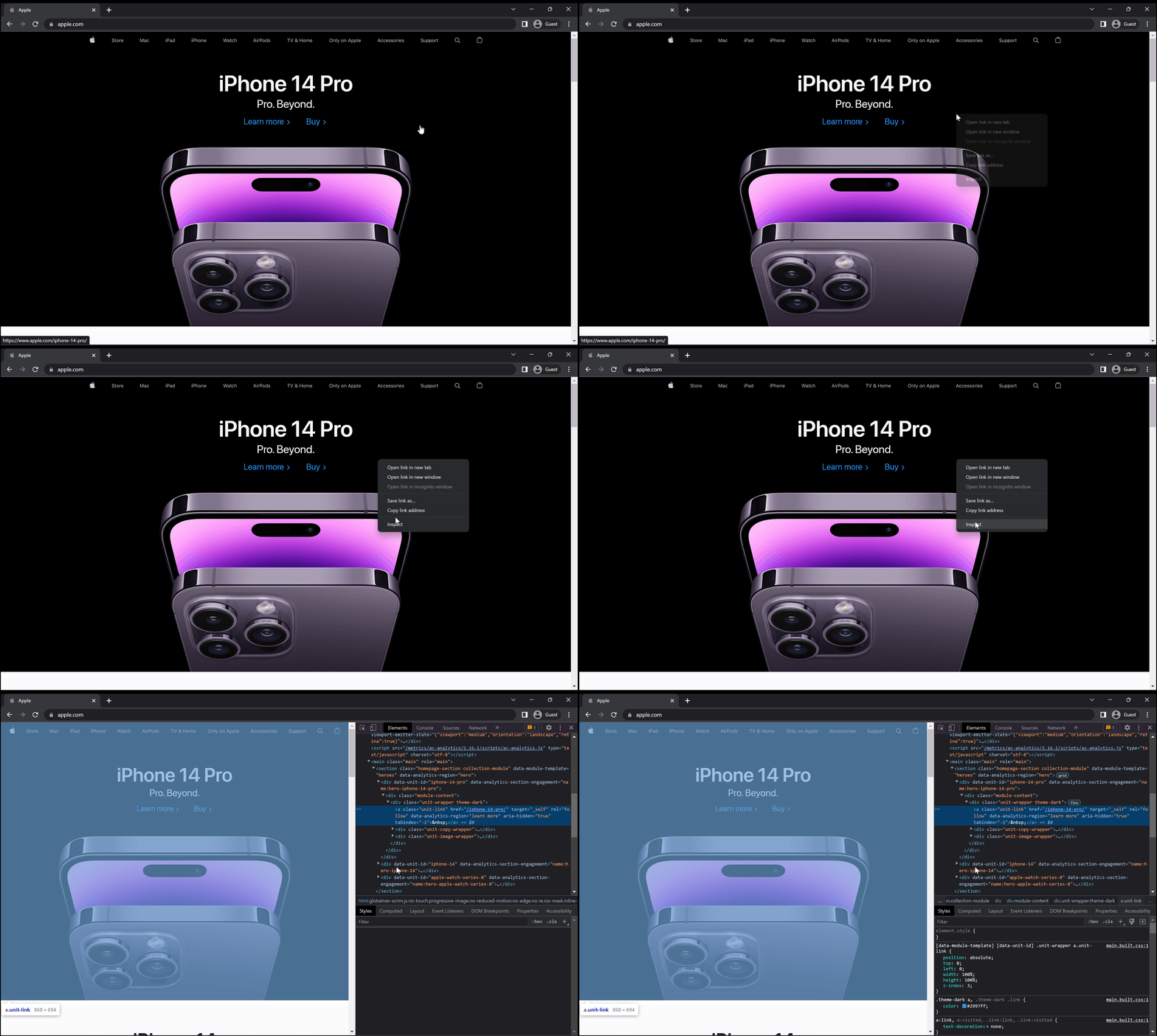
- Presiona Command+Shift+P (Mac) o Control+Shift+P (Windows, Linux, ChromeOS) para abrir el Menú de Comandos. Escriba renderización, seleccione Mostrar renderización y pulse Intro. DevTools muestra la pestaña Rendering en la parte inferior. Más ayuda sobre configuración de renderizado
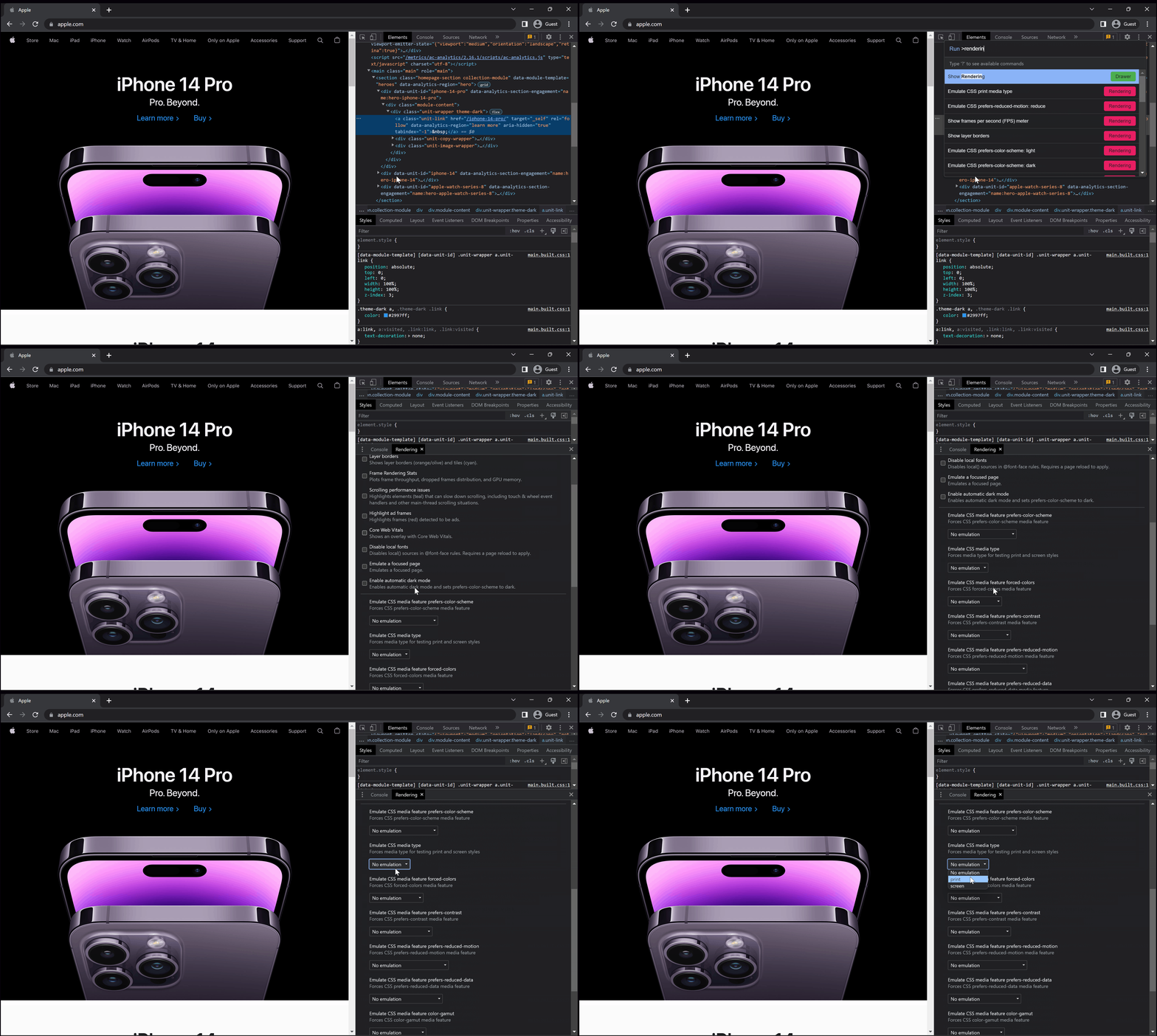
- Vaya al menú desplegable Emular medios CSS y elija
PantallaoImprimir. Recarga (Ctrl+R) si estás en una página web para que los ajustes surtan efecto.
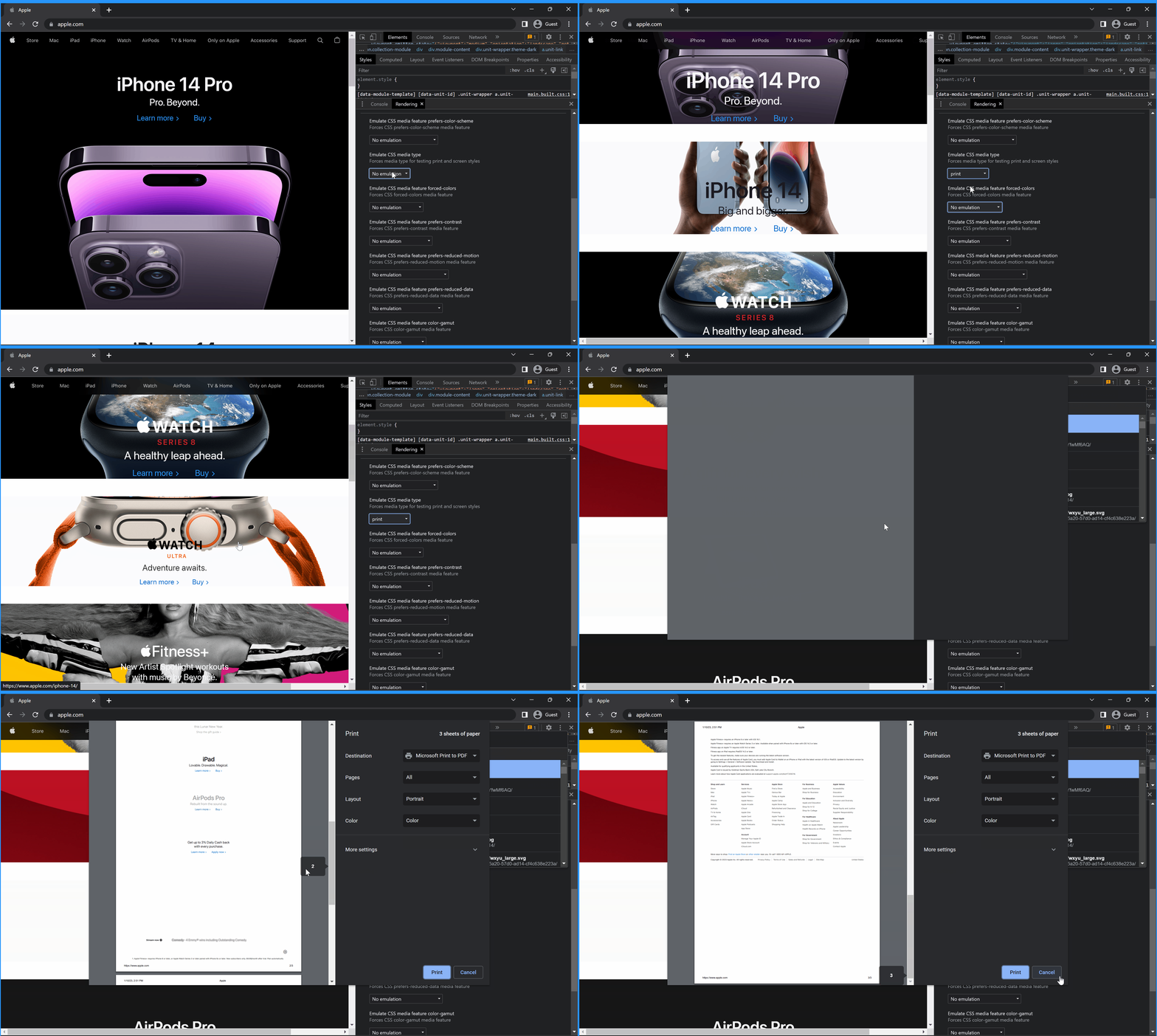
Imprimir
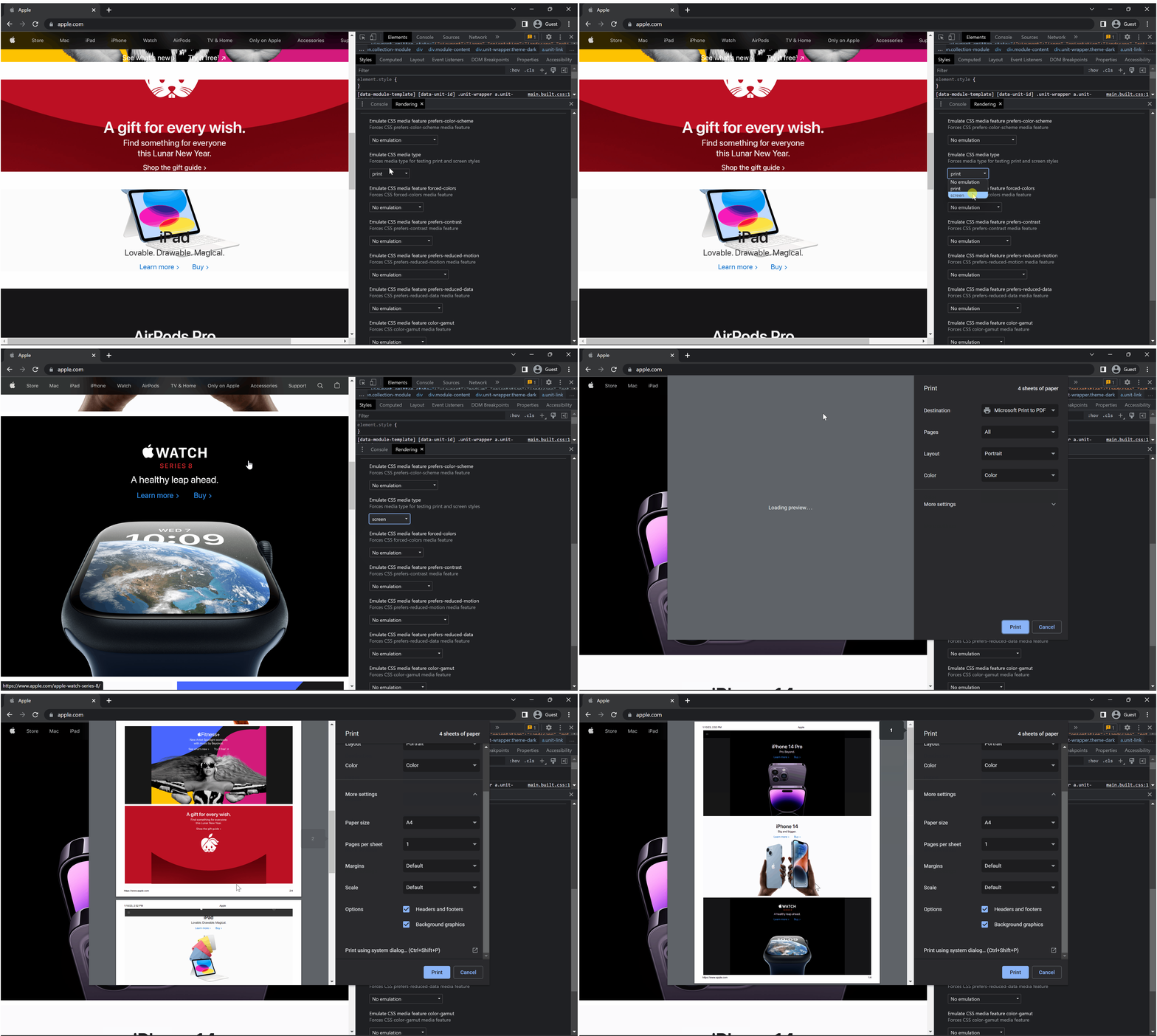
Pantalla
¿Cómo se accede a la ventana de vista previa de impresión?
Cambia el tamaño del papel y activa la "impresión de imágenes de fondo" en el cuadro de diálogo Imprimir de Chrome para obtener una visualización precisa. Para tamaños de papel personalizados, consulte la guía Tamaño de papel personalizado.
¿Qué configuración de vista previa de impresión debo utilizar?
- Elija el tamaño de papel utilizado en su proyecto IronPDF (
A4oLetter) - En
MargenesseleccionePersonalizadosy ajuste todos los lados a 1 pulgada - Activar la casilla
Gráficos de fondo - Establezca
LayoutenLandscapepara documentos apaisados
Estos ajustes permiten depurar HTML con una vista previa de impresión que muestra exactamente cómo IronPDF renderiza los diseños.
¿Cómo configuro IronPDF para un renderizado perfecto de píxeles?
¿Cómo hago coincidir el tipo de medio CSS en IronPDF?
Para ajustarse al diseño de la página web con una precisión del 100%, elija el mismo conjunto de tipos de medios CSS en Chrome.
Recuerde que PdfCssMediaType.Pantalla incluye fondos e imágenes más grandes omitidas en el formato PdfCssMediaType.Imprimir, que está diseñado para impresoras con el fin de ahorrar tinta.
:path=/static-assets/pdf/content-code-examples/how-to/pixel-perfect-html-to-pdf-2.cs// Example using PdfCssMediaType.Screen
IronPdf.ChromePdfRenderer renderer = new IronPdf.ChromePdfRenderer();
renderer.RenderingOptions.CssMediaType = PdfCssMediaType.Screen; // or Print
renderer.RenderingOptions.PrintHtmlBackgrounds = true;¿Por qué son importantes el retardo de renderización y el tiempo de espera de renderización?
El tiempo de espera de IronPDF es de 60 segundos. Cuando la renderización tarda más tiempo, se produce una excepción de tiempo de espera. Anule los valores predeterminados ajustando RenderingOptions.Timeout. El retardo de renderización da tiempo a que activos como imágenes, fuentes y JavaScript se carguen correctamente. Para páginas con mucho JavaScript, consulte la guía JavaScript (Custom Render Delays).
:path=/static-assets/pdf/content-code-examples/how-to/pixel-perfect-html-to-pdf-3.cs// Example of setting Timeout and RenderDelay options
renderer.RenderingOptions.Timeout = 90; // seconds (default is 60)
renderer.RenderingOptions.WaitFor.RenderDelay(30000); // millisecondsSi no se establece ningún tiempo de espera o si el retraso de la renderización es superior al tiempo de espera, se produce una excepción de "Incapaz de renderizar PDF". Aumente estos valores si se encuentra con este error.
- Ejemplo de código JavaScript y WaitFor
- Utilice
WaitForpara retrasar la renderización de PDF y obtener un control de tiempo avanzado
Preguntas Frecuentes
¿Qué hace que los PDF creados con C# tengan exactamente el mismo aspecto que en el navegador Chrome?
IronPDF utiliza Google Chromium Renderer para garantizar que el HTML aparezca en los PDF exactamente igual que en los navegadores Chrome. Este renderizador de Chrome ofrece compatibilidad total con HTML5, CSS3 y JavaScript, lo que permite generar PDF con píxeles perfectos que se ajustan con precisión a sus diseños web.
¿Cómo puedo generar rápidamente un PDF a partir de HTML utilizando C#?
Puede crear un PDF con sólo una línea de código utilizando el renderizador de Chrome de IronPDF: IronPDF.ChromePdfRenderer.RenderHtmlAsPdf("Hola Mundo").SaveAs("output.pdf"). Este sencillo método aprovecha el motor de renderizado de Chrome para producir PDF perfectos al instante.
¿Por qué algunas bibliotecas de HTML a PDF producen resultados diferentes de los esperados?
Muchas tecnologías HTML a PDF de la competencia no cumplen con los estándares W3C o no son compatibles con HTML5, CSS3 o JavaScript. El renderizador de Chrome de IronPDF garantiza que sus PDF coincidan exactamente con lo que se ve en el navegador Chrome, a diferencia de las bibliotecas que utilizan renderizadores obsoletos como wkhtmltopdf.
¿Qué funciones HTML y CSS son compatibles con la generación de PDF?
El renderizador de Chrome de IronPDF es compatible con toda la gama de tecnologías web modernas, incluidos HTML5, CSS3 y JavaScript. Esta completa compatibilidad garantiza que los diseños complejos, las animaciones, los diseños con capacidad de respuesta y los elementos interactivos se reproduzcan con precisión en sus documentos PDF.
¿Cómo puedo asegurarme de que mis PDF mantienen la integridad de la marca y el diseño web?
IronPDF renderiza los PDF de forma idéntica a la pantalla del navegador Chrome a través de su Chrome Renderer. Al depurar primero sus plantillas HTML en Chrome y luego utilizar IronPDF para la conversión, puede mantener la integridad completa del diseño y asegurarse de que sus PDF conservan todos los elementos de marca exactamente como se pretendía.









 Comience gratis
 Comience gratis
 Reserve demostración en vivo gratis



 No se requiere tarjeta de crédito ni creación de cuenta